
مقدمة
في صناعة الطباعة التجارية، تحدد طريقة نقل الصورة هيكل التكلفة والوقت المستغرق وجودة المنتج النهائي. بالنسبة لمديري المشتريات ومهندسي التعبئة والتغليف، فإن التمييز بين الطباعة بالضغط (التلامس) و الطباعة بدون ضغط (بدون تلامس) أمر بالغ الأهمية لتحسين سلاسل التوريد.
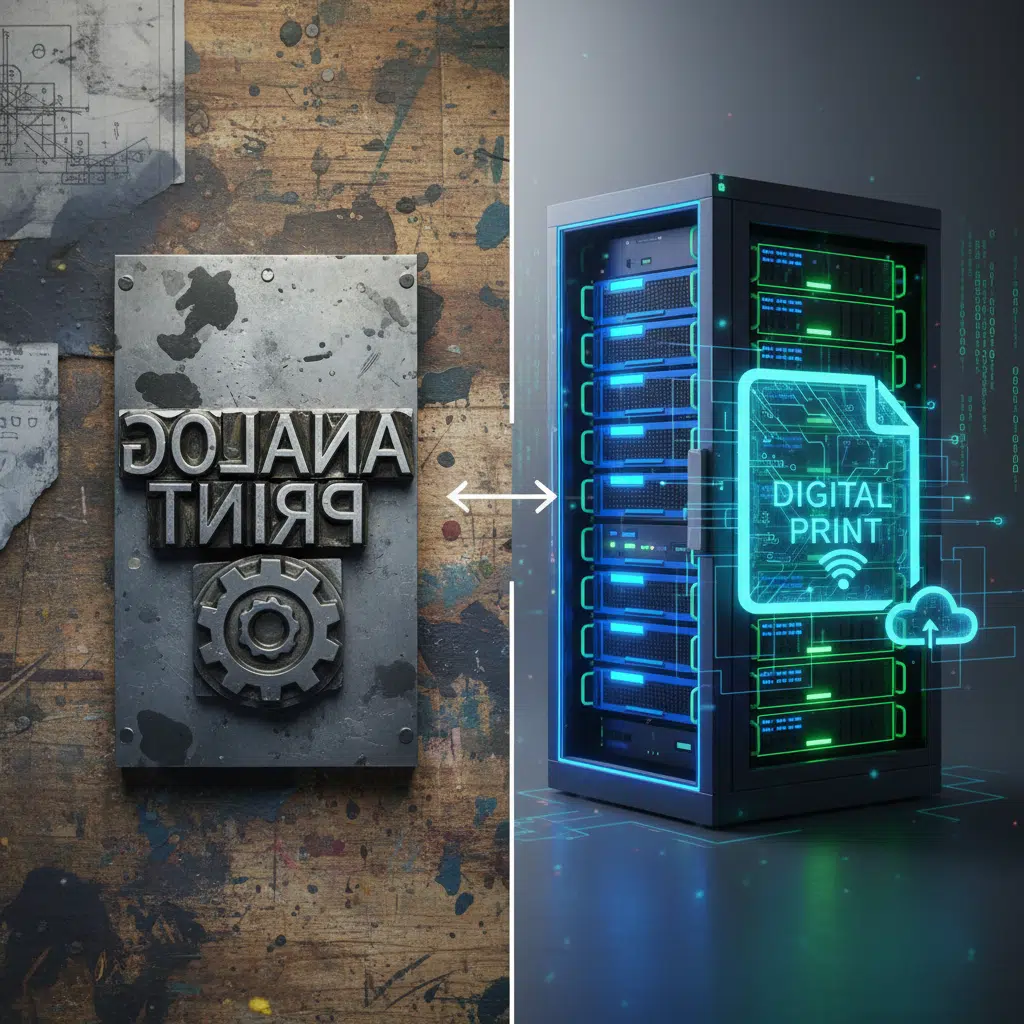
في حين تعتمد الطرق التقليدية القائمة على الضغط على الألواح المادية والقوة الميكانيكية لنقل الحبر، تستخدم التقنيات الحديثة غير القائمة على الضغط إشارات رقمية لترسيب الألوان دون تلامس مباشر. فهم الفروق الفنية الدقيقة في الطباعة بالضغط والطباعة بدون ضغط. يساعد الشركات على تحديد ما إذا كانت ستستثمر في نموذج الطباعة التقليدية عالية الإعداد ومنخفضة التكلفة للوحدة أو نموذج الطباعة الرقمية المرنة ومنخفضة الإعداد.
1. ما هي الطباعة بالضغط (بصمة التلامس)؟
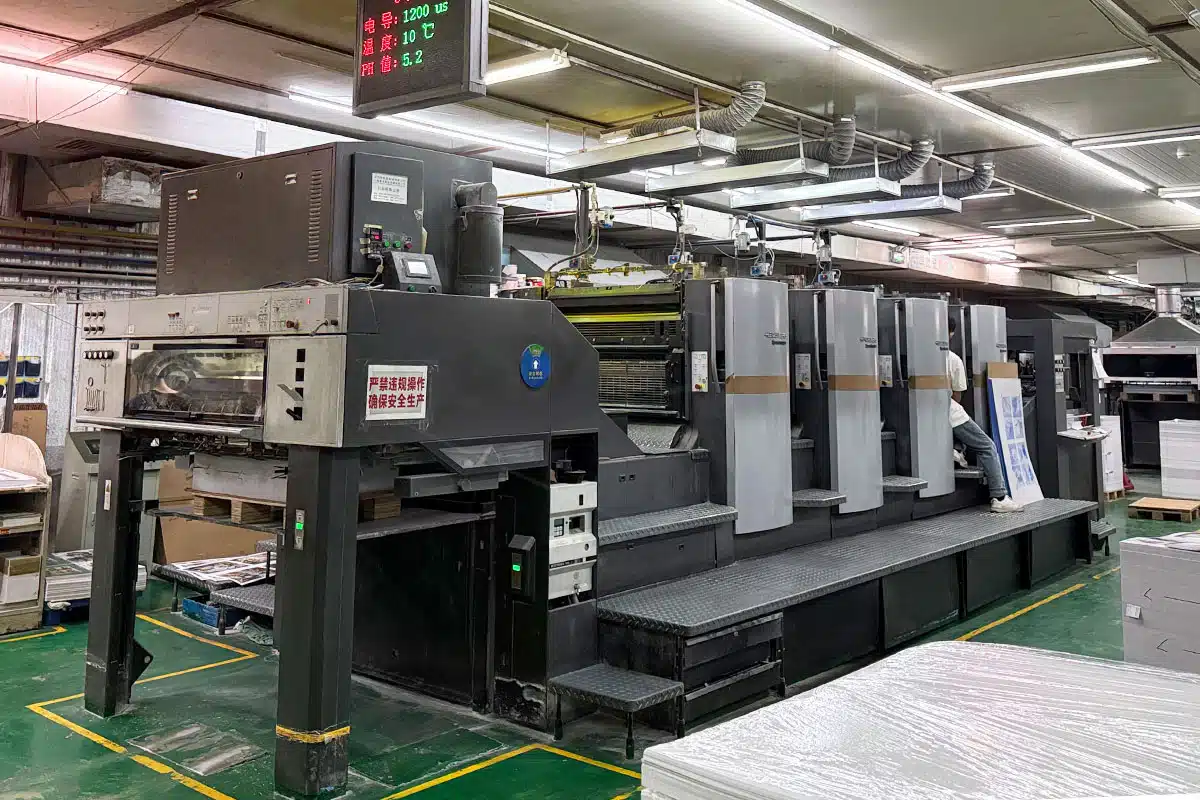
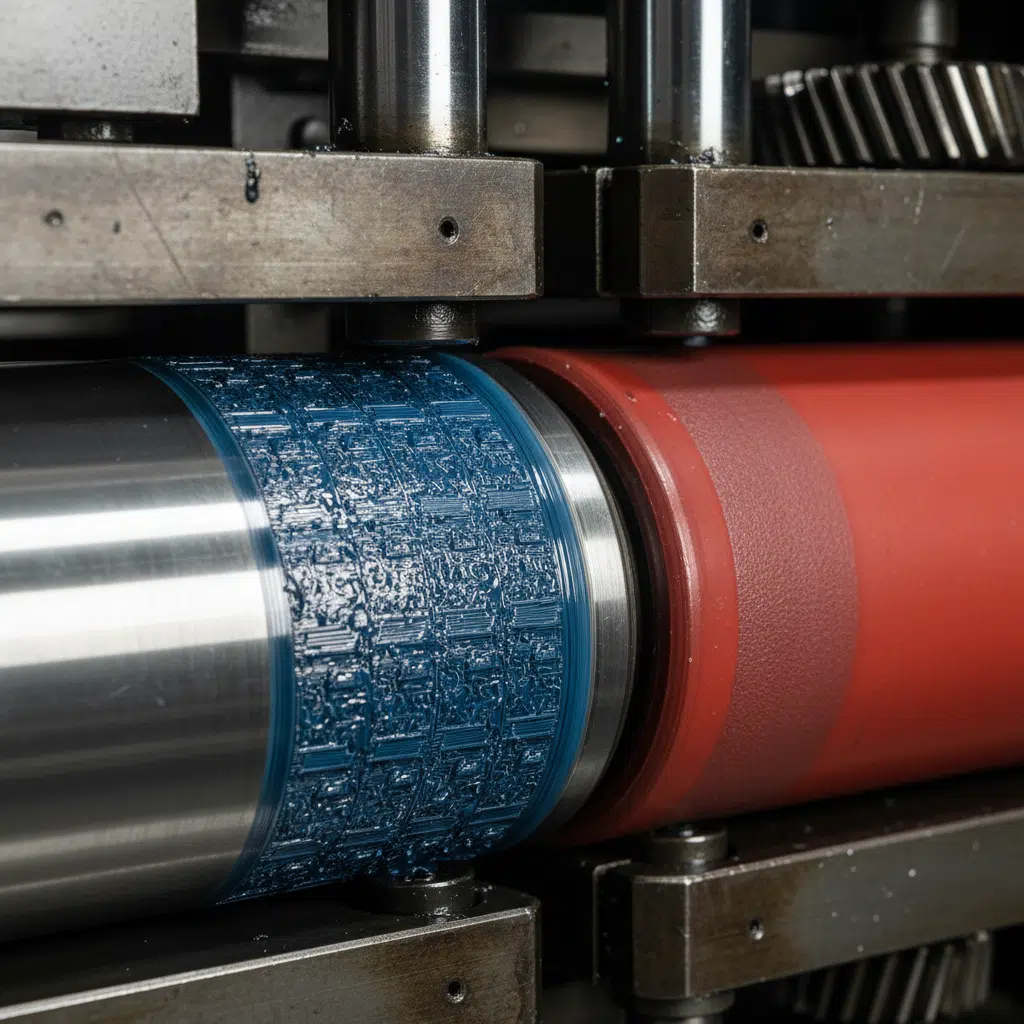
الطباعة بالضغط، المعروفة تاريخياً باسم الطباعة بالبصمة التلامسية، هي أساس التصنيع الصناعي. وهي تعمل على مبدأ ميكانيكي: حيث يقوم حامل مادي (لوحة الطباعة) بنقل المعلومات الرسومية إلى ركيزة (ورق، بلاستيك، معدن) باستخدام الضغط المادي المباشر.
تتضمن هذه العملية بشكل عام خمسة عناصر أساسية:
- الركيزة المواد التي تتم طباعتها على.
- اللوحة: النقش الفيزيائي أو السطح الكيميائي الذي يحمل الصورة.
- الحبر الملونات اللزجة أو السائلة.
- الآلات: مكابس تطبق أطنانًا من القوة لضمان النقل.
- الإكسسوارات: البطانيات، والبكرات، وأنظمة التخميد.
الأنواع الرئيسية للطباعة بالضغط
بناءً على هيكل لوحة الطباعة، يتم تصنيف الطباعة بالملامسة إلى أربع فئات صناعية رئيسية:
- طباعة الحروف (الإغاثة): منطقة الصورة مرفوعة. يتم تطبيق الحبر على السطح المرتفع وضغطه مباشرة على الورق. وعلى الرغم من أنها أقل شيوعًا في الأعمال التجارية الضخمة اليوم، إلا أنها لا تزال شائعة في القرطاسية والملصقات الفاخرة بسبب المسافة البادئة الملموسة التي تُحدثها.
- النقش الغائر (الحفر): منطقة الصورة محفورة في اللوحة (الغائرة). يملأ الحبر الخلايا، ويُمسح الفائض، ويسحب الضغط العالي الحبر إلى الركيزة. هذا هو المعيار للتعبئة والتغليف بكميات كبيرة والعملة.
- الطباعة الحجرية (بلانوغرافي): تكون مناطق الصورة والمناطق غير المصورة على نفس المستوى المسطح، وتفصل بينهما الخواص الكيميائية (الزيت مقابل الماء). الطباعة الحجرية الأوفست هي الطريقة السائدة للنشر والتغليف، باستخدام غطاء مطاطي لنقل الصورة من اللوحة إلى الورق.
- الاستنسل (طباعة الشاشة): يتم دفع الحبر من خلال شاشة شبكية. وفي حين أن الطباعة على الشاشة الدوارة الصناعية غالباً ما تكون يدوية، إلا أنها تستخدم الضغط لدفع الحبر من خلال الاستنسل إلى الركيزة.
2. ما هي الطباعة بدون ضغط (بدون تلامس)؟
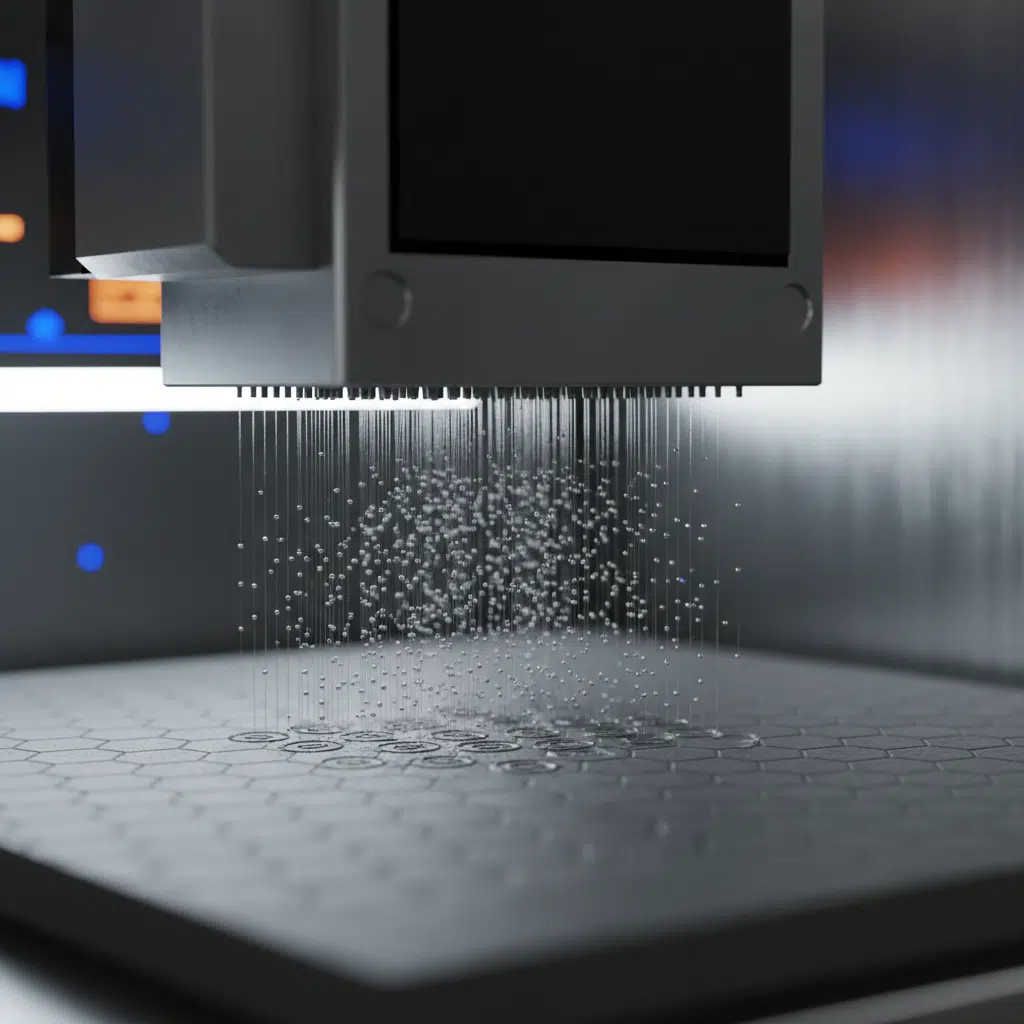
الطباعة بدون ضغط، والتي يشار إليها عادةً باسم الطباعة الرقمية أو الطباعة بدون تلامس، تلغي لوحة الطباعة المادية. فبدلاً من الضغط الميكانيكي الذي ينقل صورة ثابتة، تستخدم هذه الطريقة أنظمة يتم التحكم فيها بواسطة الكمبيوتر لترسيب الحبر أو قطرات الحبر مباشرةً على الركيزة.
تعتمد هذه التقنية على البيانات الإلكترونية، مما يسمح بـ طباعة البيانات المتغيرة (VDP)حيث يمكن أن تكون كل طبعة مختلفة دون توقف المكبس. وهي مثالية للبيئات المكتبية والتغليف قصير المدى والنماذج الأولية السريعة.
الأنواع الرئيسية للطباعة بدون ضغط
- الطباعة النافثة للحبر: تقوم الفوهات الدقيقة برش قطرات صغيرة من الحبر على المادة. يمكن لرؤوس نفث الحبر الصناعية الطباعة على الألواح المموجة والبلاستيك والسيراميك دون لمس السطح، مما يحافظ على سلامة المواد الهشة.
- الطباعة بالليزر (الكهروستاتيكية): ينشئ شعاع الليزر شحنة ساكنة على الأسطوانة، مما يجذب جزيئات الحبر التي يتم دمجها بعد ذلك في الورق باستخدام الحرارة. هذا هو المعيار لطباعة المستندات والكتيبات قصيرة المدى.
- الطباعة الحرارية: تُستخدم الحرارة لنقل اللون من الشريط (النقل الحراري) أو لتنشيط طلاء حساس للحرارة على الورق (حراري مباشر). يستخدم هذا على نطاق واسع في الخدمات اللوجستية لملصقات الباركود.
3. التحليل المقارن: اختيار الطريقة الصحيحة
عند اختيار البائع أو العملية، يجب على المشترين الموازنة بين تكاليف الإعداد وتكاليف التشغيل.
| الميزة | الطباعة بالضغط (الاتصال) | الطباعة بدون ضغط (بدون تلامس) |
|---|---|---|
| تكلفة الإعداد | عالية (لوحات، جاهزة) | منخفضة إلى لا شيء (ملف للطباعة) |
| تكلفة الوحدة | ينخفض بشكل ملحوظ مع انخفاض الحجم | تظل مسطحة نسبيًا |
| السرعة | إعداد أبطأ، إخراج سريع للغاية | إعداد فوري، سرعة إخراج معتدلة |
| الجودة | دقة ألوان فائقة (بانتون) | جودة عالية، ولكن تختلف محاكاة بانتون |
| التخصيص | الصور الثابتة (نفس الصور الثابتة في كل طبعة) | بيانات متغيرة (فريدة من نوعها في كل طباعة) |
| تنوع الركيزة | عالية للغاية (ورق، معدن، رقائق معدنية) | يتزايد، ولكن توجد قيود على القوام |
متى تختار الطباعة بالضغط
الطباعة بالضغط (وتحديداً طباعة الأوفست أو فليكسو) هي الخيار الصحيح عندما:
- الحجم مرتفع: إذا كنت تقوم بطباعة أكثر من 5000 نسخة من كتاب أو أكثر من 50000 علبة تغليف، فإن تكلفة الوحدة للطباعة بالضغط هي جزء بسيط من الطباعة الرقمية.
- ألوان محددة PMS مطلوبة: غالبًا ما يتطلب اتساق العلامة التجارية أحبار بانتون الممزوجة مسبقًا، والتي يتم تطبيقها بشكل أفضل عبر محطات الأوفست أو فليكسو.
- التشطيبات الخاصة مطلوبة: غالباً ما يتطلب النقش الثقيل أو الرقائق المعدنية الضغط الميكانيكي المتأصل في هذه العمليات القديمة.
متى تختار الطباعة بدون ضغط
تتفوق طرق عدم التلامس في الحالات التالية:
- السرعة هي الأولوية: إذا كنت تحتاج إلى 500 نشرة إعلانية في غضون 24 ساعة، فإن الطباعة بدون ضغط تتجاوز عملية صنع اللوحات بالكامل.
- التخصيص هو المفتاح: يجب أن تتم الحملات البريدية المباشرة التي تتطلب أسماء أو عناوين فريدة على كل قطعة رقمياً.
- الركيزة حساسة: غالبًا ما تكون الطباعة على الأجسام ثلاثية الأبعاد أو الأسطح غير المستوية (مثل الزجاجات أو الإلكترونيات) أسهل باستخدام رؤوس نفث الحبر التي لا تلمس الجزء فعليًا.
4. اعتبارات التصنيع والجودة
بالنسبة للمشترين الصناعيين، يعد فهم معايير مراقبة الجودة (QC) لهذه الطرق أمرًا ضروريًا لصياغة المواصفات.
التسجيل والتفاوتات المسموح بها
في الطباعة بالضغط، يعد التسجيل الميكانيكي أمرًا بالغ الأهمية. يجب الإمساك بالركيزة وتحريكها عبر محطات ألوان متعددة (CMYK). تحتفظ المطابع الحديثة بتفاوتات ضيقة ولكن يمكن أن تحدث تحولات طفيفة. أما في الطباعة بدون ضغط، يكون التسجيل رقميًا وغالبًا ما يكون أكثر دقة في مسار واحد، على الرغم من أن النطاقات (الخطوط في الألوان الصلبة) يمكن أن تكون عيبًا في أنظمة نفث الحبر.
التجفيف والمعالجة
غالباً ما تستخدم الطباعة بالضغط أحبار التجفيف التأكسدي أو الأحبار المعالجة بالأشعة فوق البنفسجية. وهذا يتطلب وقتاً أو مصابيح الأشعة فوق البنفسجية عالية الطاقة. تقوم الأنظمة غير الضاغطة، وخاصة الليزر، بدمج الحبر على الفور بالحرارة، مما يسمح بالتشطيب الفوري (القص/الطي). ومع ذلك، يمكن أن يتشقق الحبر في بعض الأحيان على خطوط الطي إذا لم يتم تسجيله بشكل صحيح.
5. دليل الشراء: المهلة الزمنية ومذكرات الشراء
الحد الأدنى لكميات الطلبات (MOQ):
- الضغط من المتوقع أن تتراوح الكميات المطلوبة من 1,000 إلى 5,000 وحدة حسب درجة التعقيد. إن تكلفة صنع الألواح تجعل الكميات الصغيرة غير مجدية اقتصاديًا.
- عدم الضغط: يمكن أن تصل موك إلى وحدة واحدة فقط. وهذا يسمح باستراتيجيات التصنيع "في الوقت المناسب" (JIT)، مما يقلل من تكاليف تخزين المخزون.
إعداد العمل الفني:
- للطباعة بالضغط، يجب فصل الملفات إلى لوحات ملونة (CMYK + Spots) مع إدارة إعدادات التسييل والفخ بعناية.
- أما بالنسبة إلى ملفات PDF القياسية عالية الدقة غير المضغوطة، فعادةً ما تكون ملفات PDF القياسية عالية الدقة كافية، حيث إن معالج الصور النقطية (RIP) يتعامل مع إدارة الألوان.
الأسئلة المتداولة
هل الطباعة بدون ضغط أرخص من الطباعة بالضغط؟
يعتمد ذلك على الحجم. بالنسبة للأشواط القصيرة (على سبيل المثال، أقل من 1000 وحدة)، تكون الطباعة بدون ضغط أرخص بسبب عدم وجود تكاليف لوحات. بالنسبة للأشواط الطويلة، تكون الطباعة بالضغط أرخص بكثير لكل وحدة.
هل يمكنني استخدام ألوان Pantone في الطباعة بدون تلامس؟
تحاكي معظم المطابع الرقمية غير الملامسة ألوان بانتون باستخدام CMYK (أو التدرجات الموسعة مثل CMYKOV). على الرغم من أنها متقاربة، إلا أنها ليست مطابقة دقيقة 100% مقارنةً بالأحبار الممزوجة مسبقًا المستخدمة في الطباعة بالضغط.
ما هي الطريقة الأفضل للتغليف الصديق للبيئة؟
كلاهما له مزايا. فالطباعة بدون ضغط تقلل من النفايات من خلال التخلص من الألواح والمواد الكيميائية المرتبطة بالتجهيز. ومع ذلك، تستخدم الطباعة بالضغط الأحبار النباتية وهي أكثر كفاءة للإنتاج بكميات كبيرة، مما يقلل من البصمة الكربونية لكل وحدة.
هل تدوم الطباعة بدون تلامس مثل الطباعة بالتلامس؟
بشكل عام، نعم. تتميز الأحبار الحديثة النافثة للحبر المعالجة بالأشعة فوق البنفسجية والحبر المنصهر بمتانة عالية. ومع ذلك، بالنسبة للتطبيقات الخارجية المعرضة لأشعة الشمس المباشرة، قد تظل أحبار محددة مقاومة للأشعة فوق البنفسجية (غالباً ما تستخدم في الطباعة بضغط الشاشة) توفر طول عمر أعلى.
الخاتمة
يكمن الفرق بين الطباعة بالضغط والطباعة بدون ضغط في آليات النقل: القوة المادية مقابل الترسيب الرقمي. بالنسبة إلى عمليات التشغيل الصناعية والتغليف والنشر على نطاق واسع، تظل وفورات الحجم التي توفرها طرق التلامس مثل الأوفست والطباعة المرنة لا تقبل المنافسة. وعلى العكس من ذلك، توفر الحلول الرقمية غير التلامسية مرونة لا مثيل لها بالنسبة إلى التحولات السريعة والبيانات المتغيرة والطباعة القصيرة.
يتطلب اختيار الطريقة الصحيحة تحليل حجم مشروعك والركيزة والجدول الزمني.
هل تحتاج إلى مساعدة في تحديد أفضل طريقة طباعة لمشروعك القادم؟ طلب عرض أسعار أو اتصل بفريقنا الفني اليوم لمناقشة مواصفاتك.