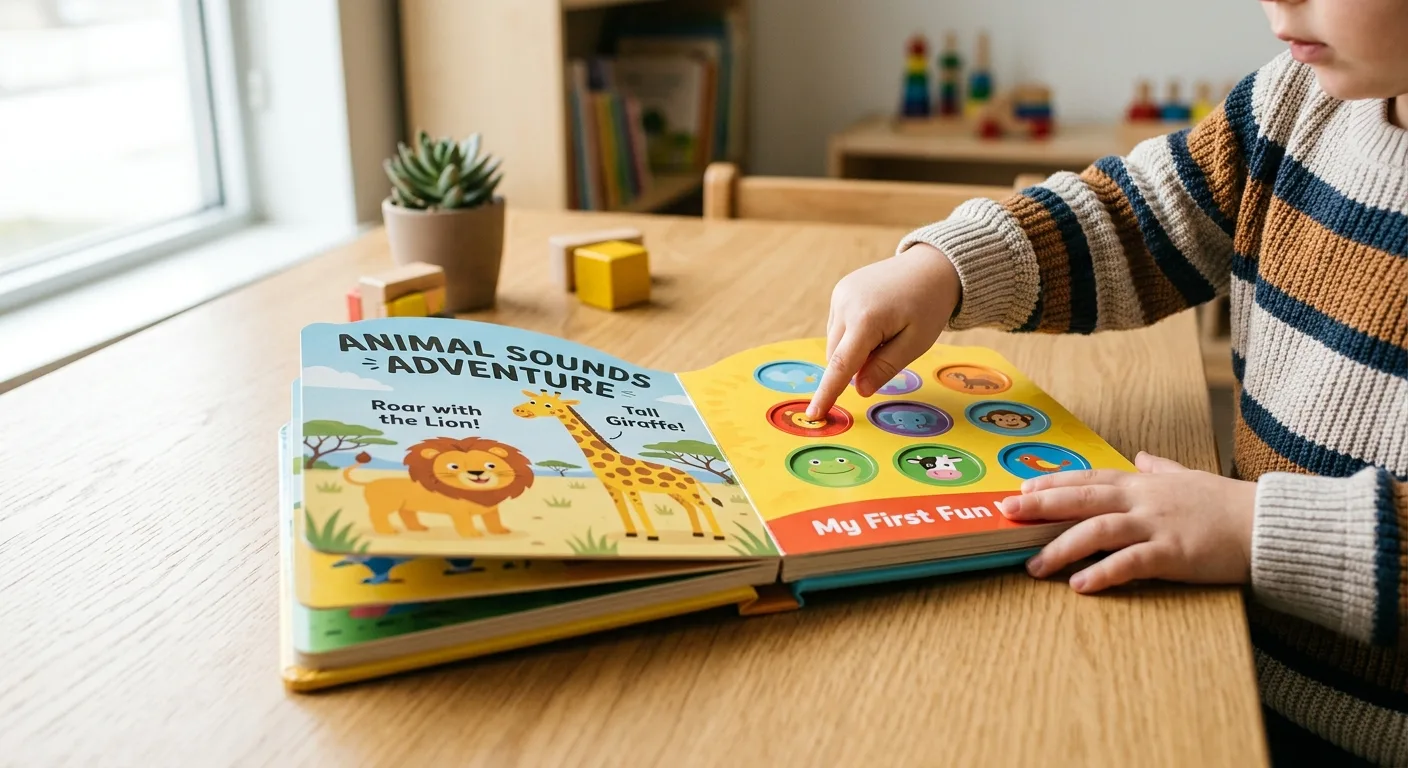

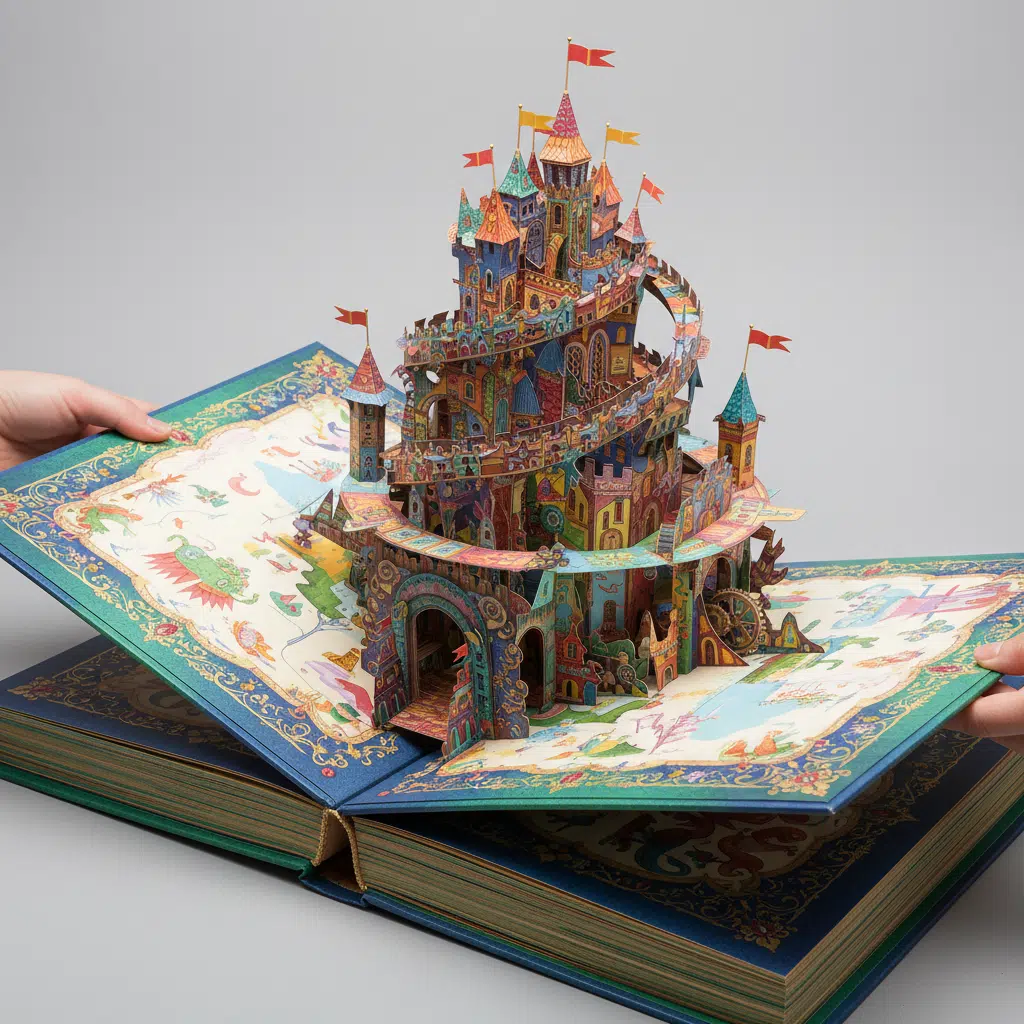
تُعد الكتب المنبثقة من بين أكثر المنتجات المطبوعة تعقيداً وجاذبية في السوق. على عكس الكتب المسطحة القياسية، فهي تتطلب مزيجًا فريدًا من الفن الإبداعي والهندسة الإنشائية والتصنيع الدقيق. بالنسبة للناشرين والمؤلفين المستقلين، لا يقتصر الأمر بالنسبة للناشرين والمؤلفين المستقلين على طباعة الحبر على الورق فحسب، بل هو مشروع بناء ثلاثي الأبعاد يتطلب تخطيطًا دقيقًا وعمالة ماهرة.
اختيار شريك التصنيع المناسب أمر بالغ الأهمية. فغالبًا ما يكمن الفرق بين الكتاب المنبثق العملي المتين والكتاب المنبثق الذي يتمزق عند أول فتحة، في جودة البطاقات ودقة القطع بالقالب وخبرة فريق التجميع اليدوي. يستكشف هذا الدليل العملية المتكاملة لطباعة الكتب المنبثقة المخصصة، بدءًا من هندسة الورق الأولية وحتى ضمان الجودة النهائية.
دور هندسة الورق
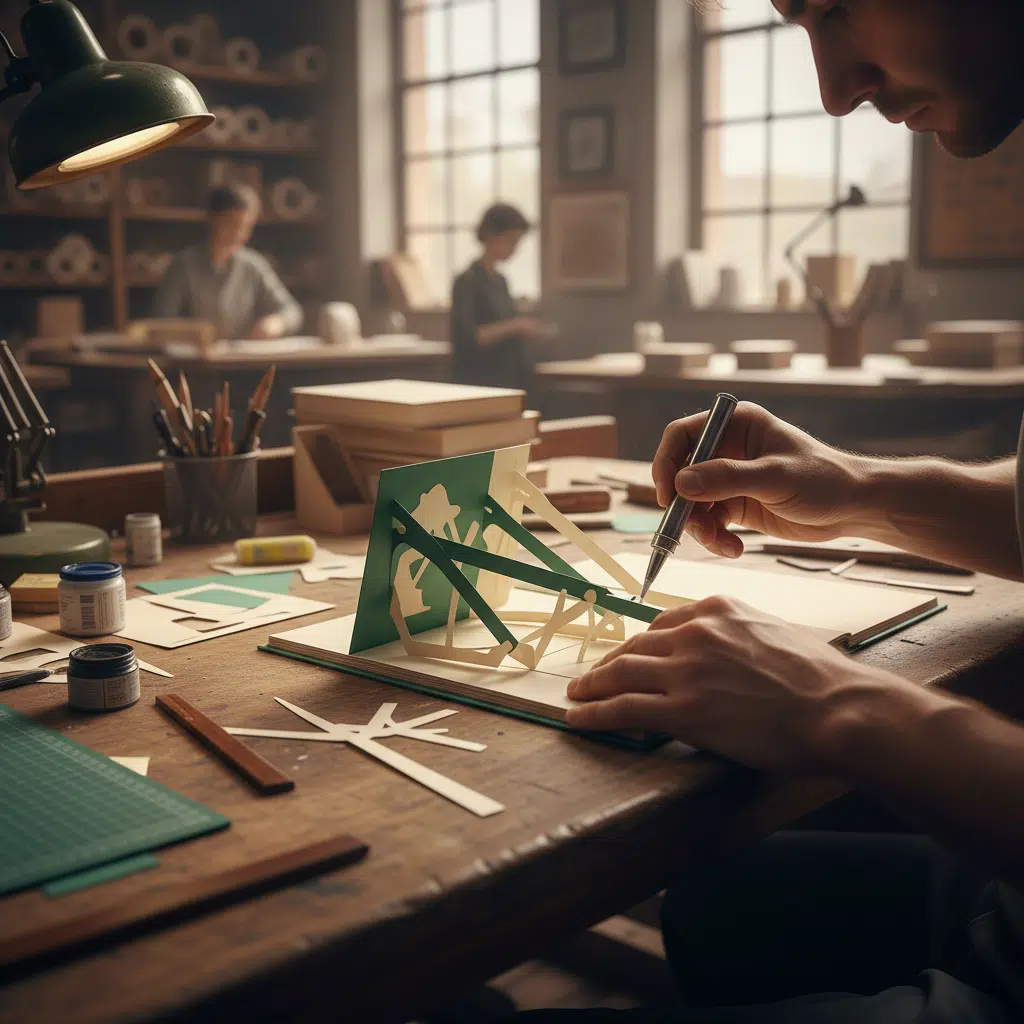
قبل طباعة ورقة واحدة، يجب إتقان آليات الكتاب قبل طباعته. تُعرف هذه المرحلة باسم هندسة الورق. فبينما يقدم الرسام الفن المرئي، يصمم مهندس الورق آليات الطي (الطيات على شكل حرف V، ومتوازيات الأضلاع، وأشرطة السحب، والعجلات) التي تجعل الرسوم التوضيحية تتحرك.
من المفهوم إلى الدمية البيضاء
تبدأ الممارسة الصناعية القياسية ب "دمية بيضاء". وهي عبارة عن نموذج أولي كامل غير مطبوع مصنوع من البطاقات الفعلية المخصصة للإنتاج. وهو يخدم عدة أغراض:
- التحقق من الجدوى يضمن لك طي النوافذ المنبثقة بشكل مسطح عند إغلاق الكتاب دون انتفاخ أو تمزق.
- تخطيط التعشيش: فهو يساعد المصنع على تحديد كيفية ترتيب الأجزاء المختلفة على ورقة الطباعة لتقليل نفايات الورق.
- تقدير التكلفة: يؤثر تعقيد التجميع بشكل مباشر على تكاليف العمالة. تسمح الدمية البيضاء للشركة المصنعة بحساب عدد نقاط اللصق اليدوي وخطوات التجميع المطلوبة بالضبط.
يجب على الناشرين الموافقة على القالب الأبيض قبل وضع اللمسات الأخيرة على أي ملفات عمل فني للتأكد من تطابق خطوط القالب مع الميكانيكا المادية بشكل مثالي.
اختيار المواد من أجل المتانة
تواجه كتب الأطفال التفاعلية معالجة صارمة. فالورق النصي القياسي غير كافٍ للعناصر الهيكلية للنوافذ المنبثقة. ويحدد اختيار المواد التي يتم اختيارها طول عمر الكتاب و"طقطقة" الحركة المنبثقة.
مخزون الورق الموصى به
- لوح فنون C1S (250 جم - 350 جم): مطلي على جانب واحد، وهو المعيار القياسي للعناصر المنبثقة. فهو يوفر صلابة لسلامة الهيكل مع السماح للصمغ بالالتصاق بفعالية على الجانب غير المطلي.
- الكبريتات المبيضة الصلبة (SBS): لوح من الدرجة الممتازة يوفر مرونة ممتازة، مما يضمن عودة النوافذ المنبثقة إلى شكلها بشكل متكرر دون أن تتشقق عند خطوط الطي.
من الضروري أيضاً اختيار المواد اللاصقة المناسبة. يلزم وجود مواد لاصقة من الدرجة الصناعية وغير سامة لضمان بقاء الأجزاء ملتصقة حتى بعد مئات الفتحات، مع الامتثال لمعايير السلامة الدولية لمنتجات الأطفال.
عملية التصنيع: الدقة والعمالة
يختلف تصنيع الكتاب المنبثق اختلافًا كبيرًا عن إنتاج كتاب مقوى عادي. فهو يتضمن ثلاث مراحل متميزة: الطباعة والقطع بالقالب والتجميع.
1. طباعة أوفست عالية الدقة
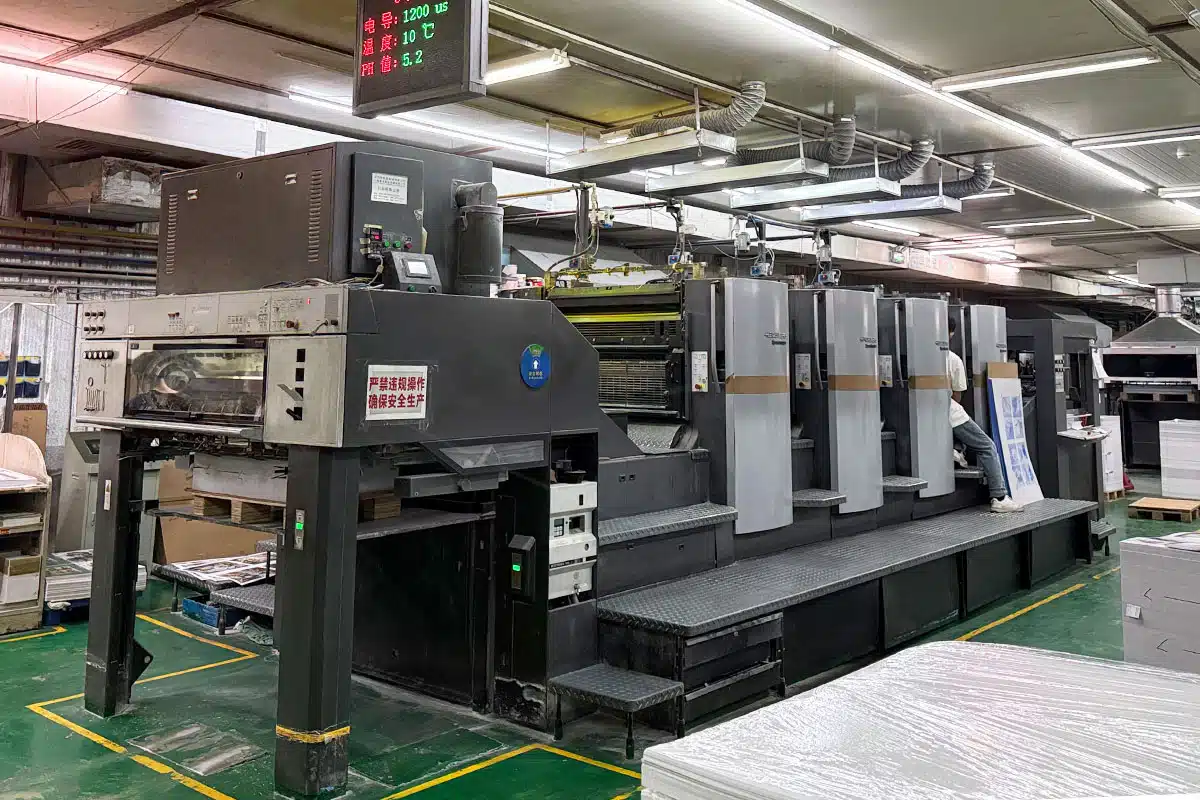
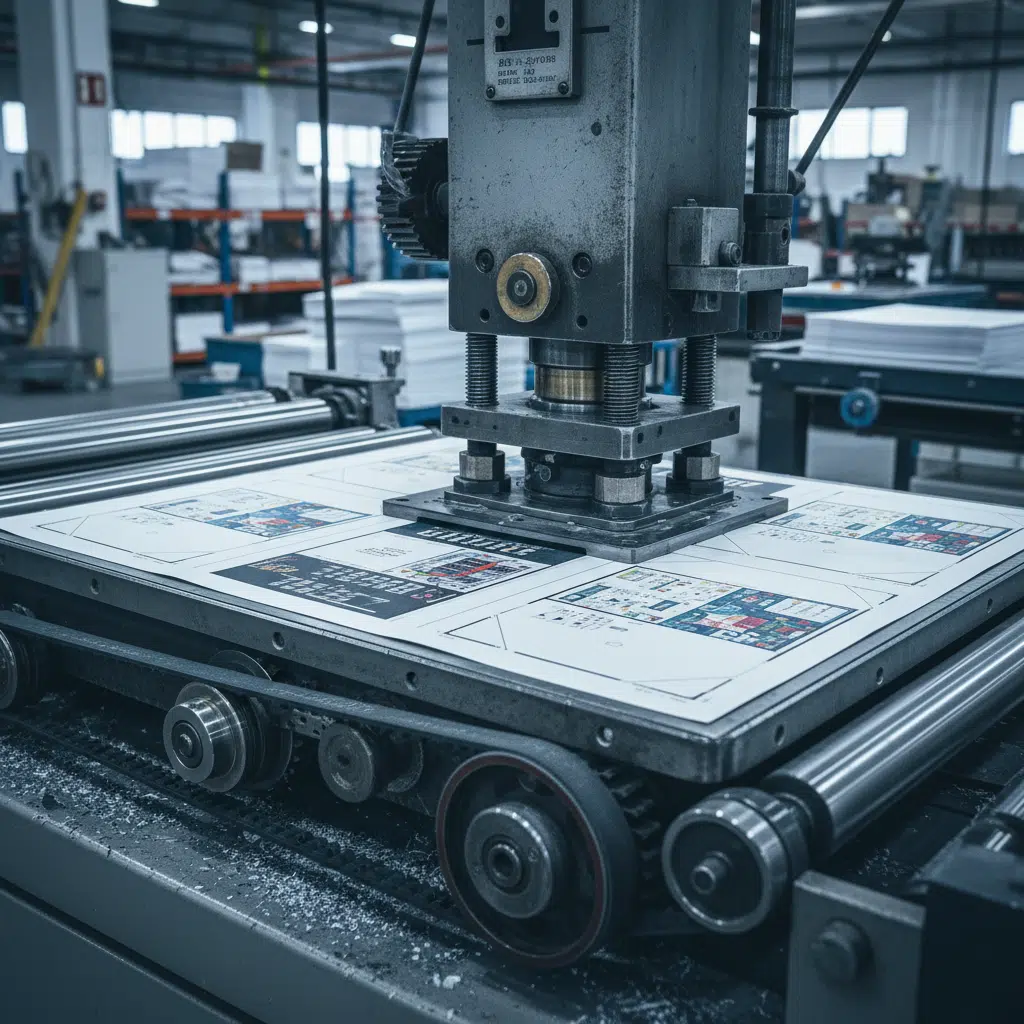
نظرًا لأن الكتب المنبثقة ثقيلة بصريًا، فإن تناسق الألوان أمر بالغ الأهمية. وتُعد طباعة الأوفست هي الطريقة المفضلة التي توفر دقة وضوح وألواناً نابضة بالحياة. وغالباً ما تُطبع الأوراق بطبقة واقية (تصفيح أو طلاء مائي) لمنع التشقق عند طي الورق.
2. قطع القوالب الدقيقة
هذا هو المكان الذي تكون فيه الدقة غير قابلة للتفاوض. يجب أن يتم قطع كل قطعة منفردة من النافذة المنبثقة - سواء كانت شخصية أو شجرة أو علامة سحب - من لوح المكبس باستخدام قالب فولاذي مصنوع خصيصًا. يمكن حتى لمليمتر واحد من الانحراف أن يتسبب في تعطل الآلية. تقوم ماكينة قص القوالب بثقب الأشكال وتسجيل خطوط الطي في نفس الوقت.
3. التجميع اليدوي (عامل التمايز الحاسم)
على عكس التجليد القياسي، الذي يتم آليًا، يتم تجميع الكتب المنبثقة يدويًا إلى حد كبير. ويجلس العمال المهرة في خطوط التجميع، حيث يقومون بطي ولصق وإدخال علامات التبويب في الفتحات. قد تتطلب الكتب المعقدة عشرات خطوات التجميع لكل صفحة.
هذه العملية التي تتطلب عمالة كثيفة هي السبب في أن المهل الزمنية للكتب المنبثقة أطول من الكتب القياسية. من الضروري وجود مصنع مع فرق تجميع ذات خبرة للحفاظ على الاتساق بين آلاف الوحدات.
مراقبة الجودة واختبار السلامة
بالنسبة للمشترين والناشرين بين الشركات B2B، فإن ضمان الجودة (QA) هو العقبة الأخيرة. يمكن أن تؤدي النوافذ المنبثقة المعيبة إلى ارتفاع معدلات الإرجاع والإضرار بالعلامة التجارية.
تتضمن فحوصات ضمان الجودة القياسية ما يلي:
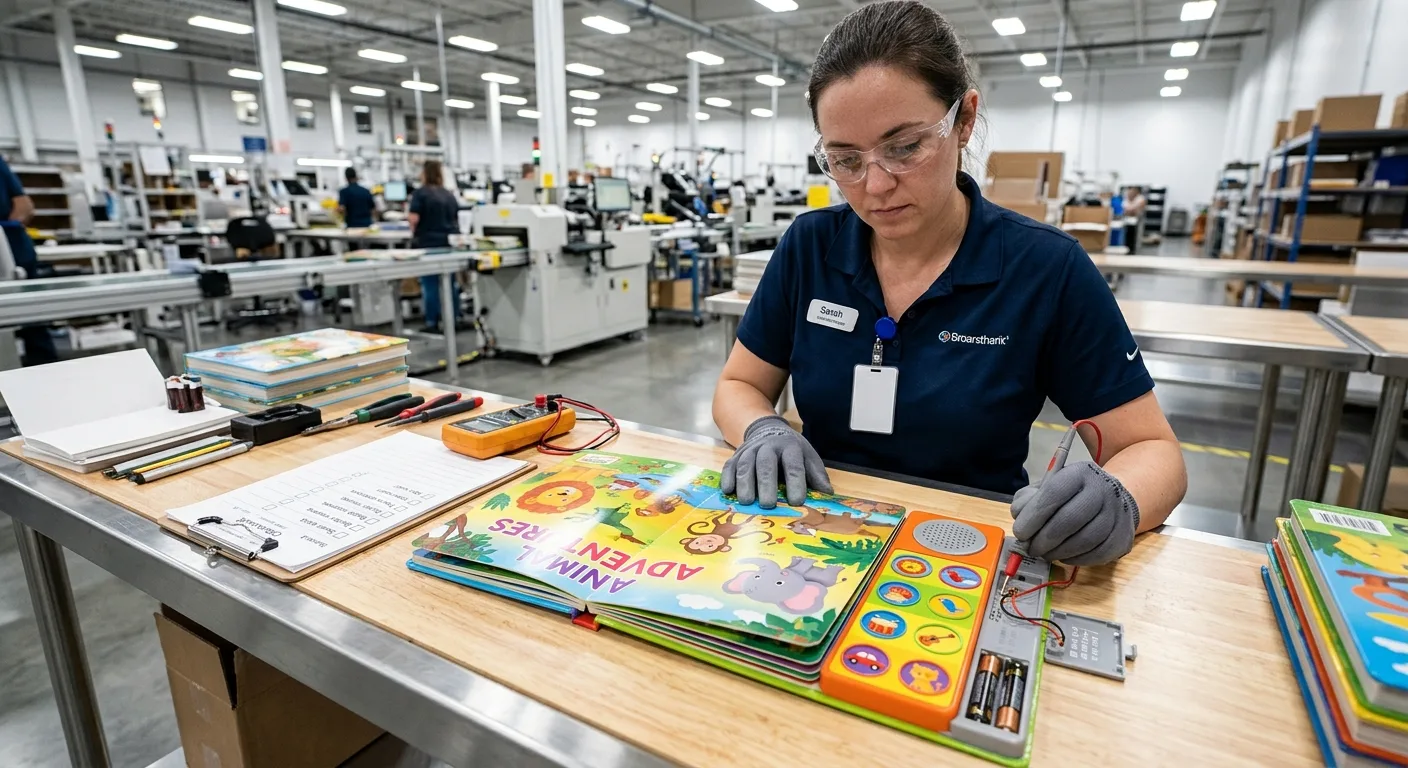
- اختبار الوظائف: فتح الكتاب وإغلاقه مرارًا وتكرارًا للتأكد من عدم إمساك الآليات أو تمزقها.
- فحوصات التوتر: التأكد من أن ألسنة السحب تتحرك بسلاسة مع وجود احتكاك كافٍ لتبقى في مكانها.
- الامتثال للسلامة: التحقق من أن الأجزاء الصغيرة مثبتة بإحكام (الوقاية من خطر الاختناق) وأن الأحبار/المواد اللاصقة تفي بمعايير السلامة مثل EN71 أو ASTM.
دليل الشراء: الاعتبارات الرئيسية للناشرين
عند طلب عرض أسعار لطباعة الكتب المنبثقة المخصصة، من الضروري تقديم مواصفات تفصيلية للحصول على سعر دقيق.
| العامل | التوصية |
|---|---|
| موك (الحد الأدنى لكمية الطلب) | ونظراً للإعداد المعقد والتجميع اليدوي، عادةً ما تكون موك أعلى (غالباً ما تكون أكثر من 1000 وحدة) لجعل تكلفة الوحدة قابلة للتطبيق. |
| المهلة الزمنية | انتظر من 4 إلى 8 أسابيع للإنتاج بعد الموافقة على الدمية البيضاء، حسب درجة التعقيد. |
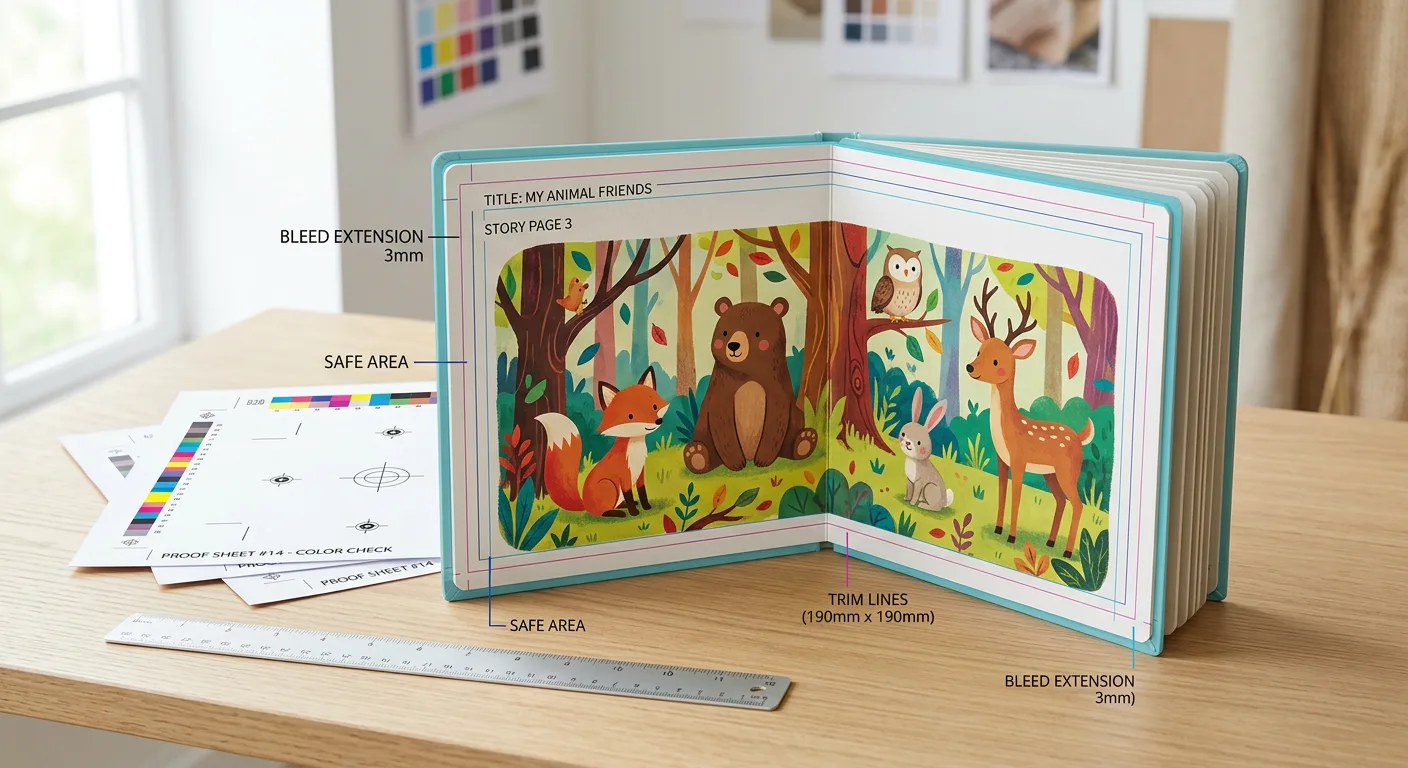
| إعداد الملفات | طبقات منفصلة لتصميم الطباعة وخطوط القوالب (خطوط القطع مقابل خطوط الطي). |
الأسئلة الشائعة (FAQs)
هل يمكنك المساعدة في تصميم الآليات المنبثقة؟
تركز معظم شركات الطباعة على الإنتاج. في حين أن البعض قد يقدم المشورة الهيكلية، يحتاج الناشرون عادةً إلى توظيف مهندس ورق متخصص لإنشاء الميكانيكا الأولية. ثم يقوم المصنع بتكييف هذه التصميمات للإنتاج بكميات كبيرة.
لماذا تعتبر المرحلة الوهمية البيضاء إلزامية؟
تؤكد الدمية البيضاء أن التصميم ثنائي الأبعاد يعمل في الواقع ثلاثي الأبعاد. فهو يسمح للمصنع بتحديد الأعطال المحتملة وتسعير عمالة التجميع اليدوي المطلوبة بدقة.
ما أكثر ما يؤثر على تكلفة الكتاب المنبثق؟
إن عدد "نقاط التجميع" (نقاط اللصق) هو أكبر محرك للتكلفة. فالكتاب الذي يحتوي على 5 نوافذ منبثقة معقدة في كل صفحة سيكلف تجميعه أكثر بكثير من الكتاب الذي يحتوي على نافذة منبثقة واحدة بسيطة في كل صفحة، بغض النظر عن عدد الصفحات.
كيف يمكنني التأكد من أن الكتب آمنة للأطفال؟
العمل مع شركة مصنعة ذات خبرة في تصدير كتب الأطفال. حدد أن المواد يجب أن تجتاز معايير السلامة (مثل CPSIA أو EN71) واطلب اختبار الامتثال إذا لزم الأمر.
هل أنت جاهز لطباعة كتابك التفاعلي؟
يتطلب إنتاج كتاب منبثق مخصص شراكة مع شركة مصنعة تفهم تعقيدات هندسة الورق والتجميع اليدوي. في شركة YBJ Printing، نجمع في شركة YBJ للطباعة بين إمكانات الأوفست المتقدمة والحرفية اليدوية الماهرة لتقديم كتب منقولة متينة وعالية الجودة.
اتصل بنا اليوم لمناقشة مشروعك أو اطلب عينة من أعمالنا السابقة.