
تعزيز القيمة من خلال التخصيص الوظيفي
في سوق القرطاسية التنافسي، غالبًا ما يكمن الفرق بين دفتر الملاحظات العام والمنتج المتميز في تفاصيل التشطيب. بالنسبة لمسؤولي المشتريات ومديري العلامات التجارية، فإن فهم الفروق الدقيقة في التصنيع ملحقات دفتر الملاحظات المخصصة ضرورية. فالإكسسوارات مثل الأقفال المطاطية وعلامات الشريط والجيوب القابلة للتوسيع ليست مجرد زينة؛ فهي تحدد الأداء الوظيفي والمتانة والقيمة المتصورة للمنتج النهائي.
يتناول هذا الدليل المواصفات الفنية، وخيارات المواد، واعتبارات الجودة لأكثر الإضافات المطلوبة في طباعة المخططات المخصصة. سواء كنت تقوم بالتوريد لعلامة تجارية للقرطاسية بالتجزئة أو مشروع إهداء للشركات على نطاق واسع، فإن اختيار الملحقات المناسبة يضمن أن منتجك يلبي المعايير الدولية للجودة وسهولة الاستخدام.
1. إغلاق الأربطة المرنة: المواد والمرفقات
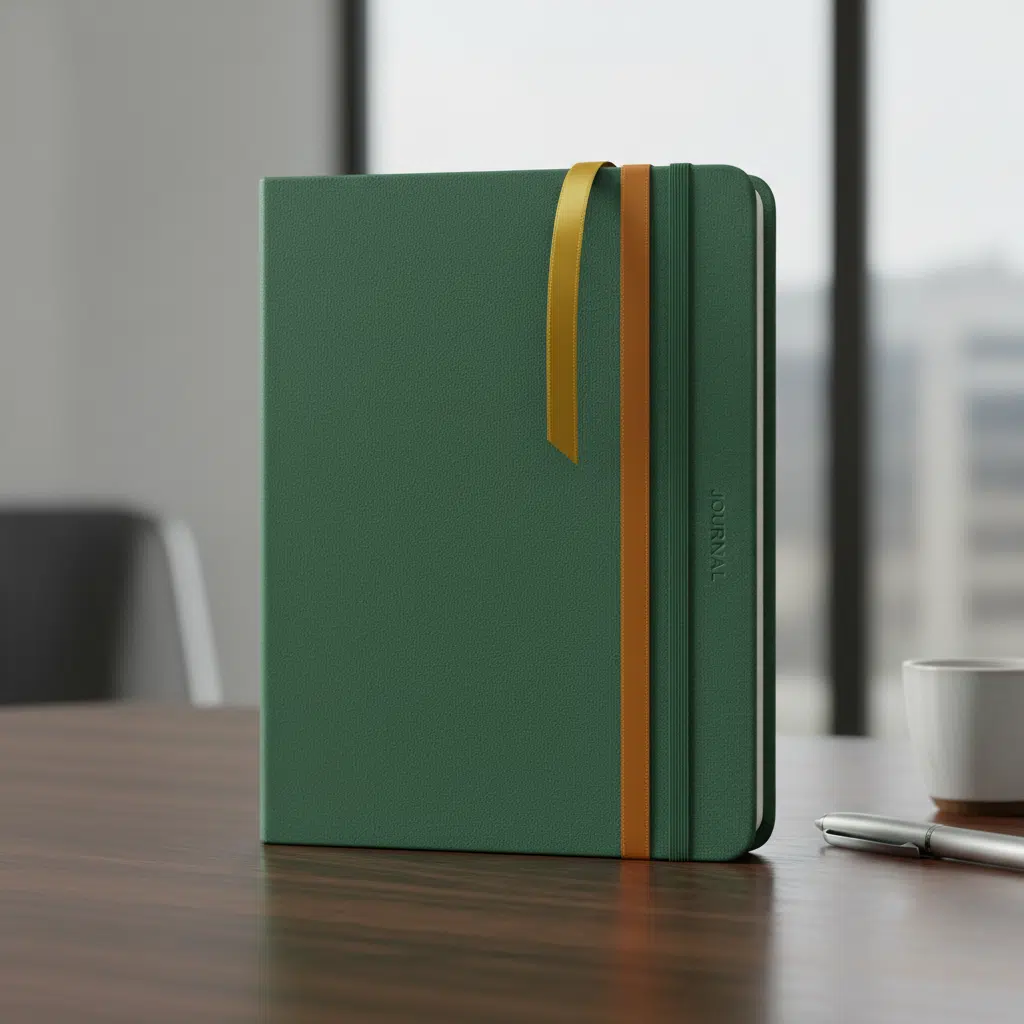
يُعد شريط الإغلاق المطاطي سمة قياسية في المجلات ذات الغلاف المقوى، حيث يعمل على إبقاء الكتاب مغلقاً وحماية الصفحات. ومع ذلك، تختلف جودة الشريط المطاطي بشكل كبير بين الشركات المصنعة.
التركيب المادي
معظم الأشرطة المرنة الصناعية المستخدمة في طباعة المجلات في الصين تتألف من ألياف البوليستر أو النايلون المنسوجة فوق نوى مطاطية.
- بوليستر: فعال من حيث التكلفة ومتين. يحتفظ بالألوان بشكل جيد ولكن قوامه خشن قليلاً.
- نايلون: يوفر لمسة نهائية أكثر نعومة ولمعاناً واحتفاظاً بمرونة أعلى بمرور الوقت. وغالباً ما يكون مفضلاً للقطاعات الفاخرة.
أنماط التركيب
تركيب الغطاء الخلفي: تتضمن الطريقة القياسية تمرير الشريط المطاطي من خلال فتحتين مثقوبتين في لوحة الغلاف الخلفي قبل لصق ورق النهاية. وهذا يخفي نقاط التثبيت، مما يوفر مظهراً نظيفاً.
تركيب العمود الفقري: أقل شيوعًا في الأغلفة الورقية ولكنها تظهر في بعض التصاميم ذات الغلاف الناعم، حيث يلتف الشريط عموديًا.
الاعتبارات الفنية
- العرض: العروض القياسية هي 7 مم و10 مم و15 مم. تتطلب الكتب الأثقل وزنًا (مثل المخططات اليومية مقاس A4) أشرطة بعرض 10 مم أو أعرض للحفاظ على الشد دون أن تتدحرج.
- التوتر: يجب قص الشريط بطول دقيق بالنسبة لسمك الكتاب. إذا كان مشدوداً أكثر من اللازم، فإنه يشوه الغلاف؛ وإذا كان فضفاضاً أكثر من اللازم، فإنه ينزلق.
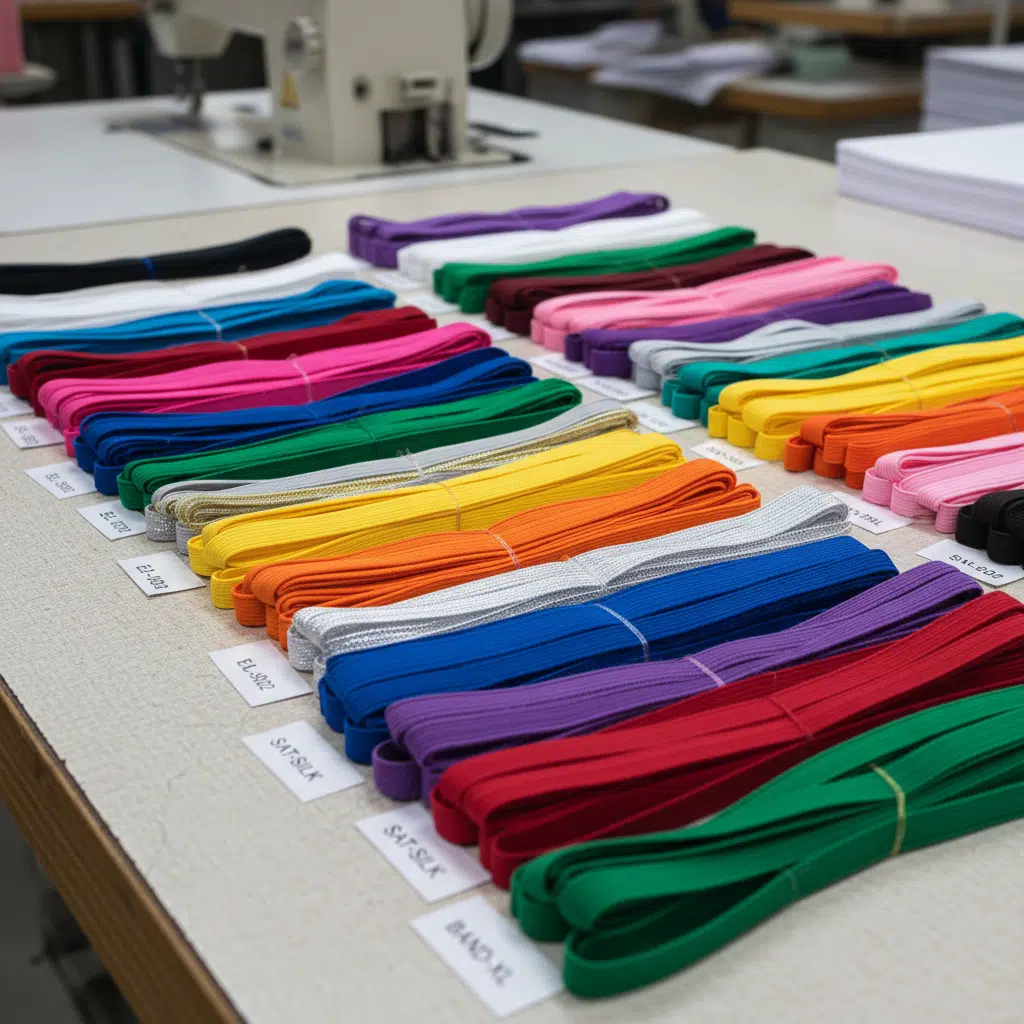
- مطابقة الألوان: يمكن صبغ الأشرطة بأكواد بانتون (PMS) محددة. لاحظ أن الصباغة المخصصة عادةً ما تتطلب عادةً حداً أدنى للكميات المطلوبة (MOQ) أعلى مقارنةً بألوان المخزون (الأسود والأبيض والكحلي والأحمر).
2. علامات الشريط (الإشارات المرجعية)
تضيف علامات الشريط فائدة فورية للمخططات واليوميات. على الرغم من أنها تبدو بسيطة، إلا أن الأطراف المهترئة وسوء التثبيت هي نقاط فشل شائعة في التصنيع منخفض الجودة.
أنواع الأشرطة
الحياكتان الأساسيتان المستخدمتان في تجليد الكتب الاحترافية هما:
- شريط من الساتان: سطح أملس ولامع. متوفرة بوجه واحد (لامع على جانب واحد) أو بوجهين (لامع على كلا الجانبين). الوجه المزدوج اللامع هو معيار الصناعة للمجلات المتميزة.
- شريط غروسغرين: نسيج مضلع، بلمسة نهائية غير لامعة. متين للغاية ويوفر ملمسًا مميزًا، وغالبًا ما يُستخدم في دفاتر الملاحظات التكتيكية أو ذات الطراز المتين.
مواصفات التصنيع
- مرفق: يتم لصق الأشرطة على رأس غلاف الكتاب (حافة العمود الفقري) قبل تغليف الغلاف. يجب استخدام مادة لاصقة عالية الجودة لمنع الشريط من الانسحاب تحت الشد.
- ختم حراري: لمنع الاهتراء، يجب قطع الطرف المكشوف من الشريط بالحرارة أو ختمه بالحرارة. القطع المائل قياسي، ولكن القطع على شكل حرف V خيار متاح أيضاً.
- الكمية: تتجه العلامات متعددة الأشرطة (2 أو 3 في كل كتاب) إلى المخططات المعقدة، مما يسمح للمستخدمين بوضع علامات على الأقسام الشهرية والأسبوعية واليومية في وقت واحد.
3. جيوب داخلية قابلة للتوسيع
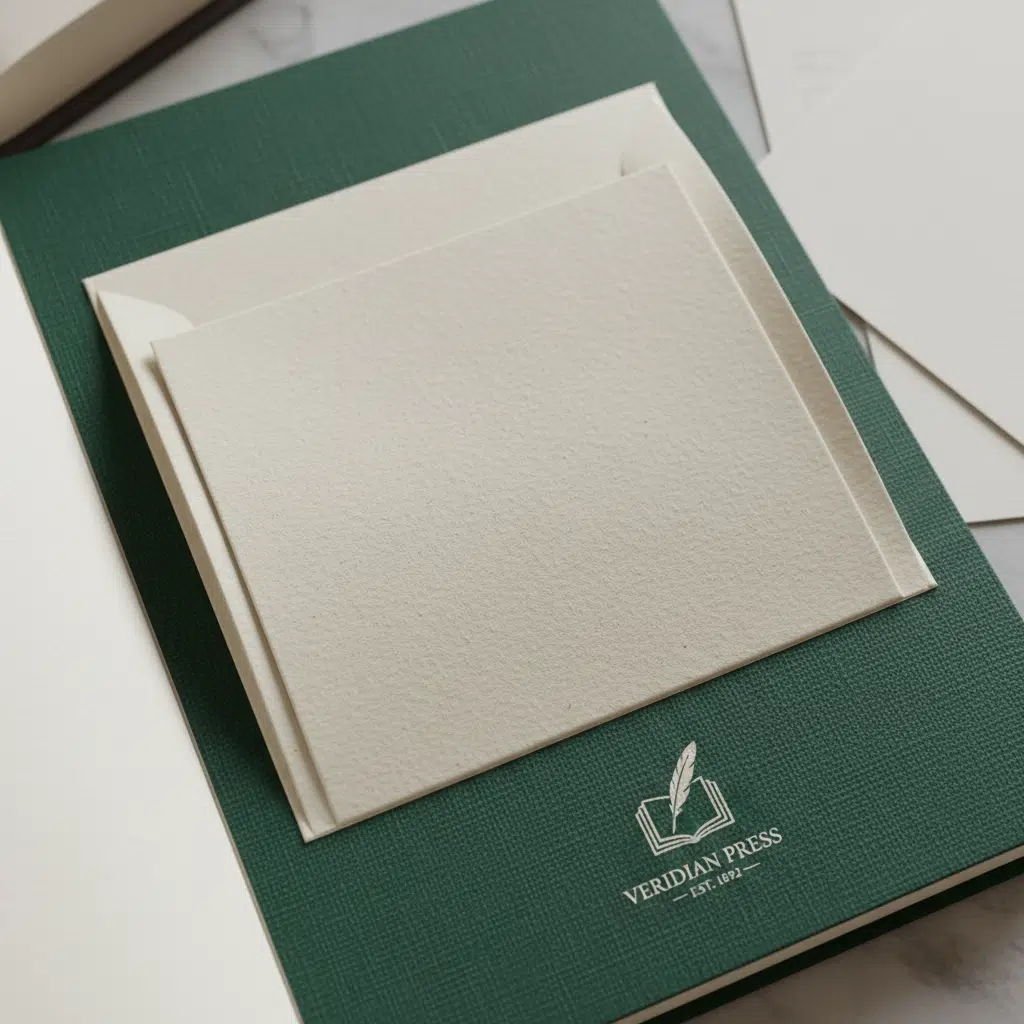
تقع الجيوب القابلة للتوسيع على الغلاف الخلفي من الداخل، وهي مكونات معقدة تتطلب قطعاً وتجميعاً دقيقاً بالقالب. تُستخدم عادةً لتخزين الملاحظات السائبة أو الإيصالات أو بطاقات العمل.
الإنشاءات
عادةً ما يكون الجيب مصنوعًا من نفس الورق المقوى الذي تُصنع منه أوراق الطيّ، أو من وزن أثقل قليلاً (على سبيل المثال، 180 جم إلى 250 جم) لضمان السلامة الهيكلية. وغالباً ما يتم تدعيم "الألواح المجمعة" (الجوانب القابلة للطي) بشريط قماشي متين أو ورق مقاوم للتمزق لتحمل الفتح والإغلاق المتكرر.
نقاط التحقق من الجودة
- الالتصاق: يجب أن يتم لصق الجيب بإحكام على ورقة النهاية الخلفية. يؤدي عدم كفاية الغراء إلى الانفصال عند حشو الجيب.
- التخليص: يجب أن يكون حجم الجيب صحيحاً بحيث لا يتداخل مع إغلاق الكتاب أو يبرز خارج حافة الغلاف.
4. الوظائف الإضافية الوظيفية الإضافية
حلقات القلم
تحل حلقات القلم المشكلة الدائمة المتمثلة في أدوات الكتابة المفقودة.
- الحلقات المرنة: حلقة من مطاطية مخيطة في علامة وملصقة بين ورقة النهاية ولوحة الغلاف.
- الحلقات اللاصقة: تباع منفصلة أو مرفقة أثناء التعبئة.
- الاندماج: تأكد من تطابق حجم الحلقة (القطر) مع نوع القلم المستهدف. تناسب الحلقة المرنة المسطحة القياسية مقاس 15 مم معظم أقلام الحبر الجاف، ولكنها قد تكون ضيقة بالنسبة لأقلام الحبر.
علامات التبويب والفهرسة المقطوعة بالقالب
بالنسبة لمخططات التواريخ، تتيح مؤشرات الإبهام المقطوعة بالقالب التنقل السريع إلى أشهر محددة. ويتطلب ذلك قوالب قطع متخصصة وتسجيل دقيق أثناء عملية الطباعة لضمان محاذاة النص مع القطع.
مقارنة: الملحقات القياسية مقابل الملحقات المخصصة
| الميزة | خيارات الأسهم | خيارات مخصصة بالكامل |
|---|---|---|
| اللون | مجموعة محدودة (أسود، أبيض، أبيض، رمادي، أزرق، أحمر) | تطابق تام مع بانتون (PMS) |
| موك | أقل (غالبًا 500-1,000 وحدة (500-1,000 وحدة) | أعلى (غالبًا 3,000+ وحدة حسب المادة) |
| المهلة الزمنية | الجدول الزمني القياسي للإنتاج | يضيف من 7 إلى 10 أيام للصباغة/التوريد |
| العلامة التجارية | لا يوجد | شعارات مطبوعة على شرائط؛ وشعارات منسوجة على مطاطية |
التصنيع وضمان الجودة
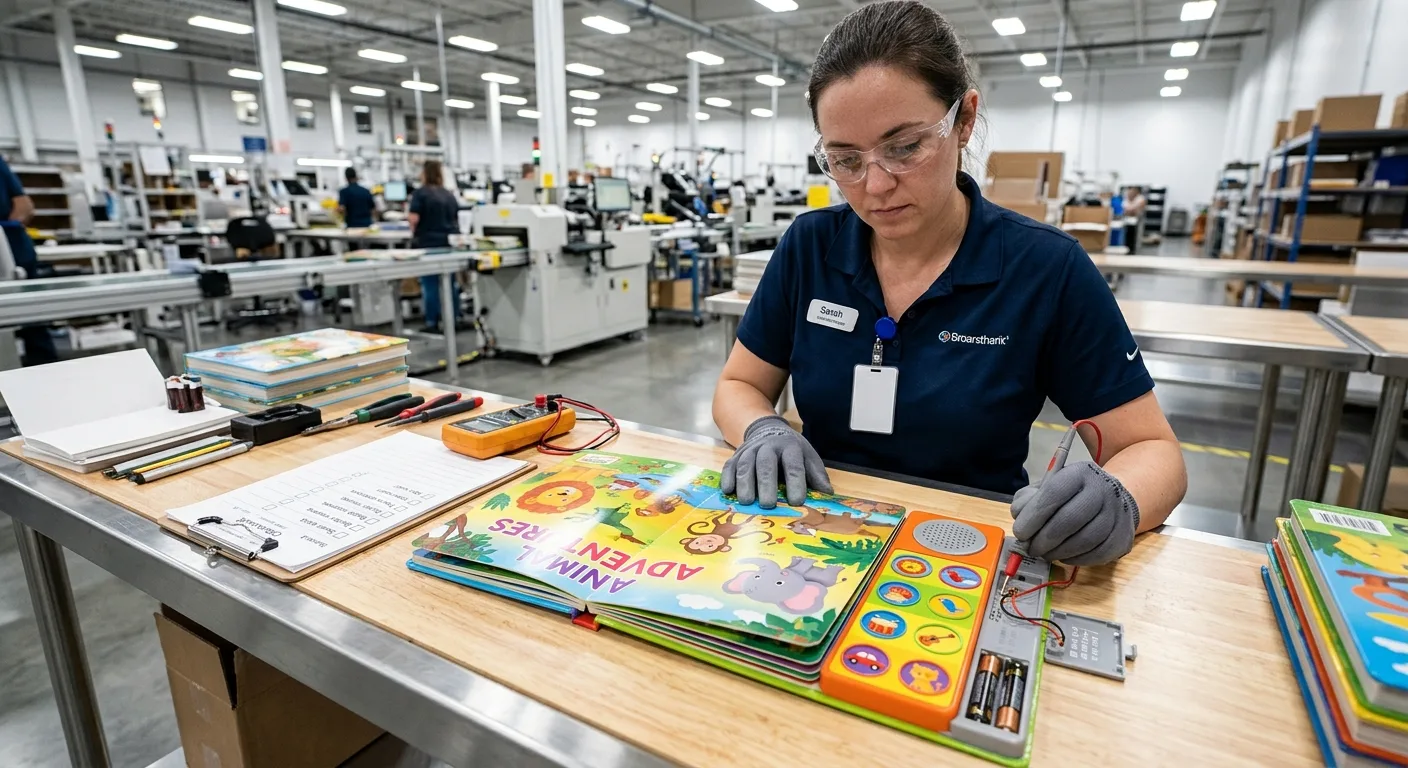
عند الاستعانة بمصادر خارجية طباعة المخططات المخصصة، من الضروري تحديد معايير الجودة في طلب الشراء. يجب أن تقوم الشركة المصنعة المحترفة بإجراء الفحوصات التالية:
- اختبار السحب: تخضع الأشرطة والشرائط المرنة لاختبارات الشد للتأكد من عدم انفصالها عن الغلاف.
- اختبار الفراي: يتم فحص الأشرطة للتأكد من إحكام غلقها بالحرارة المناسبة.
- فحص الوظائف: يتم فحص عينات عشوائية للتأكد من فتح الجيوب بالكامل دون تمزق وأن الأربطة المرنة توفر الشد الصحيح (لا تشوه الغطاء ولا تتدلى منه).
دليل شراء دفاتر الملاحظات المخصصة
الحد الأدنى لكميات الطلب (موك)
في حين يمكن إنتاج الدفاتر الأساسية على دفعات أصغر، إلا أن الملحقات المخصصة للغاية غالبًا ما تؤدي إلى زيادة موك. على سبيل المثال، عادةً ما يتطلب عادةً صبغ المطاط حسب الطلب بلون علامة تجارية معينة حدًا أدنى من المشتريات من المواد التي تترجم إلى 1000 إلى 3000 دفتر. إذا كان حجم إنتاجك أقل، ففكر في اختيار لون مخزون تكميلي بدلاً من المطابقة المباشرة.
العمل الفني والمواصفات
عند إرسال ملفات التصميم الخاص بك:
- تحديد رمز بانتون لجميع العناصر غير الورقية (الأشرطة المطاطية والشرائط).
- أشر إلى تحديد المواقع من المرونة (المسافة من الحافة).
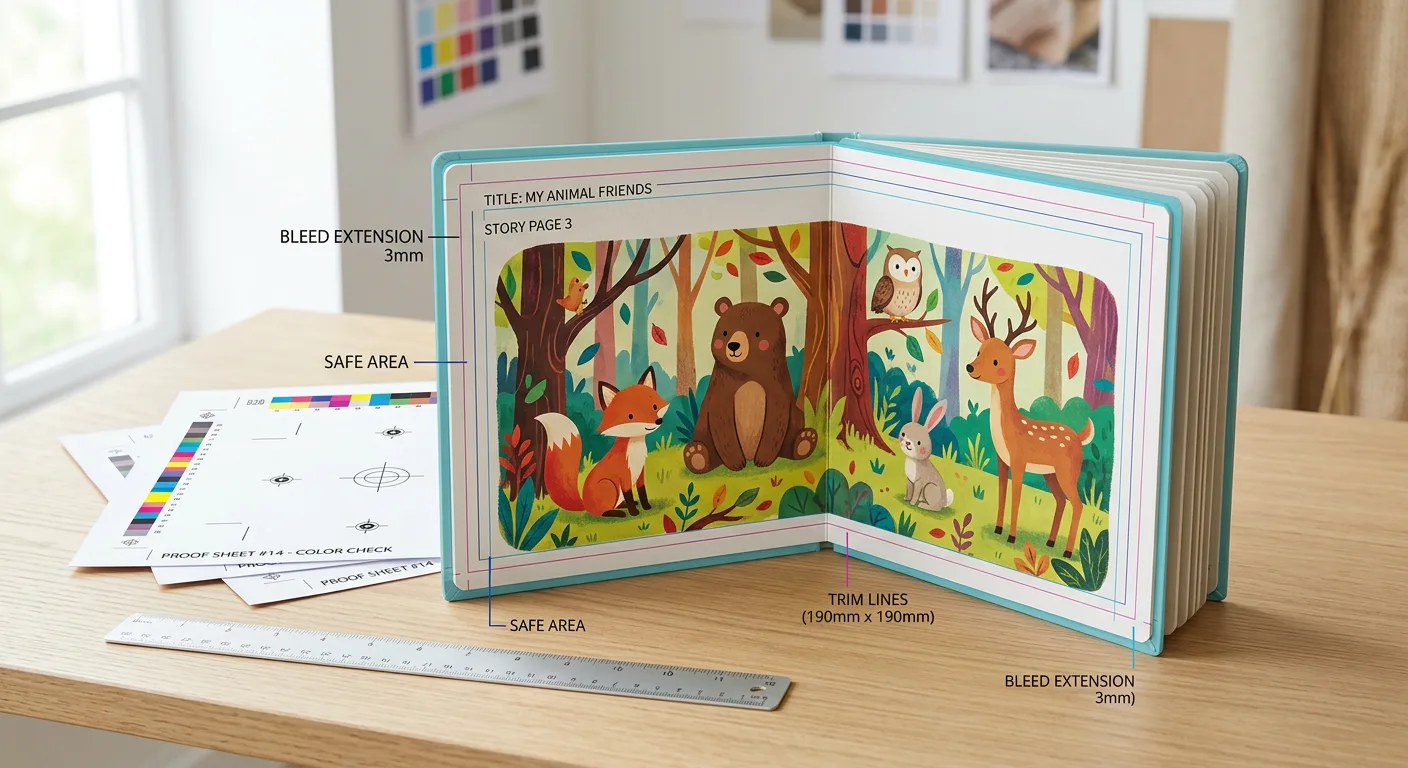
- بالنسبة للأشرطة المطبوعة، قدم عملاً فنياً متجهاً (AI أو PDF) للشعار المراد تكراره.
الأسئلة المتداولة
هل يمكنني طباعة الشعار الخاص بي على الشريط المطاطي؟
نعم. يمكن طباعة الشعارات بالشاشة (طباعة سيليكون) على القماش المطاطي أو نسجها مباشرة في القماش (نسج الجاكار). تعد الخيارات المنسوجة أكثر متانة ولكنها تتطلب موك أعلى.
هل الجيوب القابلة للتوسيع قياسية في جميع المجلات؟
لا، إنها إضافة. يجب أن تطلبها على وجه التحديد. فهي تضيف قليلاً إلى تكلفة الوحدة وسُمك كتلة الكتاب.
ما هو عرض الشريط الأفضل لدفتر ملاحظات A5؟
المعيار هو 7 مم أو 8 مم. للحصول على مظهر أكثر جرأة، يتم استخدام شرائط 10 مم. ويمكن استخدام شرائط مقاس A4 كبيرة الحجم شرائط مقاس 15 مم.
هل يمكنني مزج ألوان الإكسسوارات ومطابقتها؟
بالتأكيد. من اتجاهات التصميم الشائعة أن يكون لون الشريط المطاطي متباينًا مع لون الغلاف، أو أن يكون هناك شريطان من الأشرطة بدرجات لونية مختلفة.
كيف أتأكد من أن المطاط لا يفقد تمدده؟
حدد "النايلون المطاطي عالي الكثافة" في حزمة التكنولوجيا الخاصة بك. تحتفظ هذه المادة بالمرونة لفترة أطول بكثير من خيارات البوليستر القياسية.
هل أنت جاهز لإنتاج مخطّطات مخصّصة متميزة؟
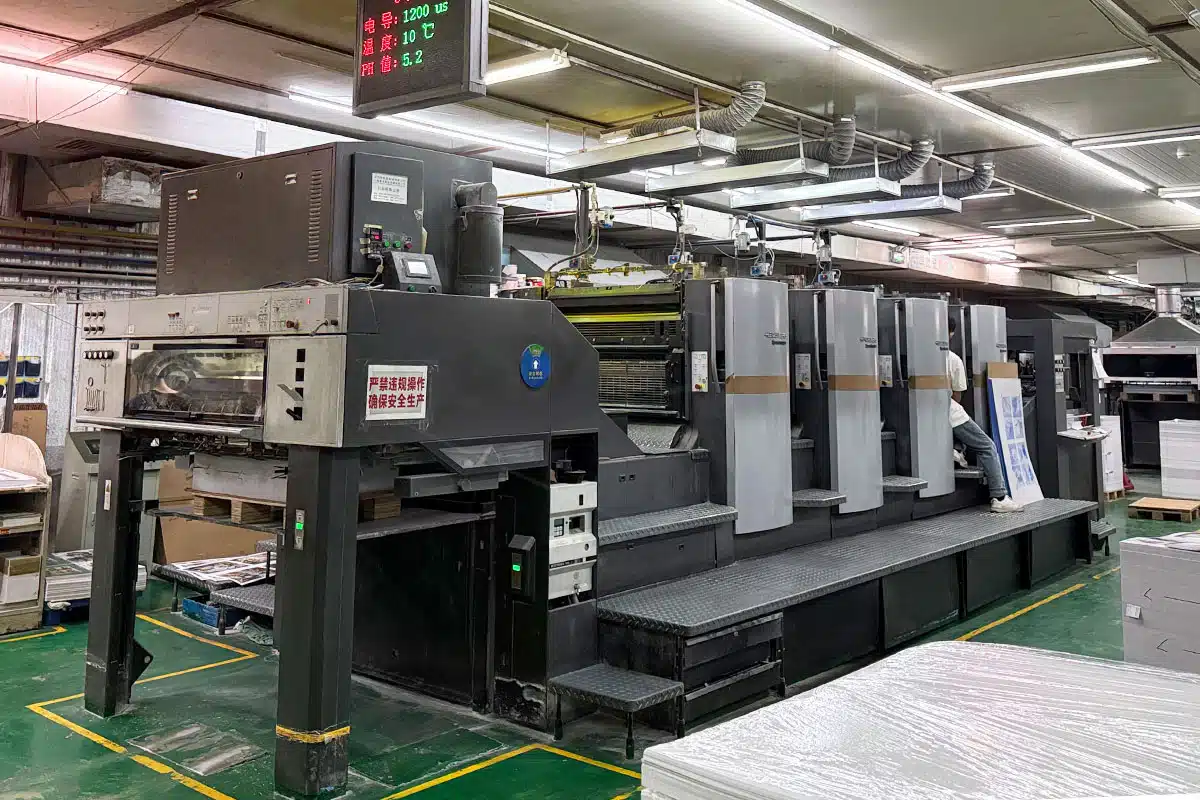
اختيار الملحقات المناسبة هو المفتاح لإنشاء منتج متميز في السوق. في شركة YBJ للطباعة، نحن متخصصون في الطباعة عالية المواصفات طباعة المجلات في الصينتقدم مجموعة واسعة من المواد والتشطيبات المخصصة.
طلب عرض أسعار اليوم أو اطلب عينة من طقم الإكسسوارات لترى جودة إكسسواراتنا مباشرةً.