
اختيار التشطيبات الهيكلية المناسبة لمشروعك ذي الغلاف الصلب
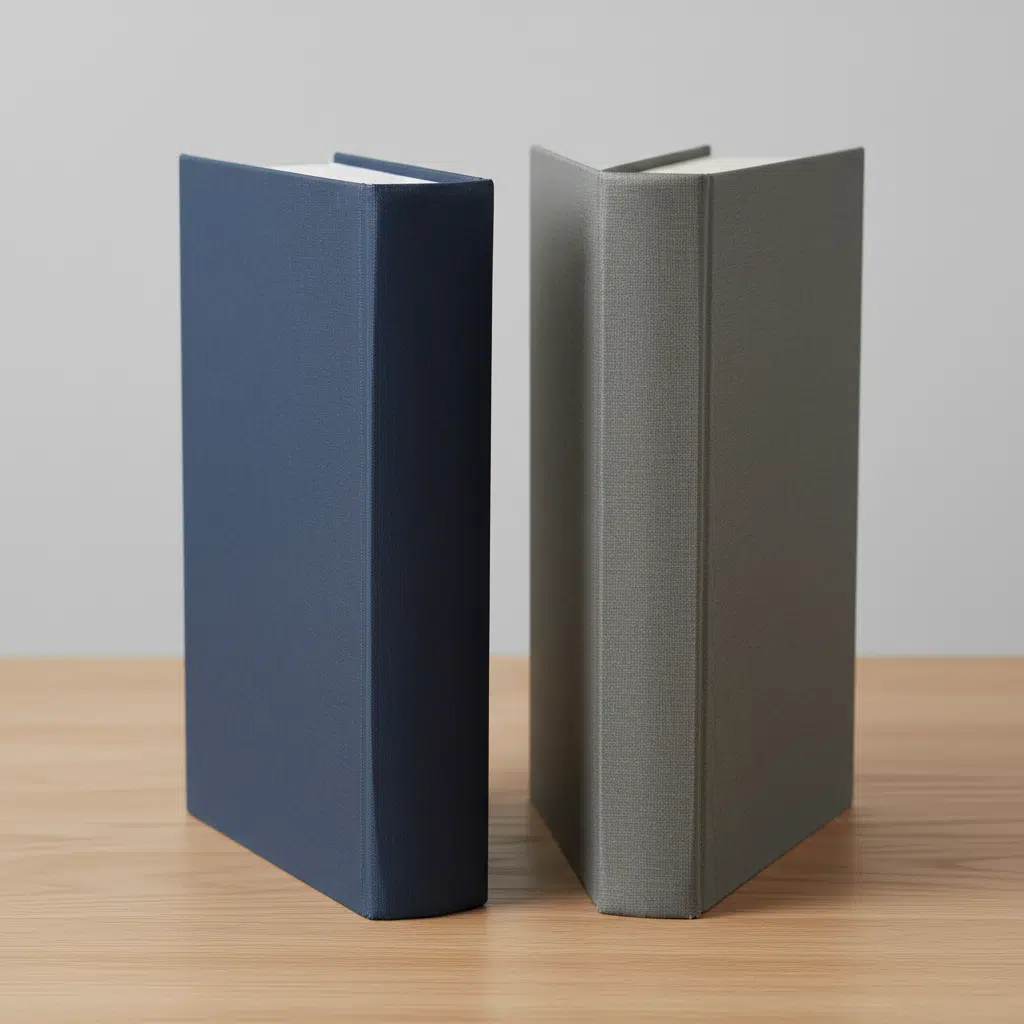
في التصنيع الاحترافي للكتب، يعتبر العمود الفقري أكثر من مجرد سطح للعنوان؛ فهو المرساة الهيكلية للتجليد بأكمله. عند تحديد الكتب ذات الغلاف المقوى (المغلفة)، فإن أحد القرارات الحاسمة التي يجب على الناشرين ومشتري المطبوعات اتخاذها هو ظهر مستدير (عمود فقري مستدير) و ظهر مربع (عمود فقري مسطح).
في حين أن الاختيار يبدو جماليًا في كثير من الأحيان، إلا أنه يؤثر بشكل أساسي على متانة الكتاب وسلوك الفتح وملاءمته لأعداد صفحات محددة. نحن في شركة YBJ للطباعة نوجه العملاء لاختيار شكل العمود الفقري الذي يضمن أن الكتاب لا يبدو احترافيًا فحسب، بل يعمل بشكل صحيح على مدار عمره الافتراضي.
يقارن هذا الدليل بين الاختلافات الفنية والمزايا الوظيفية والآثار المترتبة على التصنيع للأشواك الدائرية مقابل المربعة لمساعدتك على اتخاذ قرار إنتاج مستنير.
تحديد الخيارات: الجولة مقابل المربع
ما هو التجليد الخلفي المربع؟
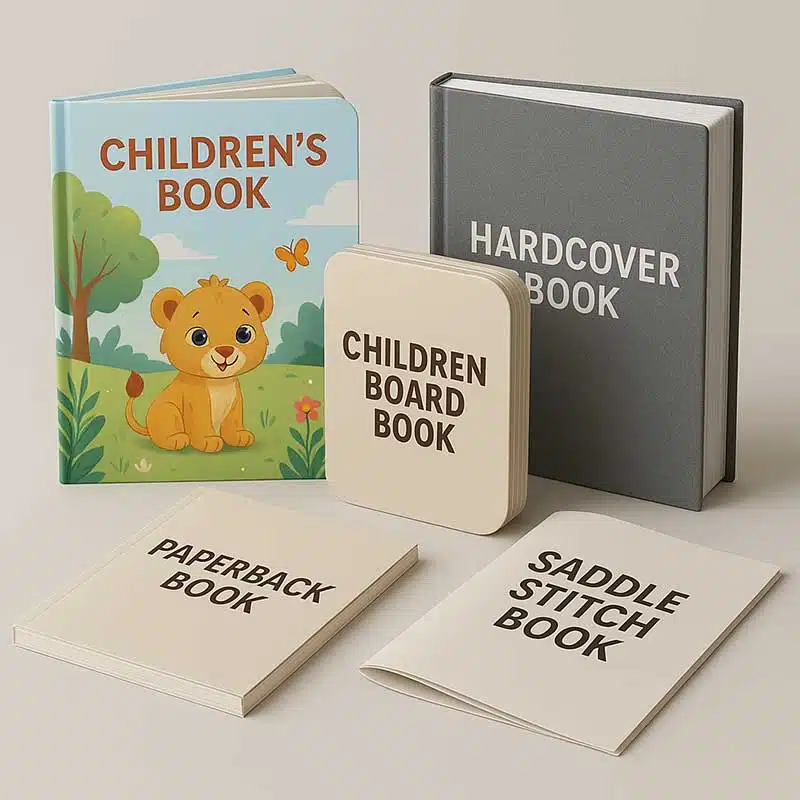
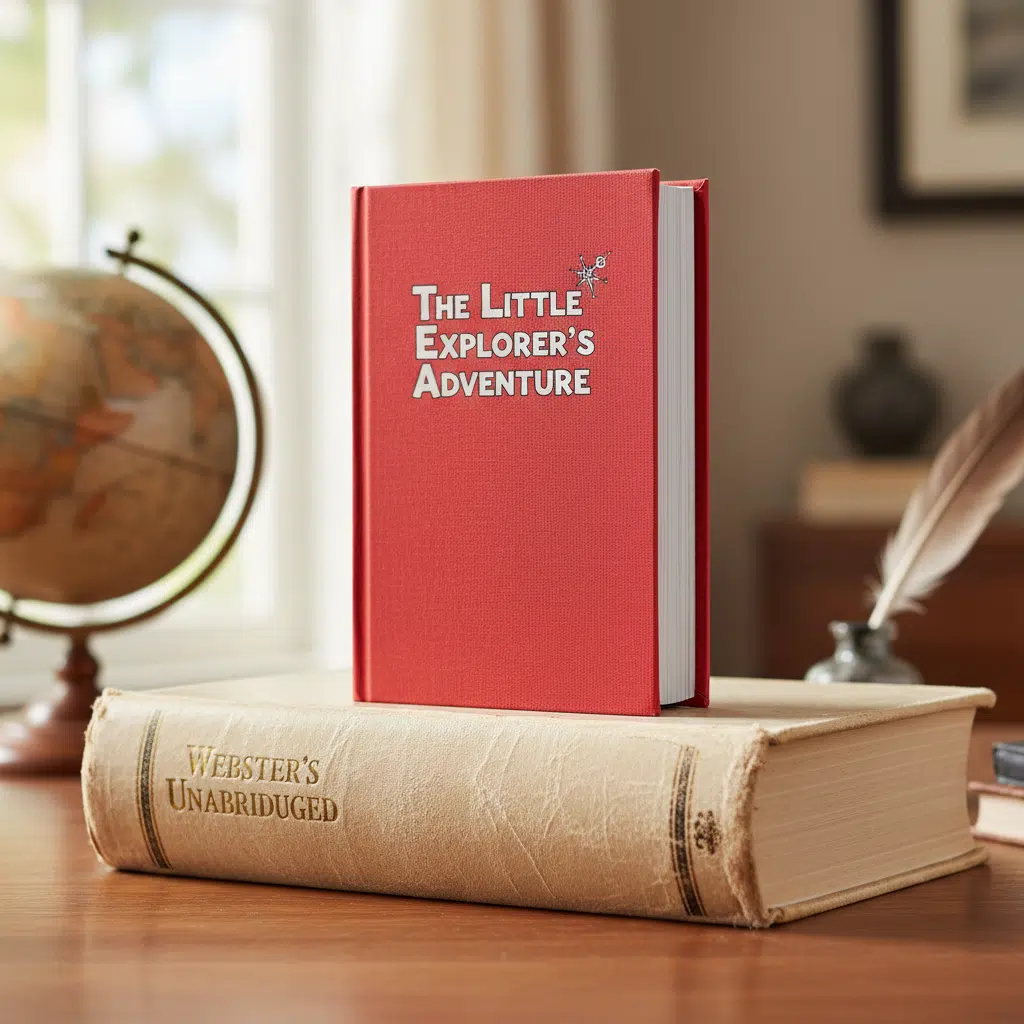
التجليد الخلفي المربع، والمعروف أيضاً بالتجليد الخلفي المسطح، ينتج عنه عمود فقري بزاوية 90 درجة مع الغلاف. يتم تقليم كتلة النص ولصقها (أو خياطتها) دون أي عملية تقريب. وهذا يخلق مظهراً مستطيلاً حاداً وعصرياً. وهو المعيار لمعظم الكتب ذات الغلاف المقوى الرقيق إلى المتوسط، بما في ذلك كتب الأطفال المصورة وتقارير الشركات.
ما هو التجليد الخلفي المستدير؟
ينطوي التجليد الخلفي المستدير على خطوة تصنيع إضافية تسمى "التقريب والتدعيم". بعد إنشاء كتلة الكتاب، تقوم الماكينات بتشويه العمود الفقري بلطف إلى منحنى محدب بينما تصبح الحافة الأمامية مقعرة. هذا الشكل التقليدي مرادف للروايات عالية الجودة والكتب المدرسية السميكة والمجلدات المرجعية. هذا الانحناء ليس مجرد زخرفة؛ فهو يخدم غرضاً ميكانيكياً من خلال استيعاب تراكم الخيوط وتضخم الورق.
التحليل المقارن: الجماليات والوظيفة
1. عدد الصفحات وسُمك العمود الفقري
إن السُمك الكلي لكتلة الكتاب هو القيد الفني الأساسي عند الاختيار بين الظهر المستدير والمربع.
- ظهور مربعة الشكل: مثالي للكتب الرقيقة. إذا كان الكتاب سميكًا للغاية (عادةً ما يزيد سمكه عن 40 مم أو 1.5 بوصة، على الرغم من أن هذا يختلف حسب وزن الورق)، فقد يصبح العمود الفقري المربع مقعرًا أو "مقعرًا" بمرور الوقت بسبب الجاذبية ووزن الصفحات. وعلى العكس من ذلك، فإن الظهر المربع ممتاز للأغلفة الصلبة الرقيقة جداً (أقل من 6 مم) حيث يكون التقعر مستحيلاً من الناحية المادية.
- ظهور مستديرة: ضروري لأعداد الصفحات العالية. يمتص الشكل المنحني الانتفاخ الطبيعي للورق والخيط، مما يمنع العمود الفقري من التشوه. بالنسبة للكتب التي يزيد عدد صفحاتها عن 300 صفحة (حسب مسماك الورق)، يوفر التقويس ثباتاً هيكلياً لا يمكن للعمود الفقري المسطح توفيره.
2. سلوك التسطيح وسهولة الاستخدام
إن طريقة افتتاح الكتاب أمر بالغ الأهمية لتجربة القارئ، خاصة بالنسبة لكتب الطبخ أو المجلات أو النصوص الأكاديمية.
- ظهور مستديرة: توفر بشكل عام قدرات فائقة على التسطيح للمجلدات السميكة. تسمح ميكانيكية العمود الفقري المستدير بتقوس الصفحات برفق، مما يقلل من الضغط على المفصلة. وهذا يجعل الكتاب أسهل في الإمساك به مفتوحاً بيد واحدة.
- ظهور مربعة الشكل: إنشاء حركة فتح أكثر إحكاماً. في حين أن الظهر المربع يمكن أن يظل مسطحًا نسبيًا إذا كانت تقنية التجليد (مثل خياطة سميث) عالية الجودة، فإن الزوايا الصلبة بزاوية 90 درجة يمكن أن تخلق مقاومة في الكتل السميكة، مما يؤدي إلى إغلاق الصفحات بسهولة أكبر.
3. الحضور الجمالي والرفوف
ظهور مربعة توفر مظهراً عصرياً بسيطاً. وتوفر لوحة مسطحة لنص العمود الفقري، وهو ما يفضله بعض المصممين للمحاذاة الدقيقة للشعارات والعناوين. وغالباً ما تكون هي الخيار الافتراضي للكتب الفنية وأدب الأطفال حيث تكون الحافة الهندسية الواضحة المرغوبة.
ظهور مستديرة تثير التقاليد والهيبة والحرفية. فهي معيار الكتب الروائية الأكثر مبيعاً والموسوعات والنصوص الدينية. يخلق المنحنى تلاعباً مميزاً بالضوء والظل على الرف، مما يميز المجلد كعمل كبير.
المواصفات الفنية وحدود التصنيع
عند إعداد مواصفات الطباعة الخاصة بك، ضع في اعتبارك هذه الإرشادات العامة للتصنيع. لاحظ أن التفاوتات المحددة تعتمد على الماكينات ومخزون الورق المستخدم.
| الميزة | ظهر مربع (مسطح) | ظهر مستدير |
|---|---|---|
| عرض العمود الفقري المثالي | 3 مم - 30 مم | 15 مم - 60 مم فأكثر |
| ملاءمة عدد الصفحات | منخفضة إلى متوسطة (على سبيل المثال، 24 - 200 صفحة) | متوسطة إلى عالية (على سبيل المثال، 200 - 1000 صفحة فأكثر) |
| تكلفة الإنتاج | أقل قليلاً (خطوات أقل) | أعلى قليلاً (خطوة التقريب مطلوبة) |
| المتانة | جيد للكتب الرقيقة؛ لكن هناك خطر التشويه على الكتب السميكة | ممتاز للاستخدام الثقيل/الكثيف |
تأثير اختيار الورق
يؤثر حجم الورق (الفرجار) بشكل كبير على قرار العمود الفقري. قد يكون عرض العمود الفقري لكتاب مكون من 200 صفحة مطبوع على ورق فني سميك بوزن 140 جم/م² بعرض 25 مم، مما يجعله مرشحاً للتقريب. قد يكون عدد الصفحات نفسه على ورق الكتاب المقدس الرقيق 60 جم/م2 بسماكة 10 مم فقط، مما يتطلب ظهرًا مربعًا. قم دائمًا بحساب عرض العمود الفقري النهائي بناءً على GSM للورق وحجمه قبل وضع اللمسات الأخيرة على نمط التجليد.
اعتبارات التصنيع
عملية التقريب
بالنسبة للظهور المستديرة، تمر كتلة الكتاب من خلال محطة متخصصة حيث تقوم البكرات بالضغط على البكرات لتوجيه التواقيع إلى الخارج. وهذا يخلق "الكتف" الذي يستند عليه لوح الغلاف المقوى. هذا الكتف ضروري للكتب الثقيلة لأنه ينقل وزن كتلة النص إلى ألواح الغلاف، مما يخفف الضغط على المفصلة.
فحوصات ضمان الجودة
بغض النظر عن شكل العمود الفقري، فإن مراقبة الجودة أمر بالغ الأهمية. في شركة YBJ للطباعة نقوم بفحص
- ظهور مربعة الشكل: تربيع العمود الفقري (يجب أن يكون 90 درجة بالضبط)، وتطبيق المادة اللاصقة بشكل متساوٍ، وطيّ الزوايا.
- ظهور مستديرة: تناسق القوس، واتساق الكتف (المفصل)، وسلاسة حركة الفتح دون تكسير أوراق النهاية.
دليل الشراء: كيفية الطلب
عند طلب عرض أسعار لطباعة الكتب ذات الغلاف المقوى، فإن وضوح مواصفات العمود الفقري يمنع التأخير في الإنتاج.
1. تحديد المواصفات الخاصة بك
قم بتضمين حجم القطع وعدد الصفحات ومخزون الورق المفضل. إذا كنت غير متأكد من العمود الفقري الأفضل، اسأل شريكك في الطباعة: "بناءً على سُمك الورق وعدد الصفحات هذا، هل توصي باستخدام عمود فقري مستدير أم مربع؟"
2. إعداد العمل الفني
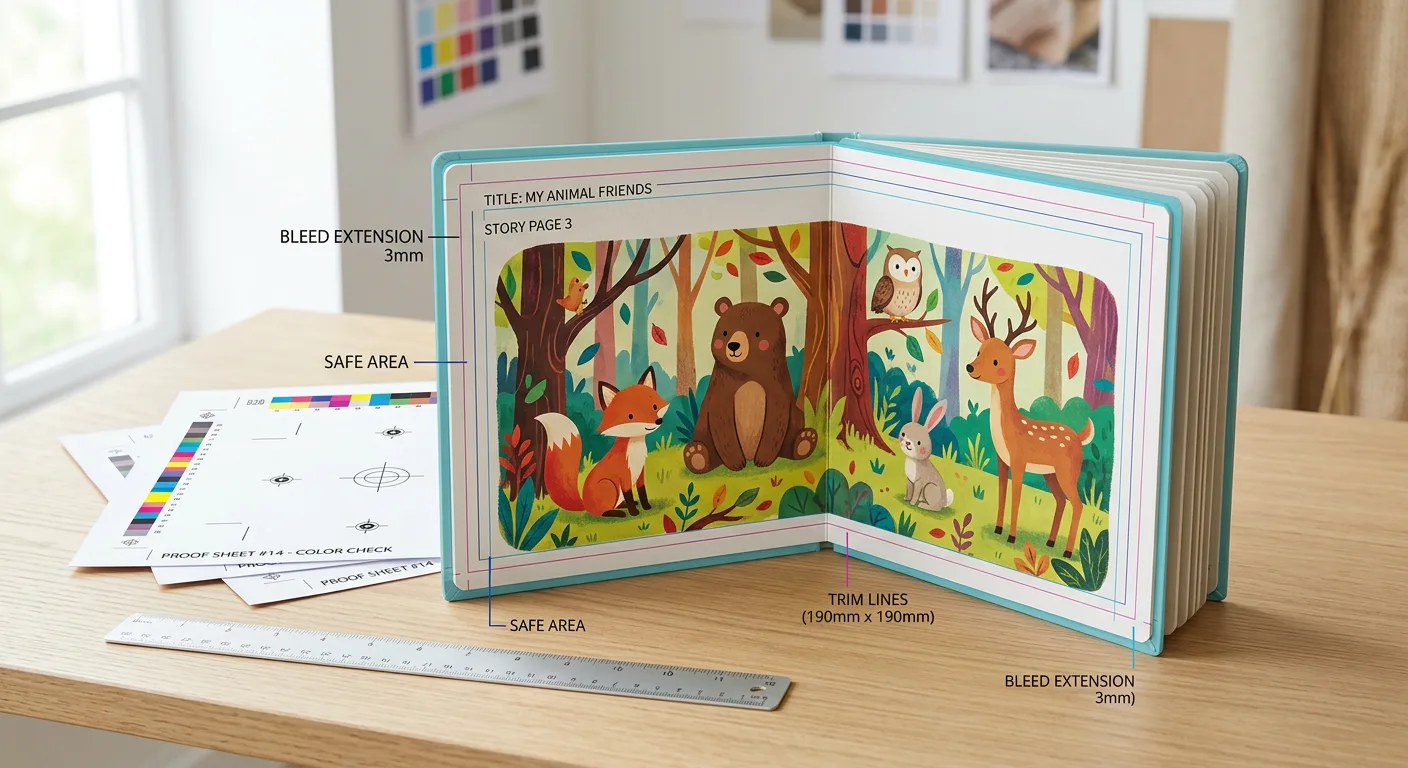
- للأشواك المستديرة: لا ينبغي أن يمتد تصميم العمود الفقري قريبًا جدًا من الحافة ("منطقة المفصلة"). يمكن للمنحنى البصري أن يشوه النص إذا كان حجمه بعرض العمود الفقري بالكامل. اجعل النص في المنتصف مع هوامش واسعة.
- للأشواك المربعة: يمكن محاذاة النص بدقة، ولكن اسمح دائمًا بتفاوتات التصنيع القياسية (عادةً ± 1 مم) لتجنب التفاف النص على الغلاف الأمامي أو الخلفي.
3. موك والمهل الزمنية
كلا أسلوبي التجليد قياسيان في تصنيع الكتب الصناعية. ومع ذلك، يمكن أن يستغرق إعداد آلات التجليد المستدير وقتاً أطول قليلاً لعمليات التجليد القصيرة. قم بتأكيد الحد الأدنى لكميات الطلبات (MOQ) إذا كنت تبحث عن دفعة صغيرة، حيث أن التجليد الخلفي المستدير هو الأكثر فعالية من حيث التكلفة على نطاق واسع (عادةً ما يزيد عن 500 أو 1000 وحدة).
الأسئلة الشائعة: اختيار العمود الفقري المقوى
هل يمكنني الحصول على عمود فقري مستدير على كتاب رفيع؟
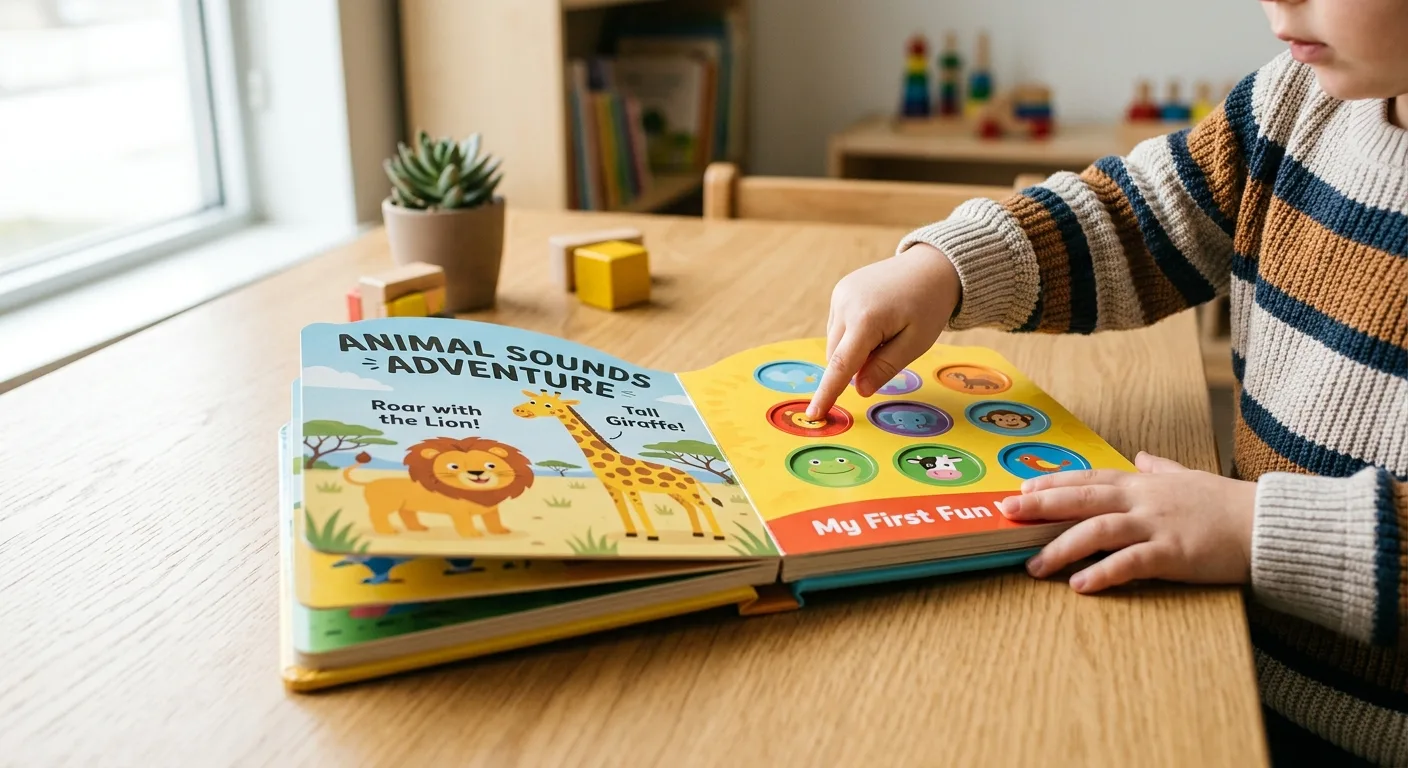
بشكل عام، لا. إذا كان سمك العمود الفقري أقل من 10-12 مم، فلا توجد مادة كافية لتشكيل قوس ثابت. لا يمكن للآلة الإمساك بالكتلة بفعالية لتقريبها. الكتب الرقيقة (مثل كتب الأطفال المصورة) تكون ظهورها مربعة بشكل افتراضي.
هل الظهر المربع أرخص من الظهر المستدير؟
نعم، عادةً. تتخطى عملية الظهر المربع محطة التقريب والدعم، مما يوفر وقت إعداد الماكينة وسرعة الإنتاج. ومع ذلك، بالنسبة لعمليات التشغيل الكبيرة، غالبًا ما يكون فرق التكلفة لكل وحدة ضئيلًا مقارنةً بالمزايا الوظيفية للتقريب للكتب السميكة.
ما هو العمود الفقري الأفضل لكتاب طاولة القهوة؟
يعتمد ذلك على السُمك. تستخدم العديد من الكتب الفنية الفاخرة ظهرًا مربعًا للحصول على مظهر جمالي أنيق يشبه المعرض. ومع ذلك، إذا كان الكتاب ثقيلًا للغاية (أكثر من 2 كجم) أو كان عدد صفحاته مرتفعًا جدًا، فإن الظهر المستدير سيضمن أن يصمد الغلاف بشكل أفضل على مدار سنوات من الاستخدام.
هل يؤثر شكل العمود الفقري على قالب تصميم الغلاف؟
نعم. يختلف حساب عرض العمود الفقري قليلاً، ويجب مراعاة منطقة "المفصلة" أو "المفصل" (المسافة البادئة بين العمود الفقري واللوح) في العمل الفني. اطلب دائمًا قالبًا مخصصًا من الطابعة بمجرد تأكيد مخزون الورق.
هل أنت جاهز لبدء مشروعك ذي الغلاف الصلب؟
إن الاختيار بين الظهر المستدير والظهر المربع هو توازن بين الجماليات والوظيفة والميزانية. سواء أكنت بحاجة إلى متانة العمود الفقري المستدير لرواية أو الخطوط الحادة للظهر المربع لكتاب أطفال، فلدينا الإمكانيات اللازمة لتقديم نتائج عالية الجودة.
اتصل بشركة YBJ للطباعة اليوم لمناقشة مواصفاتك وطلب عرض أسعار مخصص.