
جدول المحتويات
- The direct answer
- What is case binding?
- What is perfect binding?
- Key differences for buyers
- How to choose the right binding
- Buyer specification checklist
- File preparation and production considerations
- الخاتمة
Case binding and perfect binding suit different book goals. This guide compares their construction, durability, design requirements and purchasing considerations so B2B buyers can select the right option.
The Direct Answer
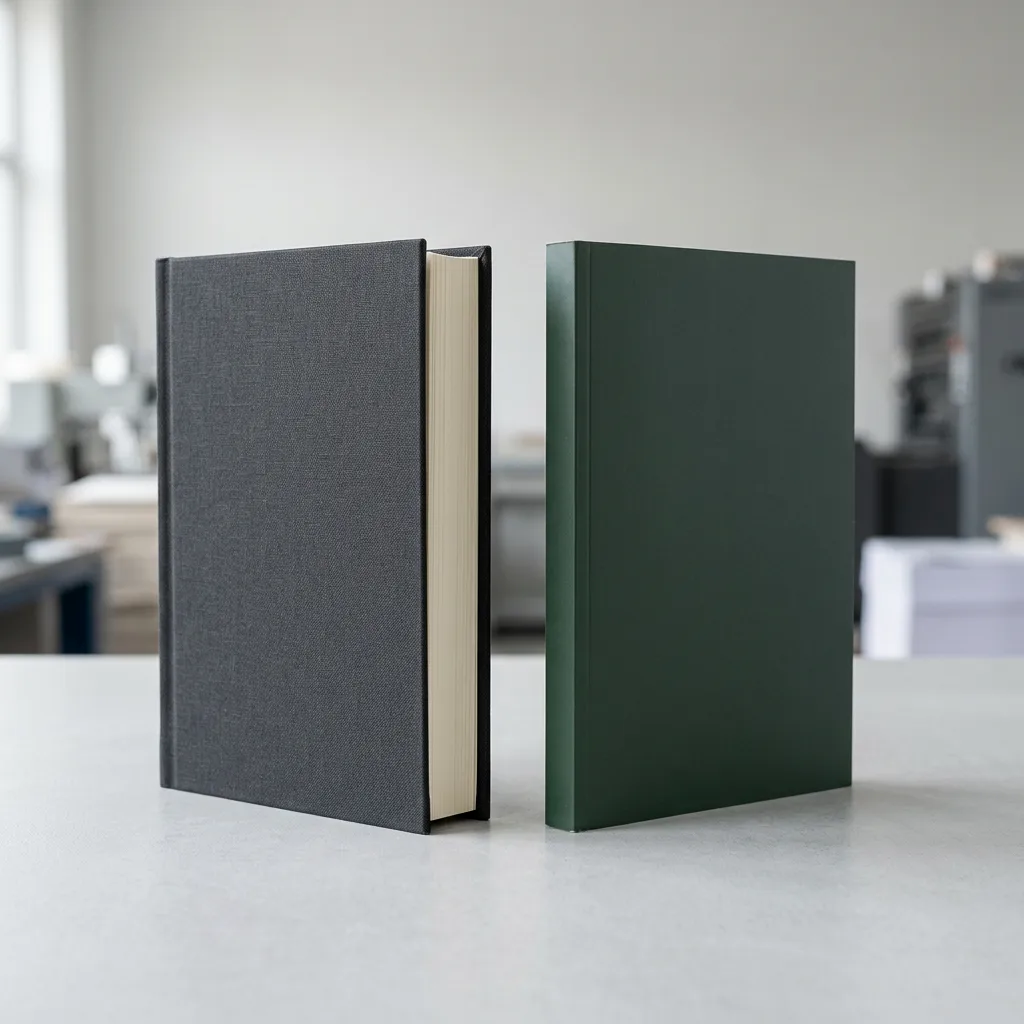
Case binding is usually best for books that need a premium hardcover format, stronger protection and a long service life. Perfect binding is usually best for softcover books where a lighter format and lower unit cost are more important.
In a case binding vs perfect binding decision, neither method is universally better. The appropriate choice depends on the book’s purpose, expected handling, page count, retail positioning, quantity, paper stock and budget. Case-bound books use a separate hard cover, commonly called a case, around a sewn or glued text block. Perfect-bound books use a flexible cover that is glued directly to the spine of the pages.
For example, a commemorative book, premium catalogue, coffee-table title or school yearbook may benefit from case binding. A novel, annual report, training manual, magazine-style publication or promotional booklet may be better suited to perfect binding. Buyers deciding first between a rigid and flexible cover can also review this دليل طباعة الكتب ذات الغلاف المقوى مقابل الكتب ذات الغلاف الورقي.
The comparison below focuses on typical commercial book production. Final feasibility, construction and quotation details depend on the approved specifications and print-ready files.
What Is Case Binding?
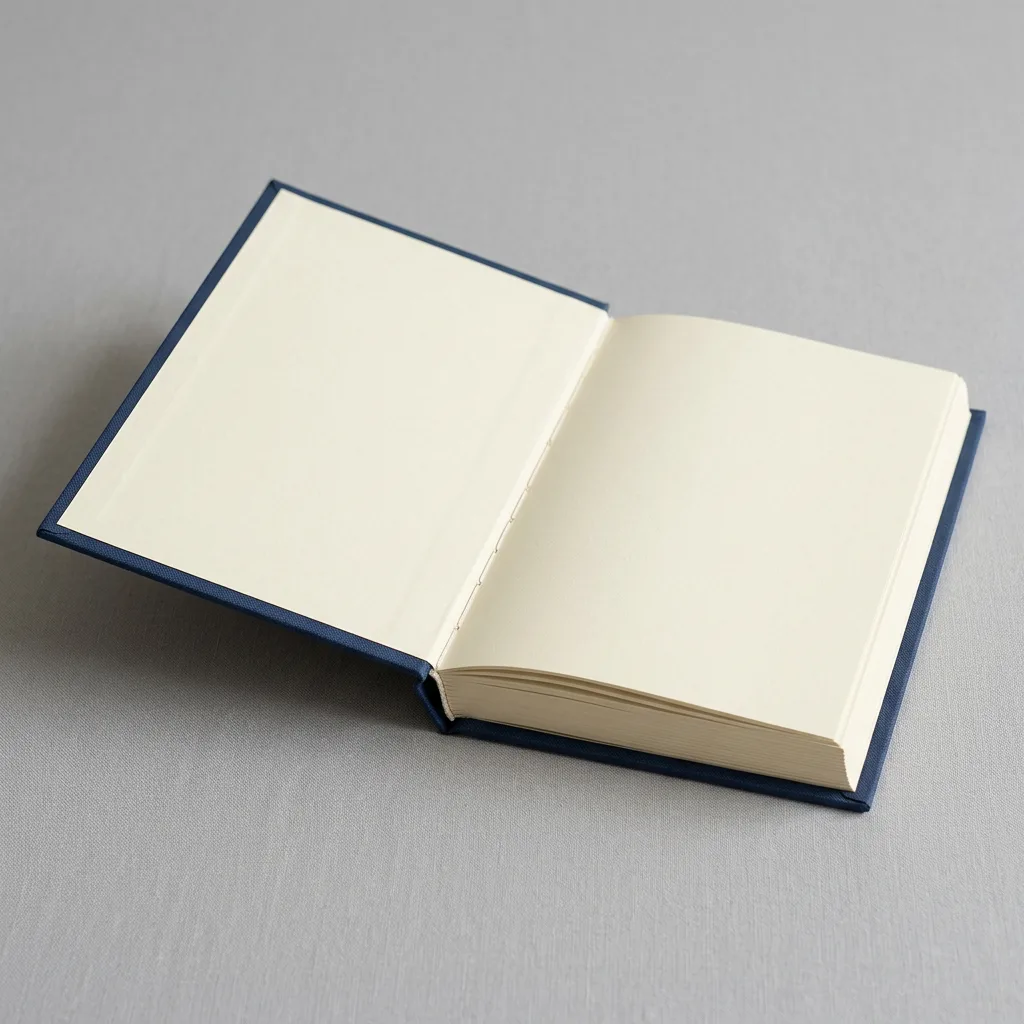
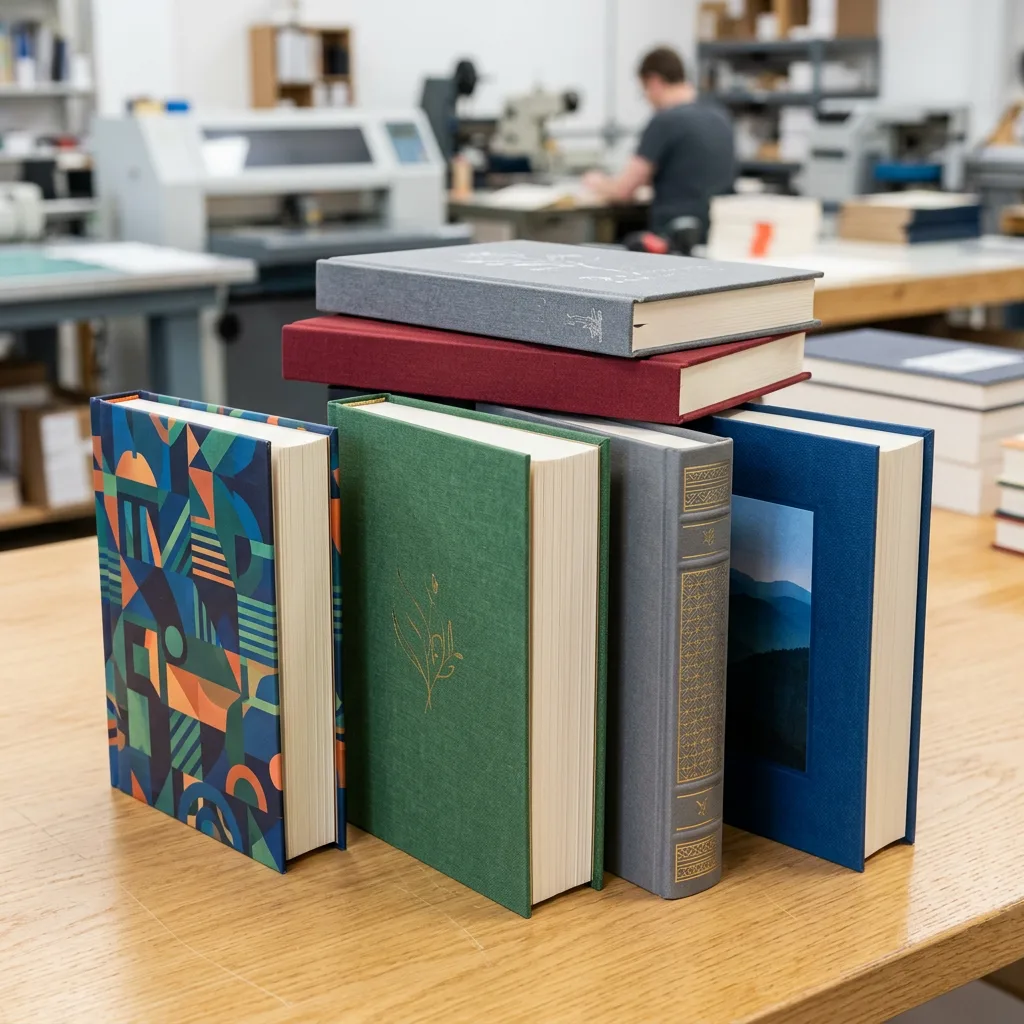
Case binding is a hardcover book construction. The printed and folded pages are gathered into a text block, then commonly sewn in sections or otherwise prepared for binding. A separate rigid cover is made from greyboard or similar board wrapped with printed cover material, cloth or another approved covering. The text block is attached inside the case through the endpapers.
The resulting book has firm front and back boards, a defined spine and a more substantial feel than a paperback. The printed cover artwork may be laminated for surface protection, and some projects add features such as a dust jacket, foil stamping, embossing, a ribbon marker or coloured endpapers. These are optional finishing choices, not inherent requirements of case binding.
Case binding is commonly selected where the object itself carries lasting value. Typical applications include art books, illustrated children’s books, gift books, corporate histories, reference books, premium catalogues, cookbooks and yearbooks. A yearbook is a useful example because repeated handling and long-term keeping often matter; see our guidance on binding styles and paper grades for durable school yearbooks.
A case-bound book is not automatically flat-opening. Standard case binding has a hinge near the spine, but the extent to which pages open depends on the text-block construction, paper, page count and book size. When full-spread photographs or artwork must cross the centre without interruption, discuss lay-flat construction separately. It is a different production approach with its own material and cost implications.
What Is Perfect Binding?
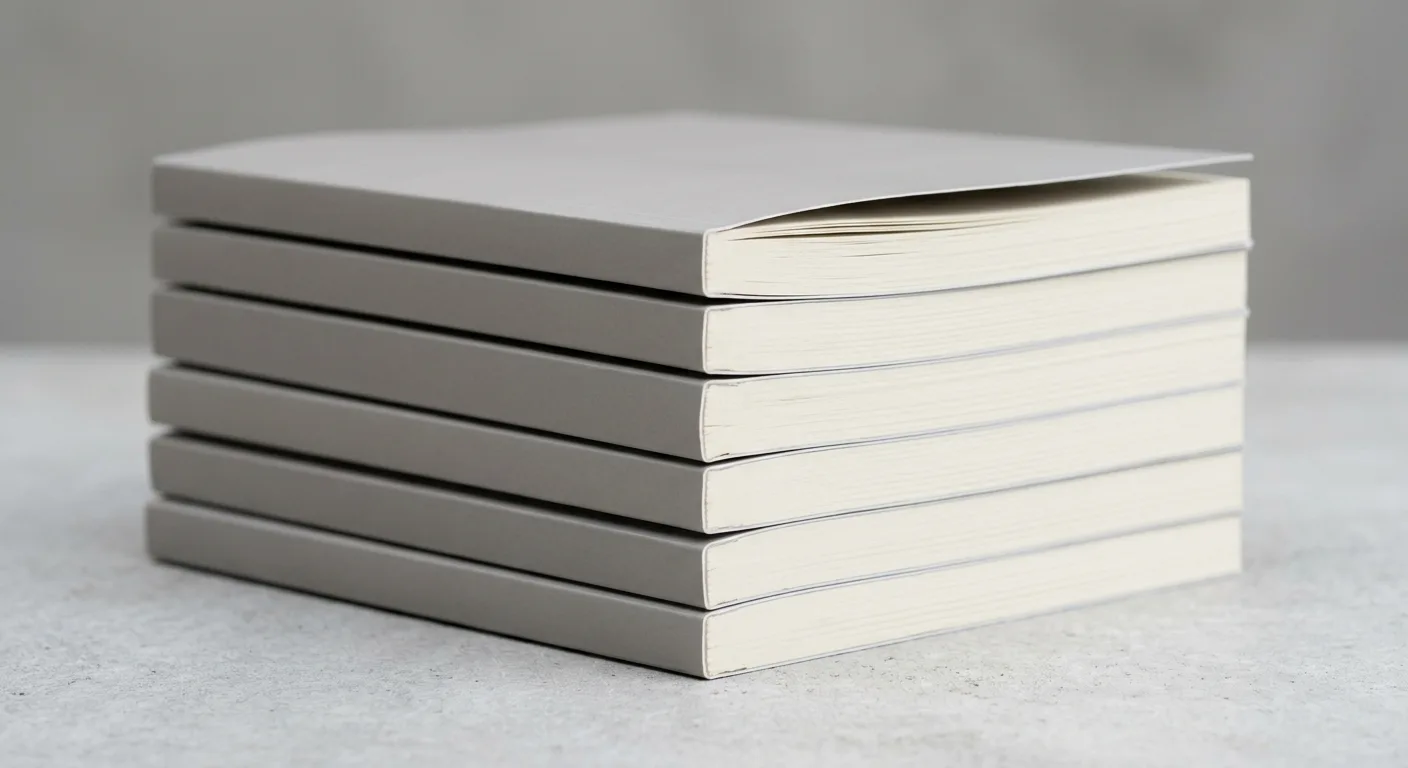
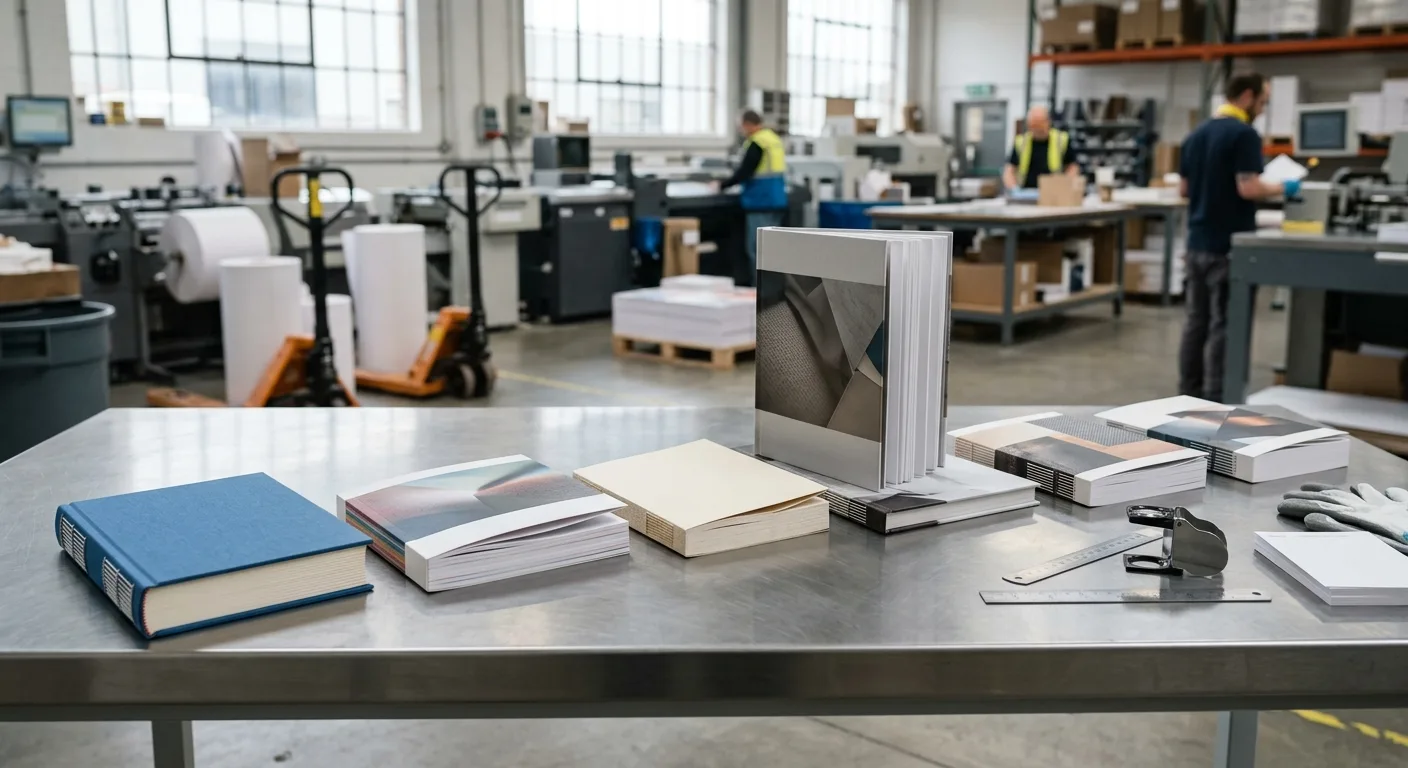
Perfect binding is a softcover binding method in which the folded or cut pages are gathered into a text block, the spine edge is prepared, and the block is glued into a wrap-around cover. The cover is usually heavier than the inside pages and may be coated, uncoated or laminated according to the project specification.
The term “perfect” refers to the squared, clean spine appearance, not to an error-free or indestructible result. Modern commercial production can use different adhesives, including PUR or EVA, depending on the book specifications and manufacturer process. Adhesive selection affects flexibility, paper compatibility and production requirements, so it should be confirmed for projects with demanding paper stocks or heavy use.
Perfect binding is common for paperbacks, novels, reports, product catalogues, manuals, journals and other publications that need a professional spine at a more economical format than hardcover construction. It can carry title and branding on the spine when the calculated spine is wide enough for legible artwork.
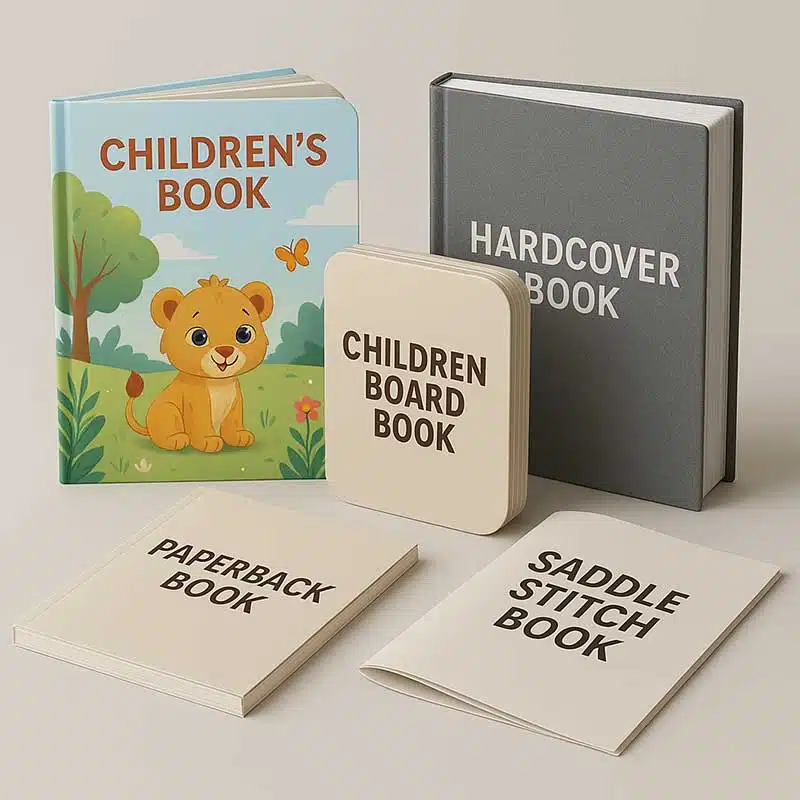
It is important to distinguish perfect binding from saddle stitching. Saddle-stitched pages are folded together and fastened through the fold with wire staples; perfect-bound pages form a square spine. For magazine projects, paper selection and finishes can be just as important as the binding method. Our guide to custom magazine paper choices, finishes and mailing durability explains those related decisions.
Key Differences for Buyers
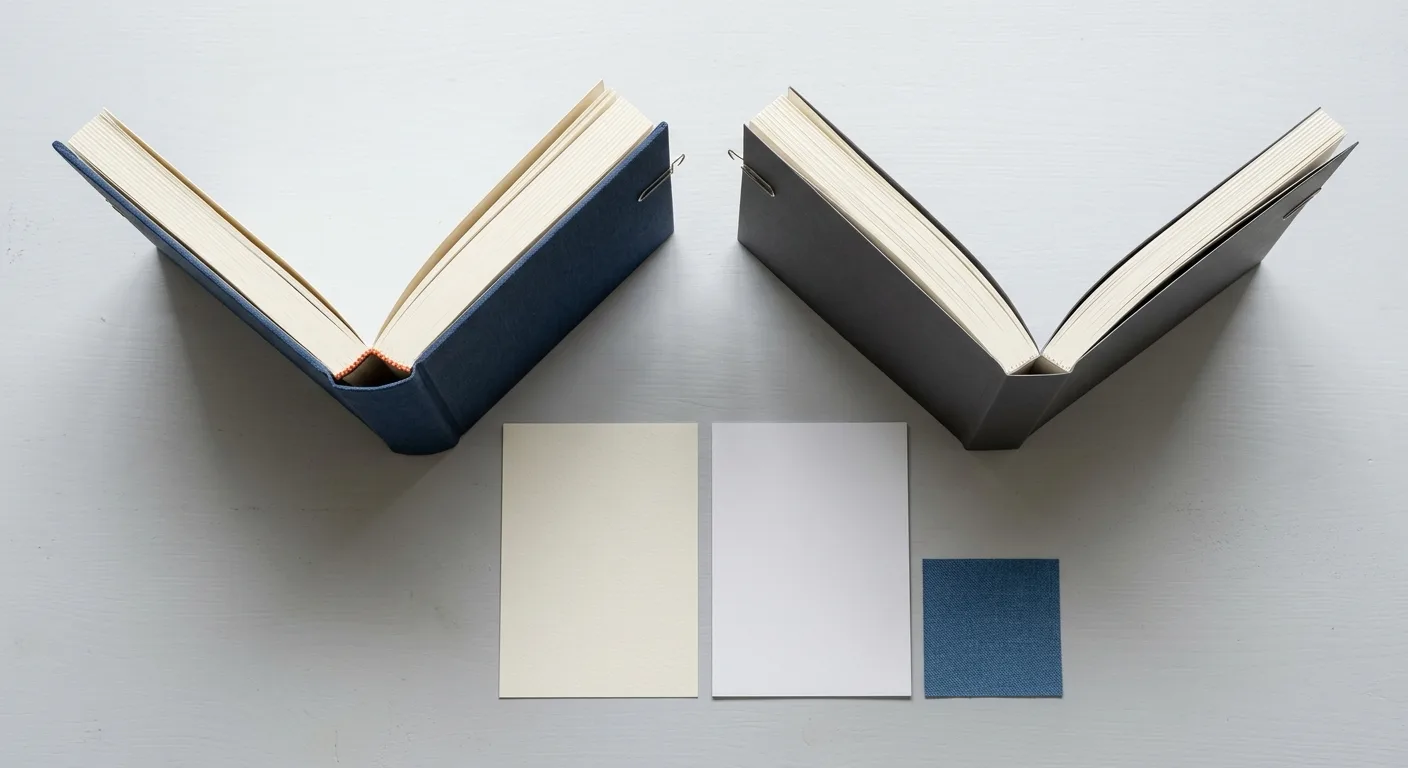
The most visible difference is the cover. Case binding uses rigid boards and creates a hardcover book. Perfect binding uses a flexible paperboard cover and creates a softcover book. That visible distinction affects perceived value, weight, packaging needs and the reader’s handling experience.
المتانة وسهولة الاستخدام
Case binding generally provides better exterior protection because the boards resist bending better than a soft cover. It is a practical choice for books intended to be retained, displayed or handled repeatedly. The text block still needs to be designed and manufactured appropriately; board covers alone do not determine overall durability.
Perfect binding can work well for normal reading, distribution and retail handling, especially with a suitable adhesive and sensible paper choice. However, a paperback cover is more exposed to creasing, bent corners and scuffing. Very heavy coated text pages, frequent forced opening or unusually rough use deserve early discussion with the printer.
Appearance and positioning
A case-bound book communicates permanence and is often chosen for a higher-value presentation. It can support a range of cover treatments, including printed paper wraps and optional special finishes. Perfect binding gives a clean, familiar commercial-book appearance with less bulk. It is often the more appropriate format where efficient distribution or a lower retail price point is central.
Cost, weight and logistics
Case binding requires additional materials and operations: boards, cover wrapping, endpapers and casing-in. It will therefore normally cost more per copy than a comparable perfect-bound book. It is also heavier and thicker, which can affect carton quantity, freight charges and fulfilment planning.
Perfect binding usually has a simpler construction and a lighter shipment profile. It may offer a more efficient route for a large paperback run, but price still changes with trim size, page count, paper, colour coverage, cover finish, quantity, packaging and destination. A binding decision should not be based on a single unit-price assumption.
Spine design and page count
Both formats need an accurate spine width before final cover artwork is produced. The calculation is based on the thickness, or bulk, of the chosen paper and the number of pages, rather than GSM alone. Read how paper bulk and GSM affect accurate spine widths before preparing the final cover file.
Books with very low page counts may not have enough spine thickness for perfect binding or spine text. Conversely, a very thick book may require practical limits on paper, construction and trim size. Ask for a binding recommendation after confirming the actual page count and paper preference.
How to Choose the Right Binding
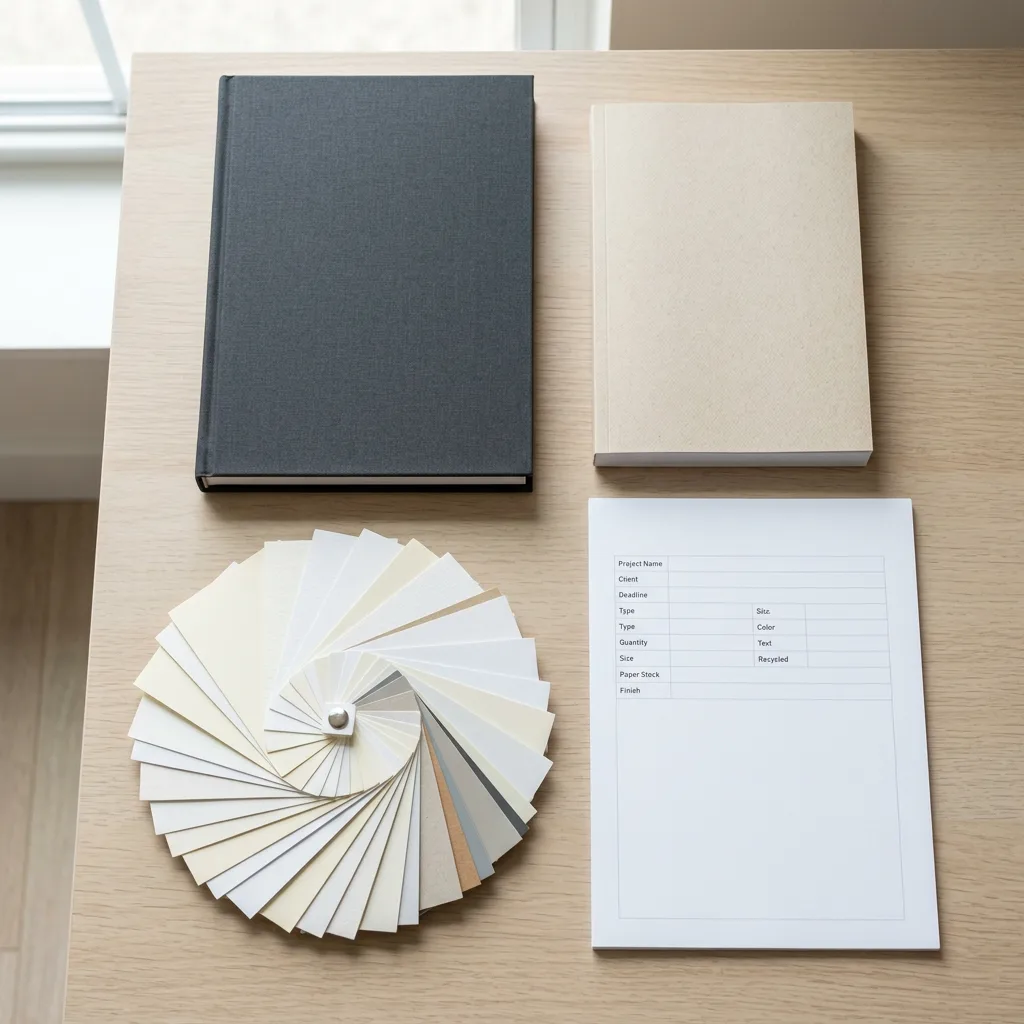
Start with the job the book needs to do. Choose case binding when the book should feel substantial, protect its contents over extended use or support a premium gift, archive or display position. It is often the better match for high-image-value titles and books that buyers are expected to keep.
Choose perfect binding when a professional paperback is appropriate, portability matters or the project needs to control the finished book’s weight and production budget. It is especially relevant for text-led books, commercial catalogues, reports and regularly updated editions.
Then assess the content. Full-bleed photography, double-page spreads, highly detailed artwork and activity pages can introduce requirements beyond the basic hardcover-versus-paperback decision. For photography titles, compare the need for a wide opening with the material choices described in our guide to lay-flat binding and paper for premium photo and memory books.
Finally, evaluate the distribution plan. A case-bound book needs more storage volume and can require stronger packaging. A perfect-bound book is lighter for direct mail or bulk distribution, but the cover and corners may need protection appropriate to the delivery route. Destination country, carton configuration and shipping method should be included when comparing total landed cost.
Buyer Specification Checklist
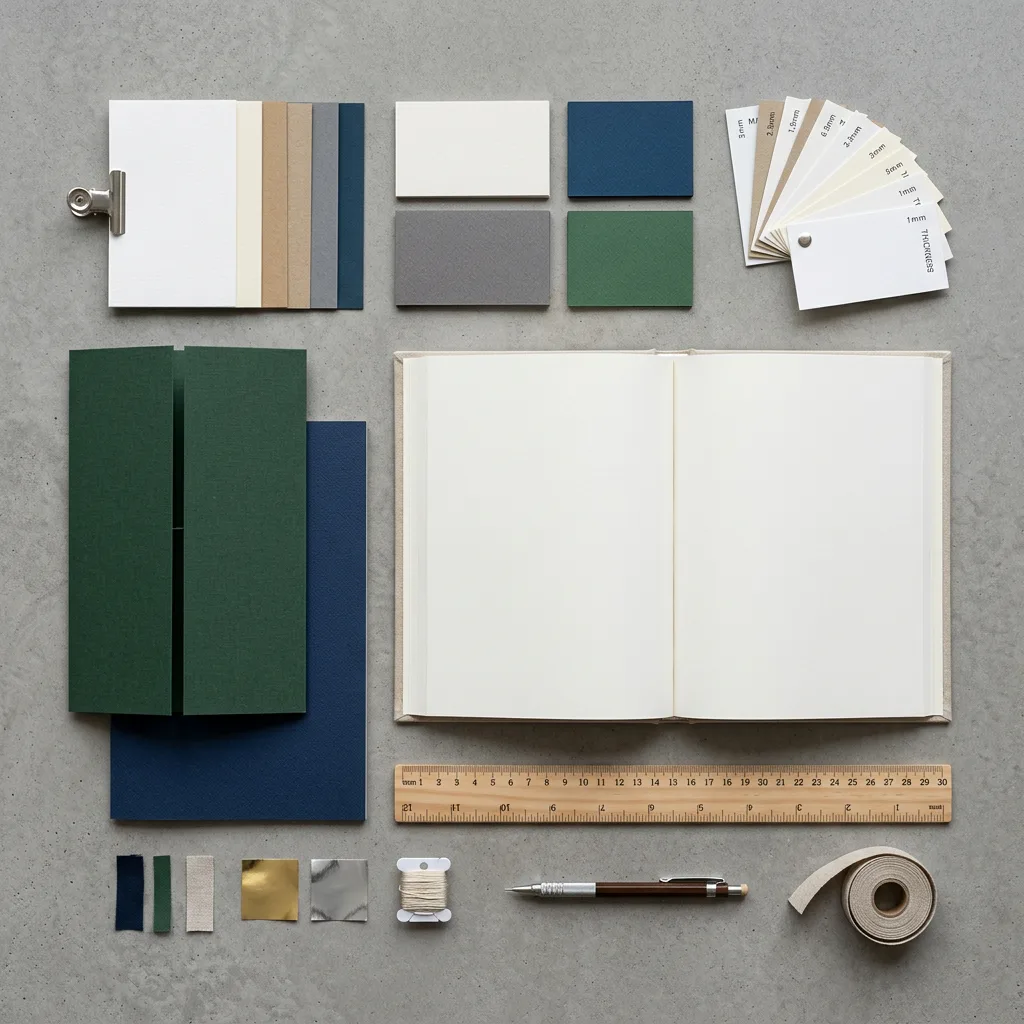
Before requesting prices for case binding or perfect binding, prepare a complete brief. This helps the printer assess whether the binding is suitable and avoids comparing quotations built on different assumptions.
- Product purpose: retail book, catalogue, yearbook, manual, gift title or another use.
- حجم الصورة واتجاهها: final width, height and portrait, landscape or square format.
- عدد الصفحات: include all text pages and confirm whether the count is final.
- الكمية: planned order volume and whether repeat orders are expected.
- Text paper: coated or uncoated, desired GSM, opacity and preferred feel.
- تصميم الغلاف: case-bound board cover or perfect-bound soft cover, plus any laminate or finish preference.
- Content features: full-bleed pages, double-page spreads, tabs, inserts, foldouts or heavy ink coverage.
- حالة الملف: print-ready PDF, working artwork, or files still requiring prepress checks.
- Delivery: destination country, delivery address type and any packaging or fulfilment requirements.
Assumptions affecting price, lead time and quality should be recorded clearly. A change from uncoated to coated text paper, a revised page count, a special finish or an altered destination can change the production and freight requirements. Do not finalise a cover spine until the printer confirms the paper and binding specification.
File Preparation and Production Considerations
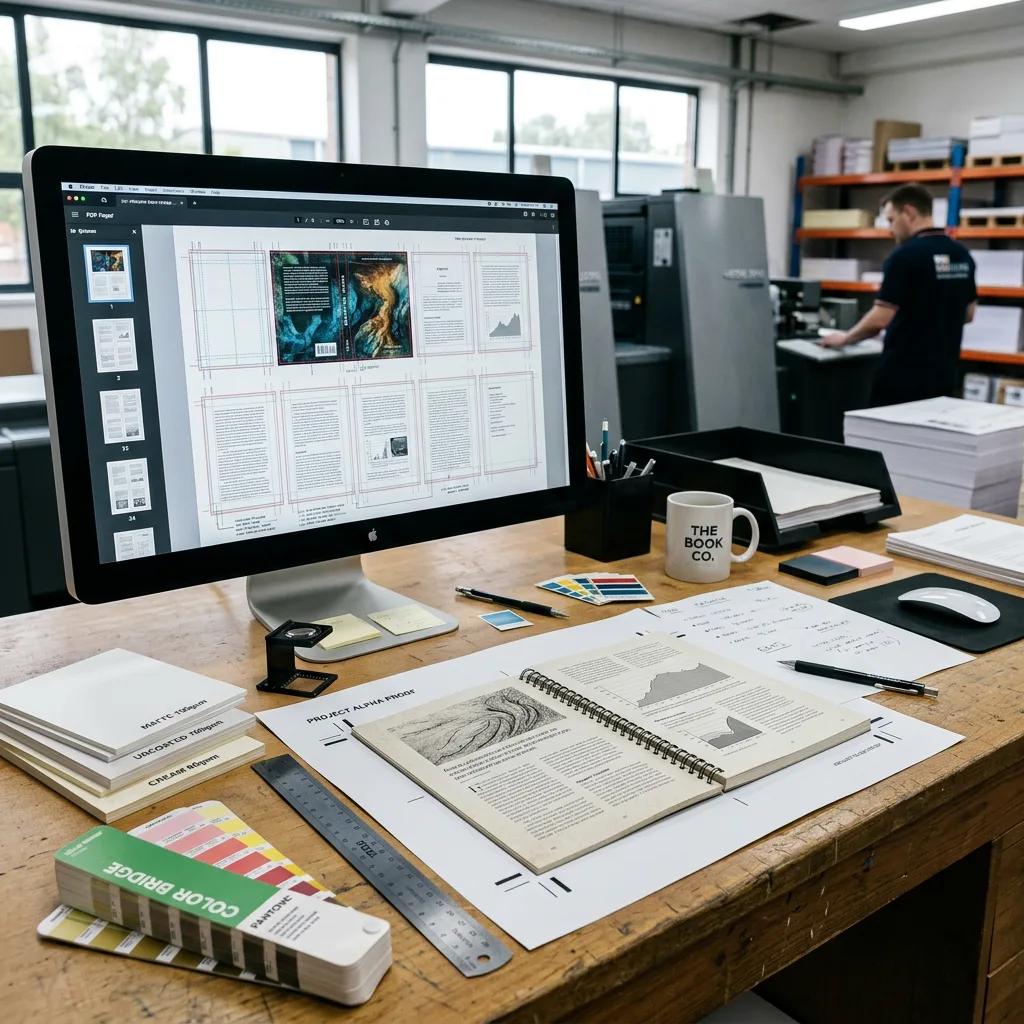
Binding affects artwork setup. Supply the cover as a full spread with back cover, spine and front cover only after the confirmed spine measurement is available. Include the printer’s requested bleed and keep important text, logos and barcodes clear of trim, folds, hinges and spine areas.
For a case-bound title, designers should account for the board wrap and hinge areas. Cover artwork can extend around the boards, and elements placed too close to folds may not read as intended. Endpapers, dust jackets and special finishing layers also need their own clear specifications where used.
For a perfect-bound title, avoid placing critical content too close to the inside margin. Some content near the glued spine can be less comfortable to read when the book is opened. A sensible inside safe margin is particularly important for manuals, textbooks and illustrated books with captions or detailed diagrams.
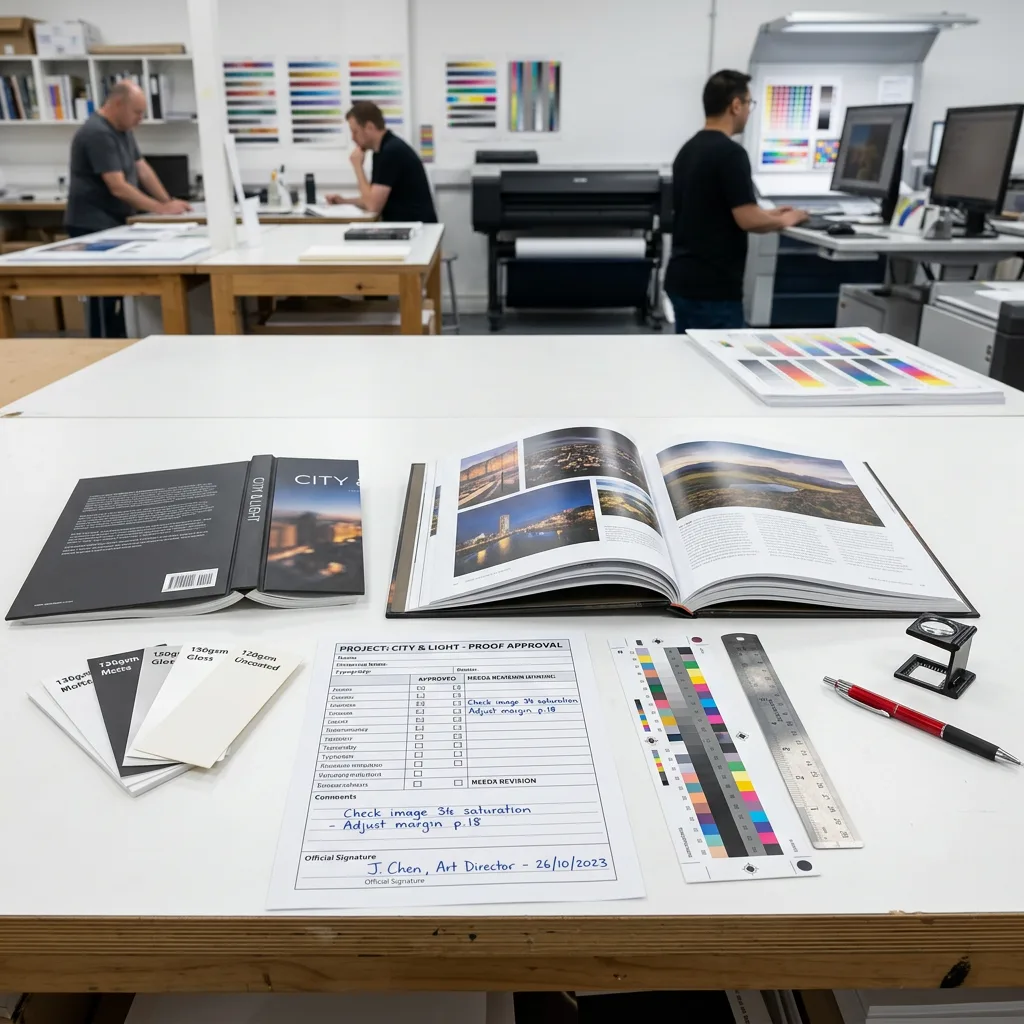
Request a prepress review when there is uncertainty about spine width, image resolution, colour conversion, bleed, fonts or finishing layers. A review is most useful before final approval, when corrections remain straightforward. It cannot replace a complete written production specification.
الخاتمة
Case binding vs perfect binding is fundamentally a choice between a durable hardcover presentation and an efficient softcover format. Case binding is generally appropriate when protection, perceived value and retention matter most. Perfect binding is generally appropriate when portability, a clean paperback spine and budget control are priorities.
The best decision comes from the actual specification, not the binding name alone. Confirm the trim size, final page count, paper, cover finish, usage expectations and delivery destination before approving artwork or comparing quotations.
Discuss Your Custom Book Project
Request a quotation from Guangzhou YBJ Printing Co., Ltd with your product type, trim size, page count, quantity, paper or binding preference, cover finish, file status and destination country. These details allow the team to assess the suitable binding construction and prepare an accurate project quotation.