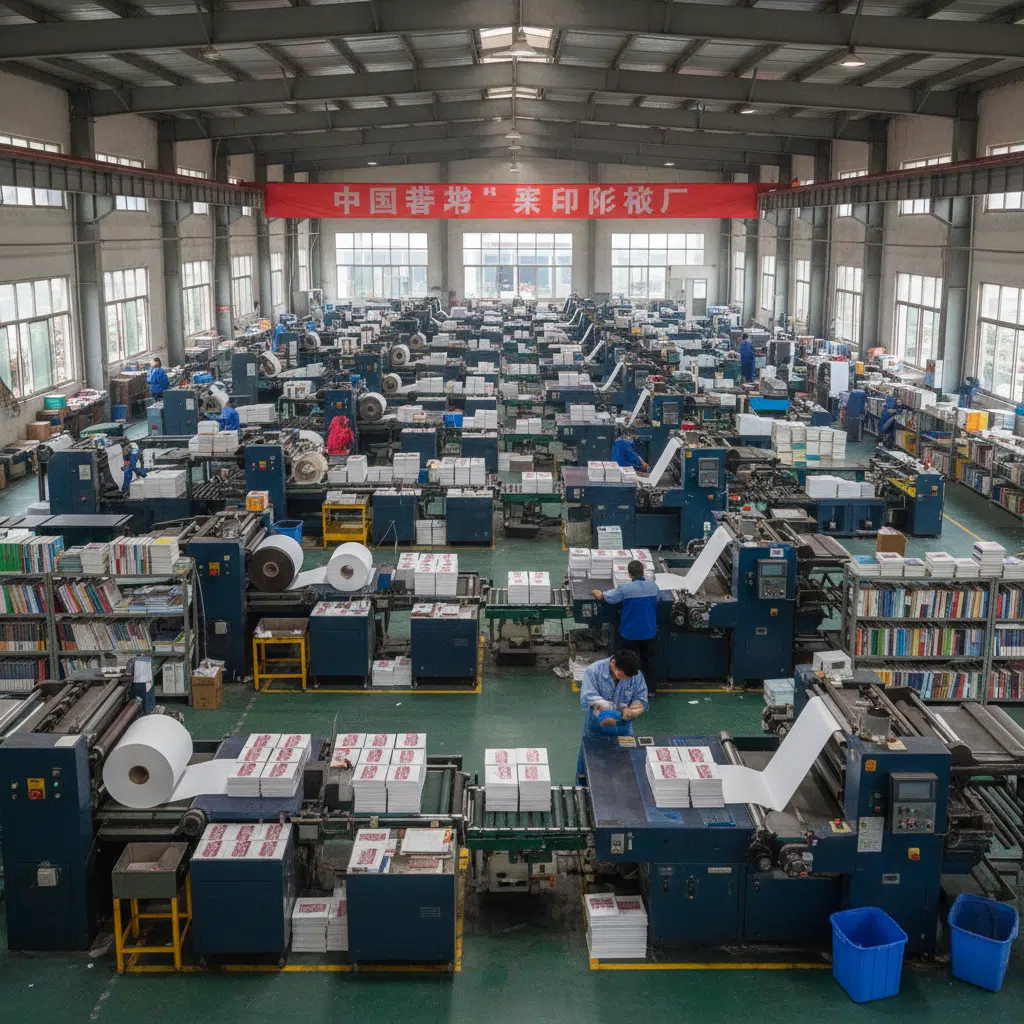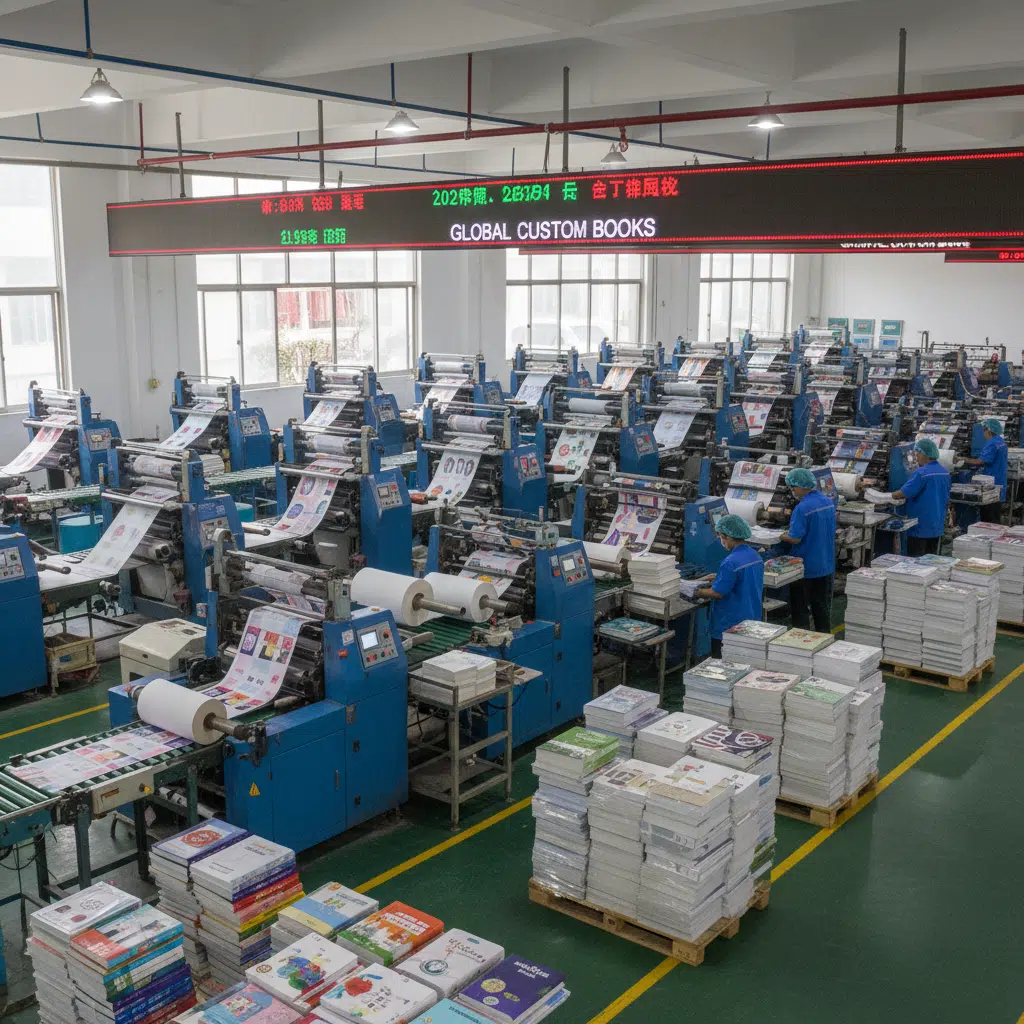

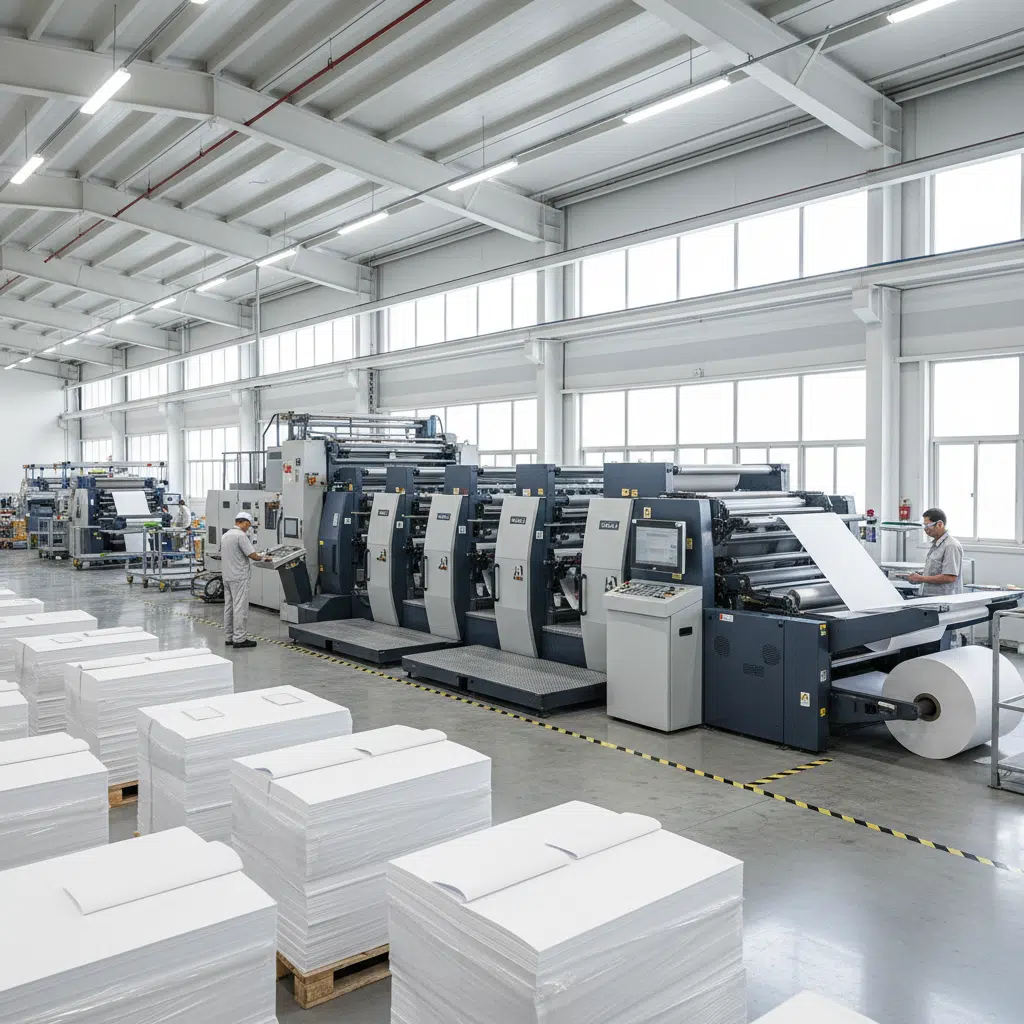
For procurement managers and brand owners, balancing a strict budget with high-quality print collateral is a constant challenge. Whether you are sourcing packaging, catalogs, books, or marketing materials, the cost of raw materials—paper, ink, and plates—fluctuates globally. However, the biggest opportunities for cost savings often lie in the technical specifications and manufacturing choices made during the design phase.
Reducing printing costs does not mean choosing inferior materials that damage your brand image. Instead, it requires a strategic understanding of the offset printing process, paper utilization, and finishing options. By optimizing these factors, you can significantly lower your unit price while maintaining a premium look and feel.
This guide outlines actionable strategies for international buyers to optimize bulk printing orders in China, covering paper selection, formatting, quantities, and logistics.
1. Optimize Paper Weight and Grade
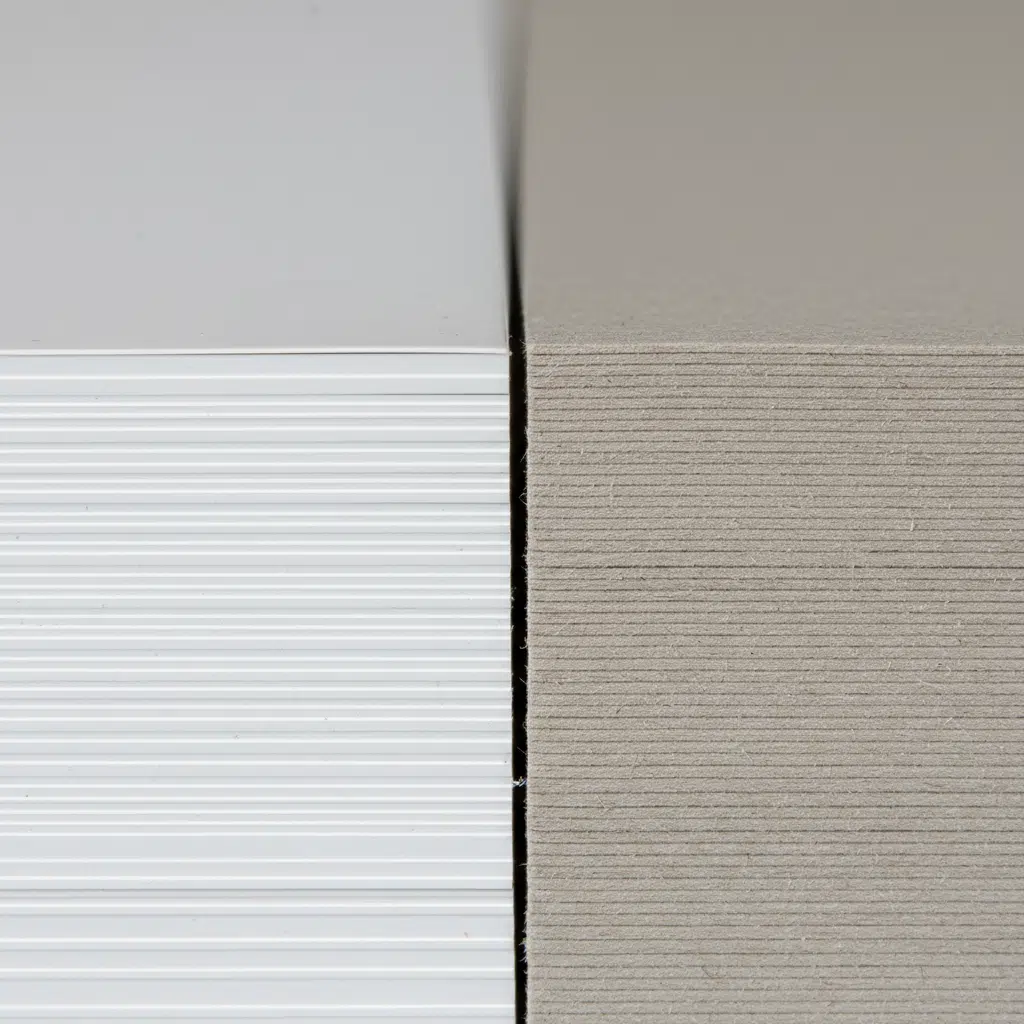
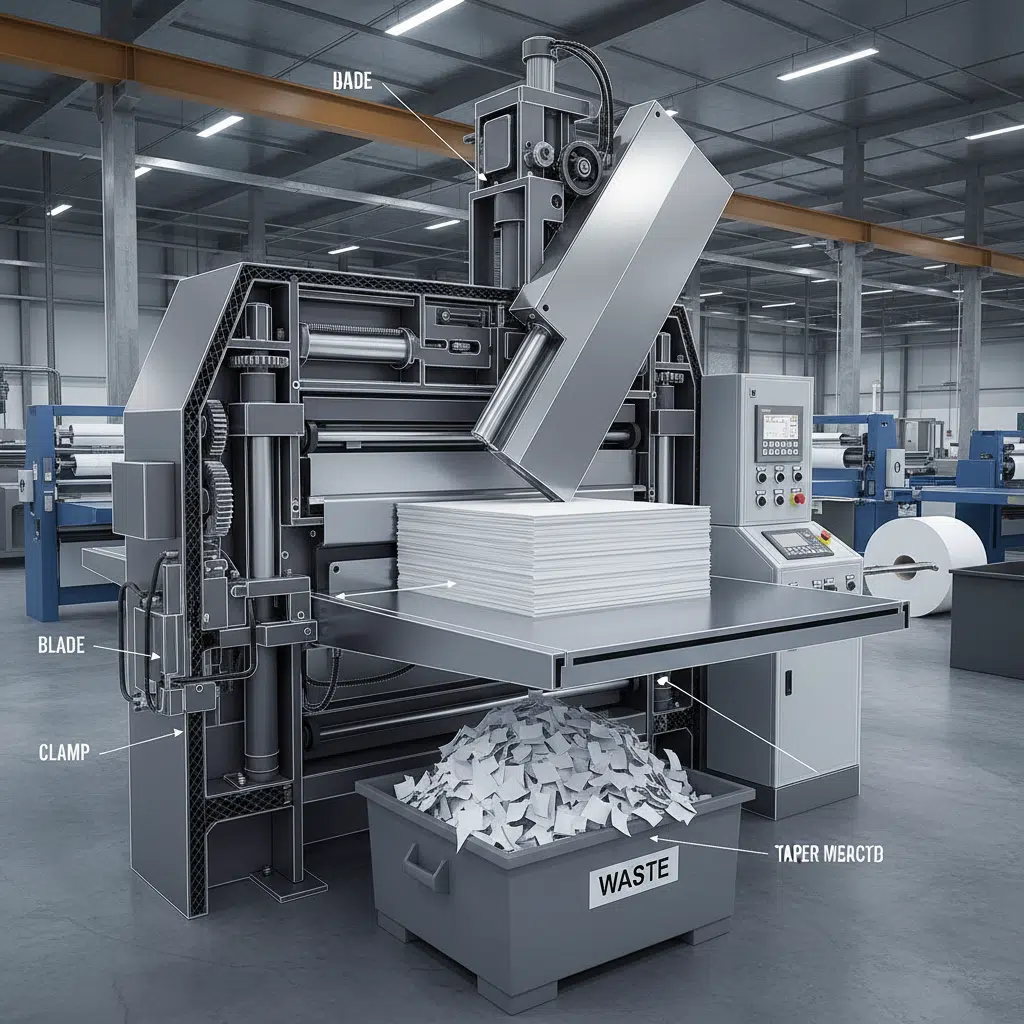
Paper stock often accounts for 30% to 50% of the total production cost. Over-specifying paper weight is a common source of unnecessary expense. While a heavy stock implies luxury, there is a point of diminishing returns where the added cost provides little perceptible value to the end user.
Weight Considerations
- Inner Pages: For catalogs or brochures, reducing inner page weight from 157gsm to 128gsm can yield significant savings without making the pages feel flimsy.
- مخزون الغلاف: Keep the cover robust (e.g., 250gsm or 300gsm) to maintain durability and perceived quality, while economizing on the interior pages.
- Bulk vs. Weight: Consider using high-bulk paper. These papers undergo a specific treatment during manufacturing that makes them thicker than standard sheets of the same weight. You get the tactile feel of a heavier paper without paying for the extra pulp.
Paper Grades
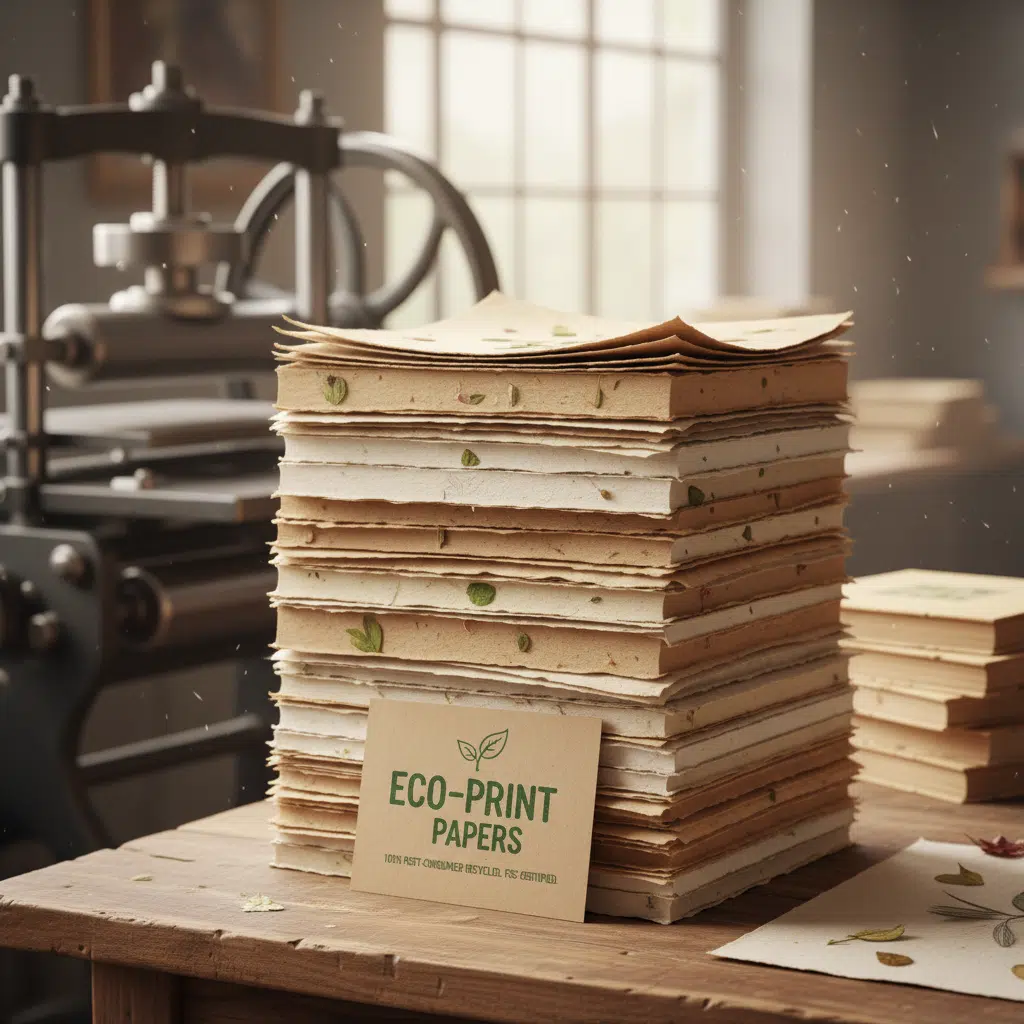
Unless your project requires specific artistic textures, standard coated art paper (gloss or matte) or wood-free offset paper are the most cost-effective choices. Specialty textured papers can cost three to four times more than standard stocks. If a textured look is required, consider using a standard stock with a pattern embossing finish, which is often cheaper in large runs.
2. Stick to Standard Formats to Reduce Waste
In industrial offset printing, pages are printed on large master sheets (e.g., 787mm x 1092mm or 889mm x 1194mm in Chinese standards) and then cut down. If your finished size does not fit efficiently onto these master sheets, you pay for the unused paper waste.
Cost-Saving Tip: Design your project around standard sizes (A4, A5, 210x285mm, etc.). If you require a custom size, consult with your printer early in the design phase. A reduction of just 5mm in width or height might allow the printer to fit more pages on a single master sheet, drastically reducing paper waste and cost.
3. Color Management: CMYK vs. Pantone
Understanding the difference between Process Color (CMYK) and Spot Color (Pantone/PMS) is vital for budget control.
- CMYK (4-Color Process): This is the industry standard for full-color printing. It creates images by overlapping Cyan, Magenta, Yellow, and Black dots. It is the most economical method for photographs and complex graphics.
- Pantone (Spot Colors): Spot colors require premixed inks and separate printing plates for each color. While they ensure precise brand color matching, every additional spot color increases the setup cost.
Recommendation: Unless a specific brand color is non-negotiable (e.g., a corporate logo requiring an exact PMS match), convert your design to CMYK. If you are printing a simple 1-color or 2-color document (like an instruction manual), stick strictly to black or those two specific colors rather than using full-color process printing.
4. Rethink Finishes and Binding
Post-press finishes add visual appeal but also add production steps. Evaluating the necessity of each finish can reveal savings.
Lamination and Coatings
Lamination (gloss or matte) protects the print and adds a quality feel. However, spot UV, foil stamping, and embossing are separate machine passes. To save money, consider using a high-quality overall varnish instead of lamination for inner pages, or limit expensive finishes (like foil stamping) to the front cover only.
Binding Methods Comparison
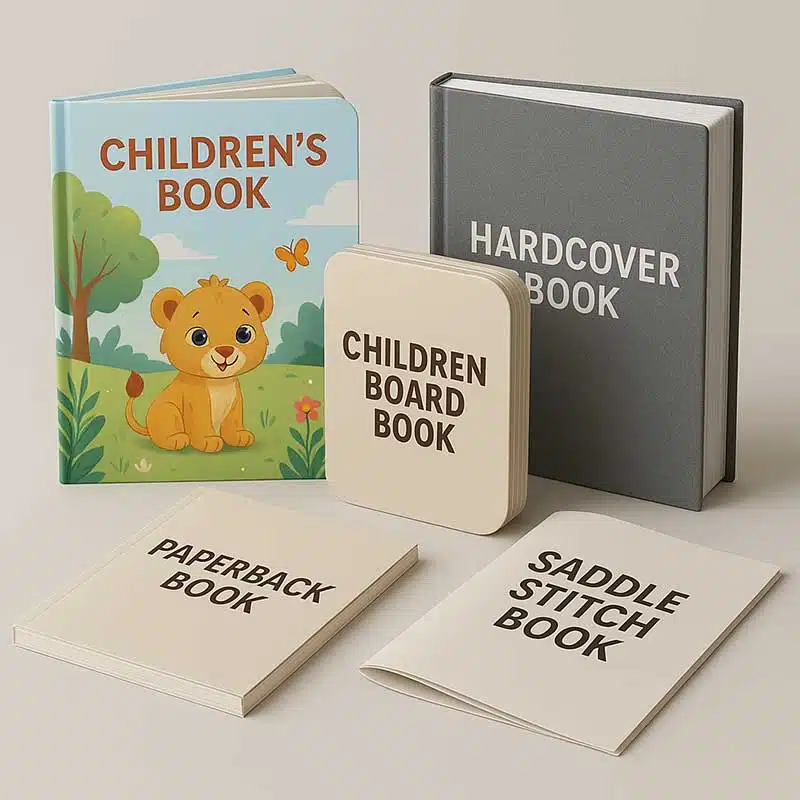
| نوع التجليد | Cost Level | أفضل تطبيق |
|---|---|---|
| Saddle Stitch (Stapled) | منخفضة | Brochures, magazines, booklets (8-64 pages). |
| Perfect Bound (Glue) | Medium | Catalogs, softcover books, thicker annual reports. |
| واير-أو / حلزوني | Medium-High | Manuals, notebooks, calendars (lays flat). |
| غلاف مقوّى (غلاف مقوى) | عالية | Premium books, luxury packaging. |
Switching from a hardcover to a high-quality perfect bound softcover with a gatefold (flaps) can save 30-40% while still looking premium.
5. Volume and Logistics: The Economy of Scale
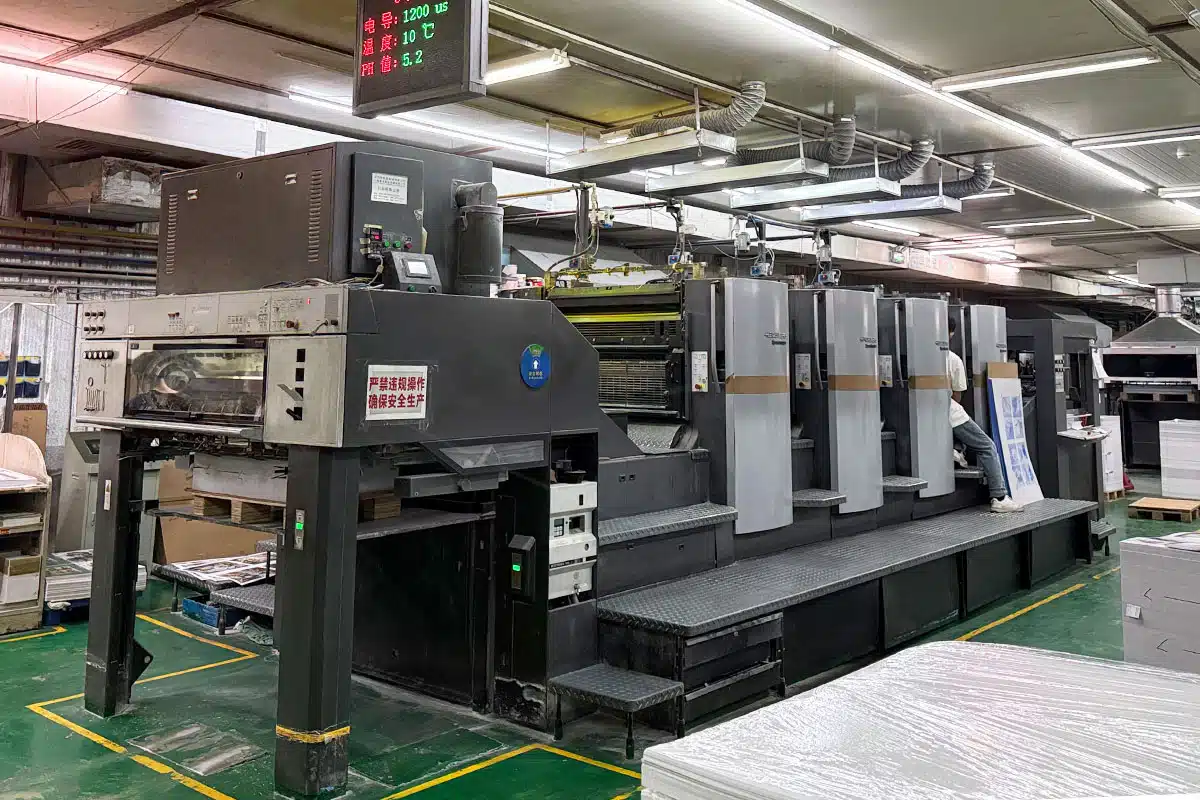
Offset printing has high front-end setup costs (making plates, calibrating the press, ink setup). Once the press is running, the cost per unit drops dramatically.
- موك (الحد الأدنى لكمية الطلب): While you can print 500 copies, the unit price will be significantly higher than printing 1,000 or 2,000 copies. The “sweet spot” for offset printing often starts around 1,000 to 3,000 units.
- Gang Runs: For smaller items like flyers or business cards, ask if your job can be “ganged” with other jobs on the same sheet to share setup costs.
- Freight Planning: Shipping heavy paper goods from China requires planning. Air freight is prohibitively expensive for bulk printing. Plan your timeline 6-8 weeks in advance to utilize sea freight, which is a fraction of the cost of air cargo.
Buying Guide: Pre-Press and Files
Unexpected costs often arise from file errors that require re-plating or re-printing. Ensure your files are print-ready to avoid “rush” fees or correction charges.
- Bleed and Crop Marks: Ensure at least 3mm bleed on all sides.
- دقة الصورة: All images should be 300 DPI at actual size.
- Text Safety: Keep critical text at least 5mm away from the trim edge.
- PDF Format: Submit high-resolution PDFs with fonts embedded or outlined.
الأسئلة المتداولة
Does using recycled paper save money?
Surprisingly, not always. High-quality recycled paper often costs more than virgin pulp paper due to the complex processing required to remove ink and impurities. If sustainability is a priority, ask for FSC-certified mix paper, which balances environmental responsibility with cost.
Can I print a physical sample before the full run?
Yes. We typically provide digital proofs for layout checking and can produce a physical digital sample (mock-up) for paper and binding verification. Note that wet-proofs (printed on the actual offset press) are very expensive due to setup costs; digital samples are the standard cost-effective alternative.
What is the most economical binding for a 100-page catalog?
Perfect binding is usually the standard for this page count. Saddle stitching may cause the booklet to bulge open (the “mouse hole” effect) at this thickness, and spiral binding is generally more expensive due to the manual assembly and wire cost.
How do I know if I am choosing a standard paper size?
Standard finished sizes include A4 (210x297mm), A5 (148x210mm), and 8.5×11 inches. If you want a unique square size (e.g., 210x210mm), ask your printer for the most efficient dimensions to minimize waste.
Ready to Optimize Your Print Budget?
Reducing printing costs is about smart engineering, not cutting corners. At YBJ Printing, we help you navigate these specifications to find the perfect balance between price and performance.
Contact us today to request a quote or get a sample pack to see our quality firsthand.