
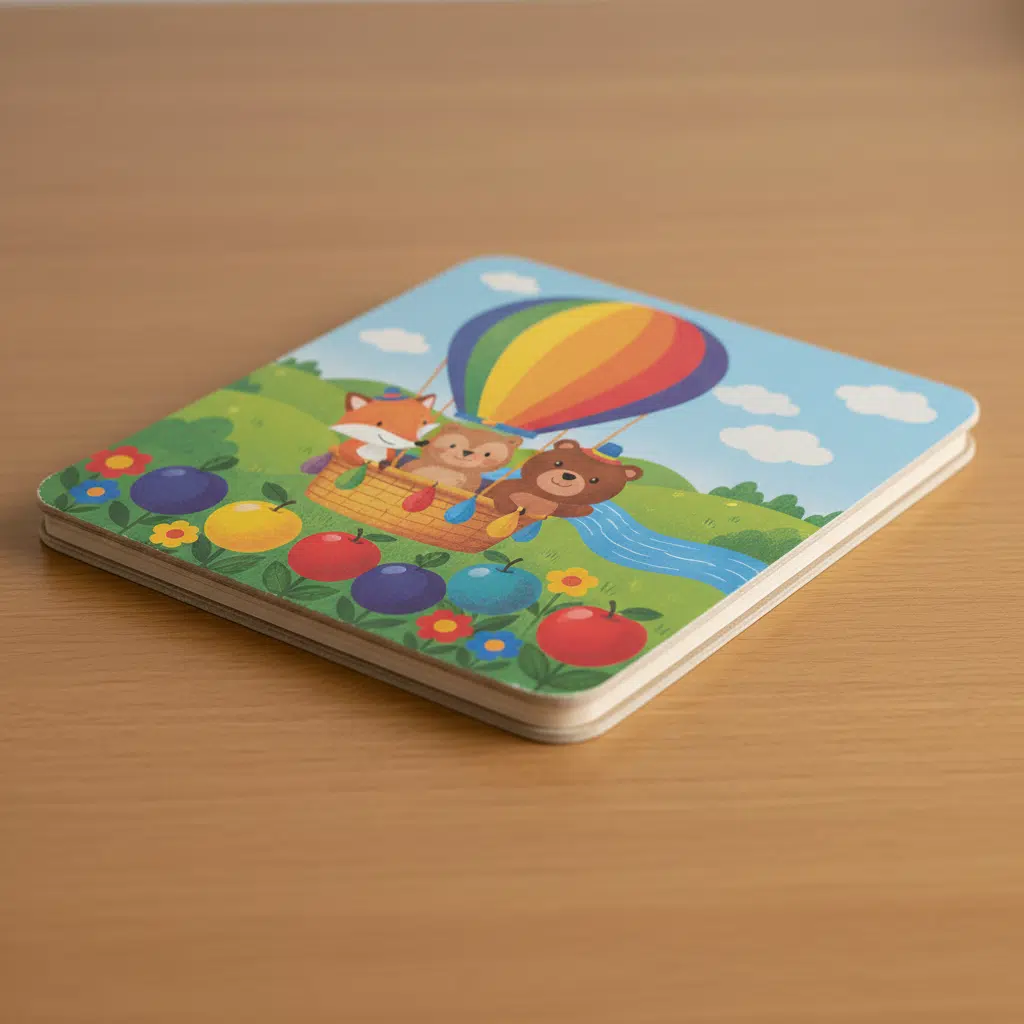
بالنسبة للناشرين وأصحاب العلامات التجارية، تتضمن طباعة كتب الأطفال أكثر من مجرد رسوم توضيحية نابضة بالحياة وتجليد متين. عندما يكون المستخدم النهائي هو الطفل، فإن السلامة هي أهم المواصفات الأساسية. تفرض الأسواق الدولية، لا سيما الولايات المتحدة والاتحاد الأوروبي، لوائح صارمة لضمان خلو الكتب - خاصة كتب الألواح والكتب المنبثقة والكتب ذات العناصر اللمسية - من المواد الضارة والمخاطر المادية.
قد يكون الإبحار في مجموعة من أبجدية الامتثال (CPSIA، ASTM، EN71، CE) أمرًا شاقًا. ومع ذلك، فإن فهم هذه المتطلبات أمر ضروري لتجنب عمليات السحب المكلفة والمصادرة الجمركية والإضرار بالسمعة. يوضح هذا الدليل معايير السلامة الرئيسية لطباعة كتب الأطفال ويشرح كيف يضمن المصنعون المحترفون سلامة منتجاتك في السوق العالمية.
لماذا يعد الالتزام بالسلامة أمرًا غير قابل للتفاوض في طباعة الكتب
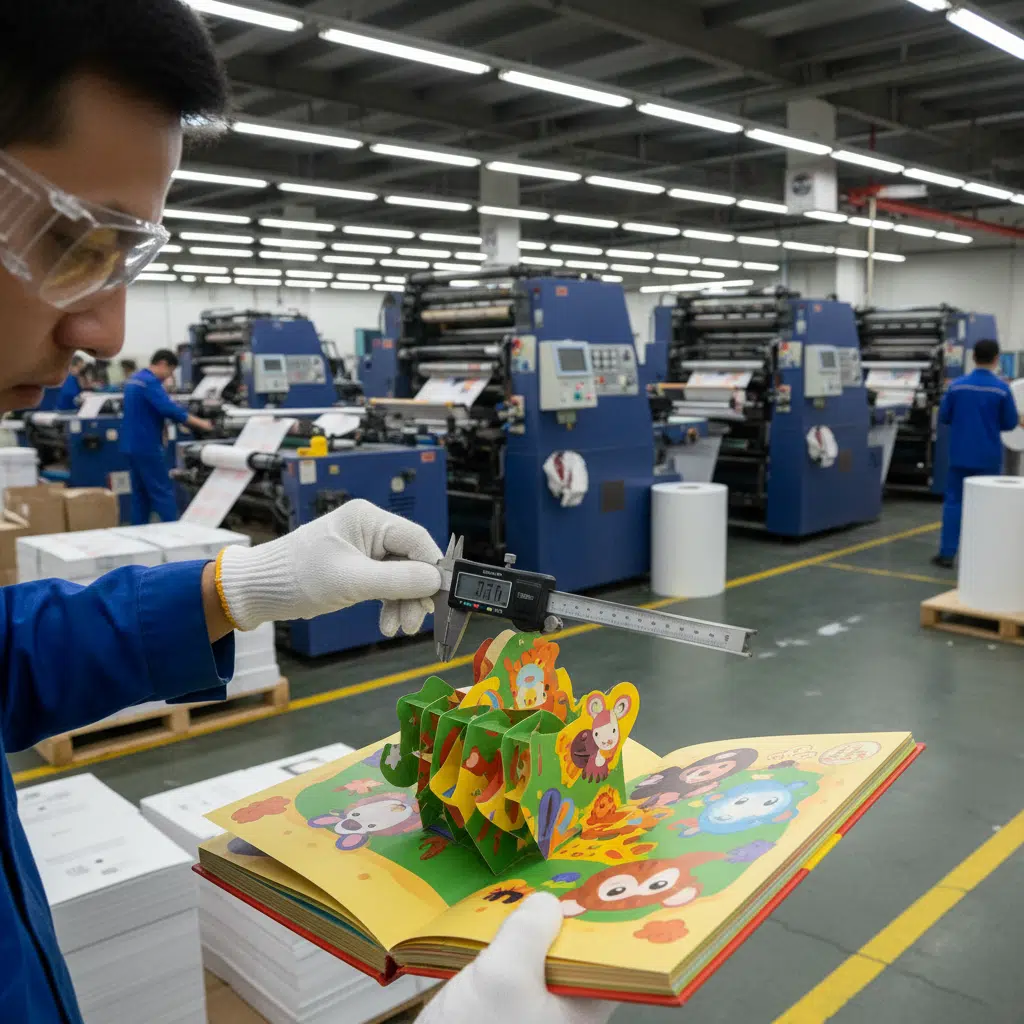
يتفاعل الأطفال، وخاصة الأطفال الصغار والرضع، مع الكتب بشكل مختلف عن البالغين. فهم يمضغون الزوايا ويسحبون الصفحات ويتعاملون مع الكتب ببشرة حساسة. وبالتالي، غالبًا ما يتم تصنيف كتب الأطفال على أنها "ألعاب" أو "منتجات أطفال" من قبل الهيئات التنظيمية، مما يُخضعها لمعايير اختبار صارمة لا تتطلبها الكتب التجارية القياسية.
الامتثال ليس اختيارياً. إذ يطلب كبار تجار التجزئة والموزعين تقارير اختبار وشهادات صالحة (مثل شهادة CPC في الولايات المتحدة) قبل أن يقوموا بتخزين عنوان ما. إن العمل مع شريك طباعة متمرس يفهم هذه القيود المادية هو الخطوة الأولى في النشر الناجح.
معايير الولايات المتحدة: معايير CPSIA و ASTM F963
إذا كنت تقوم بالتصدير إلى الولايات المتحدة الأمريكية، يجب أن تتوافق كتبك مع قانون تحسين سلامة المنتجات الاستهلاكية (CPSIA) وغالبًا ما تكون ASTM F963 معيار سلامة الألعاب.
1. إجمالي محتوى الرصاص
يفرض قانون CPSIA حدودًا منخفضة للغاية على محتوى الرصاص في منتجات الأطفال. وينطبق ذلك على:
- الركائز: الورق والكرتون والألواح الخشبية المستخدمة.
- طلاءات السطح: الأحبار والورنيش والورنيش والرقائق والمواد اللاصقة.
يبلغ الحد الأقصى للرصاص في الركائز التي يمكن الوصول إليها عادةً 100 جزء في المليون (جزء في المليون)، بينما يجب أن يكون الحد الأقصى للرصاص في الطلاءات السطحية (مثل الأحبار) أقل من 90 جزء في المليون.
2. الفثالات
الفثالات هي مواد ملدنة تستخدم لجعل البلاستيك أكثر مرونة. في حين أن الكتب الورقية القياسية نادراً ما تحتوي على هذه المواد، إلا أنه يجب اختبار الكتب ذات اللوالب البلاستيكية أو الصفحات المصفحة أو وحدات الصوت البلاستيكية. يقيد قانون CPSIA الفثالات المحددة (مثل DEHP وDBP وBBP) إلى 0.1%.
3. تتبع التسميات
ملصق التتبع الدائم هو شرط إلزامي لجميع منتجات الأطفال التي تباع في الولايات المتحدة. يجب طباعة هذه البطاقة على المنتج (عادةً ما تكون على الغلاف الخلفي) وعلى عبوته. ويجب أن تسمح للشركة المصنعة والمستهلك بالتأكد من:
- اسم الشركة المصنعة ومعلومات الاتصال بها.
- تاريخ الإنتاج (الشهر/السنة).
- موقع الإنتاج (المدينة/المقاطعة، البلد).
- رقم الدفعة أو المهمة لتتبع تشغيل الإنتاج المحدد.
المعايير الأوروبية: علامة CE و EN71
بالنسبة للسوق الأوروبية، تندرج كتب الأطفال التي لها "قيمة لعب" (مثل كتب الألواح أو كتب الاستحمام أو كتب القماش) تحت توجيه سلامة الألعاب وتتطلب علامة CE. يظهر الامتثال من خلال EN71 سلسلة المعايير.
EN71-1: الخواص الميكانيكية والفيزيائية
يختبر هذا القسم المخاطر المادية. ويضمن ما يلي:
- الأجزاء الصغيرة: لا توجد مكونات صغيرة (مثل قطعة منبثقة مفكوكة أو عين بلاستيكية) يمكن أن تنفصل وتشكل خطر الاختناق.
- الحواف الحادة: يجب ألا تكون حواف الورق والألواح حادة بما يكفي لقطع الجلد.
- زوايا مستديرة: بالنسبة للكتب ذات الألواح، عادةً ما تكون الزوايا مستديرة (مقصوصة) لمنع الإصابة، حيث أن الزوايا المربعة الحادة على الألواح السميكة يمكن أن تكون خطرة على الأطفال الرضع.
EN71-3: هجرة عناصر معينة
هذا هو معيار السلامة الكيميائية المكافئ لاختبار المعادن الثقيلة في الولايات المتحدة ولكنه أوسع نطاقًا. فهو يختبر هجرة (رشح) 19 عنصرًا سامًا، بما في ذلك الألومنيوم والأنتيمون والزرنيخ والباريوم والكادميوم والكروم والرصاص والزئبق والسيلينيوم. وهذا يضمن أنه إذا مضغ الطفل الكتاب، فلن تتسرب أي مواد كيميائية ضارة إلى جسمه.
المواد الآمنة: الأحبار والورق والمواد اللاصقة
تبدأ تلبية هذه المعايير بشراء المواد الخام. لا تعتمد طابعة الكتب ذات السمعة الطيبة على الحظ؛ فهي تعتمد على سلاسل التوريد المعتمدة.
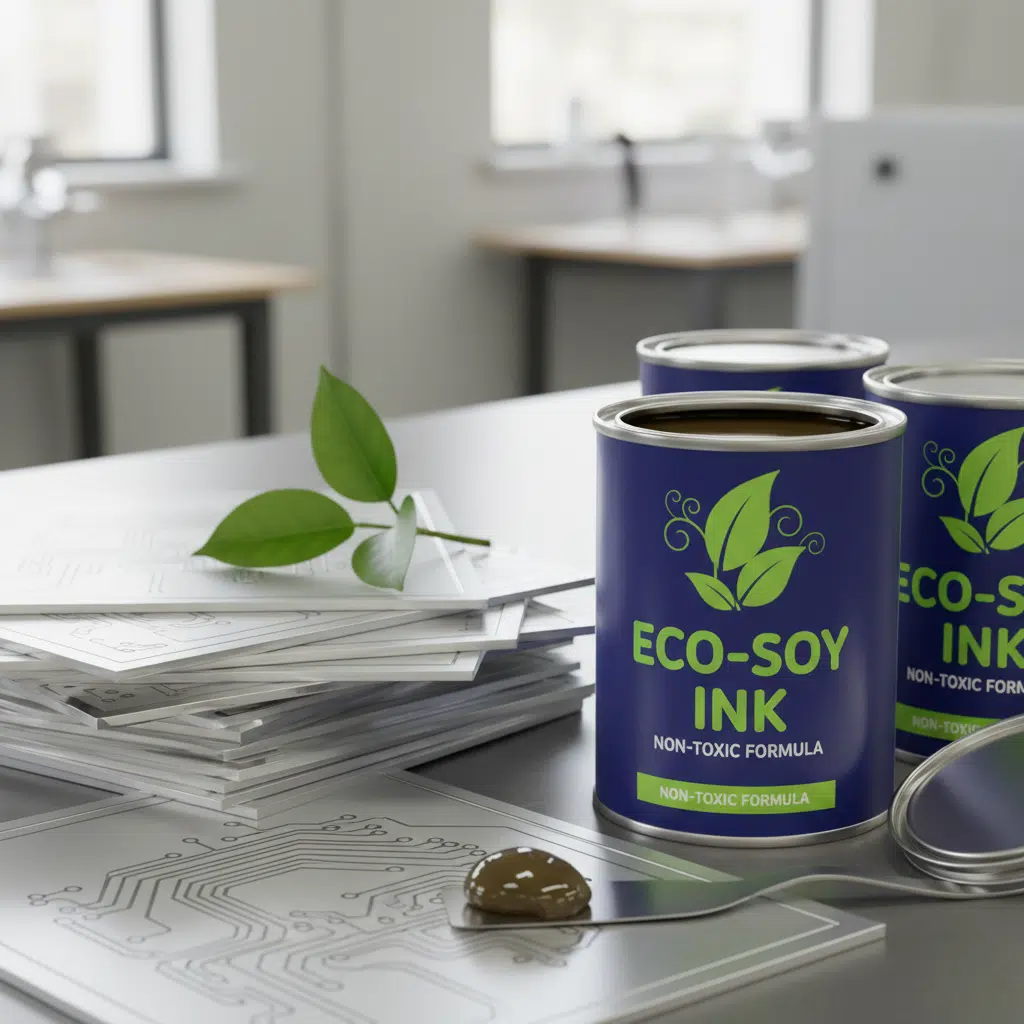
- الأحبار القائمة على الصويا: على عكس الأحبار البترولية التقليدية، فإن أحبار الصويا مشتقة من فول الصويا. فهي تحتوي على نسبة أقل من المركبات العضوية المتطايرة (المركبات العضوية المتطايرة)، وتنتج ألواناً نابضة بالحياة، ويسهل عموماً اعتمادها على أنها غير سامة.
- مواد لاصقة غير سامة: يجب أن تكون المواد اللاصقة للتجليد، سواء للتجليد المثالي أو لتركيب صفحات الكتاب على الألواح، خالية من المذيبات الضارة والفورمالديهايد الزائد.
- التصفيح: يجب أن يكون الغشاء البلاستيكي المستخدم في التصفيح اللامع أو غير اللامع من مادة البولي بروبيلين (OPP) عالية الجودة أو مواد مماثلة تجتاز اختبار الفثالات.
عملية الاختبار والاعتماد
يتم التحقق من توافق السلامة من خلال اختبارات الطرف الثالث. لا يمكن للمصنعين ببساطة "الادعاء" بالسلامة؛ بل يجب عليهم إثباتها من خلال مختبرات معتمدة مثل SGS أو Intertek أو TÜV SÜD.
شهادة منتج الأطفال (CPC)
بالنسبة للسوق الأمريكية، يجب على المستورد المسجل إصدار شهادة منتج الأطفال (CPC). يشهد هذا المستند على أن المنتج يتوافق مع جميع اللوائح المعمول بها، بناءً على نتائج اختبار النجاح من مختبر معتمد من لجنة حماية صحة الأطفال والطفل.
إعلان المطابقة (DoC)
بالنسبة للاتحاد الأوروبي، يجب على المُصنِّع أو المستورد وضع إعلان المطابقة الخاص بالمفوضية الأوروبية. وبمجرد اكتمال الملف الفني واجتياز المنتج لاختبار EN71، يمكن وضع علامة CE على الكتاب.
قائمة التحقق من المشتري لطباعة الكتب الآمنة
عند الحصول على كتب الأطفال من الصين أو مراكز التصنيع الدولية الأخرى، استخدم قائمة التحقق هذه لضمان السلامة والجودة:
- تحديد الدرجة العمرية: هل الكتاب للفئة العمرية من 0-3 سنوات أم 3 سنوات فأكثر؟ المعايير أكثر صرامة بالنسبة للفئة العمرية أقل من 3 سنوات (غير مسموح بالأجزاء الصغيرة).
- طلب صحائف بيانات المواد (MDS): اسأل طابعتك عن بيانات السلامة الخاصة بالأحبار والأوراق التي تنوي استخدامها.
- خطة الزوايا المستديرة: في حالة طباعة دفاتر الألواح، حدد دائمًا الزوايا الدائرية (نصف قطر الأمان) لاجتياز الاختبار المادي.
- تضمين ملصق التتبع: تأكد من أن ملف العمل الفني الخاص بك يتضمن العنصر النائب لملصق التتبع (معرف الدفعة والتاريخ والموقع) على الغلاف الخلفي.
- ميزانية الاختبار: الاختبار المعملي هو تكلفة إضافية. ناقش مع طابعتك ما إذا كانت تتولى تنسيق الاختبار أو إذا كنت بحاجة إلى ترتيب ذلك.
الأسئلة الشائعة: أسئلة شائعة حول سلامة الكتاب
س: هل تحتاج جميع الكتب إلى اختبار السلامة؟
لا تخضع الروايات العادية للبالغين بشكل عام. ومع ذلك، فإن أي كتاب مصمم في المقام الأول للأطفال بعمر 12 سنة أو أقل يخضع لمعايير CPSIA في الولايات المتحدة. تخضع الكتب اللوحية والكتب ذات قيمة اللعب لمعايير "الألعاب" الأكثر صرامة.
سؤال: هل يمكنني استخدام تقارير الاختبار الحالية للطابعة؟
في بعض الأحيان. إذا كانت الطابعة تختبر موادها الخام (الأحبار والورق) سنويًا، فقد تدعم "اختبارات المكونات" هذه امتثالك. ومع ذلك، يطلب العديد من تجار التجزئة إجراء اختبار على منتهية المنتج لضمان عدم حدوث أي تلوث أثناء التصنيع.
س: ماذا يحدث إذا لم أمتثل؟
يمكن للجمارك مصادرة البضائع غير المتوافقة من قبل الجمارك، وقد يقوم تجار التجزئة (مثل Amazon) بإلغاء إدراج منتجاتك في قوائمهم. في أسوأ السيناريوهات، قد تواجه عمليات سحب إلزامية وغرامات.
س: هل تتعامل شركة YBJ للطباعة مع الامتثال؟
نستخدم مواد تفي بمعايير السلامة الدولية. وفي حين أن الاعتماد النهائي غالباً ما يكون من مسؤولية المستورد، إلا أننا ندعم عملاءنا باستخدام مواد متوافقة والتنسيق مع مختبرات الاختبار عند الحاجة.
احرص على أن يكون مشروعك القادم آمنًا ومتوافقًا مع المعايير الدولية
تتطلب طباعة كتب الأطفال شريكاً يقدّر السلامة بقدر جودة الطباعة. من خلال اختيار المواد المناسبة والالتزام بمعايير CPSIA و EN71، فإنك تحمي علامتك التجارية، والأهم من ذلك، الأطفال الذين يستمتعون بكتبك.
هل أنت مستعد لإحياء كتاب أطفالك مع شركة تصنيع يمكنك الوثوق بها؟ اتصل بنا اليوم لمناقشة مواصفاتك والحصول على عرض أسعار مخصص.