
مقدمة: العلم وراء اختيار الورق
في طباعة الأوفست الاحترافية، تُعد الركيزة مهمة مثل العمل الفني نفسه. وبالنسبة إلى مديري المشتريات والناشرين، فإن الاختيار بين مخزون الورق المطلي وغير المطلي ليس مجرد قرار جمالي - بل هو قرار تقني يغير بشكل أساسي كيفية تفاعل الحبر مع الصفحة. يحدد الاختلاف حيوية الألوان وسهولة القراءة والتجربة الملموسة للمنتج النهائي.
عند التكليف بطباعة نسخة مطبوعة - سواء لكتاب تصوير فوتوغرافي راقٍ أو كتالوج شركة أو رواية ذات نصوص كثيرة - فإن فهم آليات امتصاص الحبر أمر ضروري. يشرح هذا الدليل الفروق الفنية بين المخزونات الخشبية المطلية (اللامعة وغير اللامعة) وغير المطلية مما يساعدك على مواءمة اختيارك للمواد مع المتطلبات الوظيفية لمشروعك.
تحديد الركائز: المغلفة مقابل غير المغلفة
للتنبؤ بنتائج الطباعة بدقة، يجب أولاً فهم التركيب السطحي للورق.
الورق المطلي (لامع وغير لامع)
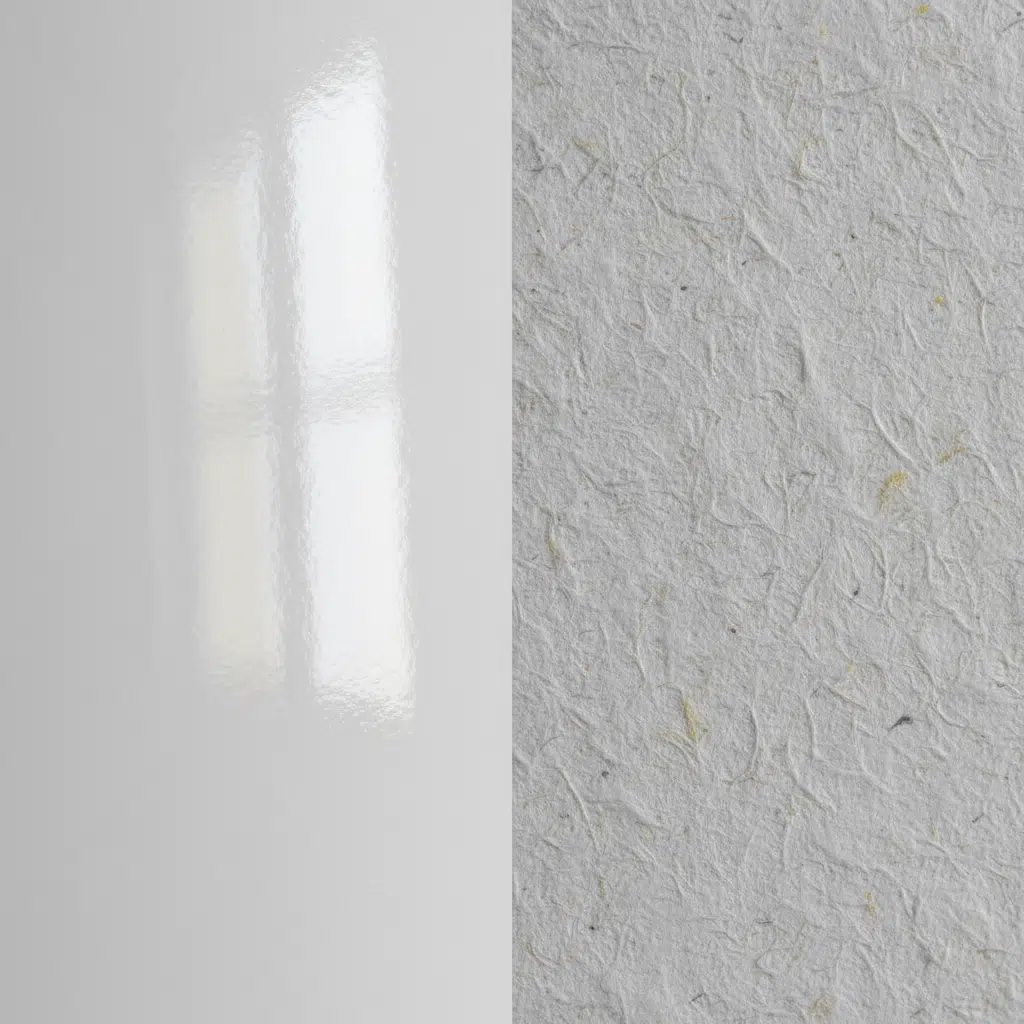
يخضع الورق المطلي لعملية تصنيع حيث يتم وضع طبقة من الطين أو البوليمر على الورقة الأساسية. يملأ هذا الطلاء الحفر المجهرية بين ألياف الورق، مما يخلق سطحًا أملسًا وموحدًا. يتم بعد ذلك تقويم الورق (ضغطه بين البكرات) للحصول على اللمسة النهائية المطلوبة.
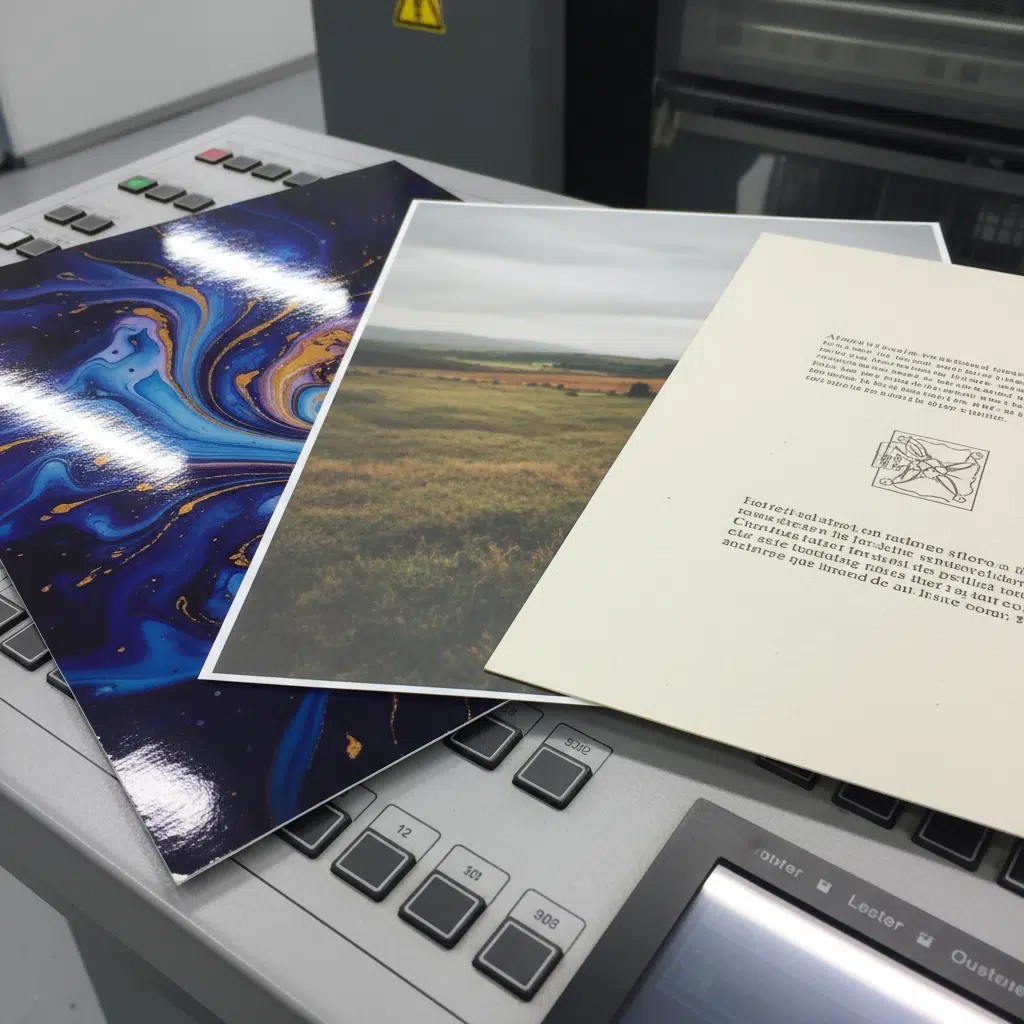
- مطلي بطبقة لامعة: مصقول للغاية، مما يوفر أقصى قدر من الانعكاسية والنعومة.
- مطلي بطبقة غير لامعة: مطلي بطبقة خفيفة ومقوّم لتوفير سطح أملس غير عاكس يحتفظ بملمس متطور.
الورق غير المطلي (خالي من الخشب / أوفست)
يفتقر الورق غير المطلي، الذي يشار إليه غالبًا باسم الورق الخالي من الخشب أو ورق الأوفست في الصناعة، إلى هذه الطبقة الطينية. يكون السطح خامًا، مما يكشف عن الألياف الطبيعية لب الخشب. وهذا يخلق ملمسًا خشنًا بعض الشيء. ونظراً لعدم وجود حاجز بين الحبر والألياف، فإن الورق مسامي للغاية.
التحليل الفني: امتصاص الحبر والصمود
والفرق الفني الأساسي بين هذه الأسهم هو "امتصاص الحبر" مقابل "امتصاص الحبر".
1. مخزون مغلف: ثبات الحبر العالي
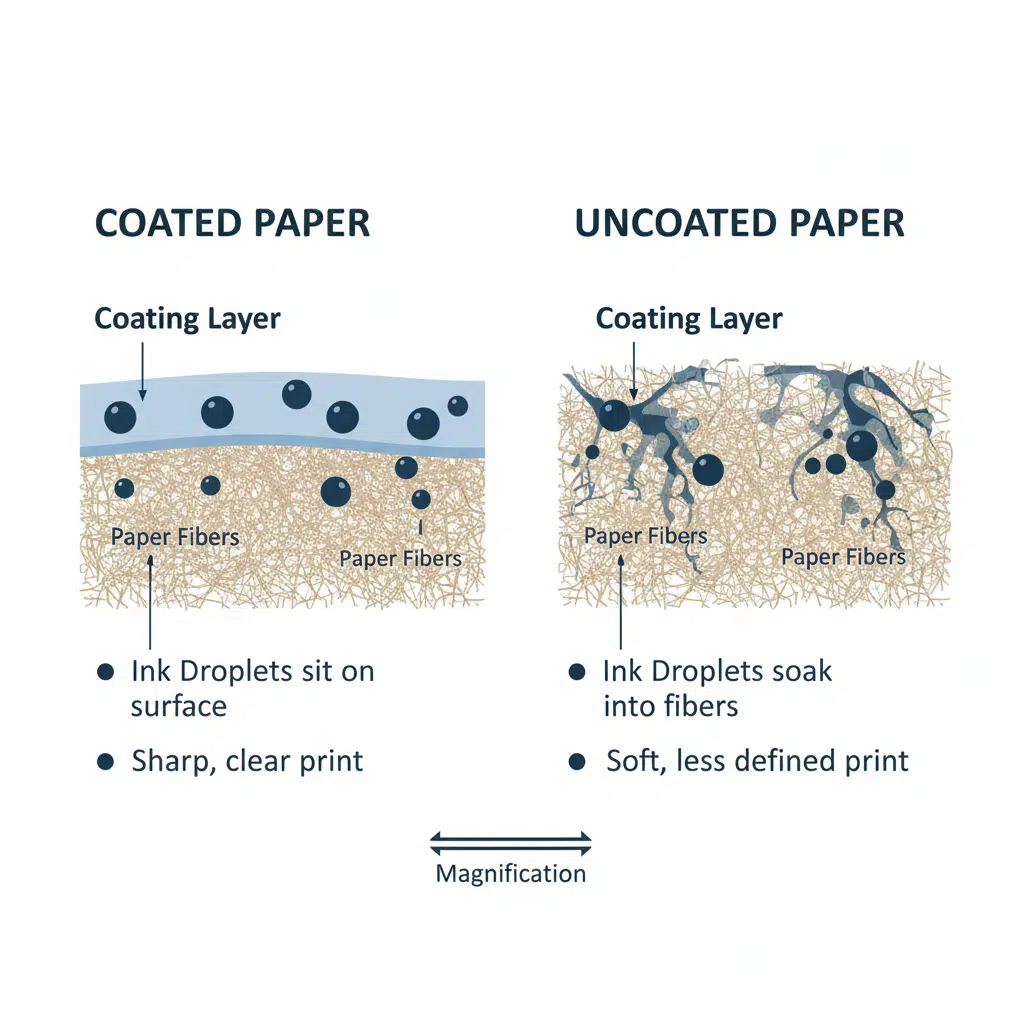
تعمل الطبقة الطينية كحاجز في المخزونات المغلفة. عندما يتم تطبيق حبر الأوفست، فإنه يستقر فوق الطلاء بدلاً من أن يتشرب في الألياف. ويُعرف هذا الأمر باسم ثبات الحبر العالي.
- النتيجة: نظرًا لأن الحبر يبقى على السطح، ينعكس الضوء على الصبغة دون أن يتشتت بفعل ألياف الورق. وينتج عن ذلك نقاط واضحة ونقية وألوان مشبعة ونابضة بالحياة.
- الأفضل لـ التصوير الفوتوغرافي، والكتب الفنية، والكتالوجات، والمواد التسويقية حيث تكون دقة الألوان والتباين أمرًا بالغ الأهمية.
2. مخزون غير مطلي: عالي الامتصاص
في المخزون غير المطلي، تعمل الألياف المسامية مثل الإسفنج. يتم امتصاص الحبر في عمق بنية الورق.
- النتيجة: عندما يتسرب الحبر إلى الداخل، فإنه ينتشر قليلاً (وهي ظاهرة تُعرف باسم اكتساب النقاط). تظهر الألوان أكثر خفوتاً وأكثر قتامة لأن الضوء يمتصه نسيج الورق بدلاً من أن ينعكس مباشرةً على العين.
- الأفضل لـ الروايات وكتب العمل والمذكرات والأدوات المكتبية. كما أن عدم وجود وهج يجعلها مثالية لقراءة كتل كبيرة من النصوص، ويسمح السطح المسامي بالكتابة بسهولة باستخدام الأقلام أو أقلام الرصاص.
مقارنة الخصائص البصرية والوظيفية
| الميزة | مطلي بطبقة لامعة | مطلي بطبقة غير لامعة | غير مطلي (خالي من الخشب) |
|---|---|---|---|
| امتصاص الحبر | منخفض (يجلس في الأعلى) | منخفضة إلى متوسطة | مرتفع (نقع في) |
| حيوية الألوان | عالية (زاهية وحادة) | متوسط-عالي (أنعم) | منخفض (صامت، طبيعي) |
| وهج السطح | انعكاس عالي | انخفاض/عدم الانعكاس | انعكاس صفري |
| سهولة القراءة | أقل (وهج الوهج يرهق العينين) | جيد | ممتاز (ثقيل النص) |
| قابلية الكتابة | صعب (لطخات) | ممكن (يعتمد على القلم) | ممتاز |
دليل الاستخدام: اختيار المخزون المناسب
متى تختار الطلاء اللامع
اختر الطلاء اللامع عندما يكون التأثير البصري هو الأولوية. إذا كان مشروعك يعتمد على التصوير الفوتوغرافي عالي الوضوح أو صور الأزياء أو صور الطهي، فإن الطلاء اللامع يعزز النطاق الديناميكي للصور. يجعل السطح العاكس الألوان "بارزة"، مما يضفي إحساسًا متميزًا يشبه المجلات.
متى تختار الطلاء غير اللامع
الورق الفني غير اللامع هو الخيار المفضل للمعارض الفنية والمحافظ المعمارية والكتيبات الفاخرة للشركات. فهو يوفر دقة الألوان التي يوفرها الورق المطلي ولكن من دون وهج اللمعان المشتت للانتباه. وهو يوفر لمسة نهائية أكثر نعومة وأناقة تُضفي ملمساً قوياً في اليد مع الحفاظ على وضوح الصور نسبياً.
متى تختار غير مطلي (خالي من الخشب)
المخزون غير المطلي هو المعيار للمنتجات كثيفة القراءة. بالنسبة للروايات والكتب المدرسية والسير الذاتية، فإن عدم وجود وهج يقلل من إجهاد العين. بالإضافة إلى ذلك، ينقل الورق غير المطلي إحساسًا بالأصالة والملمس العضوي، مما يجعله شائعًا للعلامات التجارية الصديقة للبيئة وجماليات التصميم البسيطة.
اعتبارات التصنيع والجودة
عند وضع اللمسات الأخيرة على مواصفات الطباعة الخاصة بك، ضع في اعتبارك عوامل الإنتاج هذه:
- GSM (جرام لكل متر مربع): غالبًا ما يكون ملمس الورق المطلي أرق من الورق غير المطلي من نفس الوزن لأن الطلاء يضغط الألياف. فالورق غير المطلي الذي يبلغ وزنه 120 جم/م² سيبدو أضخم وأكثر صلابة من الورق اللامع الذي يبلغ وزنه 120 جم/م².
- وقت التجفيف: تجف الأوراق غير المطلية بشكل أسرع حيث يتم امتصاص الحبر. قد يتطلب الورق المغلف، وخاصة اللامع منه، أوقات تجفيف أطول أو طلاء مانع للتسرب لمنع "الانزلاق" (انتقال الحبر إلى الصفحة المواجهة) أثناء التجليد.
- الورنيش والطلاءات: يمكنك تطبيق الطلاء الموضعي بالأشعة فوق البنفسجية أو الطلاء المائي على المخزونات المطلية لإبراز مناطق محددة. من الصعب تحقيق هذه التأثيرات على المخزونات غير المطلية لأن السائل يمتص بسرعة كبيرة بحيث لا يمكن بناء طبقة لامعة.
دليل الشراء: نصائح للمشتريات الدولية
لضمان تطابق المخرج النهائي مع رؤيتك، اتبع أفضل الممارسات التالية عند التواصل مع طابعتك:
- تحديد الغرض: أخبر شريكك في الطباعة إذا كان العنصر مخصصًا للكتابة (مثل مصنف) أو للعرض (مثل ملصق). هذا يسمح لهم بالتوصية بملف الامتصاص الصحيح.
- طلب نماذج إثباتات رطبة للمهام الحرجة الألوان: غالبًا ما تتم طباعة البراهين الرقمية على ورق قياسي ولا يمكنها محاكاة كيفية غرق الحبر في المخزون غير المطلي. لمطابقة الألوان بدقة على الورق غير المطلي، اطلب "دليل رطب" (دليل الأوفست) على الورق الفعلي.
- ضبط قيم CMYK: في حالة الطباعة على ورق غير مصقول، يجب على المصممين توقع زيادة النقاط. غالبًا ما يكون من الضروري تفتيح الصور قليلاً أو ضبط منحنيات التباين لمنع الصور من أن تبدو موحلة.
- تحقق من التعتيم: إذا كانت الطباعة على الوجهين بتغطية حبر كثيفة، فتأكد من أن عتامة الورق عالية بما يكفي لمنع "الظهور،" خاصةً على الأوراق غير المطلية الخفيفة (أقل من 80 جم/م²).
الأسئلة المتداولة
هل يمكنني طباعة الصور على ورق غير مطلي؟
نعم، ولكن توقع مظهراً أكثر نعومة وفنية. لن تكون الصور حادة أو نابضة بالحياة كما هو الحال على الورق اللامع. غالباً ما يتم اختيار هذا الشكل الجمالي لكتب المظهر والمجلات المستقلة.
هل تكلفة الورق المطلي أعلى من غير المطلي؟
ليس بالضرورة. على الرغم من أن عملية تصنيع الورق المطلي أكثر تعقيداً، إلا أنه يتم إنتاجه بكميات هائلة. يمكن أن يكون الورق غير المطلي عالي الجودة الخالي من الخشب في بعض الأحيان أكثر تكلفة من الورق الفني اللامع القياسي اعتمادًا على المصنع ومستوى السطوع.
ما هو "C1S" مقابل "C2S"؟
تشير C1S إلى "مغلفة من جانب واحد" (غالباً ما تُستخدم للتغليف أو البطاقات البريدية)، بينما C2S هي "مغلفة من جانبين" (وهي معيار لصفحات الكتب والكتيبات).
هل يتلطخ الحبر على الورق المطلي؟
بمجرد أن يجف، يكون حبر الأوفست ثابتاً. ومع ذلك، فإن المطبوعات الجديدة على الورق اللامع تكون أكثر عرضة للتلطيخ إذا تم التعامل معها مباشرةً بعد خروجها من المطبعة. عادةً ما يتم وضع طلاء واقي لإغلاق الحبر.
هل أنت مستعد لبدء مشروع الطباعة الخاص بك؟
يُعد اختيار مخزون الورق المناسب الخطوة الأولى نحو طباعة ناجحة. سواء كنت بحاجة إلى الورق اللامع النابض بالحياة أو الملمس العضوي للورق الخالي من الخشب، يمكننا إرشادك إلى الخيارات التي تتناسب مع ميزانيتك وعلامتك التجارية.
اتصل بنا اليوم لطلب مجموعة عينات ورقية مجانية أو الحصول على عرض أسعار مخصص لمشروعك القادم.