
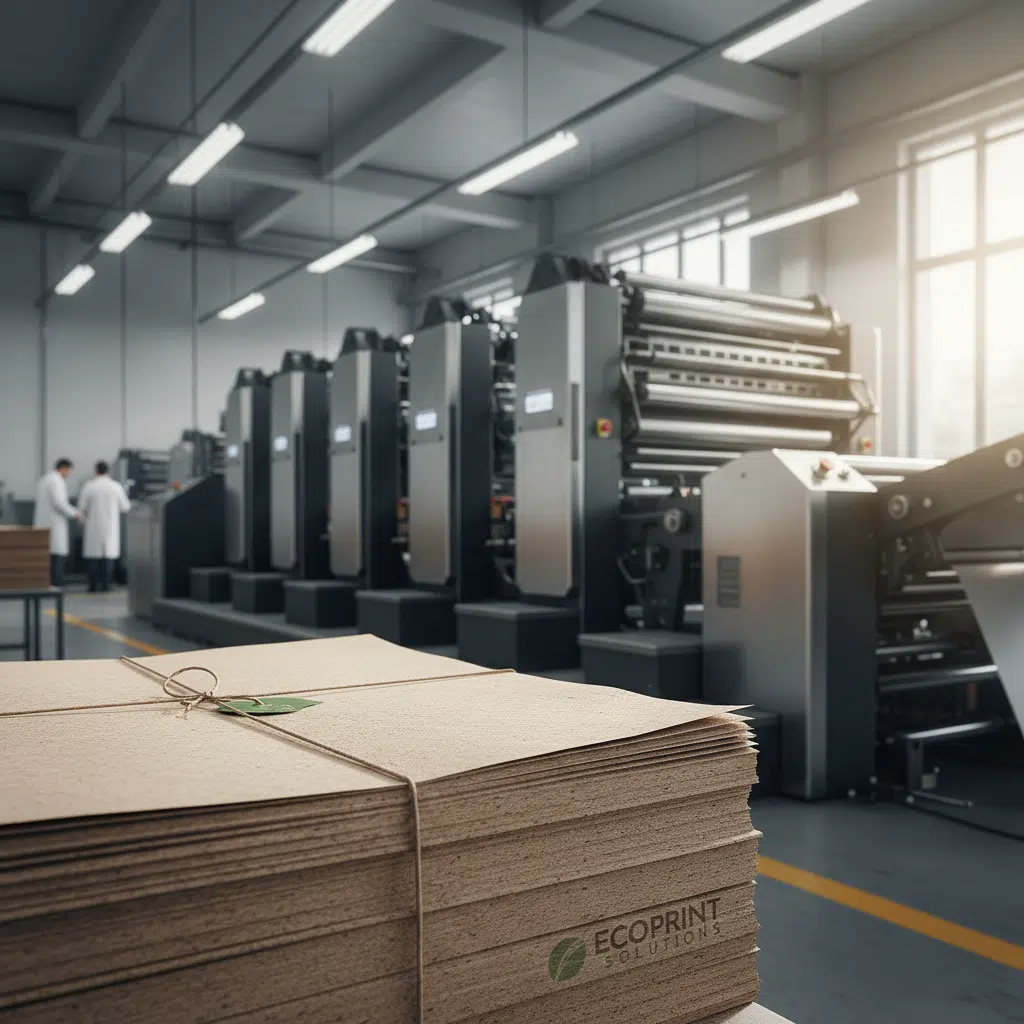
تلبية الطلب العالمي على سلاسل التوريد الخضراء
لم تعد الاستدامة بالنسبة للعلامات التجارية العالمية مجرد كلمة تسويقية رنانة، بل أصبحت عنصراً حاسماً في إدارة سلسلة التوريد ومسؤولية الشركات. ومع تزايد مطالبات المستهلكين والمنظمين في الاتحاد الأوروبي والولايات المتحدة بالشفافية، تواجه فرق المشتريات تحديًا يتمثل في الحصول على المواد المطبوعة التي تتماشى مع المعايير البيئية الصارمة دون المساس بالجودة أو الكفاءة من حيث التكلفة.
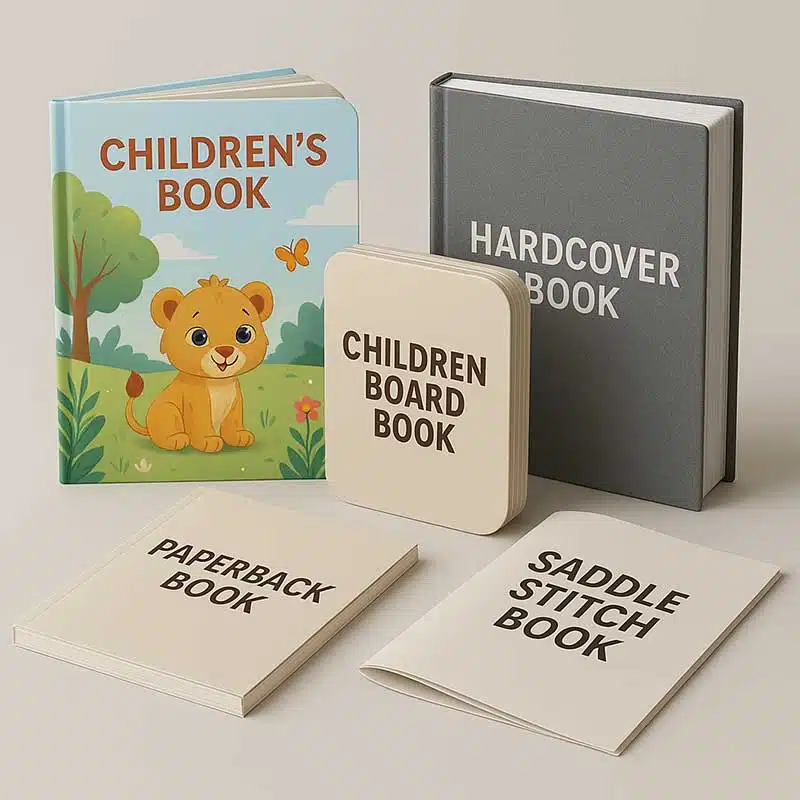
يتضمن الانتقال إلى الطباعة المستدامة أكثر من مجرد اختيار الورق المعاد تدويره. فهو يتطلب نهجًا شاملاً للمواد والسلامة الكيميائية وعمليات التصنيع. سواء أكنت تنتج عبوات أو ضمانات تسويقية أو كتبًا ذات غلاف مقوى، فإن فهم المواصفات الفنية للطباعة الصديقة للبيئة أمر ضروري للحفاظ على سلامة العلامة التجارية وتلبية متطلبات الامتثال الدولية.
المواد الأساسية: الورق والحبر والمواد اللاصقة
يكمن أساس أي مشروع طباعة مستدام في المواد الخام. بالنسبة لمشتري B2B، يتمثل الهدف في تحقيق التوازن بين التأثير البيئي وقابلية الطباعة والمتانة.
ورق معتمد من FSC ومعاد تدويره
يُعد توريد الورق أهم متغير في البصمة الكربونية لمهمة الطباعة. هناك فئتان أساسيتان يجب مراعاتهما:
- ورق معتمد من FSC: يصادق مجلس رعاية الغابات (FSC) على أن لب الخشب يأتي من غابات تدار بطريقة مسؤولة. وهذا أمر بالغ الأهمية بالنسبة للعلامات التجارية المصدرة إلى الأسواق ذات اللوائح الصارمة المتعلقة بالأخشاب.
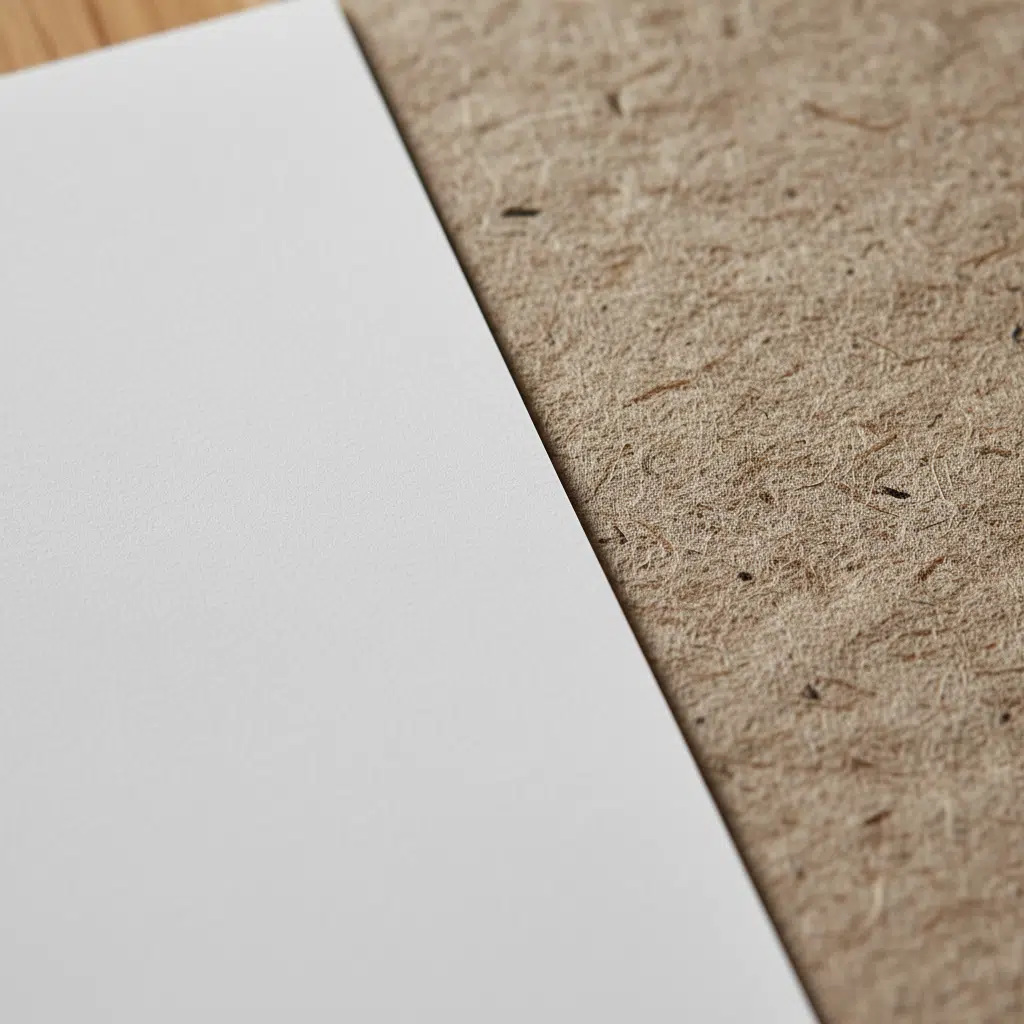
- نفايات ما بعد الاستهلاك (PCW) الورق المعاد تدويره: هذا الورق مصنوع من نفايات الورق الذي تم استخدامه وإعادة تدويره. على الرغم من أن ورق 100% PCW يوفر أعلى فائدة بيئية، إلا أنه قد يكون له ملمس أو سطوع مختلف قليلاً مقارنة بالألياف البكر.
للتعمق أكثر في كيفية تأثير هذه الركائز على المنتج النهائي، يُنصح بقراءة المقال المتعلق بـ <a href="استكشاف فوائد الورق الصديق للبيئة في طباعة الكتب“>يمكن أن توفر الخيارات الورقية الصديقة للبيئة المستخدمة في طباعة الكتب رؤى محددة حول المفاضلة بين الملمس والعتامة.
الأحبار النباتية والأحبار المعتمدة على الصويا
غالبًا ما تحتوي الأحبار التقليدية المعتمدة على البترول على مستويات عالية من المركبات العضوية المتطايرة (VOCs)، والتي يمكن أن تكون ضارة بالبيئة وعمال المصانع على حد سواء. إن معيار الصناعة الحديثة للطباعة المستدامة هو استخدام الأحبار النباتية، وخاصة حبر الصويا.
توفر أحبار الصويا العديد من المزايا التقنية التي تتجاوز الاستدامة:
- الاهتزاز: زيت الصويا أكثر نقاءً من زيت البترول، مما يسمح للأصباغ بالظهور بمظهر أكثر حيوية.
- قابلية إعادة التدوير: من السهل إزالة الحبر من الورق المطبوع بحبر الصويا أثناء عملية إعادة التدوير، مما يغلق حلقة دورة حياة المنتج.
لفهم كيفية تفاعل هذه الأحبار مع الأسطح المختلفة، يرجى الرجوع إلى دليلنا على <a href="طباعة الكتب المستدامة: دليل للورق الصديق للبيئة وحبر الصويا“>الطباعة المستدامة للكتب واستخدامات حبر الصويا.
الامتثال التنظيمي للأسواق الأوروبية والأمريكية
عند استيراد السلع المطبوعة إلى الأسواق الغربية الرئيسية، فإن الامتثال يتجاوز العلامات البيئية الطوعية. فهو غالباً ما ينطوي على أطر قانونية صارمة فيما يتعلق بالسلامة الكيميائية وإزالة الغابات.
لوائح الاتحاد الأوروبي (REACH و EUDR)
بالنسبة للاتحاد الأوروبي، فإن الامتثال صارم. فـ لائحة REACH (تسجيل المواد الكيميائية وتقييمها وترخيصها وتقييدها) تقييد استخدام بعض المواد الخطرة في السلع المصنعة، بما في ذلك الأحبار والورنيش. بالإضافة إلى ذلك، فإن لائحة الاتحاد الأوروبي لإزالة الغابات (EUDR) سيطلب من المشغلين إثبات أن منتجات مثل الورق والكرتون لا تساهم في إزالة الغابات.
معايير الولايات المتحدة (قانون ليسي وقانون CPSIA)
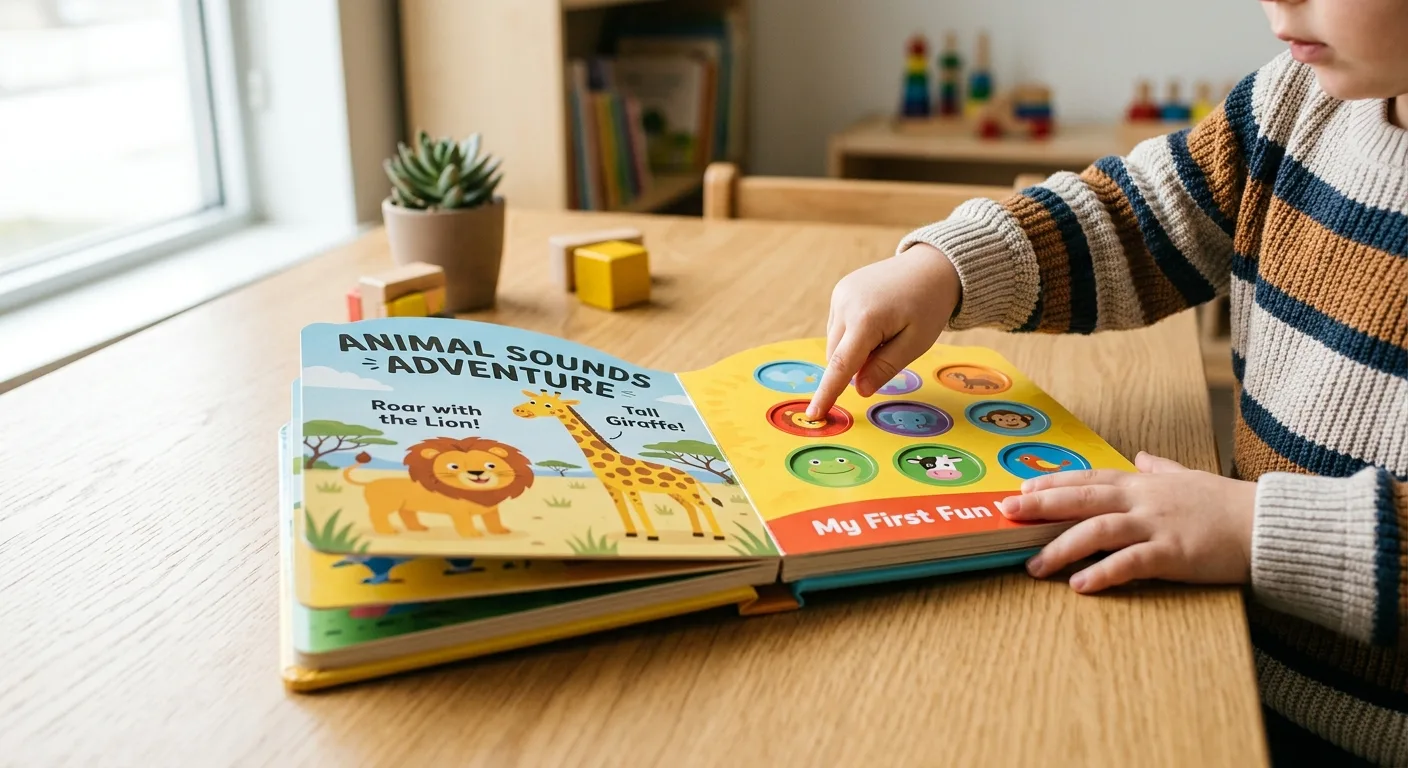
في الولايات المتحدة، فإن قانون لاسي يحظر استيراد المنتجات الخشبية المقطوعة بطريقة غير قانونية، مما يجعل سلسلة الحراسة التي تم التحقق منها (مثل FSC) أمرًا بالغ الأهمية لتخفيف المخاطر. علاوة على ذلك، إذا كانت موادك المطبوعة مخصصة للأطفال (على سبيل المثال، كتب الألواح أو المجموعات التعليمية)، فيجب أن تمتثل ل قانون تحسين سلامة المنتجات الاستهلاكية (CPSIA)التي تضع قيودًا صارمة على الرصاص والفثالات في الأحبار والطلاءات.
الاعتبارات التقنية للطباعة المستدامة
قد يتطلب التحول إلى المواد الصديقة للبيئة إجراء تعديلات على التصميم وتوقعات الإنتاج. فيما يلي العوامل الفنية الرئيسية التي يجب مناقشتها مع طابعتك:
أوقات التجفيف وسرعة الإنتاج
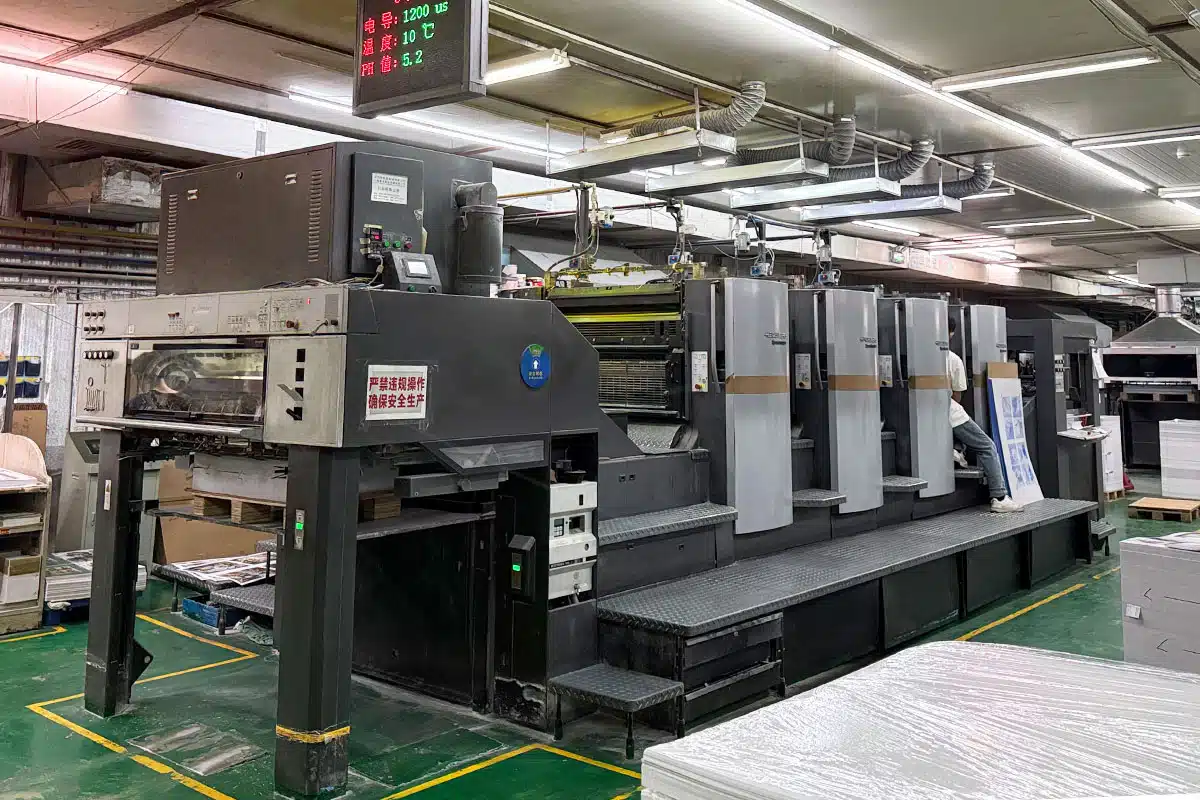
تعتمد الأحبار النباتية على الأكسدة حتى تجف، على عكس أحبار الأشعة فوق البنفسجية التي تعالج على الفور، أو الأحبار البترولية التي تجف عن طريق التبخر والامتصاص. يمكن أن يؤدي ذلك إلى أوقات تجفيف أطول قليلاً، خاصةً على الأحبار غير المطلية والمعاد تدويرها. يجب أن يأخذ المشترون هذا الأمر في الحسبان عند تخطيطهم للمهلة الزمنية لتجنب مشاكل التلطيخ أو التلطيخ أثناء الإنهاء.
امتصاص الورق وإدارة الألوان
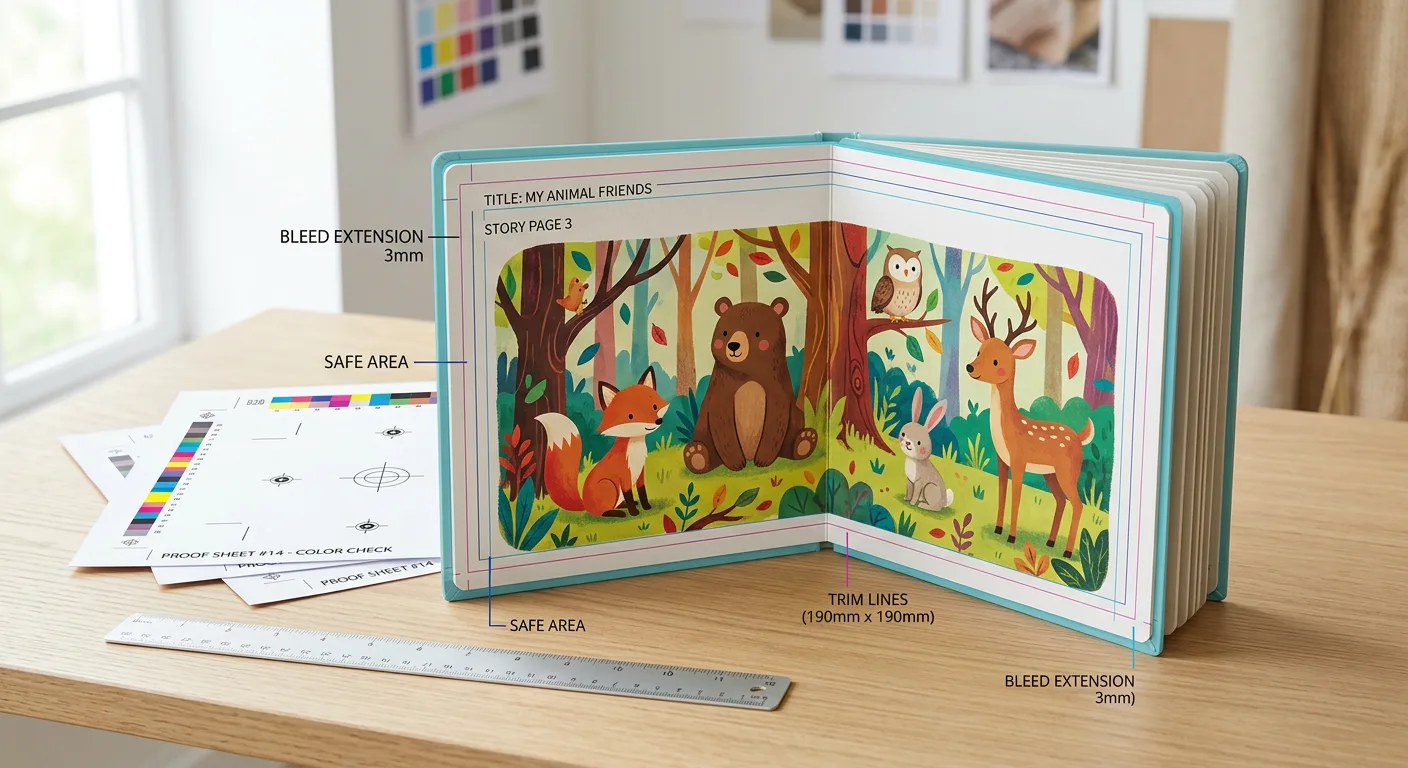
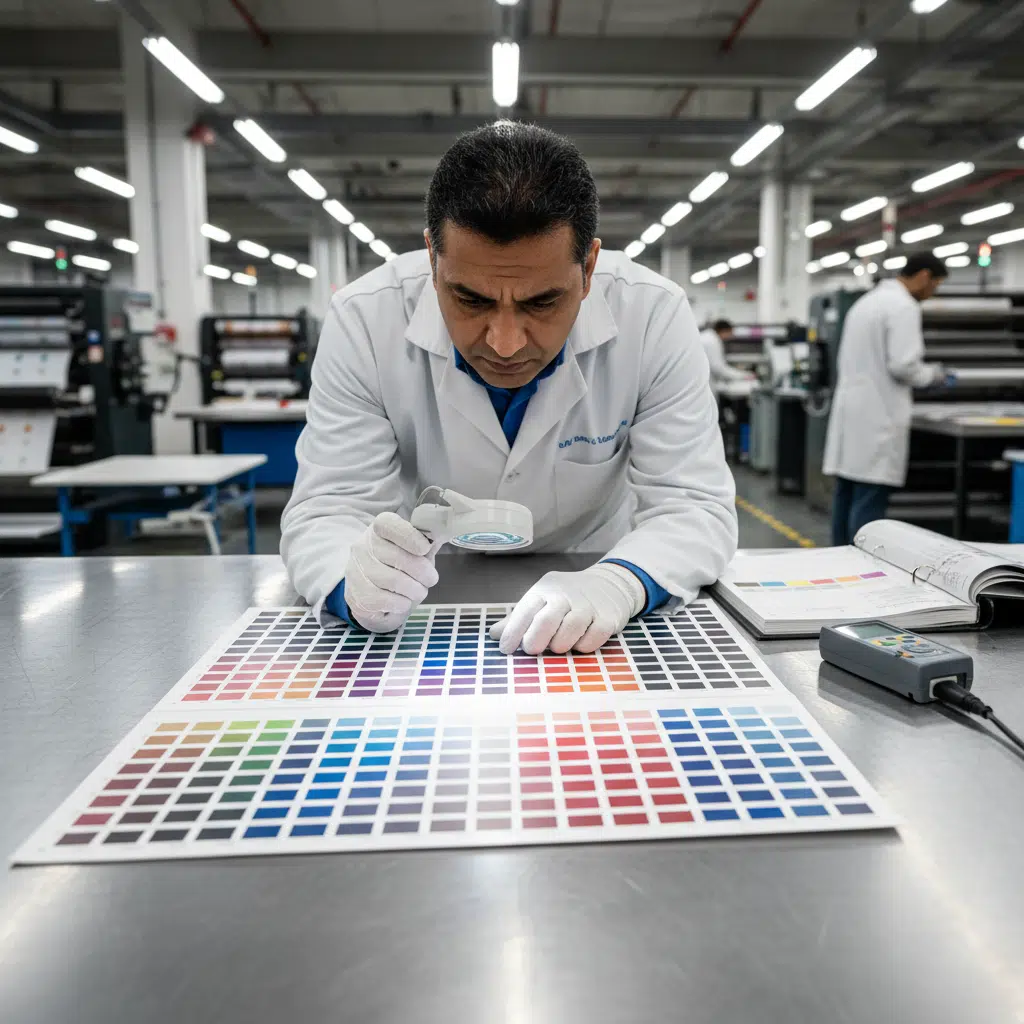
غالبًا ما تتمتع الأوراق المعاد تدويرها بقدرة امتصاص أعلى مقارنة بالأوراق البكر المطلية. ويؤدي ذلك إلى ظاهرة «زيادة النقاط»، حيث ينتشر الحبر قليلاً أثناء امتصاصه، مما قد يؤدي إلى تغميق الصور. ويتعامل الطابعات المتمرسون مع هذه المشكلة عن طريق تعديل منحنيات ما قبل الطباعة وتطبيق ملفات تعريف الألوان المصممة خصيصًا للأوراق غير المطلية أو المعاد تدويرها.
دليل الشراء: كيفية الحصول على مطبوعات مستدامة
يتطلب الشراء الفعال لحلول الطباعة الخضراء التواصل الواضح للمواصفات. استخدم قائمة المراجعة هذه عند طلب عروض الأسعار:
1. حدد معاييرك «البيئية»
كن محددًا. هل تطلب محتوى معاد تدويره 100%، أم أن 30% مقبول للحفاظ على السطوع؟ هل تحتاج إلى طباعة شعار FSC على العمل الفني؟ تحديد ذلك مبكراً يمنع التأخير.
2. تحقق من الحد الأدنى لكميات الطلبات (MOQs)
عادةً ما يتوفر مخزون المنزل القياسي بأي كمية. ومع ذلك، قد يتطلب الورق البيئي المتخصص (على سبيل المثال، القوام المحدد أو المحتوى العالي من الورق متعدد الكلور والماء) طلب ورق مخصص من المصنع، والذي غالبًا ما يأتي مع موك أعلى (عادةً ما يكون من 1 إلى 3 أطنان من الورق حسب المصنع).
3. طلب صحائف بيانات سلامة المواد (MSDS)
إذا كان الامتثال يمثل مصدر قلق كبير، فاطلب من شريكك في التصنيع الحصول على MSDS أو تقارير اختبار الأحبار والمواد اللاصقة المستخدمة. فهذا يضمن استيفاءها لقيود المعادن الثقيلة للسوق المستهدفة.
الأسئلة الشائعة (FAQs)
هل الطباعة المستدامة أكثر تكلفة؟
يمكن أن يكون كذلك. في حين أن أحبار الصويا أصبحت الآن بأسعار تنافسية، إلا أن الورق المعاد تدويره عالي الجودة أو الورق المعتمد من مجلس رعاية الغابات يمكن أن يحمل علاوة بسبب تكاليف المعالجة وطلب السوق. ومع ذلك، فإن تحسين حجم منتجك لتقليل نفايات الورق يمكن أن يعوض في كثير من الأحيان تكاليف المواد هذه.
هل يمكنني استخدام الألوان المعدنية أو الفلورية في الطباعة الصديقة للبيئة؟
نعم، ولكن مع بعض المحاذير. تحتوي الأحبار المعدنية على جزيئات معدنية يمكن أن تجعل من الصعب إعادة تدوير الورق. تختار بعض العلامات التجارية ألوان بانتون المستندة إلى فول الصويا التي تحاكي المظهر المتميز دون استخدام أصباغ معدنية.
هل يبدو الورق المعاد تدويره «متسخًا»؟
ليس بالضرورة. في حين أن بعض العلامات التجارية تفضل المظهر الطبيعي المنقوش للورق المعاد تدويره للإشارة إلى الاستدامة، إلا أن الورق المعاد تدويره عالي الجودة متوفر بمخزون لا يمكن تمييزه تقريباً عن الورق البكر من حيث البياض والنعومة.
كيف يمكنني التحقق من صحة الادعاءات التي تذكرها الشركة المصنعة للطابعة؟
اطلب منهم رموز شهادات الاعتماد الخاصة بهم (مثل رمز ترخيص FSC) وتحقق منها في قاعدة البيانات العامة الخاصة بالجهة المانحة للشهادة. تتميز شركات الطباعة ذات السمعة الطيبة بالشفافية فيما يتعلق بوثائق سلسلة التوريد الخاصة بها.
الشراكة من أجل مستقبل أكثر اخضراراً
يُعد تطبيق حلول الطباعة المستدامة طريقة قوية لمواءمة منتجاتك المادية مع قيم علامتك التجارية. من خلال اختيار المواد المناسبة والشراكة مع شركة مصنعة تفهم المشهد التقني والتنظيمي، يمكنك إنتاج مواد طباعة عالية الجودة ترضي عملاءك وكوكب الأرض على حد سواء.
هل أنت مستعد لبدء مشروع الطباعة المستدامة؟ اتصل بنا اليوم لطلب عرض أسعار أو اطلب عينة من مجموعة العينات التي تتميز بخيارات الورق والحبر الصديقة للبيئة.