
جدول المحتويات
- What Is the Difference?
- What Is a Dust Jacket?
- What Is a Printed Case Cover?
- Dust Jacket vs Printed Case Cover: Key Differences
- How to Choose the Right Hardcover Style
- Production Factors Buyers Should Confirm
- Practical Recommendations by Book Type
- الخاتمة
Dust jackets and printed case covers create different hardcover book experiences. This practical guide compares their appearance, protection, production considerations and suitability for publishing, corporate books and premium editions.
What Is the Difference Between a Dust Jacket and a Printed Case Cover?
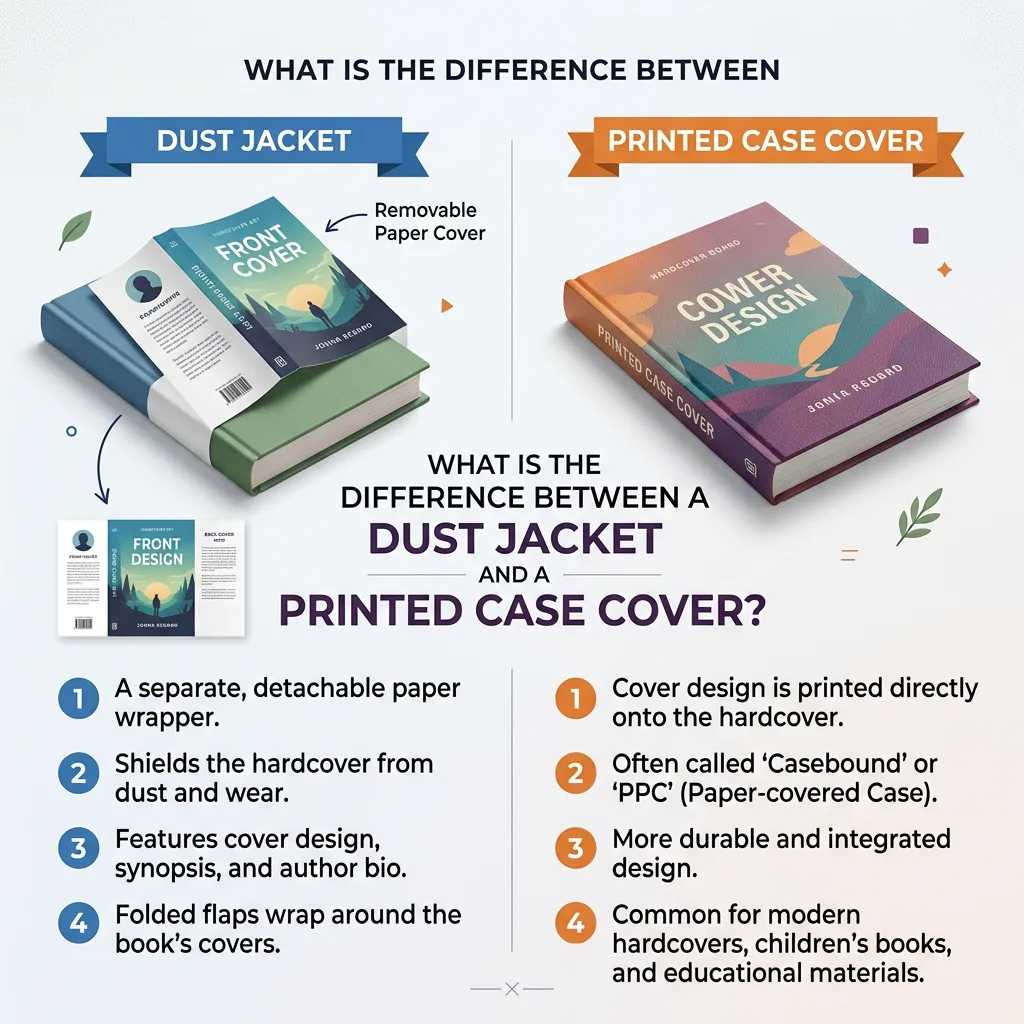
The main difference is where the printed design appears. A dust jacket is a separate paper cover wrapped around a hardcover case, while a printed case cover has its artwork printed or applied directly to the rigid cover boards.
Both styles can be used for novels, art books, corporate publications, children’s books and premium editions. The better choice depends on the intended reading environment, appearance, protection requirements, budget, quantity and desired unboxing experience.
A dust jacket provides a replaceable, highly visible promotional layer. A printed case cover creates a more integrated and durable object because the exterior design is part of the book’s case. In some projects, publishers use both: a printed or cloth-bound case underneath a removable dust jacket.
What Is a Dust Jacket?

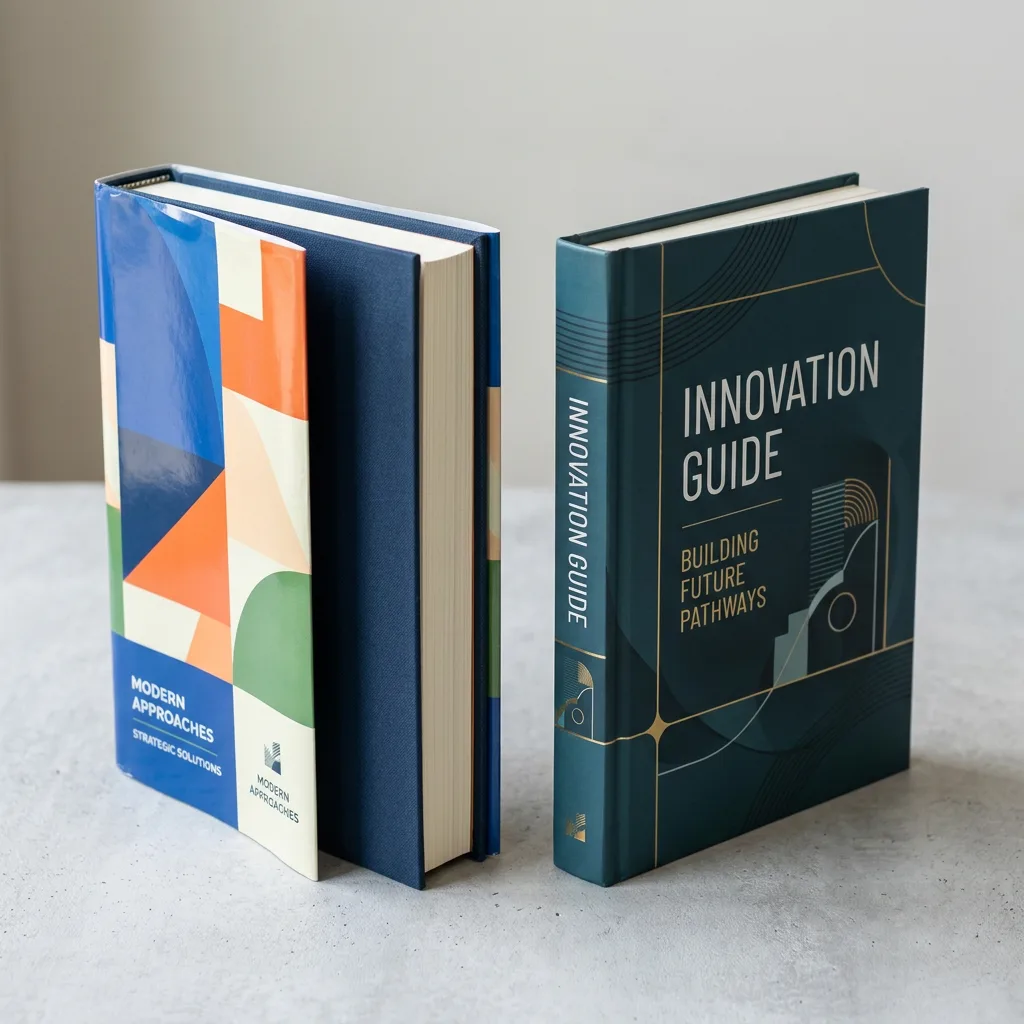
A dust jacket, also called a dust wrapper, is a printed sheet that wraps around the outside of a hardcover book. Its front and back panels cover the case, while the folded flaps extend inside the front and back covers. The flaps can carry a synopsis, author biography, company information, reviews or other supporting text.
Dust jackets are commonly printed in full colour on coated or uncoated paper and may be finished with matte, gloss or other surface treatments. The exact paper and finish should be selected according to the book’s visual style, handling frequency and production budget.
Advantages of a dust jacket
- Strong shelf visibility: The jacket offers a broad printable surface for cover art, title treatment and sales information.
- Flexible branding: A jacket can be updated for a new edition, market or campaign without changing the underlying hardcover case design.
- Additional information: Folded flaps provide useful space for summaries, biographies and promotional copy.
- Premium presentation: A well-designed jacket can create a formal publishing and gift-book appearance.
- Replaceable outer layer: The case may remain usable if the jacket becomes marked or worn.
The main limitation is that a dust jacket is a separate component. It can shift during use, crease at the folds or show scuffing more readily than a case covered with durable material. For books intended for frequent handling, shipping or use by young readers, this should be considered early.
What Is a Printed Case Cover?
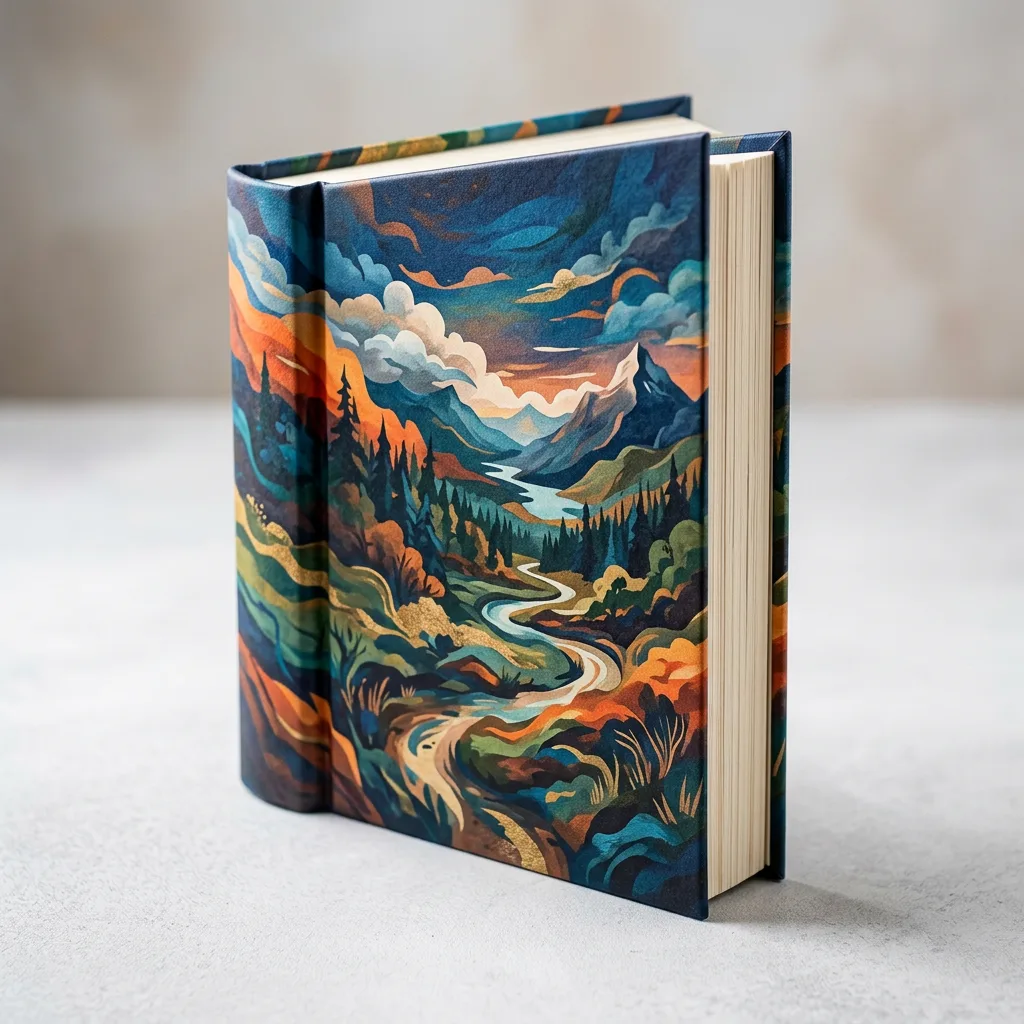
A printed case cover is a hardcover case whose exterior artwork is printed directly onto a cover material or printed on paper and laminated before being wrapped around the rigid boards. The case is then assembled with the book block to create a finished hardcover volume.
Depending on the specification, the case may use printed paper, coated paper, uncoated paper, cloth, linen, silk or another cover material. A printed paper case can carry detailed full-colour artwork. Fabric-covered cases provide a different tactile appearance and may be combined with foil stamping, debossing, embossing or a separate printed label.
Advantages of a printed case cover
- Integrated construction: The artwork is part of the rigid cover rather than a loose outer sheet.
- Clean, minimal appearance: A case can create a restrained design with fewer moving parts.
- Practical handling: The book is ready to use without removing or repositioning a jacket.
- Durable presentation: The cover material and finish can be specified for the expected level of handling.
- Design flexibility: The case can use printed graphics, texture, foil, embossing or a combination of treatments.
A printed case may provide less room for extended promotional copy than a jacket with flaps. It can also be less convenient when the publisher expects to change the cover design frequently between editions. Because the case is a structural component, replacing it is generally more involved than replacing a separate jacket.
Dust Jacket vs Printed Case Cover: Key Differences
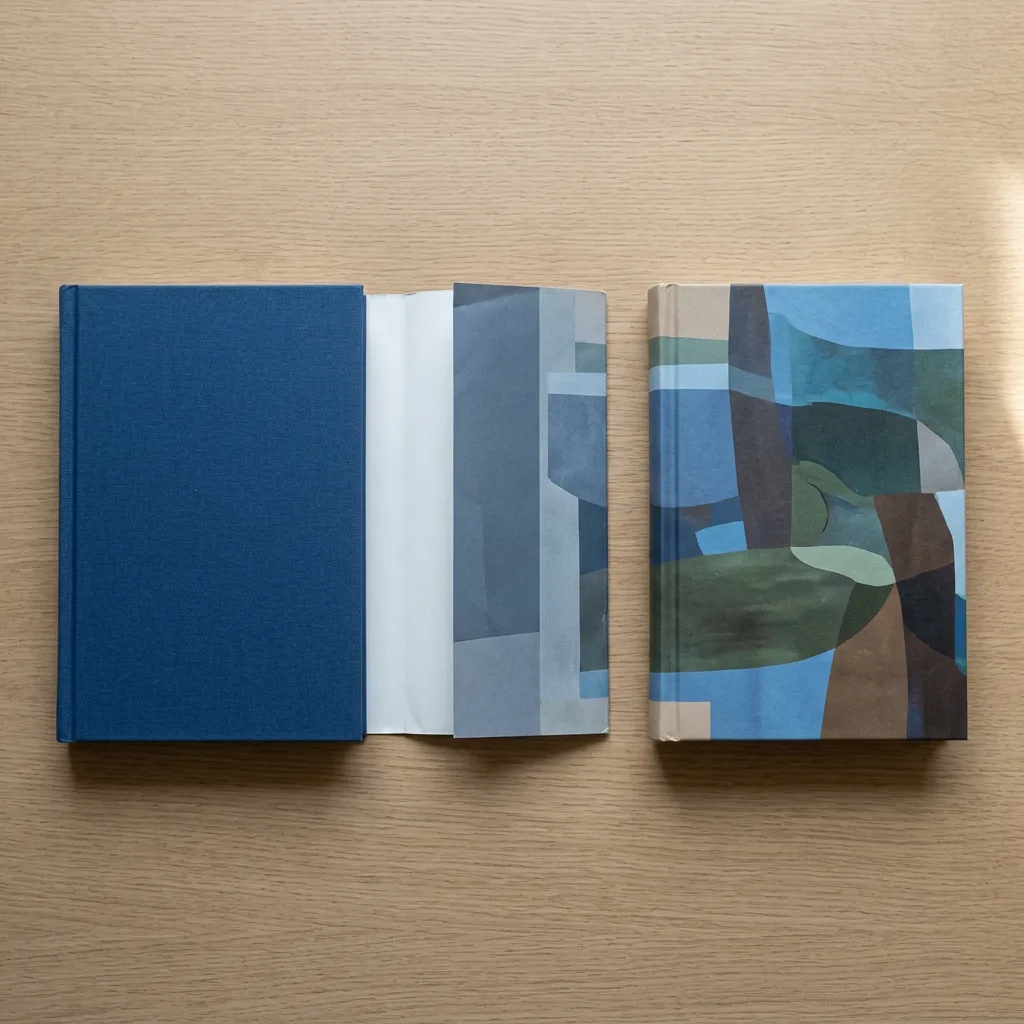
When comparing dust jacket vs printed case cover, evaluate the complete book experience rather than looking only at the cover artwork. The two formats can use similar colours and finishes, but they behave differently in production, retail display and everyday use.
Appearance and brand presentation
A dust jacket offers a large, highly visible canvas and can make a hardcover feel formal or collectible. Its flaps add room for supporting content. A printed case creates a more continuous and object-like appearance. It is often suitable when the design should feel permanent, tactile or understated.
Durability and handling
The rigid case protects the book block in both formats, but the dust jacket remains the most exposed and removable part. It can be taken off during reading or storage. A printed case has no separate jacket to manage, although its surface can still be affected by abrasion, moisture, fingerprints or repeated handling depending on the material and finish.
Cost and production complexity
Neither format has a universal price advantage. The quotation depends on trim size, spine width, page count, quantity, paper, board specification, colour coverage, finishing, packing and shipping destination. A dust jacket adds a separate printed and folded component. A printed case requires case-making and cover-wrapping specifications. At different quantities and quality levels, either option may be more appropriate.
Edition management
Dust jackets are useful when the publisher may change retail information, campaign messaging, language or market details. A stable case can remain underneath. A printed case is more suitable when the exterior design is expected to remain consistent for the edition’s life.
Finishing opportunities
Both styles can support carefully selected finishing. Jackets commonly use lamination, varnish, spot effects, foil or embossing where suitable. Printed cases can use laminated paper, foil, embossing, debossing, fabric textures or printed labels. Finishing should support legibility and handling, not obscure fine details or make the cover difficult to manufacture.
How to Choose the Right Hardcover Style
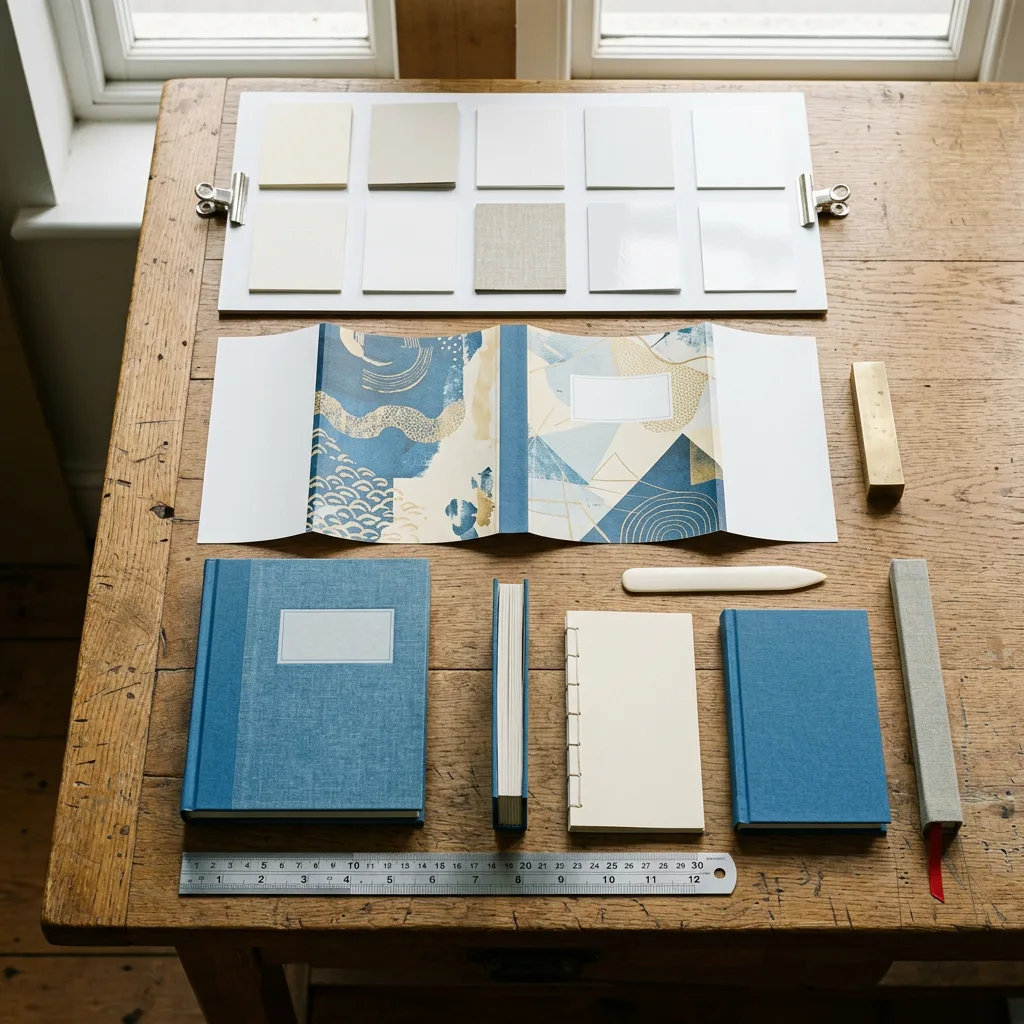
Start with the way the finished book will be sold, handled and used. The following checklist helps buyers turn a visual preference into a production specification.
- Define the audience: Is the book for retail customers, corporate recipients, collectors, students, children or frequent reference use?
- Decide how permanent the design should be: Choose a printed case when the cover artwork should be part of the book itself. Consider a jacket when the outer messaging may change.
- Assess handling conditions: Books used in libraries, classrooms, shipping programmes or repeated demonstrations may benefit from a simple, integrated exterior.
- Plan the information architecture: A dust jacket is useful when the cover needs flaps for a synopsis, author biography or additional selling copy.
- Set the visual direction: A jacket can support a layered, editorial appearance. A printed case can feel more architectural, tactile or minimal.
- Review the budget by complete specification: Ask for a quotation based on the same size, quantity, paper, board, finish and packing requirements before comparing options.
- Consider shipping and storage: Confirm how jackets will be protected against creasing and whether books will be individually packed or shipped in cartons.
- Check artwork readiness: A jacket requires front, back, spine and flap panels with accurate fold and bleed allowances. A case also requires a separate cover layout with precise wrap and board-related allowances.
Requesting physical samples or a production proof can be valuable for premium projects. Colour, texture, foil coverage and the relationship between the jacket and case are easier to judge on a physical sample than on a screen.
Production Factors Buyers Should Confirm

Price, lead time and print quality depend on the full specification. Before approving a quotation, confirm the following details with the printer:
Book structure
Provide the trim size, orientation, page count, spine width if known, binding method, board thickness and whether the book includes endpapers, ribbons, headbands or other components. Page count and paper bulk affect the spine and therefore the cover layout.
Cover materials and finishes
Specify whether you prefer printed paper, a laminated case, cloth or another material. State whether the finish should be matte, gloss, soft-touch or uncoated, and identify any foil, embossing, debossing, spot varnish or special colour requirements. Final suitability may depend on the artwork, material and production method.
Dust jacket details
For a jacket, confirm the paper type, grammage, flap width, fold positions, bleed, lamination and packing method. The jacket should be designed as a complete spread rather than as separate front and back images. Fold positions may vary with the final book thickness.
Colour and proofing
Ask how colour will be checked and whether a digital proof, contract proof or physical sample is appropriate for the project. Screens, proofs and printed materials can show differences, particularly with brand colours, dark images and textured substrates.
Quantity, destination and logistics
Quantity influences setup, material purchasing and the choice between digital and offset production. Destination country affects freight planning, packaging and import arrangements. These variables should be included in the initial quotation rather than treated as afterthoughts.
Practical Recommendations by Book Type

There is no single correct answer for every hardcover project, but common use cases can guide the first decision.
Novels and trade publishing
A dust jacket is often a practical choice when the book will be displayed in retail or used to communicate a synopsis, author profile and review quotations. A printed case may be preferable for special editions, signed copies or a design-led series with a consistent physical identity.
Art, photography and coffee table books
Both styles can work. A dust jacket offers an additional presentation layer and space for editorial information. A printed case can make the book feel more like a designed object and may be suitable when the cover artwork or material is central to the concept. Paper selection, image reproduction and finishing deserve equal attention.
Corporate books and commemorative publications
A printed case creates a durable, unified presentation for a company history, anniversary book or institutional publication. A dust jacket can be useful when a project needs a formal cover plus variable market, language or campaign information.
Children’s books
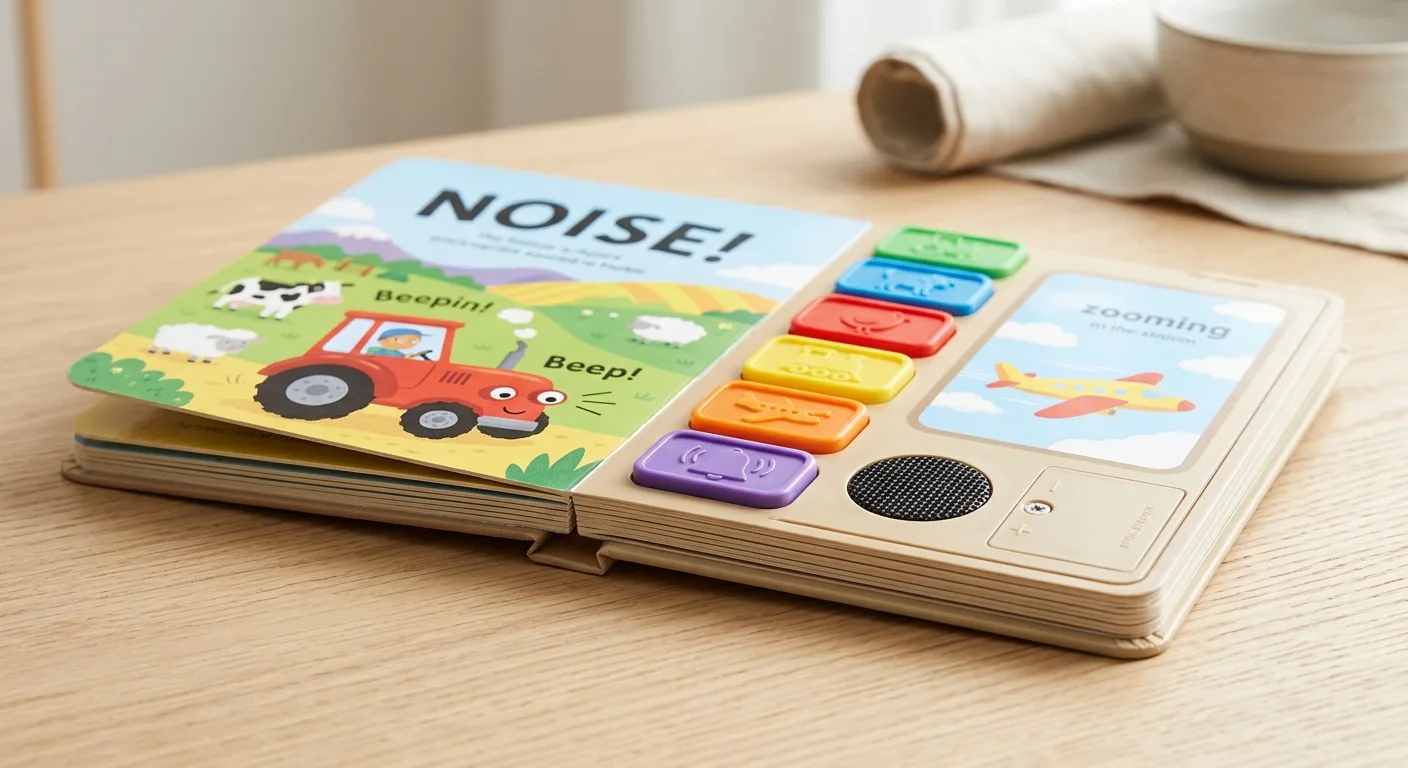
For books handled frequently, a printed case can reduce the need to manage a loose outer sheet. However, the right construction depends on the age group, intended use, safety requirements, rounded corners, paper and binding specification. The printer should review the complete product design.
Premium and limited editions
A combined approach can be effective: use a tactile or printed case as the permanent cover and add a dust jacket for presentation and information. This increases the number of components and should be assessed against the budget, packing plan and production schedule.
الخاتمة

Choose a dust jacket when you need a prominent, replaceable information layer with flaps and strong retail presentation. Choose a printed case cover when you want an integrated hardcover that is straightforward to handle and gives the design a more permanent role. A combination of both can work for premium editions when the added cost and production complexity are justified.
The most reliable decision comes from comparing complete specifications, not cover styles in isolation. Confirm the book format, page count, paper, board, finish, quantity, artwork status, packing requirements and destination country before requesting final pricing.
Discuss Your Hardcover Book Specification
Planning a hardcover project and still comparing a dust jacket with a printed case cover? Request a quotation from YBJ Printing or discuss your requirements with the project team. For an accurate quotation, provide the product type, trim size, page count, quantity, paper or binding preference, finish, file status and destination country.