
مقدمة: اختيار التجليد المناسب لكتب الأطفال
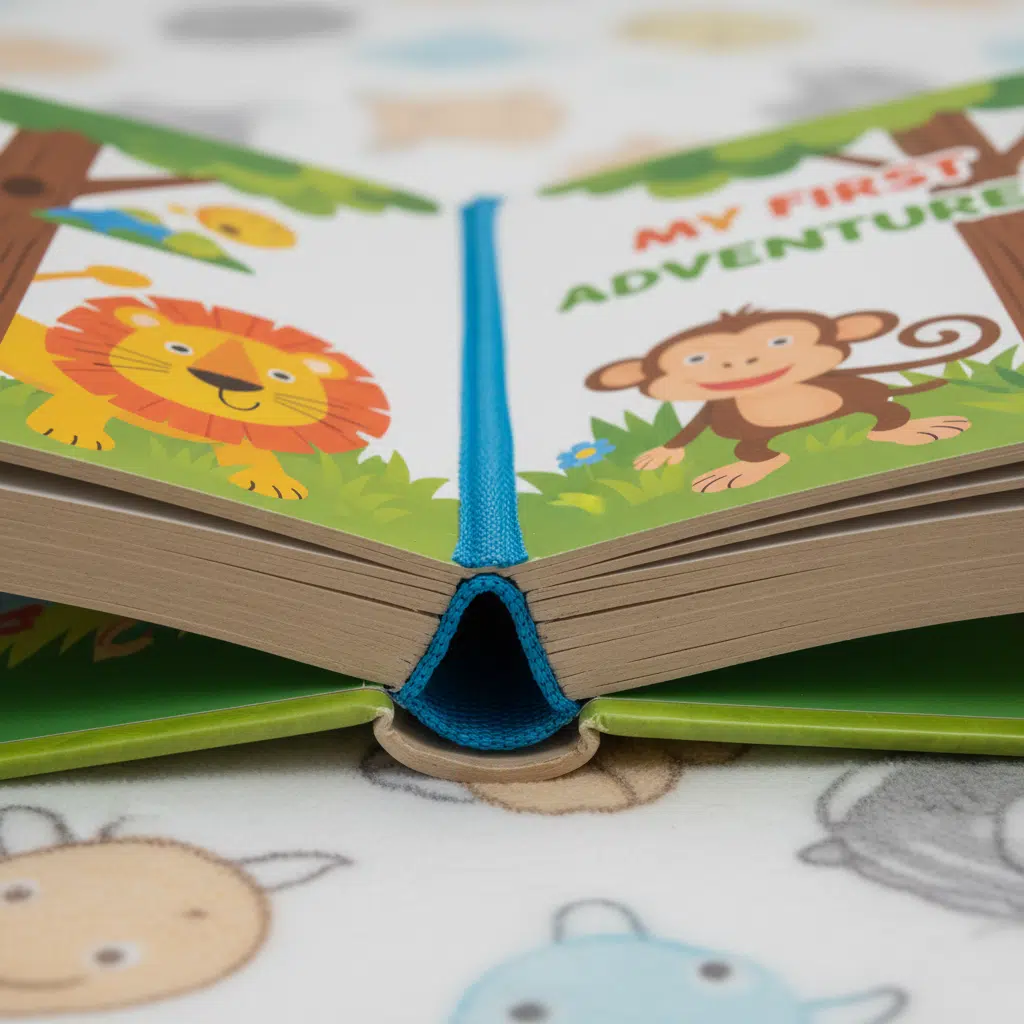
عندما يتعلق الأمر بطباعة كتب الأطفال، فإن اختيار التجليد المناسب أمر ضروري لضمان المتانة والسلامة والوظائف. ومع وجود مجموعة متنوعة من الخيارات المتاحة، قد يكون من الصعب على المؤلفين والرسامين والناشرين اختيار الخيار المناسب. سيساعدك هذا الدليل على التنقل بين العوامل الرئيسية في اختيار التجليد الذي يلبي الاحتياجات الجمالية والعملية لكتب الأطفال.
المفاهيم والتعاريف الرئيسية
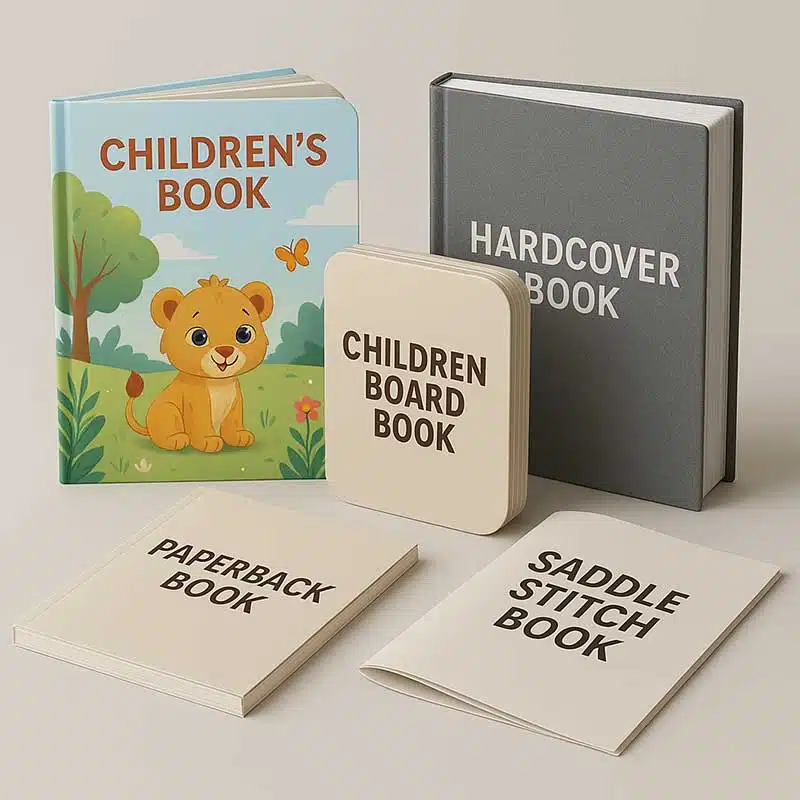
قبل الغوص في أنواع التجليد المحددة، من المهم فهم المصطلحات المستخدمة في صناعة تجليد الكتب. المصطلح ملزمة يشير إلى الطريقة المستخدمة لتثبيت صفحات الكتاب معًا. تتضمن أنواع التجليد الشائعة لكتب الأطفال ما يلي تجليد مثالي, كتب اللوحوأكثر من ذلك. سيساعدك فهم طرق التجليد المختلفة على اتخاذ قرار أكثر استنارة.
خيارات التجليد الشائعة لكتب الأطفال
1. تجليد مثالي
تجليد مثالي هي إحدى طرق التجليد الأكثر استخداماً في نشر الكتب. وهي تتضمن لصق الصفحات معًا عند العمود الفقري، مما يخلق مظهرًا نهائيًا سلسًا واحترافيًا. هذا الخيار مثالي لكتب الأطفال ذات الغلاف الورقي، خاصة عندما تكون المتانة أقل أهمية. وهو فعال من حيث التكلفة ومناسب للطباعة متوسطة الحجم. ومع ذلك، فهو ليس متيناً مثل بعض الخيارات الأخرى وقد لا يتحمل المناولة الثقيلة.
2. كتب المجلس
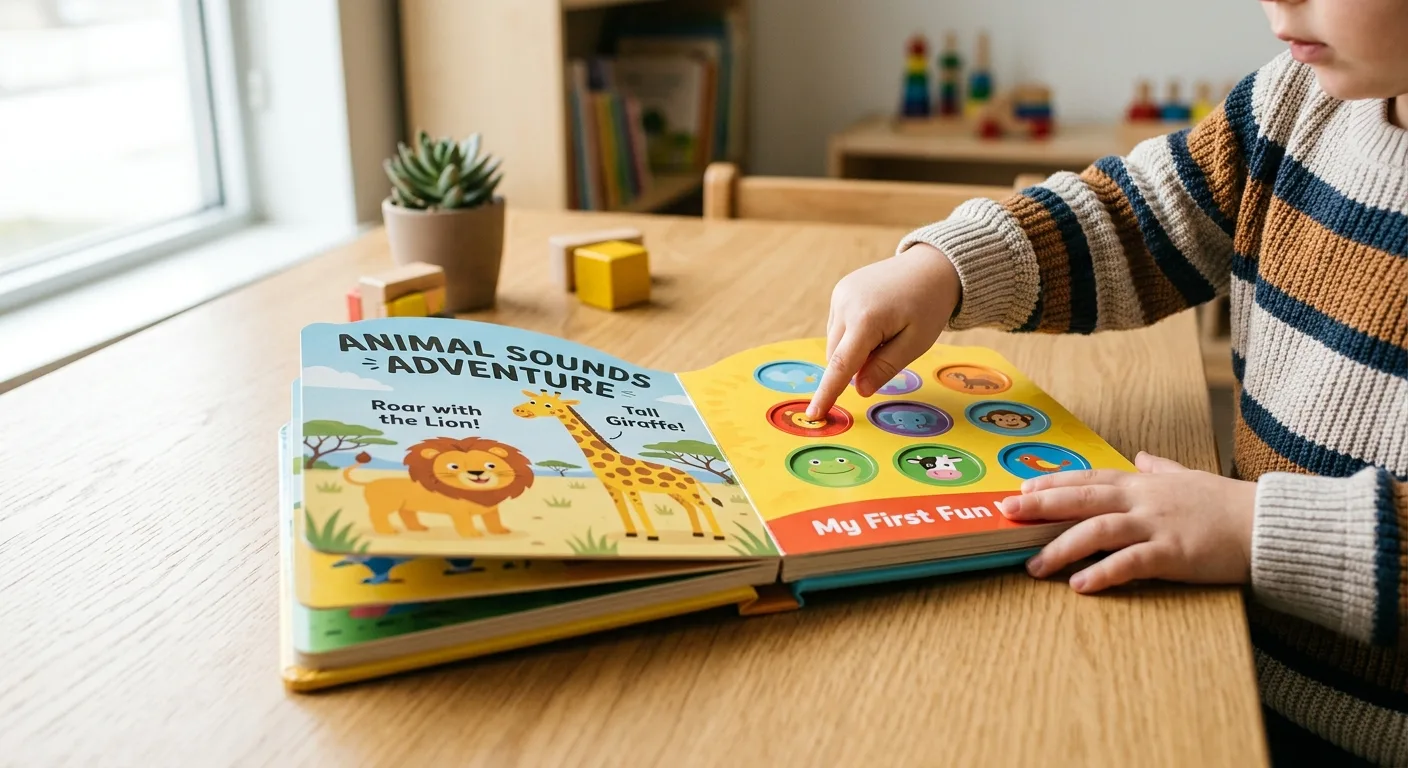
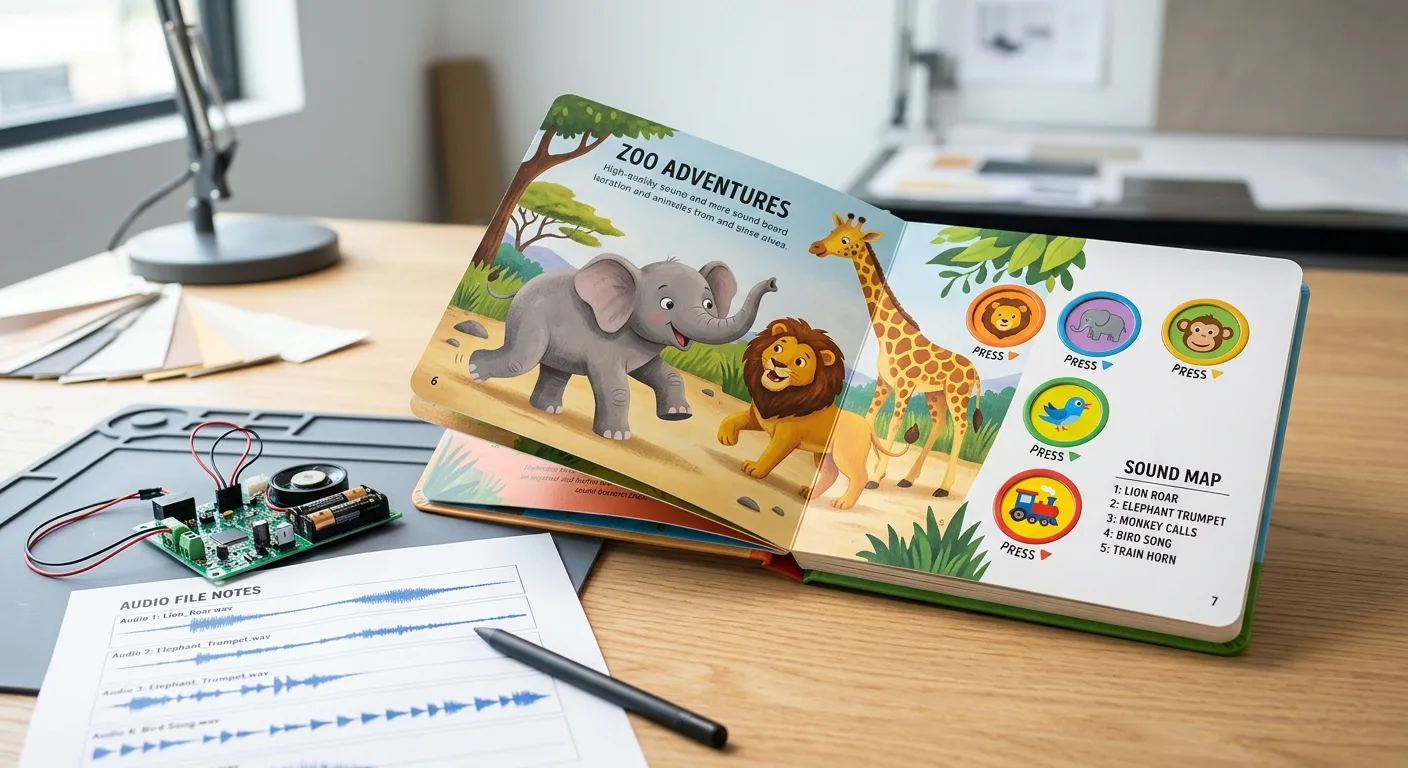
كتب المجلس خيار شائع للأطفال الصغار نظراً لمتانتها وسلامتها. فهي مصنوعة من الورق المقوى السميك، ويمكنها تحمل التعامل الخشن وهي غير قابلة للتلف تقريباً. تُعد الكتب اللوحية مثالية للأطفال الصغار ومرحلة ما قبل المدرسة الذين يميلون إلى التعامل مع كتبهم بقسوة. على الرغم من أن إنتاج الكتب اللوحية أغلى ثمناً، إلا أنها توفر طول العمر وتجربة ملموسة يستمتع بها الأطفال.
3. تجليد مخيط
تجليد مخيط تتضمن خياطة الصفحات معًا، مما ينتج عنه كتاب أكثر قوة وقادر على الاستمرار لفترة أطول. تُعد هذه الطريقة مثالية لكتب الأطفال التي تتطلب مناولة متكررة أو التي تهدف إلى أن تصبح إرثاً عائلياً. على الرغم من أنها تضيف إلى تكلفة الإنتاج، إلا أن التجليد بالخياطة يعد خياراً ممتازاً لكتب الأطفال عالية الجودة والمتينة.
المواصفات والعوامل الفنية التي يجب مراعاتها
عند اختيار نوع التجليد، يجب مراعاة عدة عوامل:
- المتانة: ضع في اعتبارك مقدار البلى الذي سيتحمله الكتاب. الكتب اللوحية مثالية للقراء الأصغر سناً، في حين أن التجليد المثالي مناسب للاستخدام الأخف.
- السلامة: بالنسبة لكتب الأطفال، السلامة أمر بالغ الأهمية. تأكد من أن المواد المستخدمة في التجليد غير سامة وآمنة للقراء الصغار.
- تشغيل الطباعة: سيؤثر عدد النسخ التي تخطط لطباعتها على اختيارك. يعتبر التجليد المثالي أكثر اقتصاداً بالنسبة لنسخ الطباعة المتوسطة، بينما قد يكون التجليد المخيط أو تجليد الكتب على الألواح أكثر ملاءمة للإصدارات الأعلى جودة أو المحدودة.
- التكلفة: تختلف تكاليف الإنتاج حسب طريقة التجليد. تميل الكتب ذات الألواح الخشبية إلى أن تكون أغلى ثمناً، في حين أن التجليد المثالي يكون أقل تكلفة.
اعتبارات التصنيع والجودة والاختبار
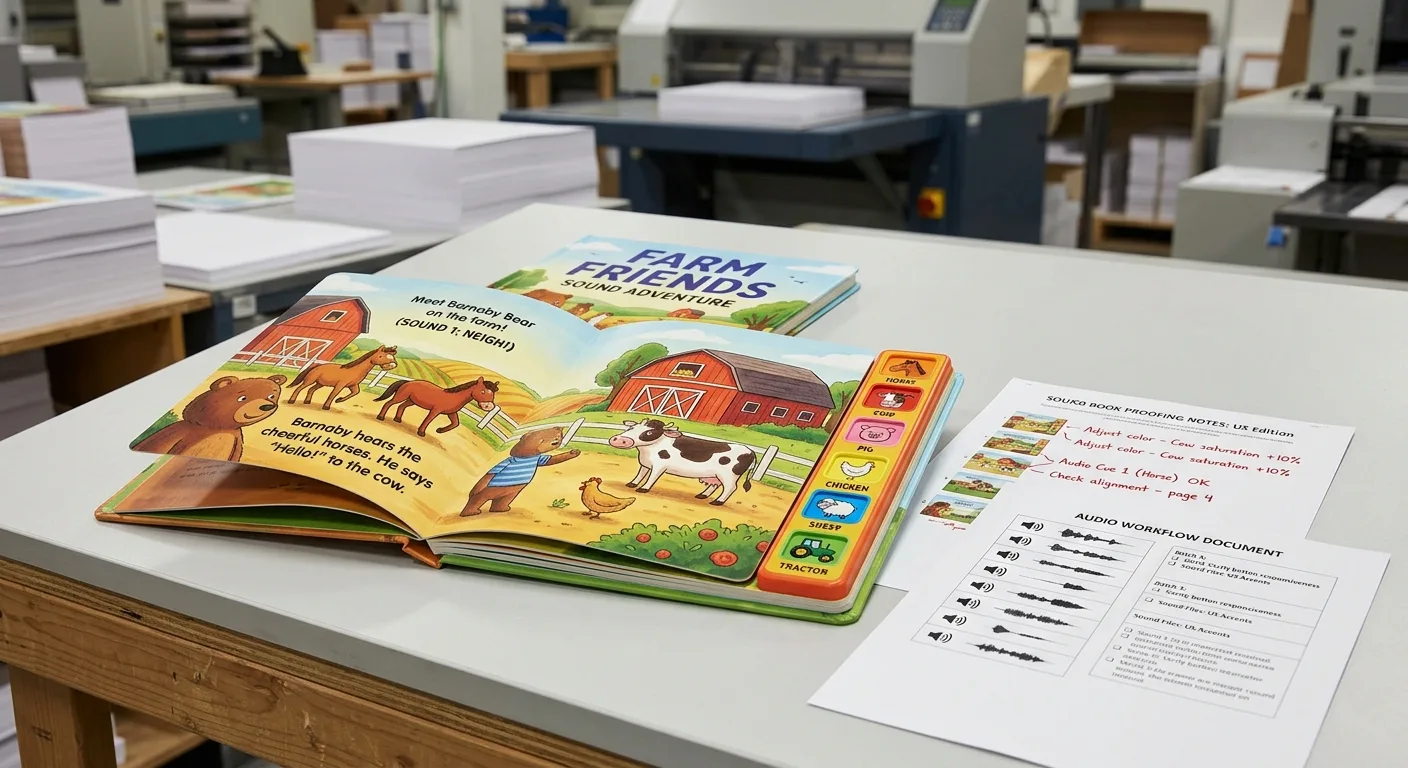
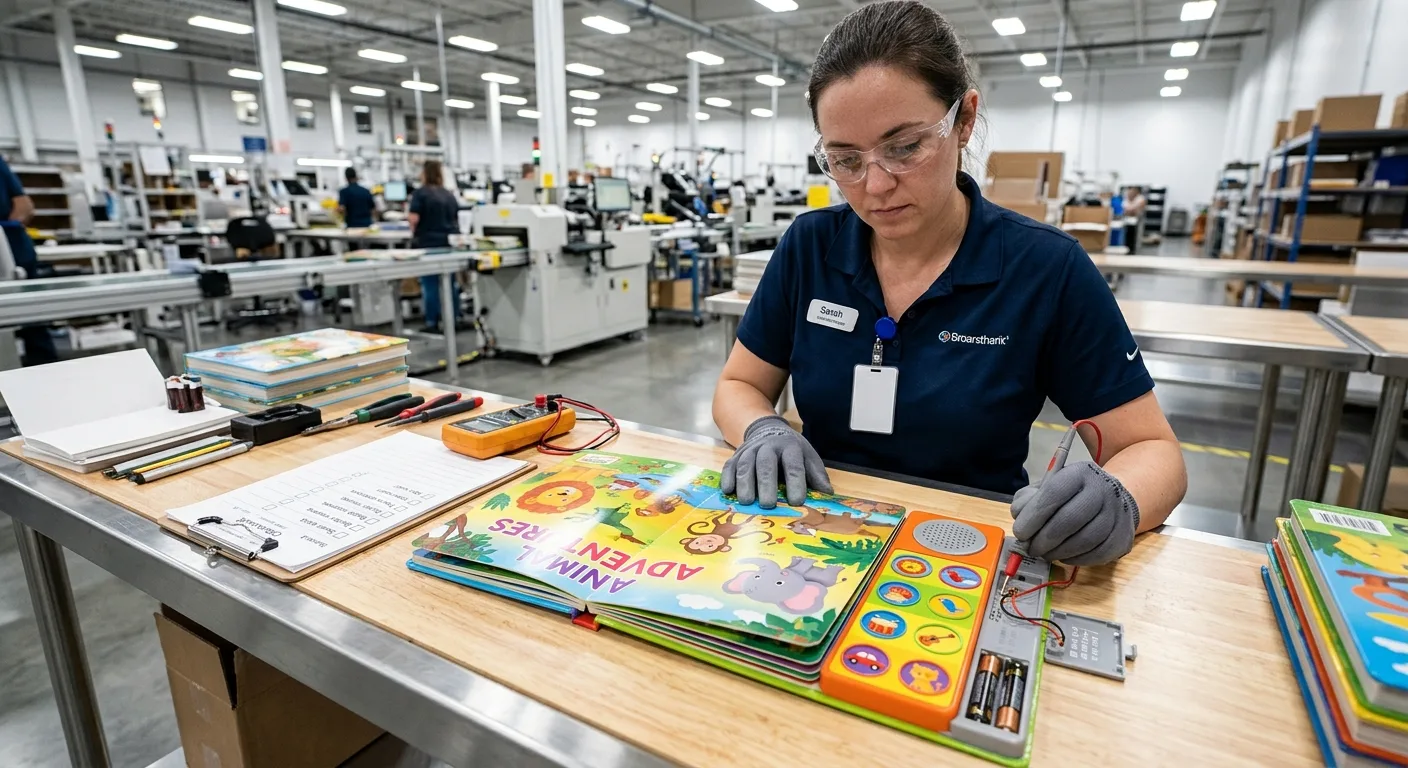
تعتبر مراقبة الجودة والاختبار أمرًا بالغ الأهمية للتأكد من أن طريقة التجليد المختارة لكتاب أطفالك تفي بمعايير السلامة والمتانة. بالنسبة للكتب ذات الألواح، تحقق من متانة الورق المقوى، أما بالنسبة للتجليد المثالي، افحص الغراء المستخدم للتأكد من عدم ضعفه بمرور الوقت. تأكد من أن التجليد الذي اخترته يتوافق مع معايير الصناعة ومناسب للفئة العمرية لجمهورك المستهدف.
دليل الشراء: عوامل يجب وضعها في الاعتبار
عند شراء التجليد لكتاب أطفالك، هناك بعض الاعتبارات المهمة:
- موك: يمكن أن يختلف الحد الأدنى لكميات الطلب (موك) حسب نوع التجليد. تأكد من الاستفسار عن موك وما هو ممكن لمشروعك.
- التخصيص: ضع في اعتبارك مدى قابلية تخصيص الغلاف من حيث اللون والحجم والتصميم.
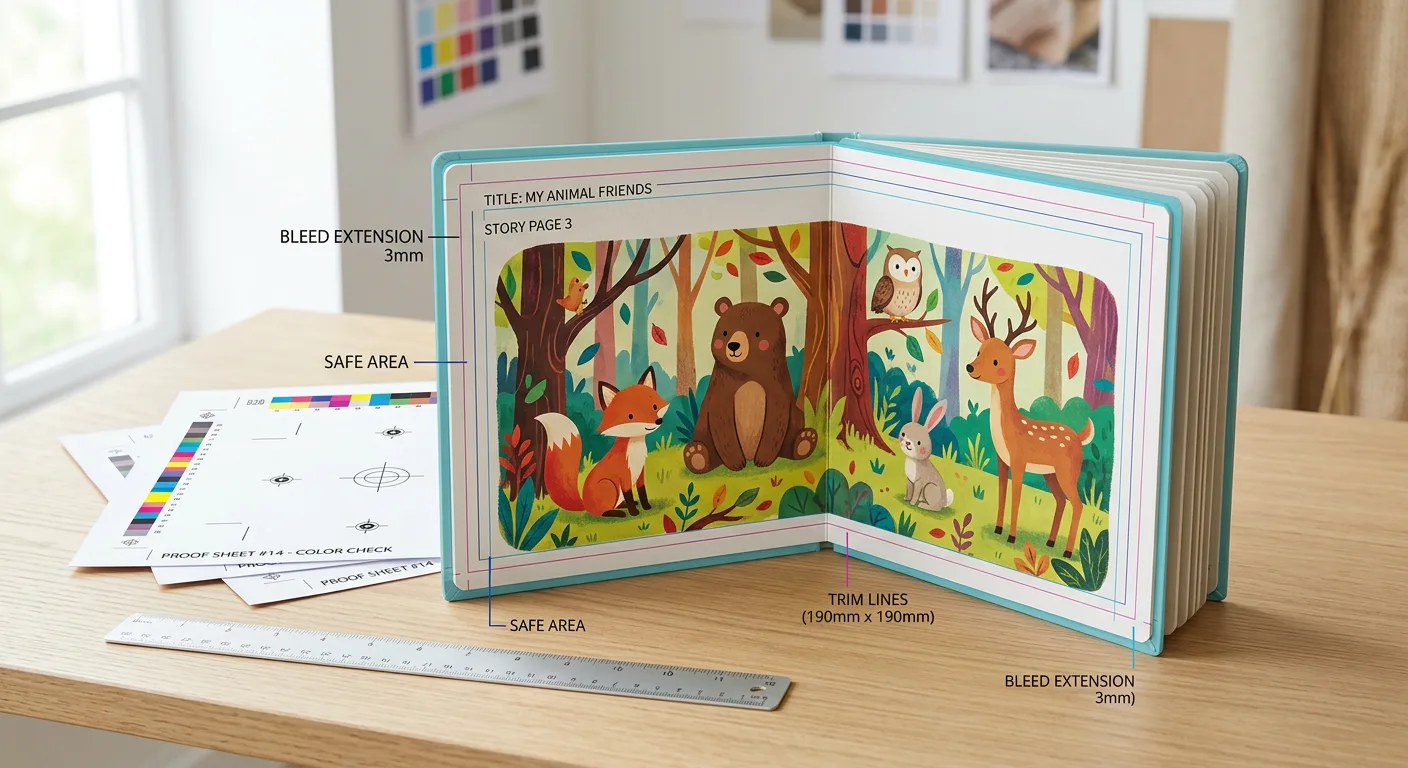
- الأعمال الفنية والملفات: تأكد من استيفاء العمل الفني وملفات التصميم للمواصفات المطلوبة لطريقة التجليد.
- أخذ العينات: اطلب دائماً عينة قبل تقديم طلبية كبيرة للتأكد من أن التجليد يلبي توقعاتك.
- الجداول الزمنية: ناقش المهل الزمنية للإنتاج والتسليم لضمان الوفاء بالمواعيد النهائية لمشروعك.
الأسئلة الشائعة
1. ما هو التجليد الأكثر متانة لكتب الأطفال؟
كتب الألواح الخشبية هي أكثر أنواع التجليد متانة، وهي مصممة لتتحمل التعامل الثقيل، مما يجعلها مثالية للأطفال الصغار.
2. هل يمكن استخدام التجليد المثالي لكتب الأطفال؟
نعم، يُستخدم التجليد المثالي عادةً لكتب الأطفال، ولكنه مناسب أكثر للأطفال الأكبر سنًا والتعامل الخفيف نظرًا لطبيعته الأقل متانة.
3. ما هي الآثار المترتبة على تكلفة طرق الربط المختلفة؟
وعادةً ما تكون الكتب ذات الألواح الخشبية هي الأغلى ثمناً، في حين أن التجليد المثالي أكثر فعالية من حيث التكلفة لعمليات الطباعة القياسية.
4. كيف أضمن سلامة تجليد كتب أطفالي؟
تأكدي من أن جميع المواد المستخدمة، مثل الغراء أو الورق المقوى، غير سامة وتفي بمعايير السلامة لمنتجات الأطفال.
5. كيف يمكنني تخصيص تجليد كتب الأطفال الخاصة بي؟
تختلف خيارات التخصيص حسب طريقة التجليد. ناقش خياراتك مع الشركة المصنعة لاستكشاف إمكانيات تخصيص اللون والتصميم والحجم.
الخاتمة
يعد اختيار التجليد المناسب لكتب الأطفال قراراً حاسماً بالنسبة للمؤلفين والرسامين والناشرين. من خلال فهم أنواع التجليد المختلفة ومزايا وعيوب كل منها، يمكنك اتخاذ قرار مستنير يناسب احتياجاتك من حيث المتانة والسلامة والميزانية. طلب عرض أسعار أو الحصول على عينة اليوم لاتخاذ الخطوة التالية في رحلة نشر كتب الأطفال الخاصة بك.