
Introduction: Choosing the Right Binding for Children’s Books
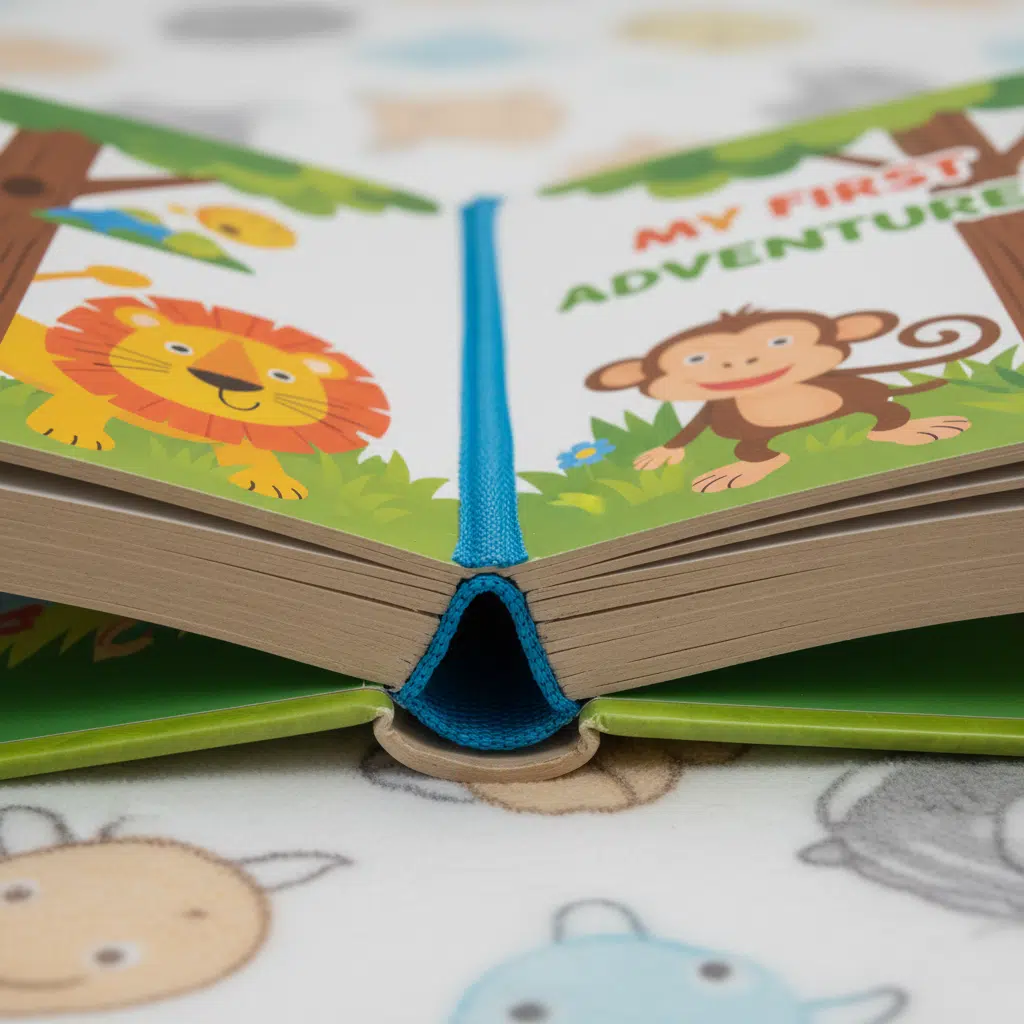
When it comes to children’s book printing, selecting the appropriate binding is essential for ensuring durability, safety, and functionality. With a variety of options available, it can be overwhelming for authors, illustrators, and publishers to choose the right one. This guide will help you navigate through the key factors in selecting a binding that meets both the aesthetic and practical needs of your children’s books.
Key Concepts & Definitions
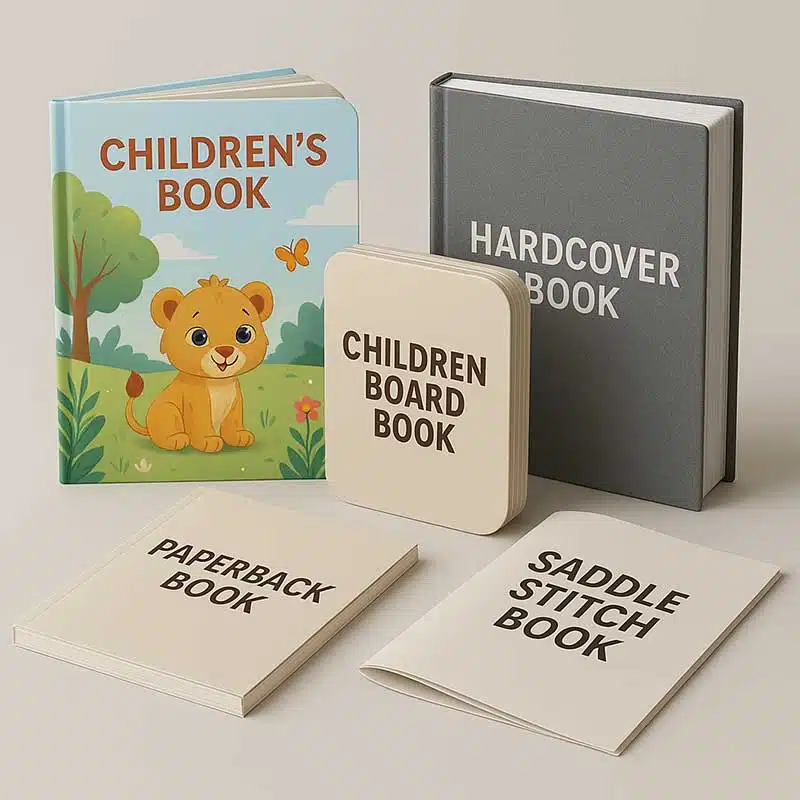
Before diving into specific binding types, it’s important to understand the terminology used in the bookbinding industry. The term binding refers to the method used to secure the pages of a book together. Common binding types for children’s books include perfect binding, board books, and more. Understanding the different binding methods will help you make a more informed choice.
Popular Binding Options for Children’s Books
1. Perfect Binding
Perfect binding is one of the most commonly used binding methods in book publishing. It involves gluing the pages together at the spine, creating a smooth, professional finish. This option is ideal for paperback children’s books, especially when durability is less of a concern. It’s cost-effective and suitable for medium-sized print runs. However, it is not as durable as some other options and may not withstand heavy handling.
2. Board Books
Board books are a popular choice for younger children due to their durability and safety. Made with thick cardboard, they can withstand rough handling and are virtually indestructible. Board books are ideal for toddlers and preschoolers who tend to be hard on their books. Though more expensive to produce, board books provide longevity and a tactile experience that children enjoy.
3. Sewn Binding
Sewn binding involves stitching the pages together, which results in a more robust book that is capable of lasting longer. This method is ideal for children’s books that require frequent handling or that are intended to become family heirlooms. While it adds to the production cost, sewn binding is an excellent option for high-quality, durable children’s books.
Specifications & Technical Factors to Consider
When choosing a binding type, several factors should be considered:
- Durability: Consider how much wear and tear the book will endure. Board books are ideal for younger readers, while perfect binding is suitable for lighter use.
- Safety: For children’s books, safety is paramount. Ensure that materials used in the binding are non-toxic and safe for young readers.
- Print run: The number of copies you plan to print will affect your choice. Perfect binding is more economical for medium print runs, while sewn binding or board books may be more suitable for higher-quality or limited editions.
- Cost: Production costs will vary depending on the binding method. Board books tend to be more expensive, while perfect binding is more affordable.
Manufacturing, Quality, and Testing Considerations
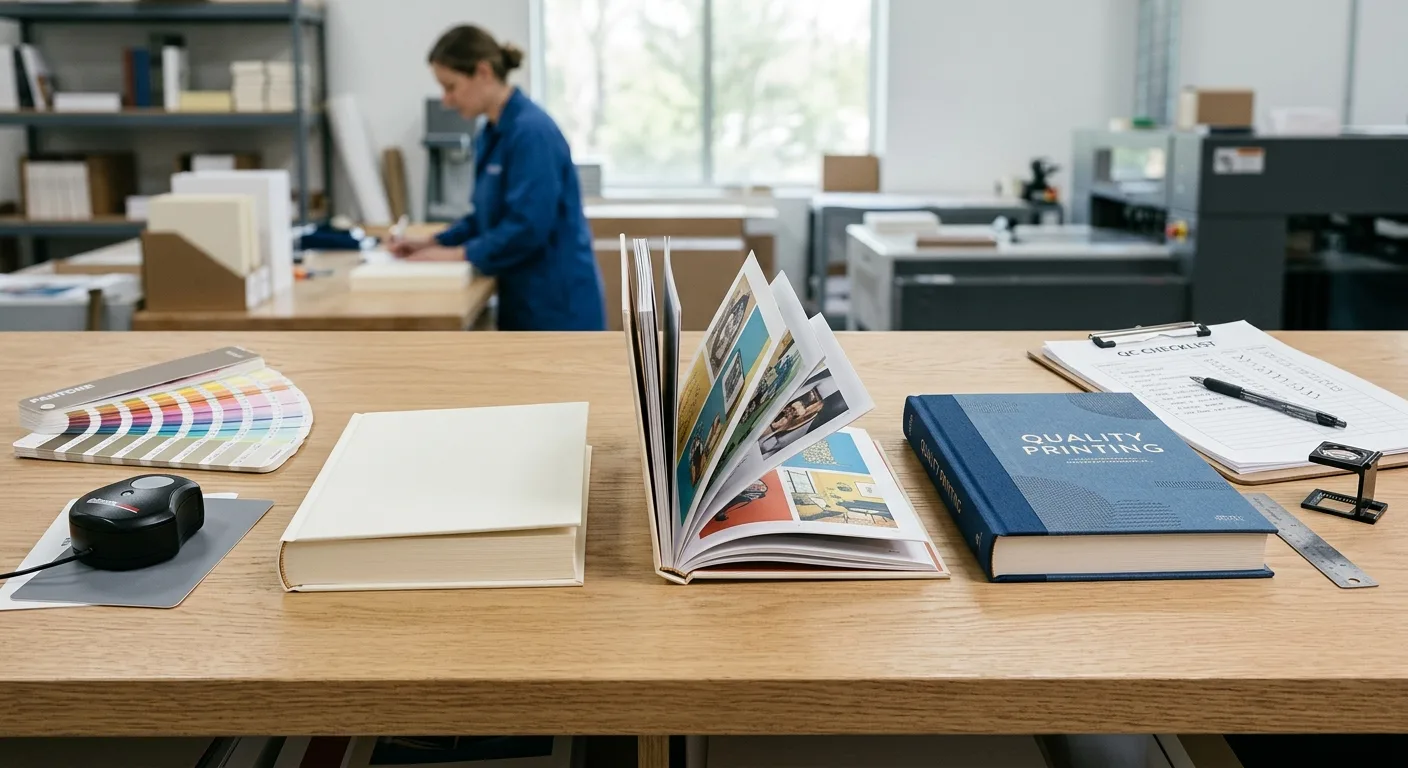
Quality control and testing are critical to ensuring that the binding method chosen for your children’s book meets both safety and durability standards. For board books, check the sturdiness of the cardboard, while for perfect binding, inspect the glue used to ensure it does not weaken over time. Ensure that your chosen binding complies with industry standards and is appropriate for the age group of your target audience.
Buying Guide: Factors to Keep in Mind
When purchasing binding for your children’s book, there are a few important considerations:
- MOQ: Minimum order quantities (MOQ) can vary depending on the type of binding. Be sure to ask about MOQs and what’s feasible for your project.
- Customization: Consider how customizable the binding is in terms of color, size, and design.
- Artwork and Files: Make sure your artwork and design files meet the specifications required for the binding method.
- Sampling: Always request a sample before placing a large order to ensure the binding meets your expectations.
- Timelines: Discuss lead times for production and delivery to ensure you meet your project’s deadlines.
FAQs
1. What is the most durable binding for children’s books?
Board books are the most durable binding type, designed to withstand heavy handling, making them ideal for young children.
2. Can perfect binding be used for children’s books?
Yes, perfect binding is commonly used for children’s books, but it is better suited for older children and light handling due to its less durable nature.
3. What are the cost implications of different binding methods?
Board books are typically the most expensive, while perfect binding is more cost-effective for standard print runs.
4. How do I ensure the safety of my children’s book binding?
Ensure that all materials used, such as glue or cardboard, are non-toxic and meet safety standards for children’s products.
5. How can I customize my children’s book binding?
Customization options vary depending on the binding method. Discuss your options with the manufacturer to explore color, design, and size customization possibilities.
Conclusion
Choosing the right binding for children’s books is a critical decision for authors, illustrators, and publishers. By understanding the different binding types and their respective advantages and disadvantages, you can make an informed decision that suits your needs in terms of durability, safety, and budget. Request a quote or get a sample today to take the next step in your children’s book publishing journey.