
جدول المحتويات
- The short answer
- Offset printing vs print on demand at a glance
- Compare total cost, not just unit price
- How to estimate your break-even print run
- Match the method to demand and cash flow
- Check format and print-quality requirements
- Which approach suits your book format?
- Plan for distribution, storage and shipping
- When a hybrid approach makes sense
- Buyer checklist before requesting prices
- The practical decision
Print on demand limits upfront inventory, while offset printing can offer a lower unit production cost when an established print run justifies the setup and stock commitment. The right choice depends on how many copies you expect to sell, where orders originate and how you plan to fulfill them.
The short answer
Choose print on demand (POD) when you want to sell a self-published book without committing to a large inventory. Choose offset printing when demand is sufficiently predictable, you can finance and store a print run, and the total cost per book improves at your planned quantity.
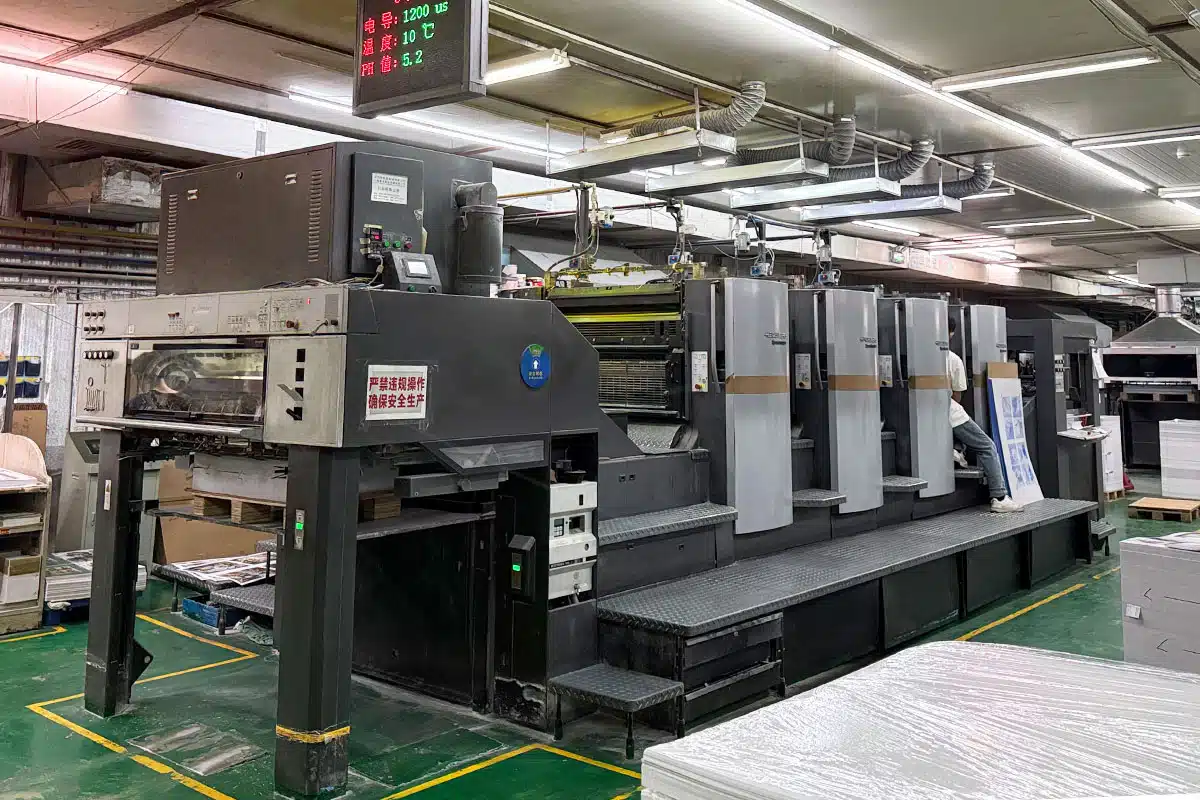
These are not exact opposites. Offset is a printing process: ink transfers from plates to a rubber blanket and then to paper. POD is an order and fulfillment model: a copy is produced after an order is placed, typically using digital printing. A publisher can even use both for the same title.
The deciding question is not simply, “Which printer quotes less per copy?” It is, “Which route leaves a workable margin after production, unsold stock, shipping, storage and order fulfillment?” If you are comparing the underlying press technologies separately, see our offset and digital book printing guide.
Offset printing vs print on demand at a glance
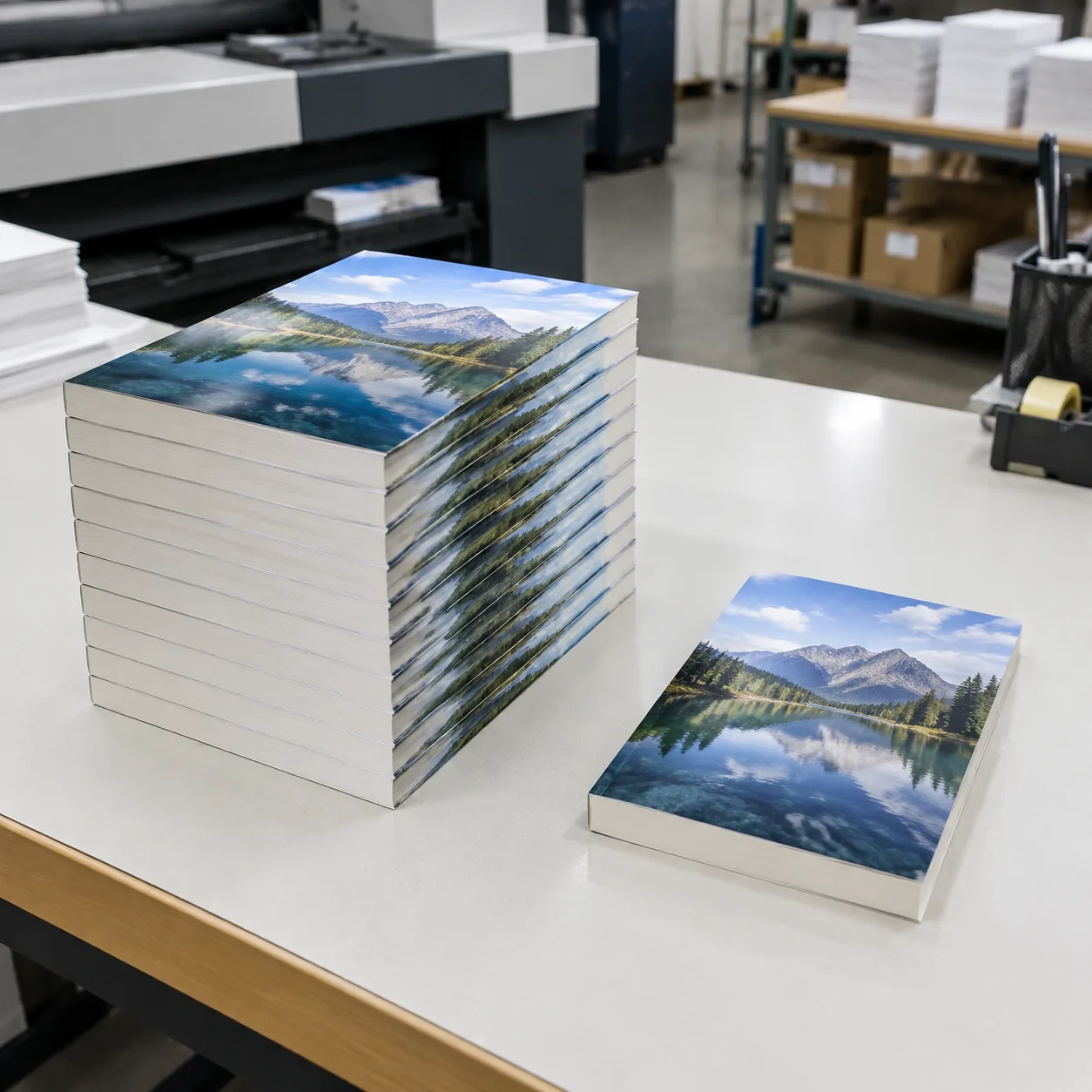
Use this comparison to identify which assumptions need testing with actual quotes. Availability of formats and services varies by supplier.
| Decision factor | Offset print run | Print on demand |
|---|---|---|
| Upfront commitment | Pay for a planned batch and arrange storage or distribution. | Usually pay as copies are ordered; account terms vary. |
| Production cost per copy | Setup is spread across the run, so larger quantities can reduce unit production cost. | Often higher per copy, with little or no batch commitment. |
| Inventory risk | Unsold books tie up cash and space. | Little finished-book inventory is needed. |
| Revisions | Changes generally wait for the next run; existing stock remains unchanged. | Files can be updated for future orders, subject to platform review and processing. |
| المواصفات | Can offer more scope to specify materials and finishes, subject to printer capability and quantity. | Limited to the chosen provider’s available formats and materials. |
| Fulfillment | Requires a plan to store, pick, pack and ship books. | Often integrated with an ordering or retail platform. |
Compare total cost, not just unit price
An offset quote may show an attractive production price per copy, but that figure does not necessarily include freight to your market, import charges, storage, packaging or individual customer shipments. A POD provider’s printing charge may be accompanied by shipping charges and deductions associated with the sales channel. Compare costs at the same selling price and for the same book specification.
For offset, estimate the cash required to make and move the entire batch, then divide by the number of copies you realistically expect to sell, not only the number printed. If some books remain unsold, the effective cost per sold book rises. For POD, calculate the amount retained from each order after printing, platform or retailer deductions, shipping contributions and any other applicable charges.
Paper, trim size, page count, colour, binding and finishing all affect the comparison. Our book printing cost guide explains these production variables in more detail. Obtain written quotes with clearly stated inclusions before relying on a spreadsheet result.
How to estimate your break-even print run
For a first pass, separate fixed batch costs from costs that increase with each book. An illustrative comparison is:
Offset cost for a planned batch = print-run price + inbound freight + import-related costs + storage and handling + expected outbound fulfillment.
POD cost for the same expected sales = per-order printing and fulfillment charges × expected orders, plus any applicable channel charges.
Use comparable assumptions about who pays customer shipping and which sales channel handles the order. Then test more than one sales outcome: for example, a cautious forecast, a likely forecast and a strong-sales case. Do not treat the print quantity as guaranteed sales.
A simple break-even calculation can be misleading if an offset order has minimum quantities, storage costs or a large unsold balance. The useful threshold is the quantity you can reasonably sell within your planning period while maintaining acceptable cash flow. For a closer look at quantity planning, read our guide to estimating unit cost and print run size.
Match the method to demand and cash flow
POD is useful when you are launching an untested title, serving a dispersed audience or expecting frequent text revisions. You can make the book available without predicting a full print run. That flexibility has a cost: production economics are assessed copy by copy, and your margins depend heavily on the provider and sales channel.
Offset becomes more attractive when you have credible demand, such as fulfilled preorders, recurring institutional purchases or a reliable direct-sales audience. A larger batch can support planned events and wholesale orders, provided the books arrive where they are needed. Offset is not automatically the better choice simply because its quoted unit production price is lower.
Set a budget for stock you can afford to hold. Estimate how long it may take to sell through, and decide what you would do with remaining books if demand falls short. If the title is seasonal or its information may date quickly, inventory risk deserves extra weight.
Check format and print-quality requirements

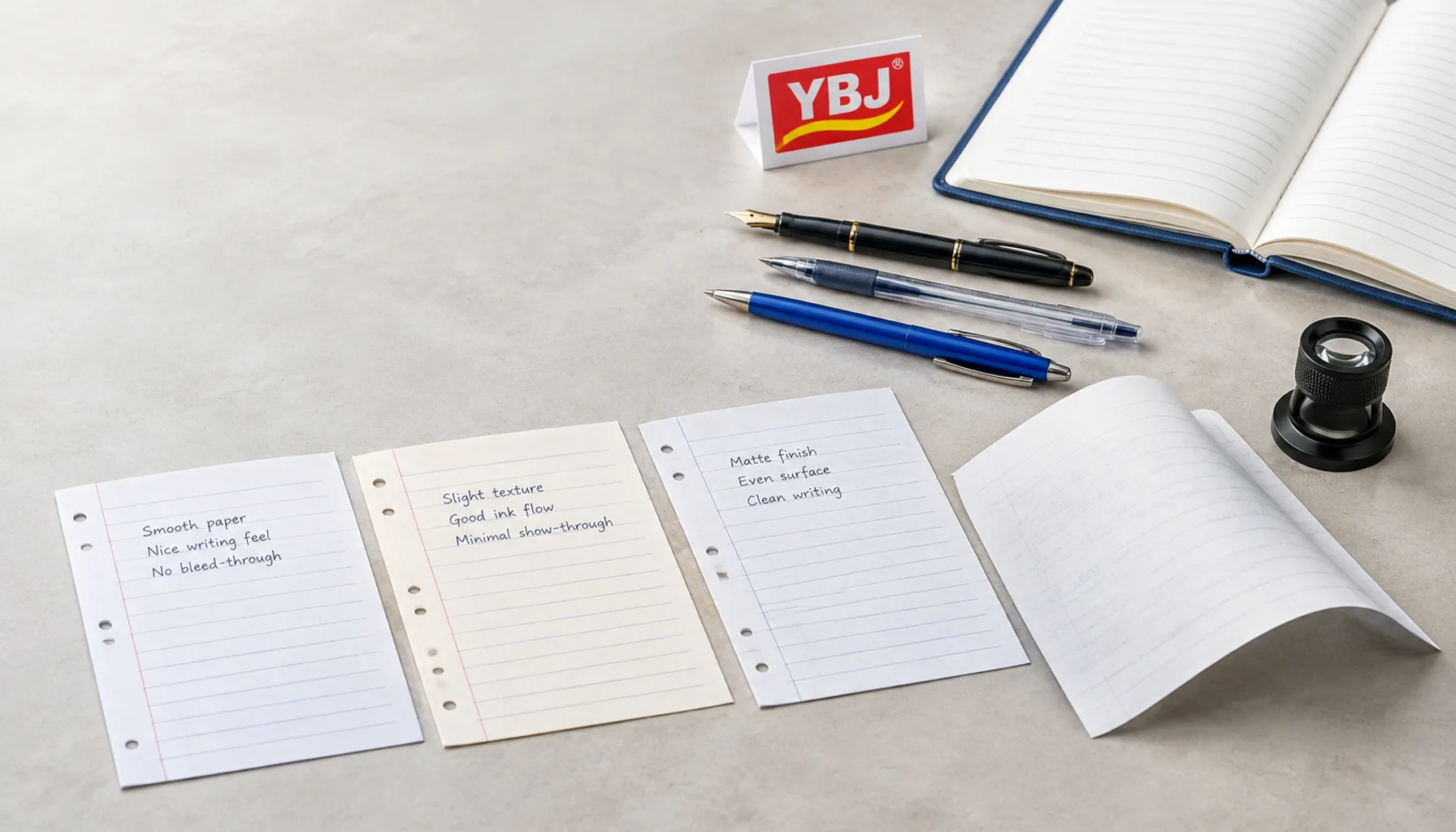
Neither route guarantees a better-looking book. Results depend on the press, file preparation, paper, binding and quality controls used by the supplier. Request a physical sample or suitable proof where the project’s colour, feel or construction matters. A screen preview cannot show paper opacity, cover stiffness, binding behaviour or the exact appearance of printed colour.
Compare like with like: identical trim dimensions, page count, interior colour specifications and intended cover style. A paperback available through a POD catalogue may use different paper from a custom offset edition. If the specifications differ, the books may serve different price points rather than being interchangeable products.
For image-heavy work, discuss colour expectations and proofing before committing. Print files should be prepared to the chosen supplier’s requirements; our CMYK, RGB and Pantone guide for book printing explains common colour decisions. Confirm any special paper, finish or binding against a supplier’s actual specifications instead of assuming either process supports it.
Which approach suits your book format?
Book type alone does not determine the answer. Treat these as starting points, then check your supplier’s format list and price the exact specification.
| Book project | When POD may fit | When an offset run may fit |
|---|---|---|
| Text-led paperback | Testing demand or keeping a backlist title available with minimal stock. | Supplying a known audience, events or bulk buyers from held inventory. |
| Full-colour illustrated book | Low-volume sales when an available format and sample meet your expectations. | A planned run where paper choice, colour review and unit economics justify inventory. |
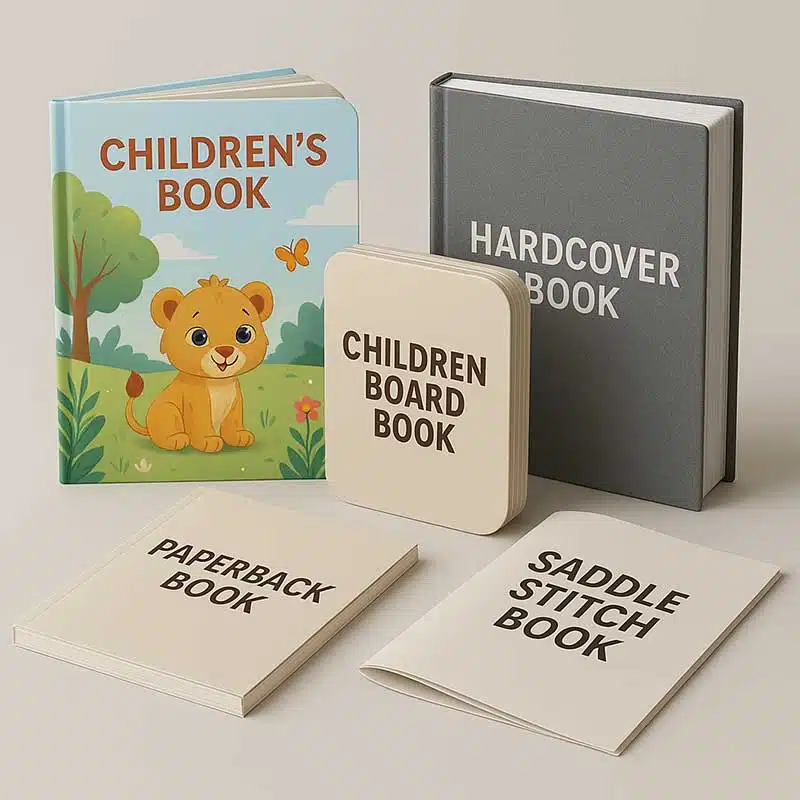
| Hardcover edition | A provider offers the required size and construction, and sales volume is uncertain. | You need an agreed custom specification and have a credible sales plan for the run. |
| Frequently revised reference book | Updates are a priority and old stock would become obsolete. | Content is stable and confirmed orders support a batch. |
For cover construction and positioning, see our hardcover versus paperback printing guide.
Plan for distribution, storage and shipping

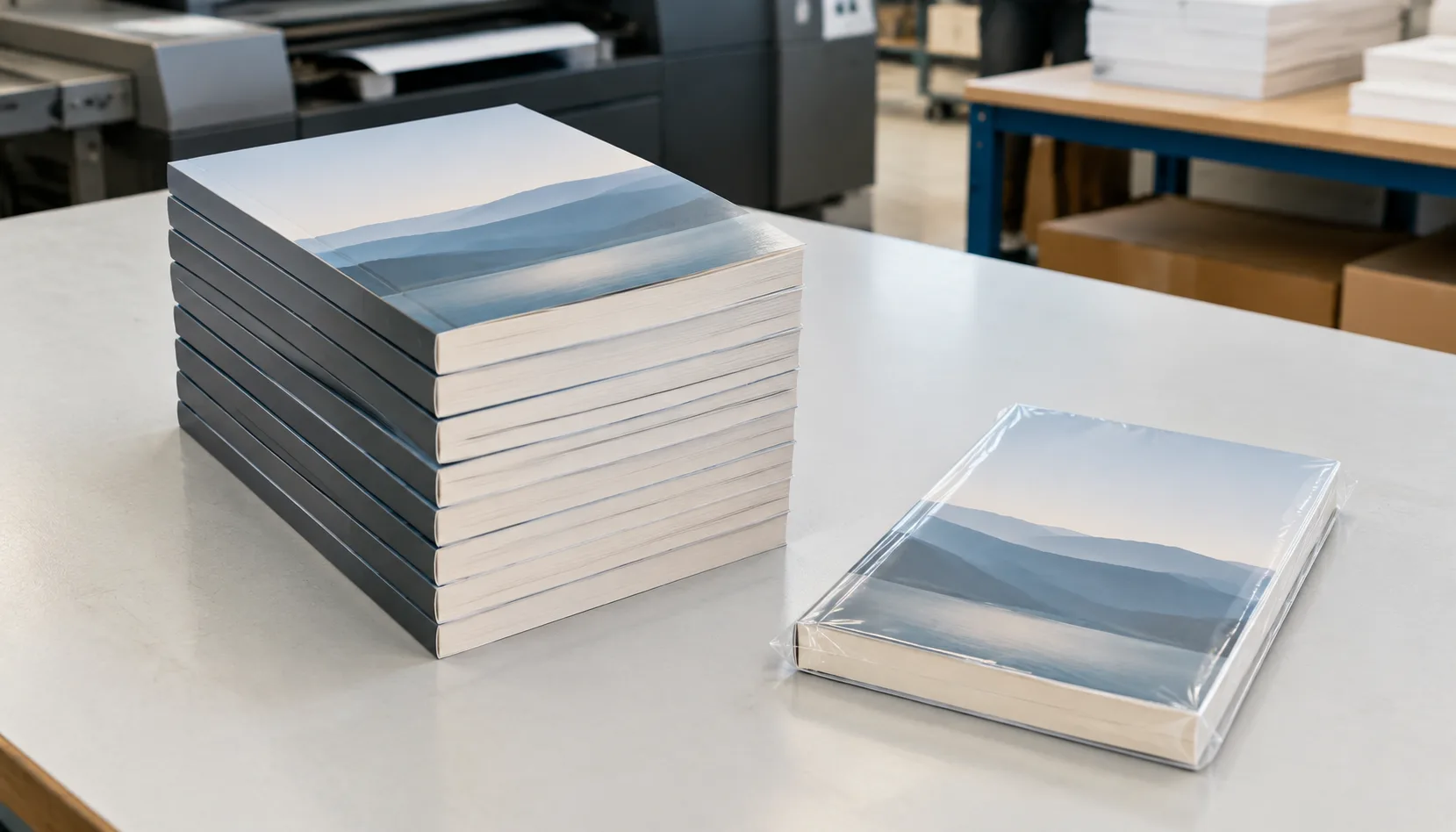
Offset printing produces inventory; it does not by itself put books into readers’ hands. Before ordering, decide whether stock will go to your premises, a distributor or a third-party fulfillment provider. Check receiving requirements, carton handling, storage fees, pick-and-pack charges and the cost of delivering single orders. If books cross borders, clarify freight terms and who is responsible for import formalities and applicable charges.
POD can simplify individual-order fulfillment when printing is connected to your storefront or retailer. However, confirm which destinations the provider serves, what customers pay for shipping and how returns are handled. A POD listing does not necessarily give you the same commercial terms or control as holding stock for direct sales.
Timing also differs. An offset project needs time for file approval, production, freight and any local distribution steps before stock is ready to sell. POD production begins after an order is placed. Ask each provider for a project-specific schedule; neither route should be described with a universal delivery date.
When a hybrid approach makes sense
You do not have to choose one model for every order. A self-publisher might use POD to establish demand, then order an offset run for direct sales or a confirmed bulk purchase. POD may remain available for locations where holding inventory is impractical. Another publisher might keep a standard edition on POD while producing a separately specified edition for events or supporters.
Plan the editions deliberately. Differences in trim size, paper, cover finish or spine width may require separate print files and product listings. Check how ISBNs, edition descriptions and retailer metadata should be managed for your particular distribution arrangement. Do not assume that changing the production method automatically creates a new edition, or that substantially different physical books should share the same listing.
Before switching, compare a current POD sample with an offset proof or production sample against the specifications your readers expect. A hybrid strategy works best when buyers understand what they are ordering and you can track margins for each channel separately.
Buyer checklist before requesting prices
- Define the book: Record product type, trim size, page count, interior colour, paper preference, binding and cover finish.
- Check demand: Separate confirmed orders from forecasts and estimate sales over a realistic period.
- Price comparable quantities: Request offset quotes at relevant run sizes and obtain POD charges for the closest available specification.
- List all destinations: Identify the country where bulk stock would arrive and the countries where customer orders will be delivered.
- Account for every handoff: Include freight, import-related charges where applicable, storage, pick-and-pack, customer shipping and sales-channel deductions.
- Inspect samples: Check paper, colour, binding and cover construction against what your readers will receive.
- Confirm file status: State whether print-ready interior and cover files are complete or still being revised.
- Protect cash flow: Decide how much unsold inventory you can hold and when another run would be viable.
Ask suppliers to identify exclusions and the assumptions behind their quotes. A comparison is only useful when the books, delivery terms and fulfillment responsibilities are clear.
The practical decision
For an untested self-published title, POD can limit financial exposure and make revisions easier. For a title with dependable demand and an established fulfillment plan, offset printing may improve production economics and offer greater control over the physical specification. A combination can serve different sales channels.
Your answer depends on the exact book, realistic sales volume, cash available for inventory, supplier specifications, shipping route and distribution costs. Compare physical samples and written, like-for-like quotes before committing to a run.
الأسئلة الشائعة
Is print on demand the same as digital printing?
No. Print on demand describes producing a book after an order is received. Digital printing is the production method commonly used to make that practical. Digital presses can also be used for short batches that are not fulfilled on demand.
At what quantity does offset printing become cheaper than POD?
There is no universal threshold. The break-even quantity changes with page count, colour, paper, binding, offset setup, freight, storage, fulfillment charges and the number of copies actually sold. Request quotes for your specification and compare total cost under realistic sales scenarios.
Can I start with POD and move to offset later?
Yes. This can let you test demand before funding inventory. When changing suppliers, check trim size, paper, cover layout, spine width, print files and any distribution metadata so the later edition meets your expectations.
Does offset printing produce better-quality books?
Not automatically. Both offset and digitally printed books can be suitable for sale. Compare samples made with the relevant paper, colour settings and binding, and confirm which specifications each supplier can provide.
What information should I send for an offset book quote?
Provide the product type, trim size, page count, quantity, interior colour, paper and binding preferences, cover finish, file status and destination country. Share any required delivery arrangement or physical sample so the printer can clarify specifications and quote assumptions.
Discuss Your Book Print Run
Planning an offset edition of your self-published book? Request a project-specific quote from YBJ Printing. Include your product type, trim size, page count, quantity, paper or binding preference, finish, file status and destination country so the team can review the specification and clarify pricing and delivery assumptions.