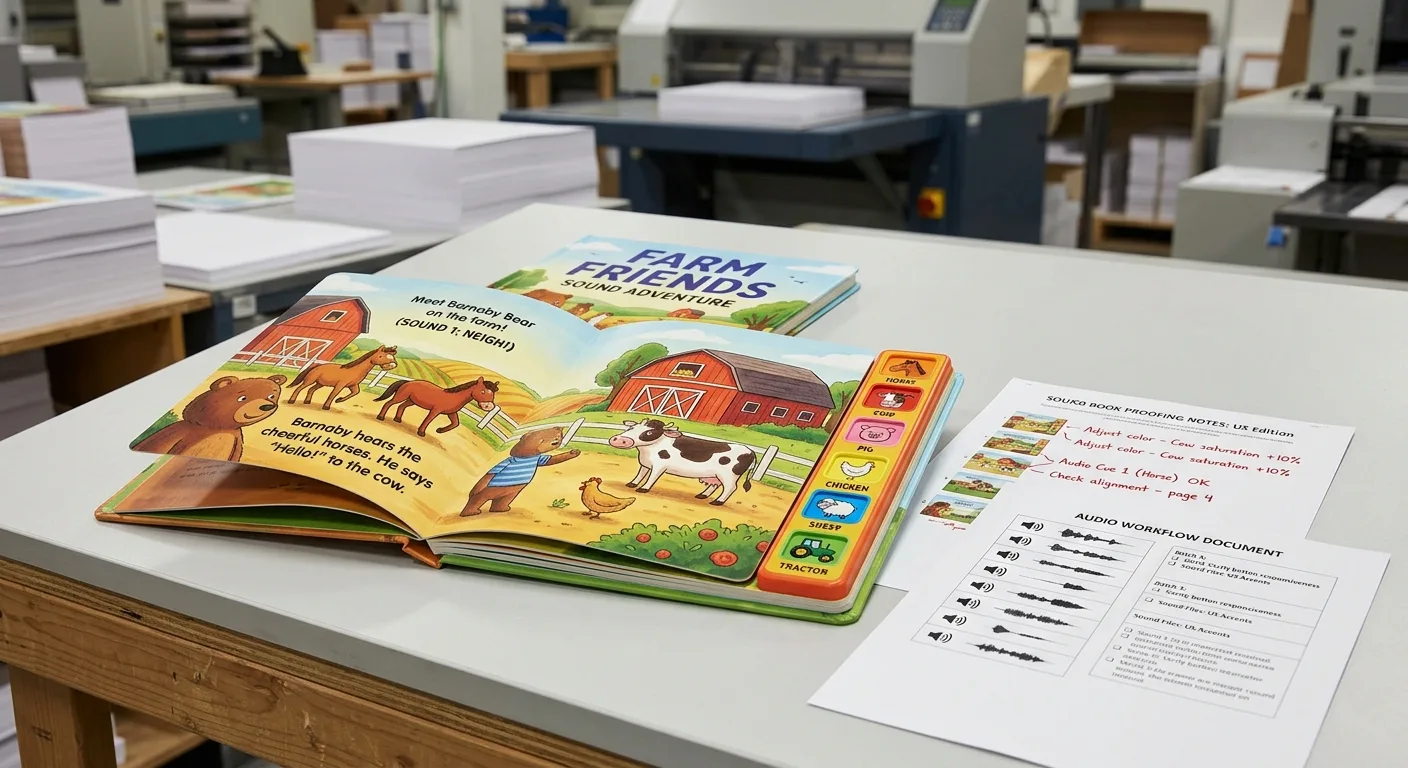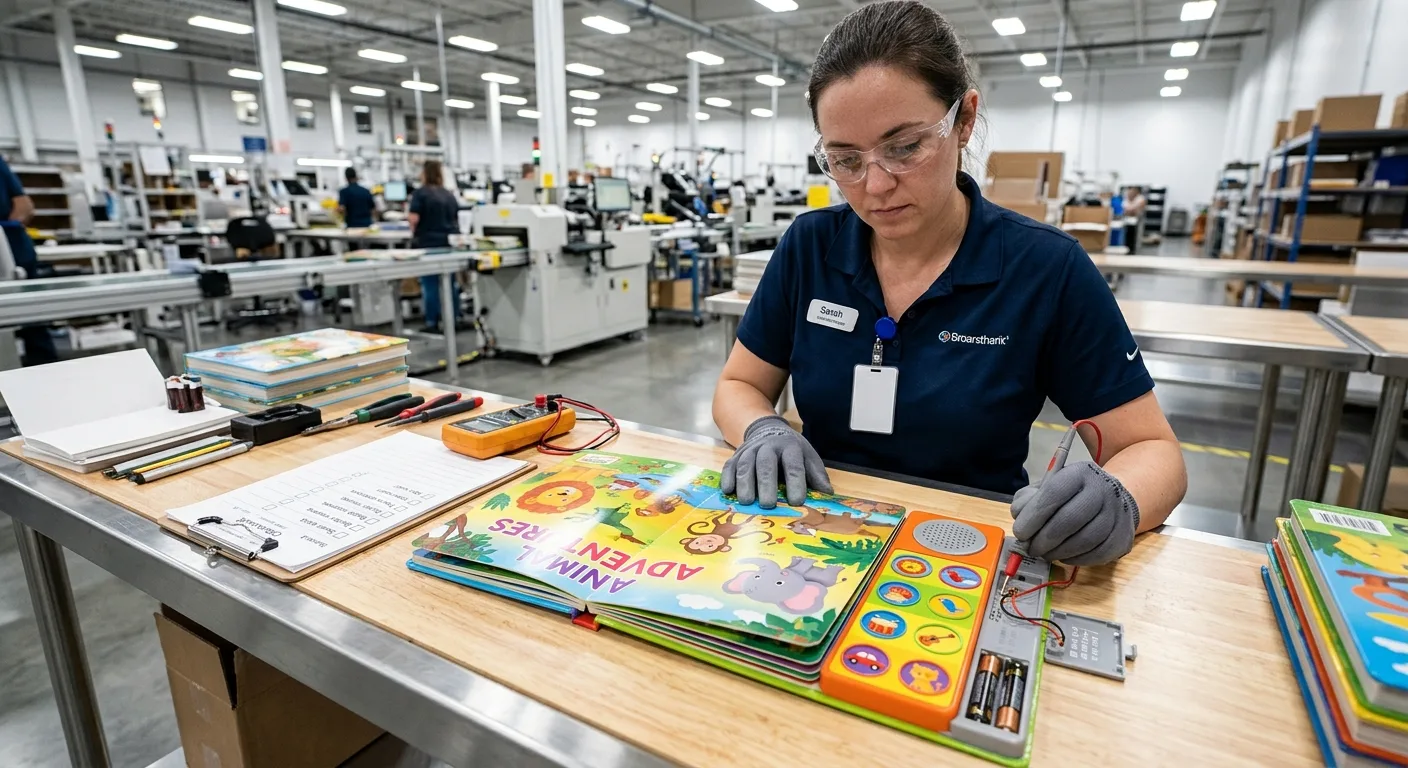

Para los responsables de compras internacionales y los desarrolladores de productos, pasar de la producción de un prototipo a la de miles de unidades supone una transición fundamental. Si bien la impresión digital local resulta suficiente para tiradas pequeñas, la rentabilidad cambia drásticamente a medida que aumentan los volúmenes. Colaborar con una empresa especializada Fábrica de impresión en China sigue siendo una de las medidas más estratégicas para las empresas que buscan garantizar servicios de impresión a gran escala de alta calidad y, al mismo tiempo, proteger sus márgenes de beneficio.
Esta guía analiza las razones técnicas y operativas por las que China sigue dominando la cadena de suministro mundial del sector de la impresión, centrándose en la escalabilidad, las infraestructuras avanzadas y la logística de exportación.
Las economías de escala en la impresión offset
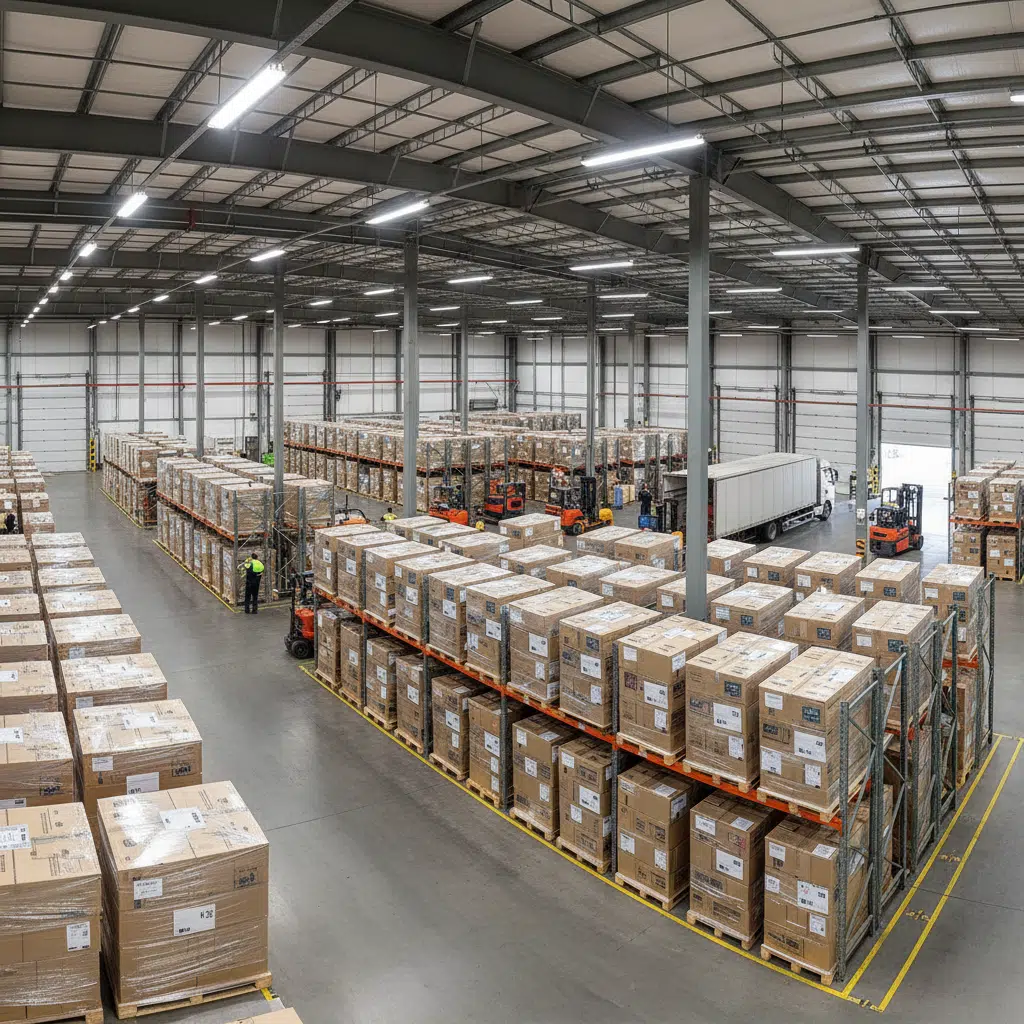
El principal motivo para trasladar la producción a China es la estructura de costes de la fabricación a gran escala. A diferencia de la impresión digital, que tiene un coste unitario fijo, la impresión offset conlleva unos costes de puesta a punto considerables (creación de planchas, calibración de la máquina), pero ofrece una reducción de los costes unitarios a medida que aumenta el volumen.
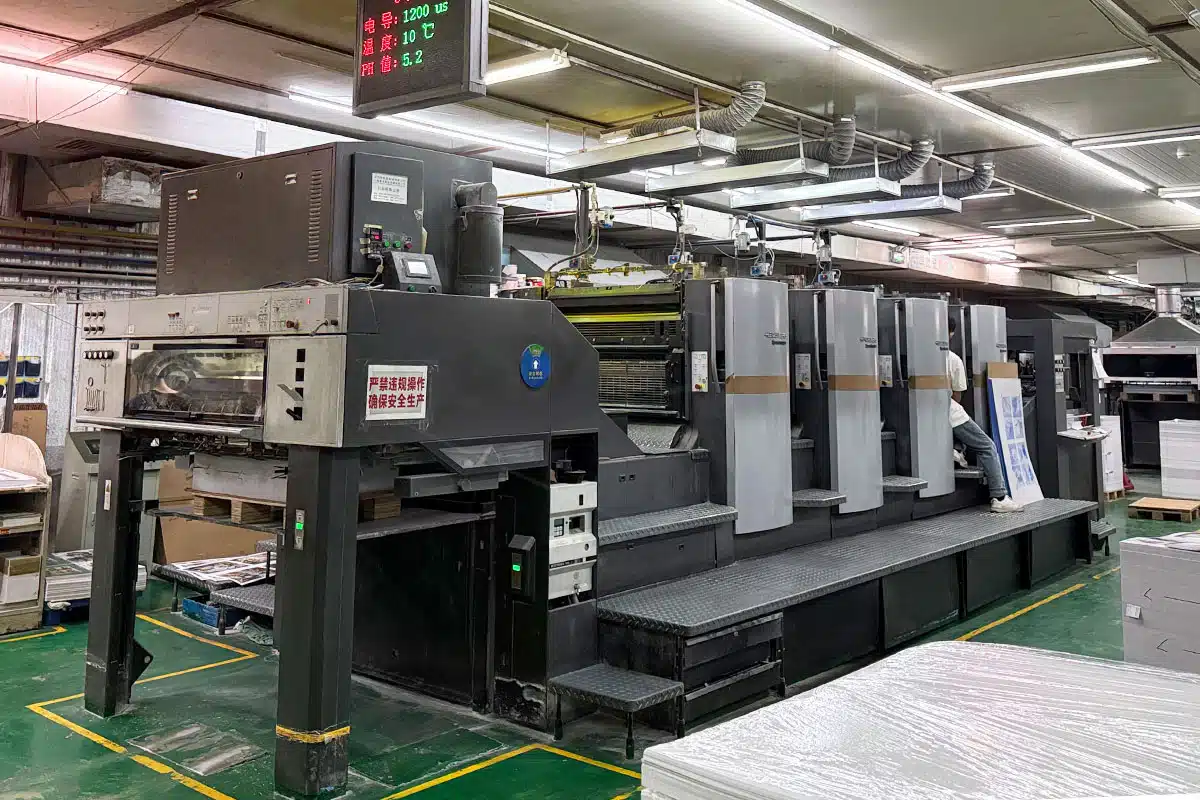
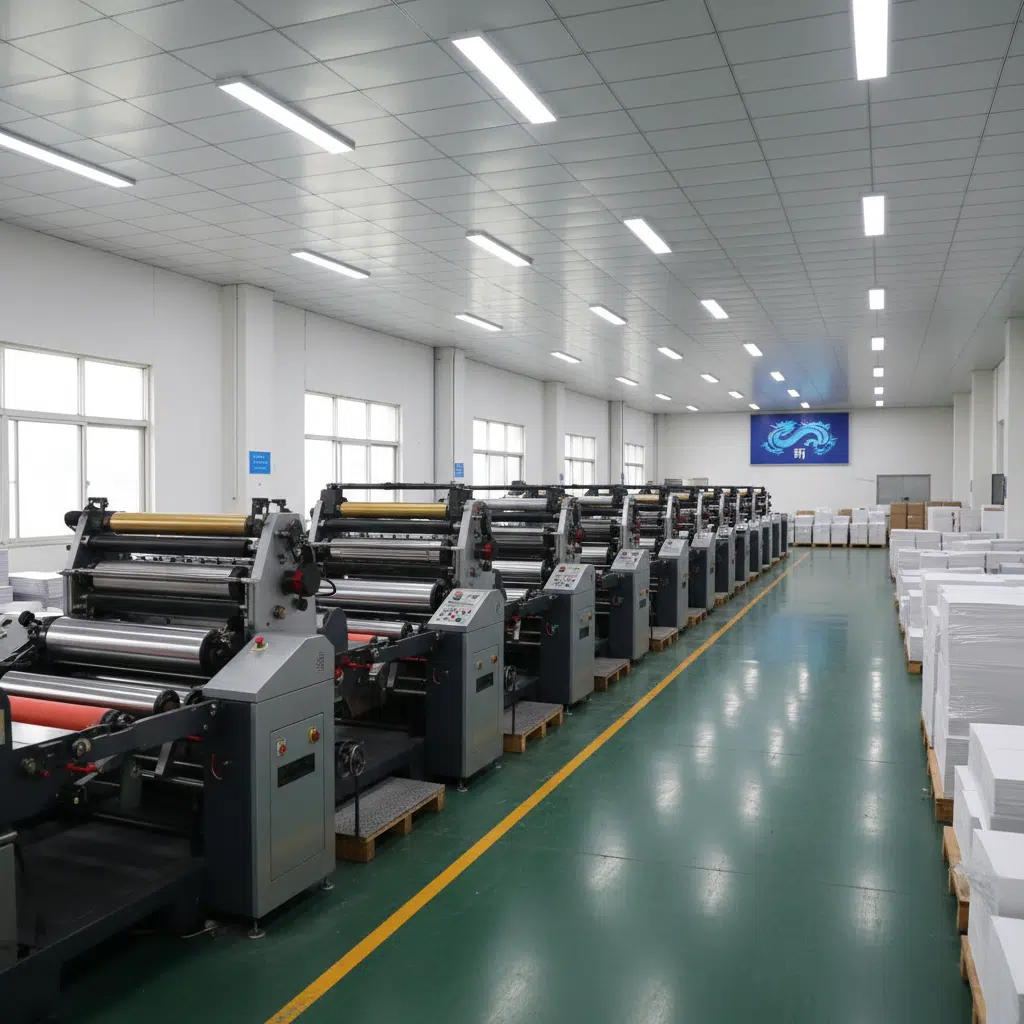
La industria de la impresión china está optimizada para este modelo de «economías de escala». Las fábricas de este país están equipadas con prensas offset de nivel industrial (como las máquinas Heidelberg o Komori) que funcionan las 24 horas del día, los 7 días de la semana. Al encargar 5.000, 10.000 o 50.000 unidades de libros, embalajes o juegos de cartas, el coste unitario se reduce significativamente en comparación con la producción nacional en los mercados occidentales. Esto no se debe únicamente a los costes laborales, sino más bien a la eficiencia de todo el ecosistema industrial.
Infraestructura avanzada y capacidades de fabricación de equipos originales (OEM)
Una idea errónea muy extendida es que la externalización es únicamente una medida de reducción de costes que sacrifica la calidad. En realidad, los fabricantes chinos de primer nivel suelen disponer de equipos que superan a los que hay en las imprentas locales más pequeñas.
Equipos de última generación
Las fábricas más importantes realizan importantes inversiones en automatización para garantizar la uniformidad en los lotes de gran volumen. Por lo general, encontrarás:
- Prensas offset de alta velocidad: Capaz de imprimir miles de hojas por hora con un registro de color preciso.
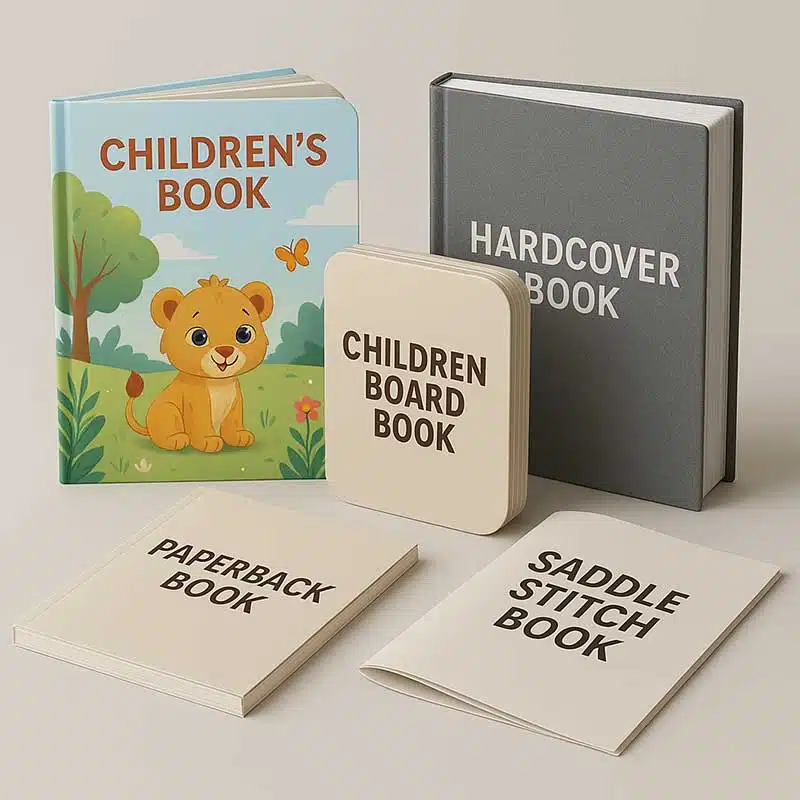
- Líneas de encuadernación automatizadas: Para libros con encuadernación sin costuras, cosidos con grapas o de tapa dura.
- Acabado en nuestras propias instalaciones: Máquinas de laminado, troquelado, estampado en caliente y barnizado UV integradas en la línea de producción para reducir el tiempo de manipulación.
Amplia variedad de materiales
Dado que China es un centro mundial de fabricación de papel y cartón, las fábricas tienen acceso inmediato a una amplia variedad de materias primas. Tanto si necesitas papel artístico C1S/C2S, cartón kraft, cartón gris para cajas rígidas o tintas ecológicas a base de soja, un socio de impresión OEM especializado puede suministrarte estos materiales de forma rápida y rentable.
Cadena de suministro y logística integradas
Uno de los argumentos más sólidos a favor de elegir una imprenta china es la madurez de la cadena de suministro. Un proyecto de impresión rara vez se limita a la tinta sobre papel; a menudo incluye imanes, cintas, inserciones de plástico o bandejas moldeadas al vacío (especialmente para juegos de mesa y embalajes de lujo).
En los centros de fabricación, estos componentes se adquieren de proveedores cercanos, lo que reduce los tiempos de transporte y las dificultades logísticas. Una fábrica especializada actúa como gestora del proyecto, integrando estos elementos en un producto final listo para su venta al por menor.
Embalaje listo para la exportación
Las fábricas con experiencia conocen bien las exigencias del transporte internacional. Los pedidos al por mayor no se limitan a meterse en cajas sin más; se paletizan, se envuelven con film retráctil y se embalan en cajas de cartón ondulado de doble pared para que resistan semanas de transporte marítimo. Esta atención a la logística de exportación minimiza el riesgo de daños durante el transporte, un factor crucial para los compradores B2B que importan miles de unidades.
Control de calidad y gestión del color
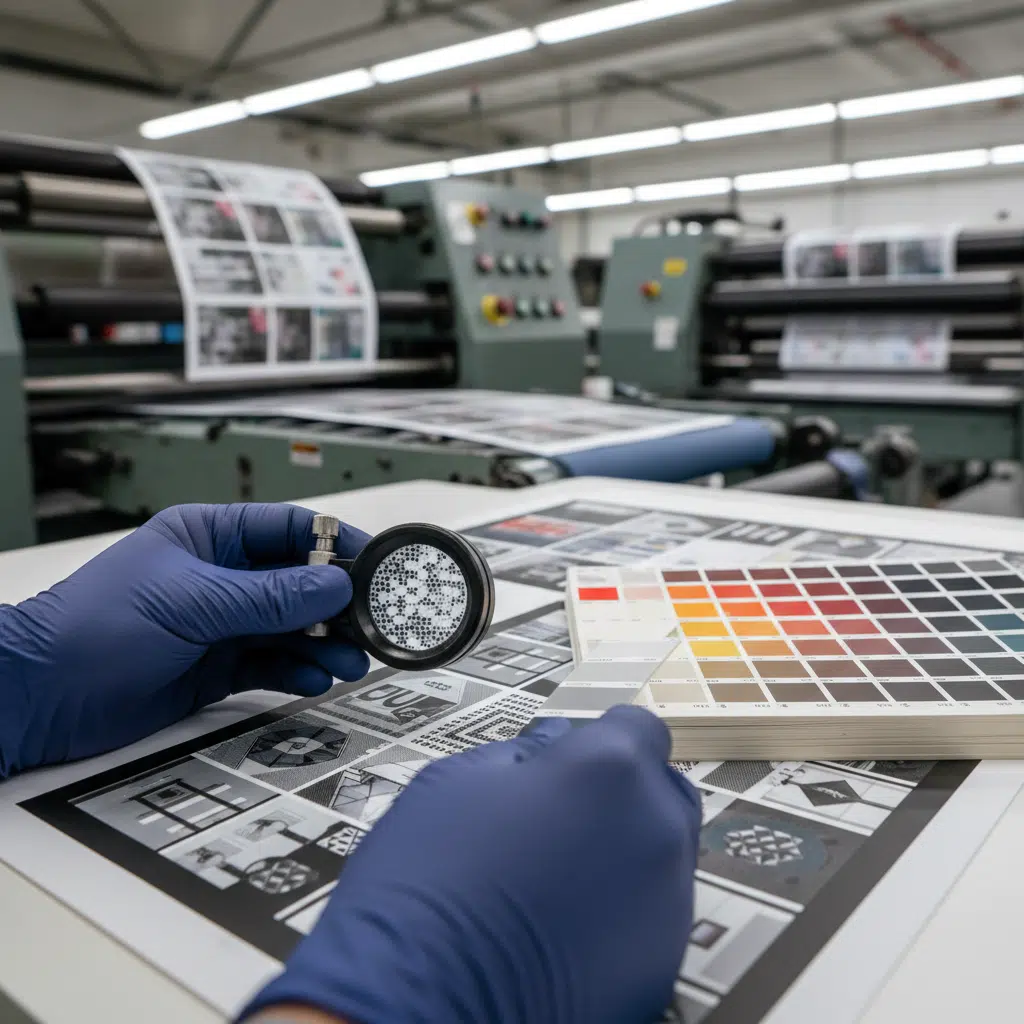
Mantener la coherencia de la marca en un pedido al por mayor supone un reto técnico. Las imprentas profesionales chinas utilizan sistemas estandarizados de gestión del color (como G7 o ISO 12647) para garantizar que el resultado final se ajuste a las pruebas aprobadas.
Los procesos estándar de control de calidad incluyen:
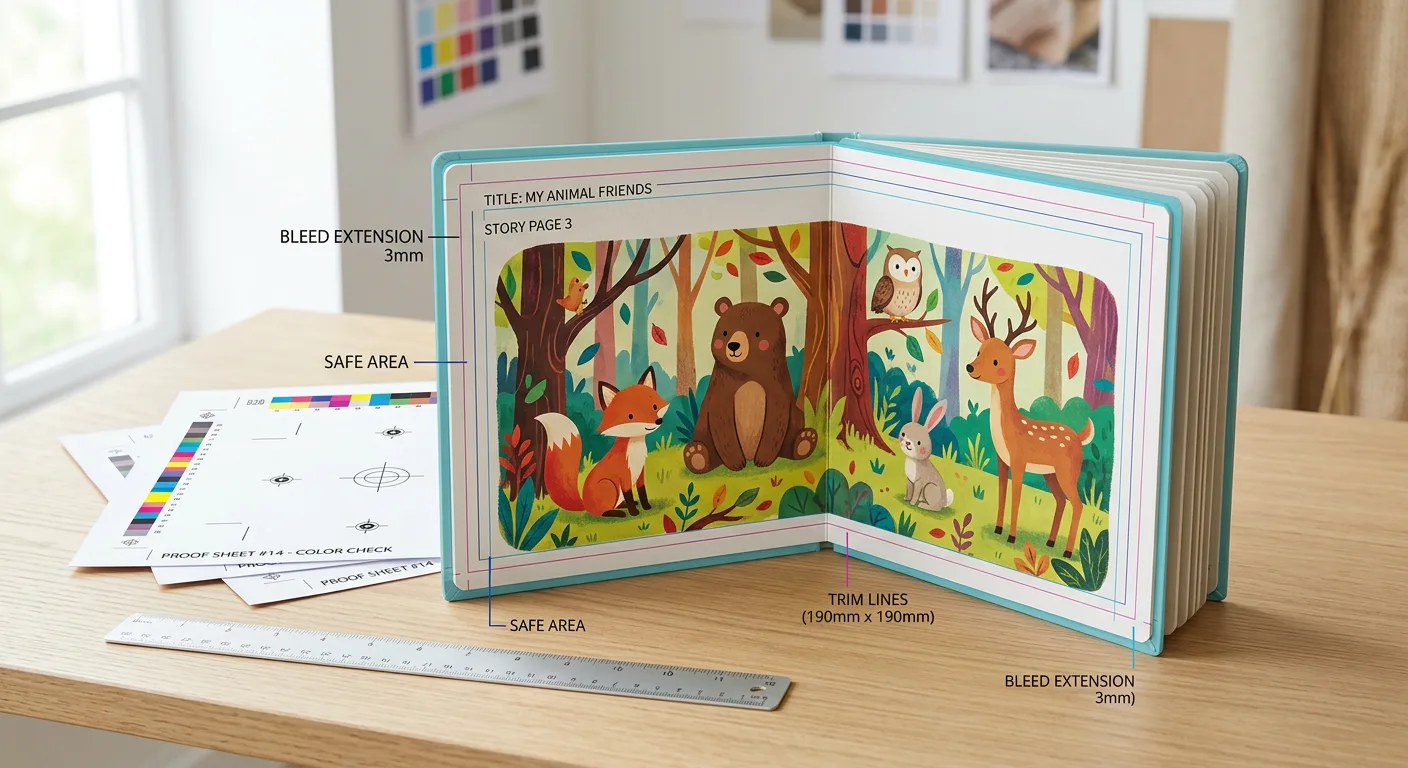
- Comprobaciones previas al vuelo: Los ingenieros revisan los archivos de diseño para detectar posibles problemas relacionados con el sangrado, la resolución y el modo de color (CMYK) antes de que se fabriquen las planchas.
- Pruebas digitales: Envío de pruebas impresas o pruebas húmedas al cliente para su aprobación física.
- Comprobaciones durante la impresión: Los operarios ajustan la densidad de la tinta durante la tirada para mantener la uniformidad.
- Muestreo aleatorio: Los equipos de control de calidad inspeccionan los productos terminados para comprobar la resistencia de la encuadernación, la precisión del recorte y la presencia de defectos de acabado.
Lista de comprobación: Evaluación de un socio fabricante
No todas las fábricas son iguales. A la hora de elegir un socio para la impresión OEM, ten en cuenta los siguientes criterios para garantizar la fiabilidad.
| Factor | Qué hay que tener en cuenta |
|---|---|
| Experiencia | Años de actividad y experiencia en la exportación a tu región concreta (EE. UU., UE, etc.). |
| Comunicación | Equipos de ventas eficaces que dominen el inglés técnico y la terminología del sector de la impresión. |
| Muestras | Disponibilidad para enviar un kit de muestras de trabajos anteriores o un prototipo a medida. |
| Flexibilidad en cuanto a la cantidad mínima de pedido | Políticas claras sobre las cantidades mínimas de pedido (normalmente entre 500 y 1000 unidades para la impresión offset). |
Preguntas frecuentes
¿Cuál es el plazo de entrega habitual para los pedidos de impresión a gran escala en China?
Los plazos de entrega varían en función de la complejidad y el volumen. Por lo general, la producción tarda entre 2 y 4 semanas tras la aprobación de la prueba. El transporte marítimo puede añadir entre 4 y 6 semanas más, dependiendo del destino. Los compradores deben planificar sus calendarios teniendo en cuenta este ciclo total de entre 8 y 10 semanas.
¿Por qué la impresión offset es mejor que la digital para pedidos al por mayor?
La impresión offset ofrece una fidelidad de color superior y permite imprimir en una gama más amplia de soportes. Aunque el coste de preparación es más elevado, el coste unitario disminuye drásticamente a mayores volúmenes, lo que la convierte en la norma para la impresión comercial a granel.
¿Cómo me aseguro de que los colores coincidan con mi diseño?
Solicite siempre una prueba en papel (muestra física) antes de iniciar la producción en serie. Asegúrese de que sus archivos están en modo CMYK y especifique los códigos Pantone (PMS) de los colores críticos de la marca para guiar el proceso de igualación de color de la fábrica.
¿Puede la fábrica personalizar el embalaje de mis productos?
Sí, la mayoría de las imprentas integrales también están especializadas en envases de papel. Pueden producir cajas rígidas personalizadas, cajas plegables y cajas expositoras que estén a la altura de la calidad del producto impreso en su interior.
¿Está listo para ampliar su producción?
Elegir al socio de fabricación adecuado es el primer paso hacia el éxito de la producción en masa. Si busca una fábrica de impresión china de confianza con experiencia en pedidos de exportación de gran volumen, estamos aquí para ayudarle.
Póngase en contacto con nosotros hoy mismo para solicitar un presupuesto u obtener un kit de muestras para comprobar nuestra calidad de primera mano.