
A la hora de dar los últimos retoques a un proyecto de impresión, especialmente en el caso de portadas de libros, catálogos o cajas rígidas, la elección del laminado no es solo una decisión estética, sino también funcional. El acabado que se elija determina la resistencia del producto al desgaste, el aspecto de los colores y la primera impresión táctil que causa en el usuario final.
Para los responsables de compras y los editores, el debate suele reducirse a dos opciones bien diferenciadas: la durabilidad y el brillo intenso de laminación brillante frente al tacto lujoso y aterciopelado de laminado de tacto suave. Ambos ofrecen protección contra la humedad y los desgarros, pero su comportamiento ante la tinta y el manejo es muy diferente.
Esta guía compara el laminado «soft touch» y el laminado brillante en cuanto a durabilidad, resistencia a las rozaduras y costes de producción, con el fin de ayudarte a elegir el acabado adecuado para tu próximo encargo de impresión a gran escala.
Conceptos básicos: ¿Qué es el laminado de impresiones?
En la impresión comercial, el laminado consiste en adherir una fina película de plástico (normalmente de polipropileno o poliéster) a la superficie del papel impreso mediante calor y presión. Este proceso aporta rigidez, resistencia al agua y resistencia al desgarro.
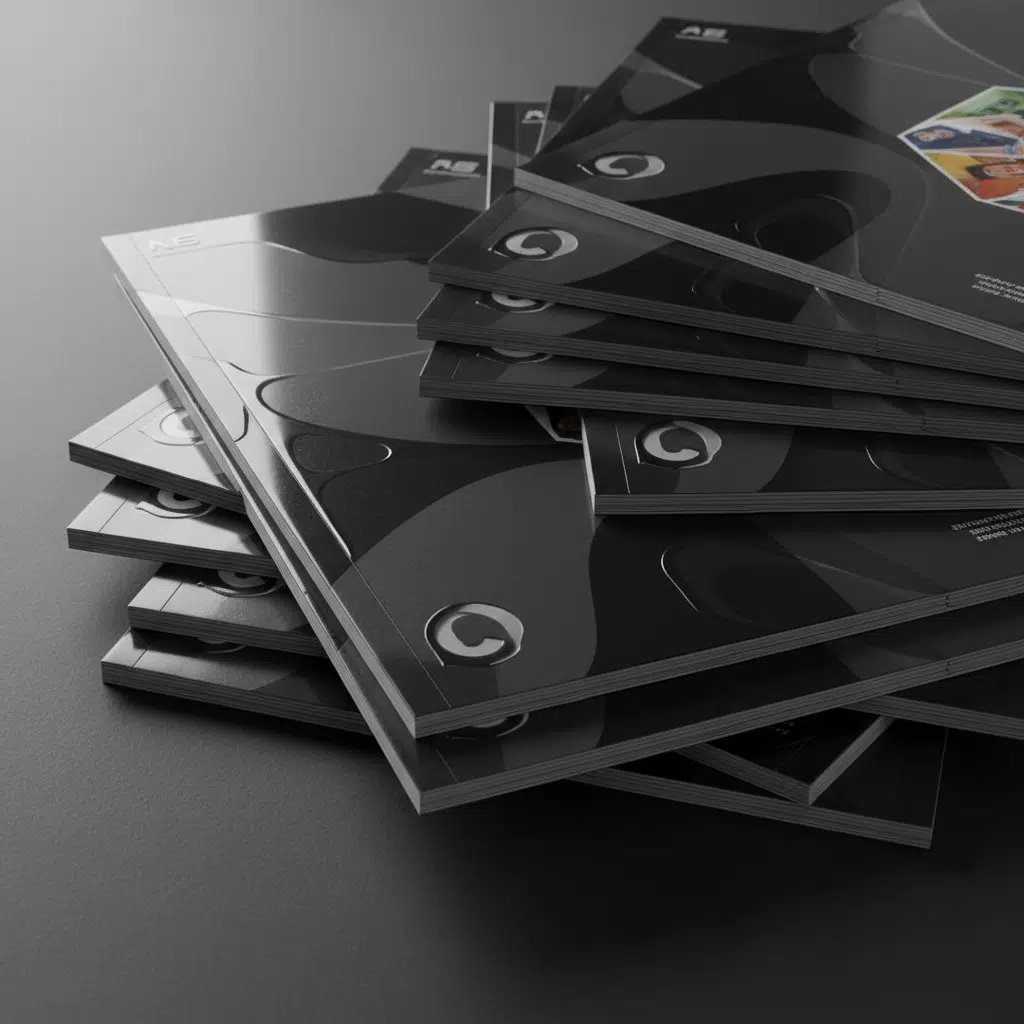
- Laminación brillante: Un acabado brillante y reflectante que realza la saturación del color y el contraste. Es el estándar del sector para libros de texto, folletos y libros infantiles.
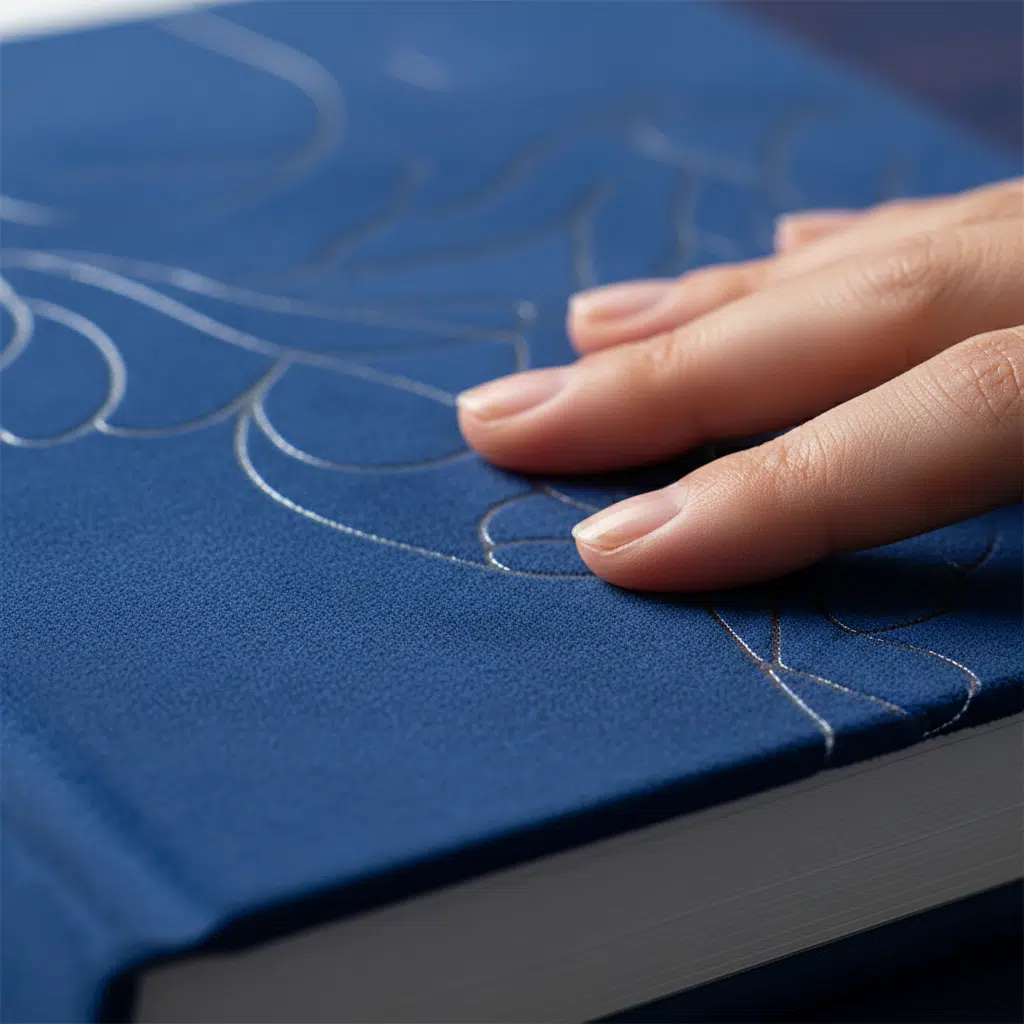
- Laminado «Soft Touch»: Un acabado mate especial (que a menudo se denomina «laminado aterciopelado») que ofrece una experiencia táctil única. No tiene brillo y su tacto es similar al del terciopelo de pelo corto o a la suave piel de melocotón.
1. Impacto visual y intensidad del color
La interacción entre la película laminada y la tinta subyacente es el factor principal que determina la estética visual.
Brillo: Máxima intensidad
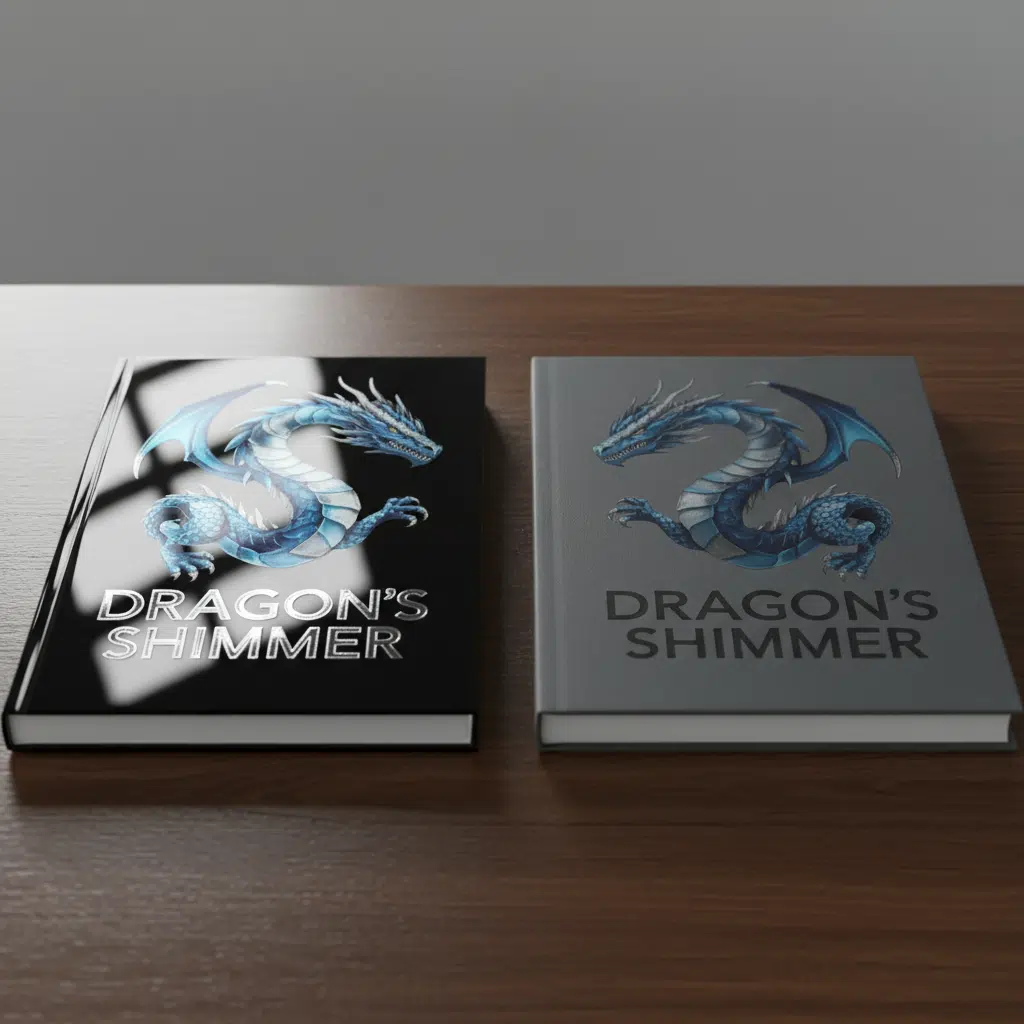
El laminado brillante actúa como un barniz que intensifica los negros y hace que los colores resalten. Refleja la luz, lo que atrae la mirada hacia las imágenes y los diseños de alto contraste. Si tu diseño se basa en fotografías o degradados vivos, o si necesita destacar en una estantería repleta de productos, el laminado brillante suele ser la opción más segura.
Soft Touch: elegancia sofisticada
El «soft touch» es un tipo de laminado mate. Al igual que el mate estándar, difunde la luz en lugar de reflejarla. Esto puede «aplanar» ligeramente la paleta de colores, reduciendo el contraste pero creando un aspecto sofisticado y discreto. Es muy apreciado para libros de arte, informes corporativos de lujo y envases de alta gama, donde el objetivo es lograr una elegancia discreta en lugar de llamar la atención a toda costa.
2. Experiencia táctil: el factor «sensación»
En el ámbito B2B, especialmente en el caso de los envases de lujo y los libros de gran formato, la experiencia táctil es un factor diferenciador fundamental.
Tacto suave Está diseñada específicamente para el tacto. La película de polipropileno biorientado (BOPP) utilizada en el laminado «soft-touch» cuenta con un recubrimiento especial que crea una sensación aterciopelada al tacto. Cuando un cliente coge un libro con acabado «soft-touch», la percepción de valor aumenta de inmediato. Transmite una sensación de lujo y exclusividad.
Brillo Da una sensación de elegancia y suavidad. Es funcional y resulta familiar. Aunque no ofrece una sorpresa táctil «de primera calidad», su suavidad se asocia con la limpieza y la durabilidad.
3. Durabilidad y resistencia a las rozaduras
En el caso de los artículos que se van a manejar con frecuencia —como manuales de formación, menús o anuarios escolares—, la durabilidad es la prioridad.
Resistencia a los arañazos y las rozaduras
- Laminación brillante: Es extremadamente resistente. Su superficie lisa resiste bien los arañazos y, al reflejar la luz, los pequeños arañazos suelen quedar ocultos por el brillo. Se limpia fácilmente con un paño.
- Laminado «Soft Touch»: Aunque las láminas mates estándar son conocidas por mostrar marcas de roce, las láminas de tacto suave de alta calidad suelen ser más resistentes a los arañazos que las mates estándar. Sin embargo, no son indestructibles. Un uso intensivo puede acabar alisando la textura en las zonas más expuestas al contacto.
La cuestión de las huellas dactilares
Este es un aspecto fundamental a tener en cuenta en el caso de las fundas oscuras (negras, azul marino, rojo intenso).
- Glosario: Se ven fácilmente las huellas dactilares, pero se limpian con facilidad.
- Tacto suave: Los acabados mates estándar dejan muy evidentes las huellas dactilares grasientas. Sin embargo, las láminas «soft touch» de alta calidad suelen estar tratadas para ser resistentes a las huellas dactilares. A pesar de ello, sobre fondos negros lisos, la grasa de las manos puede seguir siendo visible con el paso del tiempo.
4. Consideraciones sobre la producción y los costes
A la hora de calcular el coste unitario de una tirada de producción a gran escala, el acabado puede influir en el presupuesto.
Implicaciones económicas
El «Soft Touch» es una película especial. Suele ser más cara que el laminado brillante o mate estándar; a menudo, el sobrecoste oscila entre 10% y 25%, dependiendo de la marca concreta de la película y del volumen de compra al proveedor. En tiradas masivas (por ejemplo, más de 50 000 unidades), esta diferencia de coste resulta significativa. En tiradas más pequeñas o en artículos de lujo, el aumento del valor percibido suele compensar el coste de la materia prima.
Efectos posteriores a la impresión (UV selectivo y laminado metalizado)
Si tu diseño incluye UV directo (una capa transparente brillante sobre determinadas zonas) o Estampación en caliente, el sustrato es importante.
- La mejor combinación: Laminado «Soft Touch» + barniz UV selectivo. El contraste entre el fondo aterciopelado ultramate y el barniz UV de alto brillo crea un efecto visual y táctil impresionante. Se trata de una de las principales tendencias en el diseño de portadas de libros.
- Combinación estándar: El laminado brillante + barniz UV selectivo apenas se utiliza porque no hay suficiente contraste entre el laminado brillante y el barniz UV brillante.
Resumen comparativo: de un vistazo
| Característica | Laminación brillante | Laminado «Soft Touch» |
|---|---|---|
| Acabado visual | Colores muy brillantes, reflectantes y vivos | Elegancia discreta, ultramate y sin reflejos |
| Sensación táctil | Resbaladizo, liso, como el cristal | Textura aterciopelada, suave, como la piel de melocotón |
| Resistencia a las rozaduras | Alta (oculta bien los arañazos) | De moderado a alto (mejor que el mate estándar) |
| Huellas dactilares | Se ve, pero se limpia fácilmente | Resistente, aunque los aceites pueden dejar marcas en los colores oscuros |
| Ideal para | Libros de texto, folletos, libros infantiles | Envases de lujo, libros de arte, novelas |
| Coste | Estándar / Económico | Premium (mayor coste) |
Guía de compra: ¿Cuál deberías elegir?
Elige el laminado brillante si:
- La durabilidad es #1: El artículo se meterá en mochilas, se utilizará en la cocina o lo manipularán los niños.
- El presupuesto es ajustado: Necesitas la protección más económica para una tirada grande.
- Los colores tienen que destacar: Tu diseño utiliza fotografías con colores vivos, de neón o muy saturados.
Elige el laminado «Soft Touch» si:
- La primera impresión es importante: Estás vendiendo un producto de alta gama, y la experiencia de desembalaje forma parte de la promesa de la marca.
- Estás utilizando acabados especiales: Tienes pensado utilizar el barniz UV selectivo o el estampado en caliente para crear contraste.
- El deslumbramiento es un problema: El producto se leerá bajo luces intensas (por ejemplo, en una guía de museo o en un catálogo de artículos de lujo), donde los reflejos dificultan la lectura del texto.
Preguntas frecuentes sobre el laminado de impresiones
¿Se puede aplicar el laminado «soft touch» a ambas caras de la hoja?
Sí, el acabado «soft touch» se puede aplicar a una o a ambas caras (a doble cara). En el caso de las cubiertas de los libros, normalmente se aplica solo a la cara exterior, mientras que la interior permanece sin recubrimiento o con un sellado estándar.
¿El acabado «soft touch» es lo mismo que el laminado mate?
No. El laminado mate estándar carece de esa sensación táctil «aterciopelada». El «soft touch» es un tipo específico de película mate con un recubrimiento táctil. Se nota físicamente diferente, mientras que el mate estándar simplemente se nota como papel liso.
¿Afecta el laminado al reciclaje del libro?
La mayoría de los laminados modernos están fabricados a base de plástico (BOPP). Aunque técnicamente son reciclables en instalaciones especializadas, el laminado puede complicar los procesos habituales de reciclaje de papel. Sin embargo, cada vez hay más laminados biodegradables a base de celulosa disponibles. Si la sostenibilidad es una prioridad para ti, pregunta a tu imprenta por las opciones de laminado ecológicas.
¿Listo para empezar su proyecto de impresión?
La elección entre el laminado brillante y el laminado «soft touch» depende del equilibrio entre durabilidad, estética y presupuesto. En YBJ Printing, nos especializamos en servicios de impresión offset y acabado de alta calidad para clientes de todo el mundo.
¿No sabes qué acabado es el más adecuado para tu marca? Ponte en contacto con nuestro equipo hoy mismo para comentarnos tus requisitos o solicita un kit de muestras para comprobar por ti mismo la diferencia.