
Maximizar el valor con la fabricación por etapas
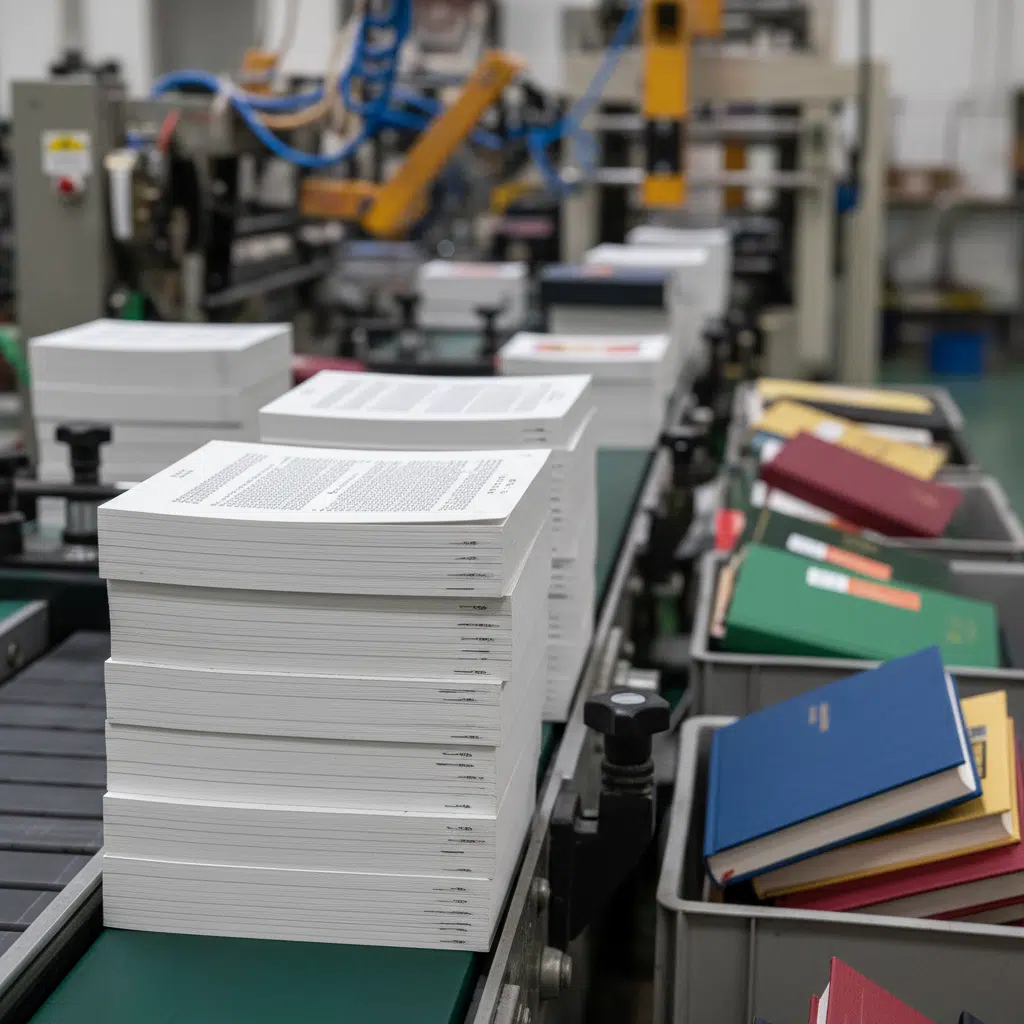
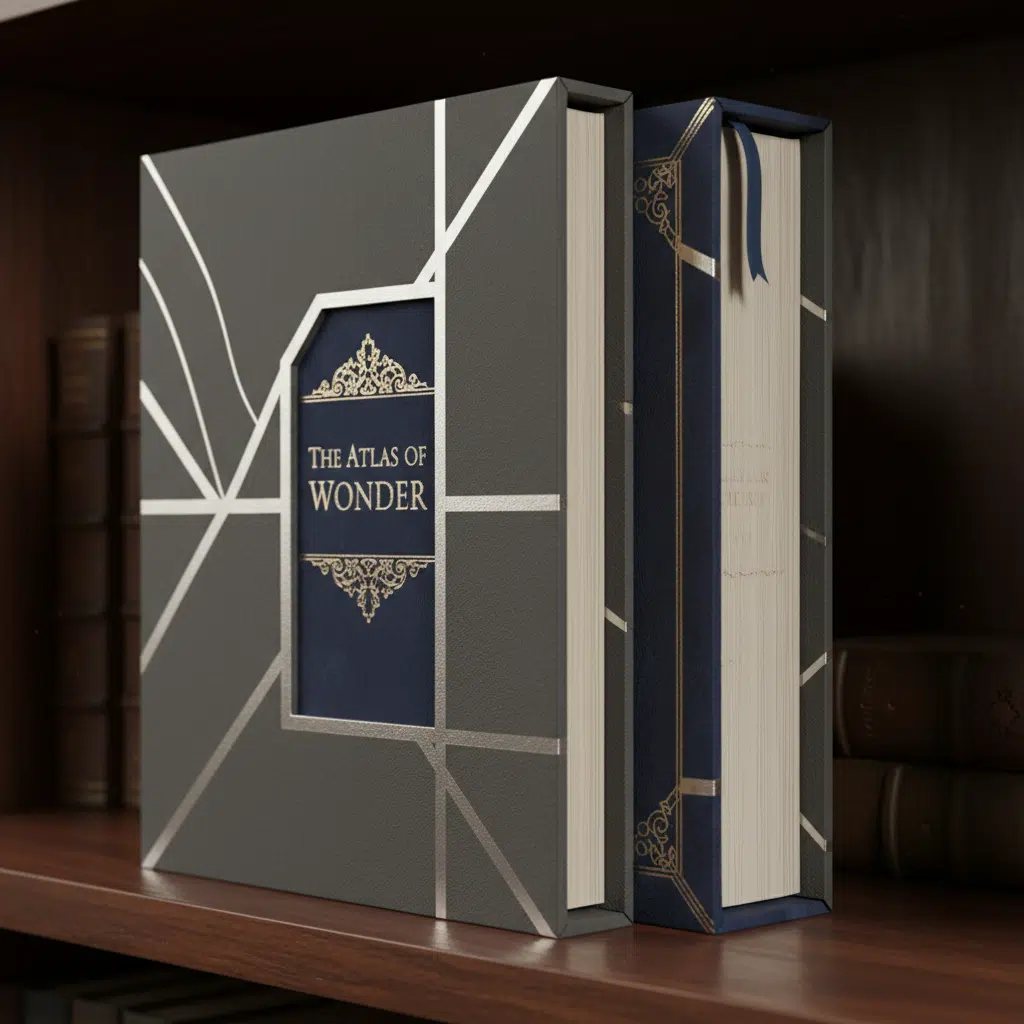
Para editores, creadores de Kickstarter y propietarios de marcas, la demanda de contenidos exclusivos es mayor que nunca. Los coleccionistas y mecenas suelen buscar versiones "Deluxe" o "Limited Edition" de libros de arte, manuales de juegos de rol y novelas gráficas. Sin embargo, producir dos tiradas completamente separadas -una para la edición estándar y otra para la premium- puede resultar prohibitivo debido a la duplicación de los costes de preparación.
La solución está en impresión de libros de tirada dividida. Esta estrategia de fabricación le permite producir un gran volumen de bloques de texto interiores idénticos y diferenciar el producto final mediante materiales de cubierta, estilos de encuadernación o embalaje. Al aprovechar las economías de escala en la impresión interior y personalizar el exterior, puede ofrecer productos escalonados por una fracción del coste de dos tiradas de producción independientes.
Esta guía describe las estrategias técnicas para realizar con éxito una tirada dividida, garantizando resultados de alta calidad tanto para las ediciones estándar como para las de lujo.
El concepto central: Interiores compartidos, exteriores divergentes
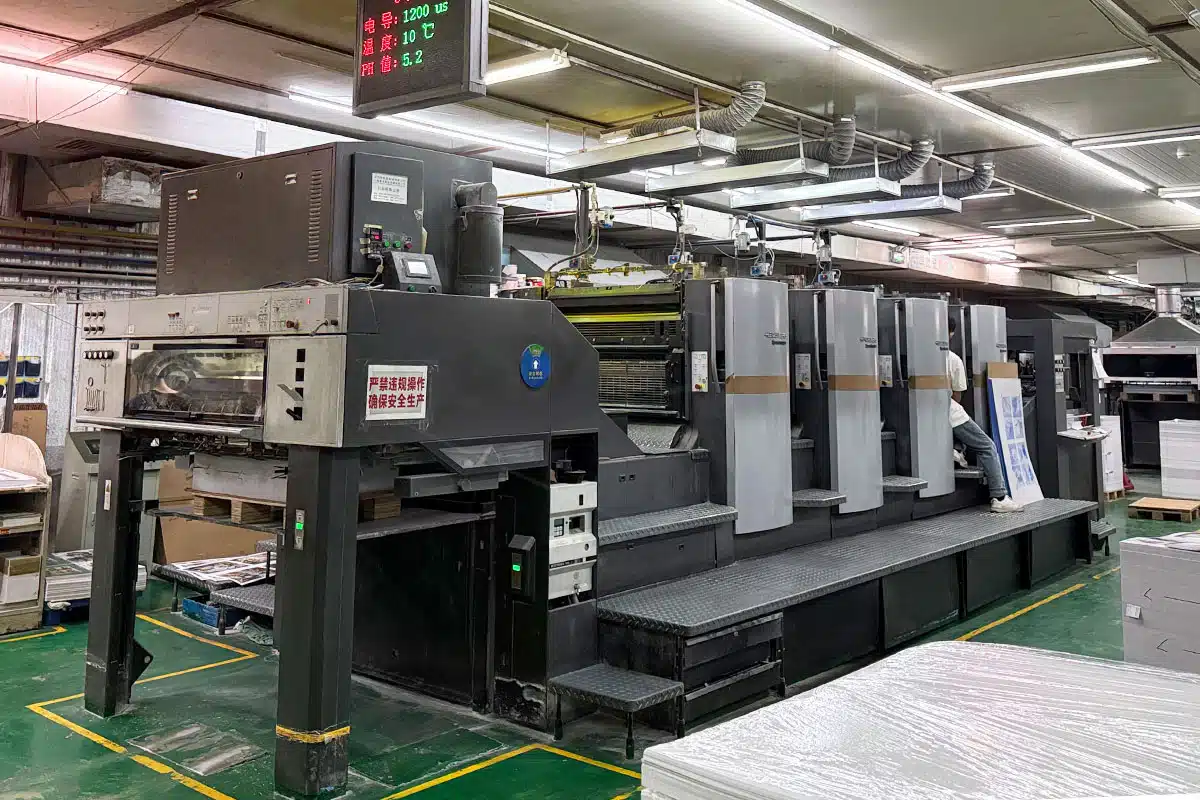
En la impresión offset, los costes iniciales más importantes son la preparación y la creación de planchas para las páginas interiores (el bloque de texto). Si se imprimen 1.000 ejemplares, la máquina funciona de forma más eficiente si el contenido interior permanece estático.
En una tirada dividida, la fábrica imprime las firmas interiores de la cantidad total (por ejemplo, 2.000 unidades) en una sola pasada continua. La diferenciación se produce durante las fases de encuadernación y acabado. La línea de producción está en pausa para cambiar los materiales de cubierta o los ajustes de ensobrado, lo que permite dividir el volumen total en distintas variaciones, como por ejemplo:
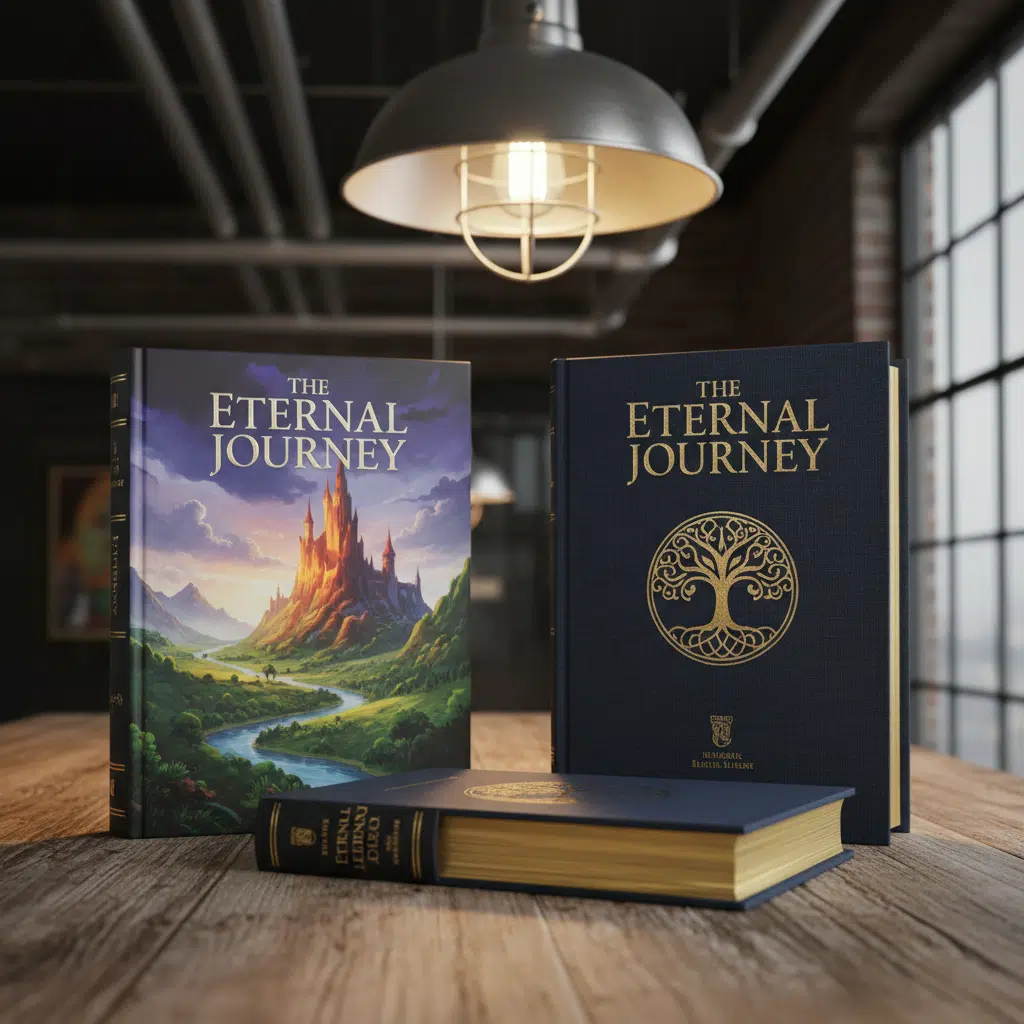
- Edición estándar (1.500 unidades): Estuche de papel impreso (PPC) con plastificado brillante.
- Edición de lujo (500 unidades): Encuadernación en tela con estampación dorada y sobrecubierta.
Métodos de diferenciación estratégica
Para crear una edición limitada de gran valor sin alterar las costosas placas interiores, considere las siguientes mejoras de fabricación.
1. Variación del material de cubierta
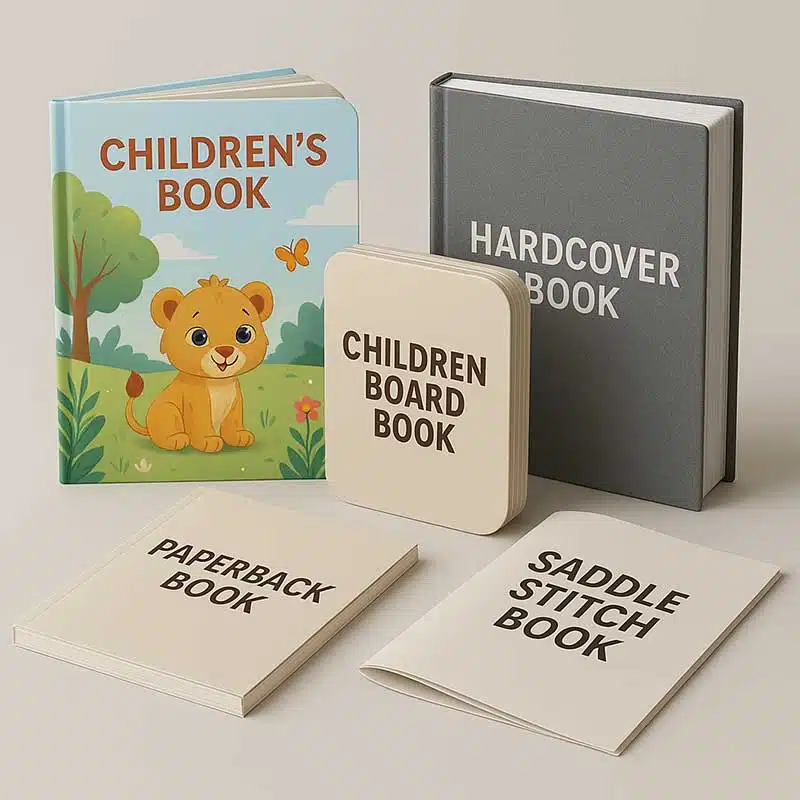
Cambiar el material de la cubierta es el método más común para las tiradas divididas. Mientras que el bloque interior sigue siendo el mismo, la "caja" (tapa dura) puede intercambiarse.
- Estándar: Papel artístico de 157 g/m2 envuelto en cartón gris de 2,5 mm (estuche de papel impreso).
- De lujo: Cuero PU, tela de lino o cuero aglomerado envuelto sobre el mismo grosor de cartón. A menudo es necesario un troquel de estampación independiente para el título, ya que la impresión en tinta rara vez se utiliza sobre tela.
2. Guardapolvos y bandas ventrales
Una forma rentable de diferenciar las ediciones es utilizar la misma encuadernación de tapa dura para todos los ejemplares pero aplicar sobrecubiertas diferentes. Como alternativa, la edición de lujo puede llevar sobrecubierta, mientras que la estándar no. Acabados especiales como el UV directo, el gofrado o el plastificado suave al tacto en la sobrecubierta de lujo añaden valor percibido.
3. Estuches y cajas bivalvas a medida
Añadir un elemento estructural es una forma eficaz de justificar un precio más elevado. Puede fabricar los libros de forma idéntica, pero empaquetar la parte de edición limitada dentro de un estuche personalizado o una caja bivalva. Esto protege el libro y ofrece un lienzo más grande para las ilustraciones. Como la caja es un componente externo, no interfiere con la encuadernación de alta velocidad de los bloques del libro.
4. Guardas y hojas informativas
Guardas: Las hojas que pegan el bloque de texto a la cubierta pueden cambiarse durante el proceso de encuadernación. Los ejemplares estándar pueden utilizar papel blanco liso sin madera, mientras que los ejemplares de lujo utilizan ilustraciones impresas o papel de color con textura. Tenga en cuenta que esto requiere detener la línea de encuadernación para cambiar los rollos o pilas de guardas.
Hojas Tip-in: En las ediciones limitadas firmadas, se puede pegar una página "tip-in" (a menudo firmada por el autor) en la parte delantera de los bloques de texto de lujo antes de encuadernarlos. Esto permite al autor firmar hojas sueltas en lugar de tener que enviar pesados libros de un lado a otro.
5. Acabado de cantos
Los bordes pulverizados (colorear los bordes del bloque del libro) o dorados (aplicar láminas a los bordes) son características premium. Estos acabados sólo se pueden aplicar al lote de edición limitada. Por ejemplo, la edición estándar tiene bordes lisos, mientras que la edición de lujo presenta bordes dorados metálicos.
Consideraciones técnicas y económicas
Aunque las tiradas fraccionadas ahorran dinero en comparación con dos pedidos separados, introducen costes y limitaciones específicos.
| Factor de coste | Explicación |
|---|---|
| Tasas de cambio | La fábrica cobra una tasa por parar la máquina, lavarla (si se cambia de tinta) e intercambiar materiales (por ejemplo, pasar de cubiertas impresas a tela). |
| MOQ por versión | Aunque la tirada total puede ser de 1.000 ejemplares, las líneas de encuadernación suelen tener un umbral mínimo de eficiencia. Una división de 950/50 es más difícil de gestionar que 800/200 debido al desperdicio de material durante la preparación. |
| Costes del troquel | Si la versión de lujo utiliza estampación en tela, deberá pagar el molde metálico. La versión estándar (impresa) no lo requiere. |
| Tiempo de montaje | Las tareas manuales, como introducir los libros en los estuches o colocar las fajas, aumentarán los costes de mano de obra de la parte de lujo. |
Cantidades mínimas de pedido (CMP)
En la impresión offset, el MOQ típico suele ser de 500 o 1.000 unidades. Para las tiradas divididas, los fabricantes suelen exigir un mínimo por variación para cubrir las mermas de preparación. Por ejemplo, un fabricante puede exigir al menos 200-300 unidades para la variación "Deluxe" para garantizar que la línea de encuadernación funcione sin problemas. Confirme siempre los mínimos específicos para las variaciones de encuadernación con su gestor de cuentas.
Guía de compra: Cómo solicitar una carrera dividida
Al solicitar un presupuesto para un proyecto de tirada dividida, la claridad es esencial para evitar errores en la fijación de precios. Utilice la siguiente lista de comprobación cuando se comunique con su socio de impresión:
- Cantidad total: Indique el número total (por ejemplo, "Total 2.000 libros").
- La escisión: Defina claramente el desglose (por ejemplo, "1.500 Standard / 500 Deluxe").
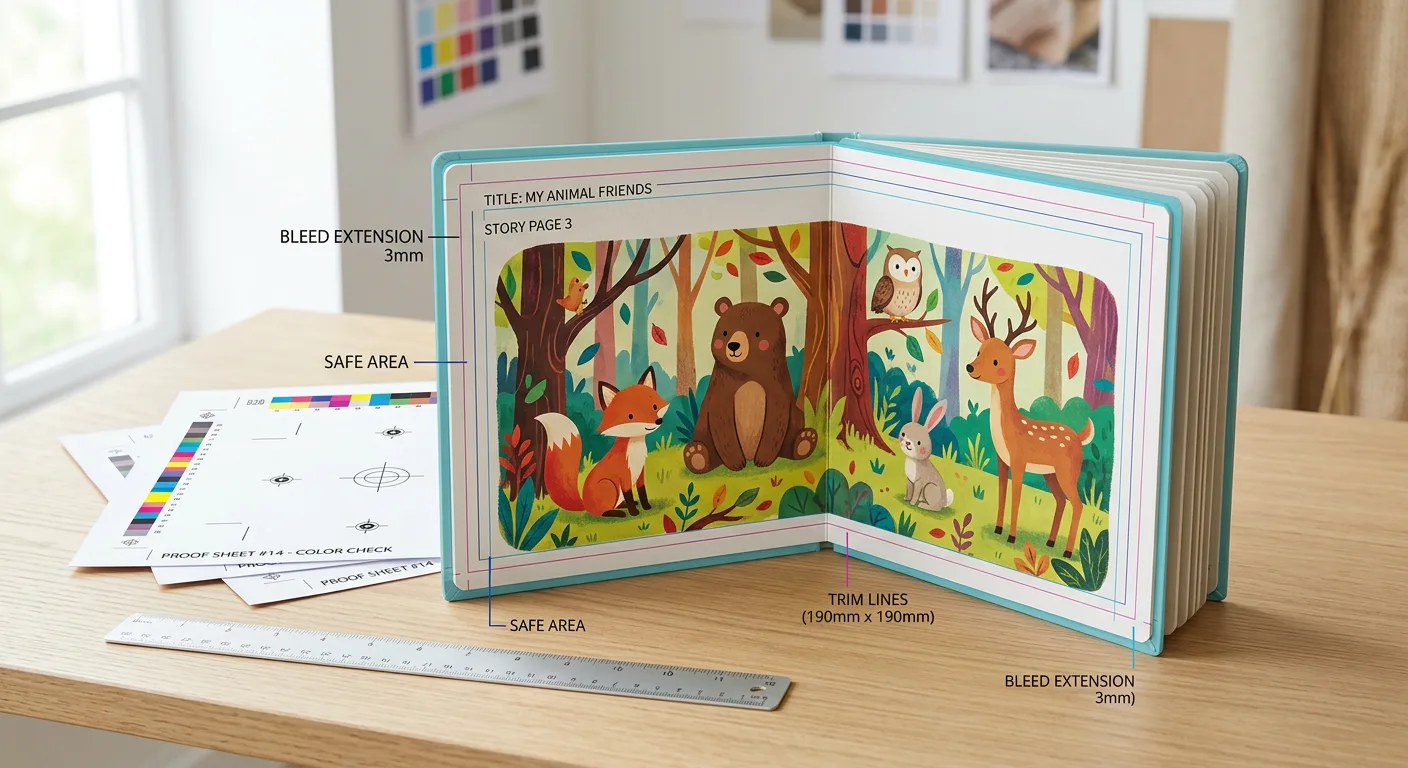
- Especificaciones compartidas: Enumere las especificaciones que permanecen constantes (tamaño de corte, número de páginas, tipo de papel, colores de impresión interior).
- Especificaciones divergentes: Cree una sección aparte en la que se detallen las diferencias.
Ejemplo: "Cubierta estándar: Papel artístico brillante de 157 g/m². Cubierta de lujo: Tela de lino negra con lámina dorada". - Embalaje: Especifique si la versión de lujo requiere retractilado individual o inserción en un estuche.
Preguntas frecuentes (FAQ)
¿Puedo cambiar el contenido del libro para la edición limitada?
Técnicamente, sí, pero eso anula la principal ventaja económica. Cambiar el texto o las imágenes del interior requiere hacer nuevas planchas de impresión para esas páginas. Si desea añadir contenido a una edición de lujo sin volver a imprimir todo el libro, considere la posibilidad de añadir una signatura independiente de 8 o 16 páginas al final del libro, o de utilizar una hoja de propina.
¿Es más barata una tirada dividida que la impresión digital (POD) para la edición limitada?
Si la cantidad de la edición limitada es muy baja (por ejemplo, menos de 100 ejemplares), la impresión digital puede ser más barata de entrada, pero la calidad de la encuadernación y el acabado (como el estampado o la tela) suele estar limitada en los flujos de trabajo digitales. Para tiradas superiores a 200-300 unidades, una tirada offset dividida suele ofrecer mejores precios unitarios y una calidad superior.
¿Aumenta el tiempo de producción una tirada dividida?
Ligeramente. El suministro de diferentes materiales para las cubiertas (especialmente telas o pieles especializadas) puede aumentar el plazo de entrega. Además, la encuadernadora debe realizar dos montajes distintos. Sin embargo, como la impresión interior se realiza simultáneamente, es más rápido que programar dos fases de producción completamente separadas.
¿Puedo utilizar distintos gramajes de papel para el interior en una tirada dividida?
No. El papel interior pasa por la rotativa en un solo lote. Para utilizar un papel distinto, el impresor tendría que parar la rotativa, cambiar los rollos/palés de papel y volver a preparar la máquina, lo que en esencia se considera como dos pedidos distintos.
Inicie su proyecto personalizado
La impresión de tiradas divididas es la forma más inteligente de diversificar su oferta de productos y aumentar los ingresos sin duplicar la inversión. Tanto si está llevando a cabo una campaña de Kickstarter como si está abasteciendo una tienda de regalos corporativa, podemos guiarle a través de las opciones de materiales y las especificaciones técnicas.
¿Listo para explorar sus opciones?