
Introduction: Estimating Unit Cost and Print Run Size
When considering bulk book printing in China, one of the key decisions for overseas buyers and self-publishers is determining the right print run size and estimating the unit cost. These factors not only influence the final cost but also impact the quality, lead time, and logistics involved in the printing process. This guide will walk you through how to choose the optimal print run, calculate your unit cost, and provide strategies to negotiate better deals with factories.
Key Concepts in Book Printing
What is Print Run Size?
The print run size refers to the total number of copies produced during a single print job. In bulk book printing, a larger print run typically lowers the cost per unit. However, the cost-benefit relationship is not linear, so it’s important to balance demand forecasts with unit cost reduction.
What Affects Unit Cost?
Unit cost is influenced by several factors, including:
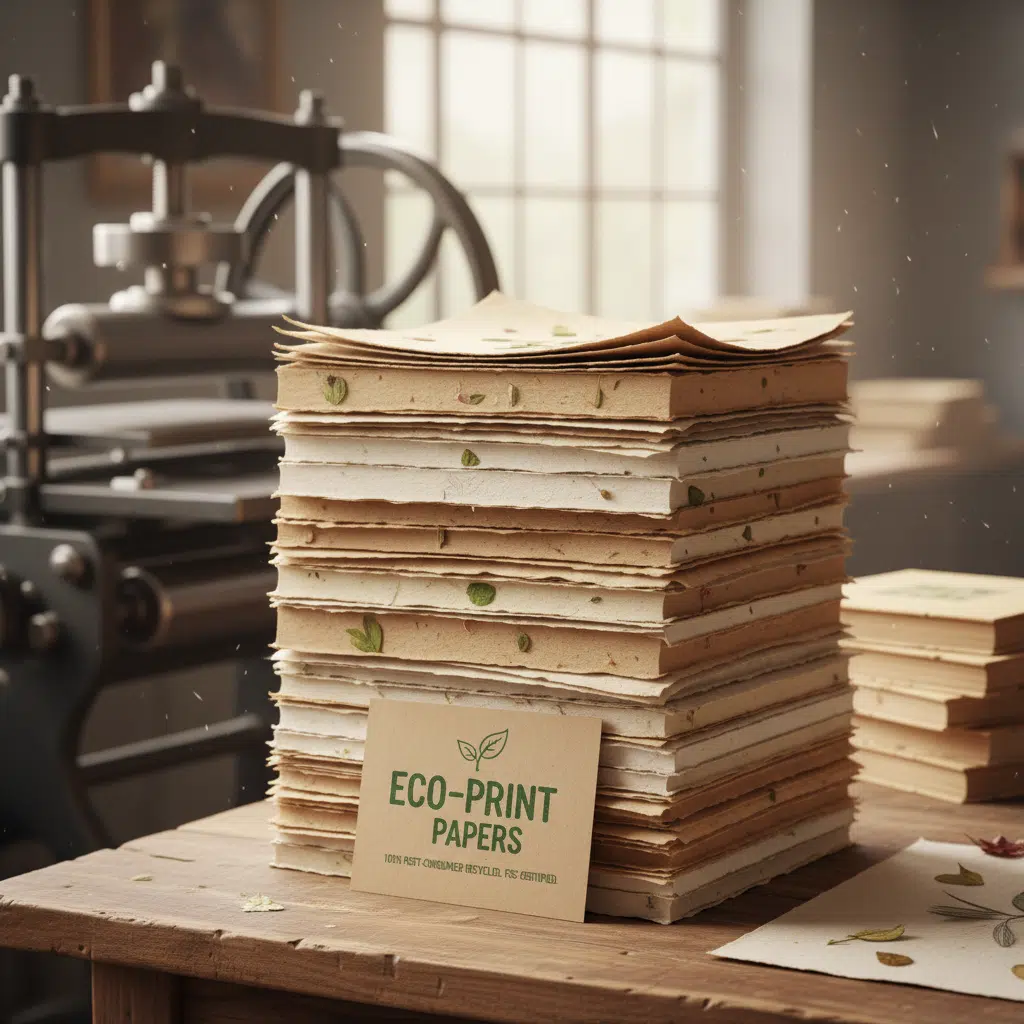
- Paper quality: Higher quality paper increases production costs.
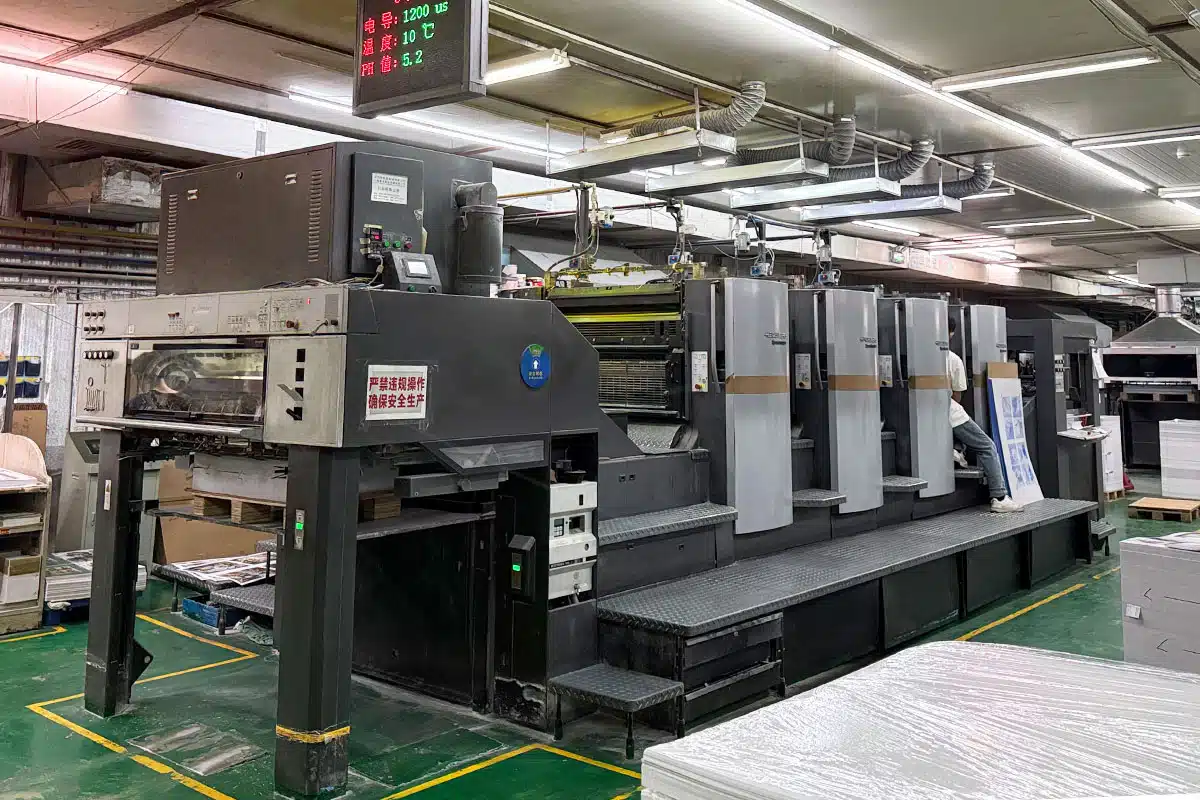
- Printing method: Offset printing is typically more economical for larger runs compared to digital printing.
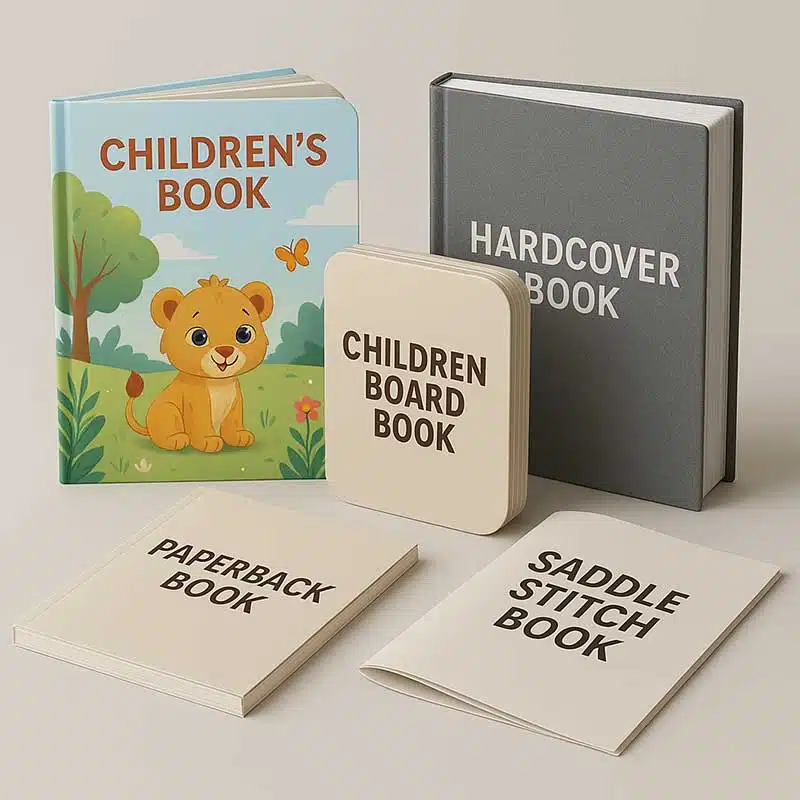
- Bindery options: Different binding methods (e.g., hardcover vs. paperback) affect the overall cost.
- Quantity: The larger the print run, the lower the cost per unit, but only to a point.
Factors to Consider When Choosing Print Run Size
Budget Planning and Price Breaks
In general, the larger the print run, the more economical the unit cost. However, the price drops are often staggered in specific increments, known as price breaks. These price breaks are determined by the printing factory and vary based on their equipment capacity and material costs. As a buyer, understanding these breaks can help you make an informed decision about your print run size.
Volume Discounts
Many printers offer significant discounts for larger orders. For example, a print run of 1,000 copies may cost $3 per unit, while 5,000 copies may cost $2 per unit, with the price per unit decreasing as the order size increases. It’s important to ask the factory about their specific pricing tiers to see where you might benefit from price breaks.
How to Calculate Unit Cost
Simple Formula for Unit Cost
The basic formula to estimate unit cost is:
Unit Cost = (Fixed Costs + Variable Costs) / Total Print Run
Where:
- Fixed costs: These include setup fees, design costs, and other one-time costs.
- Variable costs: These include the costs per unit, such as paper, ink, and labor.
Example Calculation
If the fixed costs for a print job are $1,000, and the variable cost per book is $2, the unit cost for 500 copies would be:
Unit Cost = ($1,000 + ($2 * 500)) / 500 = $4 per unit
For 1,000 copies, the same fixed costs would result in:
Unit Cost = ($1,000 + ($2 * 1,000)) / 1,000 = $3 per unit
As seen, increasing the print run size reduces the cost per unit. This is why larger print runs are often more economical for overseas buyers.
Negotiating with Factories
MOQ Considerations
Minimum Order Quantity (MOQ) is a crucial factor to consider when negotiating with Chinese printing factories. Some factories may require a higher MOQ for certain products, which can significantly impact your decision if you’re self-publishing or on a tight budget. It’s important to communicate your expected order volume early in the process to get clarity on MOQ terms and avoid unexpected surcharges.
Customizations and Artwork
Ensure you clearly define the specifications for your book, including cover design, binding type, and other customizations. Factories may charge additional fees for customization, and these should be factored into your unit cost calculations. Be clear about file formats, artwork quality, and any potential revisions to avoid delays or additional charges.
Conclusión
Choosing the right print run size and calculating unit costs are vital steps in ensuring a successful and cost-effective book printing project in China. By understanding the key concepts, price breaks, and negotiation strategies, you can make informed decisions that align with your budget and business goals. Ready to take the next step? Solicitar un presupuesto o Get a sample today to start your printing project.