
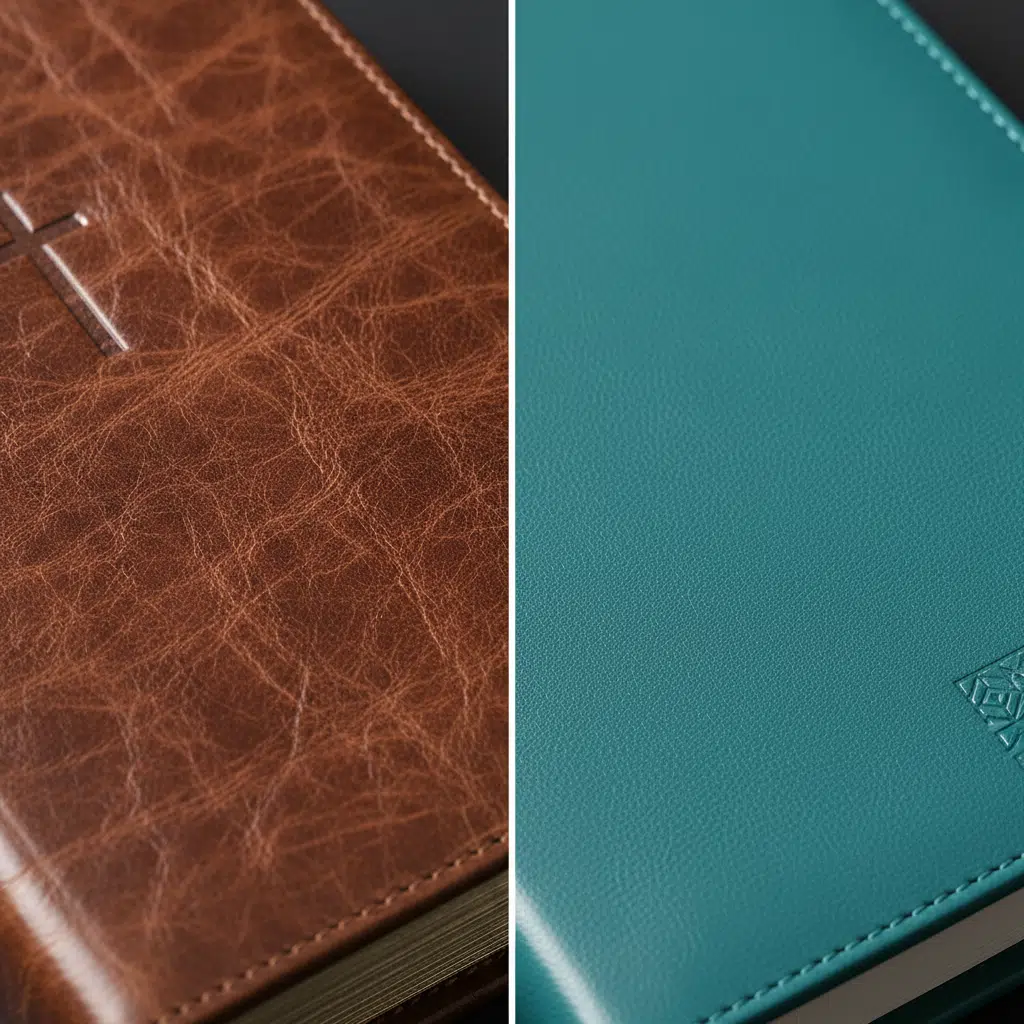
La selección de materiales define el valor del producto
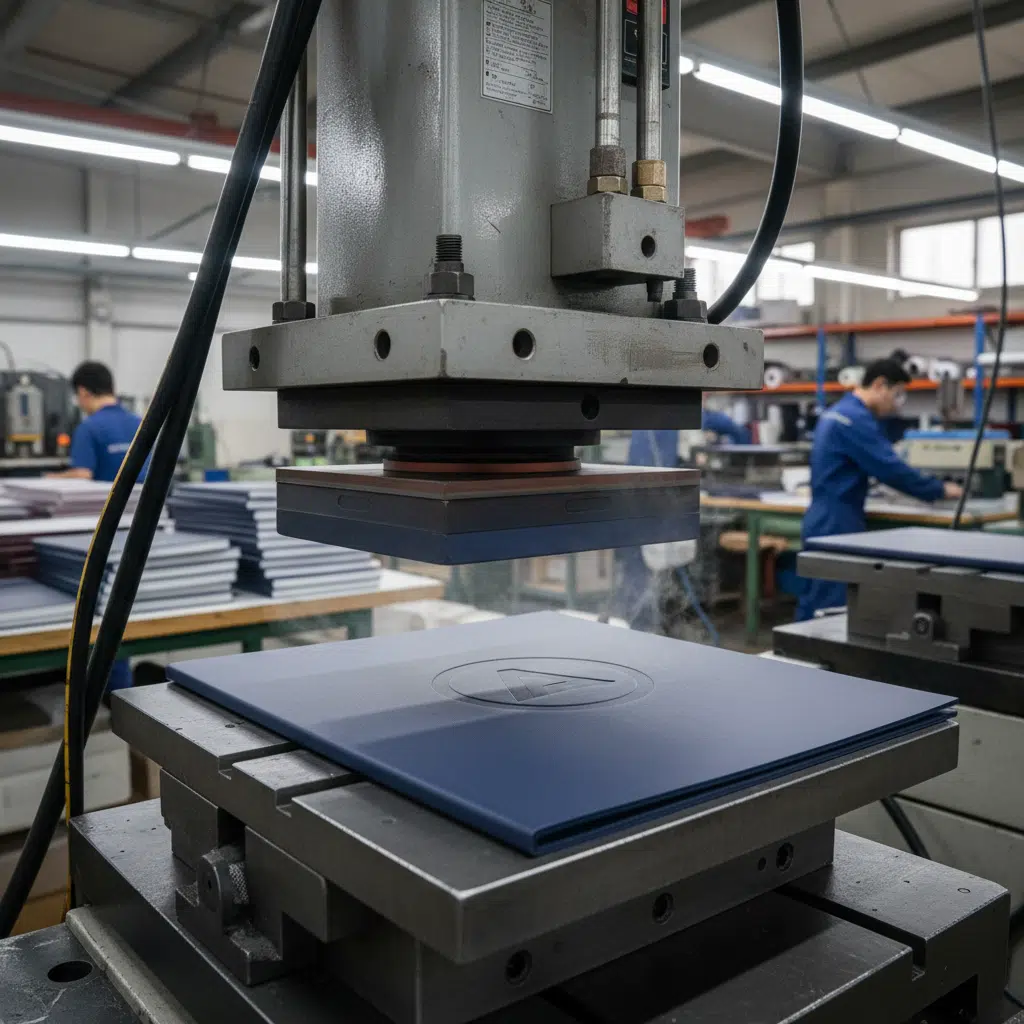
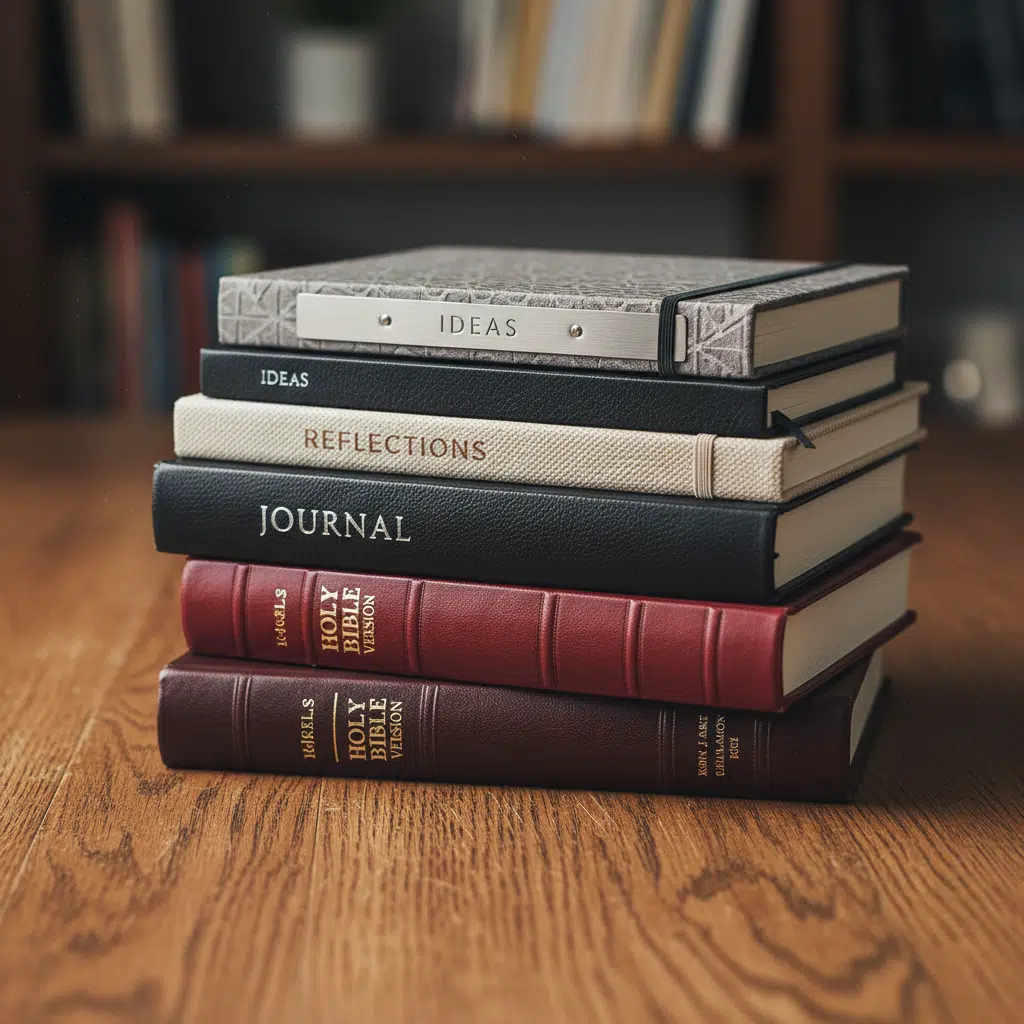
Para los editores y propietarios de marcas, el material de la cubierta de una revista o biblia es el principal indicador de valor. Determina la experiencia táctil, la durabilidad del producto y el coste unitario final. Aunque el diseño y la maquetación son fundamentales, el material físico de encuadernación crea la primera impresión para el usuario final.
En el mercado de la impresión de libros premium dominan tres categorías principales: Piel auténtica, Cuero aglomeradoy Piel de poliuretano (PU). Cada uno de ellos tiene características distintas en cuanto a consistencia de fabricación, idoneidad de acabado y precio. En esta guía se comparan estos materiales para ayudarle a tomar decisiones de compra bien fundadas para su próxima tirada.
Piel auténtica: El estándar superior
El cuero auténtico sigue siendo la referencia para biblias de gama alta, diarios de familia y regalos de empresa. Procedente normalmente de piel de vaca, cabra o cerdo, ofrece un prestigio que las alternativas sintéticas no consiguen reproducir a la perfección.
Características y ventajas
- Variación natural: Cada piel es única. El patrón de grano y la textura varían, dando a cada libro un carácter distinto.
- Durabilidad: El cuero auténtico es increíblemente resistente. Resiste los desgarros y envejece bien, a menudo desarrollando una pátina con el tiempo en lugar de degradarse.
- Atractivo sensorial: El olor inconfundible y el tacto cálido de la piel auténtica son importantes argumentos de venta para los mercados de lujo.
Consideraciones sobre la fabricación
El uso de cuero auténtico requiere un trabajo artesanal. Como las pieles tienen formas irregulares e imperfecciones naturales (cicatrices o picaduras de insectos), el corte debe hacerse con cuidado para maximizar el rendimiento, lo que aumenta los desperdicios en comparación con los materiales suministrados en rollos. Los editores deben prever unos costes de material más elevados y unos plazos de entrega algo más largos para abastecerse de calidades o colores específicos.
Cuero regenerado: El híbrido rentable
El cuero aglomerado es un material de ingeniería que se fabrica triturando restos y fibras de cuero y uniéndolos después con aglutinantes de poliuretano o látex sobre una lámina de fibra. Se utiliza mucho en la producción de biblias para lograr una clasificación de "cuero" a una fracción del coste de las pieles de grano superior.
Ventajas e inconvenientes
- Rentabilidad: Es bastante más barato que el cuero auténtico, pero conserva parte del contenido de cuero (a menudo fibras de cuero 80-90%).
- Coherencia: A diferencia de las pieles auténticas, el cuero regenerado tiene un grosor y un grano uniformes, lo que facilita su automatización en los procesos de encuadernación.
- Limitaciones de durabilidad: Con el tiempo, el cuero regenerado es más propenso a pelarse o agrietarse que el cuero auténtico o el PU de alta calidad, especialmente en los puntos de articulación (el lomo).
Piel de poliuretano (PU): Versatilidad y rendimiento
El cuero PU (a menudo llamado cuero de imitación o cuero vegano) se ha convertido en el material dominante para diarios y cuadernos de alta calidad. A diferencia del PVC (vinilo), que puede parecer plástico y quebradizo, el PU moderno de gama alta es suave, flexible y está diseñado químicamente para ofrecer un buen rendimiento.
Por qué el PU es popular entre las revistas
- Propiedades termo-reactivas: Muchos materiales PU de primera calidad son "Thermo-PU". Cuando se estampa en caliente, el material se oscurece significativamente, creando un efecto bicolor de alto contraste sin necesidad de tinta ni lámina. Es el estándar del sector para cuadernos corporativos de marca.
- Gama de colores y texturas: El PU puede fabricarse en cualquier color Pantone y estampado con prácticamente cualquier patrón de grano (saffiano, lagarto, lino o liso).
- Coherencia y rendimiento: Suministrado en rollos, el poliuretano tiene un grosor uniforme y un desperdicio casi nulo, lo que agiliza el proceso de producción en masa.
Análisis comparativo: Coste vs. Acabado
Al seleccionar un material, tenga en cuenta cómo reacciona a las técnicas de acabado posteriores a la impresión, como el estampado en caliente y el gofrado.
| Característica | Piel auténtica | Cuero aglomerado | Termo-PU |
|---|---|---|---|
| Coste unitario | Alta | Medio | Bajo a medio |
| Durabilidad | Excelente (décadas) | Moderado | Alta (resistente al agua) |
| Coherencia | Baja (variación natural) | Alta | Muy alta |
| Estampación térmica | Bien (cambio de textura) | Feria | Excelente (cambio de color) |
| Estampación | Excelente | Bien | Excelente |
Factores técnicos para los compradores
1. Cantidades mínimas de pedido (CMP)
PU: Los colores estándar suelen estar disponibles en stock, lo que permite reducir las cantidades mínimas de producción (por ejemplo, 500-1.000 unidades). El PU personalizado con Pantone suele requerir mayores volúmenes (por ejemplo, más de 3.000 metros) para justificar la tirada de producción.
Piel auténtica: El cuero se compra por piel o por metro cuadrado. Aunque las cantidades mínimas de producción pueden ser flexibles, el elevado coste de entrada suele restringir esta opción a pequeñas tiradas o a grandes contratos de edición religiosa.
2. Adecuación del estilo de encuadernación
Para cubiertas flexibles (flexibound), el PU y el cuero regenerado son excelentes opciones. La piel auténtica se utiliza a menudo para la encuadernación rústica de biblias (cuando la cubierta es flexible sin tablero rígido) o sobre tableros rígidos para revistas de tapa dura. Asegúrese de que el fabricante conoce la dirección del grano del cartón y el material para evitar que se deforme.
3. 3. Consideraciones medioambientales
Los mercados europeo y norteamericano exigen cada vez más el cumplimiento de normas como REACH o CA Prop 65. A menudo se prefiere el PU de alta calidad, ya que evita los productos químicos de curtido asociados al cuero, aunque el cuero auténtico de "curtido vegetal" es una alternativa ecológica (aunque cara).
Guía de compra: Cómo solicitar un presupuesto
Para obtener un presupuesto preciso para su proyecto de impresión de libros, facilítenos las siguientes especificaciones:
- Clase de material de cubierta: Especifique si necesita "Thermo-PU", "Bonded Leather" o "Genuine Leather (Cow/Goat)".
- Textura/Grano: ¿Desea un acabado liso, un grano de guijarro o una textura de lino?
- Efectos de acabado: Indique claramente si va a utilizar el estampado en caliente o el estampado en caliente, ya que esto determina el tipo de PU necesario.
- Entorno de uso final: Mencione si el libro necesita encuadernación plana o resistente al desgaste (por ejemplo, para manuales de campo o biblias de uso diario).
Preguntas frecuentes
¿El cuero PU puede durar tanto como el cuero auténtico?
El PU de alta calidad es muy duradero y resistente al agua, y a menudo dura más que el cuero regenerado. Sin embargo, la piel auténtica suele ser la más duradera y puede durar décadas si se cuida adecuadamente.
¿Cuál es el mejor material para el gofrado de logotipos personalizados?
Thermo-PU es la mejor opción para el estampado ciego. El calor del troquel hace que el material se oscurezca, creando un logotipo nítido y de alto contraste de aspecto sofisticado y limpio.
¿El cuero regenerado se considera cuero "auténtico"?
Legalmente, las definiciones varían según el país. Contiene fibras de cuero auténtico, pero al tratarse de un producto de ingeniería unido con adhesivos, en muchas jurisdicciones no puede venderse simplemente como "Cuero" sin el calificativo "Bonded".
¿Puedo imprimir imágenes a todo color en estos materiales?
La serigrafía o la impresión UV funcionan bien en PU y cuero regenerado. El cuero auténtico rara vez se imprime directamente; en su lugar, se prefiere el estampado o el gofrado para mantener su estética de primera calidad.
Seleccionar el material de cubierta adecuado equilibra la estética, la longevidad y el presupuesto. Tanto si necesita el prestigio de la piel auténtica como el rendimiento versátil del Thermo-PU, podemos guiarle en el proceso de fabricación.
¿Listo para empezar su proyecto? Solicitar un presupuesto o póngase en contacto con nuestro equipo para hablar de muestras de materiales y plazos de producción.