
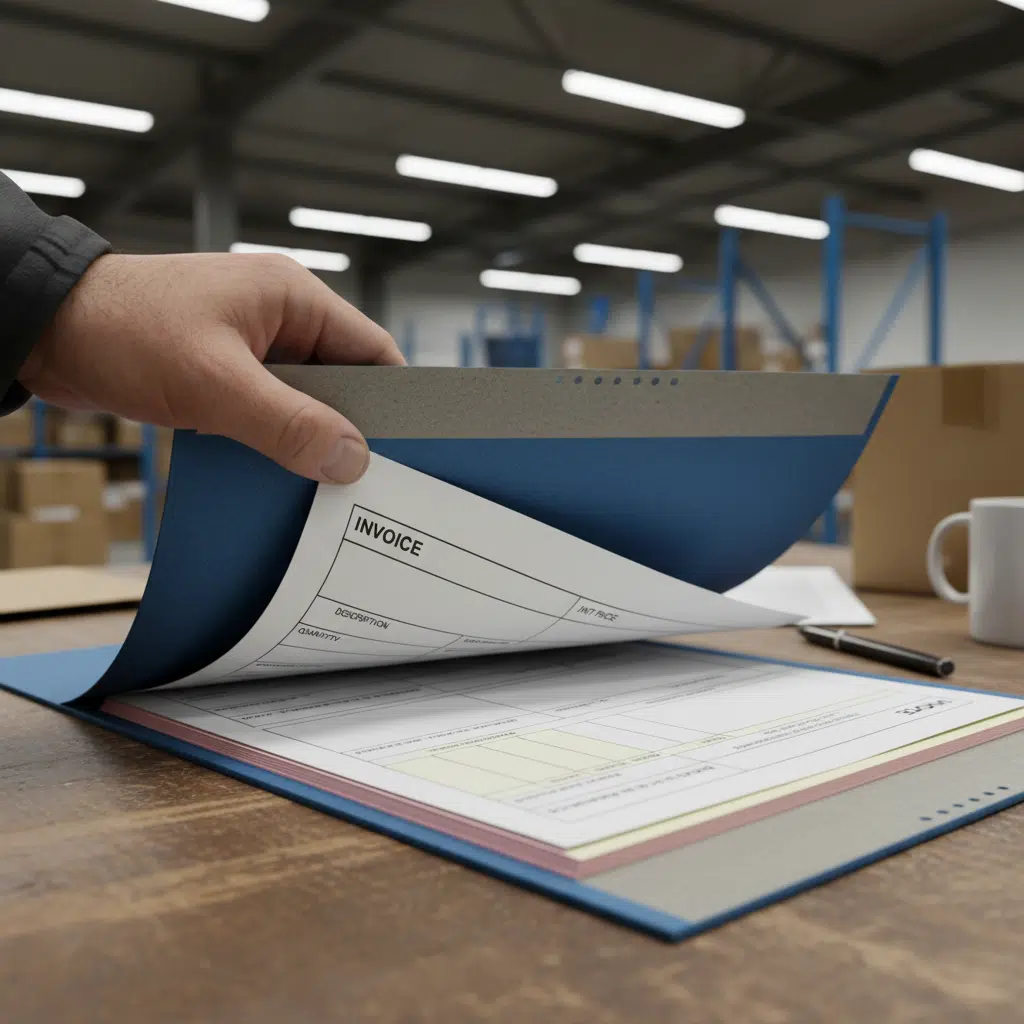
En logística, servicios de campo y comercio mayorista, la necesidad de una prueba física inmediata de la transacción sigue siendo crítica. Aunque la facturación digital está muy extendida, las operaciones que requieren firmas in situ, confirmaciones de entrega o recibos inmediatos dependen en gran medida de los talonarios No Carbon Required (NCR). Para los responsables de compras y los propietarios de empresas, comprender las especificaciones técnicas de la impresión de libros NCR personalizados es esencial para garantizar que el producto final satisface las demandas operativas.
Esta guía explica la mecánica del papel autocopiativo, las diferencias entre las configuraciones de duplicado y triplicado y las opciones específicas de encuadernación y numeración disponibles para los formularios comerciales profesionales.
¿Qué es la tecnología NCR (No Carbon Required)?
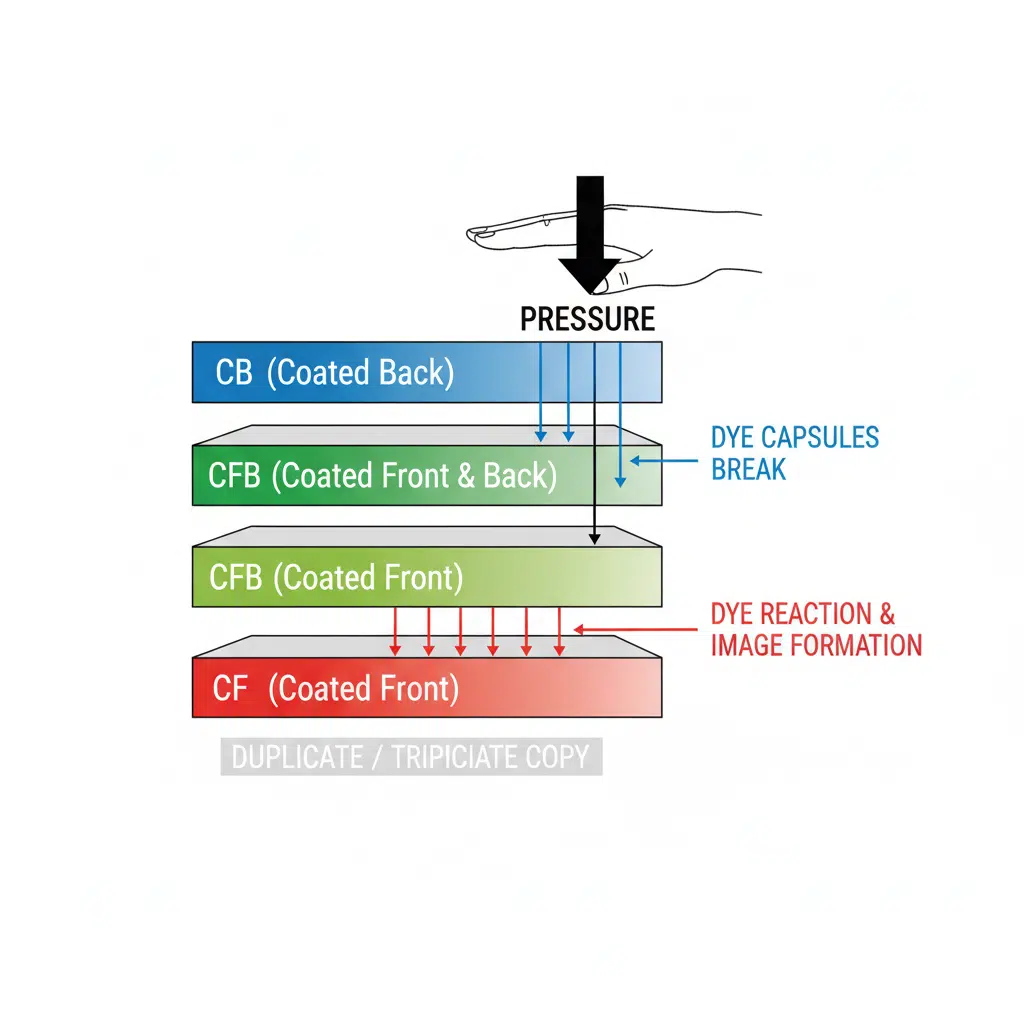
El papel NCR elimina la necesidad de las sucias hojas de carbón azul utilizadas en el pasado. En su lugar, utiliza un sistema de tinte microencapsulado.
- Hoja superior (CB - Reverso revestido): El reverso de la lámina superior está recubierto de microcápsulas que contienen colorante.
- Hoja intermedia (CFB - Revestimiento frontal y posterior): Se utiliza en formularios de varias hojas (3 hojas o más). El anverso reacciona a la hoja superior y el reverso transfiere la imagen a la hoja inferior.
- Hoja inferior (CF - Frente revestido): El anverso está recubierto de una arcilla reactiva que se oscurece cuando el tinte de la hoja superior se libera por la presión de un bolígrafo o una impresora de impacto.
Cuando se adquieren libros NCR personalizados, es fundamental especificar el gramaje correcto del papel. Los gramajes estándar del sector suelen oscilar entre 48gsm a 55gsm para las hojas interiores, asegurándose de que sean lo suficientemente finas para la transferencia de presión pero lo suficientemente resistentes para su manipulación.
Configuraciones de capas: Formas de 2, 3 y 4 piezas
El número de "partes" o "pliegos" se refiere al número de copias generadas por juego. La elección de la configuración adecuada depende de su flujo de trabajo interno y de los requisitos de auditoría.
2 Partes (Duplicado)
Es el formato más habitual para recibos sencillos u órdenes de trabajo. Consta de una hoja superior blanca (original) y una hoja inferior en color (copia).
- Uso: Una copia para el cliente y otra para el archivo de la empresa.
- Colores estándar: Blanco / Amarillo (o Rosa).
3 partes (triplicado)
Se utiliza cuando interviene un tercero, como un departamento de contabilidad o un conductor de reparto.
- Uso: Original para el cliente, segunda copia para finanzas, tercera copia para logística/archivo.
- Colores estándar: Blanco / Amarillo / Rosa.
4 partes (por cuadruplicado)
Necesario para cadenas de suministro complejas en las que deben enviarse simultáneamente copias distintas a ventas, almacén, entrega y cliente.
- Colores estándar: Blanco / Amarillo / Rosa / Azul (o Verde).
Funciones críticas de personalización
Más allá del propio papel, la utilidad de un libro NCR viene definida por sus especificaciones de acabado.
Numeración secuencial
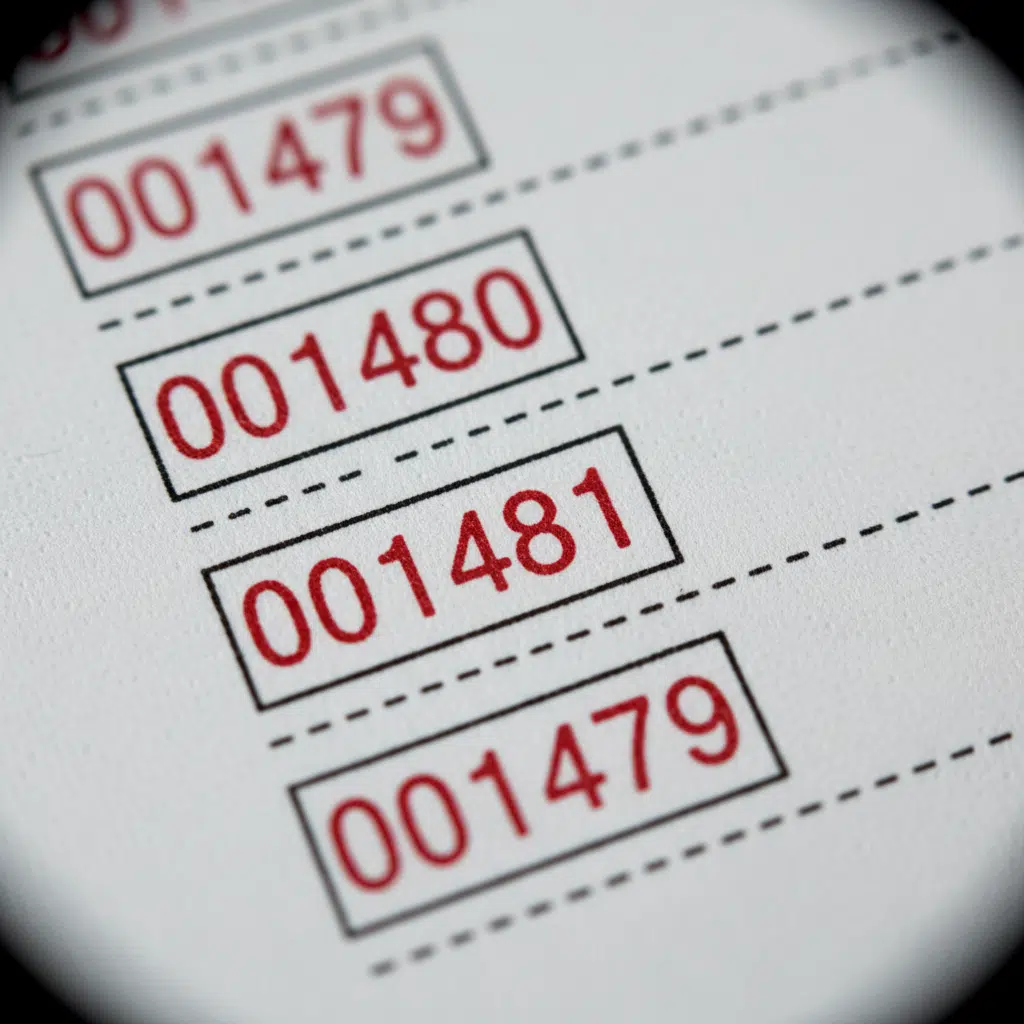
Para el cumplimiento de las obligaciones fiscales y el seguimiento de los pedidos, la numeración secuencial no es negociable. Los números suelen imprimirse en Rojo o Negro tinta.
- Posicionamiento: Normalmente arriba a la derecha, pero se puede personalizar.
- Continuidad: Al reordenar, es crucial proporcionar el "número de inicio" (por ejemplo, continuando desde 10501) para mantener pistas de auditoría ininterrumpidas.
Tinta desensibilizante
A veces, es necesario que la información específica (como los precios) aparezca en la factura del cliente pero permanezca oculta en el albarán de entrega. Aplicando una tinta desensibilizante en zonas específicas de las hojas CF o CFB, se neutraliza la reacción química. La escritura en la hoja superior no se transferirá a las zonas desensibilizadas de las copias inferiores.
Fundas envolventes
La cubierta envolvente es un requisito estándar para los libros NCR encuadernados. Se trata de una cubierta de tarjeta extendida que se coloca en la parte posterior del libro. El usuario inserta esta cubierta entre el juego de formularios actual y el siguiente antes de escribir.
Por qué es importante: Sin una placa envolvente (o una placa de escritura suelta), la presión del bolígrafo se transferirá a los 2-3 juegos de formularios siguientes, arruinando las páginas no utilizadas. Para el uso sobre el terreno, una cubierta envolvente integrada es muy superior a un inserto de cartón suelto que a menudo se pierde.
Opciones de encuadernación: Libros frente a blocs
La forma en que se mantienen unidos los formularios afecta a la forma en que se dispensan.
| Característica | Almohadillas NCR (encoladas) | Libros NCR (cosidos) |
|---|---|---|
| Método de encuadernación | Pegado en el borde superior o lateral. | Grapado (cosido) con cinta en el lomo. |
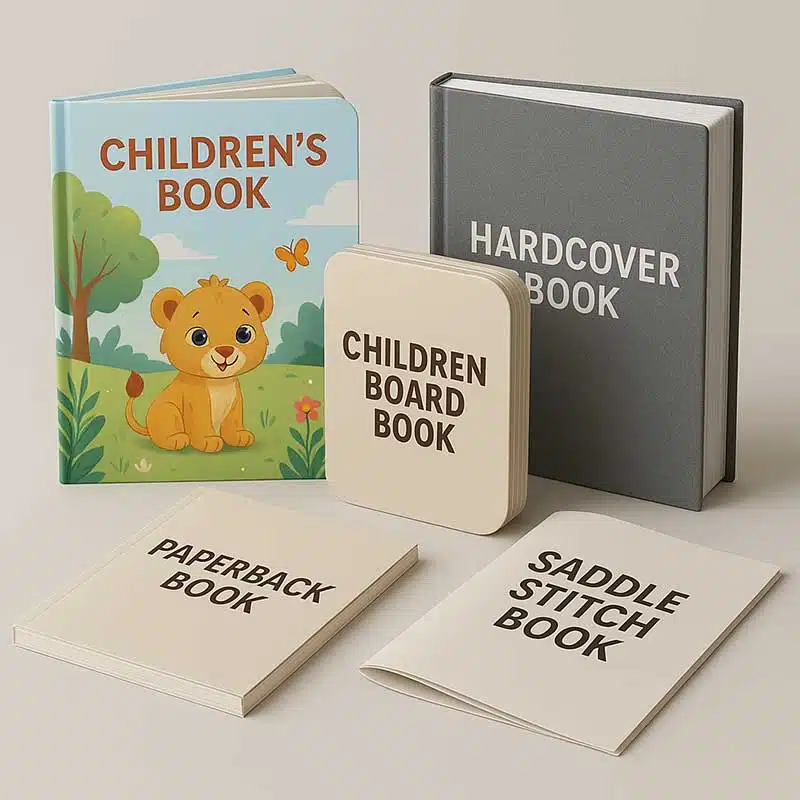
| Perforación | Normalmente no hay perforación; se despega toda la hoja. | Las hojas están perforadas para poder retirarlas; queda un talón en el libro. |
| Mantenimiento de registros | Se eliminan todas las copias. Se requiere archivo suelto. | Una copia (normalmente la última) puede dejarse sin perforar para que permanezca en el libro como registro permanente. |
| Durabilidad | Más bajo; las hojas pueden desprenderse si se doblan. | Alto; robusto para camiones y cajas de herramientas. |
Material gráfico y lista de control de producción
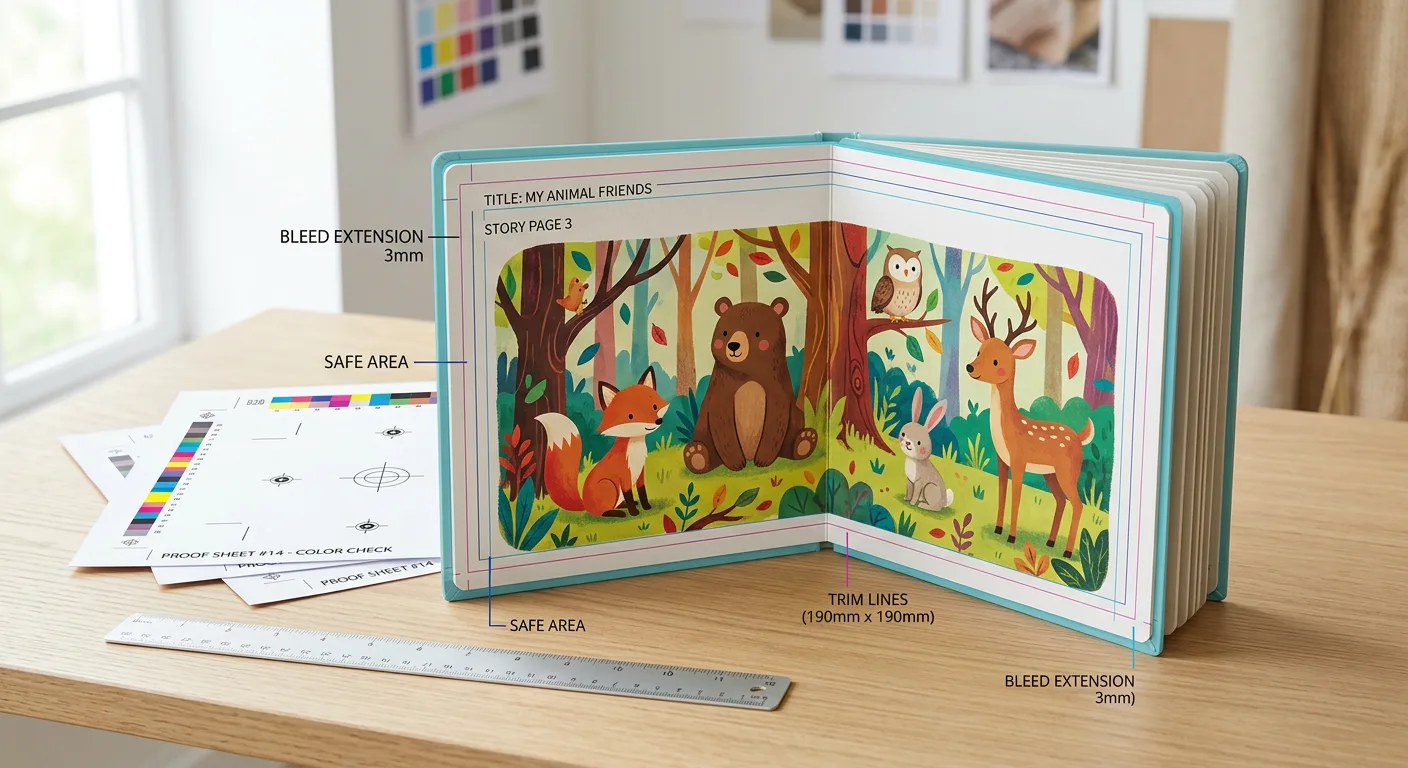
Para garantizar una producción sin problemas, los compradores deben preparar sus especificaciones con claridad. He aquí una lista de comprobación para solicitar un presupuesto:
- Tamaño: Los tamaños estándar son A4, A5, A6 y DL. Los tamaños personalizados son posibles, pero pueden afectar al rendimiento y al coste del papel.
- Colores de tinta: ¿Necesita una marca a todo color (CMYK) o simples colores directos (Pantone)? Utilizar uno o dos colores planos suele ser más rentable para los formularios.
- Términos y condiciones: ¿Necesita imprimir los términos legales en el reverso de la copia del cliente? Para ello es necesario imprimir a doble cara.
- Perforación: ¿Es necesario perforar los formularios para archivarlos en carpetas? (por ejemplo, perforación de 2 o 4 agujeros).
Por qué es importante la fabricación profesional
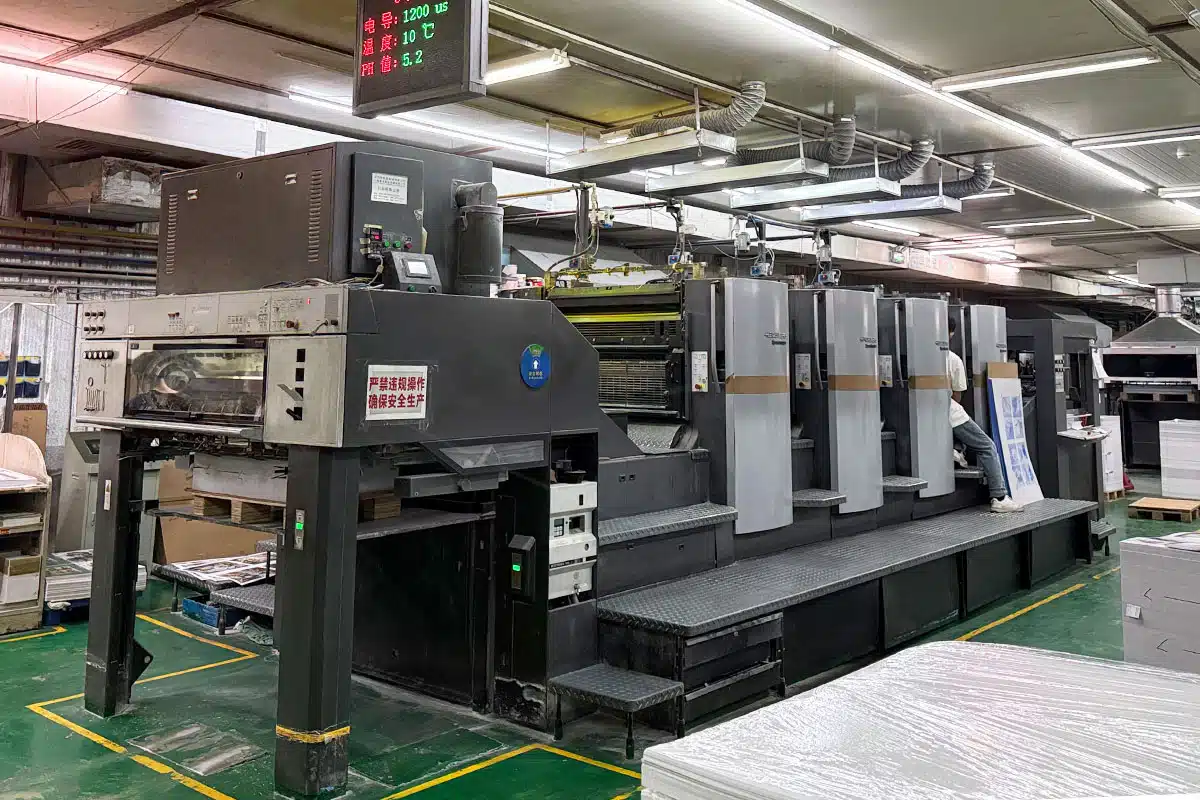
La producción de libros NCR de alta calidad requiere precisión. Los formularios autocopiativos mal fabricados pueden sufrir de pegamento débil (se deshacen), sensibilidad a la presión inadecuada (copias débiles) o desalineación en la numeración.
La impresión profesional garantiza que el revestimiento químico sea homogéneo en toda la hoja, garantizando que las firmas y los detalles sean legibles en la copia inferior, lo cual es crucial para disputas legales o pruebas de entrega.
Preguntas frecuentes
¿Puedo imprimir en el reverso de las páginas NCR?
Sí, es habitual imprimir los términos y condiciones en tinta gris o negra en el reverso de la primera o segunda página. De este modo se garantiza el cumplimiento de la legislación sin sobrecargar el diseño del anverso.
¿Cuál es la diferencia entre un "juego" y un "libro"?
Una "serie" es una transacción individual (por ejemplo, un grupo Blanco/Amarillo/Rosa). Un "libro" suele contener 50 o 100 conjuntos encuadernados juntos.
¿Cómo evito pasar al siguiente juego?
Debe utilizar un protector de escritura. En los libros encuadernados, recomendamos el cubierta envolvente que es un escudo integrado en el libro.
¿Está garantizada la unicidad de la numeración secuencial?
Sí, la impresión personalizada le permite especificar exactamente dónde empieza y termina la numeración, garantizando que no haya duplicados en sus registros financieros.
¿Está listo para pedir libros NCR personalizados?
Tanto si necesita simples talonarios de recibos de 2 partes como complejos talonarios de entrega de 4 partes con numeración y cubiertas envolventes, una fabricación precisa es clave para un funcionamiento sin problemas.
Póngase en contacto con nosotros hoy mismo para solicitar un presupuesto u obtener una muestra de nuestras opciones de papel autocopiativo.