
Índice
- What does board book printing cost include?
- The main factors that affect board book printing cost
- Why quantity changes the unit cost
- How to control your board book budget
- Board book quotation checklist
- Conclusión
Custom board book printing cost is driven by format, page count, board construction, quantity, printing specifications, special features, proofing and delivery destination. This guide helps publishers and brands prepare an accurate request for quotation.
What does board book printing cost include?
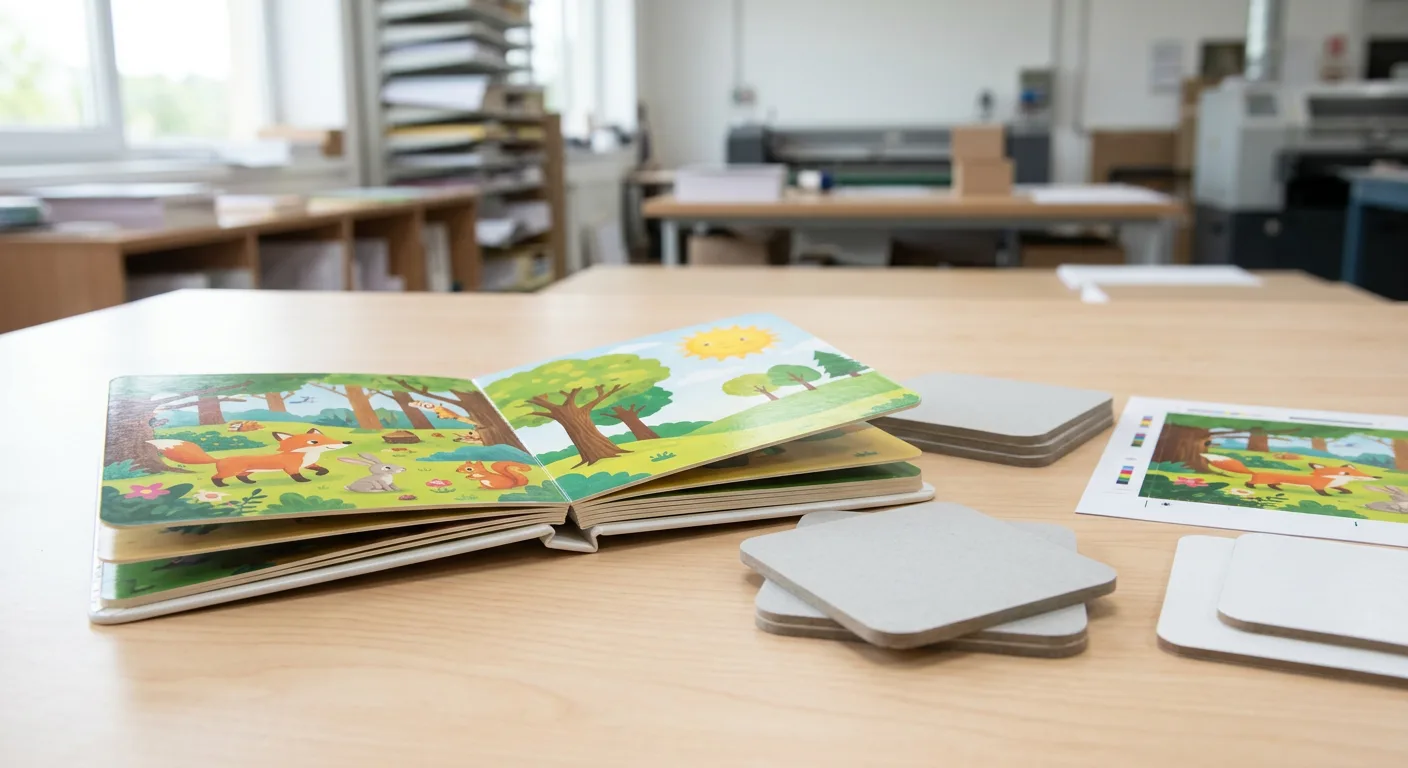
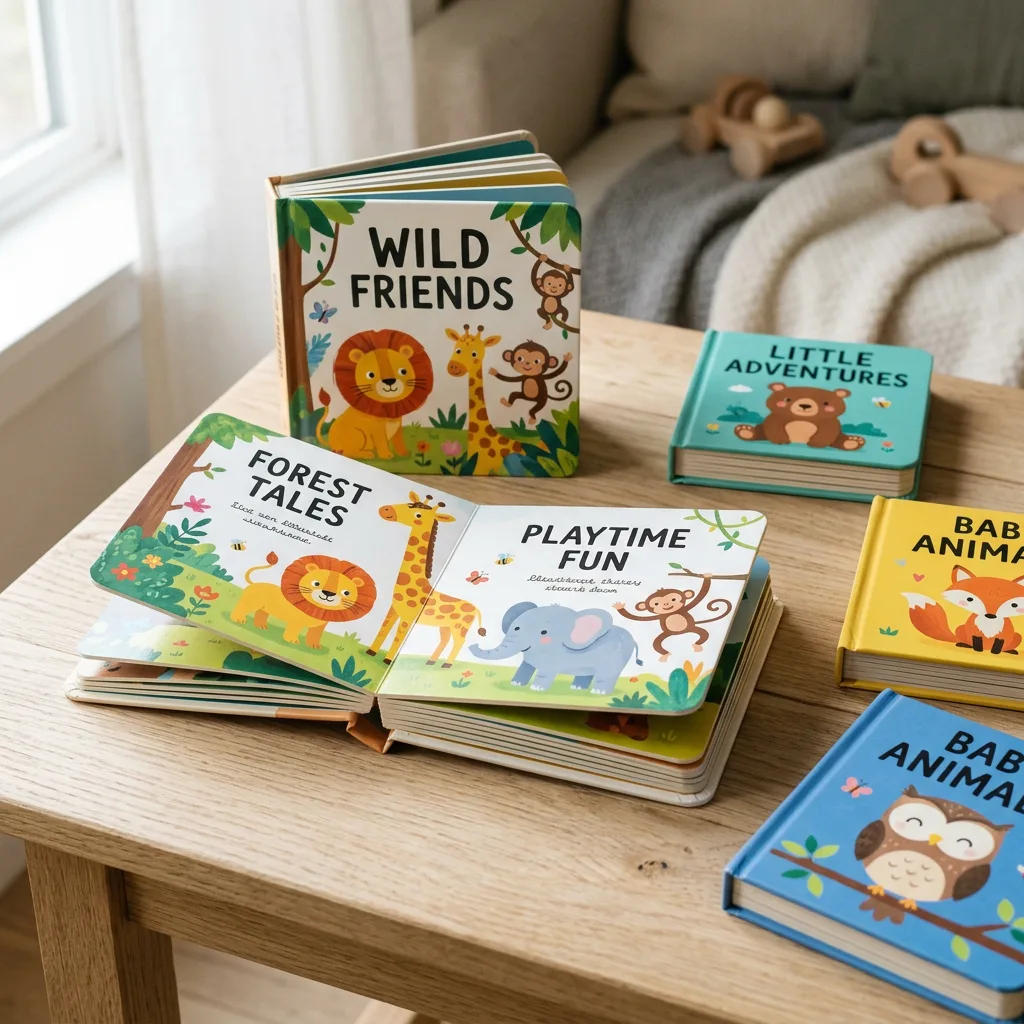
Board book printing cost is the total manufacturing cost of producing a durable book made from mounted board pages, plus any selected finishing, packing and delivery requirements. There is no single useful price for every project because a small, simple book and a large interactive retail title use very different materials and production steps.
A board book is not priced in the same way as a paper-page paperback. Its printed sheets are mounted to board, die-cut or trimmed, folded and assembled into thick spreads. The construction provides the familiar rigid pages used for young children, but it also makes material use, finishing and handwork important to the quotation.
For a practical budget discussion, separate the project into three parts: the book manufacturing specification, one-off preparation or development work where applicable, and logistics. The factory quotation may cover the finished books and agreed packing, while proofing, inspection requirements, shipping and import costs can be quoted separately depending on the trade terms and destination.
Cost estimates are therefore assumptions, not fixed promises. Final pricing can change when the approved trim size, page count, quantity, paper and board specification, special processes, packaging, files or shipping destination change. A clear specification at the start gives buyers a more comparable and reliable quotation.
If you are still defining the physical format, see this guide to board book sizes and page counts. These two choices affect both the reading experience and the amount of board, printed material and packing space required.
The main factors that affect board book printing cost
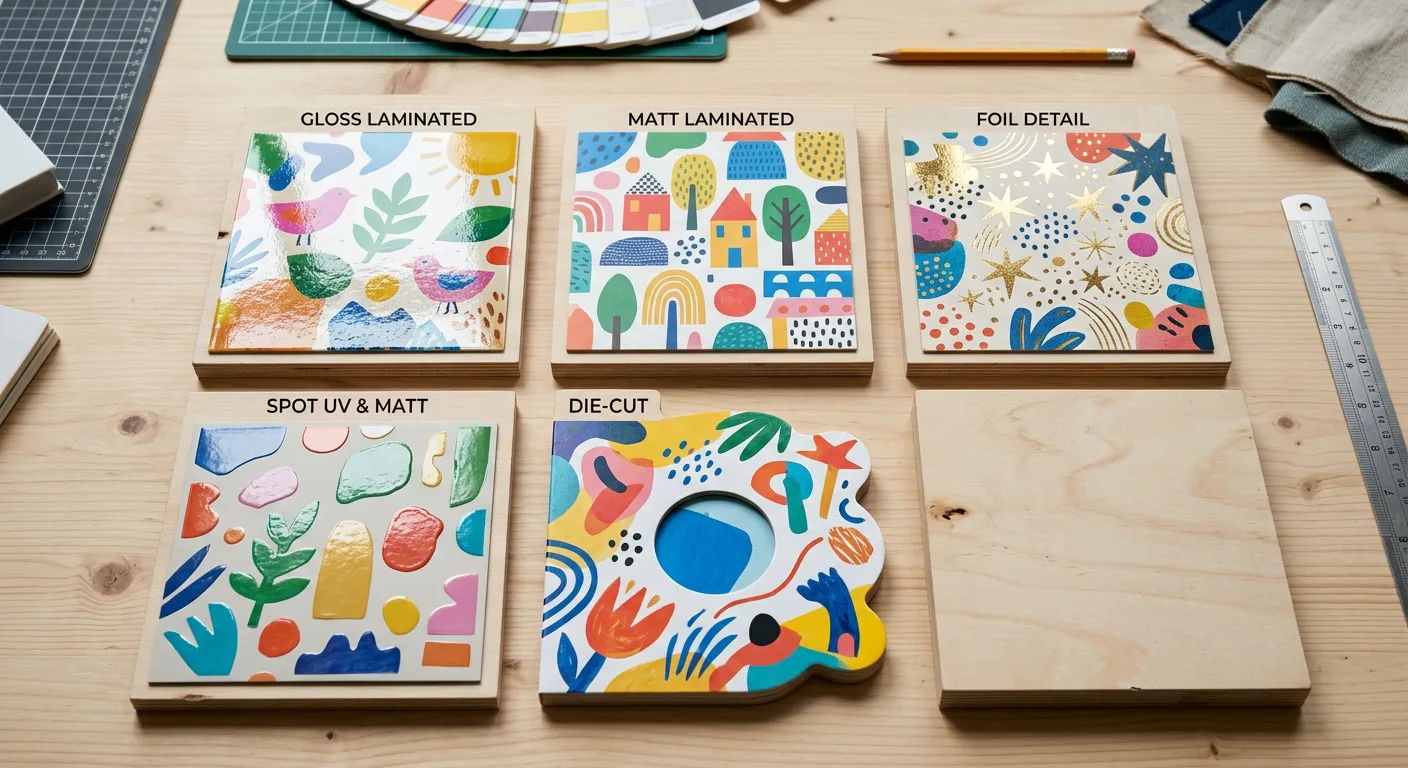
The most meaningful way to evaluate board book cost is to review the specification line by line. The following factors normally have the greatest effect.
Trim size and shape
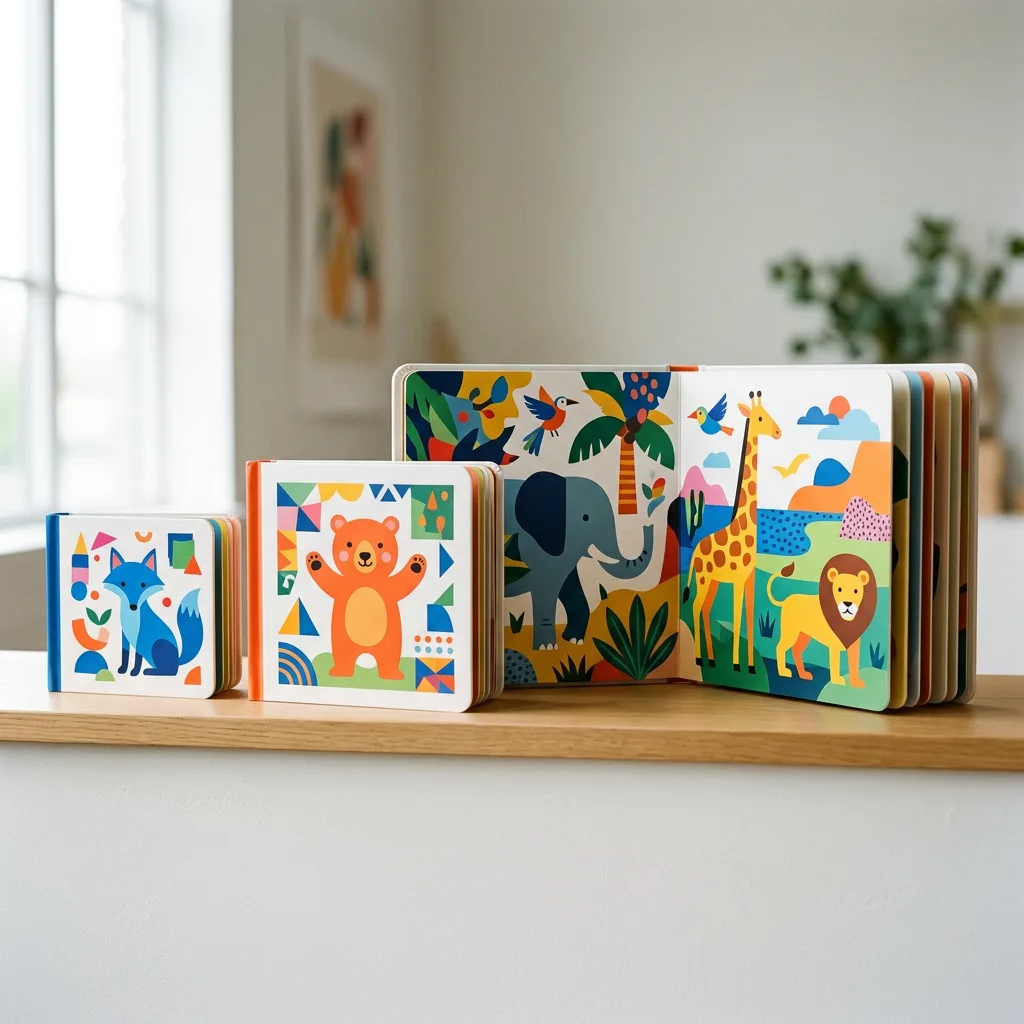
A larger finished size uses more printed sheet area and more board per copy. Square and rectangular formats are generally more straightforward than unusual shapes. A shaped book, rounded profile or non-standard outline may require custom die-cutting and additional production handling. Even small changes in dimensions can affect sheet layout and packing efficiency.
Page count and board thickness
In board book production, pages are usually discussed as spreads or as finished pages, so confirm exactly how the count is defined when requesting prices. More spreads require more printed sheets, board, mounting and assembly. The selected board construction also affects the feel, durability, finished thickness and weight of the book.
Choose construction according to the child age group, intended handling and retail position rather than choosing the thickest option by default. Requirements for sturdy corners, wipeable surfaces and suitable materials should be reviewed early. Our article on board book safety and durability features explains the related production choices and the market-specific requirements buyers should consider.
Colour printing and artwork
Full-colour CMYK printing is commonly used for illustrated board books. Artwork with extensive colour, photographs or solid backgrounds may need careful file preparation and proofing to achieve the intended appearance. Brand-sensitive projects may also specify spot colours, which can alter the printing plan. Screen RGB values should be converted and reviewed for print output; this CMYK, RGB and Pantone printing guide can help buyers choose an appropriate colour approach.
Surface finish and special effects
Aqueous coating, varnish, lamination and other protective finishes influence appearance, resistance to handling and cost. Gloss, matt and soft-touch effects do not look or wear the same. Foil stamping, embossing, debossing, spot UV and similar decorative processes add stages and may require tooling. They should be selected where they support the book concept or brand, not added automatically.
Interactive structures and components
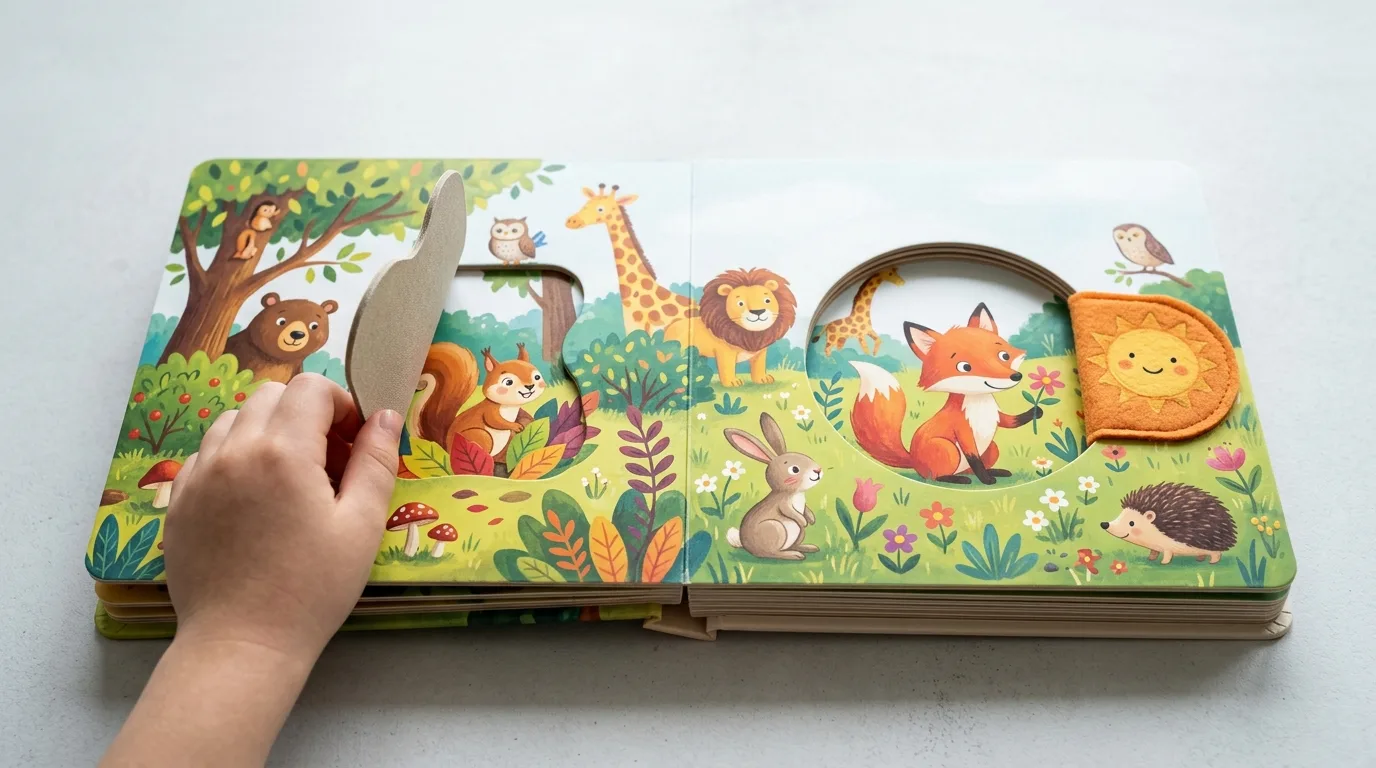
Die-cut windows, lift-the-flaps, pull tabs, textured materials and other interactive elements require added materials, tooling, assembly or quality checks. They can create a distinctive reading experience, but each feature should be evaluated for its manufacturing complexity and suitability for the intended age group. Read more about interactive board book features before finalising a feature list.
Packing and delivery destination
Board books are relatively dense and can occupy significant carton volume as quantities increase. Individual shrink wrapping, belly bands, labels, display boxes, export cartons, palletisation and destination requirements can all affect the final landed cost. Freight is influenced by shipment mode, destination country, delivery address, carton dimensions, total weight and the agreed Incoterm. Import duties and local taxes are normally destination-specific and should be checked by the buyer with the relevant broker or authority.
Why quantity changes the unit cost
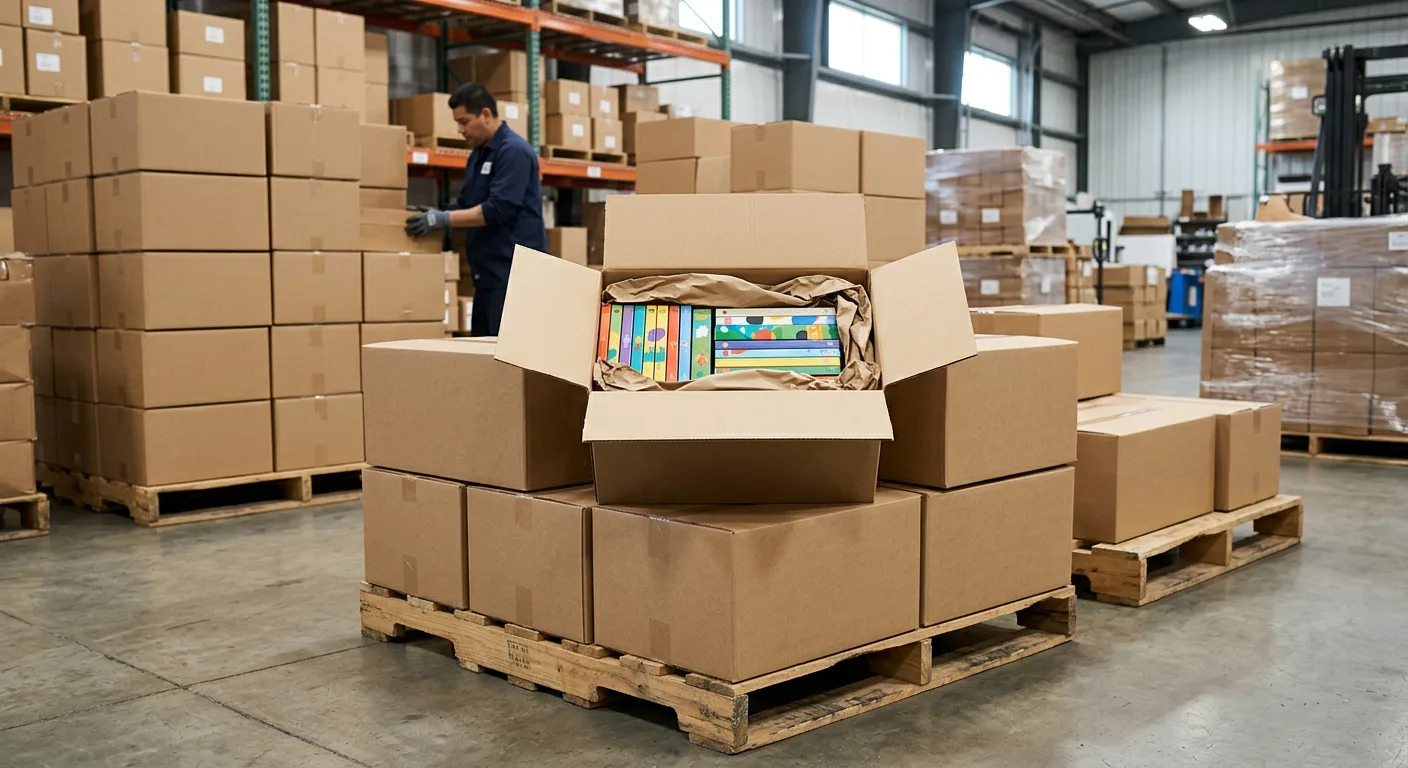
Quantity is one of the strongest influences on unit price. Board book production includes work that is largely fixed for a particular title, such as prepress review, press preparation, setup for finishing processes and any custom tooling. Those costs are distributed across the order quantity.
As quantity increases, the fixed portion is shared across more books, which can reduce the manufacturing cost per copy. However, the total order value, carton count, storage needs and freight exposure rise with volume. The lowest unit manufacturing price is not always the lowest-risk purchasing decision if demand, warehouse capacity or launch timing is uncertain.
For this reason, it is useful to request prices at two or three realistic quantity levels rather than asking only for a single volume. Keep the specification identical across the comparisons. If the size, number of spreads, finish or packing also changes, the resulting prices do not show the effect of quantity alone.
Ask whether any quoted tooling is reusable for a repeat order and retain the approved production specification. Reprints may avoid some initial setup work when the format and materials remain the same, but costs can still vary with material markets, file changes, required proofing, freight and order timing.
For a standard board book, a higher quantity can usually improve unit economics. For a title with a complex flap, die-cut or tactile structure, the balance between machine work and manual assembly also matters. Buyers should compare both the per-copy cost and the total delivered budget.
How to control your board book budget without weakening the concept
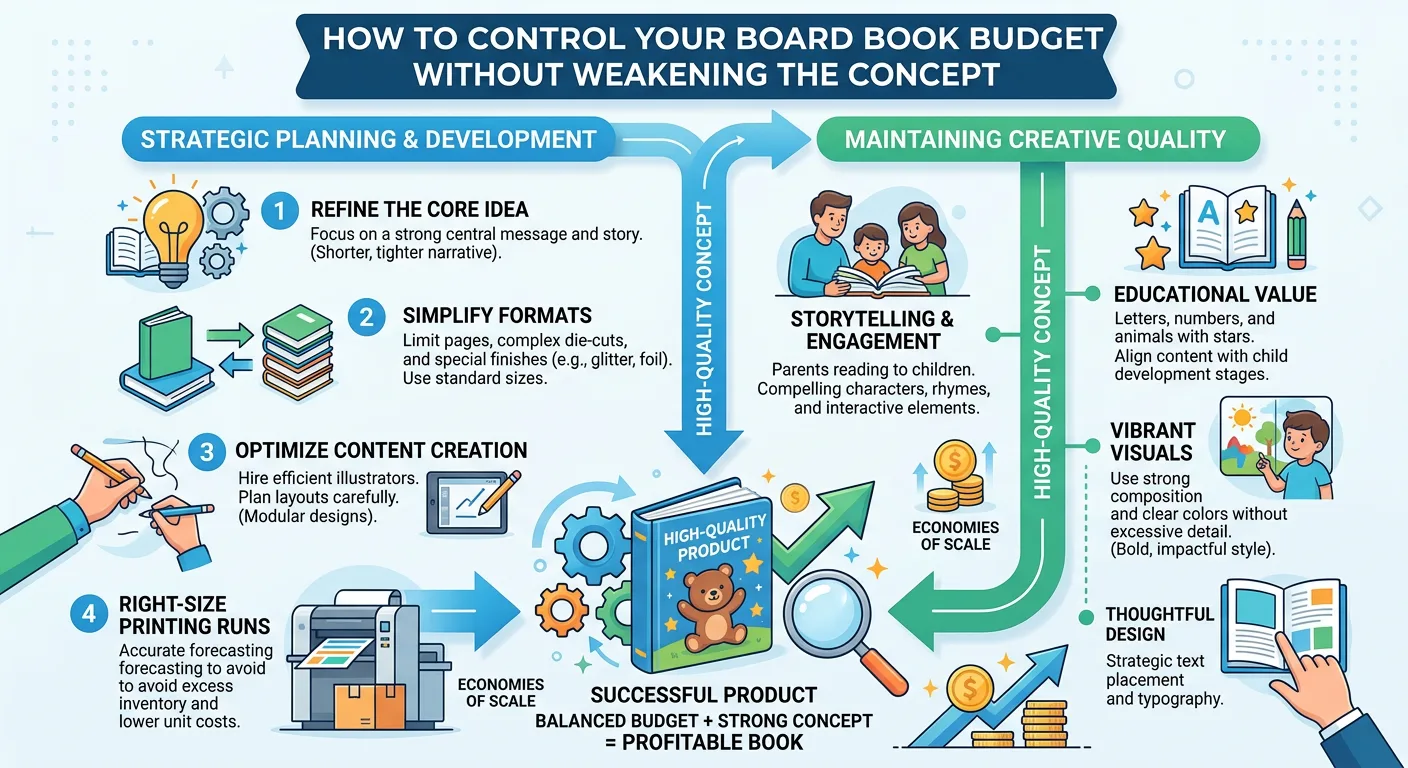
Cost control works best when it begins during format development, not after every production choice has been fixed. The aim is not simply to remove features. It is to invest in the elements that matter most to the child, parent, publisher or brand.
- Use an efficient trim size. Start with a practical standard format unless the concept truly needs a custom shape.
- Set a purposeful page count. Edit content to the number of spreads needed for the story or learning objective. Avoid adding pages only to make the book feel substantial.
- Prioritise one or two standout finishes. A well-chosen cover foil or tactile detail may deliver more value than several competing effects.
- Keep repeated elements consistent. Common flap shapes, consistent material choices and repeatable construction can be easier to manufacture than many unique structures.
- Confirm packing before production. Decide whether individual retail protection, barcode labels or special cartons are necessary for the sales channel.
- Prepare print-ready files. Complete, correctly sized files with bleed, safe areas and clearly identified finishes help reduce avoidable revision cycles.
- Plan the shipment early. Confirm the destination country and preferred delivery arrangement while comparing manufacturing options.
Do not reduce board quality, corner treatment or protective finish without considering the expected use of the product. A board book intended for repeated handling needs a specification that supports its purpose. The better approach is to remove complexity that readers will not notice while protecting the construction, artwork and usability that define the title.
Board book quotation checklist
An accurate quotation depends on complete, consistent information. Before contacting a board book printer, prepare the following checklist:
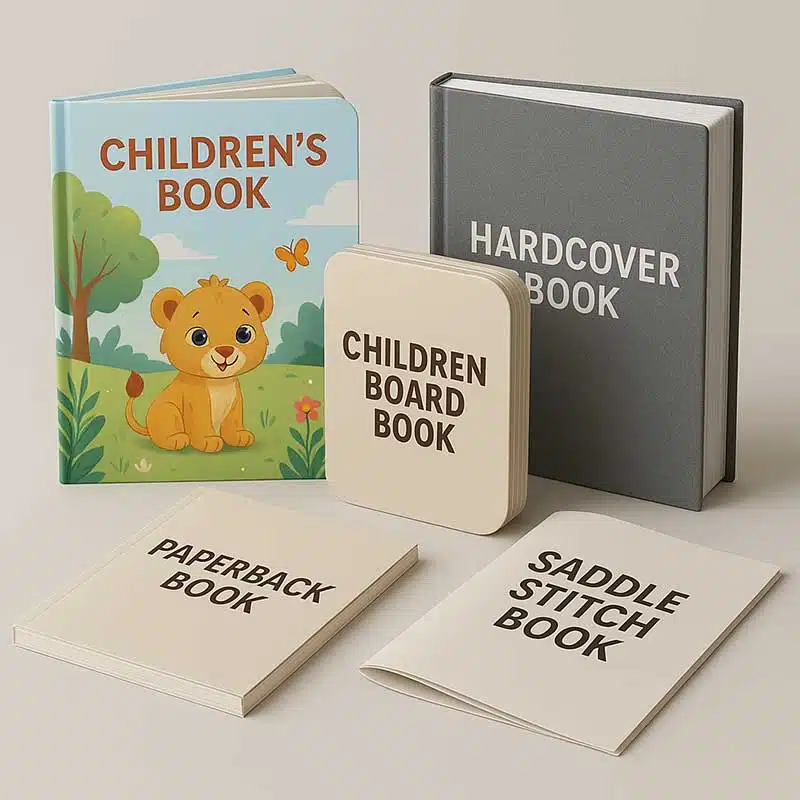
- Product type: standard board book, shaped board book, flap book or another format.
- Trim size: finished width and height, plus any special shape or rounded-corner requirement.
- Page count: state whether the number refers to pages or spreads.
- Cantidad: include the preferred order quantity and any alternative volumes for comparison.
- Imprimiendo: CMYK, black only, spot colour requirements and whether the book prints on both sides of each spread.
- Board and finish: preferred board construction, gloss or matt surface, lamination and requested special effects.
- Interactive details: flap quantity, die-cuts, tactile materials, inserts or any other structural feature.
- Packing: individual wrap, labels, retail boxes, master carton requirements or pallet needs.
- File status: print-ready PDF, working files, preliminary artwork or a need for file review.
- Destination country: and, where available, the delivery postcode or city, so logistics can be assessed appropriately.
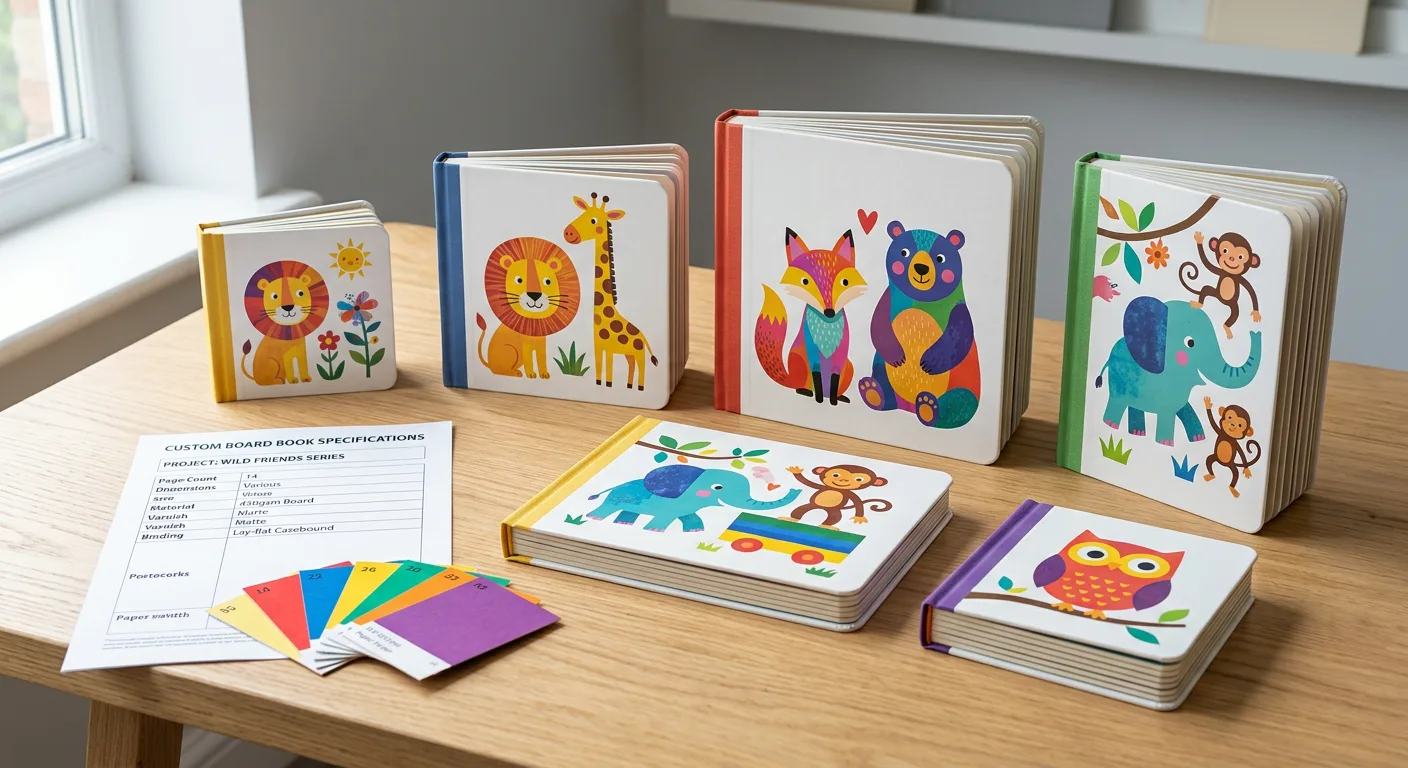
It is helpful to send a visual reference, dummy, marked-up PDF or specification sheet if the project has an unusual structure. For projects with electronics, such as sound buttons and modules, the quote should also define the component requirements, battery arrangement, audio count and assembly plan. Those products have a different cost structure from a standard printed board book; see our guide to children’s sound book printing cost for the additional considerations.
Conclusión
Board book printing cost depends primarily on the physical specification and the order volume: size, number of spreads, board construction, print and finish choices, interactive features, packing and delivery destination. A simple, well-defined format is easier to price and compare than a concept with open details.
The most useful next step is to finalise the choices that affect manufacturing, then request a like-for-like quotation at realistic quantities. This lets you balance unit price, total investment, durability and the reader experience with confidence.
Request a custom board book quotation
Planning a custom board book? YBJ Printing can review your specification and help you discuss practical production options. For an accurate quotation, send your product type, trim size, page count, quantity, paper or board and binding preference, finish requirements, file status and destination country. A reference image, dummy or marked-up PDF is also useful for shaped or interactive books.