
Índice
- What Is Custom Children’s Sound Book Printing?
- How Children’s Sound Books Are Made
- Key Specifications to Decide Before Quoting
- Planning Audio, Buttons and User Experience
- Preparación de material gráfico y archivos
- Safety, Quality Control and Testing
- What Affects Cost and Production Timing?
- Buyer Checklist for a Custom Sound Book Project
- Conclusión
La impresión personalizada de libros infantiles con sonido combina la fabricación de libros de cartón resistentes con módulos de audio, botones, altavoces y un montaje minucioso. Esta guía explica las decisiones que deben tomar las editoriales, las marcas y los compradores de productos educativos antes de iniciar la producción.
What Is Custom Children’s Sound Book Printing?
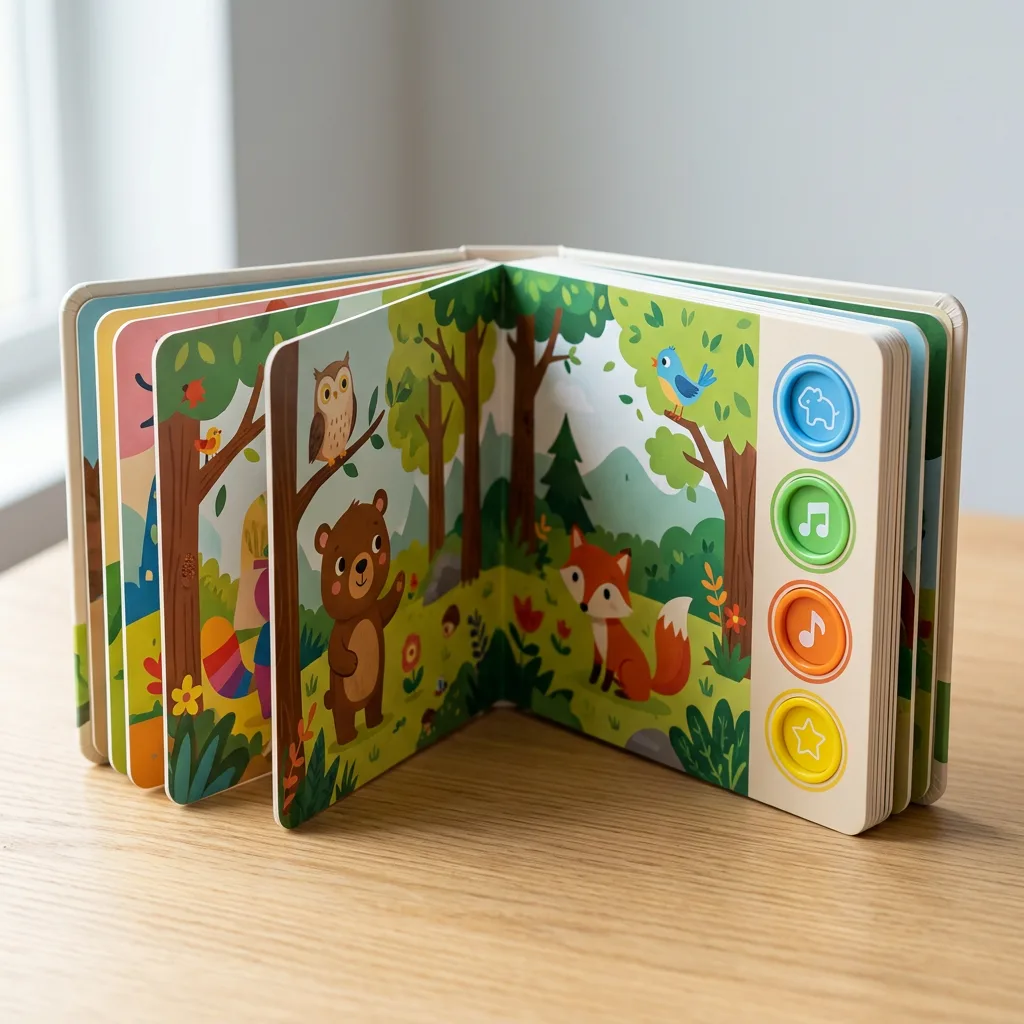
Custom children’s sound book printing is the production of an interactive printed book that combines pages, usually durable board pages, with electronic audio components such as push buttons, a sound module, speaker and battery system. When a child presses a button, the module plays a pre-loaded sound, word, song, story segment or learning prompt.
Unlike a standard printed book, a sound book is a combined print-and-electronics product. Its success depends on matching the book format, page construction, audio files, button layout, module position and packaging requirements from the beginning. Planning these parts separately can lead to avoidable revisions during sampling or assembly.
Sound books are commonly used for early learning, language products, licensed character publishing, animal sounds, music titles and promotional educational products. The right specification depends on the target age, intended market, expected use frequency and the type of audio interaction you want to create.
For a detailed explanation of the electronic parts involved, see componentes de los libros de sonido, botones, módulos y pilas.
How Children’s Sound Books Are Made
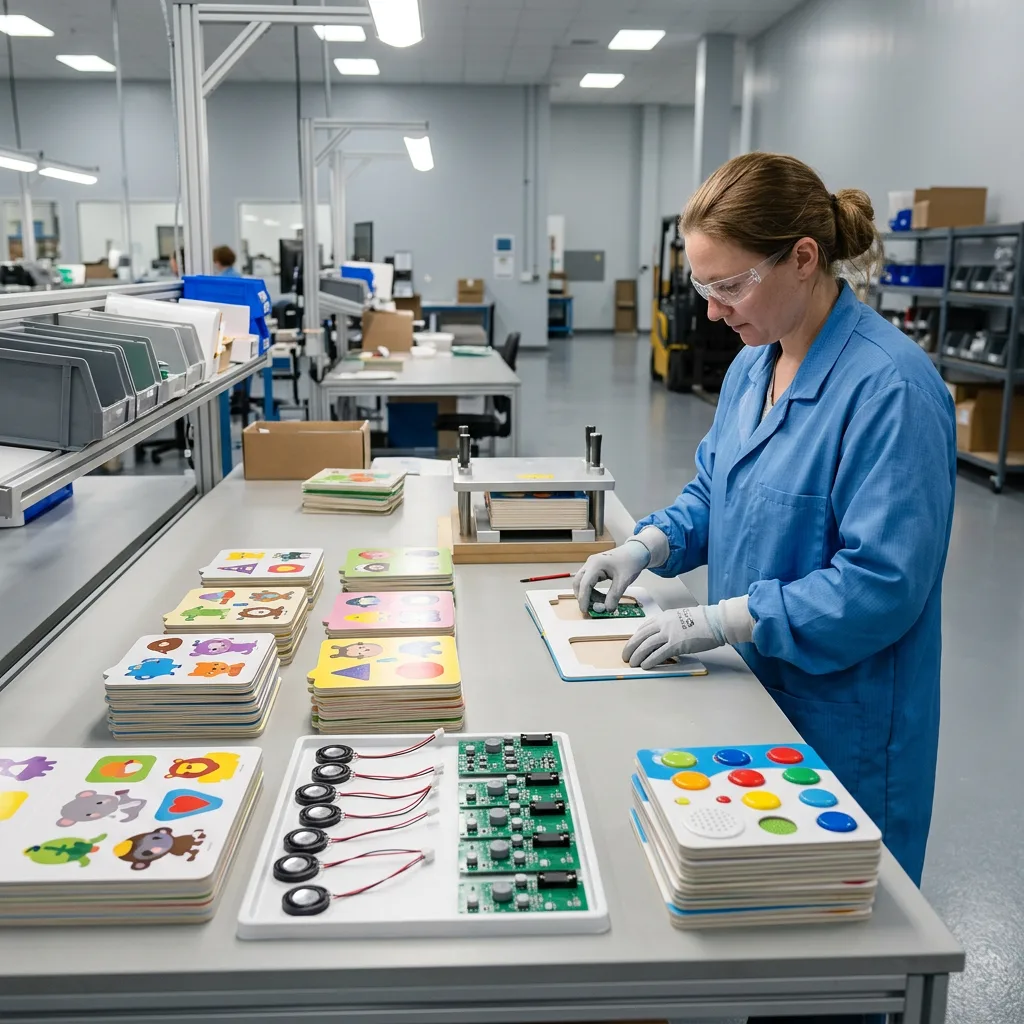
A custom sound book normally begins with a product specification and structural concept. The printer or manufacturing team reviews the trim size, page count, board thickness, binding style, button panel location, audio requirements and packaging before preparing samples or moving into production.
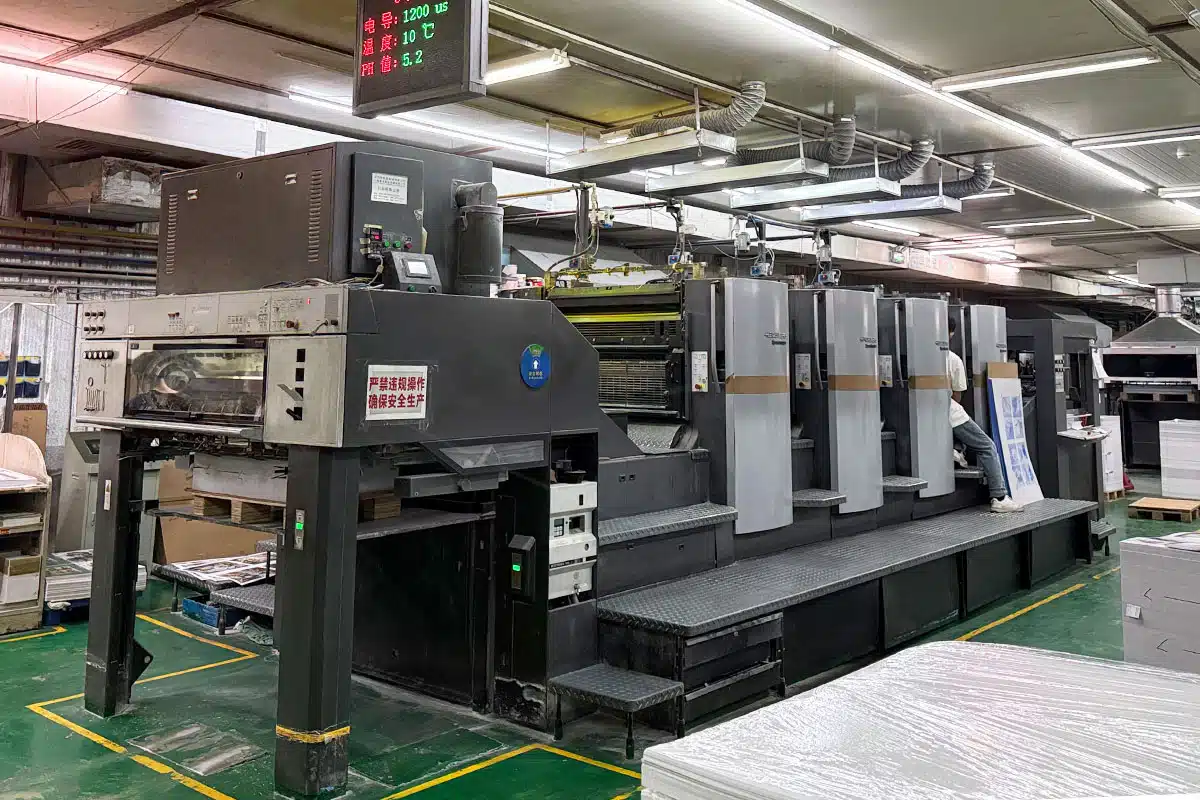
Printed pages are generally produced on paperboard-based board book materials for durability. The pages are printed, laminated or otherwise finished as required, mounted to board and die-cut or prepared for binding. A cavity or panel area may be needed to hold the electronic module without creating uncomfortable edges or interfering with page turning.
The audio module is programmed with approved sound files. Buttons are mapped to the correct tracks, while the speaker, battery compartment and protective structure are fitted into the book. The finished product then requires functional checks to confirm that each button works, the correct audio plays and the physical construction is secure.
Sound module integration should be considered as part of the book structure rather than an add-on after the artwork is complete. Read our manufacturing guide to integrating sound modules in children’s books for a closer look at this process.
Key Specifications to Decide Before Quoting
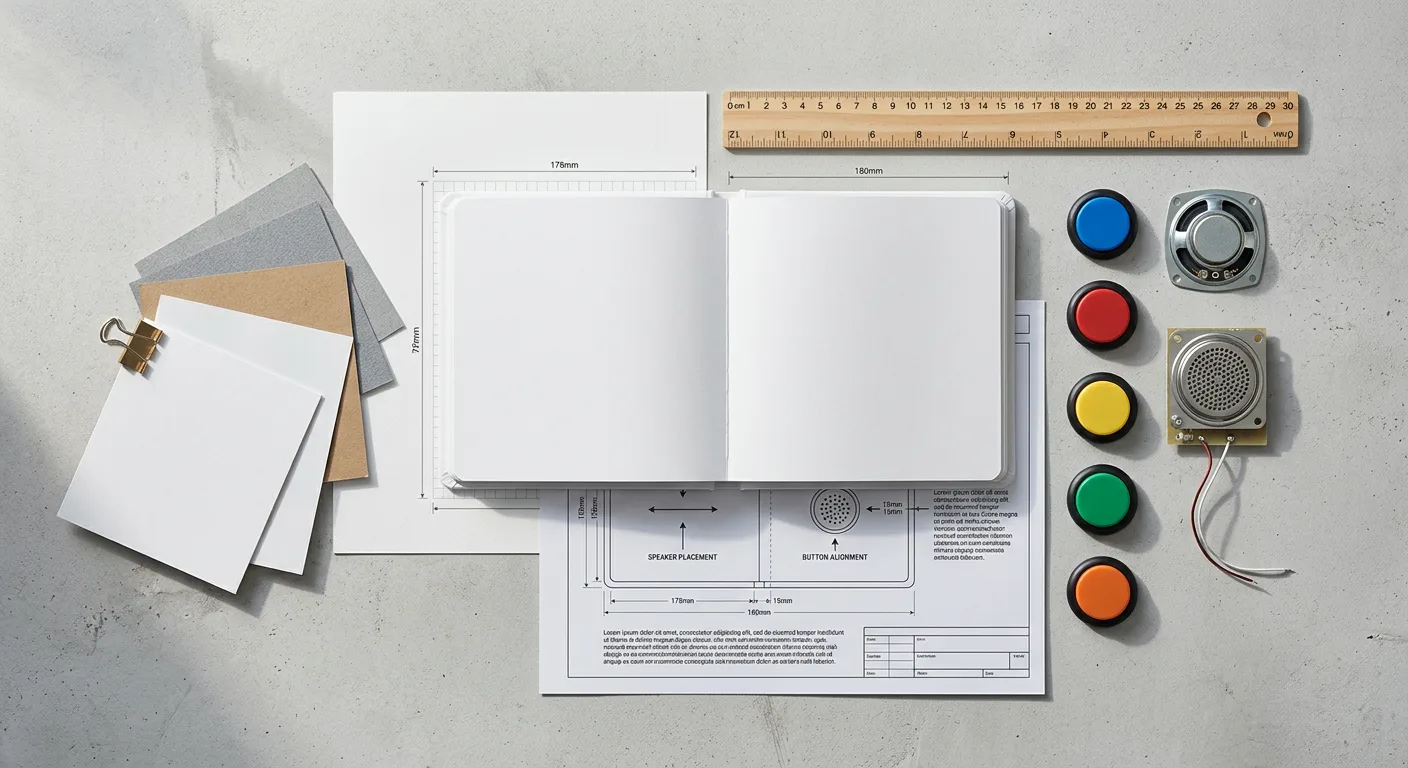
A clear specification helps a manufacturer assess feasibility and prepare an accurate quotation. The most important decisions are not only visual. They also determine the electronic configuration, assembly method, freight volume and production workflow.
Book format and page construction
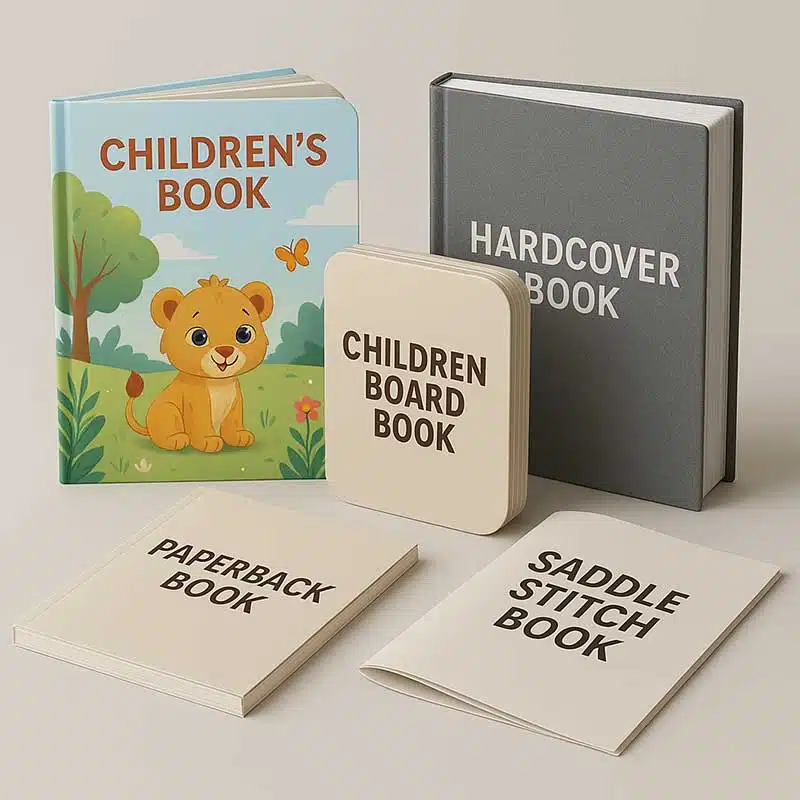
Confirm the finished trim size, portrait or landscape orientation, total number of pages and whether the book uses conventional board pages, a separate button panel or another interactive layout. Board thickness and page construction should suit the intended age group and how frequently the product will be handled.
Audio system
Specify the number of buttons, estimated number of tracks, target duration of each track, speaker requirement, power source and whether the book should include a master on/off function. More buttons or longer audio capacity can affect module selection and the amount of assembly work.
Print and finishing
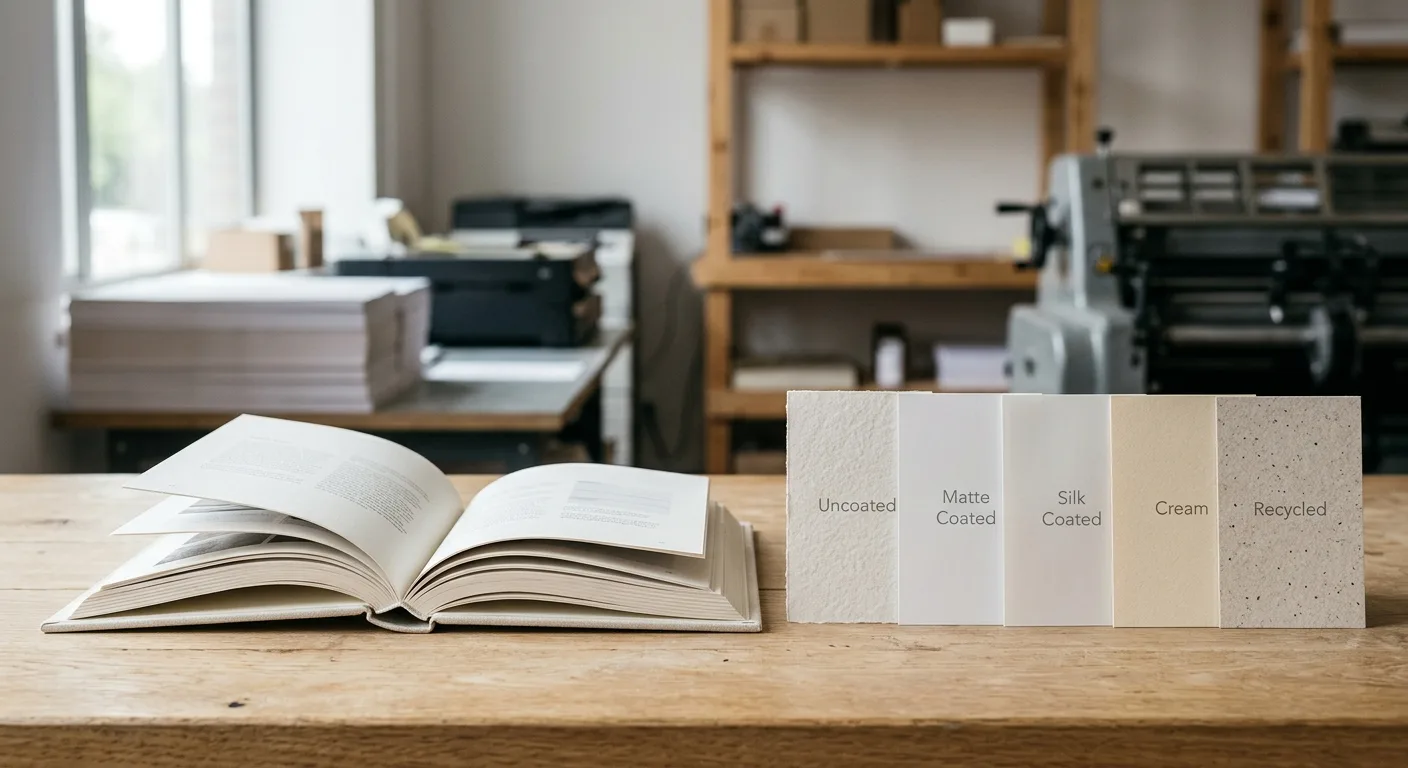
Choose the print colour requirements, surface finish, corner treatment and cover or panel design. Matte or gloss lamination may be selected for appearance and wipe-clean durability, but the best choice should also consider the artwork, intended use and physical construction.
Packaging and destination
State whether each unit needs an individual box, insert, shrink wrap, barcode label or other retail packaging. Destination country matters because shipping method, import requirements and applicable product requirements can vary by market.
Planning Audio, Buttons and User Experience
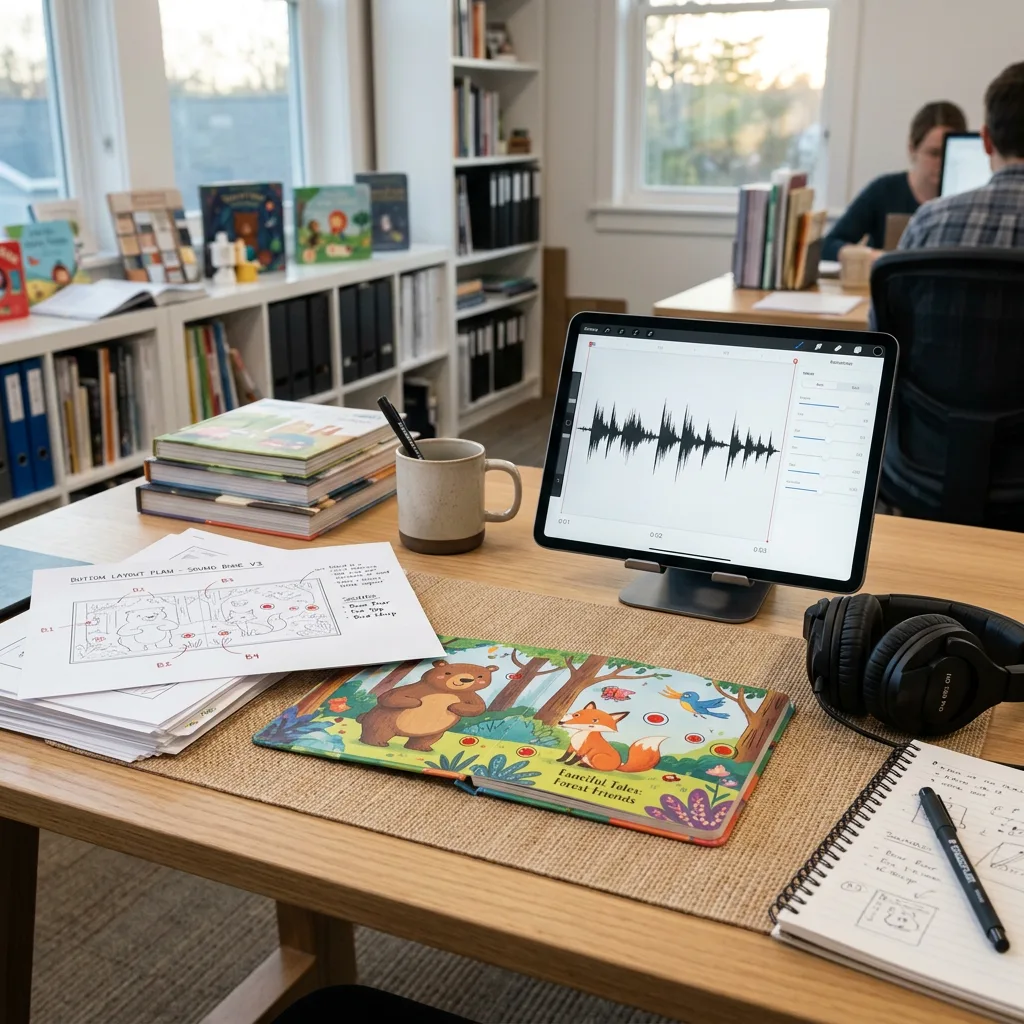
Audio planning is one of the most important parts of a children’s sound book project. A clear audio plan helps avoid mismatched buttons, overly long tracks, inconsistent volume or confusing interactions for young users.
Start by defining the learning or storytelling purpose of every sound. For example, each page may include one animal sound, one spoken vocabulary word or a short question-and-answer prompt. Keep the user journey simple: the child should be able to identify which button relates to which illustration or text without needing extra instructions.
Create an audio map that lists each button number, page reference, button label, file name, track purpose and approved duration. This document should match the artwork exactly. It is especially useful when a title has multiple language editions or several audio versions.
Audio quality also matters. Recordings should be clean, appropriately paced for children and consistent in volume. Obtain the necessary rights for music, voices, scripts and other licensed content before manufacturing. For practical planning steps, review Cómo planificar el audio para un libro sonoro infantil personalizado.
Preparación de material gráfico y archivos
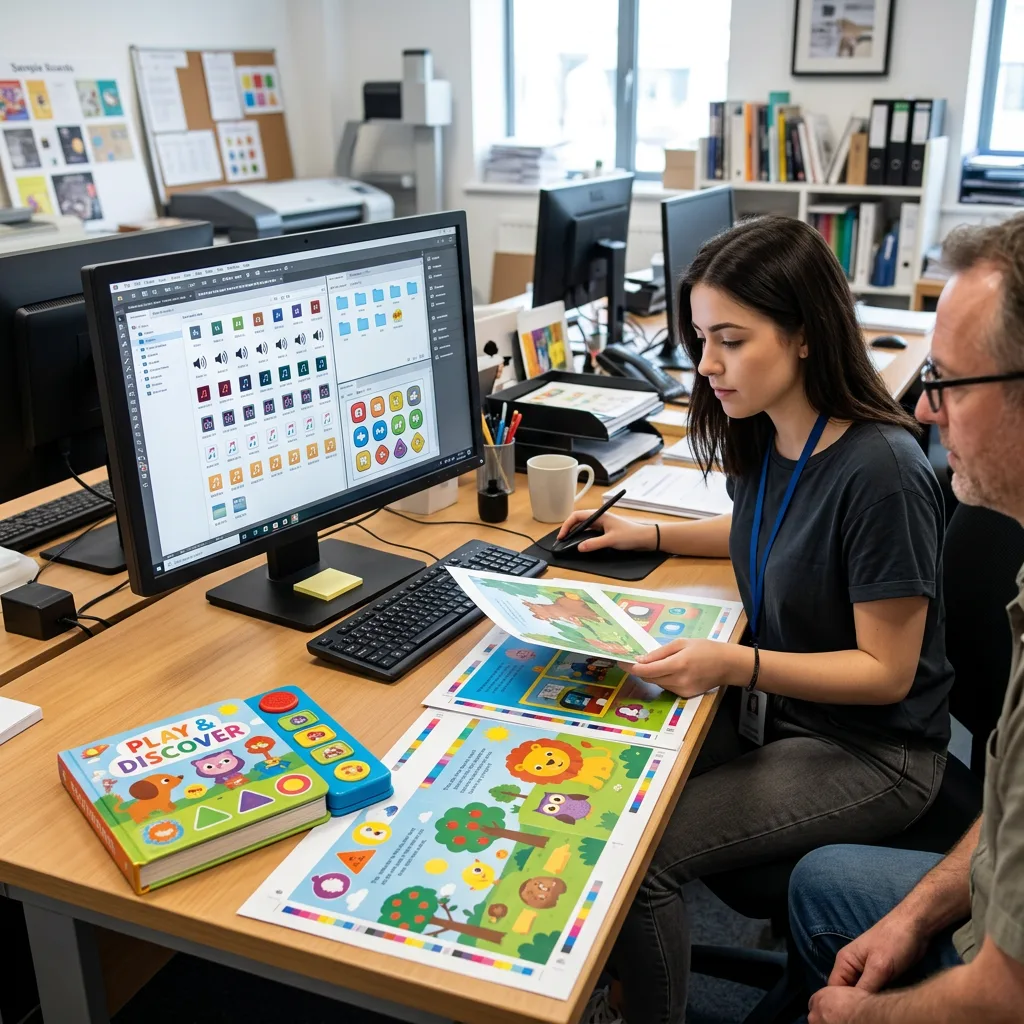
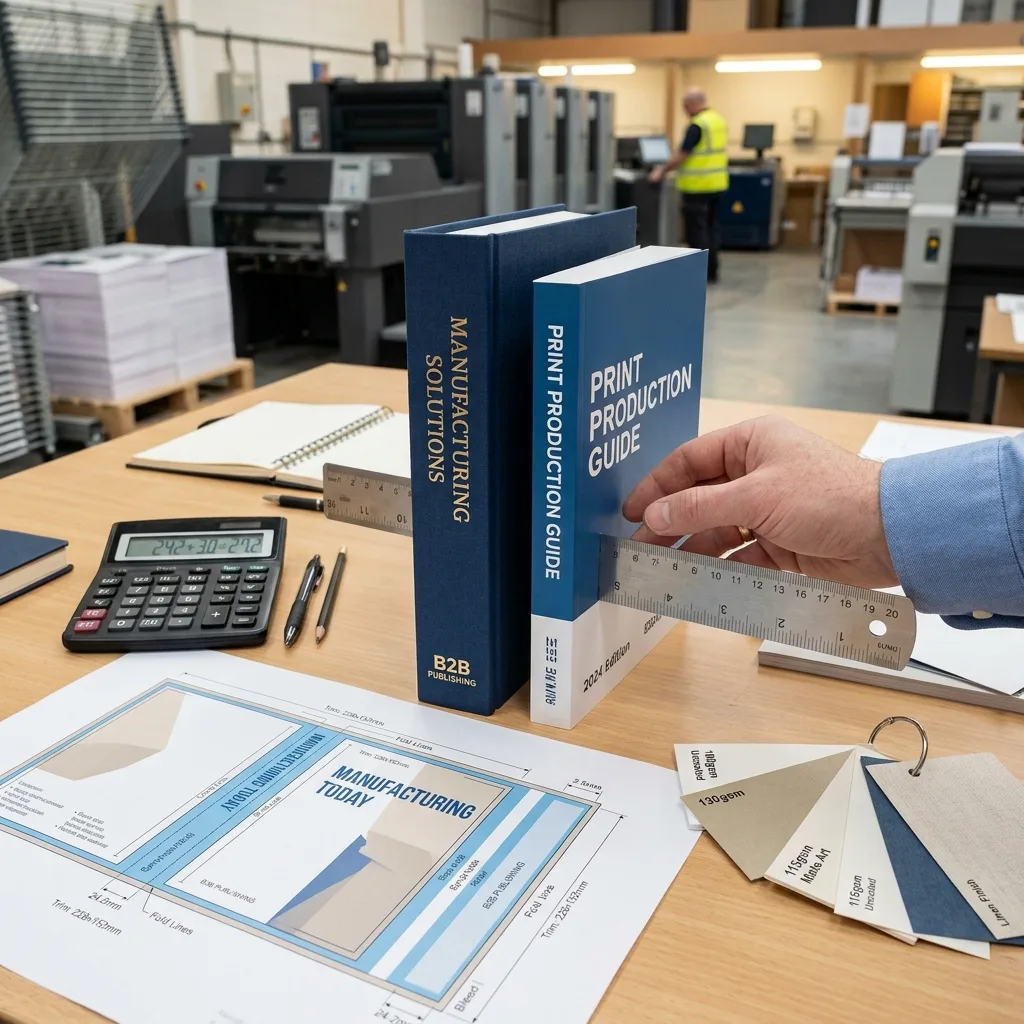
Sound book artwork requires more than standard page layouts. Designers need to account for safe areas, trim, bleed, board-page folds, button graphics, module panel boundaries and any cut-outs or assembly zones. The artwork should make button use intuitive while leaving sufficient clearance around physical components.
Supply print-ready files in the format requested by the manufacturer, normally with clearly named pages and linked or embedded images as appropriate. Fonts should be outlined or packaged where required. Images should have sufficient resolution for the finished print size, and colour handling should be agreed before final output.
Audio files must also be organised carefully. Use a consistent file naming system that corresponds to the button map. Include a final approved audio folder rather than multiple draft versions. If the project includes multilingual tracks, label each language version clearly and confirm whether the same module layout will be used for every edition.
A pre-production sample is valuable because it allows the buyer to review print appearance, book construction, button placement, playback sequence and basic handling before the full production run. See our guide to children’s sound book file setup, artwork, audio and proofing for a more detailed handover checklist.
Safety, Quality Control and Testing
Children’s products need careful consideration of physical construction, materials, electronics and destination-market requirements. Product obligations differ by country and by the age grading, sales channel and final product design. Buyers should identify applicable requirements early and confirm which testing, documentation or labelling may be needed for their market.
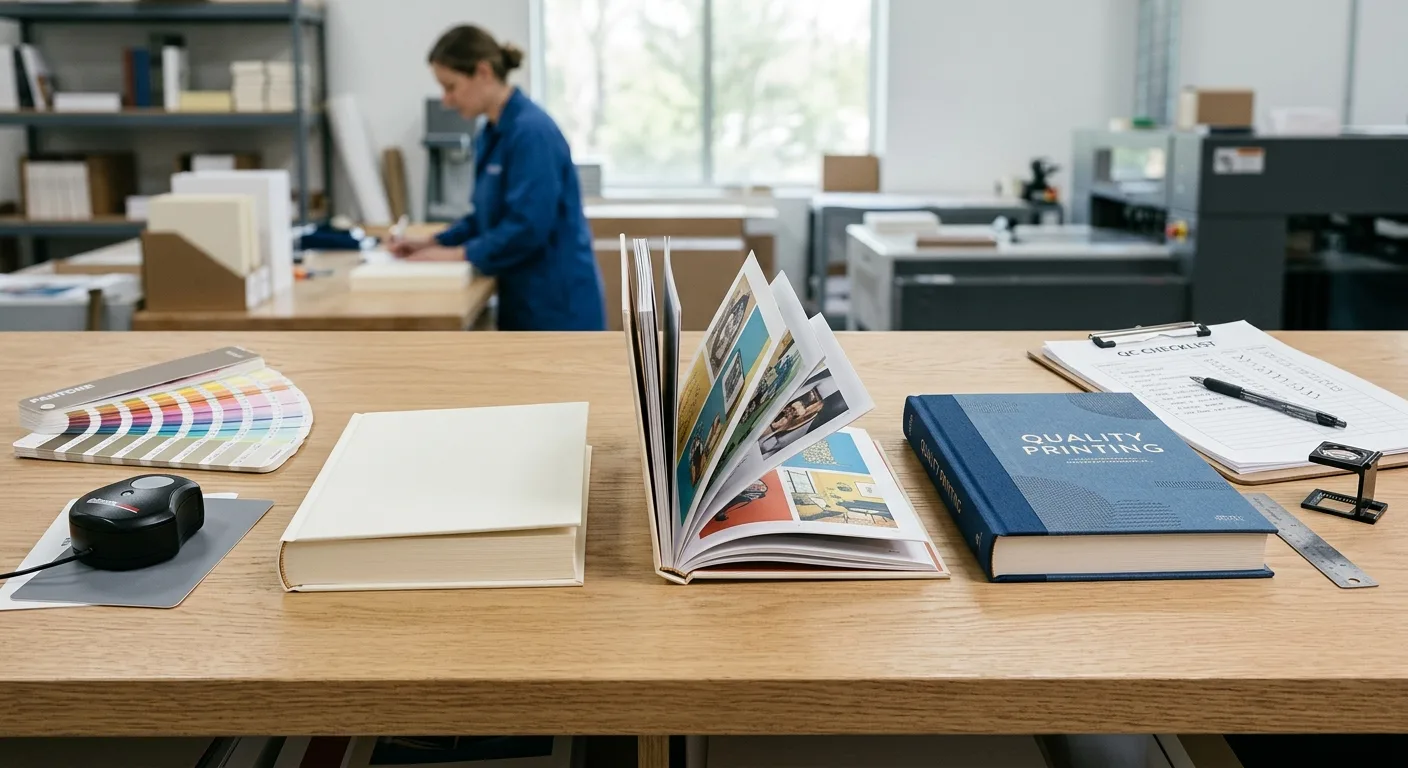
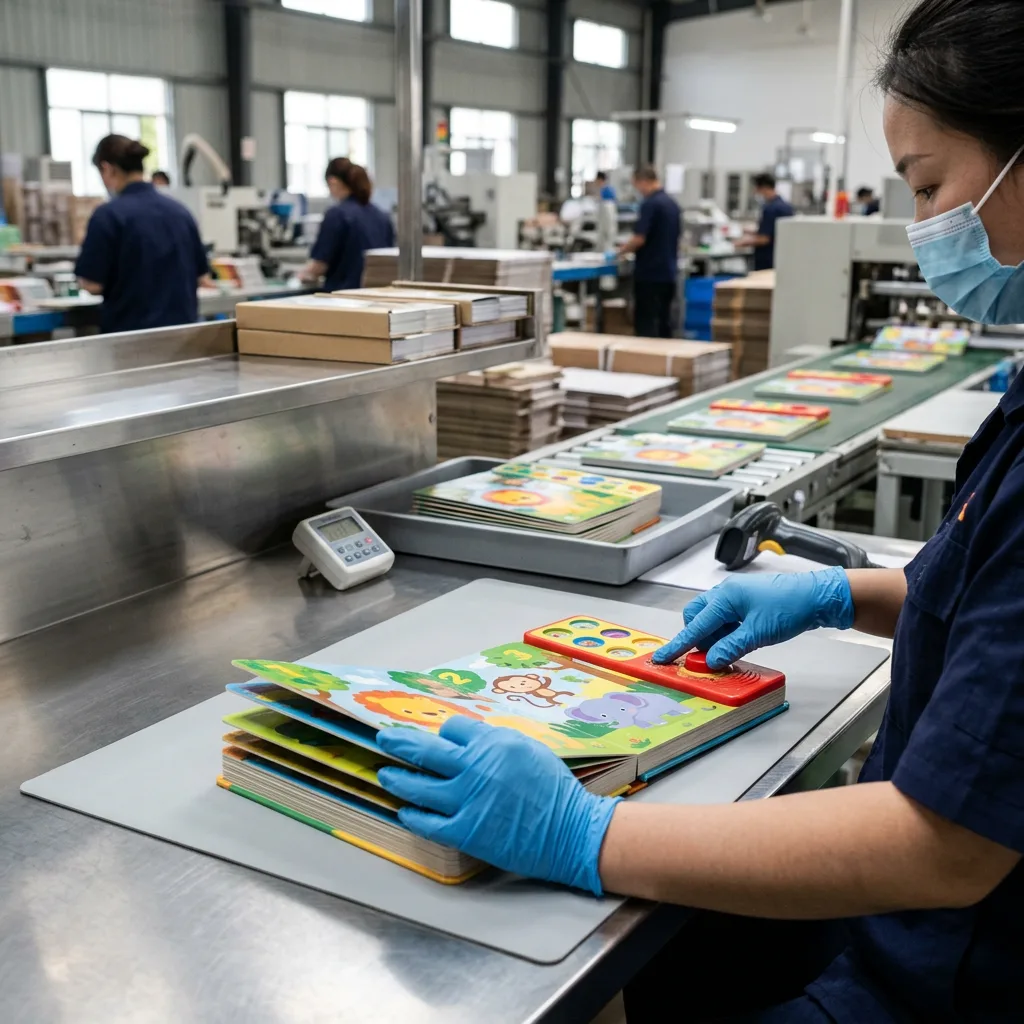
From a manufacturing perspective, sound book checks commonly focus on page alignment, board adhesion, lamination quality, sharp-edge prevention, button response, correct audio playback, speaker performance, battery installation, battery compartment security and packaging condition. The exact inspection points should be agreed based on the product specification.
Do not assume that one market’s requirements automatically cover another market. If you plan to sell in the United States, European Union, United Kingdom or other regulated markets, discuss the intended destination and product category before production. Our overview of normas de seguridad para la impresión de libros infantiles explains why market-specific planning is important.
What Affects Cost and Production Timing?
The cost of custom children’s sound book printing is influenced by both printed-book and electronic-component requirements. The quantity is important, but it is only one part of the calculation.
Main cost factors include trim size, page count, board thickness, number of colours, finishing, number of buttons, audio capacity, module type, battery configuration, assembly complexity, individual packaging, sampling requirements and destination logistics. Licensed audio, custom tooling or specialised packaging can also affect the overall project budget.
Production timing depends on file readiness, sampling needs, component sourcing, audio approval, complexity of assembly, quality checks and shipping method. A project with fully approved artwork and audio generally moves more smoothly than one where files, button maps or packaging details are still changing.
For a focused explanation of the commercial variables, read how much it costs to print children’s sound books. Pricing and production timing should always be based on the final specification rather than a generic estimate.
Buyer Checklist for a Custom Sound Book Project
Before contacting a manufacturer, prepare the following information. A complete brief reduces clarification time and makes it easier to assess the most suitable construction for your title.
- Product type and intended age group
- Finished trim size and orientation
- Total page count and preferred board-book structure
- Expected order quantity and target destination country
- Number of buttons and a preliminary button layout
- Audio track count, estimated duration and file status
- Paperboard, lamination or finishing preferences
- Packaging requirements, including labels, barcodes or inserts
- Artwork status, including whether files are final or still in development
- Required delivery window and any sampling or approval process
Assumptions about board thickness, module capacity, battery type, packaging and destination can materially affect the quote, production plan and finished user experience. Confirming these points early is more reliable than selecting a specification based only on appearance.
Conclusión
Custom children’s sound book printing requires coordinated decisions across content, print construction, electronics, assembly and market planning. The most practical approach is to develop the audio map and button layout at the same time as the board book artwork, then review a representative sample before bulk production.
If you are developing a children’s sound book, YBJ Printing can discuss your custom print project and help review the production information needed for quotation.
Request a Custom Children’s Sound Book Quote
Send YBJ Printing your product type, trim size, page count, quantity, paperboard or binding preference, finish, button and audio requirements, file status and destination country. With these details, we can review your custom children’s sound book printing project and prepare a relevant quotation.