
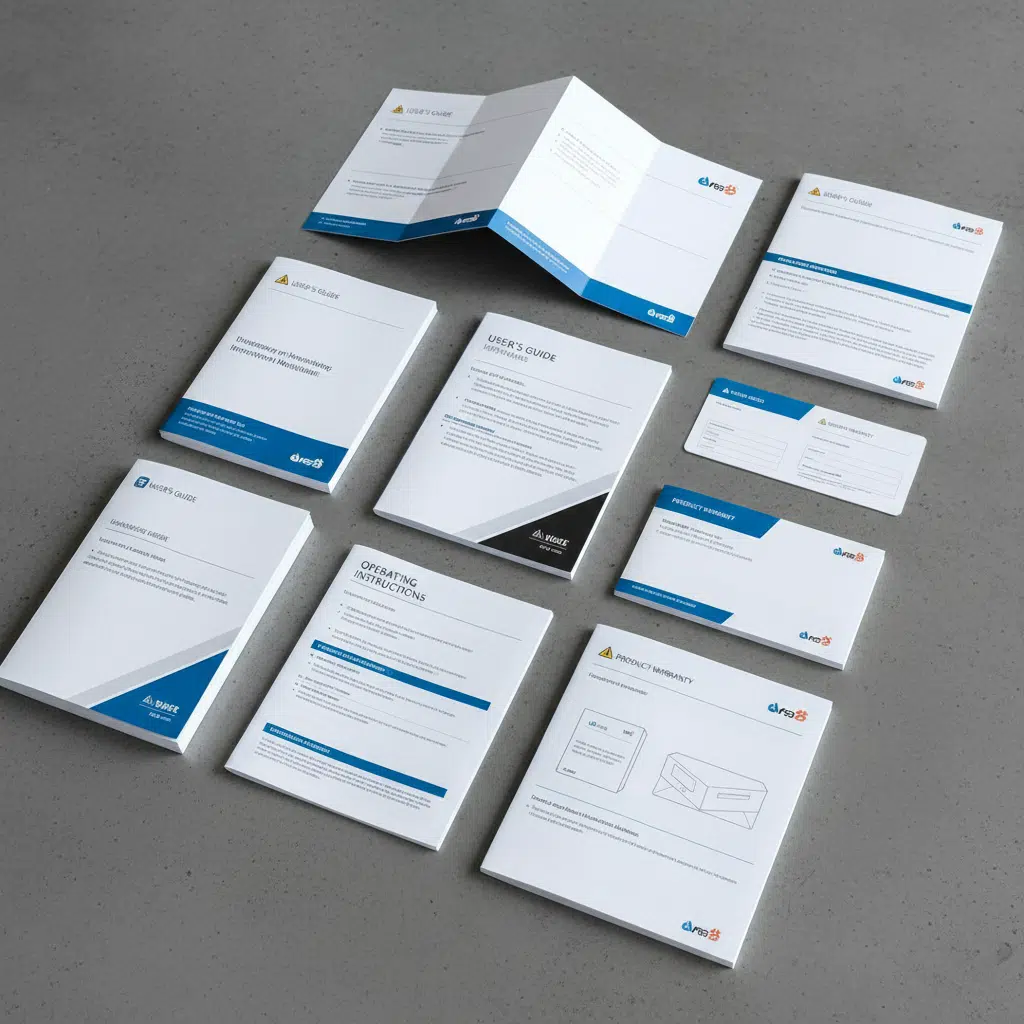
Plus que du papier : Le rôle de la documentation dans la fabrication
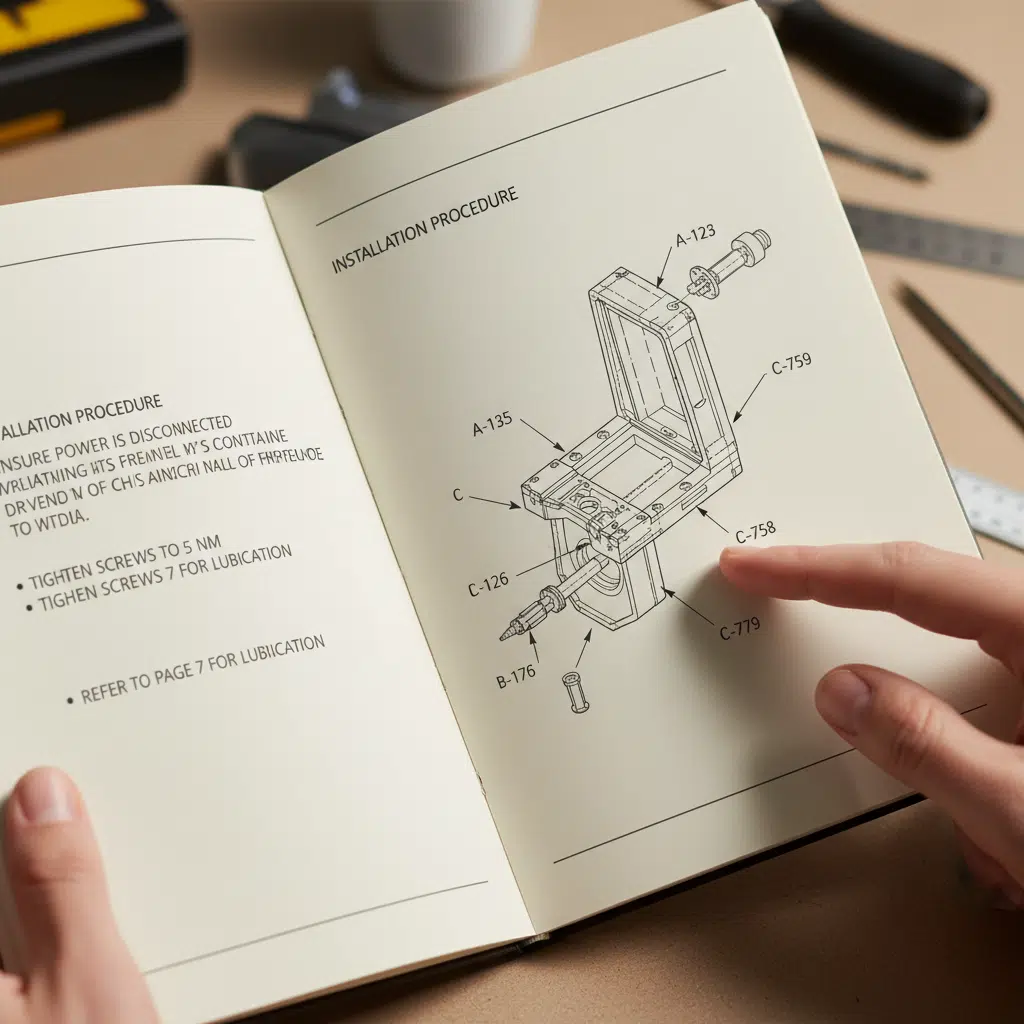
Pour les fabricants d'équipements d'origine (OEM) et les marques de produits, les documents imprimés à l'intérieur de la boîte sont aussi importants que le produit lui-même. Qu'il s'agisse d'un manuel d'instructions complet, d'un guide de démarrage rapide ou d'une carte de garantie, ces encarts servent deux fonctions principales : la conformité et l'expérience du client.
Un manuel mal imprimé, dont l'encre est maculée ou dont les plis sont confus, donne une mauvaise image de la marque. À l'inverse, un livret net et professionnel améliore la valeur perçue et garantit que les utilisateurs peuvent utiliser l'équipement en toute sécurité. Ce guide couvre les spécifications techniques, les choix de matériaux et les considérations stratégiques pour les fabricants qui s'approvisionnent en manuels d'instruction imprimés sur mesure et en encarts d'emballage.
Types d'encarts et de manuels d'emballage
Le choix du bon format dépend du volume d'informations, de la taille de l'emballage du produit et du budget. Voici les formats standard utilisés dans les emballages industriels et grand public.
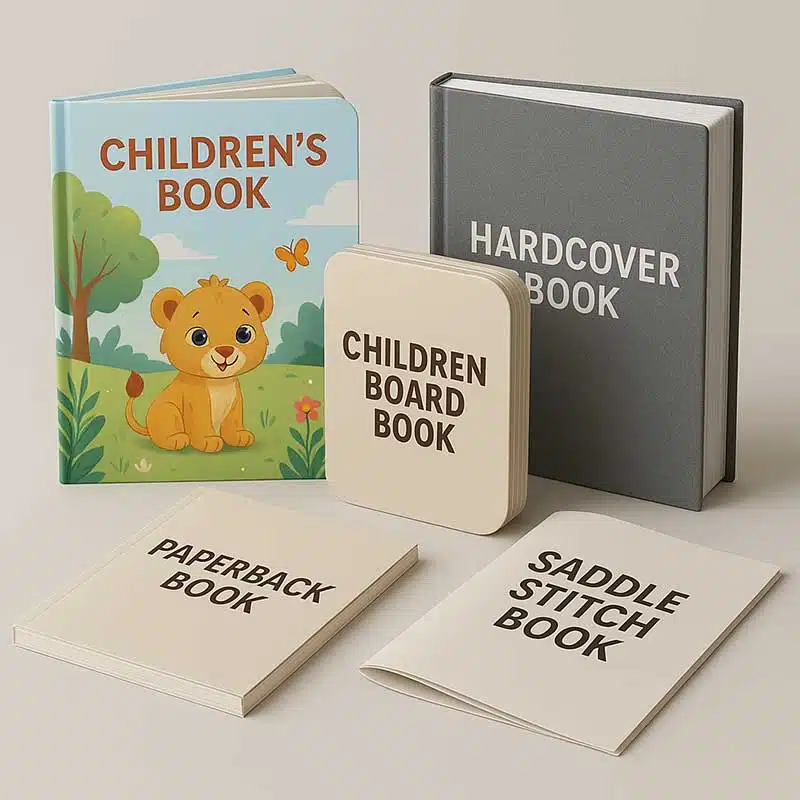
1. Livrets cousus à cheval
C'est le format le plus courant pour les manuels d'instruction de 8 à 64 pages. Les feuilles sont pliées et agrafées à travers la ligne de pliage. Ce format est économique et relativement plat, ce qui le rend idéal pour l'électronique grand public, les appareils de cuisine et les outils électriques.
2. Dépliants pliés (mini-pli/carte pliée)
Lorsque l'espace d'emballage est restreint, comme dans les cosmétiques, les produits pharmaceutiques ou les petits appareils électroniques, la solution standard consiste à plier une grande feuille pour la rendre plus compacte. Des techniques de pliage complexes (comme le pliage croisé ou le pliage en accordéon) permettent aux fabricants d'inclure des textes réglementaires détaillés et des instructions multilingues sans ajouter d'encombrement.
3. Manuels à reliure parfaite
Pour les guides automobiles, la documentation de machines complexes ou les manuels de logiciels détaillés (dépassant souvent 60 à 80 pages), la reliure parfaite offre un dos carré et un aspect professionnel semblable à celui d'un livre de poche. Cette méthode est durable et convient aux documents comportant un grand nombre de pages.
4. Reliure Wire-O ou spirale
Pour les manuels techniques qui doivent rester complètement à plat sur un établi pendant leur utilisation (par exemple, les carnets d'entretien ou les guides d'assemblage), la reliure à fil métallique est le meilleur choix. Elle empêche la fermeture automatique du livre, ce qui permet une lecture mains libres.
5. Encarts et cartes à feuille unique
Les cartes de garantie, les notes de remerciement et les guides de démarrage rapide utilisent souvent du papier cartonné plus épais. Ces documents se distinguent du manuel papier standard et sont souvent la première chose que voit le client.
Spécifications des matériaux : Poids et finition du papier
Le choix du bon papier a un impact sur la lisibilité, la durabilité et le coût. Dans l'impression B2B, nous classons généralement le papier en fonction de son grammage (GSM - grammes par mètre carré) et de sa finition.
Poids de papier courants
- 60gsm - 80gsm (non couché sans bois) : La norme pour les manuels en noir et blanc. Il est léger, rentable pour les gros volumes et facile à lire sans éblouissement.
- 105gsm - 128gsm (papier d'art couché) : Il est souvent utilisé pour les produits de consommation haut de gamme qui comportent des diagrammes ou des photos en couleur. Il donne une impression de fluidité et de qualité supérieure.
- 200gsm - 300gsm (carton) : Utilisé pour les couvertures de manuels plus épais ou pour les cartes de garantie autonomes et les encarts d'emballage.
Revêtu ou non revêtu
- Sans revêtement : Idéal pour les documents techniques comportant beaucoup de texte. Il absorbe bien l'encre et n'est pas éblouissant, ce qui facilite la lecture sous les lumières vives de l'usine ou du bureau.
- Revêtement mat/brillant : La brillance rehausse les couleurs des photographies mais peut provoquer des reflets. Le revêtement mat offre une finition sophistiquée et non brillante qui protège l'encre contre les bavures.
Considérations stratégiques pour les équipementiers
Mises en page multilingues et versions régionales
Les fabricants qui exportent à l'échelle mondiale sont confrontés à un choix : imprimer des manuels distincts pour chaque région ou regrouper toutes les langues dans un seul manuel "mondial".
Manuels combinés : Augmente le nombre de pages et le poids, mais simplifie la gestion des stocks (une seule UGS pour tous les marchés).
Manuels régionaux : Réduit les coûts d'impression par unité (moins de pages) mais complique la logistique et le suivi des stocks.
Conformité et marquages de sécurité
Les encarts d'emballage sont souvent soumis à des exigences légales. Veillez à ce que vos fichiers graphiques incluent les logos de conformité (CE, FCC, RoHS, UKCA) et les avertissements de sécurité les plus récents. Les imprimeurs professionnels vérifieront la clarté d'impression de ces petites icônes critiques, mais l'exactitude du contenu reste de la responsabilité du fabricant.
Kitting et assemblage
Réfléchissez à la façon dont le manuel s'insère dans la boîte finale. Si votre chaîne de montage utilise une insertion automatisée, le manuel doit être parfaitement plat. En cas d'insertion manuelle, le papier doit être suffisamment résistant pour supporter les manipulations sans se froisser.
Guide d'achat : Commande de manuels personnalisés
1. Quantité minimale de commande (QMC)
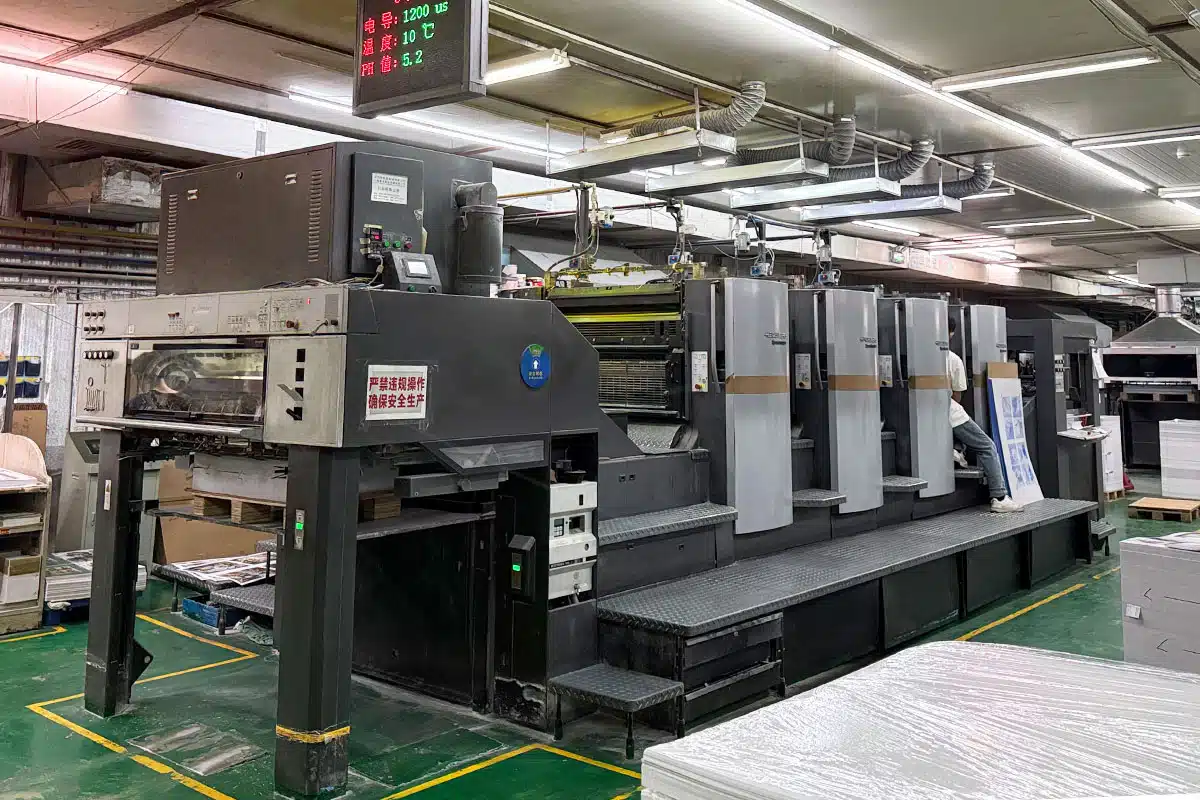
L'impression offset offre le prix unitaire le plus bas, mais exige généralement des QMOR de 500 à 1 000 unités pour absorber les coûts de mise en place. L'impression numérique est disponible pour les petits lots ou le prototypage, mais son coût unitaire est plus élevé.
2. Préparation des œuvres d'art
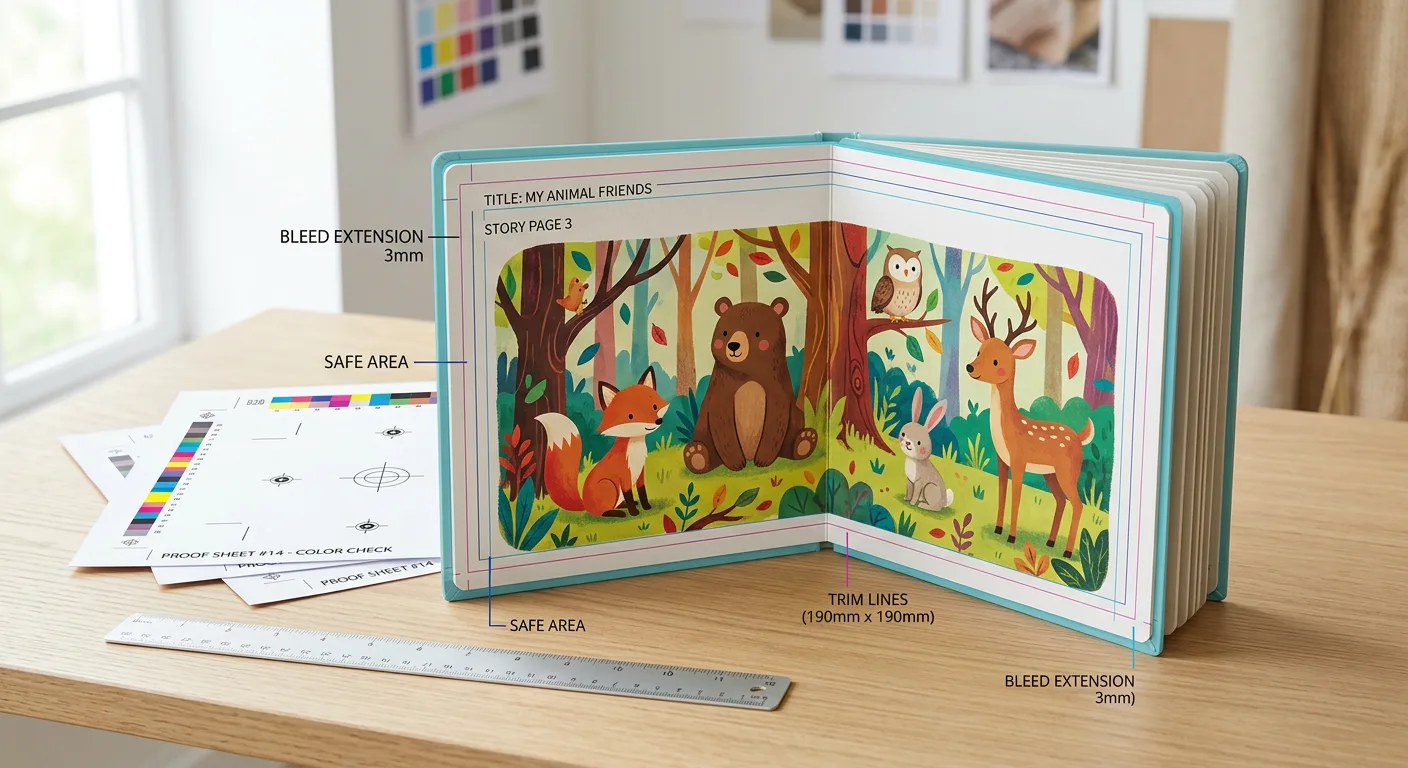
Pour garantir la qualité de la production, soumettez les fichiers sous forme de PDF haute résolution (300 DPI) avec fond perdu (généralement 3 mm). Pour le texte noir, veillez à ce qu'il soit réglé sur 100% K (noir) plutôt que sur un noir riche (mélange CMJN) afin de garantir la netteté du texte, en particulier pour les petites tailles de police.
3. Délai d'exécution
Les délais de production varient en fonction de la complexité. Les livrets standard avec piqûre à cheval peuvent souvent être produits en 5 à 7 jours après approbation de l'épreuve, tandis que les dépliants complexes ou les livres à reliure parfaite peuvent prendre plus de temps. Pour les commandes internationales, il faut toujours tenir compte du délai d'expédition.
FAQ : Impression de manuels et d'encarts
Quel est le papier le plus rentable pour les manuels d'instruction ?
Pour les manuels standard en noir et blanc, le papier offset non couché de 70 ou 80 g/m² est la norme dans l'industrie. Il offre un équilibre parfait entre le coût, l'opacité et la lisibilité.
Pouvez-vous imprimer des manuels sur du papier recyclé ?
Oui, de nombreux fabricants optent désormais pour du papier recyclé ou du papier certifié FSC afin de s'aligner sur les objectifs de développement durable des entreprises. Les encres à base de soja sont également une option pour une impression respectueuse de l'environnement.
Comment choisir entre la piqûre à cheval et la reliure parfaite ?
Utilisez la piqûre à cheval (agrafes) pour les documents de moins de 64 pages. Utilisez la reliure parfaite (dos collé) pour les documents de plus de 60-80 pages afin de garantir la tenue et l'aspect professionnel du livre.
Vous vous occupez du kitting ou de l'assemblage de l'emballage ?
De nombreux partenaires d'impression proposent des services d'exécution, mais cela dépend de la portée spécifique du projet. Il est préférable de discuter des exigences en matière de kitting lors de la phase d'établissement du devis.
Quelles sont les informations nécessaires à l'établissement d'un devis ?
Pour obtenir un devis précis, indiquez : le format final (par exemple, A4, A5), le nombre de pages, la quantité, les préférences en matière de papier (poids/type), le style de reliure et si la maquette est prête.
Demande de devis pour vos besoins d'impression
Une documentation fiable est le signe d'un produit fiable. Veillez à ce que vos notices d'emballage et vos manuels d'instructions soient à la hauteur de la qualité de votre fabrication.
Contactez-nous dès aujourd'hui pour discuter des spécifications de votre projet, demander un échantillon ou obtenir un devis compétitif pour votre prochaine production.