
Pour les responsables des achats, les propriétaires de marques et les équipes de production, le choix entre l'impression offset et l'impression numérique est rarement une simple question de préférence - c'est un calcul d'économie unitaire, d'exigences en matière de délais et de spécifications de qualité. Si l'impression numérique a comblé son retard en termes de qualité au cours de la dernière décennie, l'impression offset reste la norme industrielle pour les gros tirages commerciaux.
Un mauvais choix peut entraîner un gonflement des budgets sur les longs trajets ou un non-respect des délais sur les courts trajets. Ce guide propose une comparaison technique entre Impression offset et impression numériquequi offre un cadre décisionnel pour vous aider à optimiser votre chaîne d'approvisionnement en livres, en emballages et en matériel de marketing.
La différence fondamentale : Mécanique et processus


Pour comprendre la structure des coûts, il faut d'abord comprendre les mécanismes. La principale distinction réside dans la manière dont l'image est transférée sur le substrat (papier ou carton).
Impression offset (lithographie)
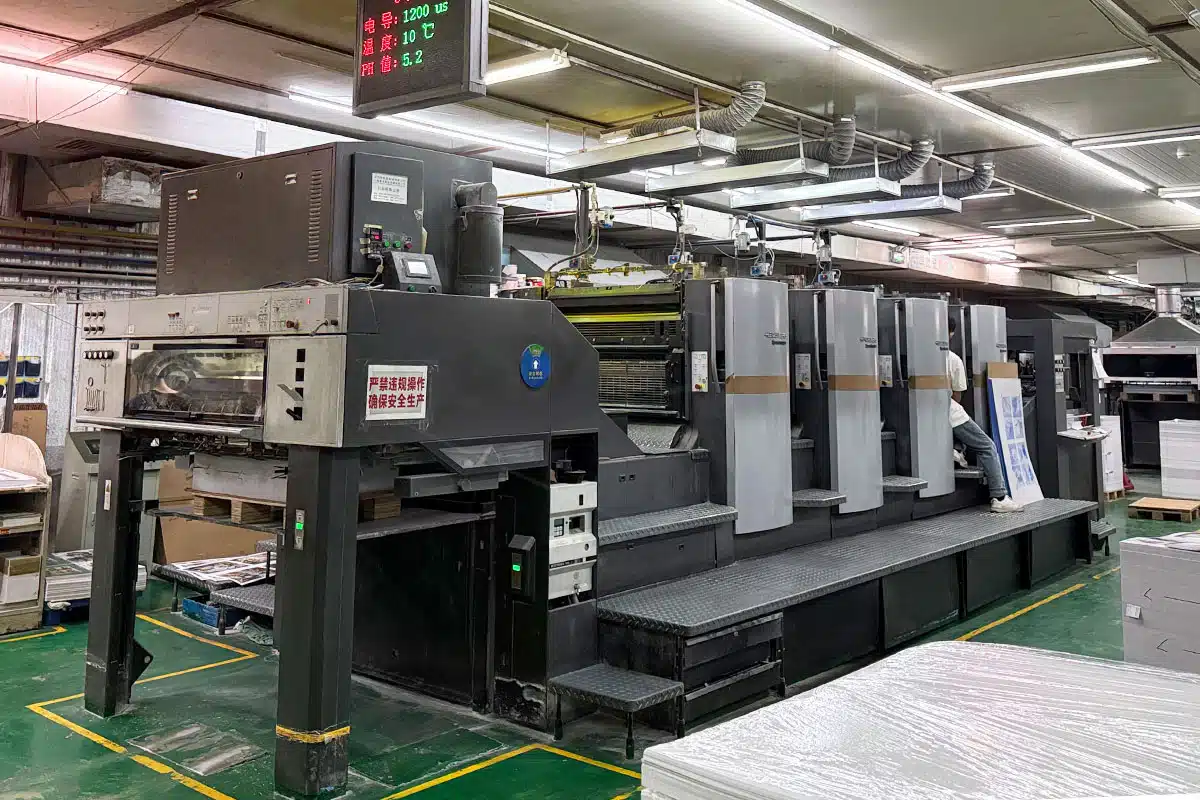
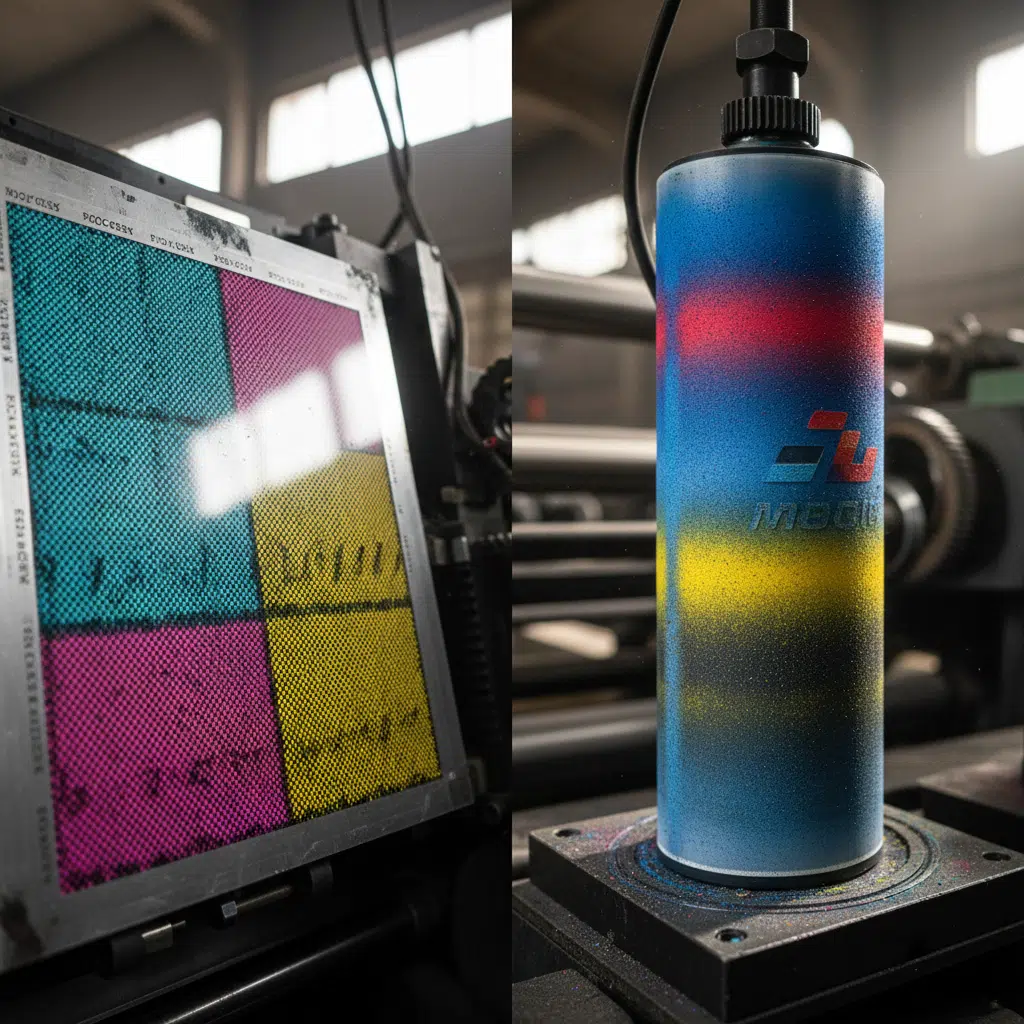
L'impression offset est un procédé analogique. Elle utilise des plaques métalliques gravées (une pour chaque couleur : cyan, magenta, jaune et noir) pour transférer l'encre sur un blanchet en caoutchouc, qui roule ensuite l'image sur le papier. Ce processus nécessite un temps de préparation important, connu sous le nom de "mise en route", qui comprend l'imagerie des plaques et le calibrage de la presse pour le repérage des couleurs.
En raison de cette configuration, Qu'est-ce que l'impression offset ? La norme pour les tirages commerciaux de haute qualité est généralement la méthode la plus rentable pour les grandes quantités. Une fois la presse en marche, le coût variable par feuille est négligeable par rapport aux méthodes numériques.
Impression numérique
L'impression numérique élimine totalement les plaques. Elle utilise des rouleaux électrostatiques (toner) ou des têtes à jet d'encre pour appliquer la couleur directement sur le papier à partir d'un fichier numérique. Cela permet une souplesse d'impression à la demande. Il n'y a pratiquement pas de temps de préparation, ce qui signifie que la première feuille coûte à peu près le même prix que la millième.
Pour un aperçu plus large de la manière dont ces méthodes s'intègrent dans le paysage de l'édition, voir notre Un guide complet des méthodes d'impression de livres : Offset, numérique et POD.
Analyse des coûts : Le "point de recoupement"
Dans les achats d'impression B2B, le concept le plus important est le "point de croisement". Il s'agit de la quantité spécifique pour laquelle l'impression offset devient moins chère par unité que l'impression numérique.
- Faible volume (moins de 500 unités) : Le numérique est généralement plus économique. Vous évitez les coûts fixes liés à la production des plaques et à l'installation de la presse.
- Milieu de gamme (500 - 1 000 unités) : Il s'agit de la zone de transition typique. La décision dépend souvent des dimensions spécifiques, du nombre de pages et des exigences de finition.
- Volume élevé (plus de 1 000 unités) : L'offset devient nettement moins cher. Lorsque le volume passe à 5 000, 10 000 ou 50 000 unités, le prix unitaire baisse considérablement car les coûts fixes de mise en place sont amortis sur un plus grand nombre d'exemplaires.
Si vous vous approvisionnez à l'étranger, en particulier lorsque vous Pourquoi choisir une imprimerie chinoise pour les commandes en gros ? Avantages stratégiques pour les acheteurs mondiauxAvec l'impression offset, les économies d'échelle sont encore plus prononcées. Les usines à grande échelle sont optimisées pour les longs tirages et utilisent des presses offset grand format qui peuvent imprimer 16 ou 32 pages sur une seule feuille, ce qui réduit considérablement le temps d'impression et les coûts.
Qualité et polyvalence des substrats
Si le coût est un facteur primordial, les spécifications techniques dictent souvent la méthode.
Précision des couleurs (Pantone vs. CMYK)
L'impression offset est le meilleur choix pour la fidélité à la marque. Elle permet d'utiliser des encres Pantone (PMS) pré-mélangées. Si la marque de votre entreprise exige une couleur d'accompagnement spécifique (par exemple, le rouge Coca-Cola ou le bleu Tiffany), l'offset garantit une correspondance de 100%. L'impression numérique simule ces couleurs à l'aide d'un toner CMJN, qui peut s'en approcher, mais ne permet que rarement d'obtenir une correspondance parfaite pour les teintes vives ou métalliques.
Options de papier et de matériaux
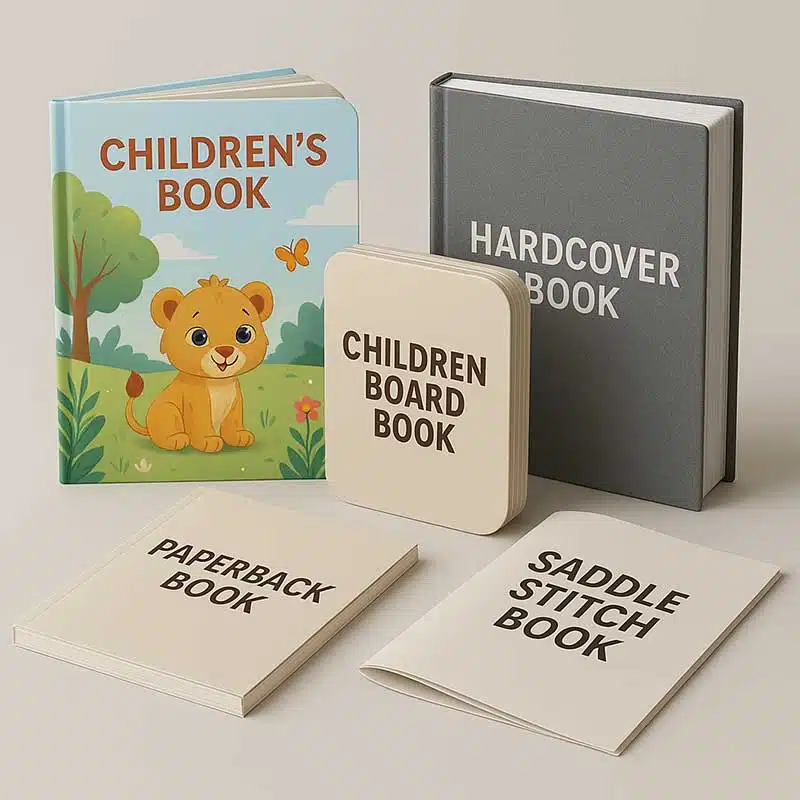
Les presses offset peuvent traiter une vaste gamme de substrats, du papier bible léger au carton rigide lourd, en passant par les papiers texturés, rugueux ou synthétiques. Les presses numériques ont des restrictions plus strictes en ce qui concerne le grammage et la texture du papier. Pour les produits spécialisés tels que les livres cartonnés, les exigences en matière de carton lourd et de durabilité requièrent presque exclusivement une production offset. Pour en savoir plus sur les nuances des Découvrir l'art et l'artisanat de l'impression de livres cartonnés : Un guide complet.
Cadre décisionnel : Quand choisir ?
Utilisez ce tableau pour orienter votre stratégie d'approvisionnement en fonction des contraintes de votre projet.
| Facteur | Choisissez le numérique si... | Choisir le décalage si... |
|---|---|---|
| Quantité | 1 - 500 exemplaires | 500 - 100 000+ exemplaires |
| Retournement | Urgent (24-48 heures) | Standard (5-10 jours + logistique) |
| Personnalisation | Données variables (noms/codes par feuille) | Contenu statique (copies identiques) |
| Précision des couleurs | La norme CMYK est acceptable | La correspondance Pantone (PMS) est essentielle |
| Matériau | Papiers standard (80gsm - 300gsm) | Carton épais, texturé, plastique, métallique |
| Taille | Formats standard A4/A3 | Grand format (affiches, emballages) |
Considérations stratégiques pour les commandes en gros
Pour les acheteurs internationaux qui gèrent des commandes en gros, le processus de fabrication ne se limite pas à l'impression. Voici comment naviguer efficacement dans le flux de travail.
1. Échantillonnage et épreuvage
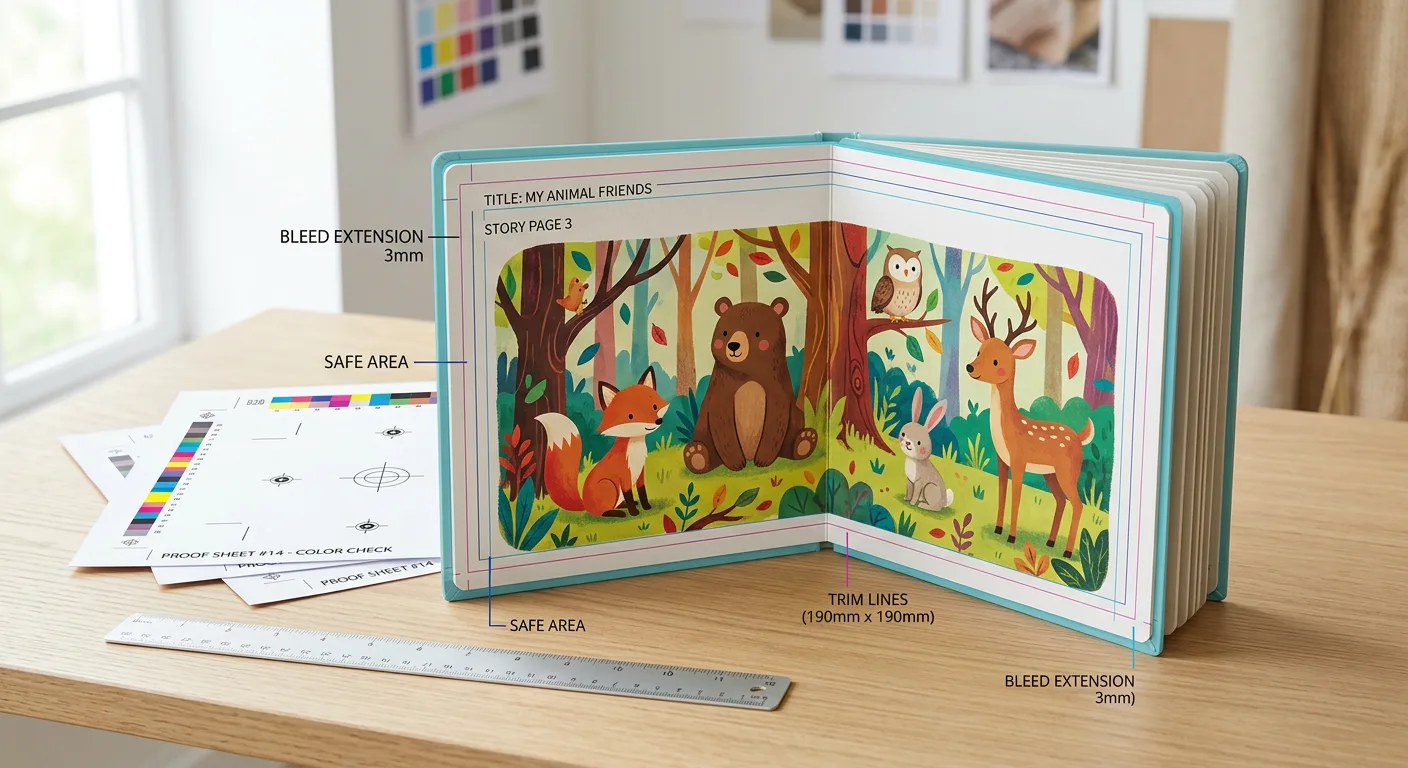
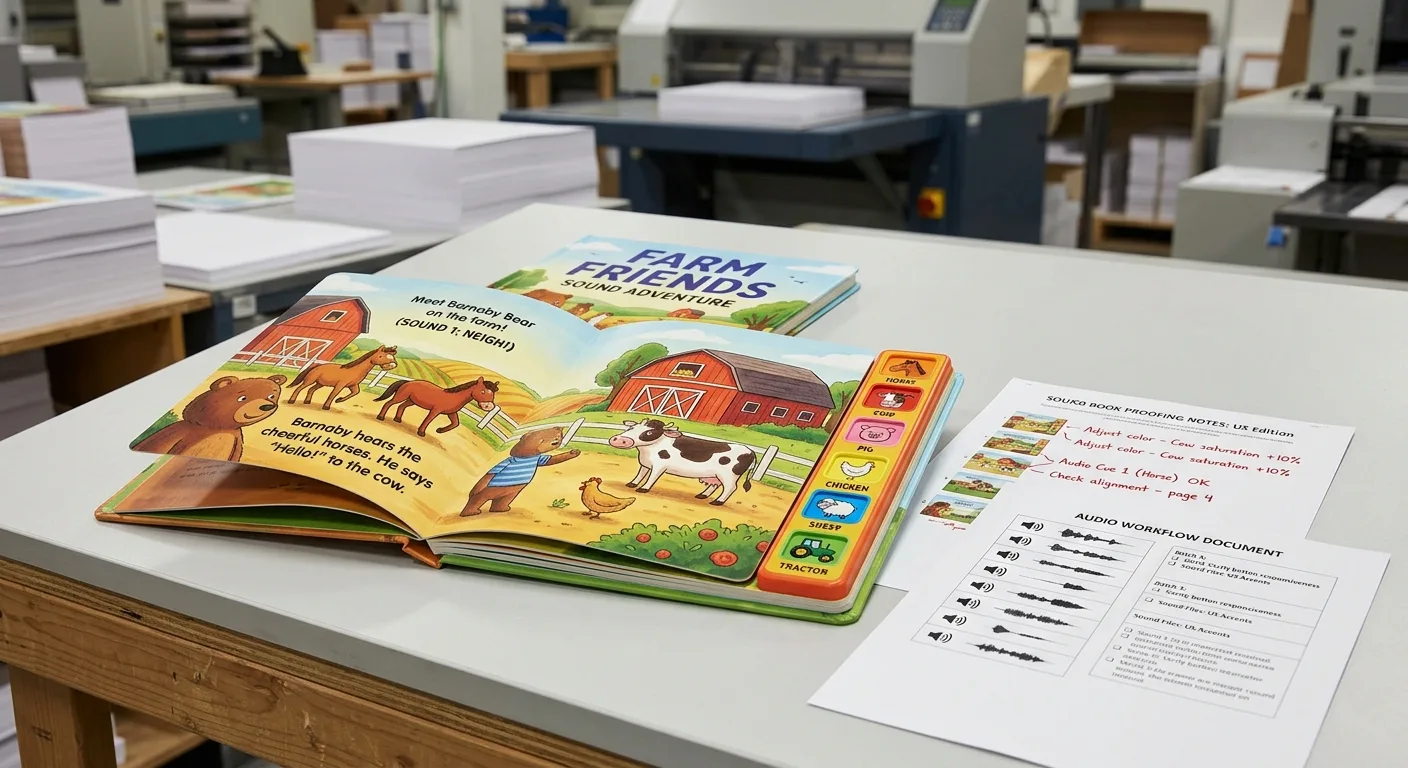
Une stratégie hybride courante consiste à utiliser l'impression numérique pour les épreuves et l'impression offset pour le tirage final. Toutefois, il faut savoir qu'une "épreuve numérique" peut être légèrement différente du "tirage offset" final en raison des différentes technologies d'encre. Pour une correspondance des couleurs essentielle, demandez une "épreuve humide" (un court tirage sur la presse offset réelle), bien que cela entraîne des frais d'installation.
2. Gestion du calendrier
L'impression offset nécessite du temps pour l'imagerie des plaques, le montage et le séchage (si l'on n'utilise pas d'encres UV). Lors de la planification de votre chaîne d'approvisionnement, tenez compte des éléments suivants
- Préparation du dossier : 1-2 jours
- Vérification et approbation : 3-7 jours (en fonction de l'envoi des épreuves physiques)
- Production : 7-15 jours (en fonction de la complexité et de la finition)
3. Quantités minimales de commande (QMC)
Une usine peut accepter une commande de 300 unités pour l'offset, mais le prix unitaire sera élevé. Pour maximiser le retour sur investissement, il est préférable de viser une QMo d'au moins 1 000 unités. Ce volume justifie l'installation de la machine et la consolidation du fret.
Questions fréquemment posées
Puis-je utiliser l'impression de données variables (VDP) avec l'offset ?
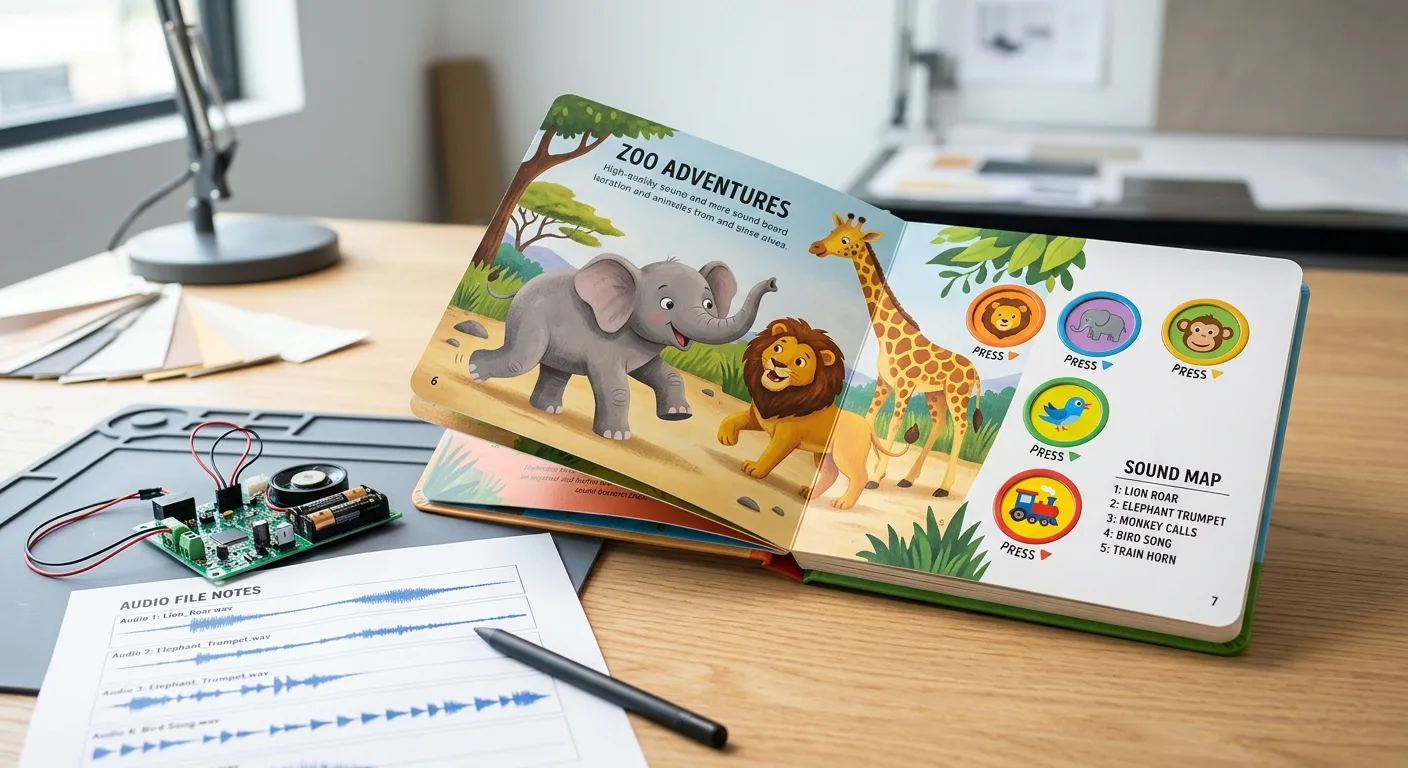
Les plaques offset sont statiques. Si vous avez besoin de codes, de noms ou d'adresses uniques sur chaque pièce, vous devez utiliser l'impression numérique ou une méthode hybride (impression de l'enveloppe en offset et surimpression numérique des données variables).
La qualité d'impression du numérique est-elle comparable à celle de l'offset ?
Pour les textes et les images standard, les presses numériques modernes haut de gamme (comme HP Indigo) produisent des résultats impossibles à distinguer pour un œil non averti. Toutefois, pour les grands aplats de couleur, les dégradés et les textes très fins, l'offset produit généralement un résultat plus lisse et plus net.
L'impression offset est-elle plus longue à sécher ?
Les encres offset traditionnelles s'imprègnent dans le papier et s'oxydent, ce qui prend du temps. Toutefois, les presses offset modernes utilisent souvent le séchage UV, qui sèche l'encre instantanément à l'aide d'une lumière ultraviolette, ce qui accélère le processus de reliure.
Conclusion
Le choix entre l'impression offset et l'impression numérique est un équilibre stratégique entre les exigences de coût, de volume et de qualité. Le numérique offre rapidité et souplesse pour les courts tirages et les prototypes, tandis que l'offset reste le roi incontesté de la fabrication commerciale en grand volume et de haute qualité.
Chez YBJ Printing, nous sommes spécialisés dans l'aide aux clients internationaux pour qu'ils puissent prendre ces décisions et s'assurer que leurs emballages, leurs livres et leur matériel de marketing sont produits de manière efficace et conforme aux spécifications.
Prêt à optimiser votre prochain tirage ? Contactez [CTA_TEXT] dès aujourd'hui pour discuter des spécifications de votre projet et recevoir une analyse personnalisée des coûts.