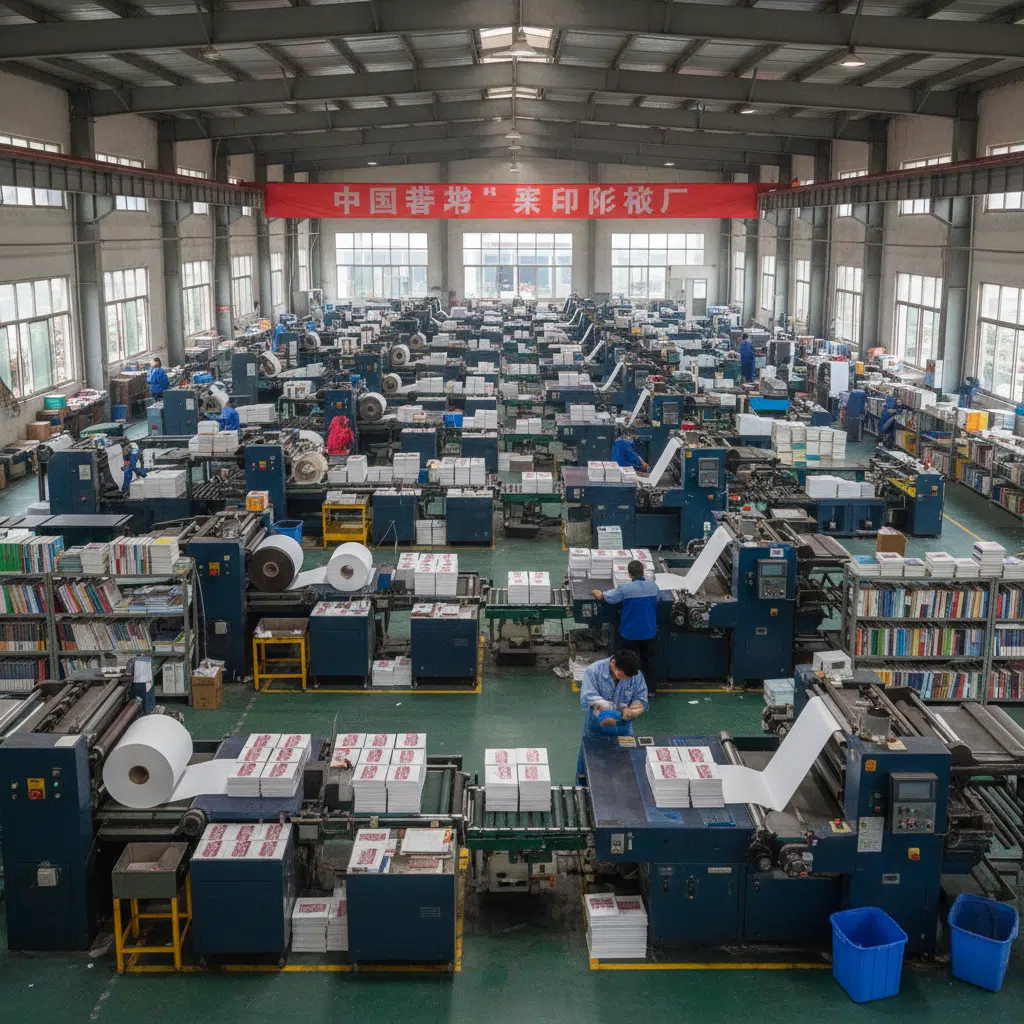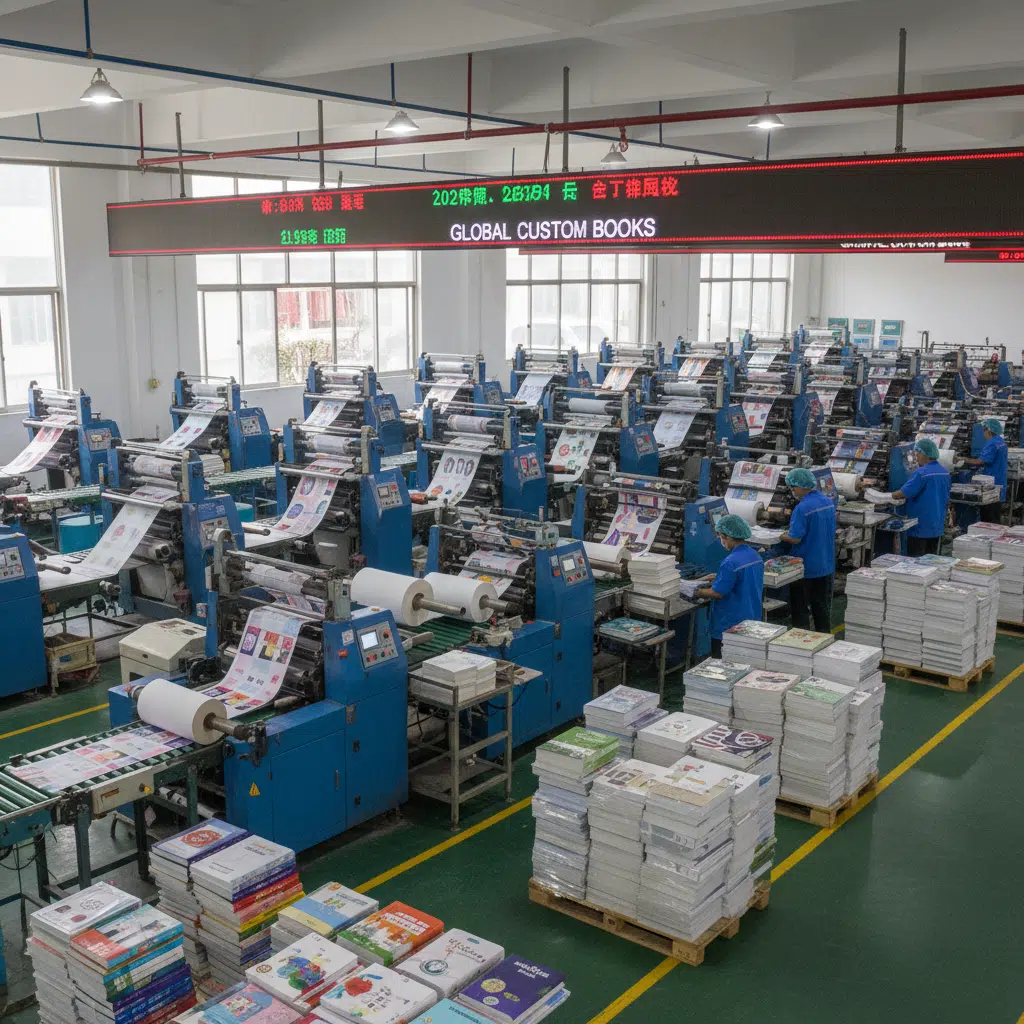

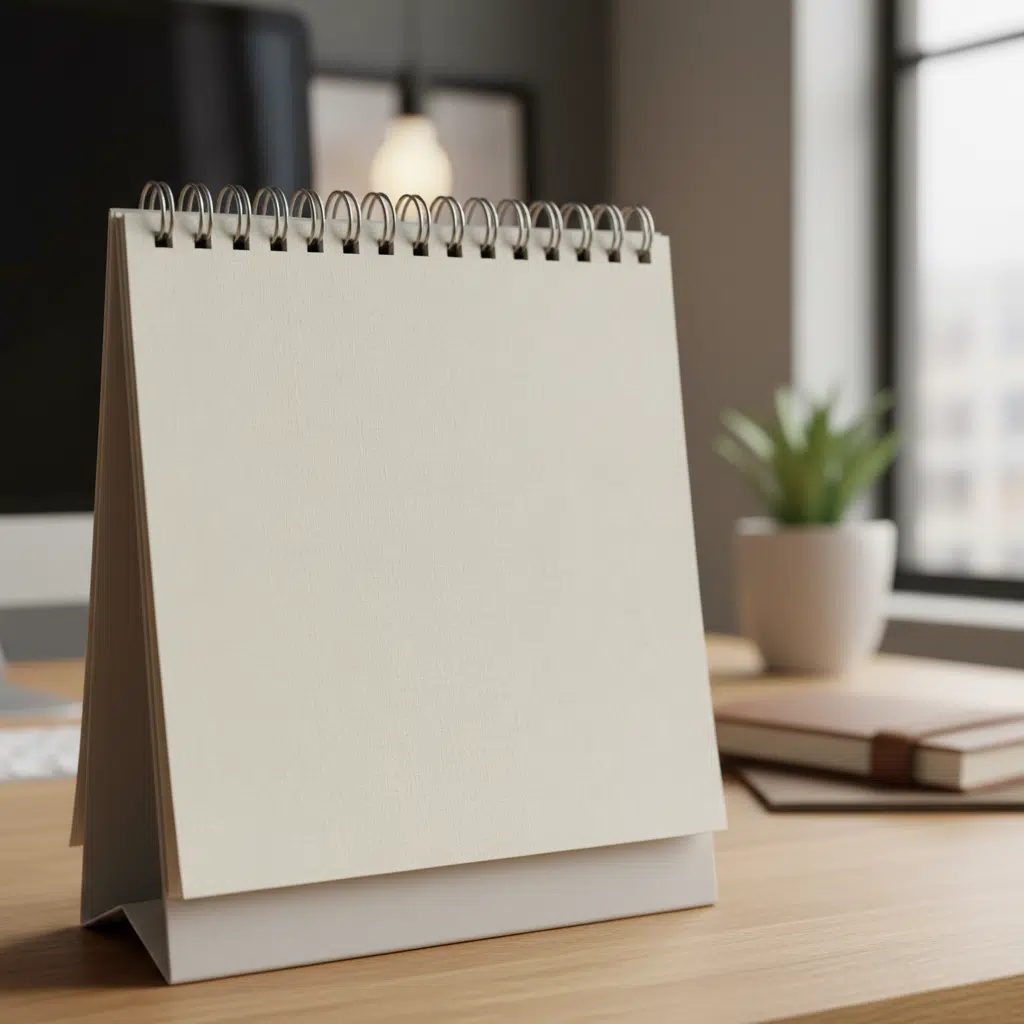
For corporate buyers and stationers, a custom calendar is more than a date tracker; it is a branding tool that occupies prime real estate on a client’s wall or desk for a full year. However, the difference between a premium corporate gift and a flimsy giveaway often comes down to technical specifications: binding durability, paper grain, and structural integrity.
When sourcing bulk calendar manufacturing, understanding the interplay between binding styles and paper weights is critical to preventing common defects like page curling or binding failure. This guide outlines the technical specifications required to produce professional-grade wall and desk calendars suitable for retail distribution or high-end corporate gifting.
Binding Styles: Wire-O vs. Saddle Stitch vs. Spiral
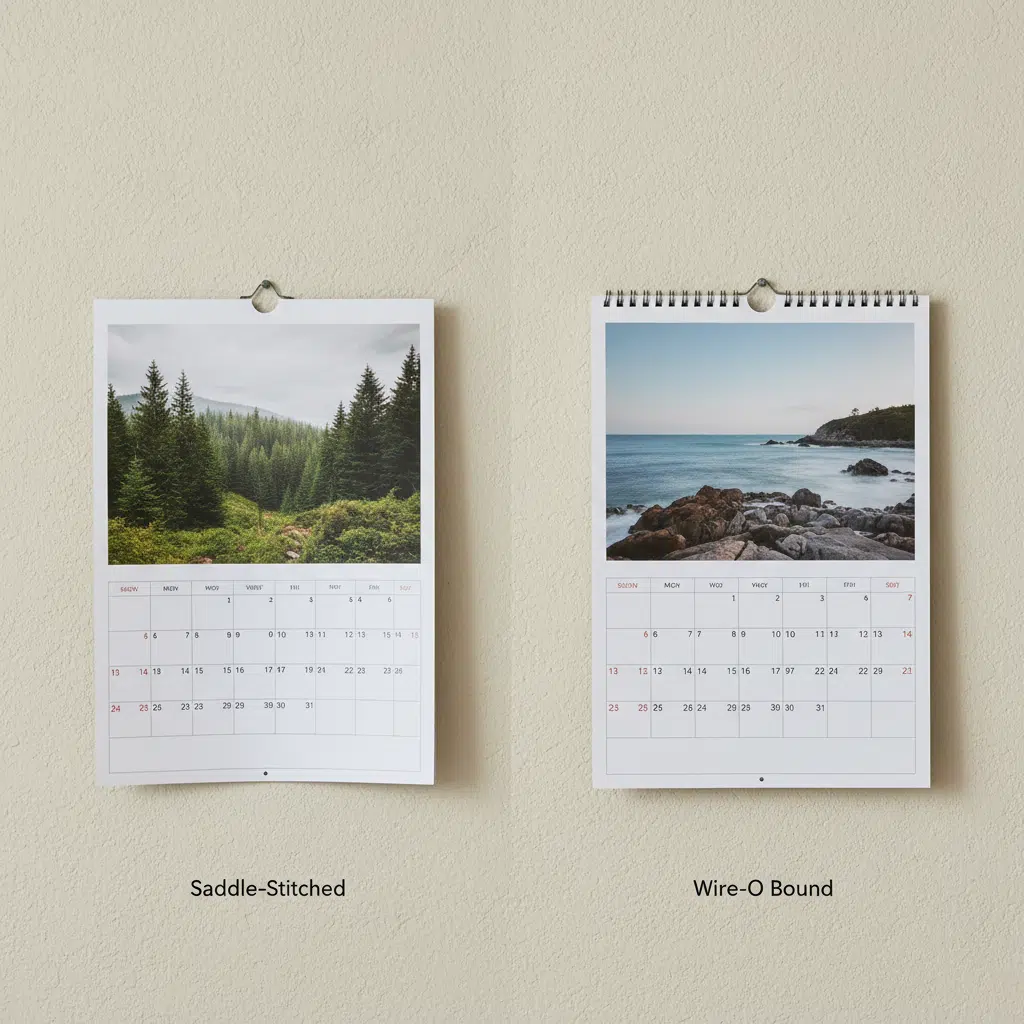
The binding method dictates not only the aesthetic of the calendar but also its functionality and longevity. For B2B orders, the two most common configurations are Wire-O and Saddle Stitch, though spiral binding has specific use cases.
Wire-O Binding (Twin-Loop)
Wire-O binding involves a double-loop wire spine inserted into punched square or round holes. This is the industry standard for professional desk calendars and premium wall calendars.
- Pour : Allows pages to rotate 360 degrees and lie perfectly flat. It offers a sophisticated, high-end look. It accommodates varying paper thicknesses and tabbed dividers easily.
- Cons : Higher unit cost compared to saddle stitching. Heavy shipping weight due to the metal wire.
- Meilleur pour : Corporate desk calendars, heavy-stock wall calendars, and retail stationery products.
Piqûre sellier
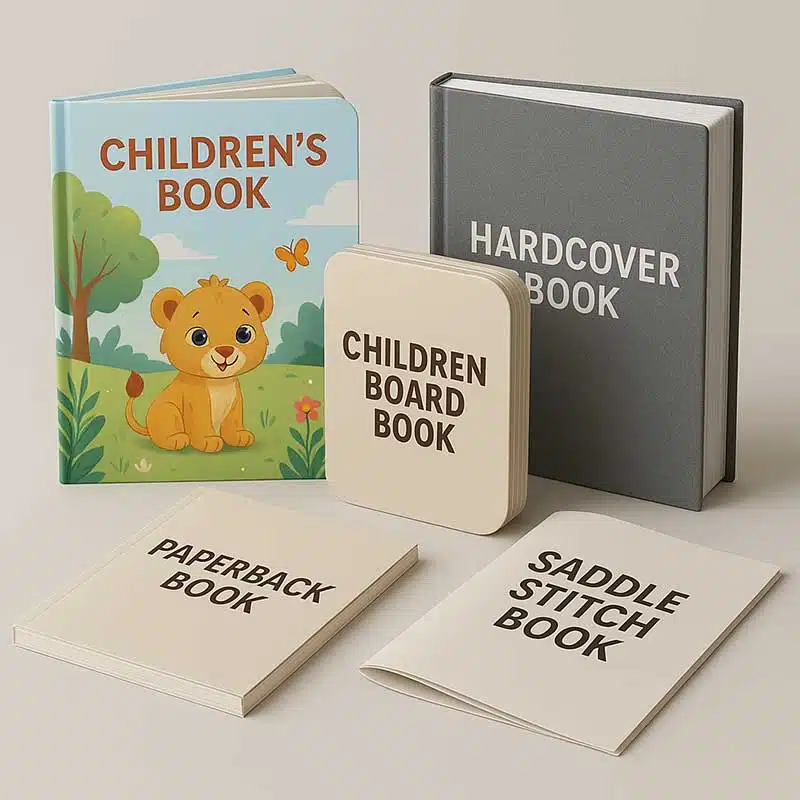
Saddle stitching uses wire staples through the fold line of the paper, similar to a magazine. A small hole is typically drilled at the bottom (which becomes the top when hung) for wall mounting.
- Pour : Most economical option. Lighter weight reduces shipping costs. Fast production turnaround.
- Cons : Does not lie flat immediately (pages tend to spring open). Limited page count capacity; too many pages result in “creep” (where inner pages push out further than outer pages).
- Meilleur pour : Promotional giveaways, non-profit fundraising calendars, and lightweight wall calendars (under 28 pages).
Spiral (Coil) Binding
Often confused with Wire-O, spiral binding uses a continuous plastic or metal coil spun through the holes. While durable and crush-resistant, it is generally considered less formal than Wire-O and is more common in academic planners than corporate calendars.
Paper Grades and Weight Recommendations
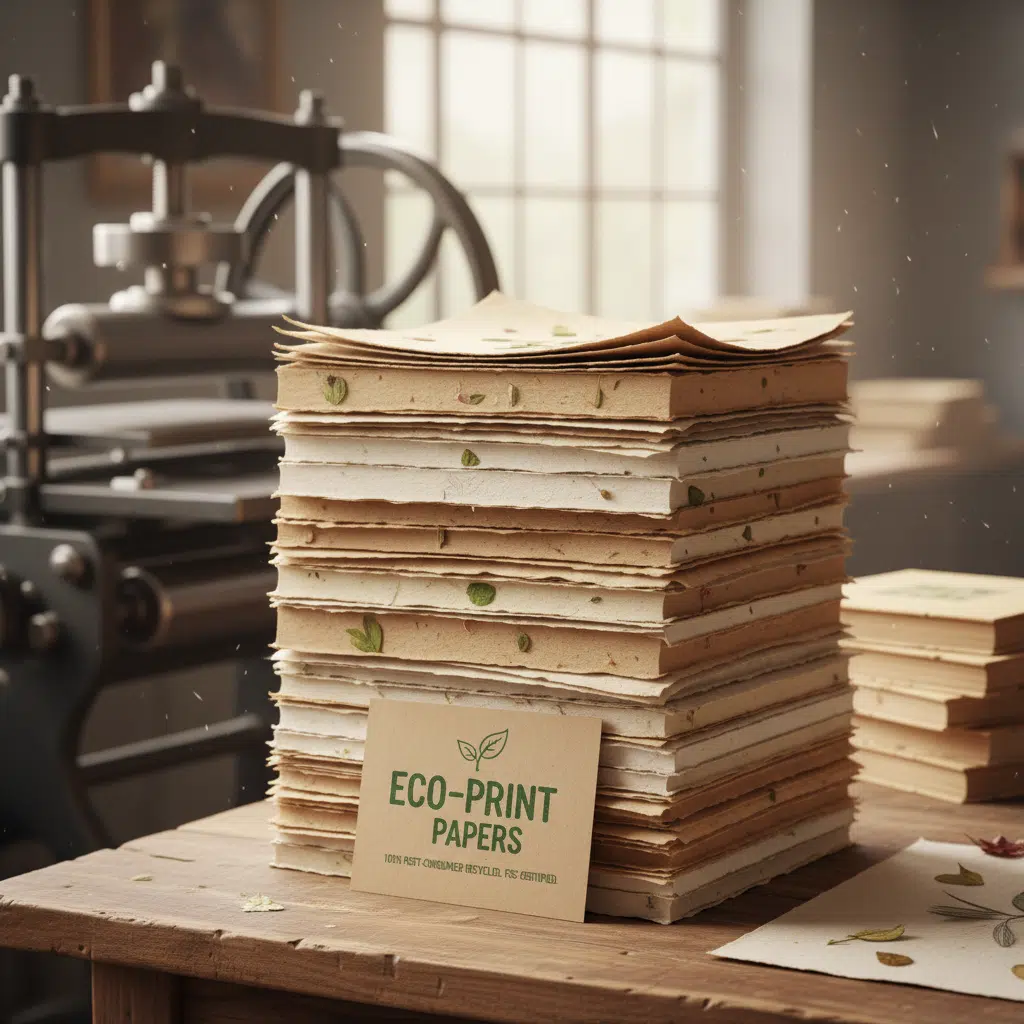
Selecting the correct paper weight (GSM – grams per square meter) is vital to ensure the calendar hangs straight or stands upright without sagging. One of the most frequent complaints in calendar manufacturing is “curling,” where the corners of the pages roll up over time due to humidity absorption and improper paper tension.
How to Prevent Curling
Curling usually occurs when the paper is too thin or the grain direction is incorrect. To minimize this risk:
- Choose Heavier Stock: For wall calendars, avoid standard 80-100gsm text paper. Use a minimum of 157gsm to 200gsm coated art paper (gloss or matte). Premium calendars often use 250gsm.
- Direction du grain : Ensure the printer aligns the paper grain parallel to the binding edge. This reduces resistance when pages are turned and helps the sheet hang flat.
- Revêtement : Double-sided coating (C2S) seals the paper fibers, offering better resistance to ambient moisture than uncoated stocks.
Desk Calendar Base Specifications
The structural integrity of a desk calendar relies on the easel (the triangular stand). A flimsy base will cause the calendar to collapse.
- Standard Spec : 2mm (approx. 1000-1200gsm) greyboard wrapped in 157gsm art paper or specialty linen paper.
- Finish: The wrapping paper is usually laminated (matte or gloss) to prevent scuffing and cracking at the fold lines.
Manufacturing & Customization Options
When placing a bulk order, you have several finishing options to enhance the perceived value of the product.
| Fonctionnalité | Description | Application |
|---|---|---|
| Spot UV / Foil Stamping | High-gloss varnish or metallic foil applied to specific areas (e.g., logos, dates). | Cover pages and branding elements. |
| Thumb Cut / Hanger | A semi-circle cut in the center with a metal wire hanger inserted into the binding. | Essential for Wire-O wall calendars. |
| Shrink Wrapping | Individual plastic sealing. | Protects against moisture during shipping; retail-ready presentation. |
Buying Guide: Artwork, MOQs, and Lead Times
Artwork and File Preparation
High-quality printing requires high-quality input. Ensure all images are 300 DPI at actual size. For calendars, pay special attention to the “bleed” area (usually 3mm extra on all sides) to ensure images run to the edge of the paper without white borders. Convert all colors to CMYK; RGB colors used on screens will look duller in print if not properly converted.
Quantités minimales de commande (QMC)
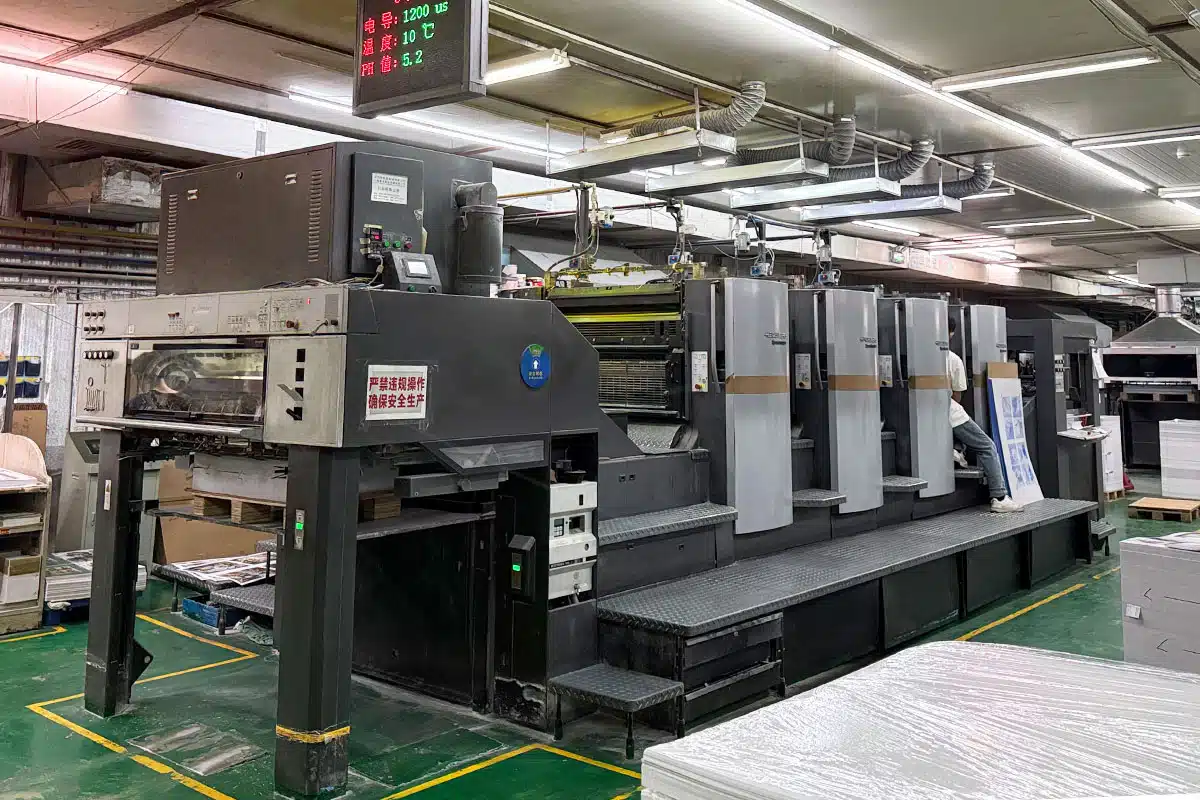
For custom offset printing, which offers the highest quality and color consistency, MOQs typically start at 500 or 1,000 units. While digital printing can handle smaller runs, the unit cost is significantly higher, and the range of paper and finishing options may be more limited. For bulk manufacturing, offset is the most cost-effective route.
Production Timeline
Calendar printing is highly seasonal. Manufacturing capacity tightens significantly from September to December.
- Design & Proofing: 1-2 weeks.
- Production de masse : 2-3 weeks (depending on quantity and finishing complexity).
- Expédition : Variable based on destination (Air vs. Sea freight).
Pro Tip: Start your project in July or August to secure better pricing and guarantee delivery before the new year.
Questions fréquemment posées
Q: Can I use different paper weights for the cover and inner pages?
Yes. It is standard practice to use a heavier stock (e.g., 250gsm or 300gsm) for the cover and a slightly lighter stock (e.g., 157gsm or 200gsm) for the inner months to balance durability with cost.
Q: What is the standard size for a wall calendar?
Common sizes include A3 (297 x 420 mm), A4 (210 x 297 mm), or 12″ x 12″ square. However, custom sizes are easily accommodated in offset printing.
Q: How do I ensure my corporate color matches exactly?
If brand consistency is critical, request Pantone (PMS) spot color printing rather than standard CMYK. This ensures your logo color is identical across all printed materials.
Q: Does the wire color have to be black or white?
While black, white, and silver are standard, wire combs can be customized in various colors (gold, red, blue) to match your brand palette, provided the order volume meets the factory’s requirement.
Start Your Calendar Project
Producing a custom calendar requires attention to detail in binding, paper selection, and finishing. At YBJ Printing, we specialize in high-volume, custom calendar manufacturing for international clients, ensuring your brand is represented with precision and durability.
Ready to plan your next project? Demander un devis / Obtenir un échantillon today to discuss your specifications and receive a competitive proposal.