
Introduction: Why Paper, Layout, and Packaging Matter
Creating a custom recipe book goes beyond compiling recipes; it requires careful consideration of materials, design, and finishing. For businesses and culinary brands looking to produce professional cookbooks, selecting the right paper, optimizing layout, and choosing effective packaging directly impact usability, durability, and brand perception. This guide provides actionable advice to help buyers make informed printing decisions.
Understanding Key Concepts
Custom Recipe Books
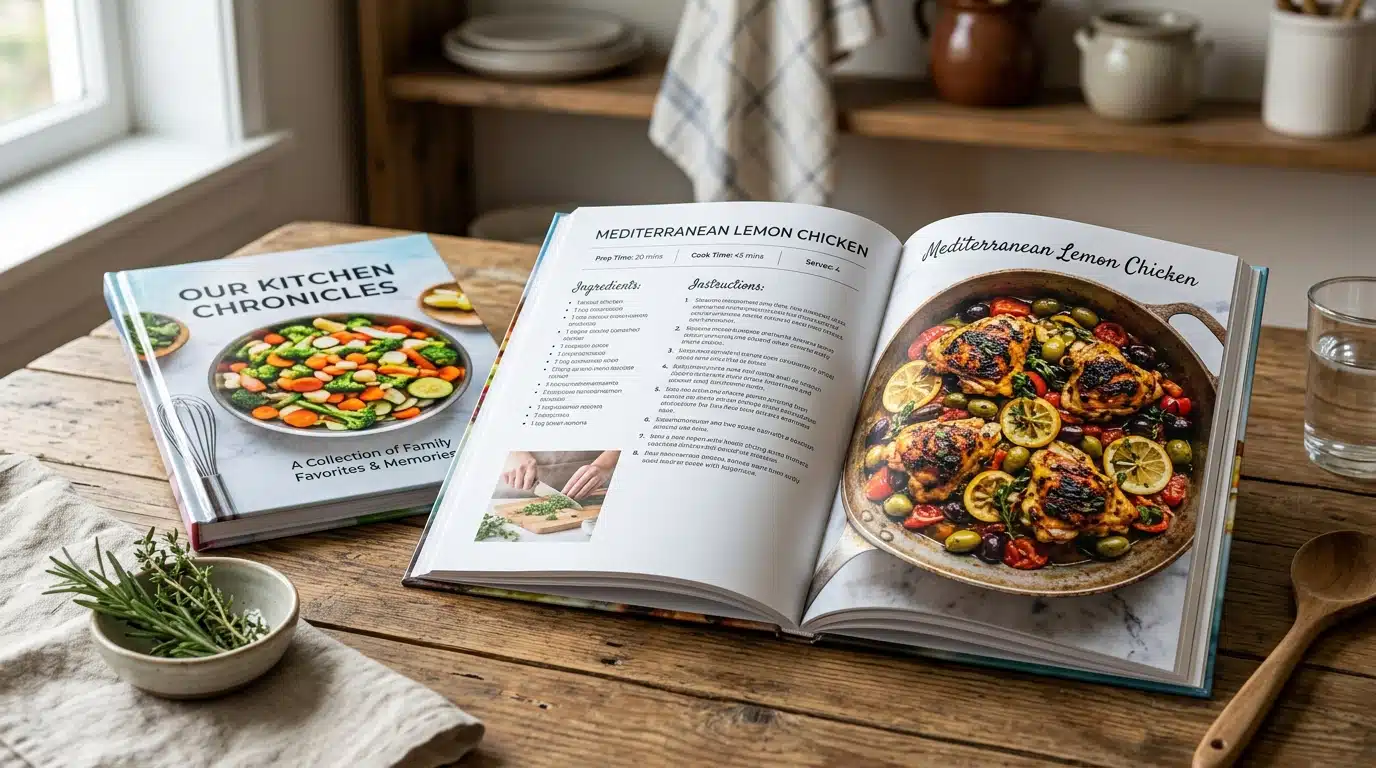
These are tailored cookbooks designed to reflect a brand, event, or specific culinary theme. Unlike generic publications, custom recipe books allow for flexibility in size, format, and personalization.
Paper Types
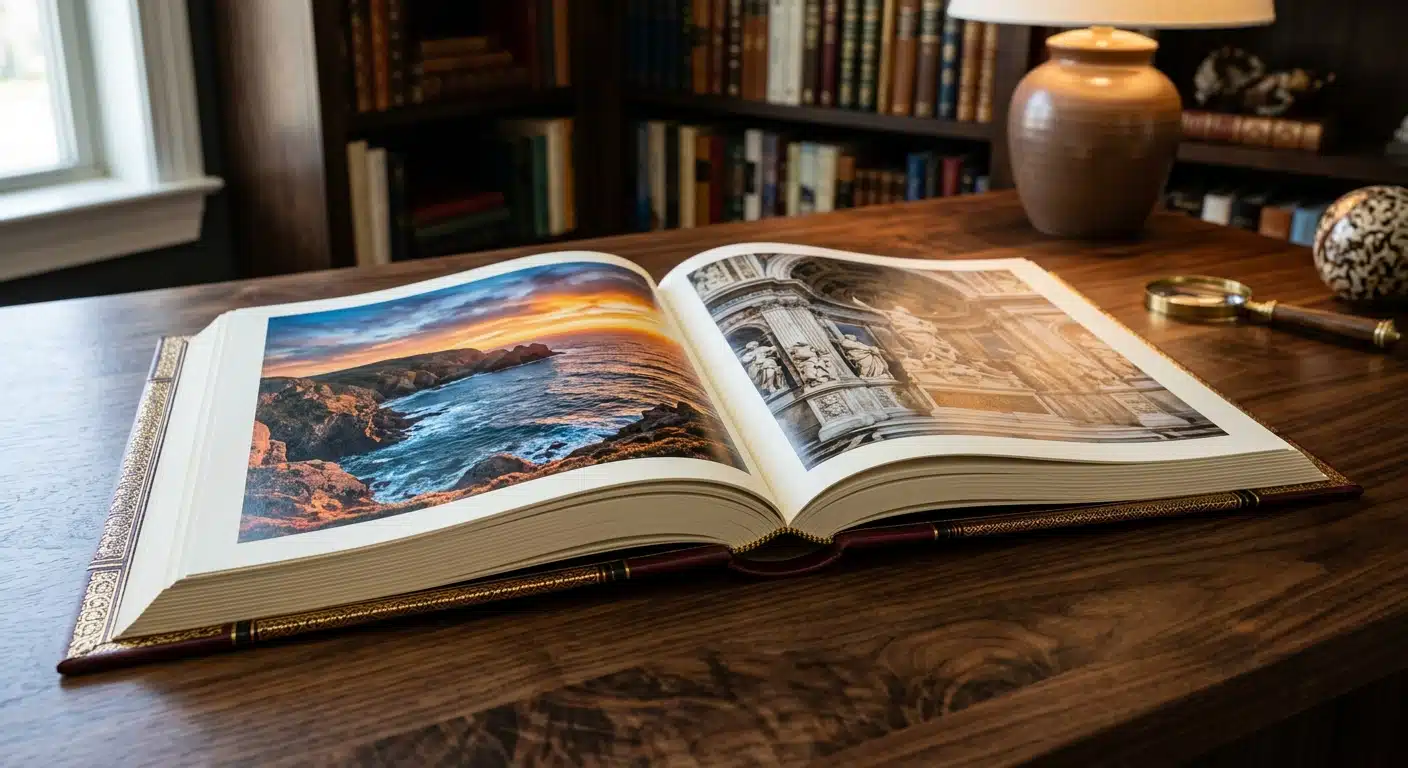
- Coated paper: Glossy or matte finish enhances image clarity; ideal for high-quality food photography.
- Uncoated paper: Provides a tactile feel; works well for handwritten-style designs or artisanal recipes.
- Cardstock: Used for covers or inserts; ensures rigidity and durability.
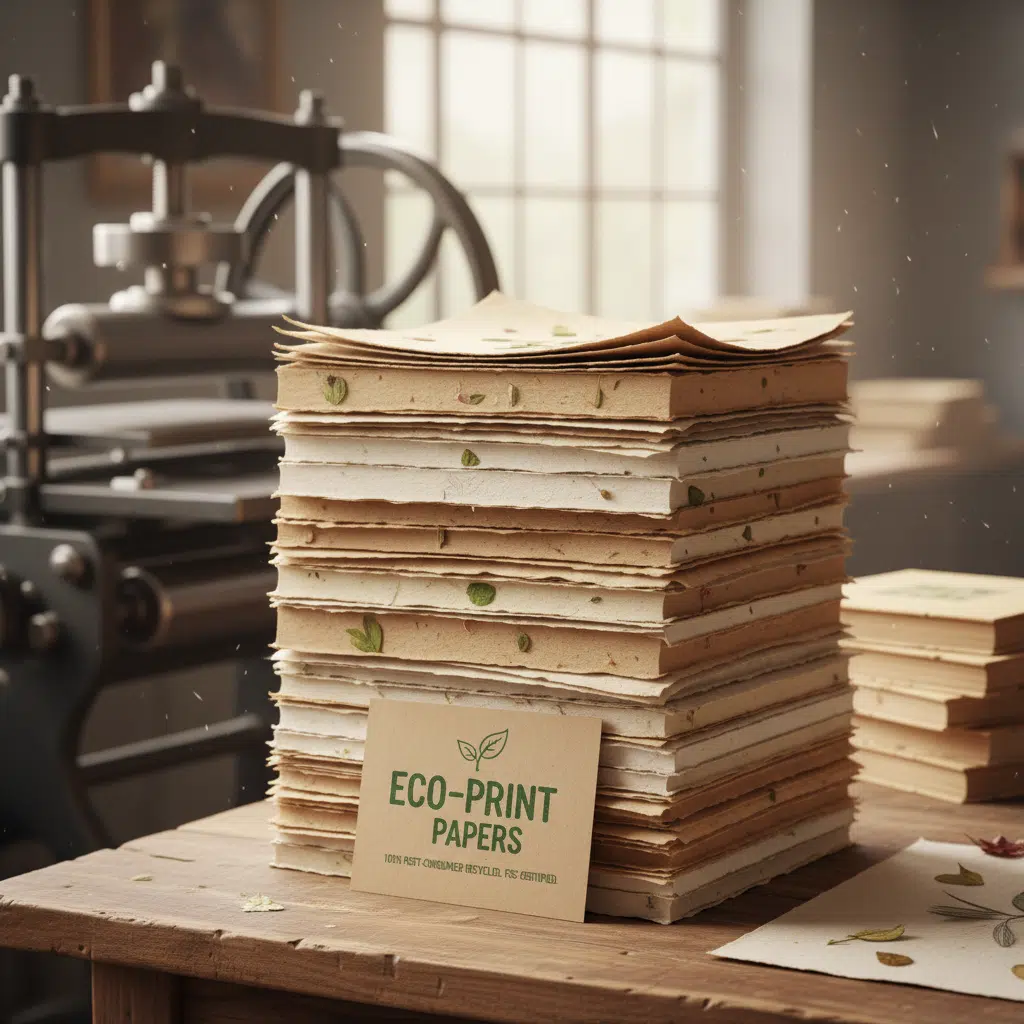
- Recycled or specialty paper: Sustainable options are available but may require compatibility checks with inks.
Conception de la mise en page
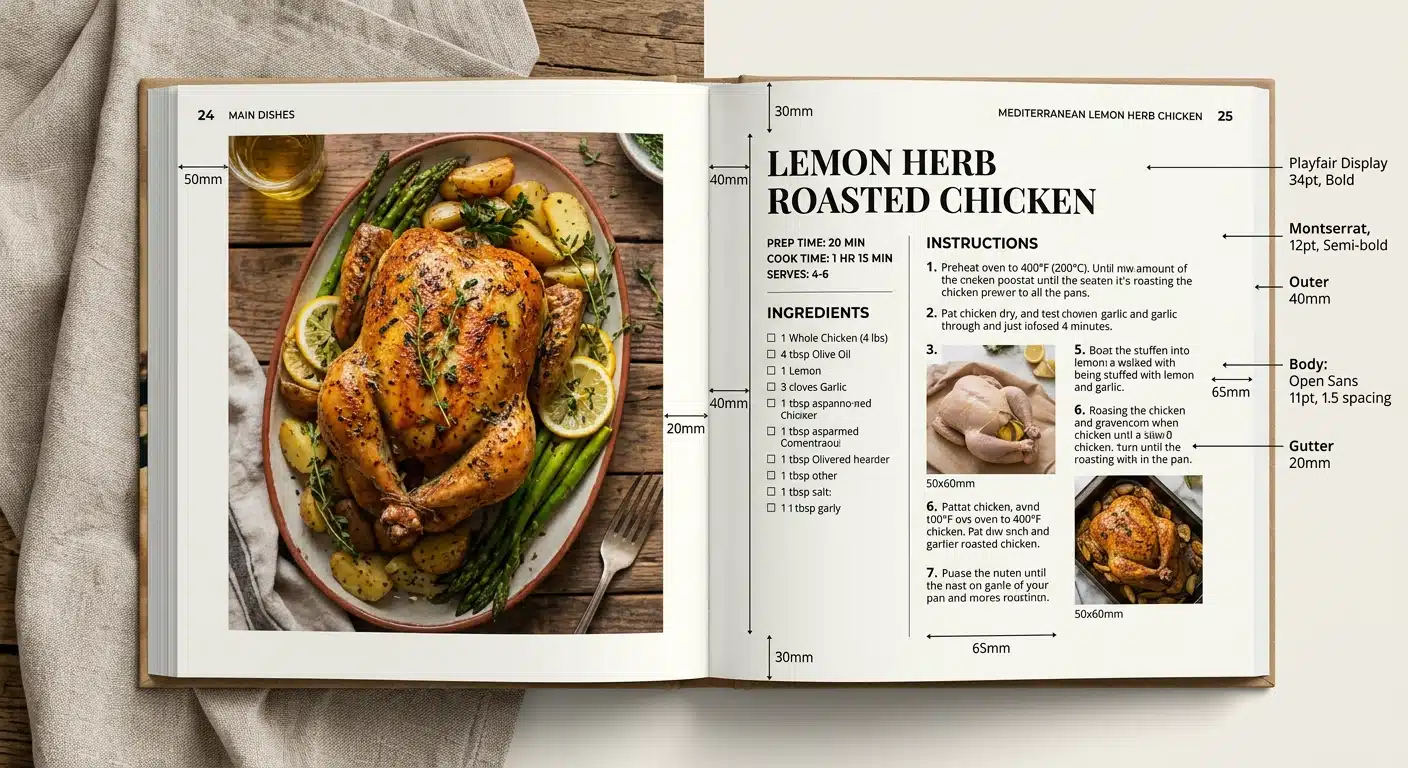
Effective layout balances readability and visual appeal. Consider the following:
- Consistent font hierarchy for headings, subheadings, and body text.
- Margin and gutter sizes appropriate for binding type.
- Integration of images with recipes without overcrowding pages.
- Use of color to enhance recipe sections and highlight key information.
Paper and Layout Options: Trade-offs
| Option | Pros | Cons | Best Use |
|---|---|---|---|
| Glossy Coated | Vivid images, smooth finish | Fingerprints show easily, higher cost | Professional photography-heavy cookbooks |
| Revêtement mat | Elegant look, less glare | Colors may appear muted | Modern, clean designs |
| Uncoated | Natural feel, easy to write on | Images less vibrant | Handwritten or interactive recipes |
Spécifications techniques
- Paper weight: 80–150 gsm for interior pages, 250–350 gsm for covers.
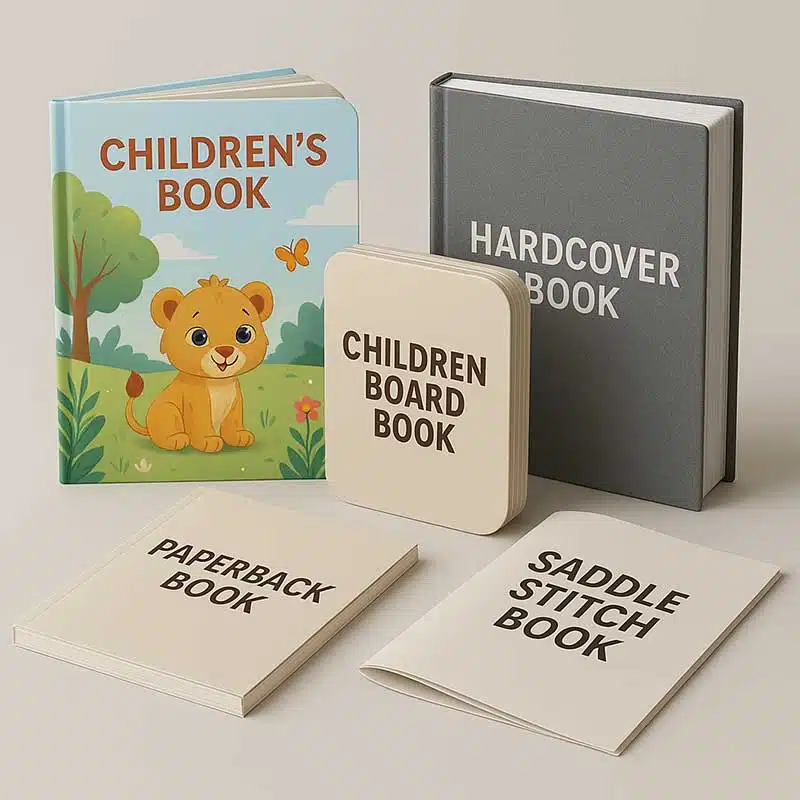
- Reliure : Perfect binding for a polished look, spiral or wire-o for usability in kitchens.
- Taille : Common formats are A4, A5, or custom square sizes.
- Color management: Ensure consistent CMYK profiles for accurate print colors.
Manufacturing and Quality Considerations
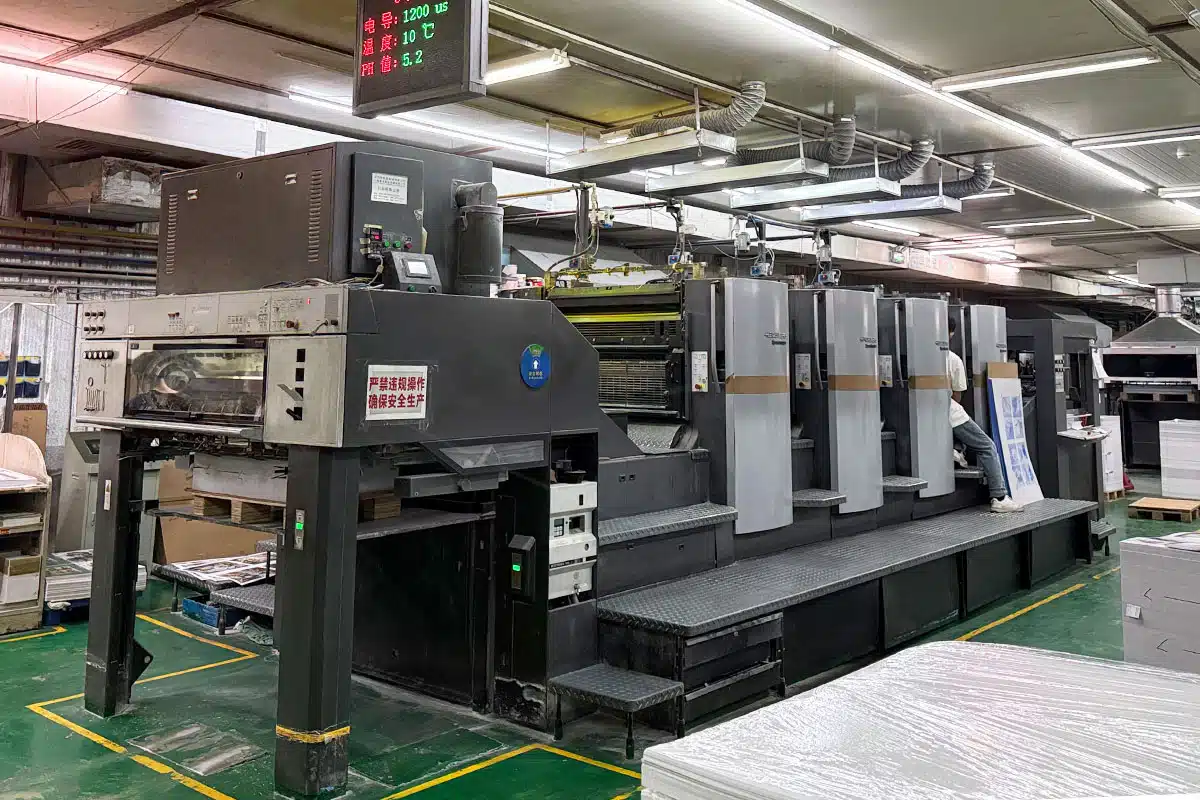
Check for consistent page alignment, strong binding adhesion, and clean cutting tolerances. Sample production runs can identify potential issues before full-scale printing. Inspect covers for coating consistency and verify color accuracy across all pages.
Guide d'achat
- Quantité minimale de commande (MOQ) : Typically ranges from 100–500 units, depending on the printer.
- Personnalisation : Options include embossing, foil stamping, and spot UV finishes.
- Artwork: Supply high-resolution files with bleed margins; include layered image files for photos.
- Échantillonnage : Request a proof copy to confirm paper, layout, and binding quality.
- Délais : Production usually takes 2–4 weeks after final approval, with shipping time additional.
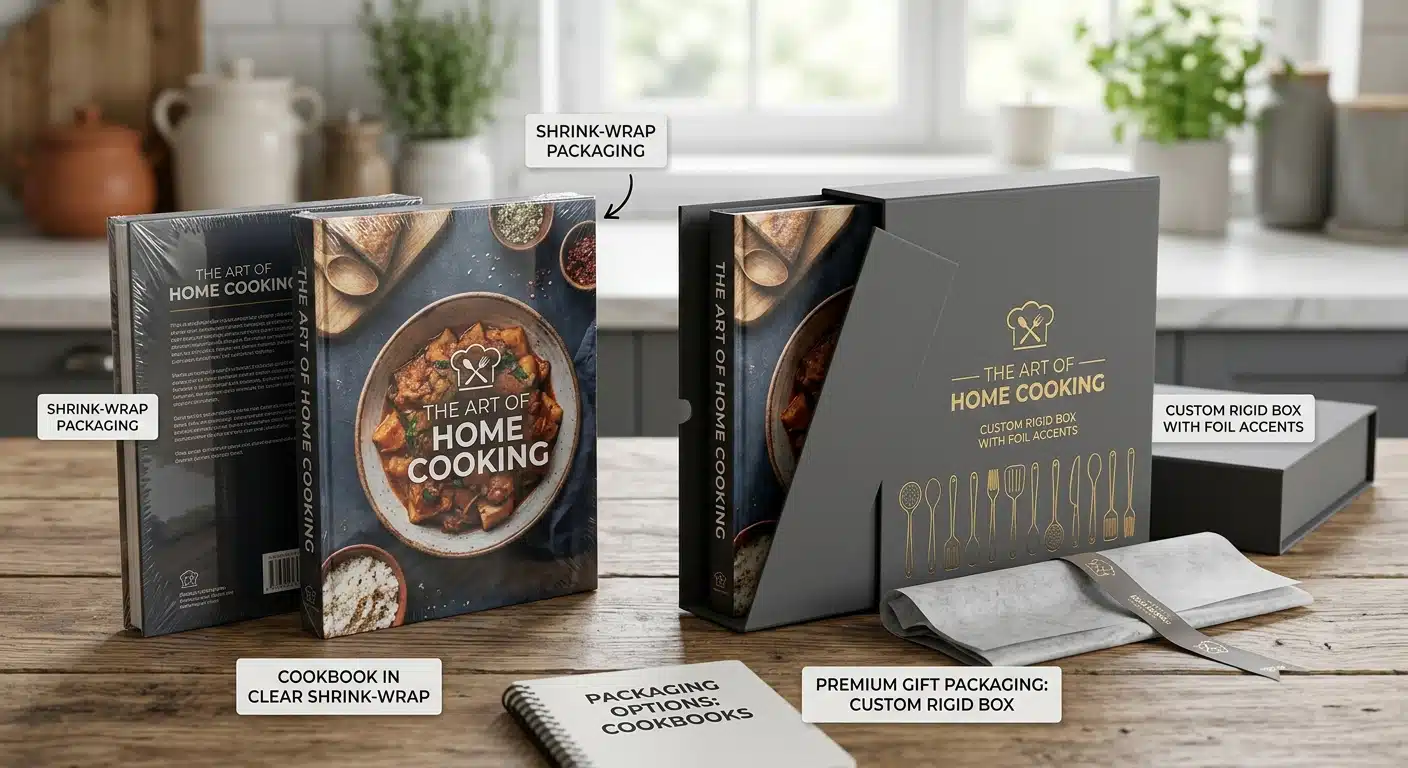
Packaging Options
- Shrink-wrap for single copies or bundles.
- Custom rigid boxes for premium editions.
- Protective mailers for shipping to prevent damage.
FAQ
- What is the best paper for high-quality food photography? Glossy coated paper enhances image sharpness and color vibrancy.
- Can I print both large images and text on the same page? Yes, ensure layout balance and sufficient margins to avoid overcrowding.
- What binding options suit kitchen use? Spiral or wire-o bindings allow pages to lay flat, improving usability.
- How do I ensure accurate color reproduction? Use consistent CMYK profiles and request a color proof from the printer.
- Is sustainable paper an option? Yes, but check print compatibility and potential color differences.
- How many pages can a custom recipe book have? Usually 40–200 pages; verify with the printer for binding limits.
- What lead time should I expect? Typical production is 2–4 weeks post-approval; expedited services may be available.
- Can packaging be branded? Yes, options include custom boxes, sleeves, and shrink-wrap with labels.
Conclusion and Next Steps
Producing a high-quality custom recipe book requires attention to paper selection, layout, and packaging. Considering your target audience, intended use, and brand positioning will guide decisions. To ensure the best results, request a sample or proof and confirm all specifications with your printer.