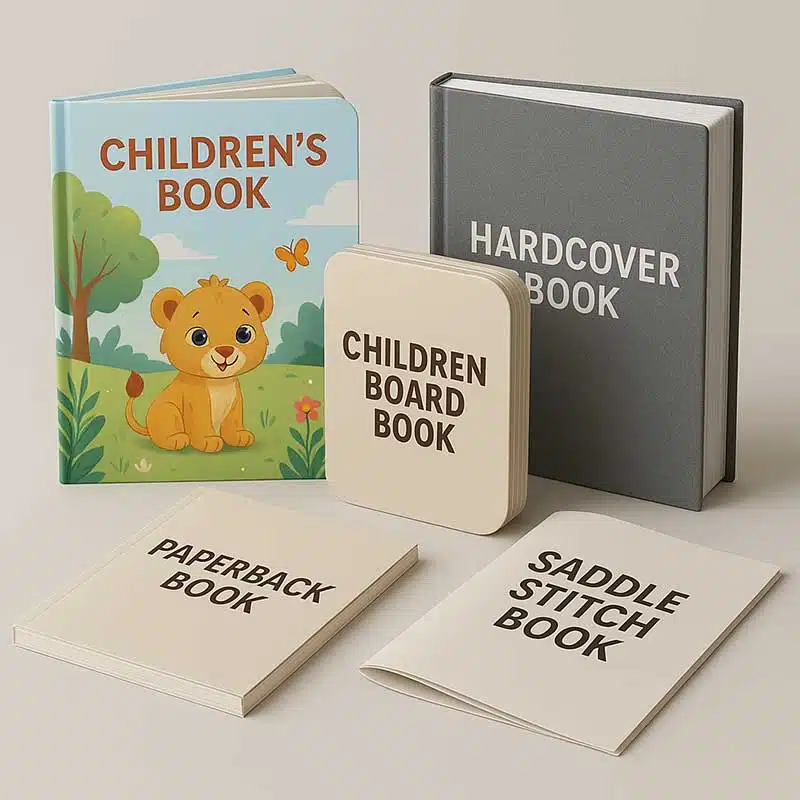

The demand for sustainable manufacturing has shifted from a niche preference to a core requirement for many international publishers and brands. As supply chains face increasing scrutiny regarding their environmental impact, the printing industry has adapted by offering robust eco-friendly solutions. For procurement managers and independent publishers, understanding the technical and aesthetic trade-offs of these materials is essential for making informed sourcing decisions.
This guide examines the two pillars of green printing: soy-based inks and sustainable paper stocks. We analyze their performance, cost implications, and suitability for different types of print projects, from children’s books to high-end corporate catalogs.
Why the Shift to Green Printing?
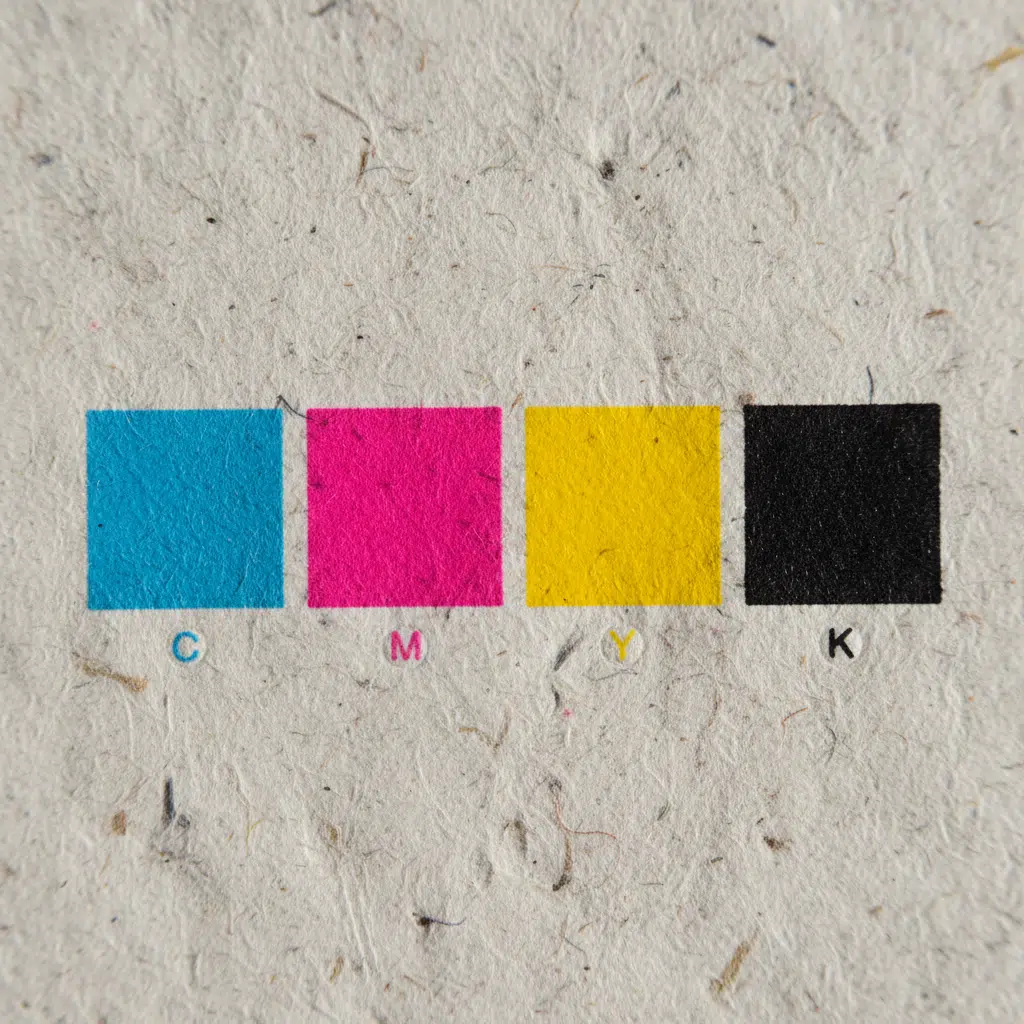
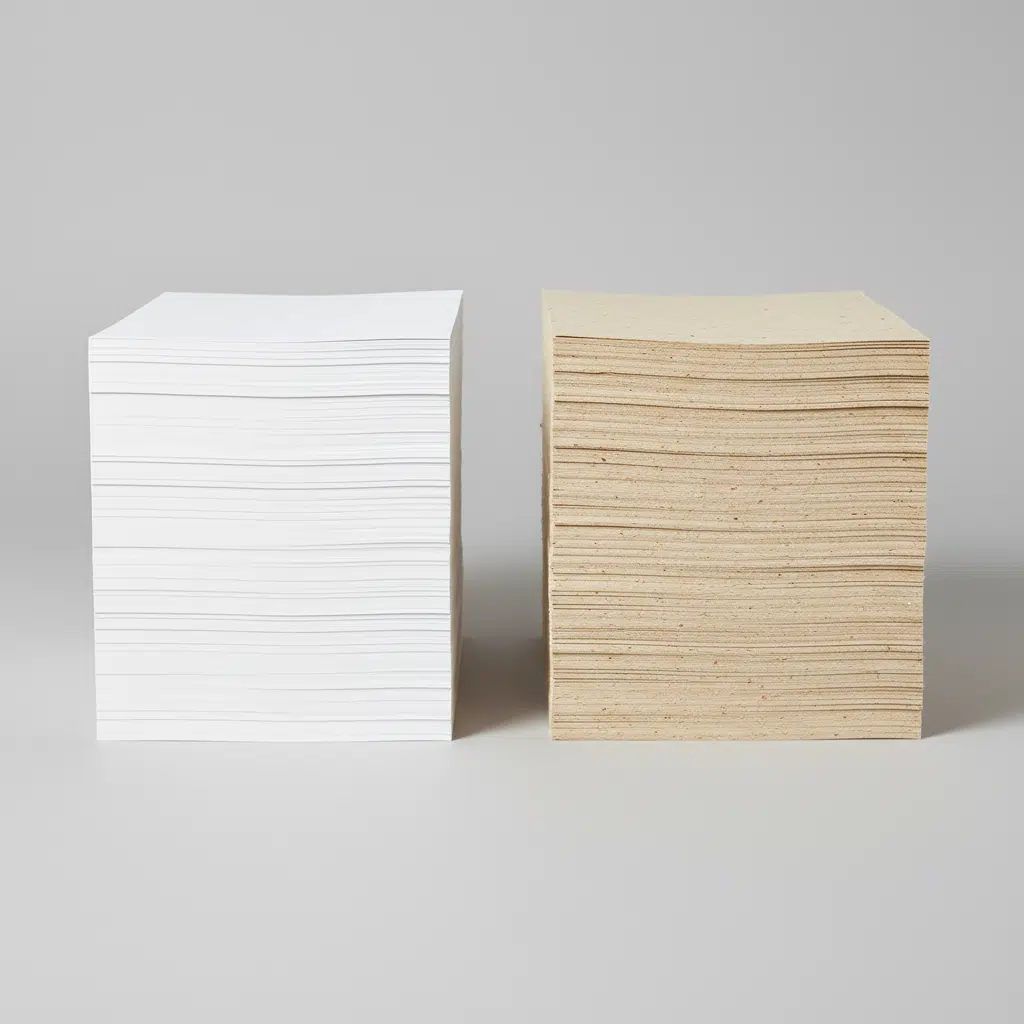
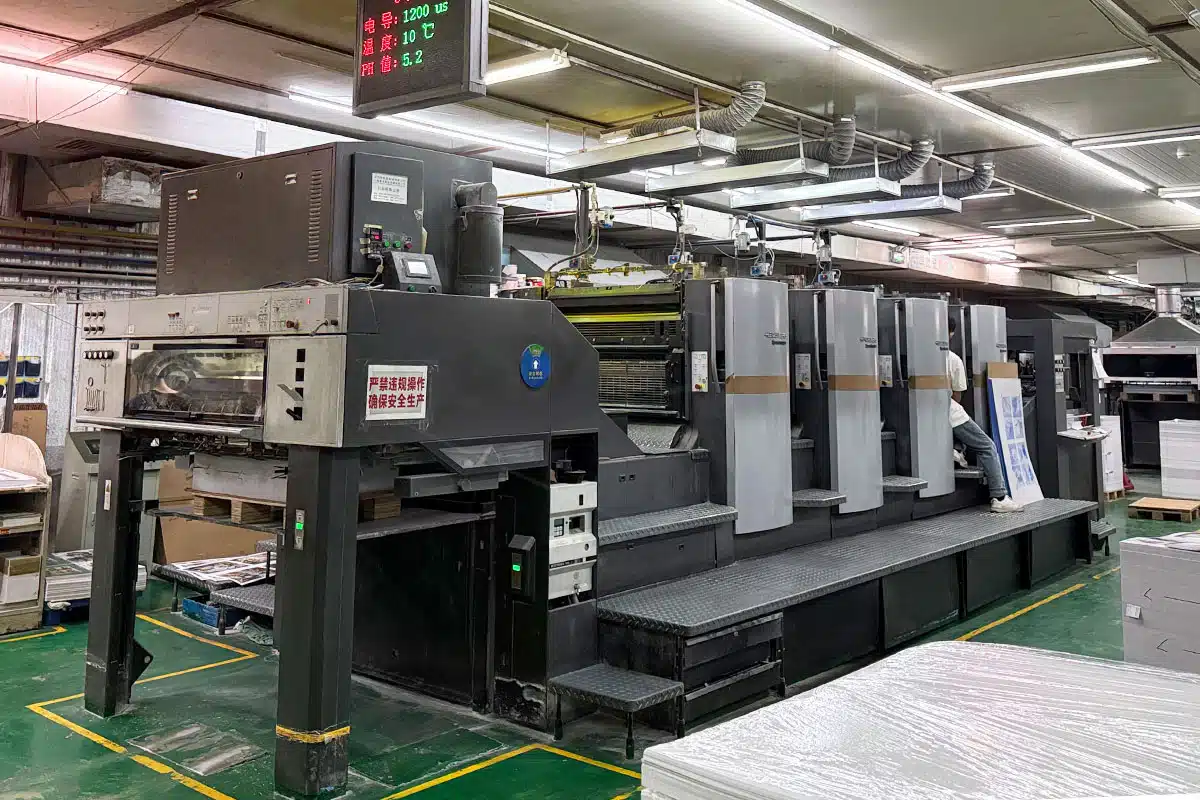
Historically, offset printing relied heavily on petroleum-based inks and virgin wood pulp. While effective, these materials contribute significantly to Volatile Organic Compound (VOC) emissions and deforestation. Today, modern offset printing facilities, particularly in manufacturing hubs like China, have integrated greener alternatives that meet international environmental standards without compromising print quality.
For B2B buyers, choosing sustainable options is no longer just about corporate social responsibility (CSR); it is often a compliance requirement for entering specific markets (such as the EU) or a necessary feature for eco-conscious consumer demographics.
Soy-Based Ink vs. Traditional Petroleum Ink
Soy ink is produced by refining soybean oil and mixing it with pigments and resins. Unlike petroleum-based inks, which can release high levels of VOCs as they dry, soy inks offer a cleaner, safer production environment and a more sustainable end-product.
Performance and Vibrancy
A common misconception is that vegetable-based inks appear dull. In reality, soy oil is clearer than petroleum oil, which can allow for more accurate pigment transmission. This often results in brighter, more vibrant colors. However, because soy ink penetrates uncoated paper differently than petroleum ink, the drying process may be slightly slower, requiring careful production scheduling.
Recyclability (De-inking)
One of the strongest arguments for soy ink is the “de-inking” process during paper recycling. Soy ink is easier to remove from paper pulp than oil-based ink. This results in higher quality recycled paper with less fiber damage and cleaner waste sludge, closing the loop in the recycling chain.
| Fonctionnalité | Soy-Based Ink | Petroleum-Based Ink |
|---|---|---|
| VOC Emissions | Low to Ultra-Low | High |
| Color Vibrancy | High (Clearer vehicle) | Standard |
| Drying Time | Slower (requires oversight) | Fast |
| Recyclability | Excellent (Easy de-inking) | Moderate |
| Cost | Comparable (marginal difference) | Standard |
Sustainable Paper Options: FSC and Recycled Stocks
Paper selection has the largest impact on the environmental footprint of a book. Buyers typically choose between FSC-certified virgin fiber and Recycled Content paper.
FSC-Certified Paper
The Forest Stewardship Council (FSC) certifies that the wood pulp used in the paper comes from responsibly managed forests that provide environmental, social, and economic benefits.
- FSC 100%: All timber comes from an FSC-certified forest.
- FSC Mix: A blend of FSC timber, recycled material, or controlled wood.
For high-end art books or projects requiring pristine whiteness and smooth coating, FSC Mix is often the preferred choice. It ensures sustainability without the texture variances sometimes found in 100% recycled stocks.
Recycled Paper (PCW)
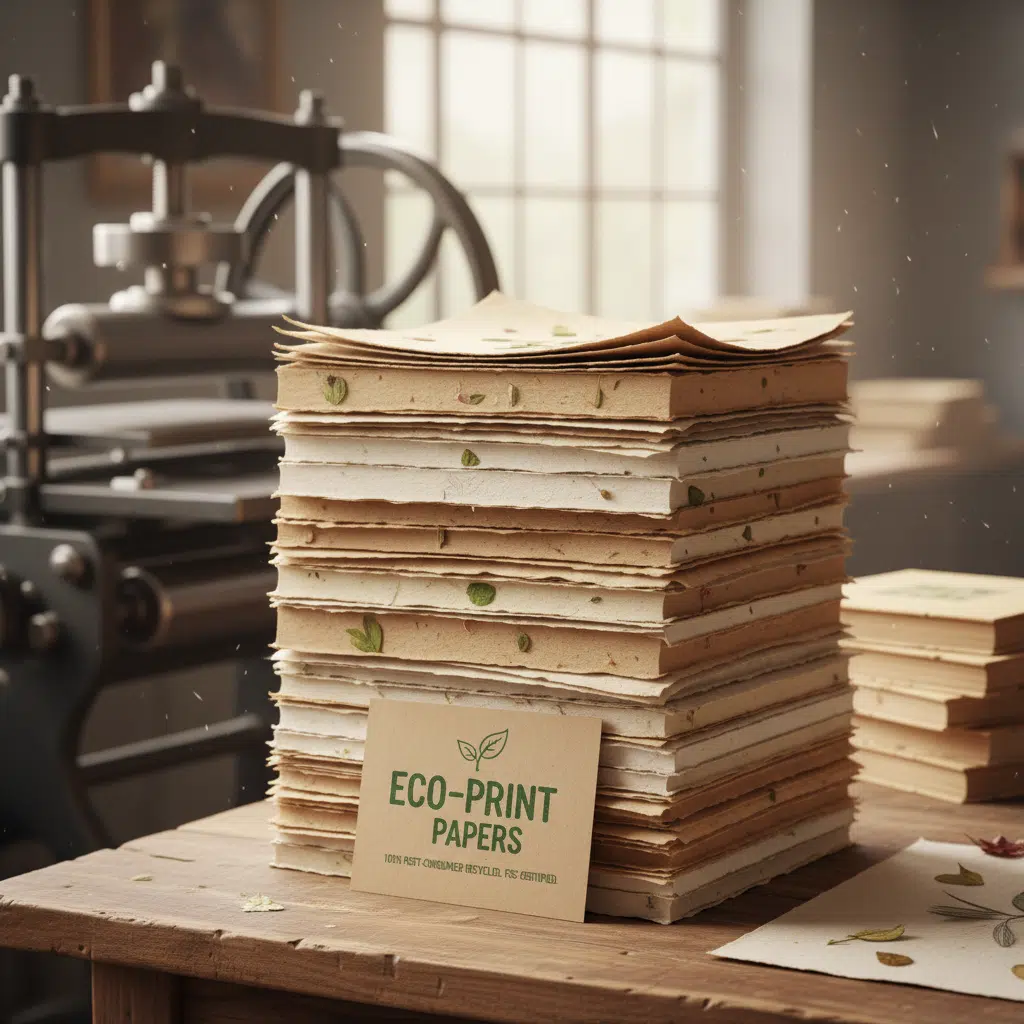
Post-Consumer Waste (PCW) paper is made from paper that has been used and recycled by consumers.
- Texture & Appearance: Recycled paper often has a natural, slightly off-white or speckled appearance. This aesthetic is highly desirable for brands emphasizing organic or eco-friendly values.
- Strength: Fibers shorten every time paper is recycled. Therefore, 100% recycled paper may have lower tensile strength than virgin paper. For heavy-duty packaging or books with rigorous binding requirements, a mix (e.g., 50% recycled, 50% virgin) is often recommended to maintain durability.
Manufacturing Considerations for Eco-Friendly Projects
Switching to green materials requires adjustments in the manufacturing workflow. When requesting a quote for sustainable book printing, consider the following technical factors:
1. Drying Time and Production Schedule
Since soy inks dry primarily through oxidation rather than evaporation, they can take longer to set, especially on uncoated or matte recycled papers. If your project has a tight deadline, consult with your printer about adding an aqueous coating (water-based) to seal the ink instantly and prevent smudging.
2. Color Management on Recycled Stock
Recycled paper absorbs ink differently than coated virgin paper. This leads to “dot gain,” where ink dots spread slightly, potentially darkening images. Experienced printers will adjust the prepress curves to compensate for this. Always request a hard proof on the actual paper stock to verify color accuracy before the full print run.
3. Binding Compatibility
Certain recycled stocks are more rigid or brittle. For perfect-bound books, ensure the grain direction of the paper runs parallel to the spine to prevent pages from waving or the binding from cracking. Your manufacturing partner can advise on the best paper weight (GSM) to ensure the book lies flat.
Buying Guide: How to Source Green Printing in China
When sourcing from international printers, clarity in specifications is critical to avoiding misunderstandings.
Requesting the Right Materials
Do not simply ask for “eco-friendly paper.” Be specific:
- Specification Example: “157gsm FSC-certified matte art paper” or “100gsm 100% Recycled Offset Paper with Soy Inks.”
- Verify Claims: Ask if the printer uses vegetable-based inks by default or if it is a special request. At YBJ Printing, we can tailor the ink and paper combination to meet specific environmental goals.
MOQ and Cost Factors
Sustainable papers, particularly specialized recycled stocks, may sometimes have higher Minimum Order Quantities (MOQs) if the factory does not keep them in standard stock. However, standard FSC papers are widely available and cost-competitive with non-certified options. Soy inks generally do not add significant cost to the total project price.
Questions fréquemment posées
Is soy ink more expensive than regular ink?
Generally, the cost difference is negligible for the buyer. While the raw material might be slightly pricier, efficient coverage often balances the cost. The benefits in quality and compliance far outweigh minor price variances.
Can I use soy ink on glossy paper?
Yes, soy ink works on glossy coated paper. However, drying times must be managed carefully to avoid offsetting (ink transferring to the facing page).
Does recycled paper look yellow?
Not necessarily. High-quality recycled stocks can be quite white, though they typically lack the “blue-white” brightness of chemically bleached virgin paper. Many brands prefer the warmer, natural tone of recycled stock.
Is sustainable printing suitable for children’s books?
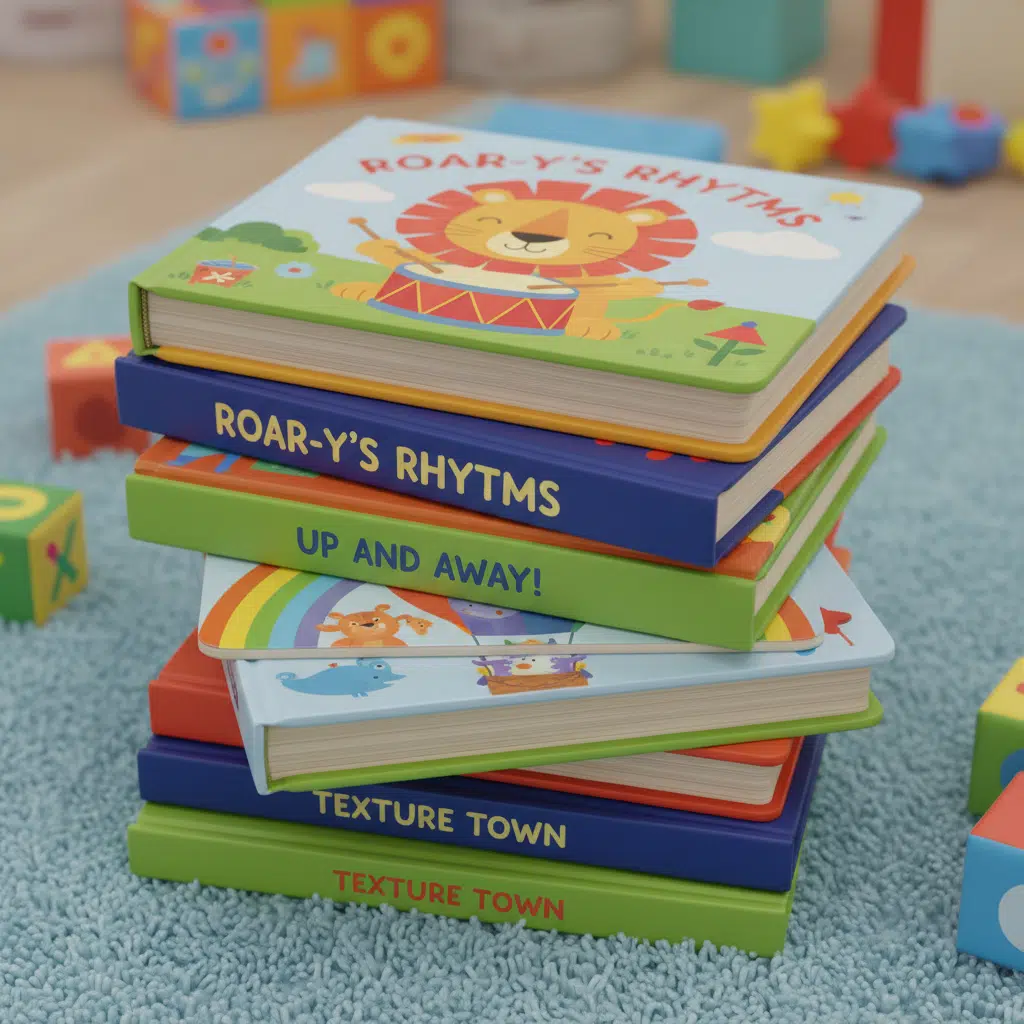
Absolutely. In fact, it is preferred. Soy inks are less toxic and safer for products that children handle. Combined with FSC paper, this ensures a product that is safe for the end-user and the planet.
Start Your Sustainable Project
Reducing your carbon footprint doesn’t mean sacrificing quality. With the right combination of soy-based inks and certified papers, you can produce books that are visually stunning and environmentally responsible.
Whether you need technical advice on paper selection or a detailed cost analysis for your next print run, our team is ready to assist.
Ready to print green? Demande de devis or contact us today to discuss your sustainable printing options.