
Índice
- What makes poetry book printing different
- Trim size and page design
- Paper color, opacity, and texture
- Binding choices for a poetry collection
- Cover design and finishing
- File preparation for poems and intentional whitespace
- Quote checklist
- PREGUNTAS FRECUENTES
- Discuss your print project
Custom poetry book printing requires more than selecting a cover and page count. Paper opacity, trim size, intentional whitespace, binding flexibility and cover finishing all affect how a poetry collection feels in the reader’s hands. This guide explains the main choices for authors, publishers and small presses preparing a quotation.
What makes poetry book printing different
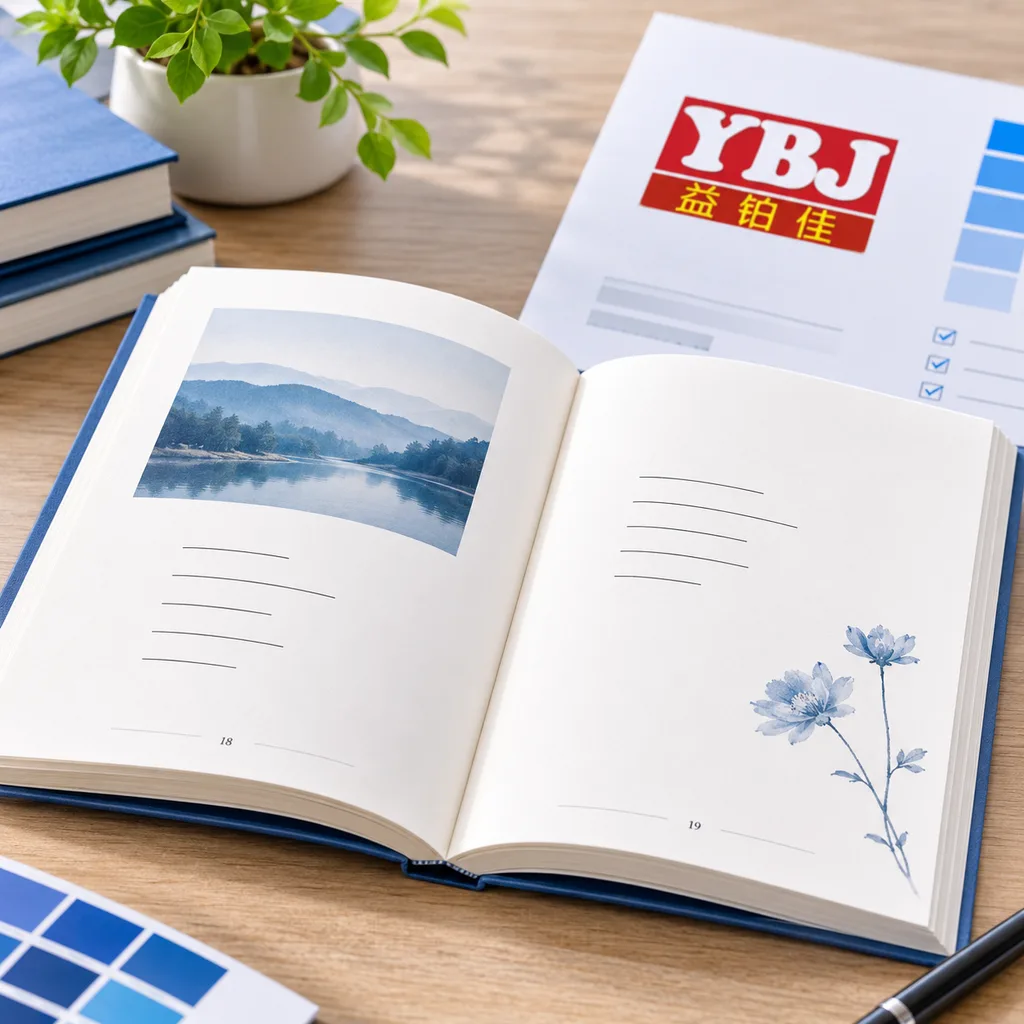
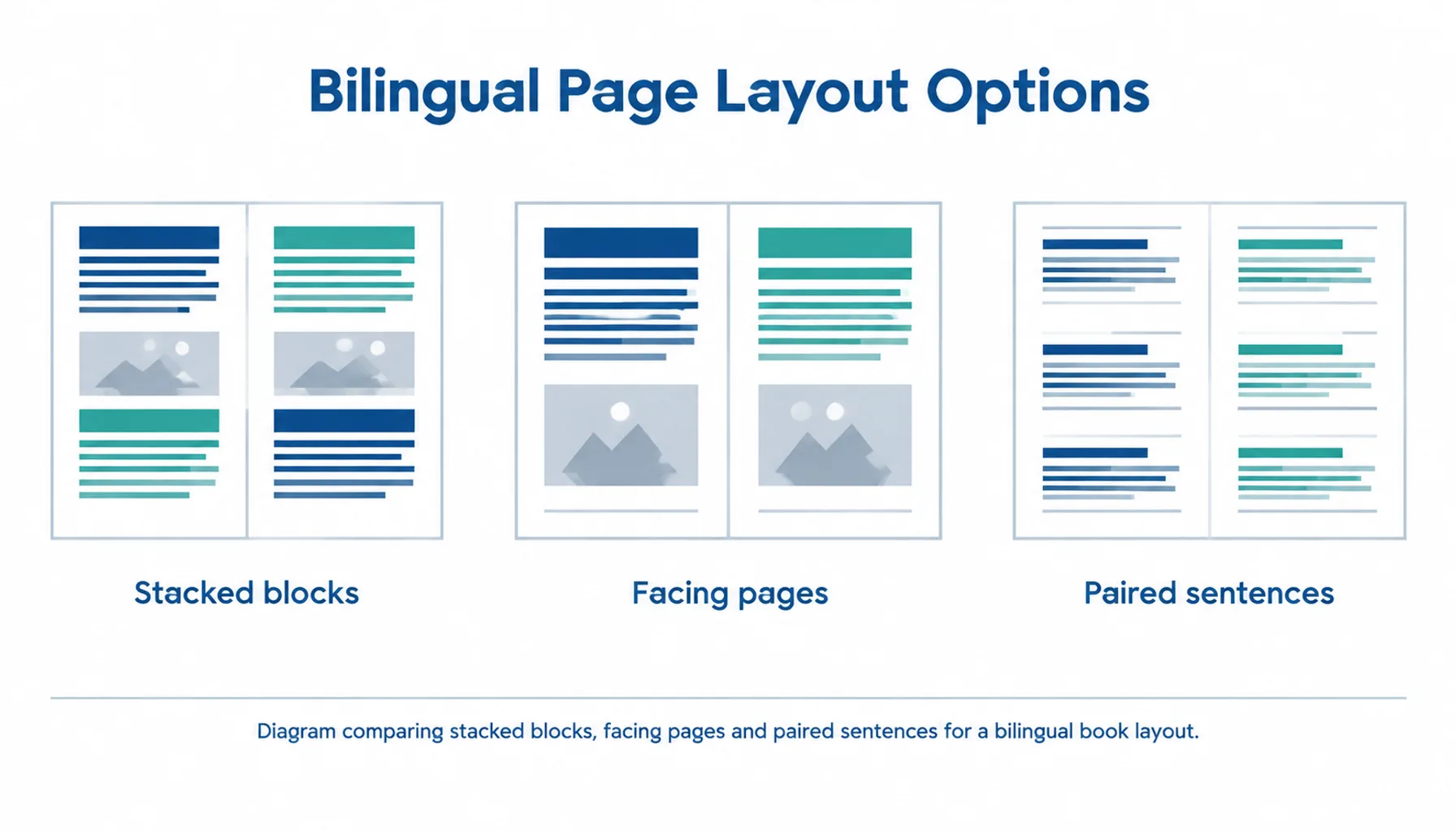
Custom poetry book printing needs to protect the rhythm, spacing and physical pace of a collection. Unlike a text-heavy novel, a poetry book may use short lines, large areas of blank space, varied alignments, section breaks and poems that begin on specific pages. These design choices affect page count, paper consumption, binding thickness and production cost.
Definition: poetry book printing
Poetry book printing is the production of a bound collection in which typography, page architecture and paper choice are part of the reading experience. The printer must reproduce both the printed words and the deliberate space around them.
For authors and small presses, the most important decision is usually not simply paperback versus hardcover. It is how the selected trim size, paper, binding and cover finish support the intended reading experience while remaining practical for the planned quantity and destination.
Key planning points
- Confirm whether poems must start on right-hand pages or follow a fixed sequence.
- Allow for blank pages, section openers, contents pages, acknowledgements and colophon information.
- Choose paper with enough opacity to reduce distracting show-through behind sparse pages.
- Compare binding options based on page count, opening behavior, durability and budget.
- Request a proof or dummy when typography and whitespace are central to the book.
These decisions are relevant to literary book printing, university presses, independent publishers and self-publishing authors alike.
Trim size and page design
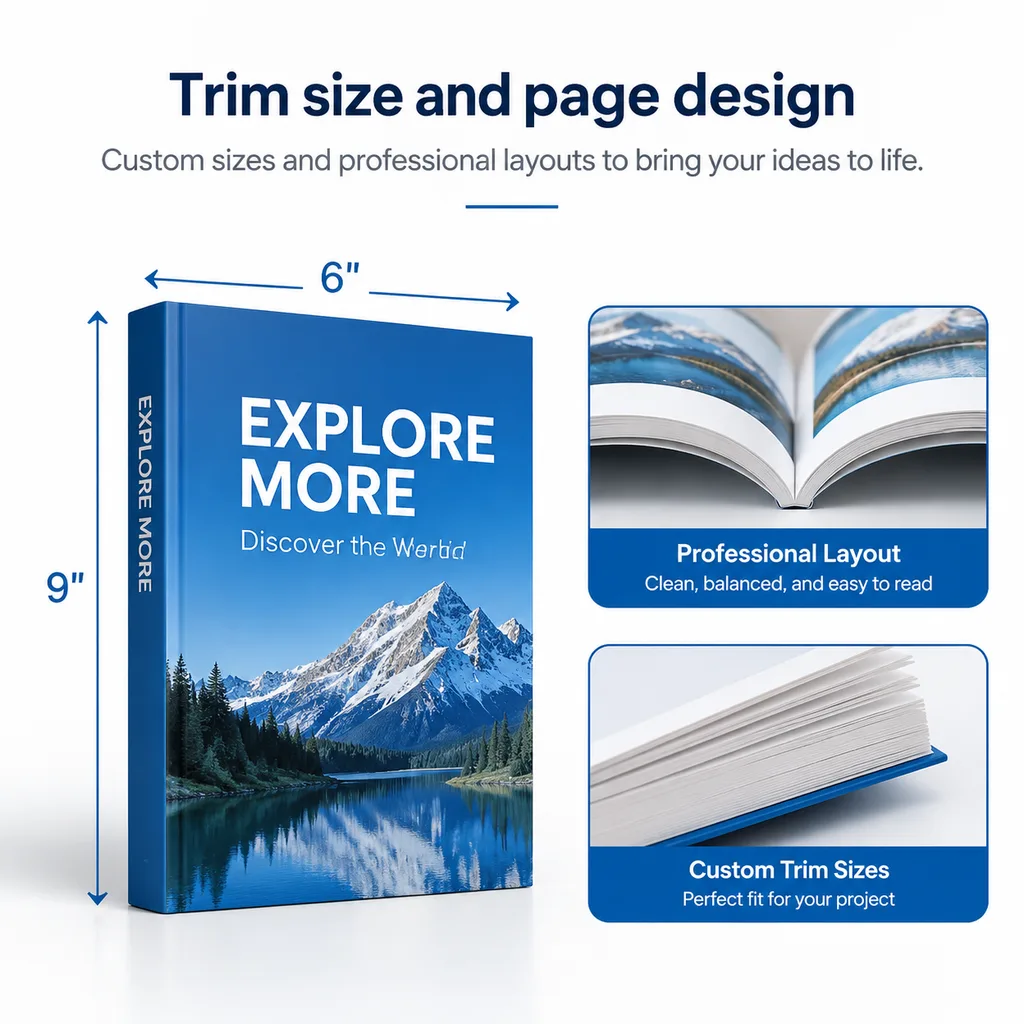
Trim size should be selected together with the poems, not after the interior has been designed. A compact format can make a collection feel intimate and portable, while a wider or taller format may give long lines, concrete poetry or generous margins more room. Common starting points include approximately 5 x 8 in, 5.25 x 8.25 in, 6 x 9 in and comparable metric sizes, but the best choice depends on the manuscript and market.
Questions to ask before choosing a size
- What is the longest line, and should it remain on one line?
- How wide should the outside and inside margins be?
- Will the book include photographs, illustrations or colored section pages?
- Does the collection need to fit a publisher’s existing series format?
- Will the finished book be read one-handed, displayed, mailed or sold in a bookstore?
Poetry often benefits from a comfortable inner margin because readers may hold the book open near the gutter. The required gutter allowance depends on trim size, page count and binding. A thicker book generally needs more attention to opening behavior and inner margins.
Page count must include every printed and blank page. A poetry collection with fewer words can still become a substantial book because of deliberate page turns and section openings. Ask the printer to calculate the spine from the final page count, paper bulk and binding method rather than estimating from word count alone.
Paper color, opacity, and texture
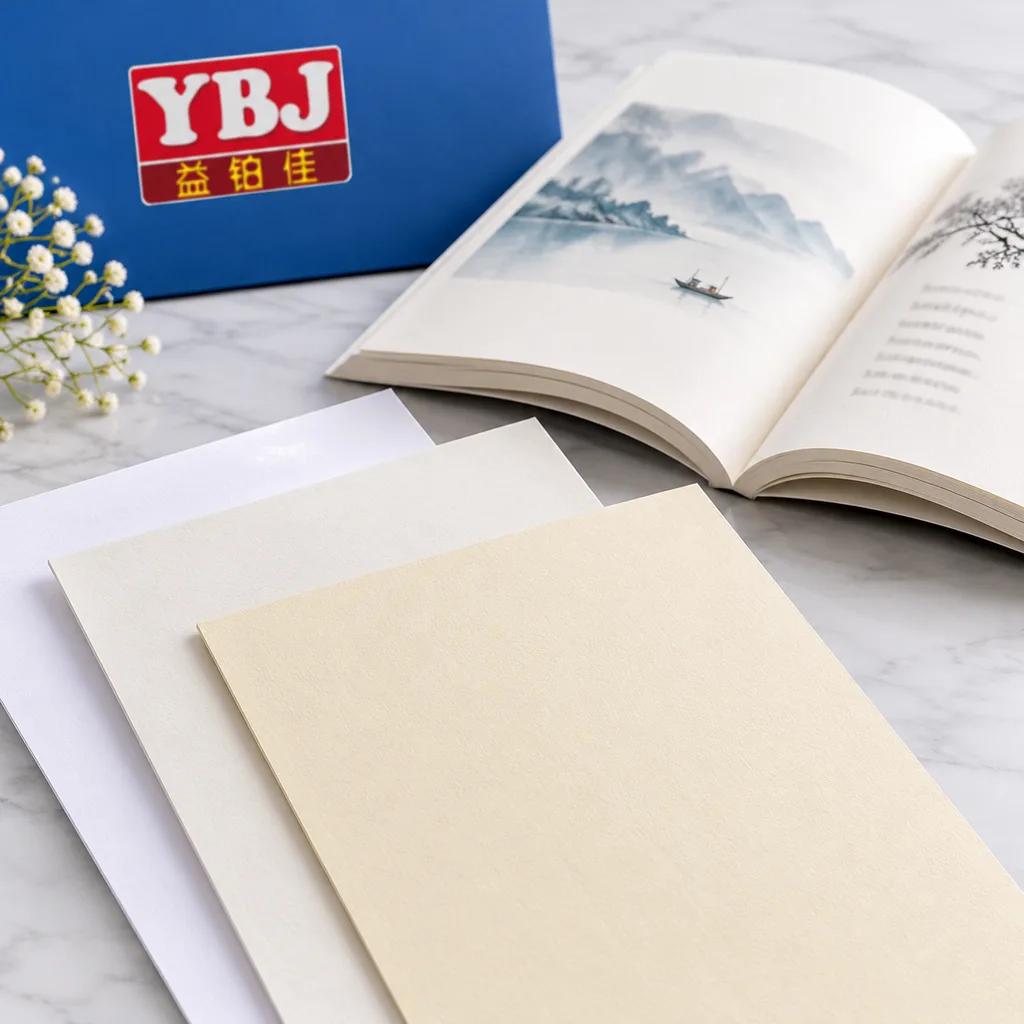
For most poetry collection printing projects, uncoated text paper is the first stock to evaluate because it provides a natural reading surface and works well with black text. Bright white paper gives crisp contrast, while warm white or cream paper can create a softer literary appearance. The correct choice depends on the typeface, ink coverage, page density, cover concept and desired tactile feel.
Opacity is especially important for poetry books. Sparse pages can make the reverse side of a sheet more noticeable, even when the ink coverage is low. Paper weight, bulk, fiber composition, ink density and lighting all influence show-through. A heavier sheet may improve opacity, but it can also increase the page count’s thickness, shipping weight and unit cost.
Paper factors to compare
- Color: Bright white supports strong contrast; natural or cream tones may suit traditional literary editions.
- Surface: Uncoated paper is generally comfortable for reading and writing, while coated paper is more suitable when images need sharper color.
- Weight and bulk: These affect opacity, flexibility, spine width and freight volume.
- Textura: Smooth stock supports fine typography; textured stock adds character but may influence ink appearance.
- Grain direction: Grain running parallel to the spine usually helps pages fold and open more naturally.
Review the practical differences between paper grades in this book printing paper types guide. For a deeper production consideration, see the explanation of paper grain direction in book printing. A physical paper sample or printed proof is more reliable than judging color and opacity from a screen.
Binding choices for a poetry collection
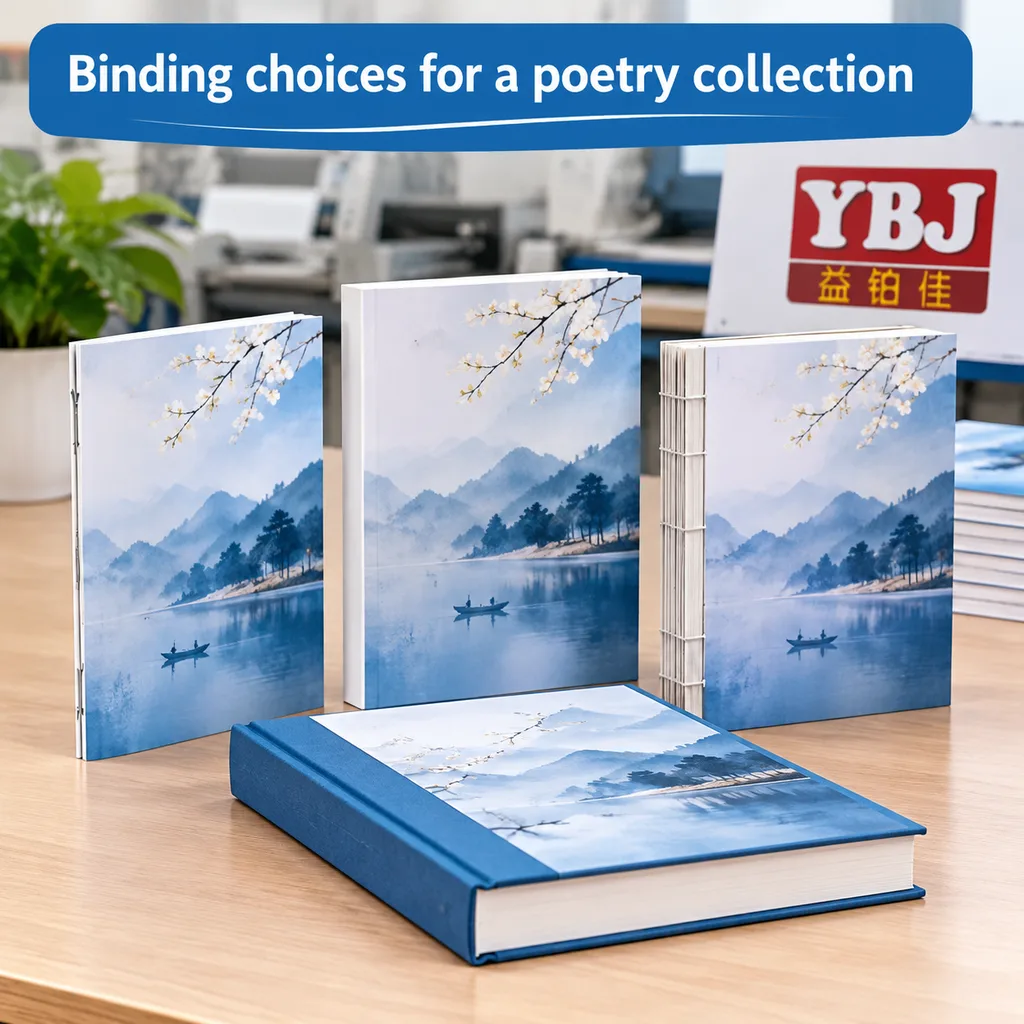
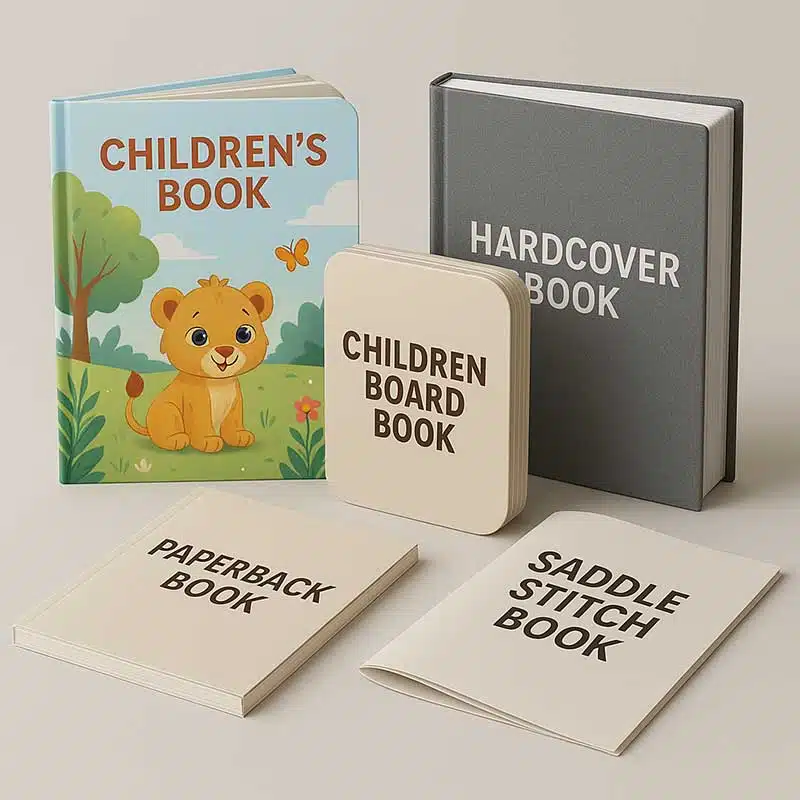
The best binding for a poetry collection depends on page count, opening behavior, expected handling, cover style, quantity and budget. A short chapbook may suit saddle stitching, while a longer collection may need perfect binding or sewn sections. Hardcover or casebound construction can support a premium edition, library use or a limited presentation run.
| Encuadernación | Best suited to | Main advantages | Points to confirm |
|---|---|---|---|
| Punto de silla | Short, thinner collections and chapbooks | Compact, economical and opens relatively flat for its format | Page count must work with folded signatures; cover and interior are folded and stapled |
| Perfect bound | Standard paperback poetry books | Clean square spine and flexible cover options | Very thin books may need a different construction; gutter opening depends on thickness and adhesive |
| Sewn softcover | Collections requiring improved flexibility and repeated handling | Sections are sewn before covering, supporting durability and opening | Usually requires more production planning and may affect cost and schedule |
| Casebound or hardcover | Gift editions, collected works and premium releases | Protective covers and a substantial presentation | Higher material, setup and shipping requirements; consider jacket or printed case options |
For paperback projects, adhesive selection can also matter. Compare PUR and EVA paperback binding based on paper, thickness, flexibility, opening requirements and production conditions. If the edition needs a fabric-covered premium appearance, review the options for cloth-bound books with linen or silk fabrics.
Do not select binding only from a product image. Send the final page count, paper preference and intended use to the printer so the construction can be evaluated as a complete specification.
Cover design and finishing
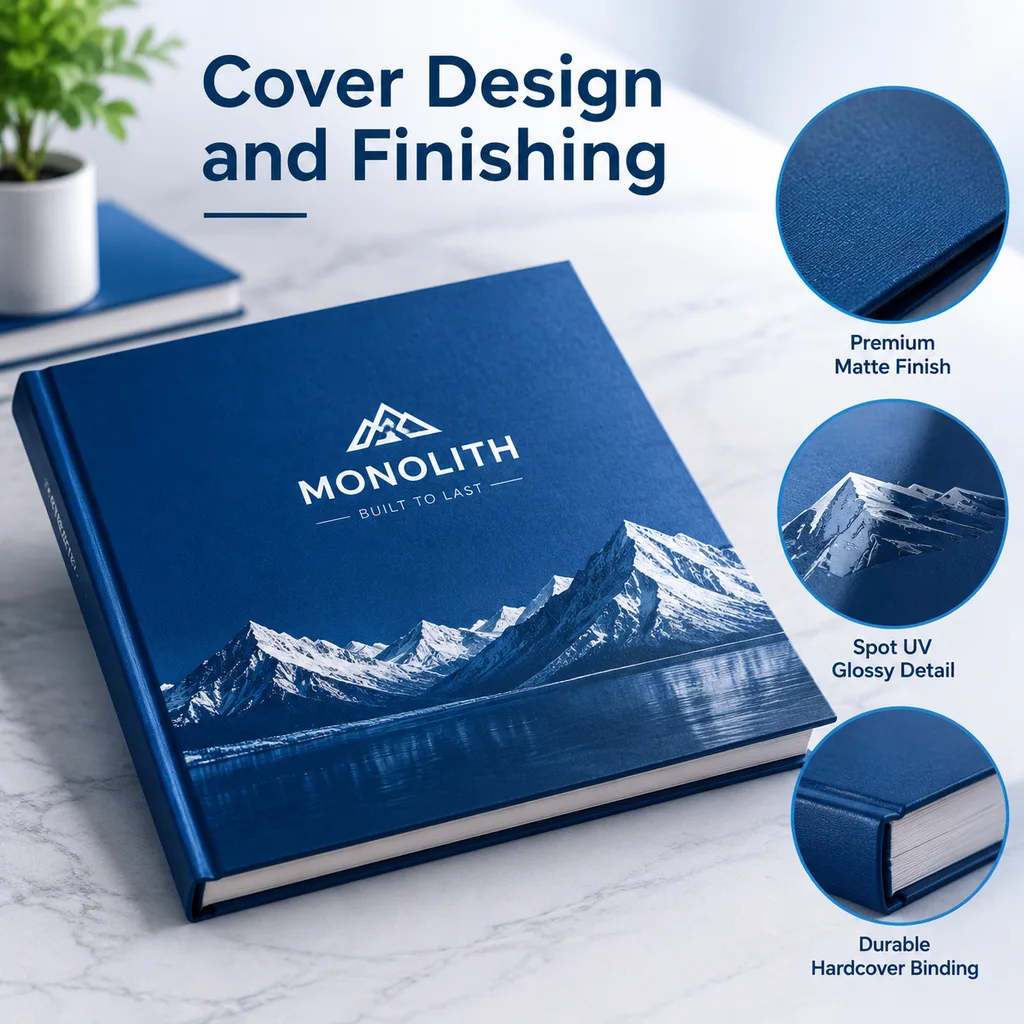
A poetry cover should communicate the collection’s tone while remaining practical for the selected binding. Paperback covers commonly use a coated cover stock with a protective matte or gloss laminate. Matte lamination gives a subdued, low-glare appearance, while gloss can make colors and contrast appear more vivid. The choice also affects fingerprints, handling and the visual character of the edition.
Finishing options to consider
- Matte or gloss lamination: A surface treatment that changes appearance and adds protection to the printed cover.
- Spot UV: A selective gloss effect used to highlight a title, symbol or small cover area.
- Foil stamping: Metallic or colored foil applied to selected text or graphics, often used for restrained premium accents.
- Embossing or debossing: A raised or recessed effect that adds tactile detail to suitable designs.
- Jacket or printed case: Options for hardcover editions where the cover is part of the presentation.
Finishing should support readability and production consistency rather than compete with the title. Fine lines, small type and large solid areas should be checked carefully because the final result depends on artwork, substrate and finishing method. Keep important cover text away from trim, folds and the spine hinge.
For a small press book printing project, it can be practical to use a restrained finish on the main run and reserve foil, embossing or a special cover material for a limited edition. Ask for a physical proof when color, texture or registration is central to the design.
File preparation for poems and intentional whitespace
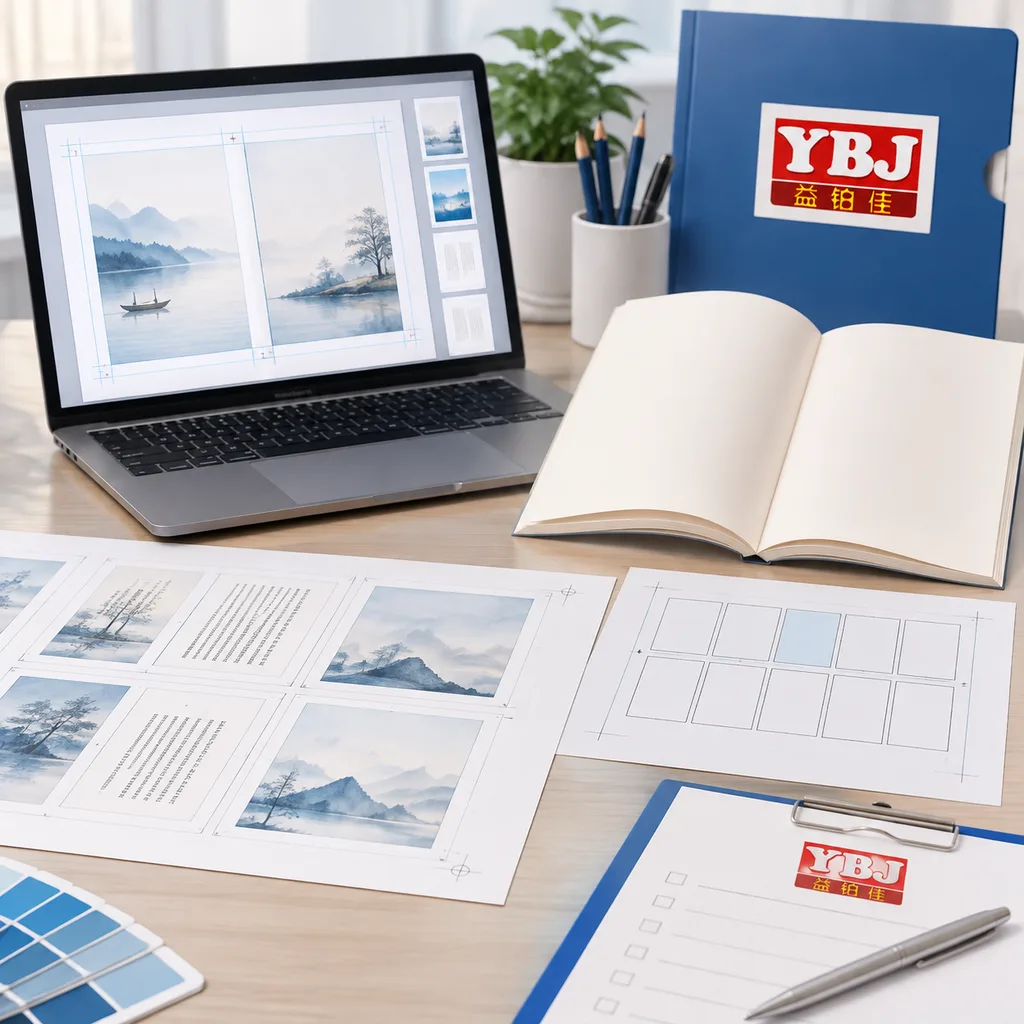
Poetry files need close prepress attention because a small layout change can alter a poem’s meaning or page turn. Prepare the interior as single pages or printer-approved spreads according to the production specification. Do not rely on automatic reflow at the print stage.
Prepress checks for a poetry manuscript
- Lock the trim size, page count and final reading order before exporting.
- Check that every poem begins on the intended page, including right-hand-page openings where required.
- Keep text, page numbers and artwork inside the safe area, and add bleed to elements that run to the edge.
- Embed fonts and confirm that special characters, punctuation, ligatures and accented names display correctly.
- Inspect line breaks, indentation, tabs, hanging punctuation, centered text and repeated spaces.
- Review blank pages intentionally; label them in an internal proof checklist if they must remain blank.
- Separate monochrome and color pages clearly when the book includes selected illustrations or colored sections.
- Export a press-ready PDF and retain an editable source file for revisions.
Whitespace is not automatically a production error. It may be essential to the poem, but the printer needs to know whether a blank page is intentional or missing content. Use a page map or manuscript manifest to identify section openers, blank pages, inserts and special typography.
If a collection mixes black-and-white text with color artwork, review the planning considerations in this guide to mixed color book printing. Ask for a digital preflight and, when layout is particularly sensitive, a physical proof or dummy before the full run.
Quote checklist

A useful quotation requires a complete specification. Supplying the details below helps a printer compare paper, binding and finishing options without making assumptions.
Information to include
- Tipo de producto: Poetry collection, chapbook, anthology, collected works or illustrated literary book.
- Tamaño final: Trim dimensions in millimetres or inches.
- Número de páginas: Include blank pages, contents, section openers and any inserts.
- Cantidad: State the planned run size and whether you need more than one edition.
- Interior: Black and white, full color or a defined mix of color and monochrome pages.
- Papel: Preferred color, weight, opacity, surface and any texture requirements.
- Encuadernación: Saddle stitch, perfect bound, sewn softcover, hardcover or another construction.
- Tapa: Cover stock, laminate, foil, embossing, spot UV, jacket or case requirements.
- Estado del archivo: Final press-ready PDF, draft layout, editable source files or design assistance needed.
- Pruebas: Digital proof, paper dummy, printed proof or production sample.
- Destination: Delivery country, city or postcode, plus any packaging or split-shipment needs.
Price, lead time and shipping cost can change with quantity, page count, paper availability, color coverage, binding, finishing, proofing, packing and destination. State any launch date as a planning target rather than assuming it is achievable before the files and specifications are reviewed.
PREGUNTAS FRECUENTES

The right specification depends on the manuscript and intended use. These answers address common questions from authors, publishers and small presses planning a poetry collection.
Can poetry books be printed with large areas of blank space?
Yes. Blank pages and generous whitespace can be intentional design elements. Mark them clearly in the page map and final proof so they are not mistaken for missing content.
What paper is usually suitable for a poetry collection?
Uncoated white, natural white or cream text paper is a common starting point. Compare opacity, surface, bulk and color using physical samples or a printed proof, especially when pages contain sparse text.
Which binding is best for a short poetry collection?
Saddle stitch may suit a short, thin chapbook, while perfect binding is often considered for a standard paperback format. The final choice depends on page count, paper, cover construction and desired opening behavior.
Should I request a printed proof?
A printed proof is useful when typography, paper color, show-through, whitespace, cover color or finishing is important. A digital proof can confirm layout but cannot fully represent the physical paper and binding.
Can a small press order a custom quantity?
Quantity should be discussed with the printer because setup, material selection, production method and shipping can change the practical economics of a short or medium run. Request a quotation based on the actual quantity and destination.
Discuss your print project

For a successful poetry collection, decide the reading experience first, then test the paper, trim size, binding and cover finish against the manuscript. A clear page map and complete quotation specification will help reduce avoidable revisions.
YBJ Printing supports custom book projects for publishers, authors and small presses, from file review and paper selection through proofing, production and international shipping coordination. The most suitable option depends on your content, quantity, budget and destination, so project details should be reviewed before approval.
Use the quotation request to explain your intended format and any non-negotiable typography or whitespace requirements.
PREGUNTAS FRECUENTES
Can poetry books be printed with large areas of blank space?
Yes. Blank pages and generous whitespace can be intentional design elements. Mark them clearly in the page map and final proof so they are not mistaken for missing content.
What paper is usually suitable for a poetry collection?
Uncoated white, natural white or cream text paper is a common starting point. Compare opacity, surface, bulk and color using physical samples or a printed proof, especially when pages contain sparse text.
Which binding is best for a short poetry collection?
Saddle stitch may suit a short, thin chapbook, while perfect binding is often considered for a standard paperback format. The final choice depends on page count, paper, cover construction and desired opening behavior.
Should I request a printed proof?
A printed proof is useful when typography, paper color, show-through, whitespace, cover color or finishing is important. A digital proof can confirm layout but cannot fully represent the physical paper and binding.
Can a small press order a custom quantity?
Quantity should be discussed with the printer because setup, material selection, production method and shipping can change the practical economics of a short or medium run. Request a quotation based on the actual quantity and destination.
¿Estás listo para planificar tu proyecto de impresión personalizado?
Tell YBJ Printing about your product type, trim size, page count, quantity, paper or binding preferences, finish requirements, file status and delivery destination. Our team can recommend practical options and prepare a factory-direct quotation for your poetry collection.