
Índice
- What Determines the Right Book Paper?
- Common Book Printing Paper Types
- Choose Paper Based on Book Content and Use
- Book Paper Weight Guide: GSM, Thickness and Opacity
- Coated vs Uncoated Paper for Books
- How Binding and Production Affect Paper Choice
- Book Paper Selection Checklist
- Recomendaciones finales
The right book paper depends on the content, reading experience, image requirements, binding, page count and target budget. This guide explains common book printing paper types, paper weights, coated and uncoated finishes, and the practical questions buyers should ask before requesting a quote.
What Determines the Right Book Paper?
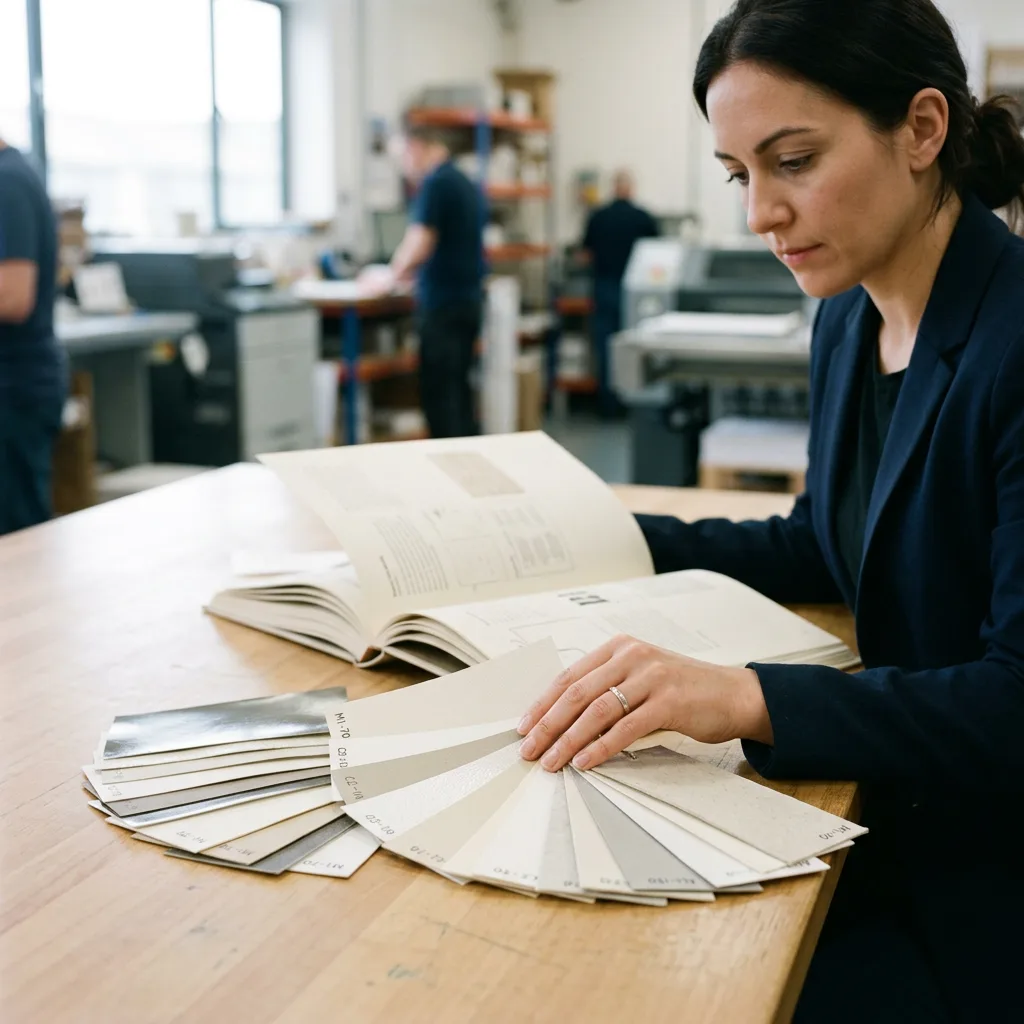
The best paper for book printing depends on the book’s content, image coverage, reading purpose, binding method, page count and target price. In most cases, uncoated paper is a practical choice for novels, manuals and text-heavy books, while coated paper is more suitable for colour images, photography, illustrations and recipe content.
Paper selection is not only a visual decision. The stock affects how the book feels in the reader’s hands, how easily text can be read, how colours reproduce, how thick the finished book becomes and how the pages behave during binding and shipping.
Before choosing a stock, define the following requirements:
- Content: text, line drawings, photographs, illustrations or a mixture.
- Reading experience: lightweight and flexible, substantial and premium, or highly durable.
- Finished size and page count: these influence bulk, spine width and handling.
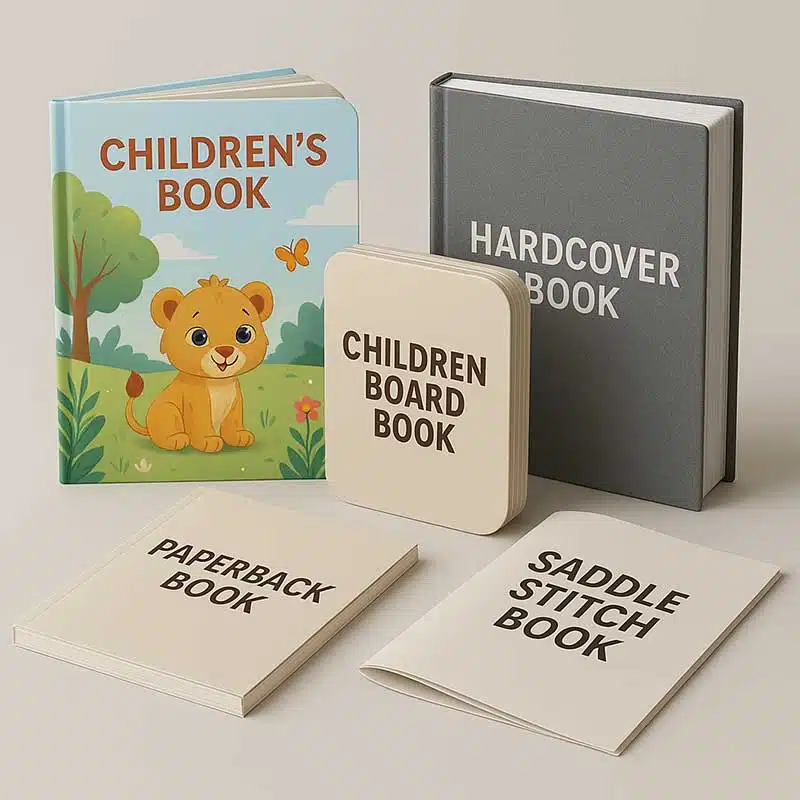
- Encuadernación: perfect binding, sewn binding, hardcover, saddle stitch or another format.
- Surface appearance: natural, writable, soft, smooth, bright or image-focused.
- Order and destination: available stocks, production planning and shipping conditions may vary.
Paper availability can differ by mill, market and order specification. A printer should confirm the exact stock, grammage, bulk and finish before production, particularly when the book has a tight spine width or a specific colour target.
Common Book Printing Paper Types
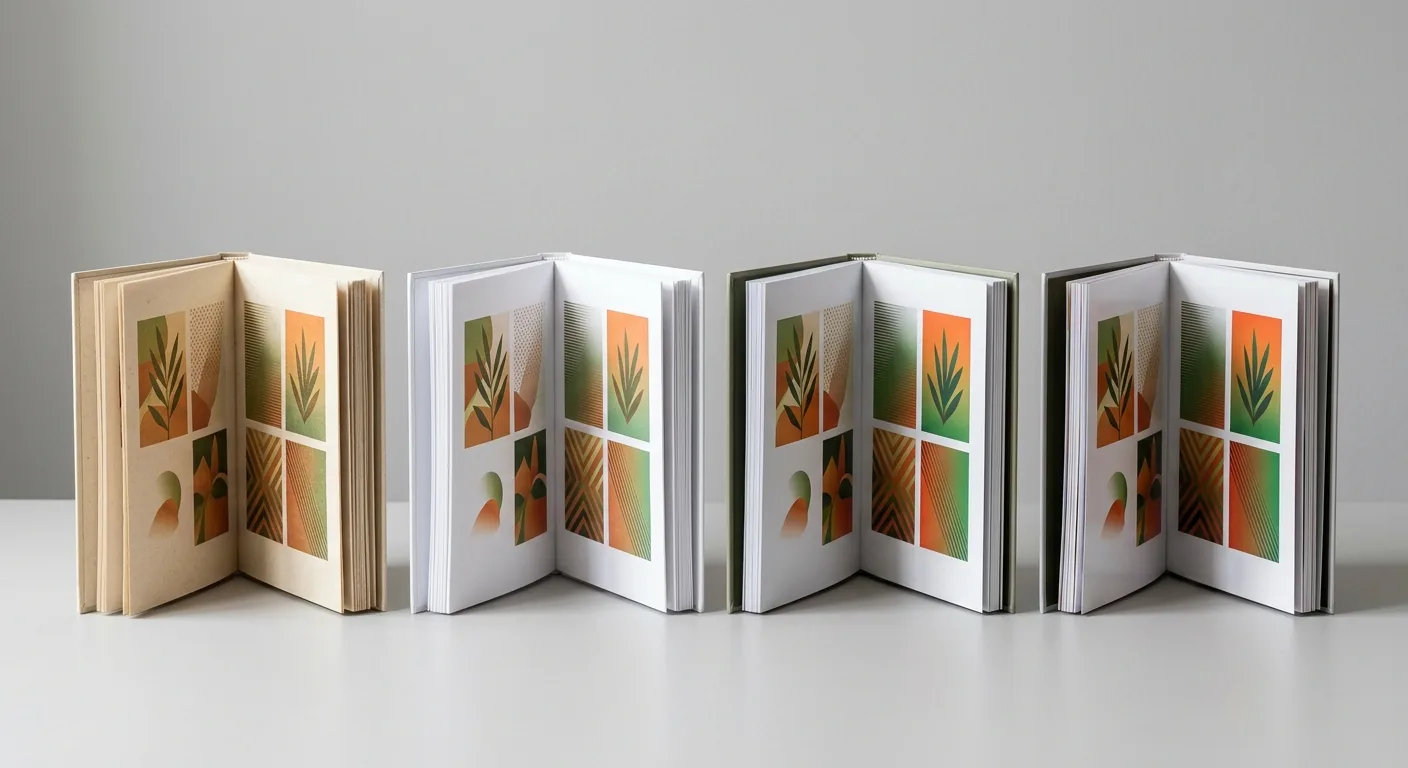
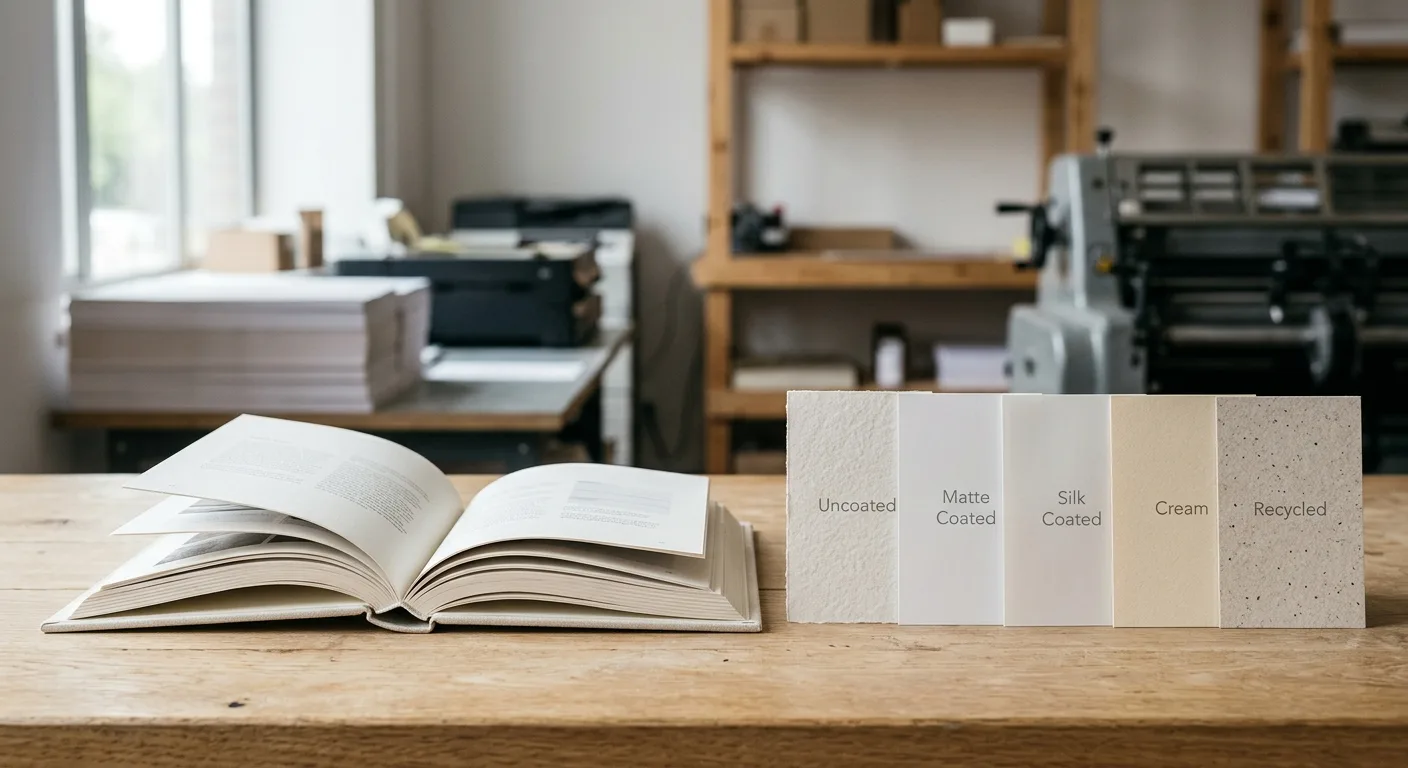
Book printing paper types are usually discussed by their fibre composition, surface treatment, brightness, weight and intended use. The names used by suppliers can vary, so ask for a paper sample or technical specification rather than relying on a general label alone.
Uncoated book paper
Uncoated paper has no clay coating applied to the surface. It normally provides a softer, more natural appearance and is comfortable for extended reading. The surface can also be easier to write on, depending on the specific finish. Because ink is absorbed more readily than on coated stock, colours may appear less saturated and fine image detail may be softer.
Uncoated paper is commonly considered for novels, poetry, educational books, workbooks, manuals, journals and text-led non-fiction. It is available in different shades, including bright white and warmer natural tones.
Papel estucado
Coated paper has a treated surface that can be gloss, matte or silk. The coating helps produce sharper images, stronger colour density and a smoother printed appearance. Gloss surfaces can make images look vibrant, while matte and silk surfaces reduce some glare and create a more restrained finish.
Coated paper is often selected for photography books, art books, illustrated children’s books, catalogues, cookbooks and other publications where image reproduction is central. It can feel heavier than uncoated paper at the same grammage, depending on its construction and bulk.
Recycled and responsibly sourced options
Recycled paper contains a specified proportion of recovered fibre, while other papers may be selected based on the supplier’s responsible sourcing information. The visual result may include a softer white point or subtle fibre variation, although the exact appearance depends on the stock. If environmental criteria matter to the project, ask the printer to identify available options and provide relevant documentation rather than assuming that a general “eco” description covers every requirement.
Specialty and coloured papers
Textured, cream, tinted or premium papers can support a particular brand or reading experience. These stocks may influence ink colour, image contrast, folding, scoring and minimum order requirements. They should be tested before mass production, especially when the design includes large solid areas, small type or full-colour photography.
For a broader discussion of environmentally considered stocks, see this guide to papel ecológico para la impresión de libros.
Choose Paper Based on Book Content and Use
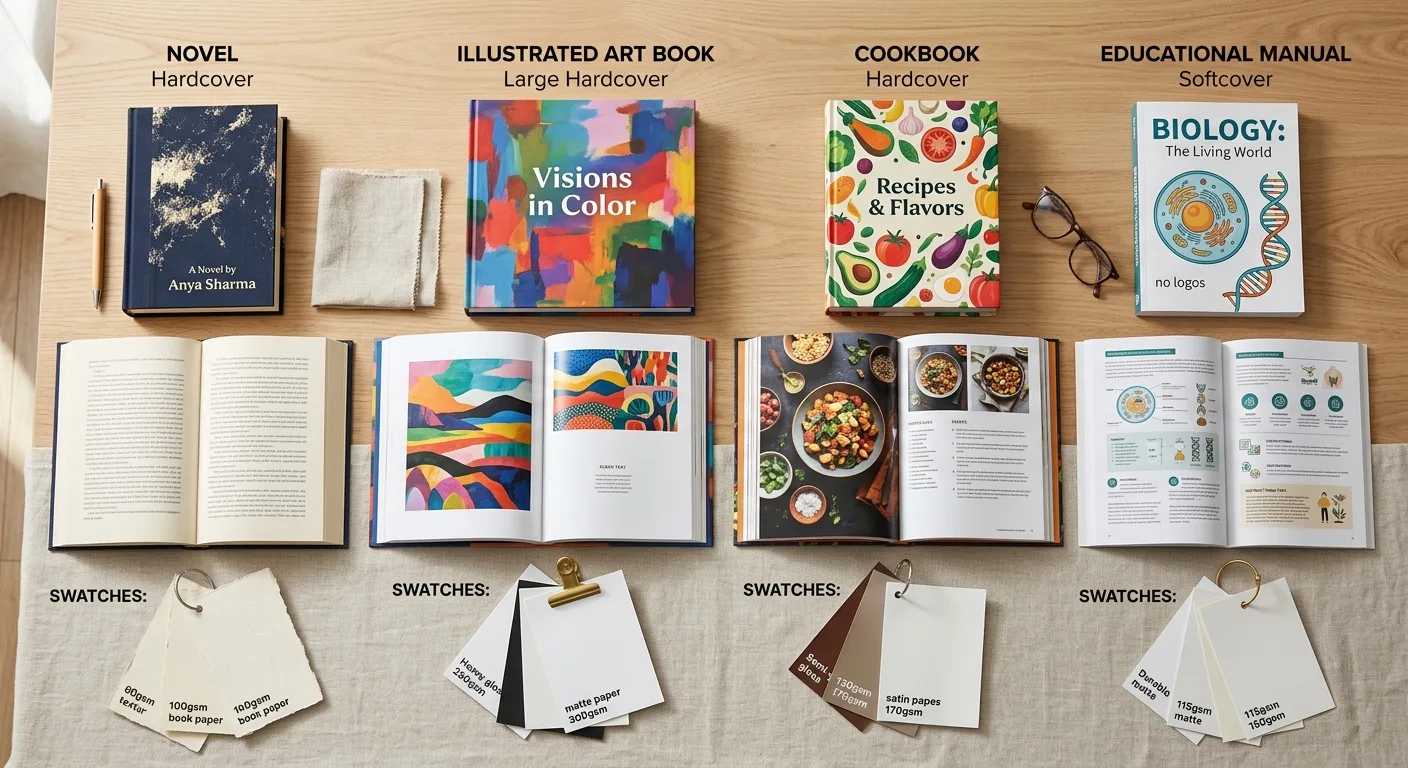
There is no single best paper for every book. A useful approach is to match the stock to the reader’s main task and the visual role of the pages.
Text-heavy books
Novels, essays, poetry, reports and many professional books usually benefit from an uncoated stock with comfortable opacity and a readable surface. A slightly warm tone may reduce the stark appearance of a bright white page, while a brighter stock can provide stronger contrast for diagrams and small type. The final choice should be checked with actual text pages, not only a blank paper swatch.
Illustrated and image-led books
For photography, artwork, product images and full-colour illustrations, coated paper is often the starting point. The finish should match the viewing environment. Gloss can increase visual impact but may create reflections under strong light. Matte or silk can provide a more subdued surface and may be easier to view from different angles.
Cookbooks and practical reference books
Recipe books and other frequently handled publications require a balance between image quality, legibility and durability. Coated paper can support food photography, while an uncoated or less reflective surface may be preferred for notes and extended reading. The cover finish and binding also matter because frequent opening places stress on the spine and hinges. Review these decisions together rather than treating paper as an isolated specification.
For more project-specific guidance, review these custom recipe book printing tips, which cover paper, layout and packaging considerations.
Children’s and educational books
Children’s books may require a thicker feel, strong colour reproduction, rounded handling or a board-based construction. Standard text paper is not automatically suitable for young readers or interactive formats. Page material, coating, corners, binding and any added features should be planned as one product system.
Book Paper Weight Guide: GSM, Thickness and Opacity
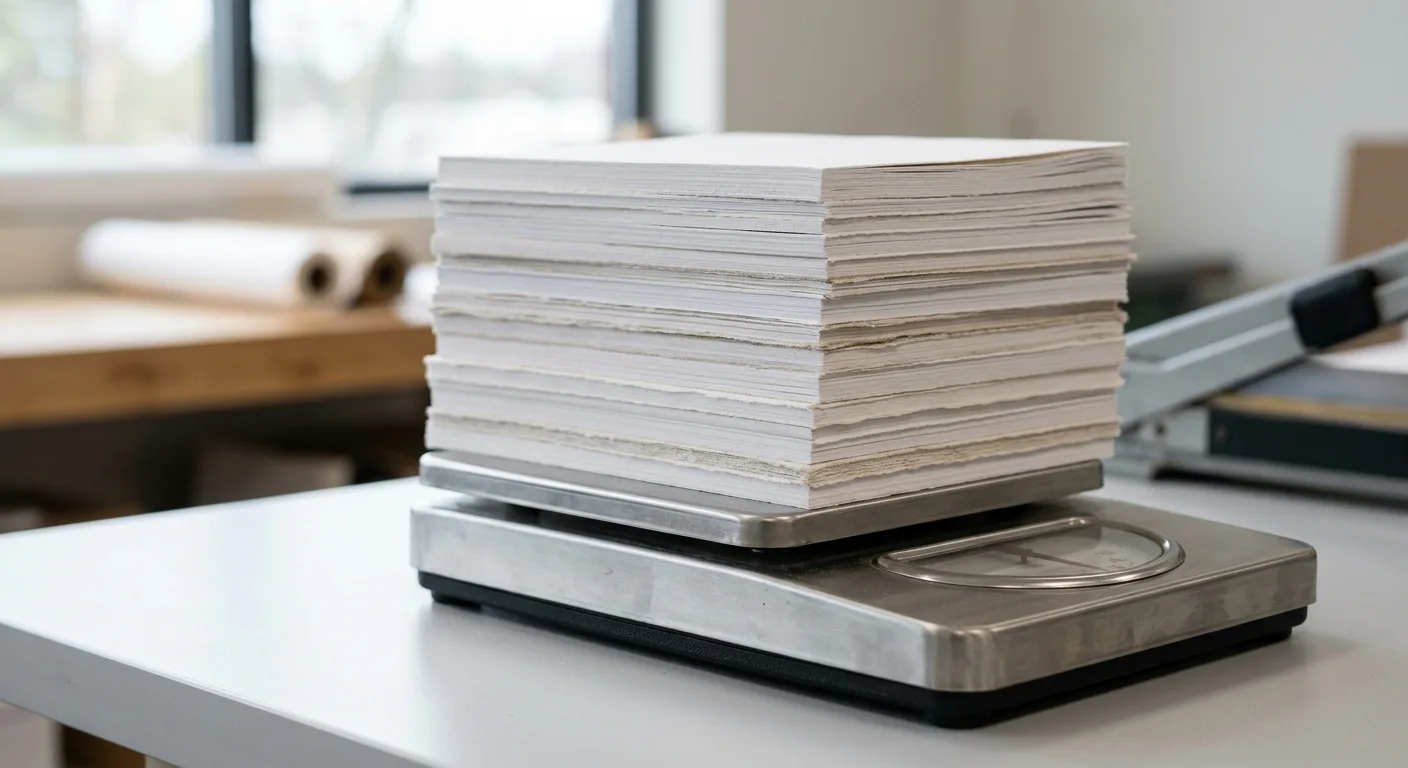
Paper weight is commonly specified in GSM, meaning grams per square metre. A higher GSM generally indicates a heavier sheet, but GSM alone does not tell you exactly how thick, opaque or bulky the paper will feel. Fibre composition, caliper and paper bulk also affect the result.
As a practical starting point, many standard book interiors use lighter or medium-weight text stocks, while illustrated books and premium publications may use heavier sheets. The suitable range depends on the trim size, page count, binding and desired hand feel. A heavy interior stock can make a book feel substantial, but it can also increase bulk and spine width.
Consider these factors together:
- Opacidad: helps prevent text or images from the reverse side showing through. This is important for thin pages, dense type and dark artwork.
- Bulk: describes how much thickness the paper creates at a given weight. Two papers with the same GSM can produce different spine widths.
- Caliper: is the physical thickness of the sheet and is useful when calculating the finished book block.
- Flexibility: affects how comfortably a paperback opens and how easily pages turn.
- Surface weight: the cover stock is usually specified separately from the interior pages.
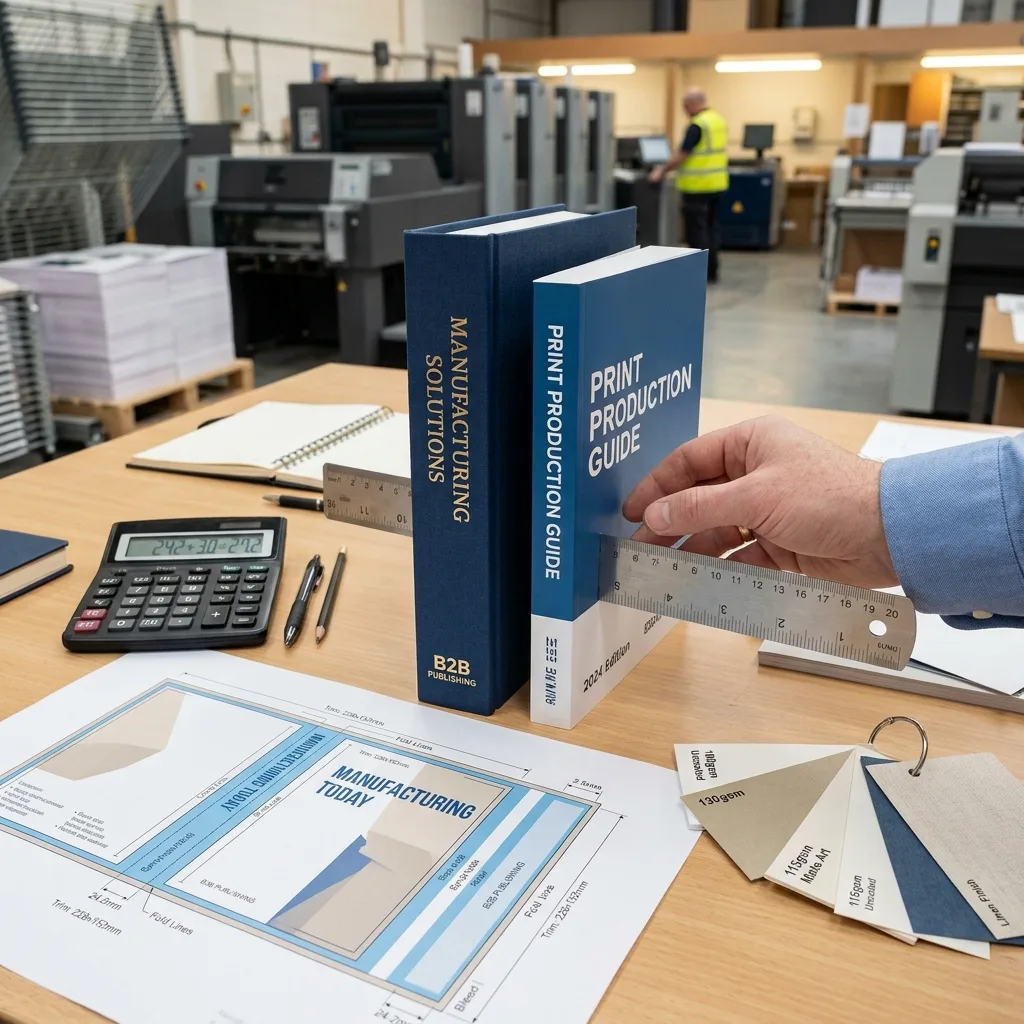
Do not select paper weight by GSM alone. Request a physical sample, confirm the estimated book block thickness and review a proof or dummy when the result is important. The book spine width calculation process should use the printer’s confirmed paper specification rather than an assumed generic value.
Coated vs Uncoated Paper for Books
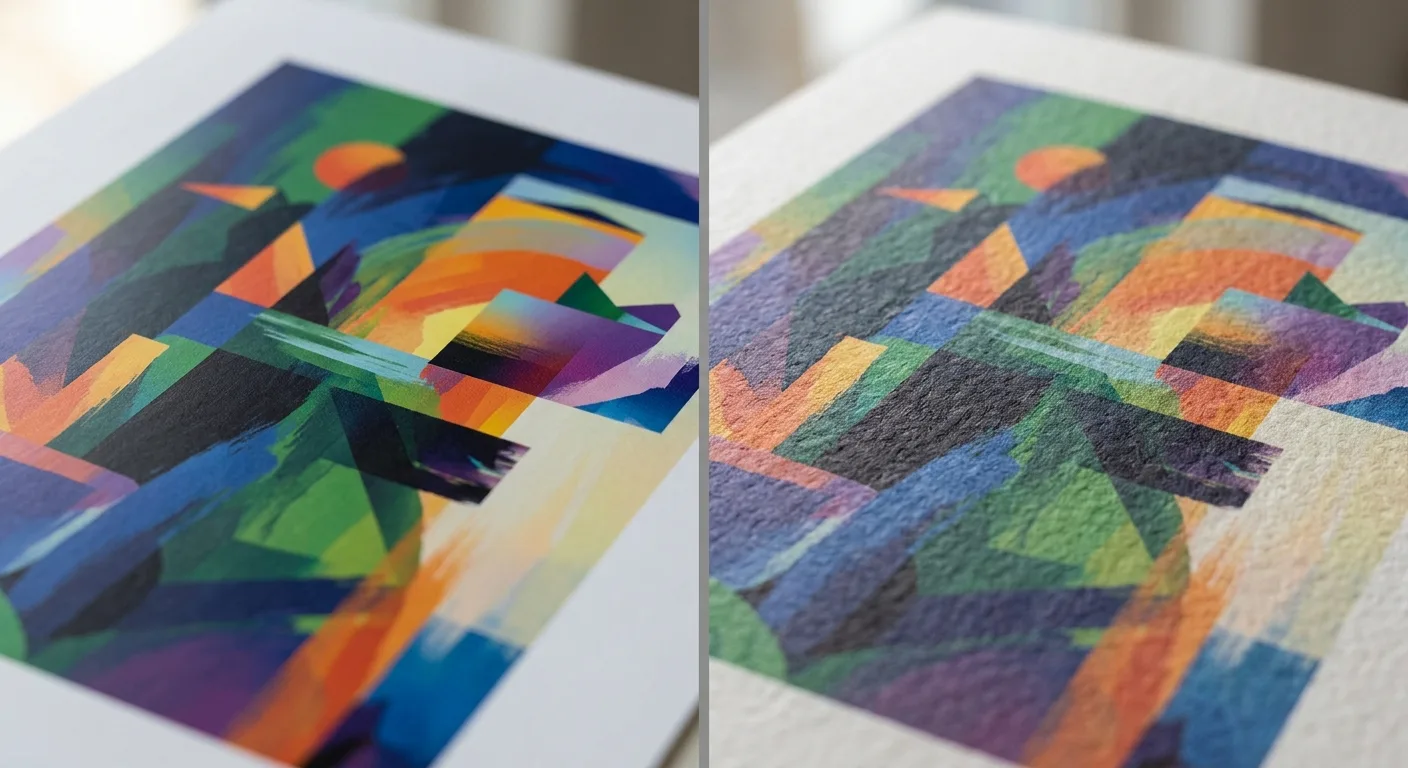
The decision between coated and uncoated paper comes down to the balance between image reproduction, readability, hand feel and practical use.
Papel estucado provides a smoother print surface. Dots remain more defined, so photographs, gradients and detailed illustrations can reproduce with a crisp appearance. A gloss finish usually creates more reflection and visual contrast. Matte or silk finishes may provide a quieter look, but they still have a treated surface and may not be ideal for writing.
Papel sin estucar has a more tactile, natural character. It is often comfortable for long-form reading and may be more suitable when readers need to annotate the pages. Ink absorption can soften fine detail and reduce colour saturation, so artwork should be assessed on the selected stock. The paper’s shade also changes how colours and black type appear.
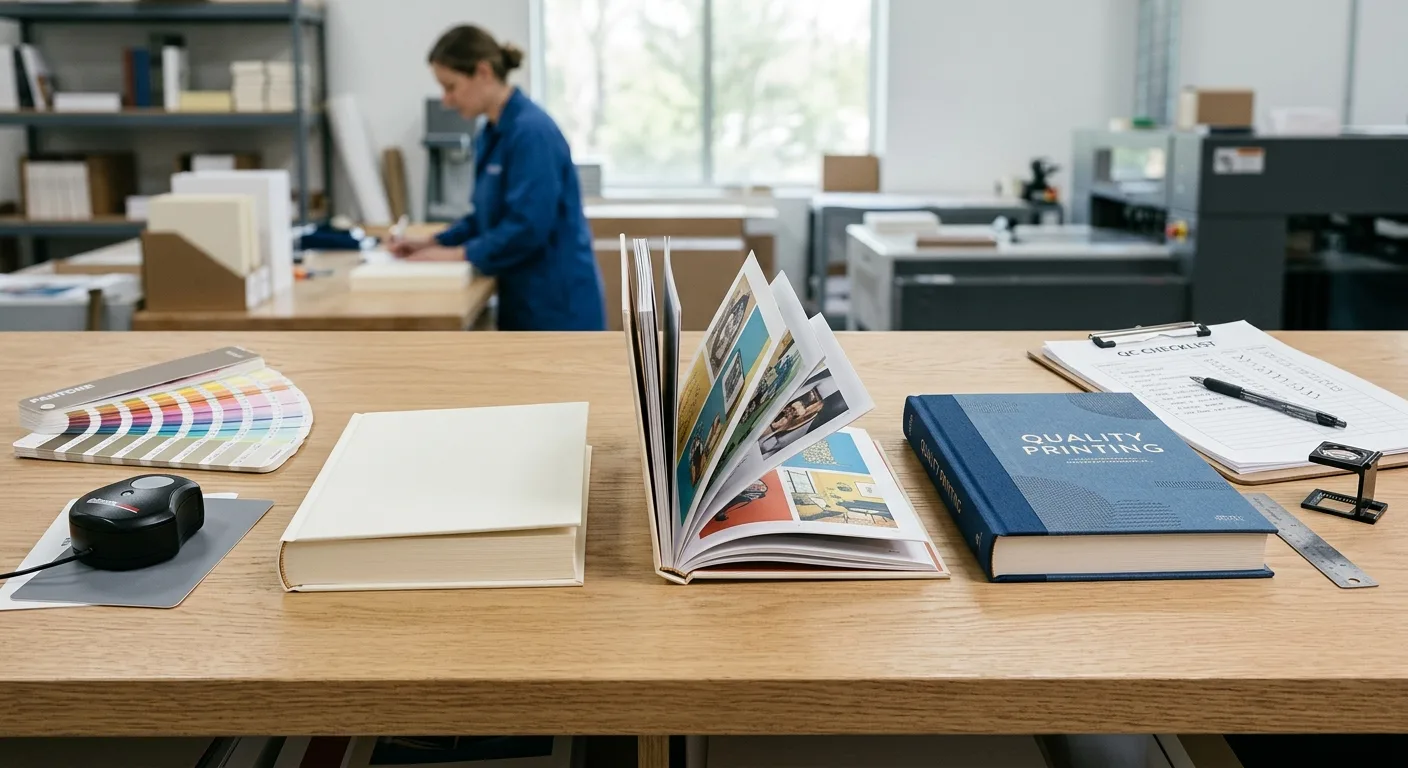
When reviewing samples, check small text, solid black areas, skin tones, light tints, fine lines, reverse type and pages with heavy ink coverage. Also consider glare under the lighting used by the reader. A screen proof cannot show the precise texture, opacity or reflectivity of the final paper.
If a project includes both text-led and image-led sections, ask whether one interior stock is sufficient or whether the design would benefit from an approved paper combination. Any change in stock can affect pagination, bulk, colour expectations and production planning.
How Binding and Production Affect Paper Choice
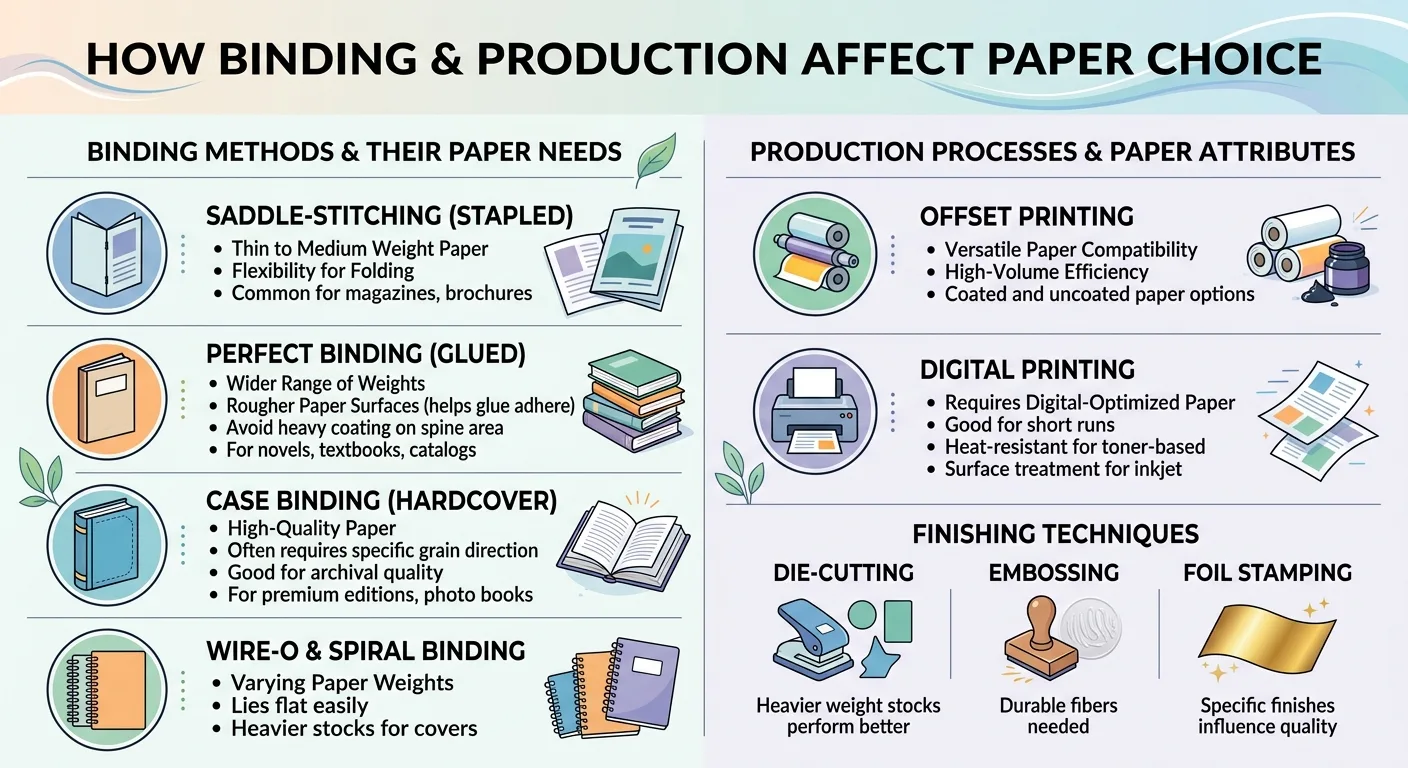
Paper should be selected alongside the binding method. A page stock that works well for a sewn hardcover may not create the same opening behaviour in a perfect-bound paperback. Page count, grain direction, cover construction and the required spine width all influence the production result.
For perfect-bound books, the interior paper must fold or gather appropriately and provide enough flexibility for the finished book to open comfortably. For sewn or casebound books, the paper, signatures and sewing structure must work together. A thicker stock may be suitable for a short illustrated book but unnecessarily bulky in a long novel.
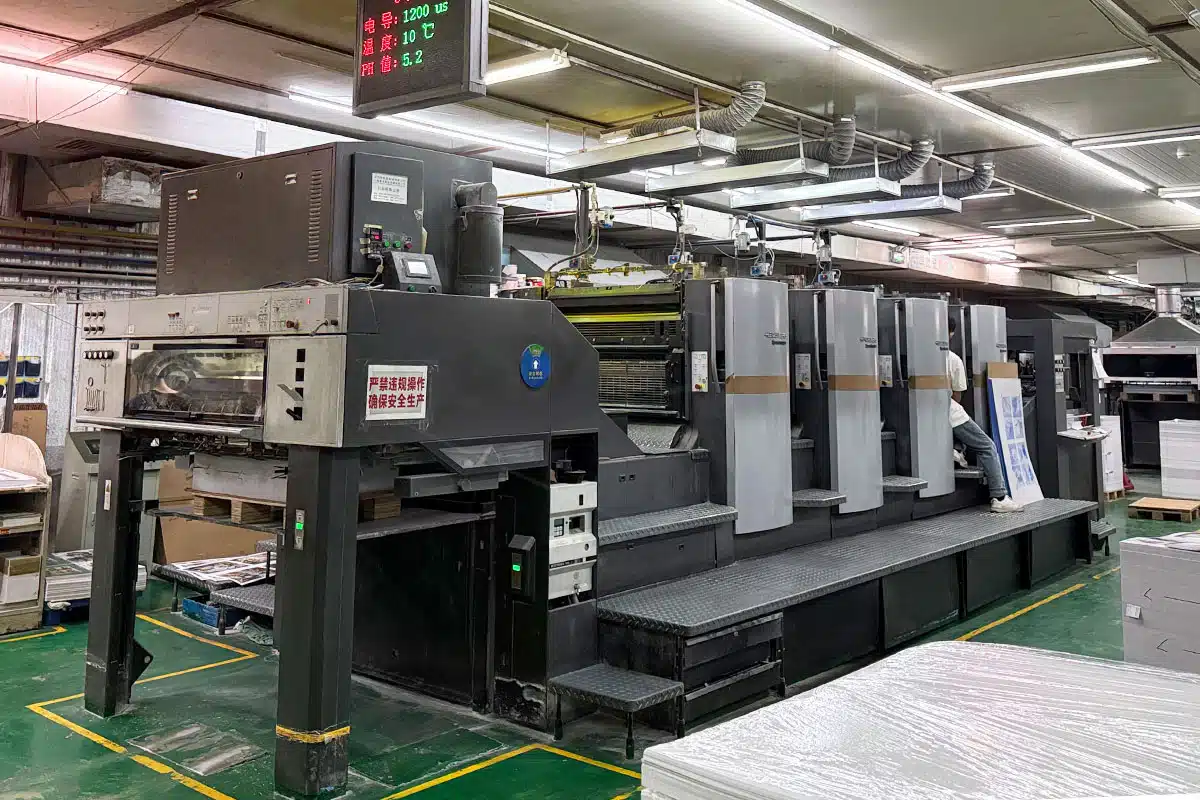
Digital and offset printing can also affect the practical paper decision. The selected process, quantity, colour coverage and press requirements may influence which stocks are available or recommended. Paper that has been tested for one process should not automatically be assumed to behave identically under another. Learn more about offset and digital book printing before finalising the specification.
Other production questions include whether the paper will be folded, scored, laminated, die-cut or combined with special inserts. Moisture, storage and international shipping can also affect how paper behaves after printing. These conditions do not replace a proper proof, but they are useful when deciding whether a lightweight, flexible or more robust stock is appropriate.
Book Paper Selection Checklist
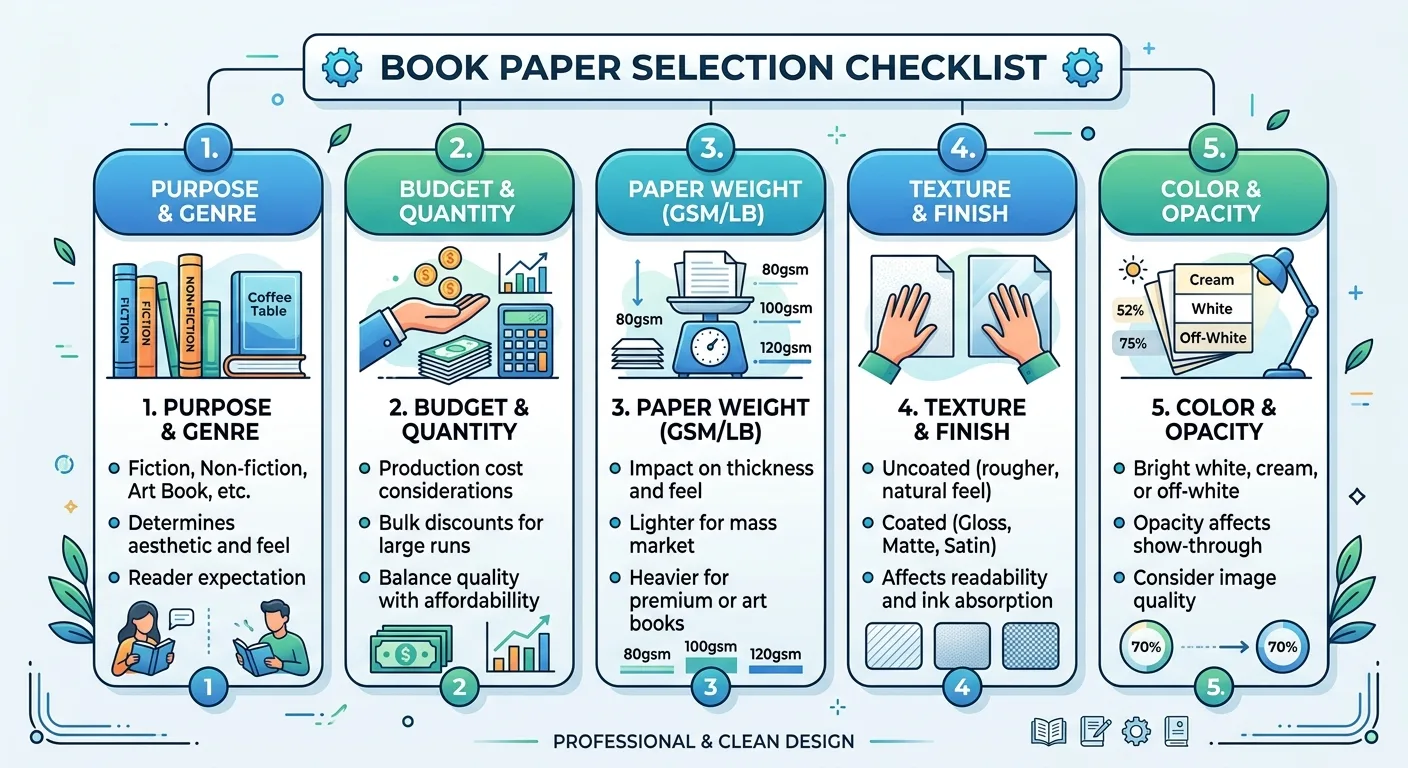
Use this checklist when preparing a specification or requesting paper samples:
- Identify the main content type. Is the book primarily text, photography, illustration, diagrams or a combination?
- Choose the surface direction. Decide whether the project needs a natural writable surface or a smoother image-focused finish.
- Set a target reading feel. Describe whether the book should feel light and flexible, firm and substantial, or premium and highly finished.
- Confirm the interior GSM and paper bulk. Ask how the selected stock will affect page thickness and spine width.
- Check opacity. Review pages with dense black type, colour blocks and images on both sides.
- Review colour reproduction. Test representative photographs, skin tones, gradients and fine details on the proposed stock.
- Coordinate paper with binding. Confirm that the pages will open, fold and bind appropriately for the chosen format.
- Separate interior and cover specifications. The cover may need a different weight, coating or protective finish.
- Approve a physical sample when possible. A printed proof or dummy provides more useful evidence than a digital preview alone.
- Record production assumptions. Note the trim size, page count, quantity, print process, destination and any requested environmental or material criteria.
For file preparation, also review the print-ready book file checklist. Correct trim size, bleed, colour setup, image resolution and page order help the printer evaluate the paper and print result accurately.
Recomendaciones finales

When choosing among book printing paper types, start with the reader’s needs rather than a fixed GSM target. Uncoated stock is often a sensible starting point for readable, text-led books. Coated stock is generally more appropriate when colour images and surface smoothness are central to the product. Recycled, cream, textured and other specialty papers can support a distinct purpose, but they should be checked for colour, opacity, binding and availability.
The most reliable decision combines a clear specification with physical samples and a production review. Confirm the exact paper name, GSM, bulk or caliper, finish, interior and cover use, binding method and expected effect on spine width. These assumptions can influence quotation, lead time and print quality, so they should be agreed before mass production.
Discuss Your Book Paper Requirements
If you are comparing paper options for a custom book, you can request a quotation from YBJ Printing. To receive an accurate review, please share the product type, trim size, page count, quantity, paper or binding preference, finish, file status and destination country.