
Pour les éditeurs indépendants et les marques de vente au détail, le livre physique est souvent le premier point de contact avec le client. Cependant, le trajet entre l'entrepôt et les mains du lecteur comporte de nombreux risques logistiques. Les coins abîmés, les couvertures éraflées et les dos écrasés entraînent des retours et une diminution de la valeur de la marque. Parallèlement, le phénomène de l'"unboxing" a fait de l'emballage un canal de commercialisation à part entière.
Pour être efficace, l'emballage personnalisé d'un livre doit concilier deux priorités concurrentes : l'intégrité structurelle pour l'expédition et l'attrait esthétique pour la vente au détail ou le déballage. Ce guide explore les spécifications techniques, les choix de matériaux et les finitions disponibles pour créer des emballages de livres de marque qui protègent les stocks et valorisent votre marque.
Définir le champ d'application : Les boîtes postales et les boîtes de vente au détail
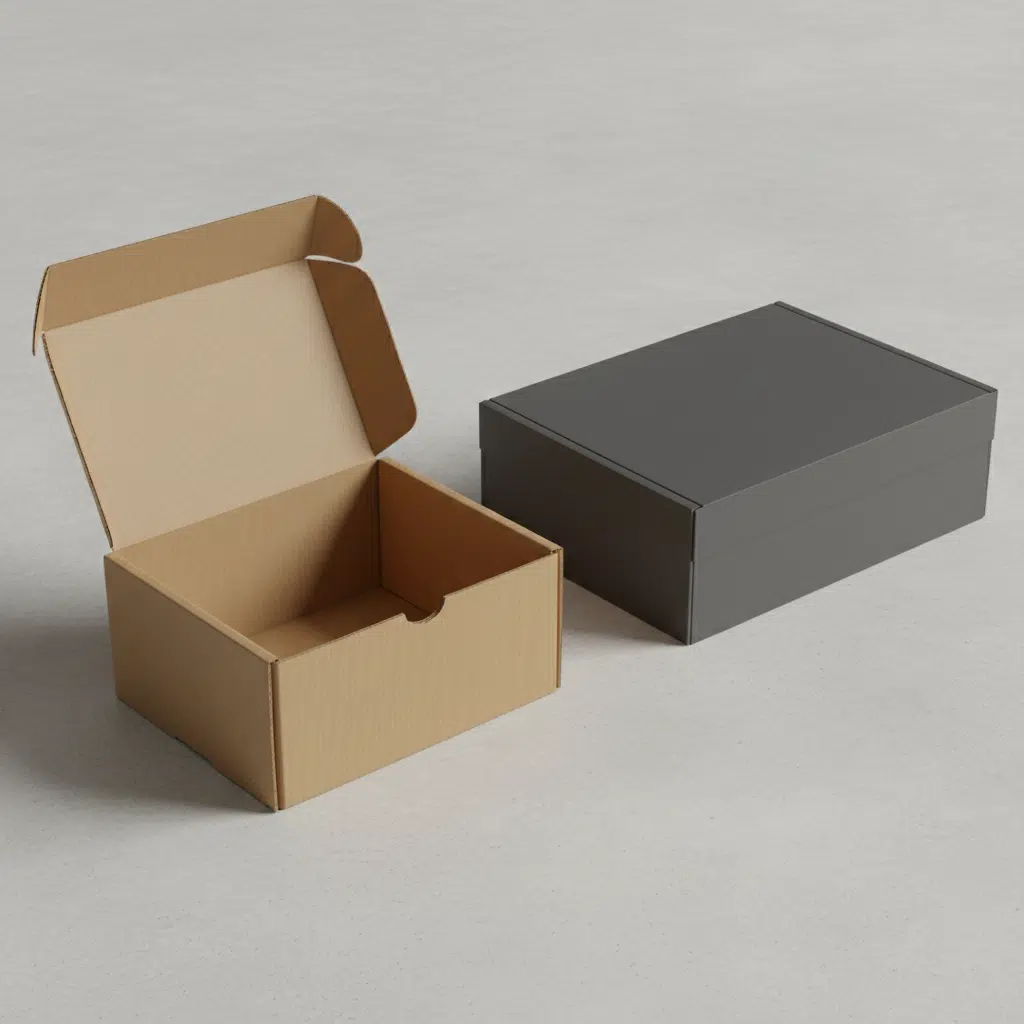
Avant de choisir les matériaux, il est essentiel de déterminer la fonction première de l'emballage. Expédiez-vous des unités individuelles directement aux consommateurs (DTC) ou concevez-vous un coffret prêt à être mis en rayon pour la distribution au détail ?
1. Plieuses de carnets en carton ondulé (DTC Focus)
Les enveloppes en carton ondulé sont conçues pour résister aux rigueurs des réseaux de messagerie. Elles sont généralement fabriquées en carton ondulé à cannelure E ou B, qui offre une excellente résistance à l'écrasement tout en restant léger pour minimiser les coûts d'expédition.
- Roll-End Tuck-Front (RETF) : La norme de l'industrie pour les boîtes d'abonnement et les envois de livres haut de gamme. Les côtés à double paroi offrent une protection supplémentaire aux coins des livres.
- Les pochettes à profondeur variable : Chemises en forme de croix qui s'enroulent autour du livre, ce qui permet de varier la largeur du dos. Elles sont rentables mais offrent une présentation moins "premium" que les boîtes RETF.
2. Boîtes rigides et étuis (pour le commerce de détail et le luxe)
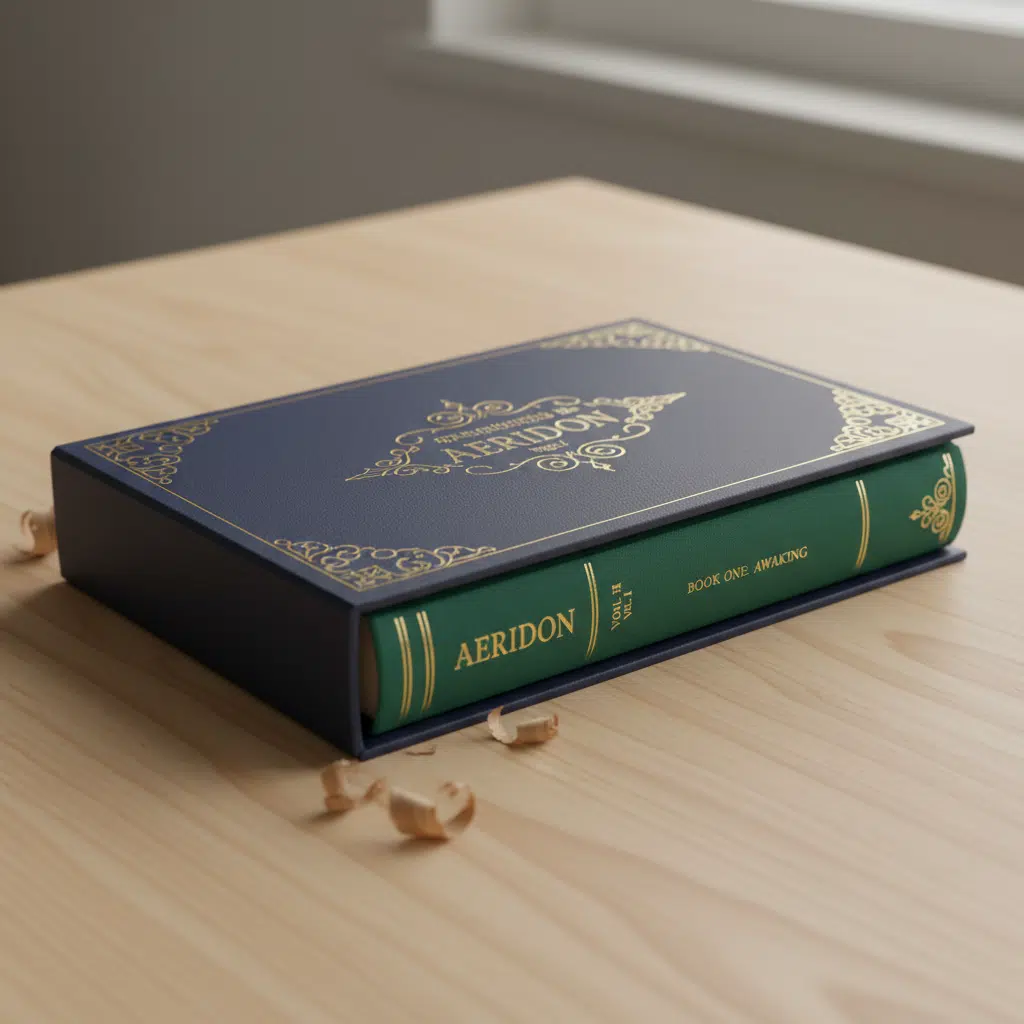
Les boîtes rigides (boîtes de montage) ne sont pas conçues pour être des conteneurs d'expédition à part entière ; elles nécessitent généralement une enveloppe extérieure en carton ondulé. Elles sont fabriquées à partir de carton gris haute densité enveloppé dans du papier imprimé (papier d'art ou texture spéciale). Elles sont idéales pour :
- Sets en édition limitée : Objets de collection de grande valeur.
- Coffrets en plusieurs volumes : Maintenir une série de livres ensemble sur une étagère.
- Cadeaux d'entreprise : Kits de présentation comprenant un livre et des articles de marque.
Spécifications des matériaux et conception des structures
Le choix du bon support est la base d'un emballage efficace. Le choix dépend du poids du livre et de l'attrait souhaité en rayon.
Epaisseur du panneau rigide
Pour les coffrets et les boîtes de luxe, l'épaisseur du carton gris détermine la rigidité de la structure. Les spécifications courantes sont les suivantes
- 1,5 mm - 2 mm (environ 1000 g/m² - 1200 g/m²) : Standard pour la plupart des étuis à livre unique.
- 2,5 mm - 3 mm (environ 1600 g/m²) : Nécessaire pour les encyclopédies lourdes à couverture rigide, les livres d'art ou les séries de plusieurs livres afin d'éviter qu'ils ne s'inclinent.
Types de cannelures ondulées
Pour les boîtes d'expédition, la cannelure fait référence à l'arche de papier en forme de vague entre les cartons d'emballage :
- Flûte en E (1,6 mm) : Fine cannelure, excellente surface pour l'impression de haute qualité (litho-collage). Idéal pour les livres plus petits et plus légers.
- Cannelure B (3,2 mm) : Plus épais et plus solide. Idéal pour les couvertures cartonnées lourdes ou les envois en vrac.
Comparaison : Ondulé ou rigide
| Fonctionnalité | Courrier en carton ondulé | Boîte rigide / étui |
|---|---|---|
| Utilisation principale | Expédition / Protection | Présentation / Stockage |
| Coût des matériaux | Faible à moyen | Haut |
| Volume d'expédition | Expédié à plat (gain de place) | Envois assemblés (grand volume) |
| Niveau de protection | Haute résistance aux chocs | Grande rigidité structurelle |
| Surface d'impression | Impression directe ou lithographie | Papier d'art enveloppé (Premium) |
Finitions d'impression et options de marquage
Une fois la structure définie, la finition extérieure transforme l'emballage d'un contenant en un atout pour la marque. Les capacités d'impression industrielle permettent une personnalisation poussée.
Lamination
Le pelliculage est obligatoire pour la plupart des boîtes rigides et des boîtes en carton ondulé couché afin d'éviter les craquelures sur les lignes de pliage et de protéger l'encre.
- Mat Lamination : Une finition sophistiquée et non réfléchissante qui résiste aux empreintes digitales.
- Brillant Lamination : Très vibrant, il fait ressortir les couleurs.
- Lamination Soft-Touch : Une finition tactile de type velours souvent utilisée pour les éditions haut de gamme.
Finitions spéciales
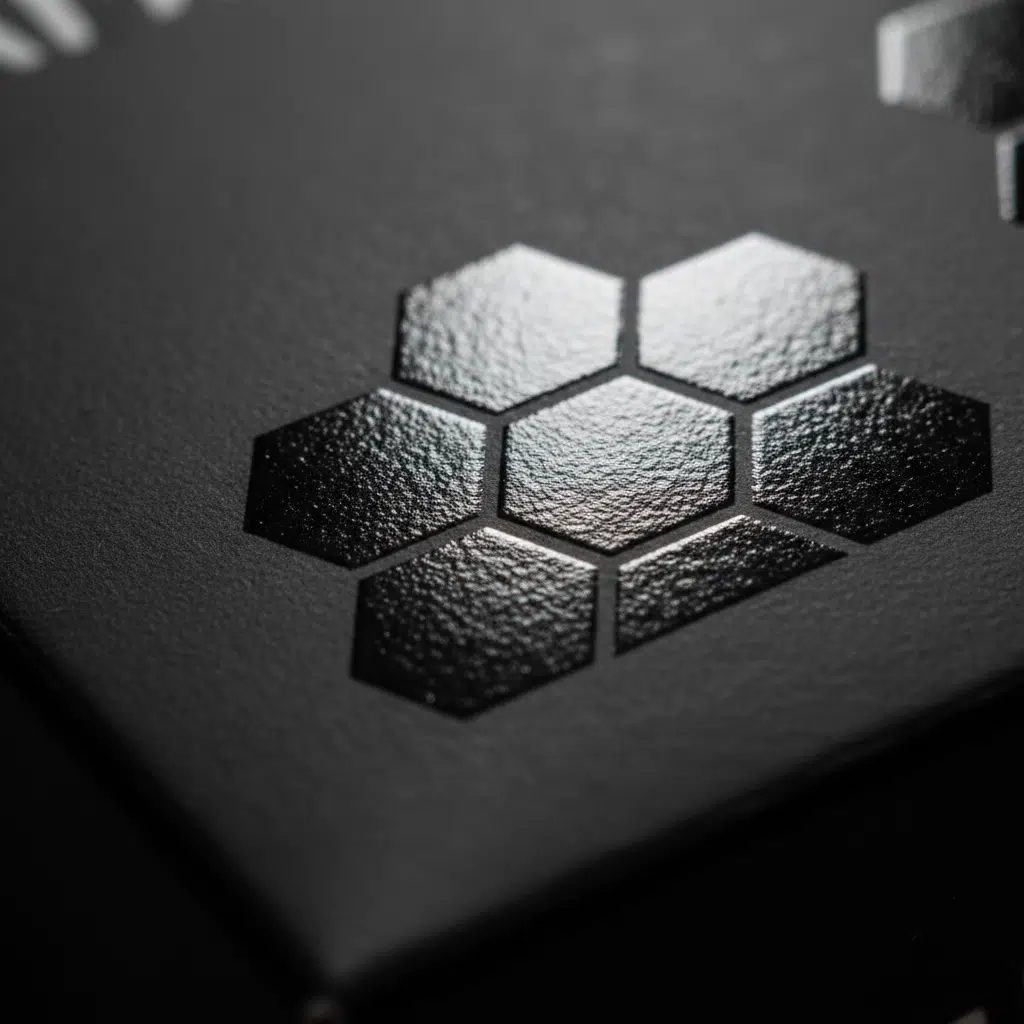
- Spot UV : Polymère transparent très brillant appliqué sur des zones spécifiques (par exemple, le titre du livre ou le logo) pour créer un contraste sur un fond mat.
- Marquage à la feuille : Utilisation de la chaleur et de la pression pour appliquer une feuille métallique (or, argent, holographique). Cette technique est très efficace pour les titres des étuis.
- Gaufrage/Embossage : Presser physiquement les textures dans le tableau pour obtenir un effet 3D.
Ingénierie structurelle : Insertions et ajustements
L'un des défauts les plus courants de l'emballage des livres est le mauvais ajustement. Si un livre peut bouger à l'intérieur de la boîte, les coins seront inévitablement endommagés pendant le transport. Les dimensions intérieures doivent être calculées avec précision.
Calcul des dimensions
Toujours préciser Dimensions intérieures (ID) lorsque vous communiquez avec un fabricant. Un écart de tolérance standard est d'environ +2 mm à +3 mm de chaque côté du livre pour permettre une insertion facile sans dommages dus au frottement, mais suffisamment serré pour éviter tout glissement.
Inserts personnalisés
Pour les boîtes de présentation contenant un livre et d'autres articles (par exemple, un stylo, un marque-page ou une clé USB), des encarts personnalisés sont nécessaires :
- Pâte à papier / carton : Respectueux de l'environnement et rentable.
- Mousse EVA : Mousse haute densité offrant une sensation de luxe ultime et une absorption des chocs. Peut être découpé à l'emporte-pièce à la forme exacte du livre.
Guide de fabrication et d'achat
L'obtention d'un emballage sur mesure implique plusieurs considérations logistiques qui ont un impact sur les coûts et les délais.
Quantités minimales de commande (QMC)
En raison des coûts d'installation des plaques d'impression offset et des moules de découpe, les fabricants industriels fixent généralement des QMo. Si l'impression numérique permet de réaliser de plus petits tirages, l'emballage véritablement personnalisé (en particulier les boîtes rigides) devient rentable à partir d'un volume de 500 à 1 000 unités.
Logistique : Plat ou assemblé
Les boîtes rigides sont généralement expédiées assemblées, ce qui signifie que vous payez pour un transport principalement aérien. Cela peut augmenter considérablement les frais de transport. Les boîtes rigides pliables (expédiées à plat et assemblées à l'aide de fermetures magnétiques et de bandes adhésives) constituent une solution moderne qui allie luxe et efficacité logistique.
Échantillonnage
Avant de s'engager dans une production complète, il faut toujours demander un échantillon physique. Il en existe deux types :
- Mannequin blanc : Un échantillon structurel non imprimé pour tester la taille, la qualité du papier et l'adaptation.
- Épreuve numérique / Échantillon de pré-production : Un échantillon imprimé pour vérifier la précision des couleurs et des finitions.
Conclusion
Un emballage personnalisé est un investissement dans la perception de la marque et la sécurité du produit. Que vous ayez besoin d'une robuste pochette en carton ondulé pour une distribution mondiale ou d'un étui doré pour une édition spéciale, la compréhension des matériaux et des processus de fabrication vous permet d'obtenir la bonne solution pour votre budget.
Chez YBJ Printing, nous sommes spécialisés dans les solutions de papier et d'emballage de haute qualité, adaptées aux normes internationales. Notre équipe peut vous guider dans la conception structurelle et la sélection des matériaux afin de garantir que vos livres arrivent en parfait état.
Questions fréquemment posées
Quelle est la différence entre un étui et une boîte à clapet ?
Un étui est ouvert d'un côté (le dos est généralement visible). Une boîte à clapet (ou boîte Solander) s'ouvre comme un livre et renferme entièrement le contenu, offrant ainsi une protection supérieure contre la poussière et la lumière.
Comment puis-je fournir des illustrations pour les boîtes personnalisées ?
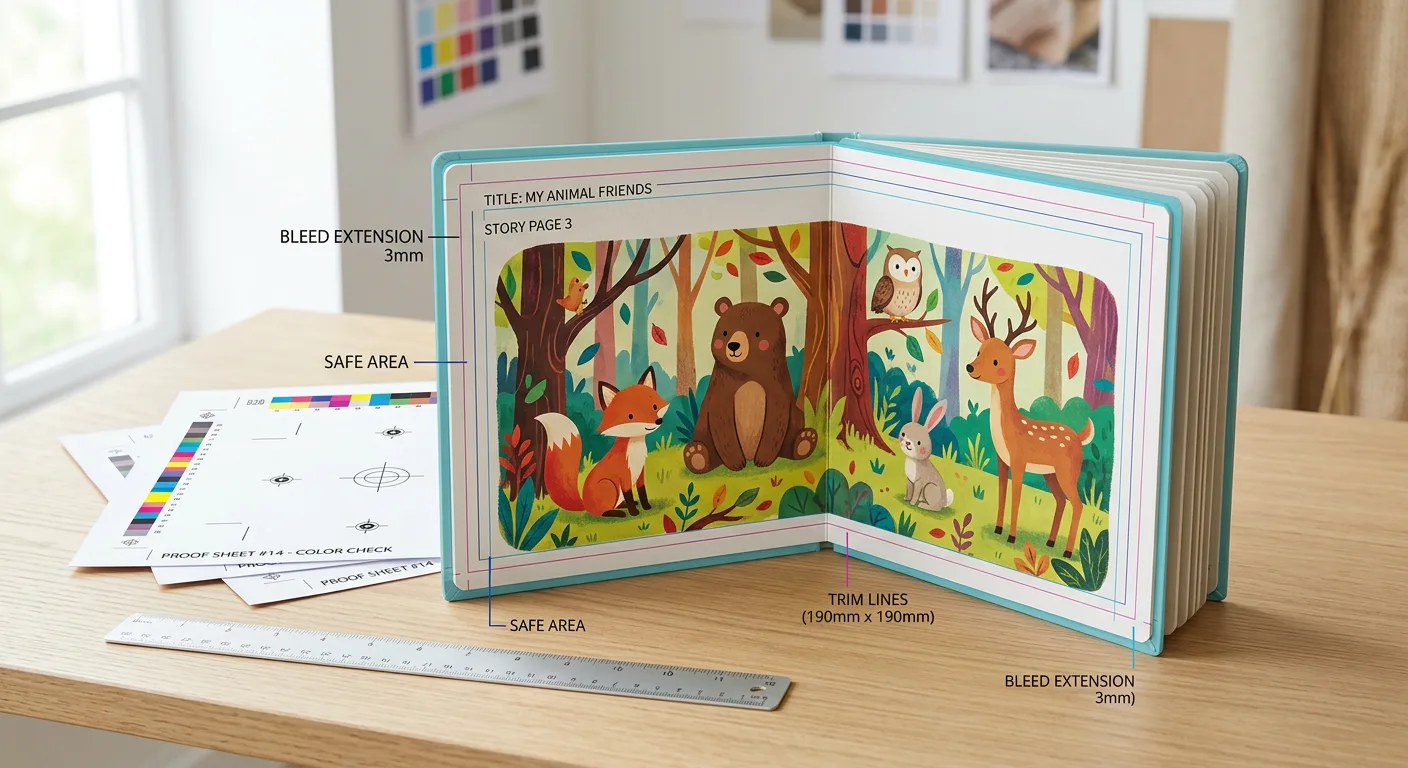
Les illustrations doivent être fournies sur un modèle de dieline vectoriel (généralement fourni par le fabricant) au format PDF ou AI, avec un fond perdu d'au moins 3 mm et des polices de caractères délimitées.
Peut-on imprimer à l'intérieur de la boîte ?
Oui. L'impression recto-verso est une tendance populaire pour les expériences d'unboxing. Pour les boîtes en carton ondulé, il s'agit souvent d'une lithographie sur les deux faces ou d'une impression flexographique à l'intérieur.
Ces options d'emballage sont-elles respectueuses de l'environnement ?
Oui. La plupart des cartons rigides et ondulés sont fabriqués à partir de pâte recyclée. L'utilisation d'encres à base de soja et l'absence de contrecollage (ou l'utilisation de contrecollages biodégradables) permettent d'améliorer encore la durabilité.
Prêt à moderniser l'emballage de vos livres ?
Contactez YBJ Printing dès aujourd'hui pour discuter des exigences de votre projet, demander un modèle de dieline ou obtenir un devis personnalisé.