
Introduction
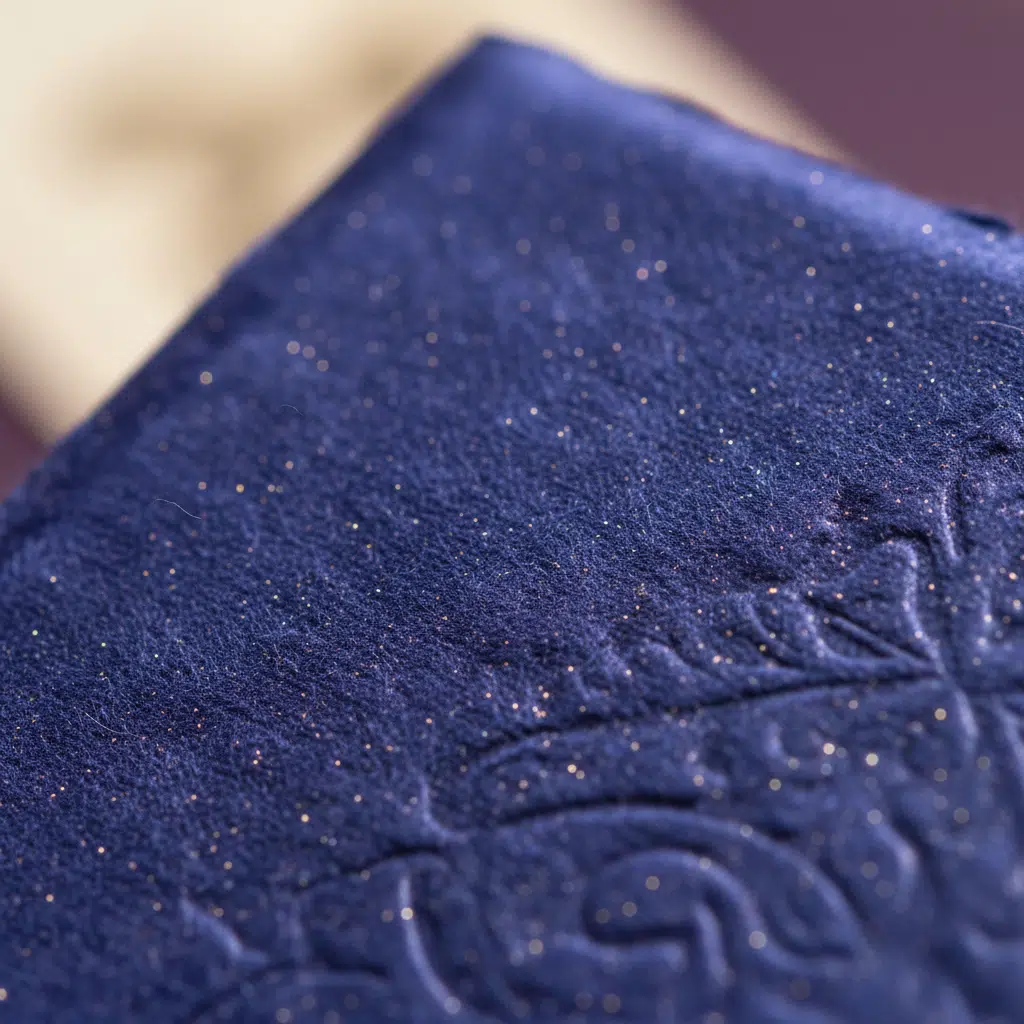
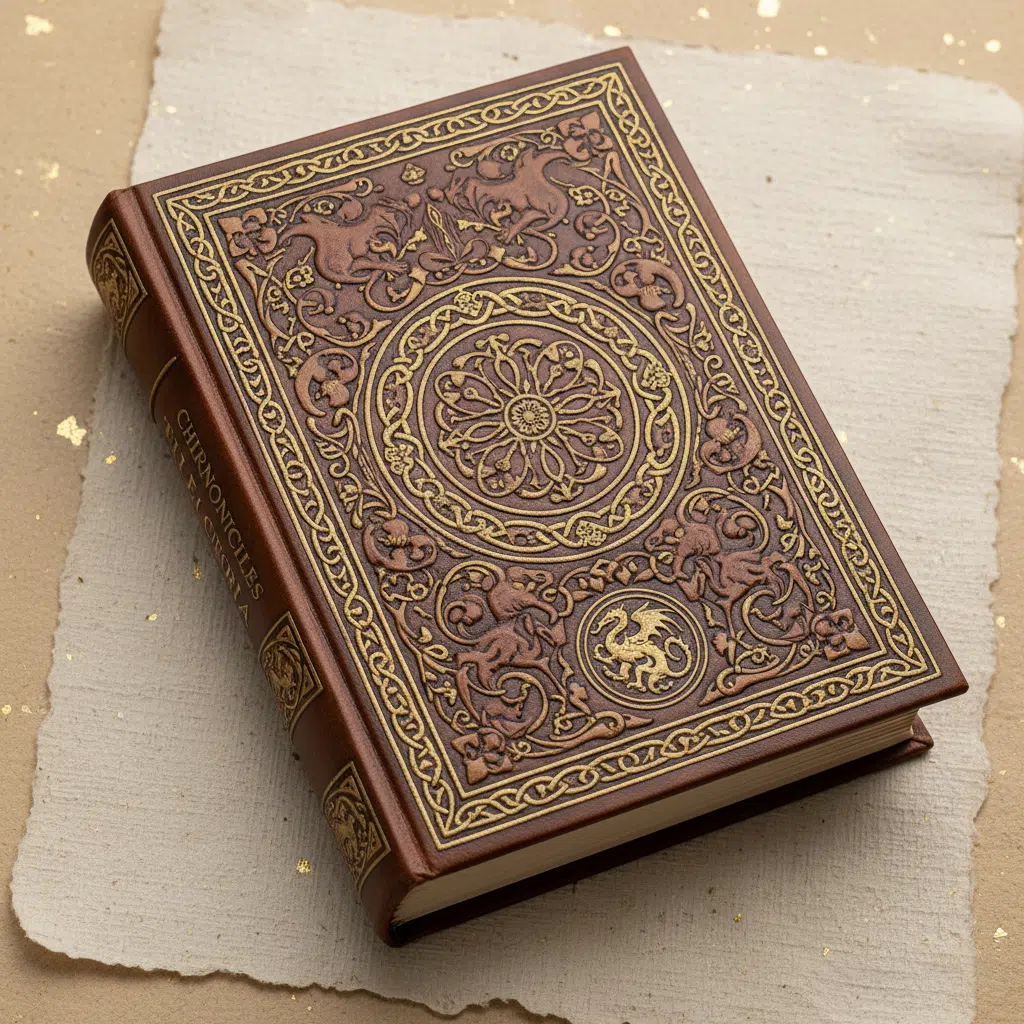
Lors de la conception de livres de luxe ou d'éditions de collection, chaque détail compte, y compris l'expérience tactile du papier. La texture du papier joue un rôle important dans l'amélioration de l'esthétique et de la valeur perçue d'un livre, en particulier pour les éditions haut de gamme où la qualité est primordiale. Cet article explore comment les textures de papier telles que le lin et le velours peuvent améliorer l'expérience du lecteur et contribuer au statut haut de gamme d'un livre. Les éditeurs et les concepteurs de livres qui cherchent à créer des ouvrages exceptionnels auront tout intérêt à comprendre ces facteurs.
Comprendre la texture du papier
La texture du papier fait référence à la sensation de la surface du papier, qui peut être lisse ou rugueuse, mate ou brillante. Elle influence l'aspect et la sensation du papier dans la main. Pour les livres haut de gamme, la texture est plus qu'un élément tactile ; elle communique le luxe et la qualité. Une texture appropriée peut transformer un livre en un produit ordinaire en un objet de collection extraordinaire.
Textures de papier populaires pour les livres de qualité supérieure
Différentes textures de papier sont couramment utilisées dans les éditions de livres haut de gamme, chacune offrant une expérience sensorielle unique. Parmi les plus populaires, citons
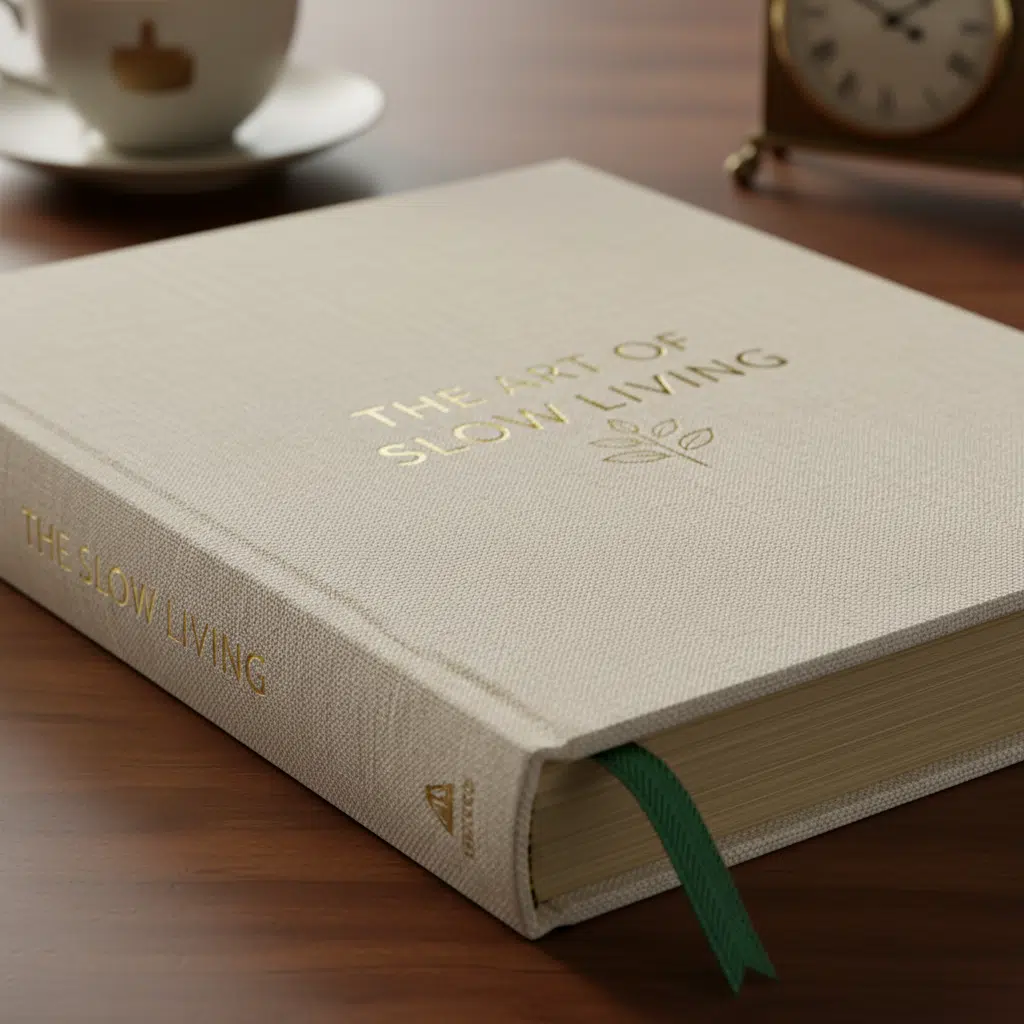
- Linge de maison : Le papier à texture de lin présente un motif de tissage subtil qui ajoute de la profondeur et de l'élégance. Il est souvent utilisé dans les éditions à couverture rigide pour créer une impression de raffinement et de sophistication. L'expérience tactile du lin rehausse le luxe général du livre, ce qui le rend très recherché pour les éditions haut de gamme.
- Velours : Le papier à texture veloutée offre un toucher doux et moelleux qui évoque l'opulence. Ce type de papier est souvent utilisé pour les éditions limitées ou les livres d'art de haute qualité. La texture luxueuse invite le lecteur à toucher et à s'engager dans le livre, ce qui augmente sa valeur perçue.
- Papier gaufré : Le papier gaufré, souvent utilisé pour la finition des couvertures, peut être un moyen d'améliorer la texture et de créer un effet tridimensionnel. Cela ajoute un intérêt visuel et peut augmenter de manière significative la sensation de qualité du livre.
- Papier non couché : Le papier non couché a une finition naturelle et mate qui donne au livre une sensation tactile d'authenticité. Il est souvent utilisé pour l'impression de livres de luxe en raison de son élégance discrète.
Pourquoi la texture du papier est-elle importante pour les livres de luxe ?
Dans l'édition de luxe, l'expérience tactile d'un livre peut influencer la perception de sa valeur par l'acheteur. La texture du papier joue un rôle dans la différenciation d'un livre sur un marché où les acheteurs s'attendent à quelque chose de spécial. Lors de la sélection du papier pour les livres haut de gamme, les éditeurs doivent tenir compte des éléments suivants :
- Premières impressions : La texture du papier influence la première impression que le lecteur a d'un livre. Une couverture ou des pages texturées sont le signe d'un produit de haute qualité, élaboré avec soin.
- Engagement des lecteurs : Une expérience tactile de qualité supérieure encourage les lecteurs à s'engager plus profondément dans le livre. La sensation de tenir un livre à la texture raffinée crée un lien émotionnel qui élève l'expérience de lecture.
- Valeur perçue : Les textures haut de gamme, comme le lin et le velours, peuvent augmenter considérablement la valeur perçue d'un livre et en faire un objet de collection recherché. Les collectionneurs sont prêts à payer un supplément pour des livres qui semblent substantiels et luxueux.
Choisir la bonne texture de papier
Lors de la sélection d'une texture de papier pour une édition de luxe, plusieurs facteurs doivent être pris en compte :
- Type de livre : Le type de livre, qu'il s'agisse d'un roman, d'un livre d'art ou d'une édition de collection, peut influencer le choix de la texture. Par exemple, un livre d'art peut bénéficier d'une surface plus texturée pour compléter son contenu visuel, tandis qu'un roman peut être mieux adapté à un papier lisse et non couché pour la lisibilité.
- Qualité d'impression : La texture du papier influe également sur la façon dont l'encre interagit avec la surface. Les textures plus lourdes peuvent absorber l'encre différemment, ce qui a un impact sur la qualité de l'impression et l'éclat des couleurs. Il est essentiel de tester la façon dont la texture choisie fonctionnera avec votre méthode d'impression.
- Considérations relatives au budget et à la qualité de fabrication : Les textures de papier haut de gamme, comme le velours et le lin, ont souvent un coût plus élevé. Les éditeurs doivent trouver un équilibre entre leur budget et le retour sur investissement escompté, en particulier lorsqu'ils impriment des tirages limités ou des éditions personnalisées. Il est essentiel de comprendre les quantités minimales de commande (QMC) et les coûts de production pour planifier votre projet.
Considérations relatives à la production et à la qualité
Le contrôle de la qualité est essentiel lors de la production de livres de luxe avec du papier texturé. Le papier texturé est plus difficile à manipuler et peut nécessiter des processus d'impression et de reliure plus minutieux. Assurez-vous que votre partenaire de production a de l'expérience avec les types de papier de haute qualité et qu'il peut garantir des résultats cohérents.
En outre, il convient de prendre en compte des facteurs tels que
- Poids et épaisseur du papier : Un papier plus lourd et plus épais peut donner une impression de luxe, mais il peut aussi augmenter les coûts de production et le poids. Veillez à ce que votre choix de papier corresponde à la durabilité et à l'esthétique souhaitées pour votre livre.
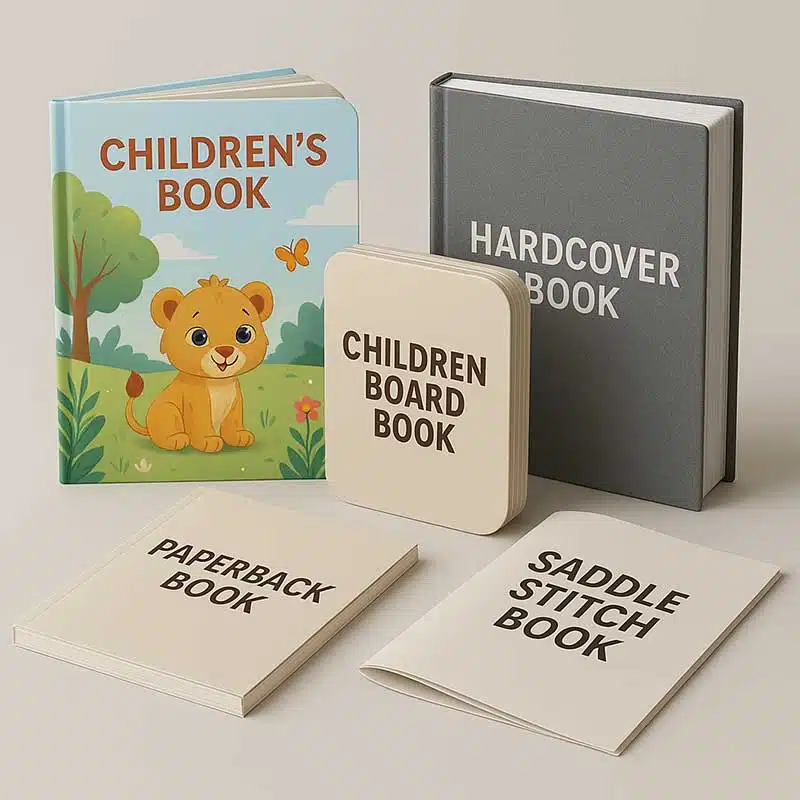
- Techniques de reliure : Certaines techniques de reliure conviennent mieux à des textures de papier spécifiques. Par exemple, les reliures cousues sont souvent utilisées avec des papiers plus épais pour garantir la durabilité, tandis que la reliure parfaite peut convenir à des papiers plus légers.
Guide d'achat : Choix du papier pour les éditions de luxe
Lorsque vous achetez du papier pour une édition de livre de qualité supérieure, suivez les étapes suivantes pour garantir la réussite du projet :
- Définissez vos besoins : Déterminez le type de livre que vous produisez, les préférences en matière de texture et l'expérience sensorielle souhaitée.
- Demande d'échantillons : Avant de passer une commande complète, demandez des échantillons de papier pour évaluer la texture, la qualité d'impression et l'aspect général.
- Travailler avec un partenaire fiable : Choisissez un partenaire d'impression spécialisé dans les livres de luxe et qui a de l'expérience avec différentes textures de papier. Il pourra vous aider à faire le meilleur choix pour votre projet.
- Tenir compte des délais d'exécution : Les délais de production des papiers texturés peuvent être plus longs, en particulier lorsqu'il s'agit de textures personnalisées. Planifiez votre calendrier en conséquence.
Questions fréquemment posées
1. Quelle est la meilleure texture de papier pour un livre à couverture rigide ?
Le lin et le velours sont des choix populaires pour les livres à couverture rigide, car ils offrent une expérience tactile raffinée qui renforce l'attrait luxueux du livre.
2. Le papier texturé peut-il affecter la qualité d'impression ?
Oui, la texture du papier peut influencer la façon dont l'encre est absorbée, ce qui peut affecter la netteté et l'éclat des impressions. Il est essentiel de procéder à des essais.
3. Quel est l'impact de la texture du papier sur le coût global d'un livre ?
Les papiers texturés coûtent généralement plus cher que les papiers standard, ce qui a un impact sur les coûts de production globaux. Il est essentiel de trouver un équilibre entre la texture souhaitée, votre budget et le retour sur investissement attendu.
4. Comment puis-je évaluer différentes textures de papier pour mon projet de livre ?
Demandez des échantillons à votre imprimeur pour examiner la texture, la qualité d'impression et la durabilité avant de faire votre choix final.
5. Quels sont les délais pour l'impression de livres de luxe sur papier texturé ?
Les délais de production varient en fonction de la texture du papier, de la complexité de l'impression et du processus de reliure. Préparez-vous à des délais de production plus longs pour les textures personnalisées.
Conclusion
Le choix de la bonne texture de papier est une étape cruciale dans la création de livres de qualité supérieure qui trouvent un écho auprès des lecteurs et des collectionneurs. Des textures comme le lin et le velours ajoutent de la profondeur, de l'élégance et du luxe, élevant un livre au-delà de son contenu pour en faire un objet de convoitise. En choisissant le bon papier, vous pouvez créer un livre qui ne se contente pas de raconter une histoire, mais qui offre une expérience tactile que les lecteurs garderont précieusement pendant des années.
Demander un devis / Obtenir un échantillon