
Introduction
When designing luxury or collector’s edition books, every detail matters, including the tactile experience of the paper. The texture of the paper plays a significant role in elevating the aesthetic and perceived value of a book, especially for high-end editions where quality is paramount. This post explores how paper textures like linen and velvet can enhance the reader’s experience and contribute to a book’s premium status. Publishers and book designers looking to craft exceptional books will benefit from understanding these factors.
Understanding Paper Texture
Paper texture refers to the surface feel of the paper, which can range from smooth to rough, matte to glossy. It influences how the paper looks and feels in the hand. For premium books, texture is more than a tactile element; it communicates luxury and quality. The right texture can transform a book from an ordinary product to an extraordinary collectible.
Popular Paper Textures for Premium Books
There are various paper textures commonly used in high-end book editions, each providing a unique sensory experience. Some of the most popular include:
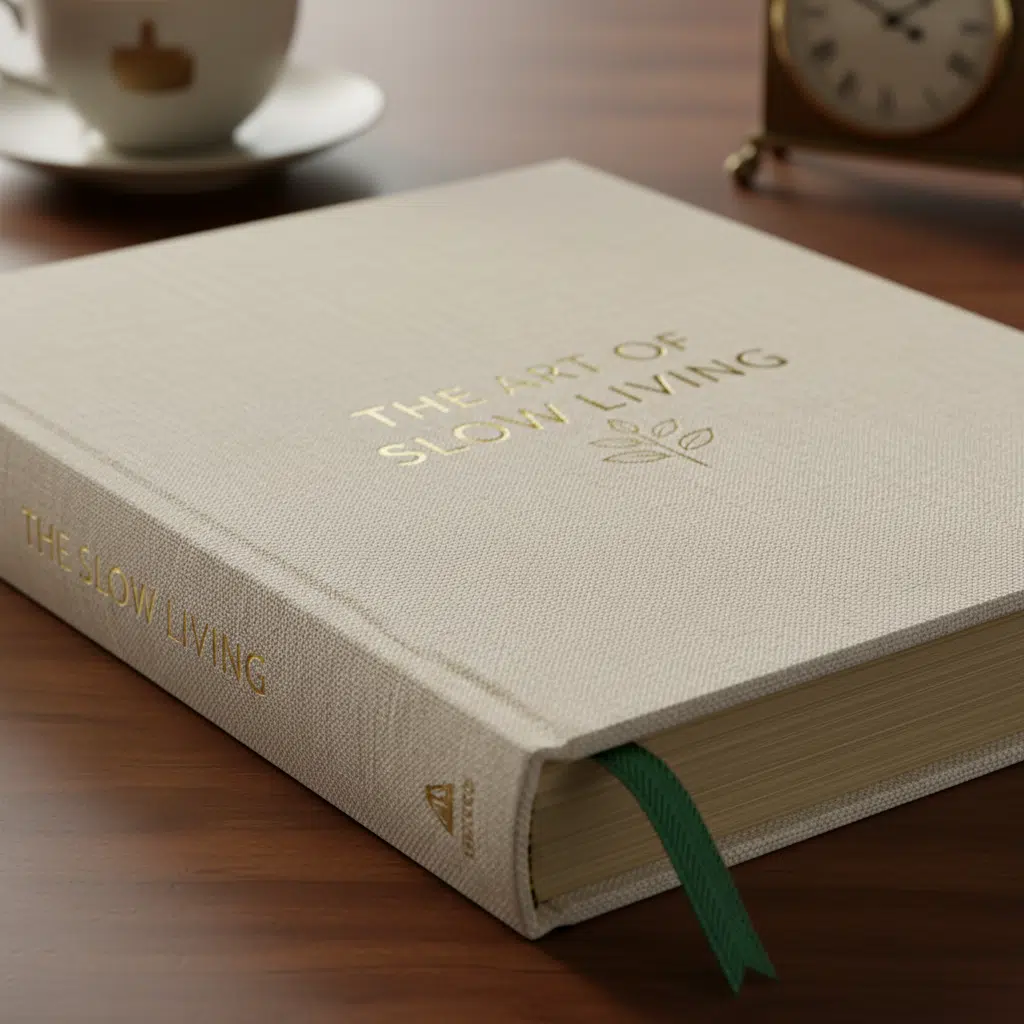
- Linen: Linen-textured paper features a subtle weave pattern that adds depth and elegance. It’s often used in hardcover editions to create a refined, sophisticated feel. Linen’s tactile experience enhances the overall luxury of the book, making it highly sought after for premium editions.
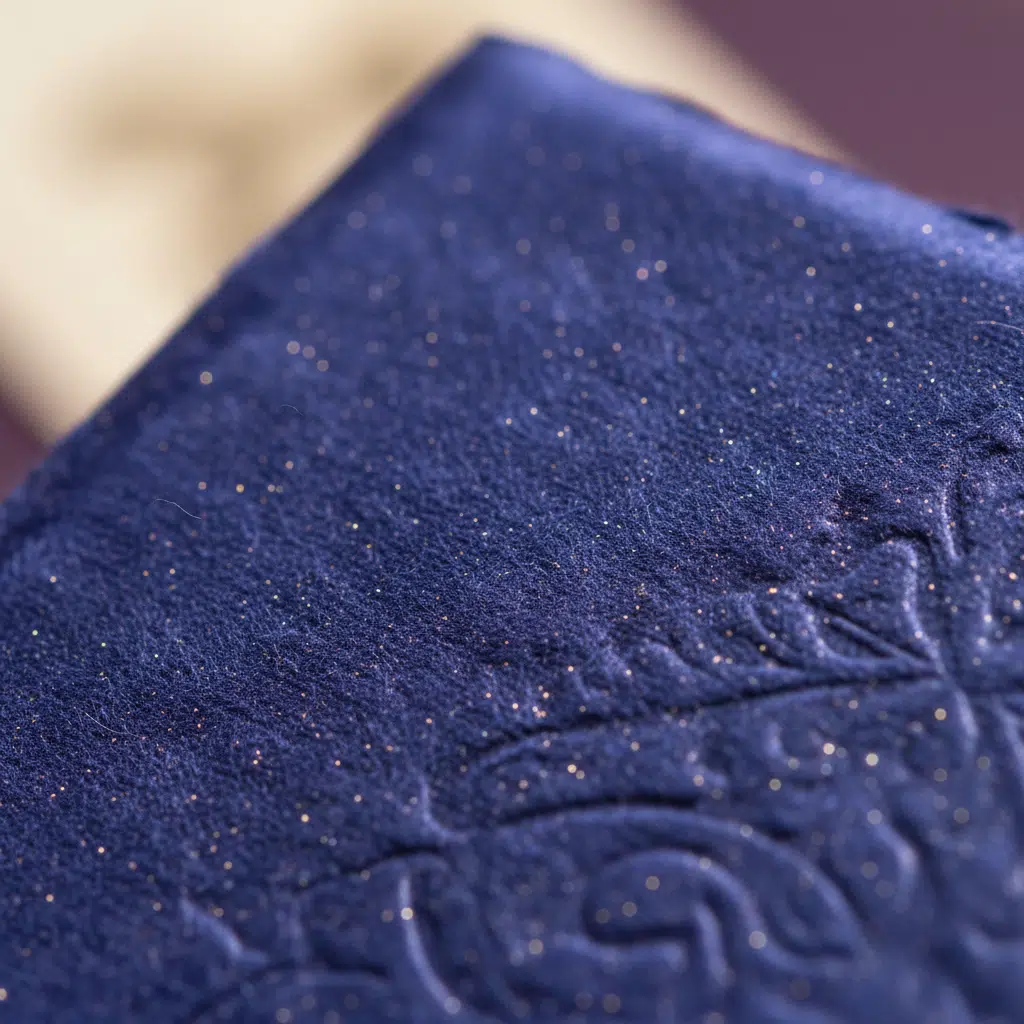
- Velvet: Velvet-textured paper offers a soft, plush feel that evokes a sense of opulence. This type of paper is often used in limited editions or high-quality art books. The luxurious texture invites the reader to touch and engage with the book in a way that enhances its perceived value.
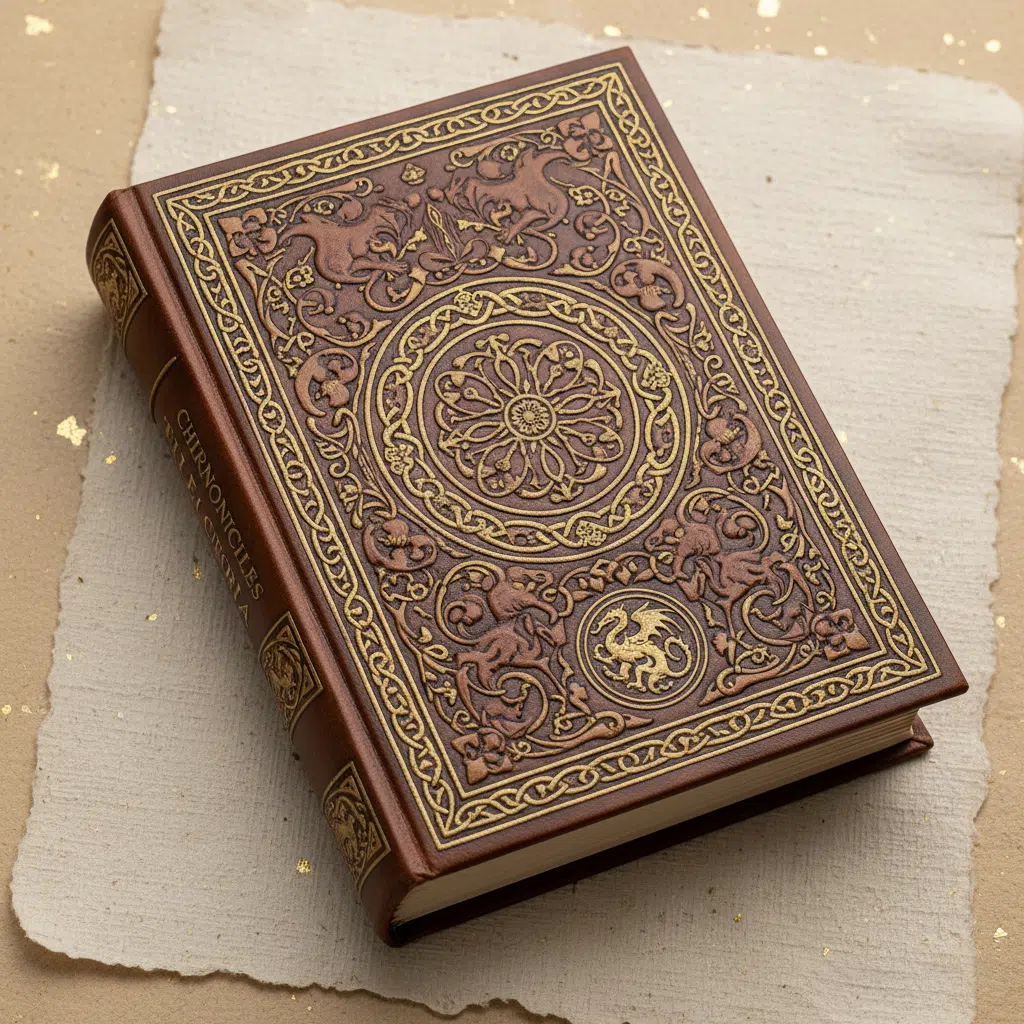
- Embossed Paper: Embossed paper, often used for cover finishes, can be a way to enhance the texture and create a three-dimensional effect. This adds visual interest and can significantly increase the premium feel of the book.
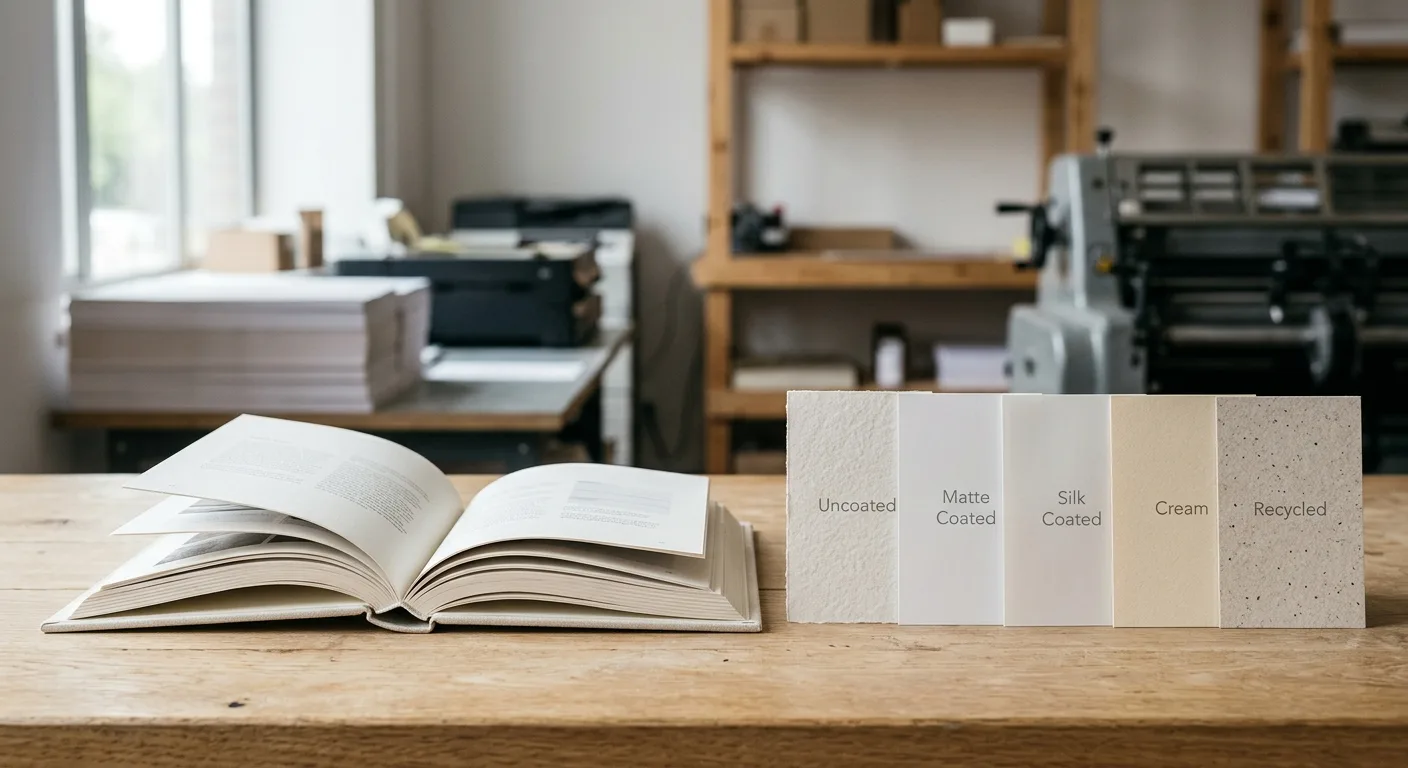
- Uncoated Paper: Uncoated paper has a natural, matte finish that gives the book a tactile feel of authenticity. It is often used in luxury book printing for its understated elegance.
Why Paper Texture Matters for Luxury Books
In luxury publishing, the tactile experience of a book can influence a buyer’s perception of its value. Paper texture plays a role in setting a book apart in a market where buyers expect something special. When selecting paper for premium books, publishers need to consider the following:
- First Impressions: The texture of the paper influences the first impression a reader has of a book. A textured cover or pages signal a high-quality, carefully crafted product.
- Reader Engagement: A premium tactile experience encourages readers to engage more deeply with the book. The feeling of holding a book with a refined texture creates an emotional connection that elevates the reading experience.
- Perceived Value: High-end textures like linen and velvet can dramatically increase the perceived value of a book, making it a desirable collector’s item. Collectors are willing to pay a premium for books that feel substantial and luxurious.
Choosing the Right Paper Texture
When selecting a paper texture for a luxury edition, there are several factors to consider:
- Book Type: The type of book—whether it’s a novel, art book, or collector’s edition—can influence the choice of texture. For instance, an art book may benefit from a more textured surface to complement its visual content, while a novel might be better suited to a smooth, uncoated paper for readability.
- Print Quality: The texture of the paper also affects how ink interacts with the surface. Heavier textures may absorb ink differently, impacting print quality and color vibrancy. It’s crucial to test how the chosen texture will work with your printing method.
- Budget and MOQ Considerations: High-end paper textures like velvet and linen often come at a higher cost. Publishers must balance their budget with the expected return on investment, especially when printing limited runs or custom editions. Understanding Minimum Order Quantities (MOQ) and production costs is essential in planning your project.
Production and Quality Considerations
Quality control is vital when producing luxury books with textured paper. Textured paper is more difficult to handle and may require more careful printing and binding processes. Ensure that your production partner has experience with high-quality paper types and can guarantee consistent results.
Additionally, consider factors such as:
- Paper Weight and Thickness: Heavier and thicker paper stock may provide a more luxurious feel, but it can also increase production costs and weight. Ensure that your paper selection matches the desired durability and aesthetic for your book.
- Binding Techniques: Certain binding techniques work better with specific paper textures. For example, sewn bindings are often used with thicker papers to ensure durability, while perfect binding may be suitable for lighter papers.
Buying Guide: Paper Selection for Premium Editions
When purchasing paper for a premium book edition, follow these steps to ensure a successful project:
- Define Your Needs: Determine the type of book you’re producing, the texture preferences, and the desired sensory experience.
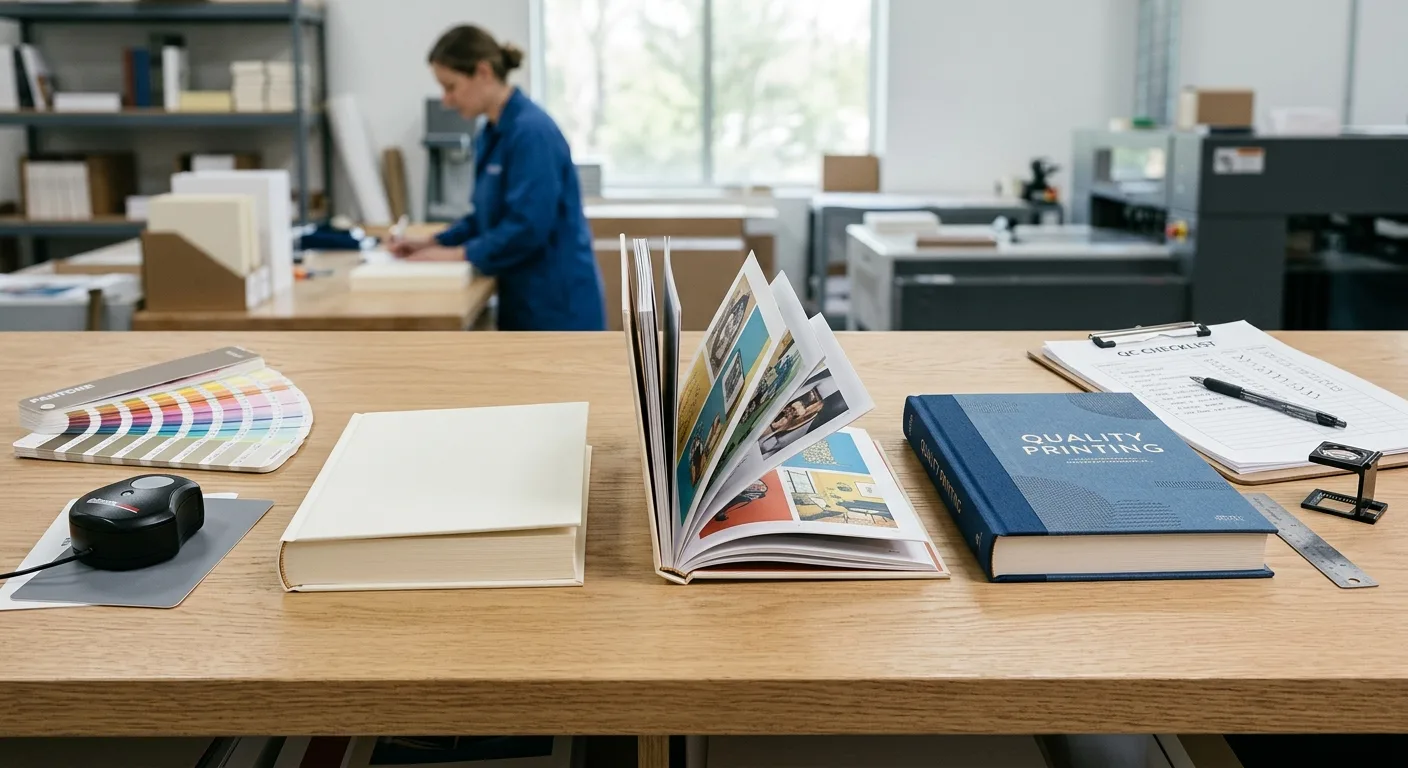
- Request Samples: Before committing to a full order, request paper samples to evaluate the texture, print quality, and overall appearance.
- Work with a Reliable Partner: Choose a printing partner who specializes in luxury books and has experience with various paper textures. They can help guide you in making the best choice for your project.
- Consider Lead Times: Textured papers may have longer production times, especially when custom textures are involved. Plan your timeline accordingly.
Frequently Asked Questions
1. What is the best paper texture for a hardcover book?
Linen and velvet are popular choices for hardcover books, offering a refined, tactile experience that enhances the book’s luxury appeal.
2. Can textured paper affect print quality?
Yes, the texture of the paper can influence how ink is absorbed, potentially affecting the sharpness and vibrancy of prints. Testing is essential.
3. How does paper texture impact the overall cost of a book?
Textured papers typically cost more than standard paper, impacting overall production costs. It’s essential to balance the desired texture with your budget and expected ROI.
4. How can I evaluate different paper textures for my book project?
Request samples from your printer to examine texture, print quality, and durability before making a final selection.
5. What are the lead times for luxury book printing with textured paper?
Lead times vary depending on the paper texture, complexity of the print, and binding process. Be prepared for longer production times with custom textures.
Conclusion
Choosing the right paper texture is a crucial step in creating premium books that resonate with readers and collectors. Textures like linen and velvet add depth, elegance, and luxury, elevating a book beyond its content to become a coveted object. With the right paper selection, you can craft a book that delivers not just a story, but a tactile experience that readers will treasure for years.
Request a quote / Get a sample