
Table des matières
- The short answer: offset or digital?
- How offset and digital book printing work
- Buyer checklist: choosing a print method
- Quantity and unit-cost considerations
- Print quality, colour and paper choices
- Files, proofing and production planning
- Match the method to the book format
- Common mistakes to avoid
- Conclusion
Offset and digital book printing each suit different order profiles. Learn how run size, colour expectations, paper choice, binding and production planning affect the best option for your book.
The short answer: offset or digital?
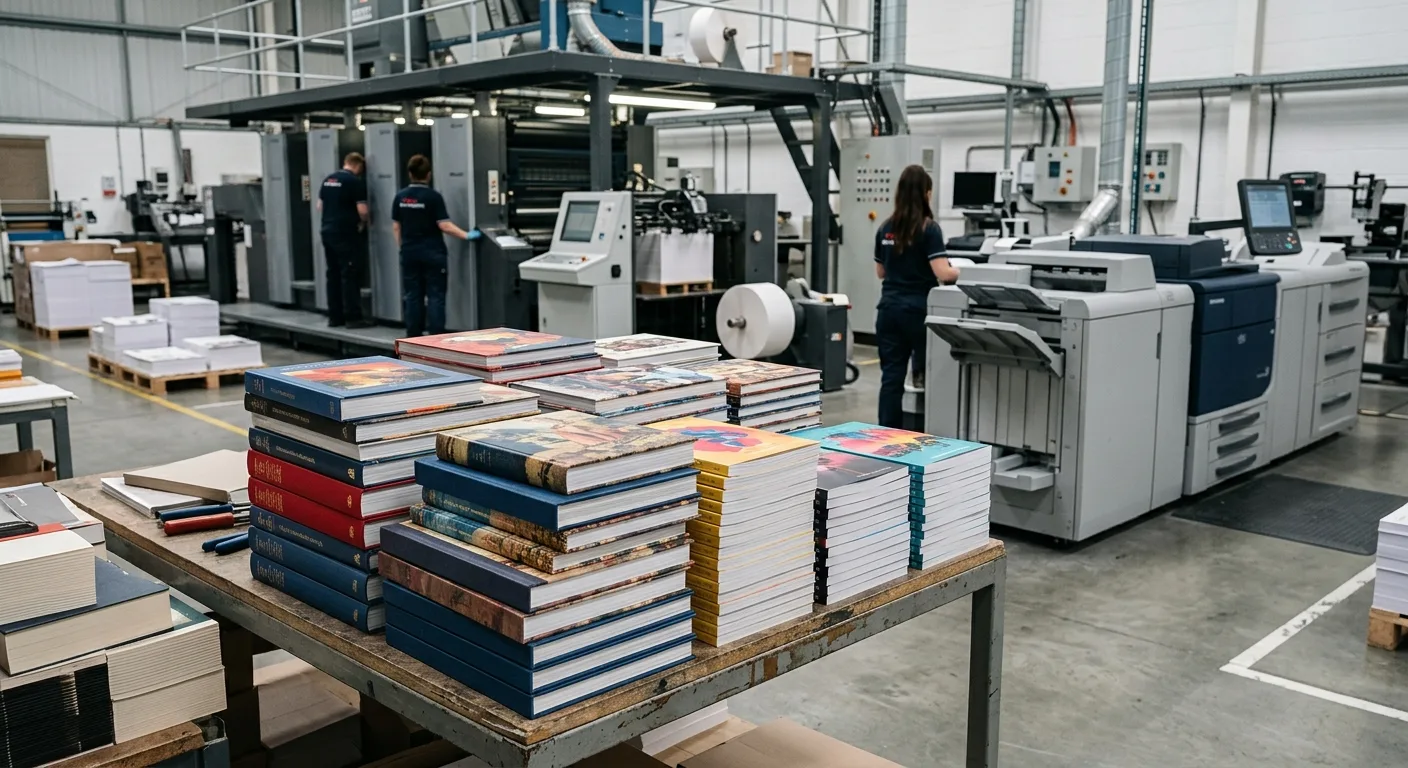
Offset vs digital book printing comes down primarily to quantity, specification and timing. Offset printing is usually the practical choice for a planned, higher-volume book order where stable unit economics, broad paper choices and consistent colour across the run matter. Digital printing is generally better for smaller quantities, test editions, revised content and projects where avoiding printing excess stock is more important than achieving the lowest unit cost at scale.
Neither method is universally better. The right choice depends on the book’s trim size, page count, colour coverage, paper stock, binding, finish, file readiness, required quantity and delivery destination. A full-colour illustrated hardcover and a short black-and-white training manual can lead to very different decisions.
For many publishers, the decision is also commercial: digital can reduce inventory exposure for an initial or uncertain run, while offset can reduce the cost per copy once fixed setup is spread over more books. Confirm the method only after the full specification has been reviewed.
How offset and digital book printing work
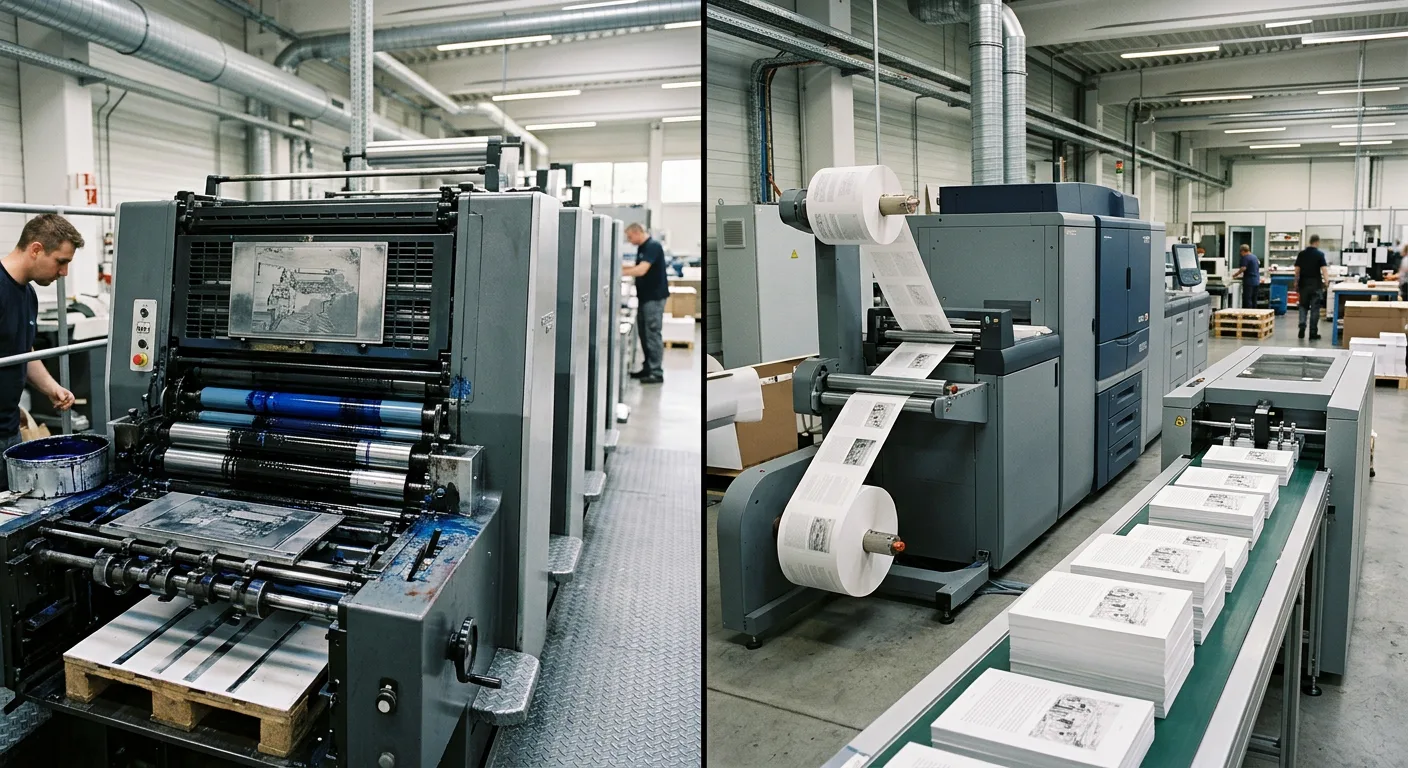
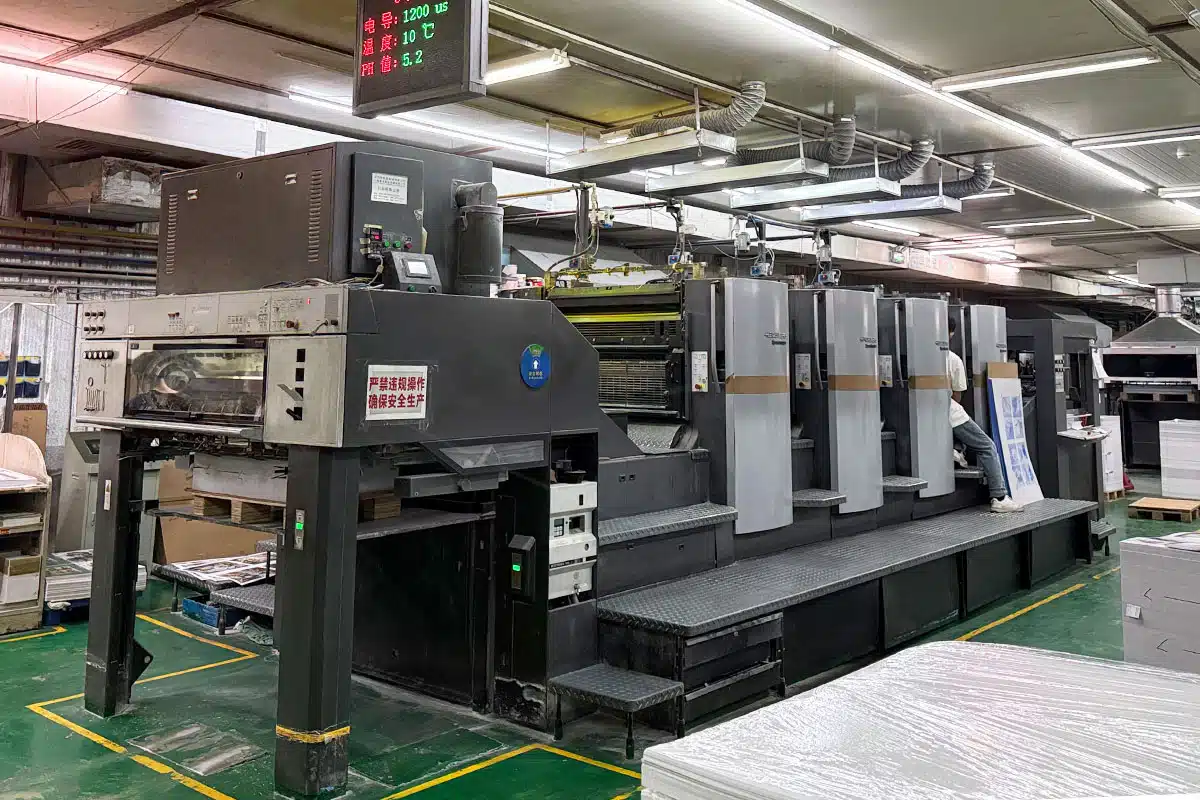
Offset printing transfers ink from printing plates to a rubber blanket and then to paper. Plates are made for each colour, commonly CMYK for process-colour work. Plate making and press setup create upfront costs, but a conventional press can produce a large number of consistent sheets efficiently once it is running. Books are then folded, gathered, bound, trimmed and finished according to the chosen construction.
Digital printing applies toner or ink directly from the digital file without printing plates. This removes plate setup and makes version changes easier. It can be useful when a book needs a limited quantity, personalisation, frequent updates or a quick replenishment decision.
Both methods can produce professional books when the files, paper, press settings and finishing are correctly matched. However, results should not be assumed to be identical. Ink behaviour, colour appearance, available paper weights, surface texture and finishing compatibility may vary by process and production setup.
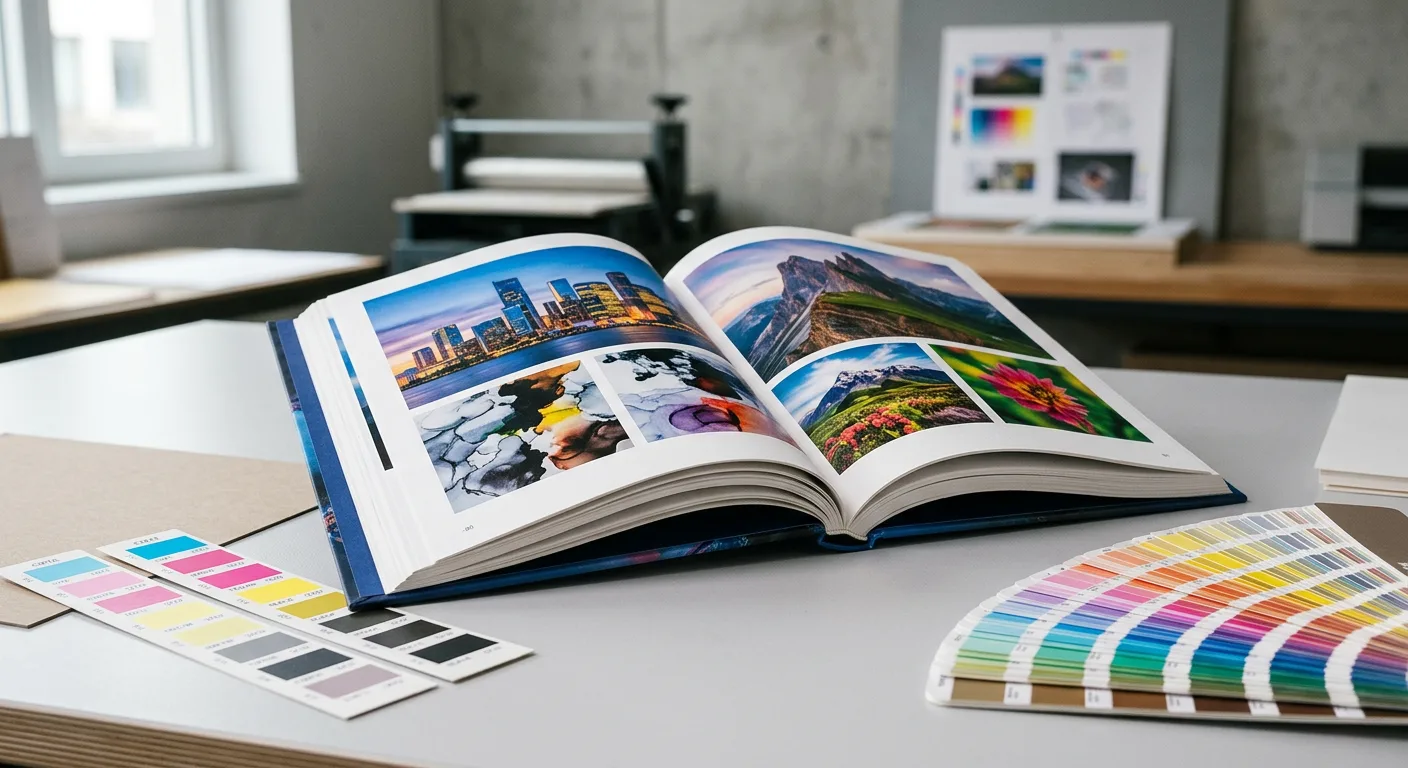
For colour-managed projects, define whether standard CMYK reproduction is sufficient or whether a specific brand colour needs separate planning. Our guide to CMYK and Pantone for book printing explains the practical considerations for bulk colour production.
Buyer checklist: choosing a print method
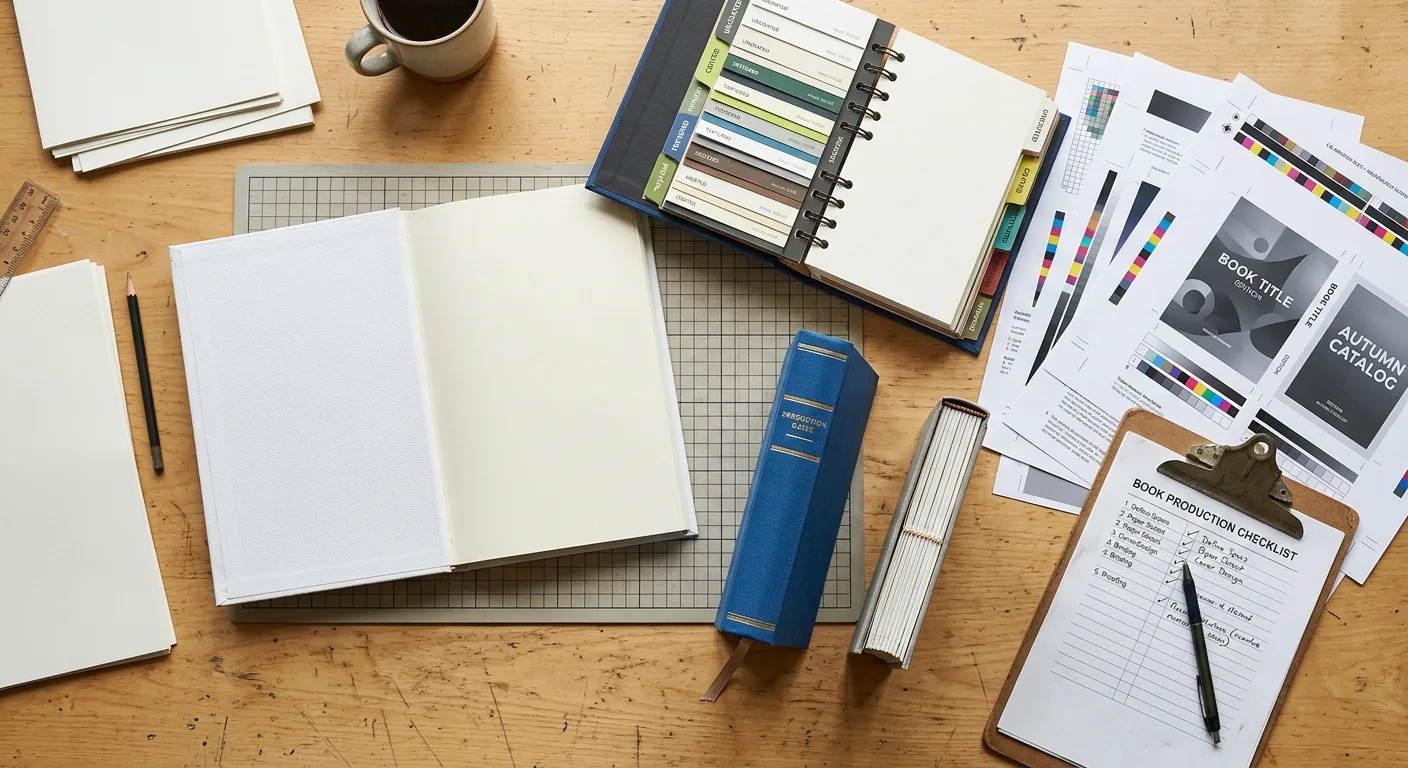
Use this checklist before requesting quotations. It will help a printer evaluate offset and digital options on the same basis.
- Quantité : Is this a small test run, a repeatable replenishment order or a larger launch quantity?
- Demand certainty: Can you confidently store and sell the full run, or is it safer to print fewer copies initially?
- Content stability: Are text, pricing, legal pages, editions or language versions likely to change?
- Colour requirement: Is the book mainly black text, standard CMYK imagery or colour-critical artwork?
- Material specification: Do you require a particular uncoated, coated, textured or heavyweight stock?
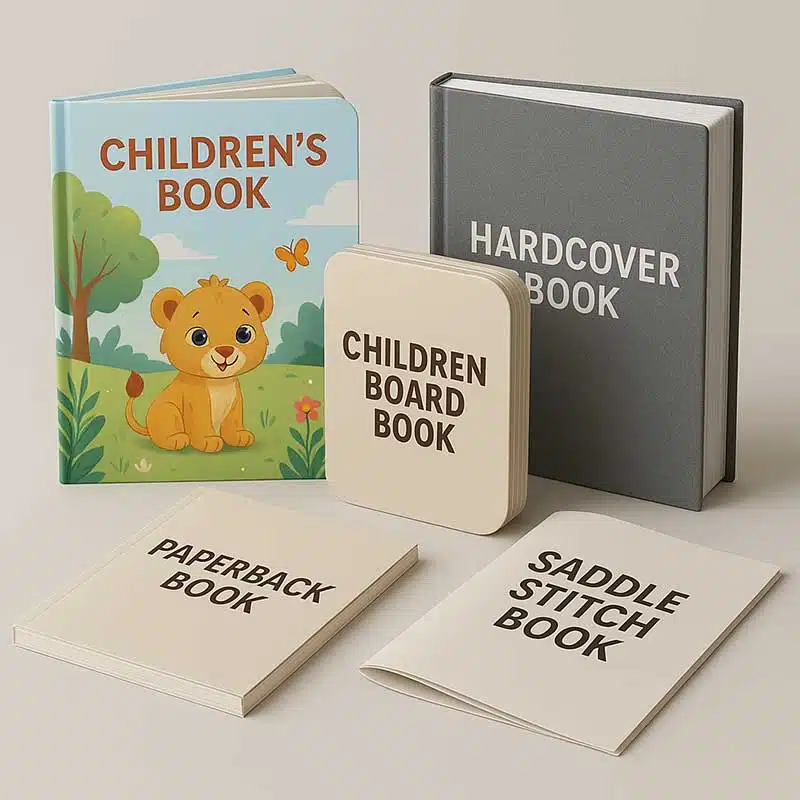
- Binding and finish: Is the project paperback, casebound, lay-flat, wire-o, saddle stitched, foil stamped or otherwise specialised?
- Schedule: When are final print-ready files available, and how much time remains for proofing, production and international freight?
- Budget basis: Compare total landed cost, not unit price alone. Include packaging, freight and any destination-side costs applicable to your shipment.
These assumptions affect price, lead time and print quality. A quote based only on “a 200-page book” is rarely reliable because size, colour pages, paper, binding and quantity can change the manufacturing route substantially.
Quantity and unit-cost considerations
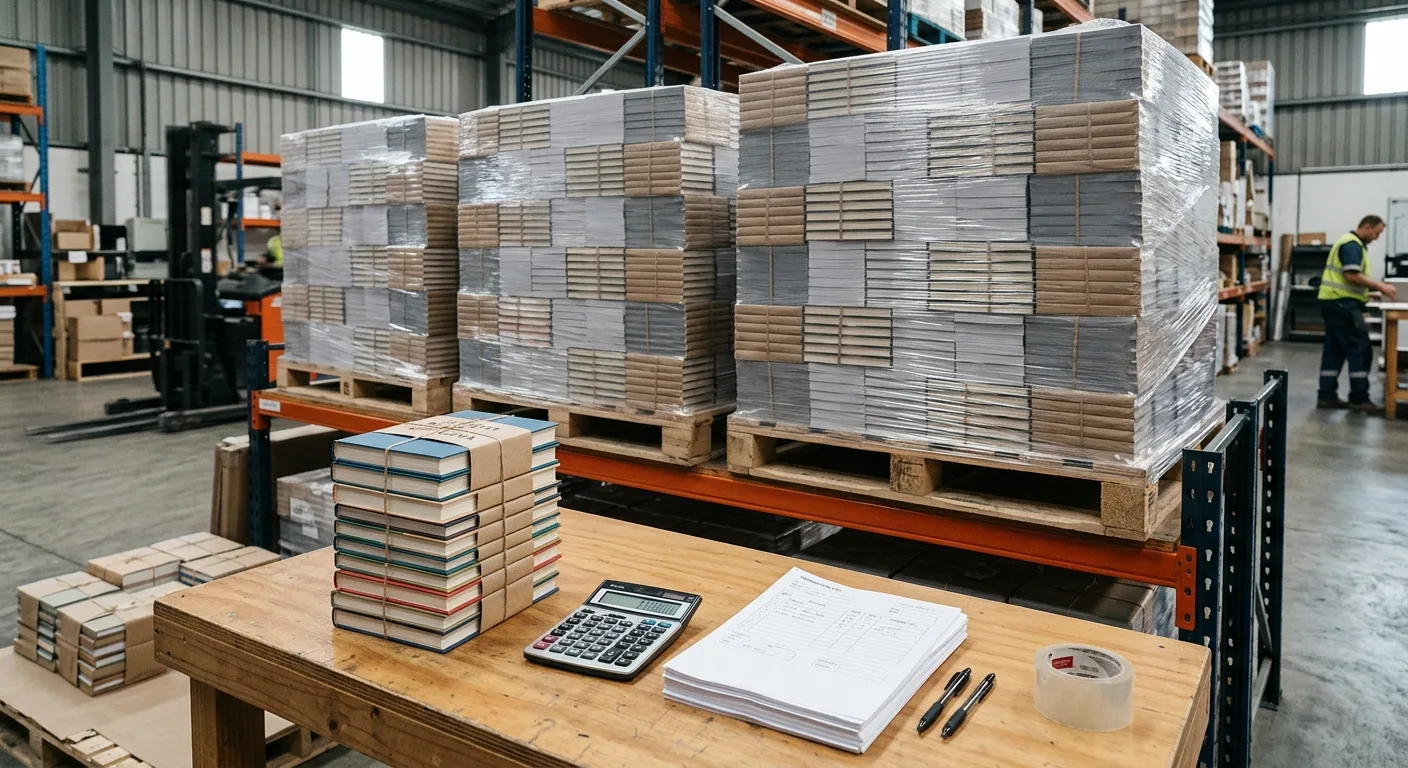
Quantity is normally the first filter in the offset versus digital decision, but there is no single break-even quantity that applies to every book. The crossover changes with page count, trim size, number of colour pages, ink coverage, paper, binding, finishing, press format, packing and freight.
Digital printing has relatively low setup requirements. As a result, a small run may be financially sensible even if its per-copy price is higher. It can be suitable for advance copies, market testing, conference materials, course manuals, limited editions or books with content that may need revision.
Offset printing requires setup work before production, including plates and press preparation. Those fixed costs are distributed over the run. As quantity increases, the unit-cost advantage can become meaningful, particularly for standardised books with stable files. It may also provide a more suitable route for high-volume catalogue, trade, educational or illustrated publishing projects.
Do not choose a larger offset run solely because the unit price looks lower. Consider storage, cash flow, obsolescence risk, expected sell-through and shipping configuration. Conversely, do not default to a small digital run if repeat demand will quickly require several separate reprints. A planned production quantity can be more efficient than multiple urgent replenishments.
For a more structured way to assess order volume, see how to estimate unit cost and print run size for China book printing orders.
Print quality, colour and paper choices
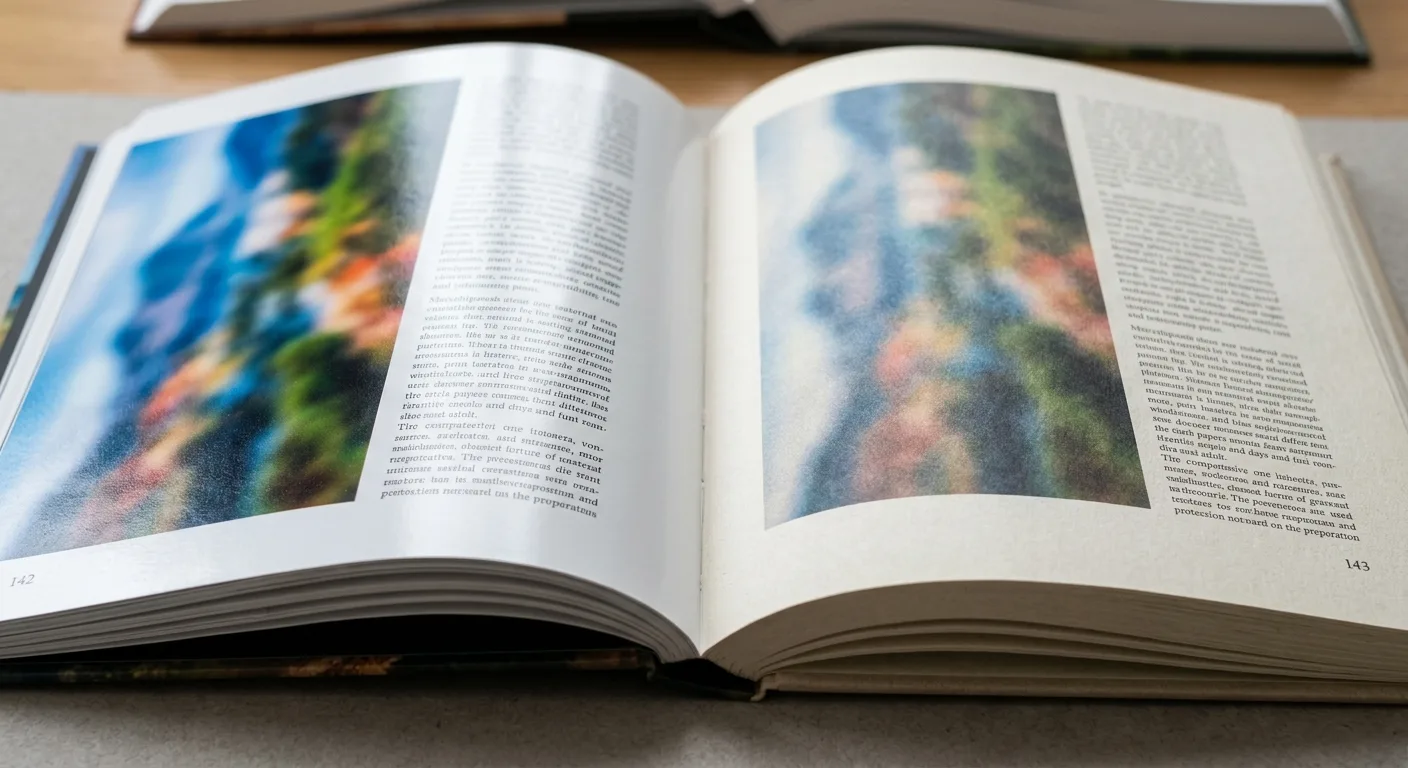
Print quality should be defined in terms of the finished book, not only the printing technology. A readable text book needs sharp type, appropriate opacity and durable binding. A photography or art title may need controlled tonal reproduction, suitable coated paper, careful image preparation and proof review. A children’s book may prioritise vivid illustrations and robust construction.
Offset printing is well suited to long runs requiring stable, repeatable ink reproduction. It can also support a wide range of stocks and speciality effects, subject to the project specification. Digital printing can deliver strong results for many applications, especially where the artwork and material selection are designed for the selected press. For image-led or brand-critical work, ask to review relevant samples or a proof path rather than relying on screen appearance.
Paper has a major effect on perceived colour and readability. Coated stock can support crisp image detail and stronger colour appearance, while uncoated stock offers a natural reading surface and is common for text-focused books. Paper whiteness, texture, weight and opacity all influence the result. Read this guide to coated versus uncoated paper and ink absorption before fixing a stock.
Specify the number of colour and black-and-white pages accurately. A book may have colour covers and a black-only text block, or it may use full colour throughout. That distinction materially affects manufacturing planning and pricing.
Files, proofing and production planning
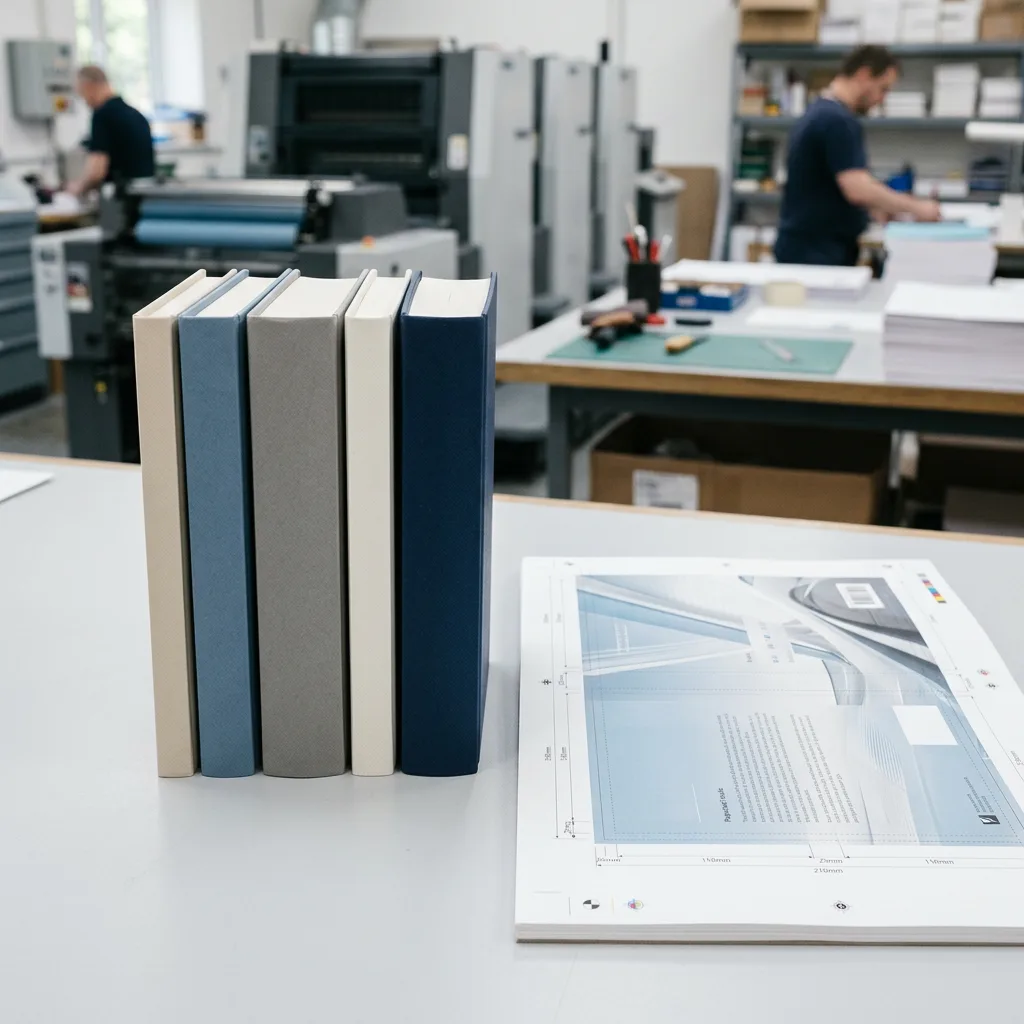
Digital printing is convenient for updating a file, but “easy to change” does not remove the need for production control. Whether the job is offset or digital, provide print-ready PDFs with the agreed trim size, bleed, safe margins, fonts embedded or outlined as appropriate, correctly prepared images and a clearly named cover file. Ensure the page count supports the selected binding and that spine width is calculated from the final text paper.
Build proofing into the schedule. A screen proof helps check content and layout, but it does not always predict the appearance of ink or toner on the final stock. For colour-sensitive work, discuss the suitable proofing approach before production. Correcting files after plates are made or after a digital run begins can add cost and time.
Book production also includes binding, trimming, packing and transport. A realistic timeline starts at receipt of approved, production-ready files, not at initial enquiry. If your schedule is tight, communicate the required in-hands date and destination country early. The guidance in MOQ and lead time planning for custom book printing can help you prepare the conversation.
Match the method to the book format
Text-heavy paperbacks and manuals
For black-and-white or limited-colour text books, demand pattern often drives the decision. Digital can be practical for a small first order or revised training content. Offset may be worth evaluating for a stable title with a larger planned run. Select an opaque, comfortable text paper and a binding that suits the expected use.
Illustrated books, art books and photo books
These projects require early consideration of paper surface, image quality, colour expectations and finishing. Offset is commonly assessed for higher-volume image-led books, while digital can make sense for small editions or prototypes. Lay-flat construction and heavyweight pages involve separate technical choices; consult our guide to lay-flat binding and paper for premium photo and memory books when planning this format.
Hardcover and softcover editions
Binding changes the perceived value, durability, packing profile and cost regardless of print process. A softcover may suit a lighter, lower-price publication, while a casebound book can suit a gift, archive or premium edition. Review hardcover versus softcover book printing alongside the press decision.
Common mistakes to avoid
- Comparing quotes with different specifications. A lower price may reflect a different paper, fewer colour pages, another binding or a different quantity.
- Using page count without trim size. The size of each page affects paper yield, press layout, binding and packing.
- Approving colour from an uncalibrated screen. Screens vary, and paper changes colour appearance.
- Ignoring freight and storage. The manufacturing method is only one part of the total supply decision.
- Leaving binding until last. Binding influences page multiples, spine width, cover construction, paper selection and durability.
- Sending incomplete files close to deadline. Late corrections can disrupt proofing and production planning for either method.
The best comparison asks each supplier to quote the same complete specification and explain any production assumptions. This makes offset and digital options genuinely comparable.
Conclusion
Choose digital book printing when a smaller quantity, content flexibility or lower inventory commitment is the priority. Choose offset book printing when you have a stable specification, a larger planned run and a need to optimise the cost structure across that volume. For colour-critical, premium or unusual book formats, evaluate paper, proofing, finishing and binding alongside quantity rather than treating the press choice as a standalone decision.
A clear specification allows a printer to recommend the most appropriate route for the actual project, rather than relying on a generic quantity threshold.
Discuss your book printing options
YBJ Printing can review your project and help you compare suitable production options. To prepare an accurate quotation, send your product type, trim size, page count, quantity, paper or binding preference, finishing requirements, file status and destination country. If you are deciding between methods, include your expected demand and required delivery window.