
Introduction
While digital publishing has transformed content consumption, the physical book remains a dominant force, particularly in education, art, and premium corporate publishing. For B2B buyers, purchasing managers, and publishers, understanding the procédé d'impression couramment utilisé pour les livres is not merely about ink on paper—it is about the structural integrity, tactile experience, and visual impact that differentiates a product on a crowded shelf.
Paper books offer a tangible value that e-books cannot replicate. The weight of the stock, the texture of the cover, and the precision of the binding all contribute to the reader’s perception of value. This guide explores the technical workflows, surface finishing techniques, and production standards required to produce high-quality books at scale.
1. Core Printing Technologies: Offset vs. Digital
Before discussing finishes like hot stamping or lamination, it is crucial to select the correct base printing method. This decision impacts unit cost, lead time, and quality.
Lithographie offset
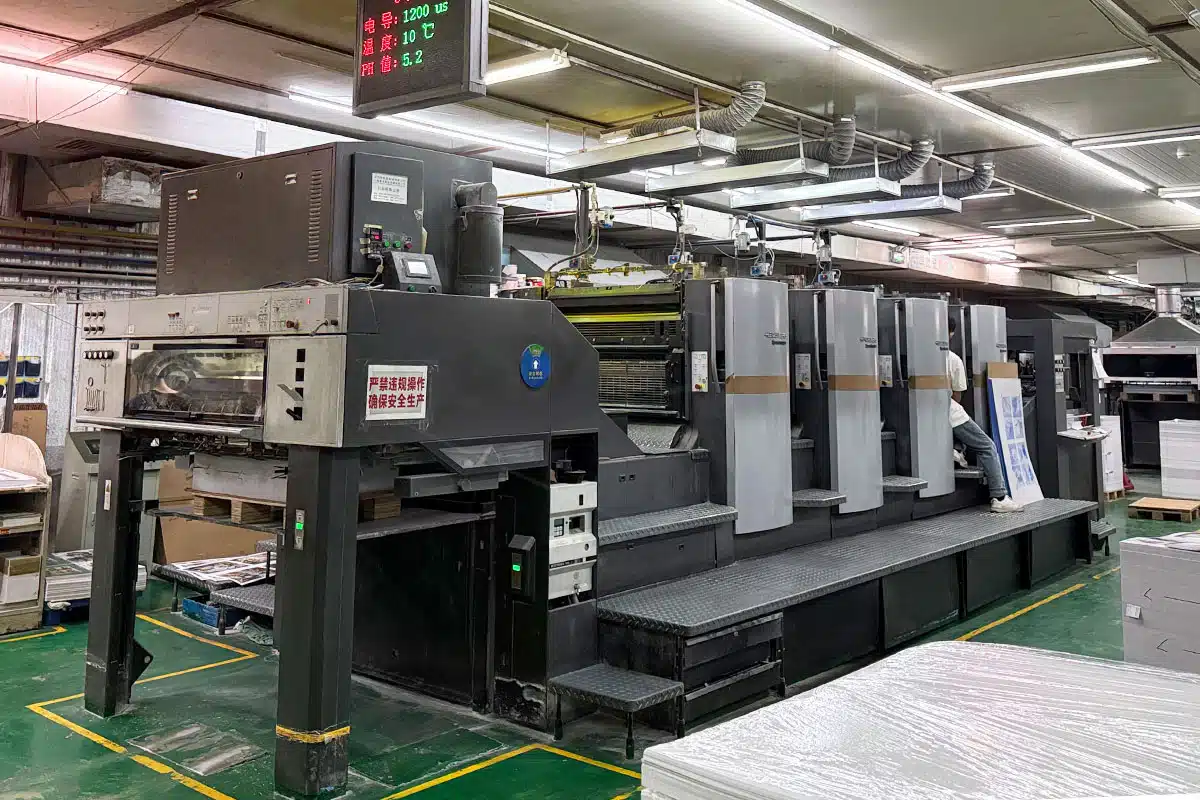
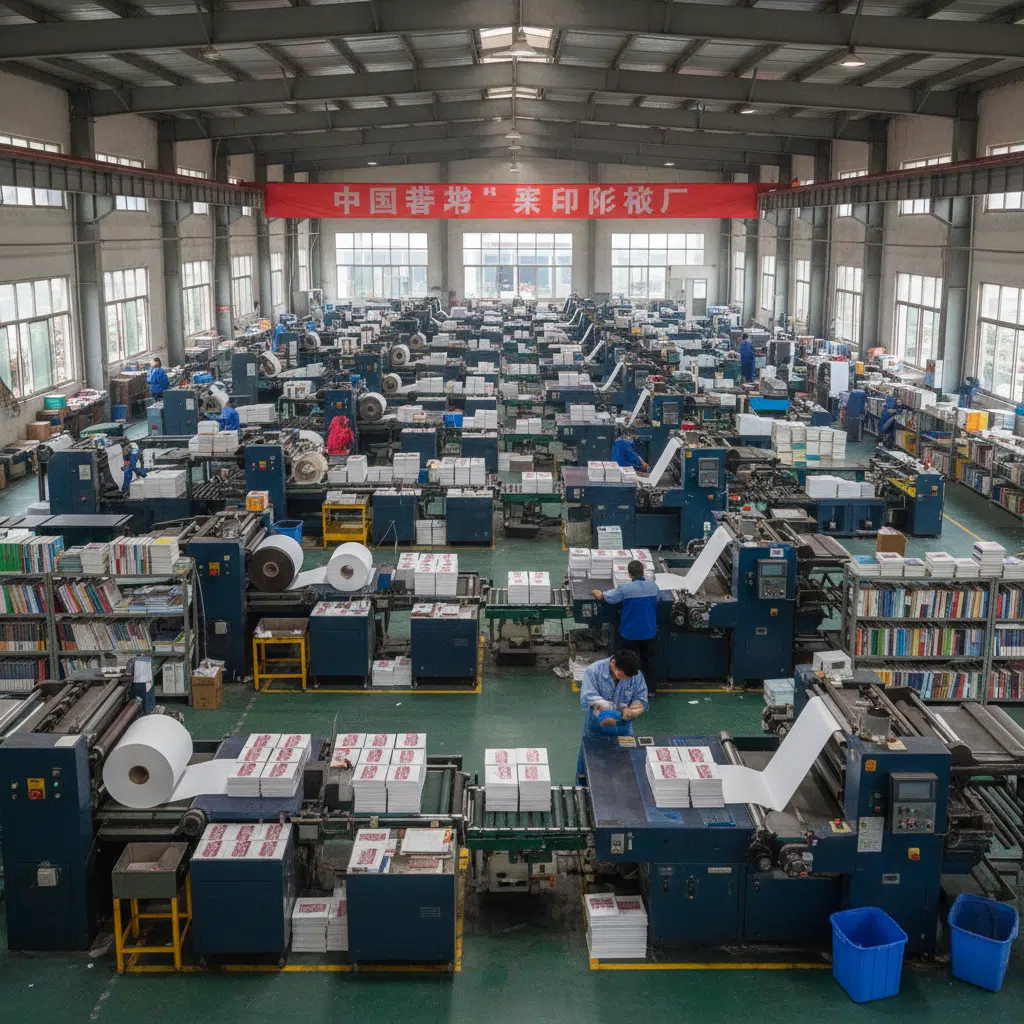
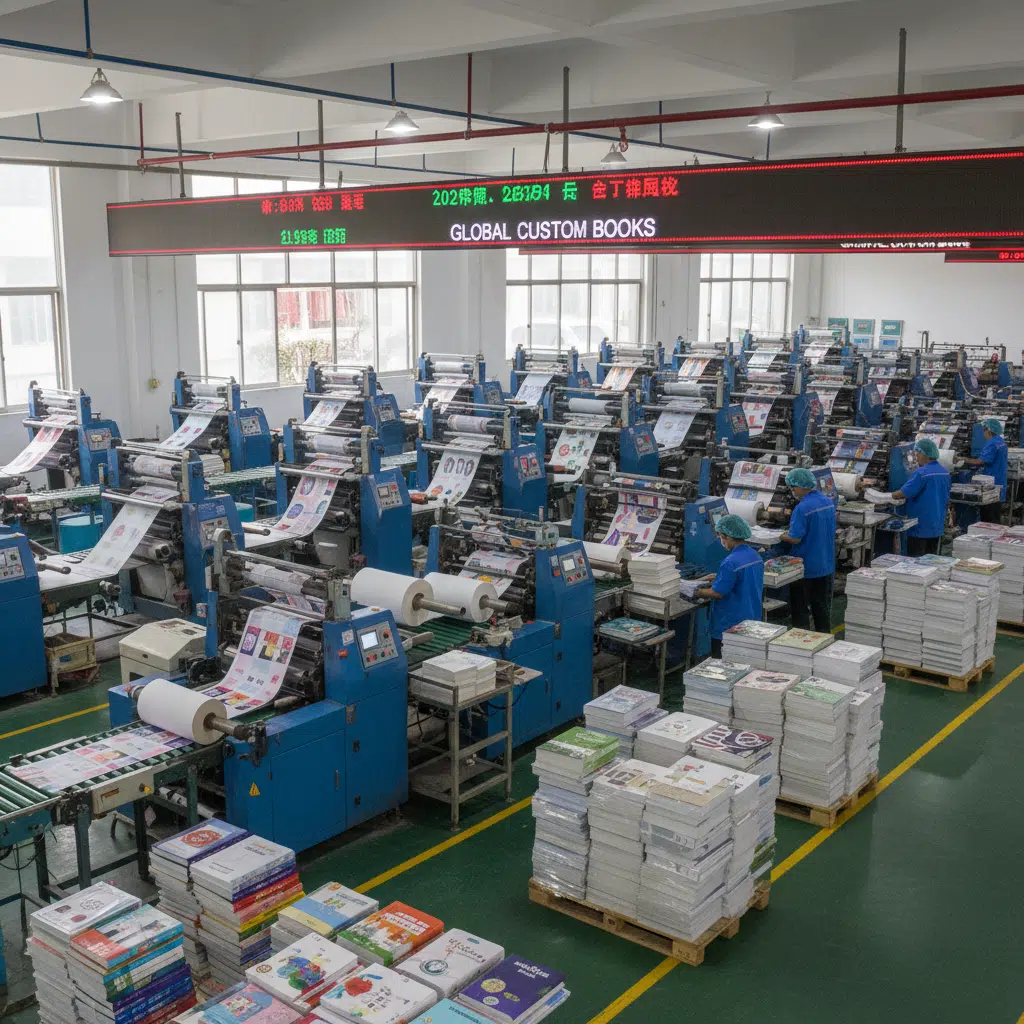
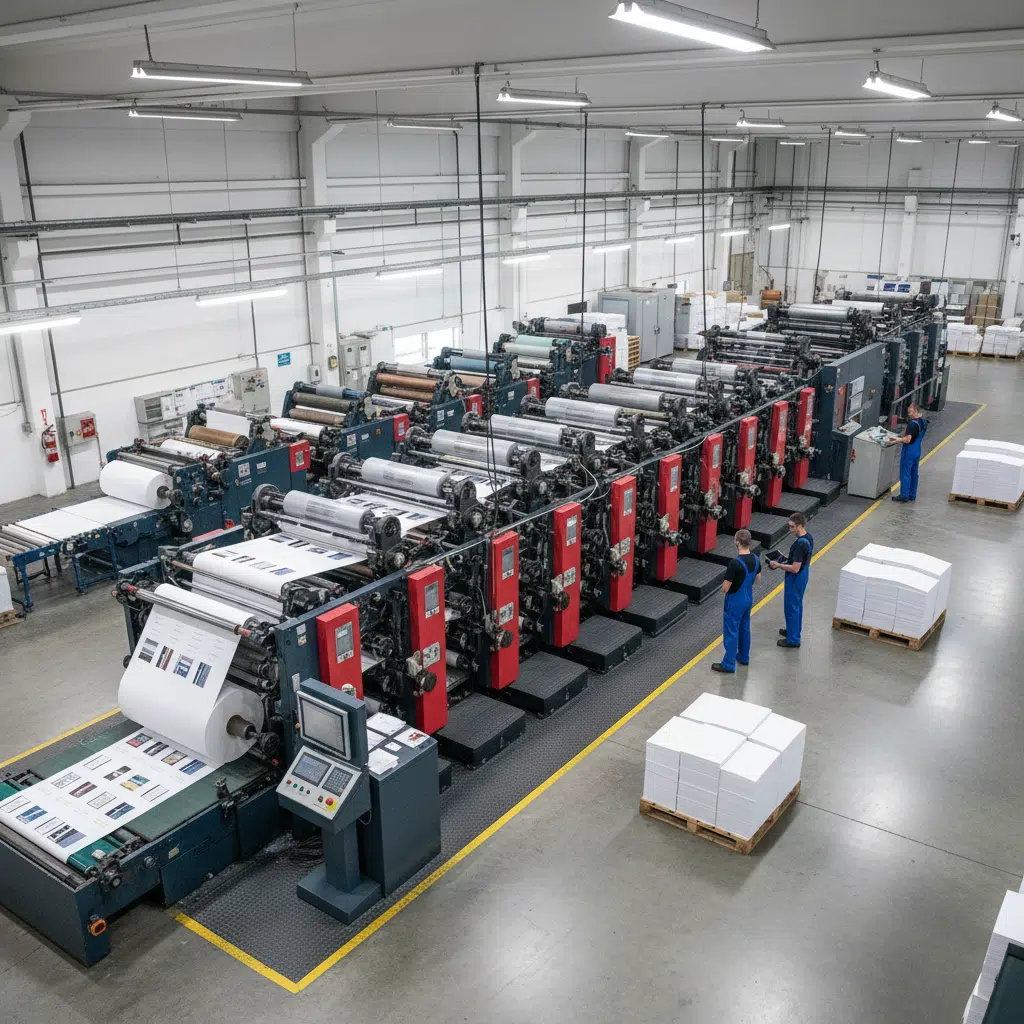
Offset printing remains the gold standard for high-volume book production. It utilizes aluminum plates to transfer images onto a rubber blanket, and then onto the paper. This process provides superior color consistency and becomes cost-effective for runs exceeding 500–1,000 copies.
For a deeper dive into how to choose between these methods, refer to our Un guide complet des méthodes d'impression de livres : Offset, numérique et POD.
Impression numérique
Digital printing eliminates plates, applying toner or liquid ink directly to the substrate. It is ideal for short runs (1–500 copies), print-on-demand (POD) models, or variable data printing. While historically lower in quality than offset, modern high-end digital presses now rival offset quality for text and standard imagery.
2. Surface Finishing Processes: Enhancing Visual Impact
Once the base sheets are printed, post-press finishing transforms a standard print job into a premium product. These are the specific processes that add texture, shine, and durability.
The Hot Stamping Process
Hot stamping (or foil stamping) uses heat and pressure to transfer a metallic or pigmented foil layer from an anodized aluminum carrier to the book cover. Unlike ink, which sits on the surface, hot stamping is slightly debossed, creating a tactile depression.
- Application : ideal for titles on hardcovers, logos, and spine details.
- Visual Effect: Provides a metallic luster (gold, silver, copper) that catches the light, offering a high-end decorative effect.
Laser Stamping (Holographic)
Laser hot stamping operates on similar principles to standard hot stamping but utilizes foils with diffractive gratings. This results in a dynamic color-changing effect that shifts with the viewing angle. Under spotlighting, it produces a “rainbow ring” effect, making it popular for sci-fi novels, Impression de livres pour enfants, and modern design portfolios.
Laminating Process
Lamination involves bonding a thin plastic film to the printed paper using heat and adhesive. This is critical for paperbacks and dust jackets to prevent cracking on folds and protect against moisture and abrasion.
| Film Type | Characteristics | Best Use Case |
|---|---|---|
| Gloss Lamination | High shine, enhances color saturation. | Textbooks, cookbooks, children’s books. |
| Matte Lamination | Non-reflective, elegant, softens contrast. | Literary fiction, art books, corporate reports. |
| Soft-Touch (Velvet) | Peach-skin texture, premium tactile feel. | Luxury packaging, high-end novels. |
| Anti-Scratch Matte | Resistant to scuffs common in standard matte. | Dark-colored book covers. |
Spot UV and Varnish
The Local UV (Spot UV) process involves applying a clear ultraviolet-cured coating to specific areas of the design. This creates a stark contrast between the matte background and the glossy, raised UV area. It is widely used to highlight titles or specific design elements, adding a three-dimensional effect and increased wear resistance to the treated area.
3. Structural Processes: Die Cutting
Die cutting utilizes a steel rule die (essentially a custom-shaped cookie cutter) to cut shapes out of the paper stock. In book production, this is used for:
- Windows: Cutting a shape in the cover to reveal the endpaper or title page beneath.
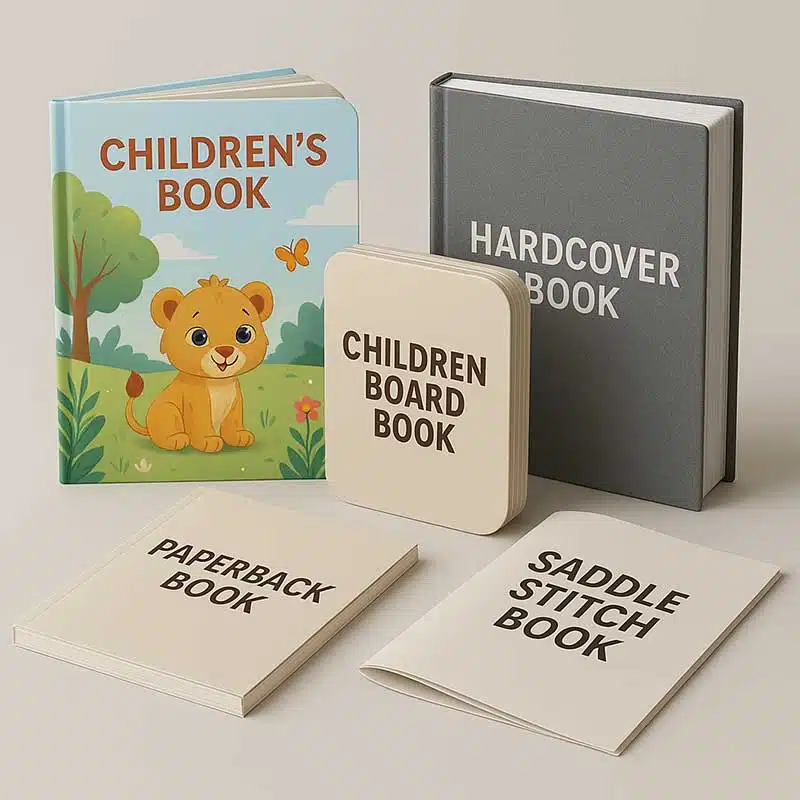
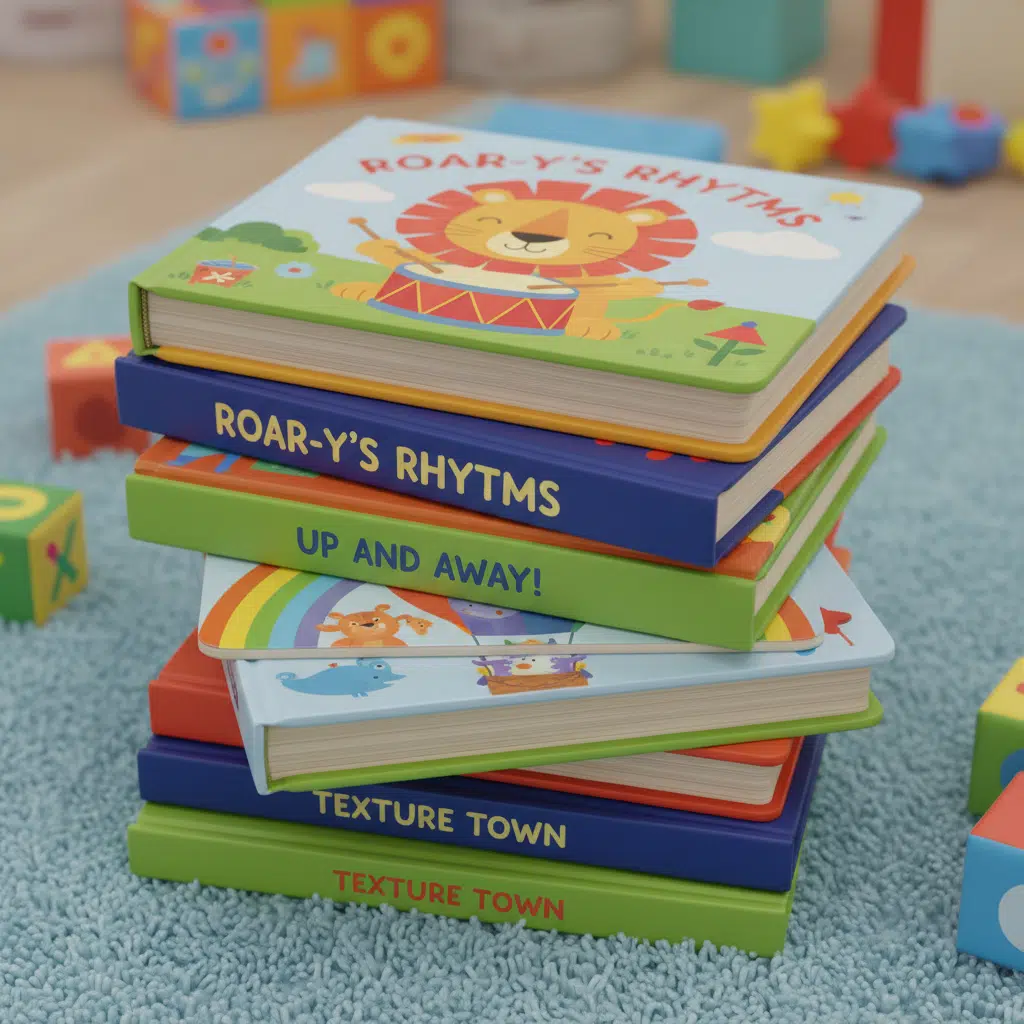
- Livres en forme : Common in children’s board books where the entire book is cut into the shape of a character or object.
- Pop-up Elements: Intricate cuts for internal engineering.
Die cutting adds significant “shelf appeal” but requires precise file preparation to ensure the bleed and safety margins align with the cutting tool.
4. Production Workflow and Lead Times
For purchasing managers planning inventory, understanding the timeline is critical. Below is a standard workflow for a hardcover book order of 3,000 units.
- Pre-press (2–3 Days): File checking, proofing (digital or wet proofs), and CTP (Computer-to-Plate) output.
- Material Preparation (3–5 Days): Sourcing specific Le bon sens du papier d'impression des manuels scolaires and cover materials.
- Printing (3–4 Days): Offset printing of text blocks and covers.
- Surface Finishing (2–3 Days): Lamination, spot UV, or foil stamping.
- Binding (4–6 Days): Folding, gathering, sewing, gluing, and casing-in.
- Quality Control & Packing (2 Days): Random sampling and palletization.
Typical Lead Time: 15–25 business days after proof approval.
Case Study: Premium Art Book for “Gallery X” (Sample Client)
Défi : A contemporary art gallery required a catalog that reflected the tactile nature of the sculptures featured. Standard gloss printing felt too commercial.
Solution :
- Paper: 157gsm heavy matte art paper for the interior.
- Cover: Anti-scratch matte lamination to prevent scuffing on the black background.
- Finishing: A large, debossed area for the title, combined with Spot UV on the gallery logo.
- Binding: Smyth sewn binding to ensure the book lays flat when opened, allowing images to span across two pages without getting lost in the gutter.
Résultat : The catalog was sold as a standalone collector’s item, generating an additional revenue stream for the gallery.
About the Manufacturer
Author Byline: Mark Stevens, Senior Production Manager.
We operate a 15,000-square-meter printing facility equipped with Heidelberg Speedmaster XL presses and Kolbus binding lines. Our facility is ISO 9001 and FSC certified, ensuring both quality management and environmental responsibility.
Key Capabilities:
MOQ : 500 units for Offset (Digital available for lower quantities).
Daily Capacity: 50,000 hardcover books.
Sample Time: 3–5 days for white dummy; 7 days for digital wet proof.
Actif téléchargeable
Planning a print run? Download our “Book Specification Checklist” to ensure you provide all necessary details for an accurate quote, including paper weight, grain direction, and finishing codes.
Conclusion
Choosing the right printing process commonly used for books involves balancing aesthetic goals with budget and timeline constraints. From the protective qualities of lamination to the visual prestige of hot stamping, every step in the process contributes to the final user experience.
Whether you need a high-volume textbook run or a boutique art book, selecting a partner with robust in-house finishing capabilities is essential to maintaining quality control.
Prêt à lancer votre prochain projet d'édition ? Demande de devis today or contact our engineering team to receive a free sample kit of our finishing techniques.