
For purchasing managers and publishers, understanding the industrial book production process is critical to optimizing costs, ensuring durability, and achieving the desired shelf appeal. While the concept of printing seems straightforward, the transition from a digital file to a physical, bound volume involves a sophisticated supply chain of material science, precision engineering, and logistical planning.
This guide breaks down the technical stages of book manufacturing—from pre-press imposition to final binding—helping you make informed decisions for your next bulk order. Whether you are sourcing textbooks, catalogs, or hardcover editions, knowing the mechanics behind the scenes allows you to communicate more effectively with your print partner.
Author: Senior Production Specialist at YBJ Printing
About YBJ Printing: We operate a 20,000 sq. meter facility certified with ISO 9001 quality standards. Specializing in high-volume offset and digital printing, we support global publishers with a daily output capacity of over 50,000 bound units.
1. Pre-Press: The Foundation of Print Quality
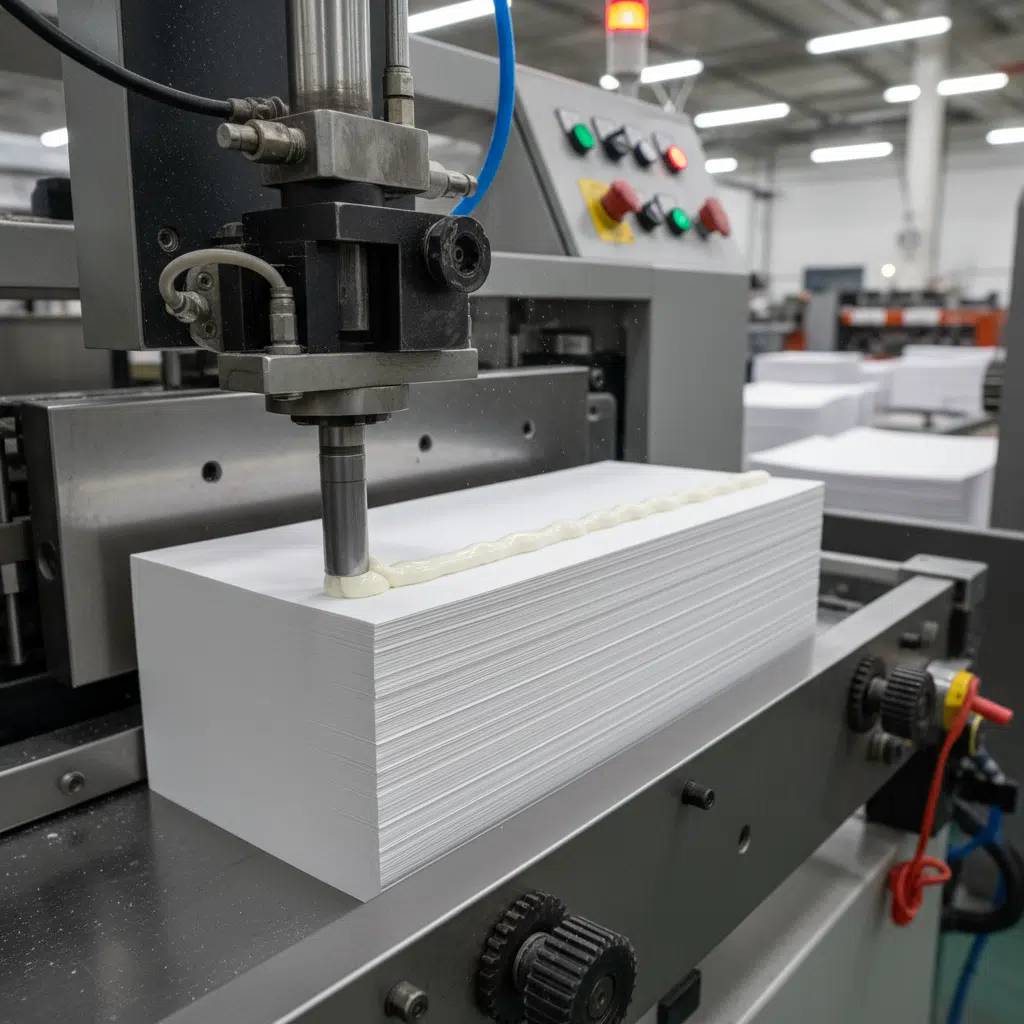
Before a single drop of ink hits the paper, the manuscript undergoes rigorous preparation. In a professional B2B environment, this stage is far more complex than simple typesetting.
Pre-Flighting and Proofing
The process begins with ‘pre-flighting,’ where technicians analyze your PDF files to identify potential errors. Common checks include:
- Image Resolution: Ensuring all images are at least 300 DPI for crisp reproduction.
- Color Mode: Converting RGB (screen colors) to CMYK (print colors) to prevent muddy tones.
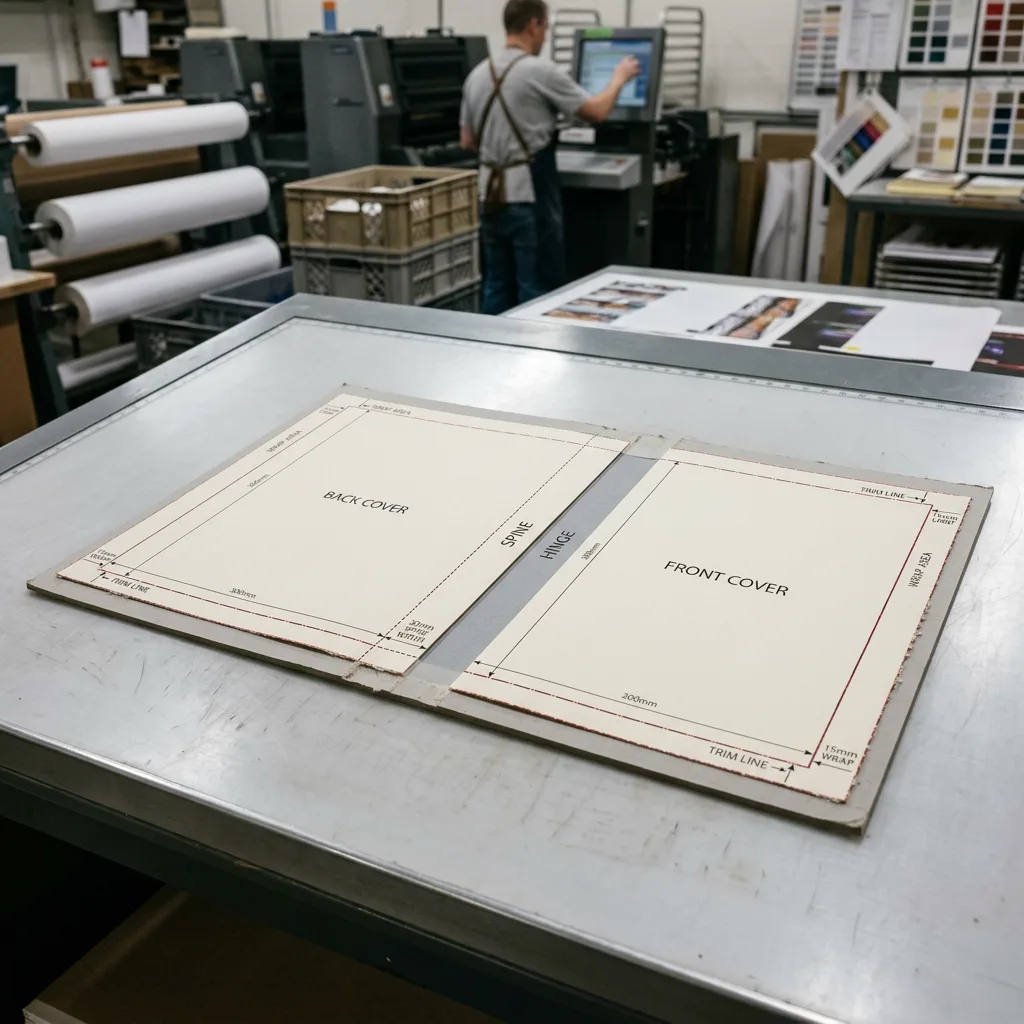
- Bleed and Trim: Verifying that artwork extends beyond the cut line to avoid white edges.
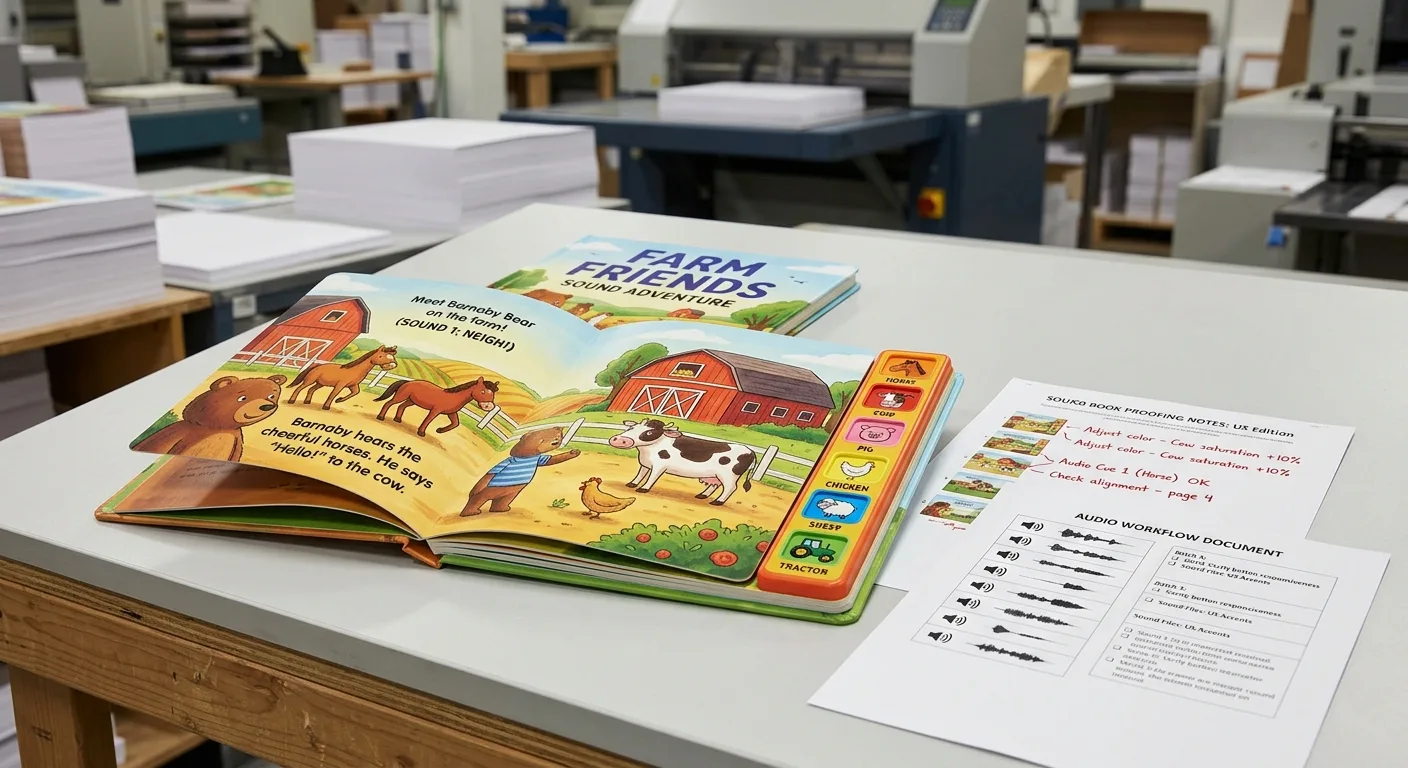
Once verified, we produce a proof. For color-critical projects like art books or catalogs, we recommend a ‘wet proof’ (physical print sample) rather than a digital soft proof, ensuring the final output matches your expectations.
Imposition and Plate Making (CTP)
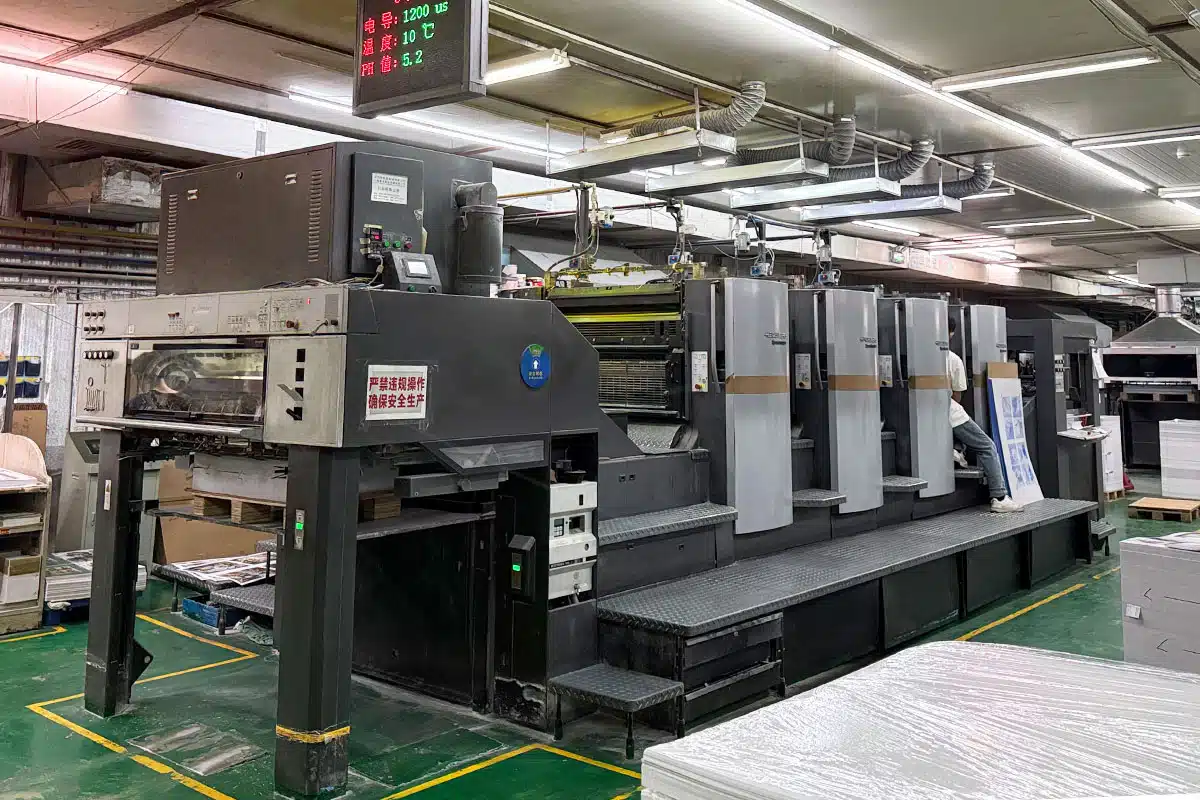
Imposition is the arrangement of pages on a large press sheet so that they appear in the correct order once folded. Modern facilities use Computer-to-Plate (CTP) technology, where lasers etch the image directly onto aluminum plates. This bypasses the older film method, resulting in sharper dots and faster turnaround times.
2. The Printing Phase: Offset vs. Digital
Choosing the right printing method is the single biggest factor in unit cost and quality. For a deeper dive into general processes, you can read our article on Understanding How Books are Made.
Offset Lithography
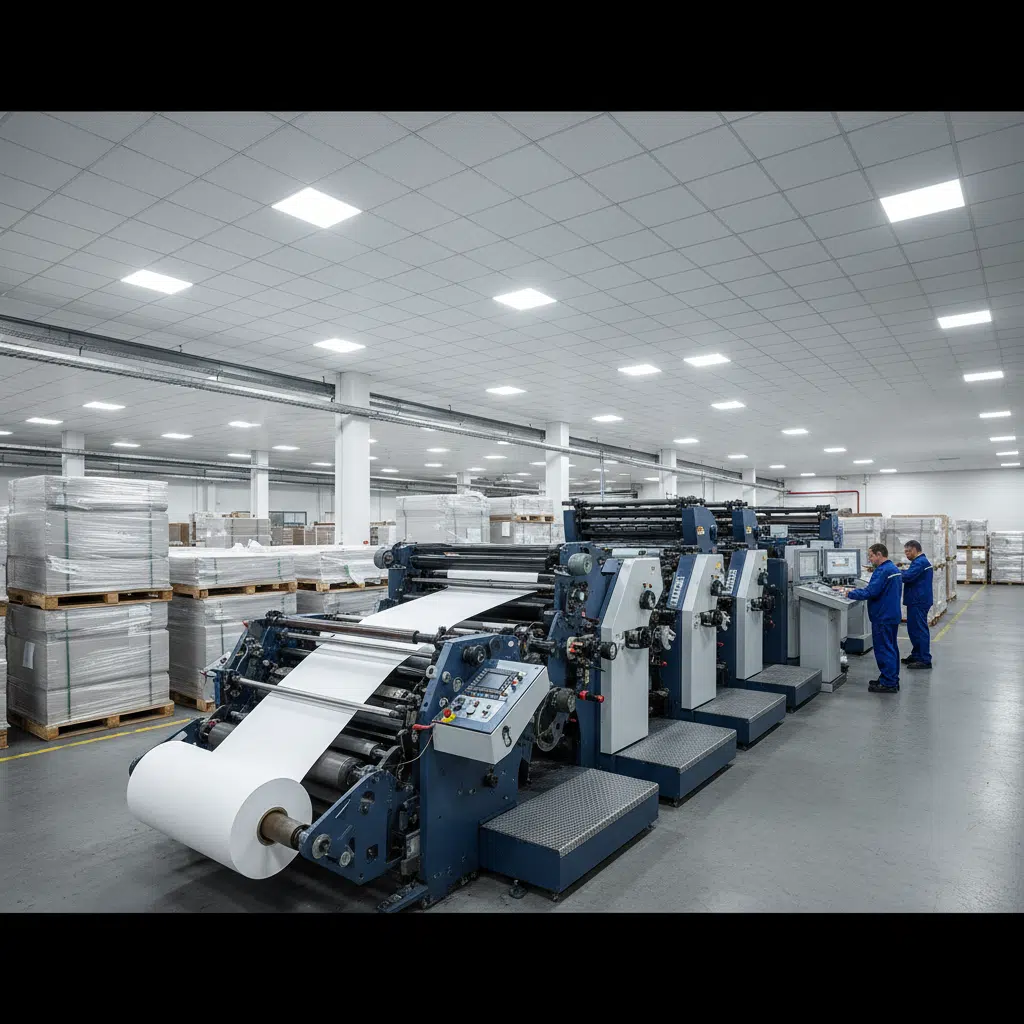
For print runs exceeding 500 copies, offset printing is the industry standard. Ink is transferred from the metal plate to a rubber blanket, and then onto the paper.
Advantages:
- Lower unit cost as volume increases.
- Superior color consistency and ink coverage.
- Ability to print on a wider variety of paper stocks and weights.
Digital Printing
For short runs (1–500 copies) or Print-on-Demand (POD), digital presses (toner or inkjet) are used. There are no plates involved, which eliminates setup costs but keeps the unit price static regardless of volume.
3. Paper Selection: More Than Just Weight
The tactile experience of a book is defined by its paper. B2B buyers must specify:
- GSM (Grams per Square Meter): Standard trade books often use 80–100gsm, while art books may require 150gsm+.
- Coating: Gloss, matte, or uncoated. Coated stocks are essential for vibrant photography, while uncoated woodfree paper is preferred for text-heavy books to reduce glare.
- Grain Direction: Crucial for lay-flat ability. The paper grain must run parallel to the spine; otherwise, the book will resist opening and the pages may buckle.
4. Binding and Assembly
Once printed, the large sheets are folded into ‘signatures’ (typically groups of 16 or 32 pages). These signatures are then gathered and bound.
Common Binding Techniques
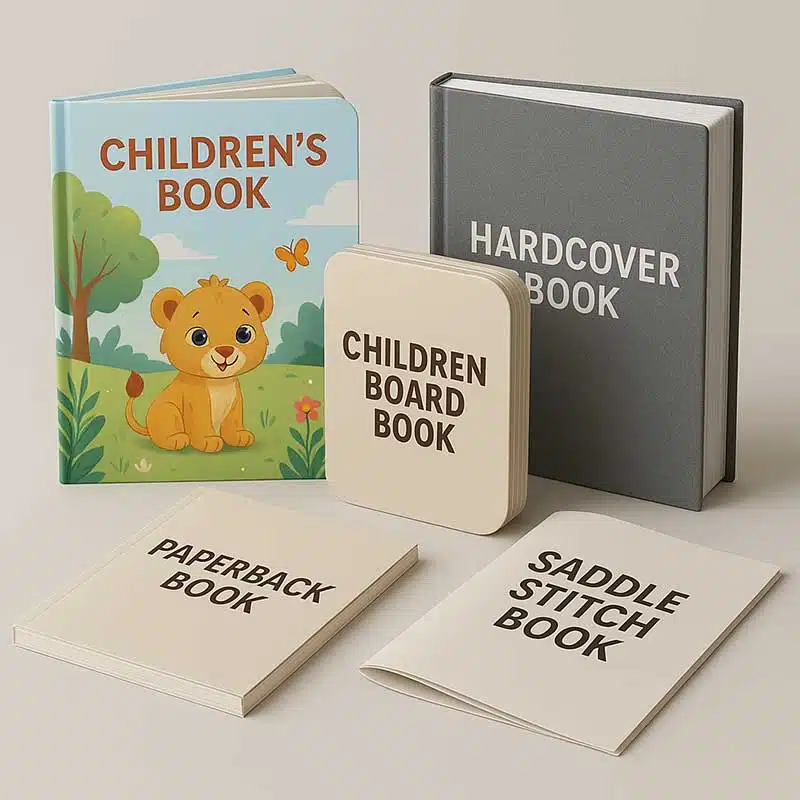
| Binding Type | Best Application | Durability |
|---|---|---|
| Perfect Binding | Paperback novels, annual reports, catalogs. | Moderate. Uses strong PUR adhesive. |
| Saddle Stitching | Brochures, magazines (under 64 pages). | Low to Medium. Staples through the fold. |
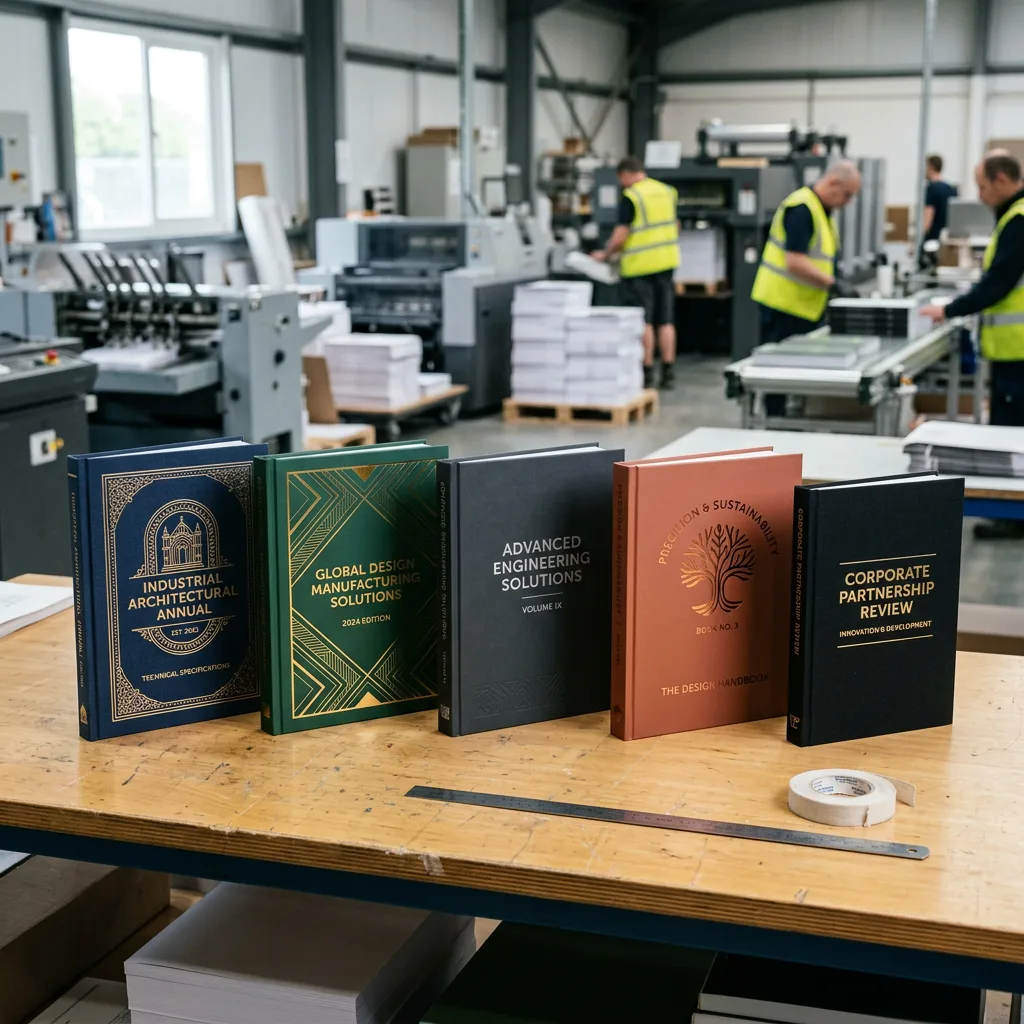
| Case Binding (Hardcover) | Textbooks, premium editions, coffee table books. | High. Signatures are Smyth sewn for longevity. |
| Wire-O / Spiral | Cookbooks, manuals, journals. | High. Allows 360-degree opening. |
5. Finishing and Embellishments
Post-press finishing adds value and durability. Options include lamination (matte, gloss, or soft-touch) to protect the cover from scuffs. For branding, techniques like Spot UV, Foil Stamping, and Debossing create visual contrast and tactile interest.
Production Workflow and Lead Times
Understanding the timeline helps in planning launch dates. Below is a typical workflow for a 5,000-unit offset hardcover run:
- File Review & Proofing: 2–3 Days.
- Plating & Paper Sourcing: 3–5 Days.
- Printing (Inner Pages & Covers): 3–5 Days.
- Drying & Binding: 5–7 Days (Adhesives require curing time).
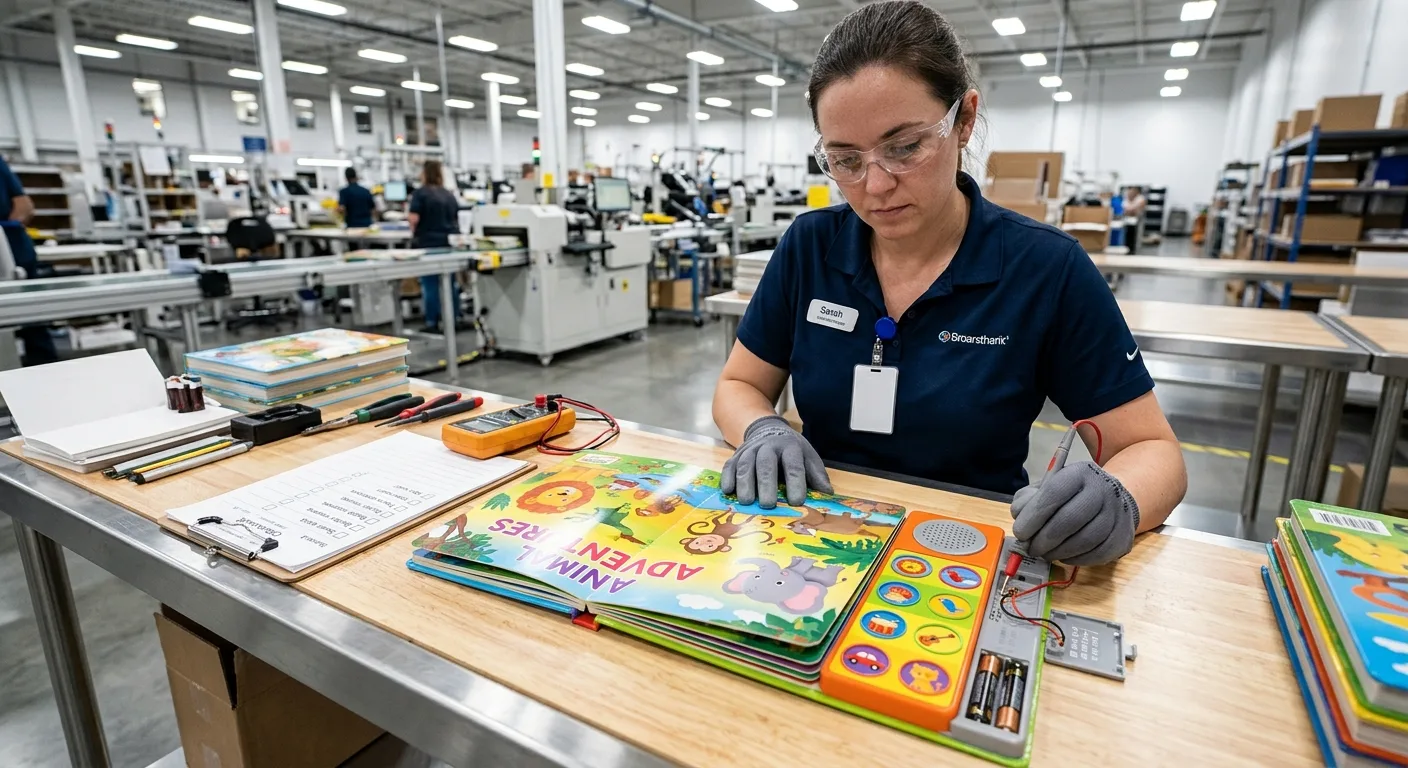
- QC & Packing: 2–3 Days.
Total Estimated Lead Time: 3–4 Weeks (excluding shipping).
Downloadable Asset: Print Specification Checklist
Ensure your quote request is accurate. Download our B2B Book Printing Spec Sheet (PDF) to organize details like trim size, binding style, and paper grade before contacting suppliers.
Case Study: Educational Publisher Turnaround
Client: SAMPLE CLIENT (Academic Press)
Challenge: The client needed 10,000 textbooks with complex color diagrams and durable binding for rigorous classroom use, delivered within a tight 4-week window before the semester start.
Solution: We utilized web offset printing for the text blocks to speed up production and employed Smyth sewn case binding to ensure the books would lay flat without breaking the spine.
Result: Delivered 3 days ahead of schedule. The switch to a specific 105gsm matte art paper improved image readability under classroom lighting.
Frequently Asked Questions (FAQ)
1. What is the Minimum Order Quantity (MOQ) for custom book printing?
For offset printing, the economical MOQ is typically 500–1,000 units. For digital printing, we can produce as few as 1 unit, though unit costs are higher.
2. Why must page counts be in multiples of 4 or 16?
Books are printed on large sheets that fold into signatures. A standard signature is 16 pages. If your count doesn’t fit, we must add blank pages at the end.
3. What is the difference between RGB and CMYK?
RGB is for screens (light); CMYK is for print (ink). Submitting RGB files can result in dull or incorrect colors when printed. We always convert to CMYK during pre-press.
4. How long does hardcover binding take compared to paperback?
Hardcover (case binding) generally takes 5–7 days longer than paperback (perfect binding) due to the additional steps of making the hard case, casing-in, and drying.
5. Can I see a sample before the full run?
Yes. We provide digital proofs for content checking and physical ‘wet proofs’ or dummy copies (unprinted paper) to test the paper feel and binding thickness.
Final Thoughts
The journey from manuscript to finished book is a blend of artistry and industrial precision. For B2B buyers, understanding these steps—from CTP to the final casing-in—ensures you select the right specifications for your budget and audience.
Ready to start your next publishing project? Request a quote or get a sample pack today to see our quality firsthand.