
Board books represent a unique segment of the publishing industry. Unlike standard picture books or paperbacks, these products are engineered rather than simply bound. For B2B buyers—whether independent publishers, educational brands, or promotional product managers—understanding the manufacturing nuances of board books is essential for producing a safe, durable, and commercially successful product.
This guide explores the technical aspects of board book printing, from material selection and safety compliance to the intricate mounting processes that give these books their signature durability. If you are looking to start a project, you can learn more about our specific capabilities in Unveiling the Art and Craft of Board Book Printing: A Comprehensive Guide.
The Anatomy of a Board Book: Materials and Construction
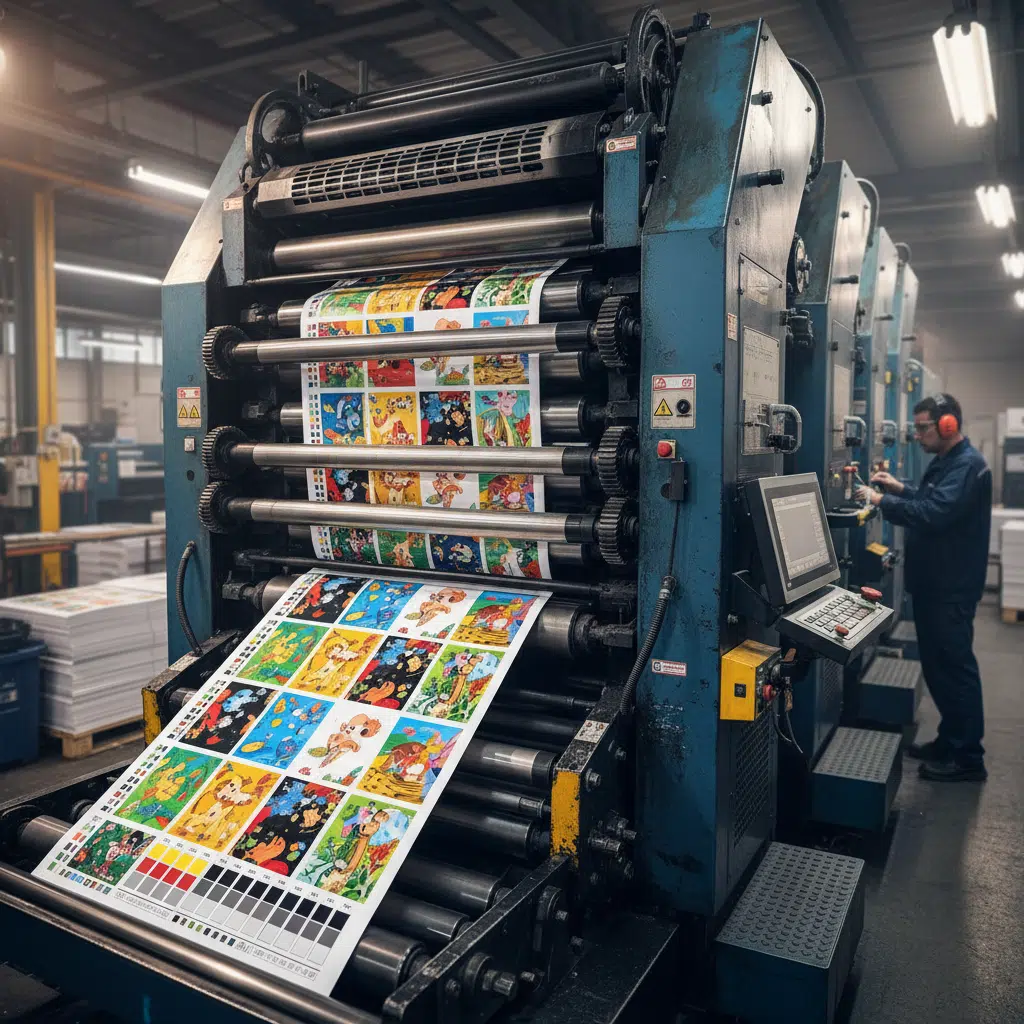
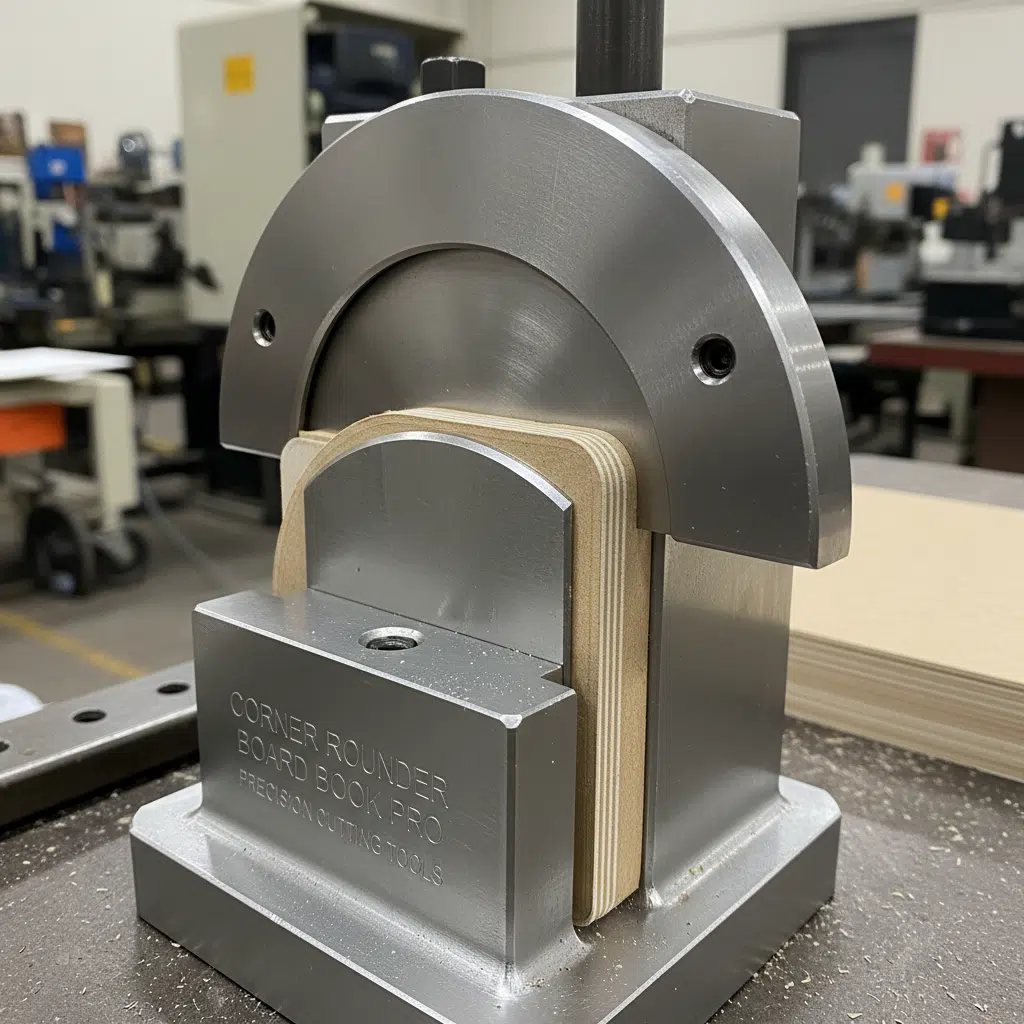
A board book does not use standard text paper. Instead, every page is a thick substrate, designed to withstand tearing, chewing, and rough handling by toddlers. Understanding the construction is the first step in specifying your print order correctly.
1. Paperboard Selection
The core material is paperboard, often referred to as C1S (Coated One Side) art board mounted together. The choice of board affects the book’s weight, thickness, and cost.
- Whiteboard vs. Greyboard: High-end board books typically use two sheets of C1S white art board pasted back-to-back. This ensures the edges of the pages look clean and white. Some budget-friendly options might use a greyboard core with white paper liners, but this is less common for premium retail books due to the visible grey edge.
- Thickness (GSM/Points): Standard board book pages range from 300gsm to 450gsm per single sheet. When two sheets are mounted together (one for the left page, one for the right), the final page thickness often exceeds 1mm. Common specifications include 24pt (approx. 0.6mm) to 40pt+ depending on the target age group.
2. The Mounting Process
Board books are not stitched or perfect bound. They utilize a mounting process. Spread 1 (left) and Spread 2 (right) are printed on separate sheets. These sheets are then glued back-to-back. This creates a continuous, seamless flow where the book lays perfectly flat (lay-flat binding), allowing images to span across the gutter without interruption.
Printing Techniques and Safety Standards
When manufacturing products for children ages 0–3, safety is not optional—it is a regulatory requirement. The printing process must align with strict international safety standards.
Ink and Surface Finishes
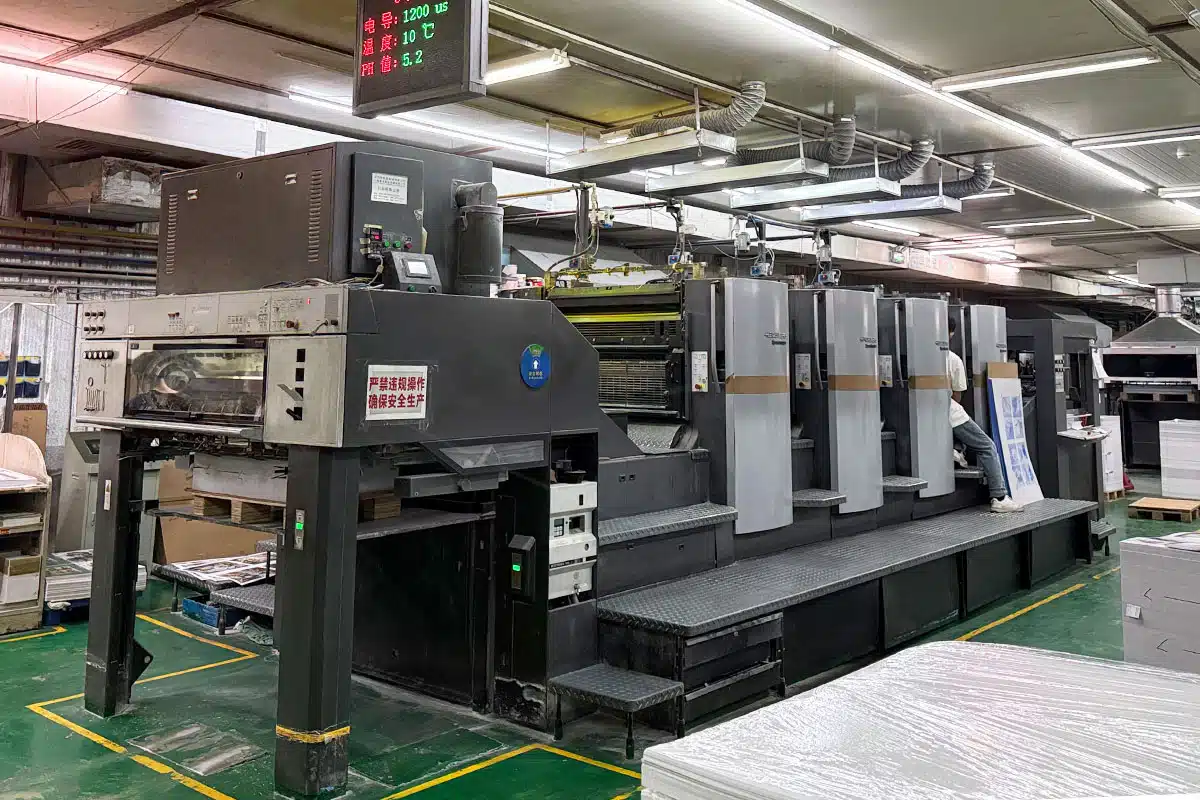
Industrial offset printing is the standard for board book production due to its superior color fidelity and cost-efficiency at volume. However, the chemistry used is critical.
- Soy-Based Inks: Reputable manufacturers use soy or vegetable-based inks rather than petroleum-based solvents. These are less toxic and more environmentally friendly.
- Lamination: Almost all board books require lamination (Gloss or Matte) or a heavy UV varnish. This seals the ink, preventing it from transferring to a child’s hands or mouth, and provides a wipe-clean surface for hygiene.
Compliance Testing
Before mass production, board books intended for export usually undergo testing for standards such as:
- EN71 (Europe): Covers mechanical properties (small parts) and chemical migration.
- ASTM F963 (USA): Standard consumer safety specification for toy safety.
- CPSIA (USA): Regulations regarding lead and phthalates.
Note: Always verify specific compliance requirements with your manufacturer and local authorities before finalizing production.
Customization: Die-Cutting and Special Features
To capture a child’s attention, board books often incorporate tactile and interactive elements. These features significantly impact the tooling costs and production timeline.
Die-Cutting and Shaping
The rigid nature of board books makes them ideal for die-cutting.
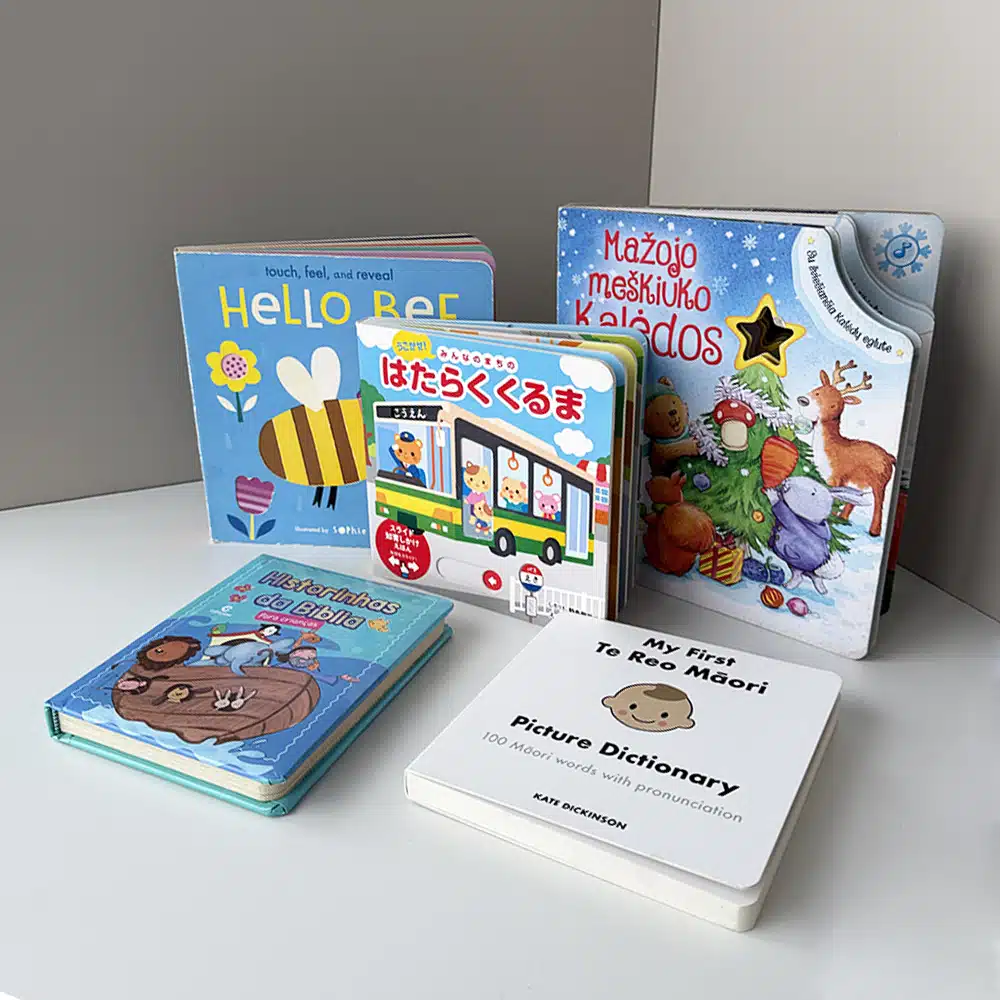
- Rounded Corners: This is a mandatory safety feature. Sharp square corners can injure a child. The radius is typically rounded to ensure safety.
- Shaped Books: The entire book can be die-cut into shapes (e.g., a truck, an animal). This requires a custom die-mold for every page spread.
- Windows and Cut-outs: “Peek-through” holes allow readers to see part of the next page, adding an element of discovery.
Flaps and Textures
Lift-the-flap books require an additional layer of paperboard glued onto the base page. Touch-and-feel elements (fur, foil, sandpaper textures) are applied manually or via specialized machinery. These additions increase labor intensity and lead times but add significant market value.
Pre-Press Checklist for Buyers
Preparing files for board book printing differs from standard books. Keep these technical specifications in mind to avoid production delays.
- Bleed Areas: Because board books are mounted and then trimmed, generous bleed (often 5mm or more) is required to account for slight shifts during the mounting process.
- Safety Margins: Keep vital text and logos at least 5-10mm away from the trim edge. The die-cutting process for thick board has a slightly higher tolerance variance than paper trimming.
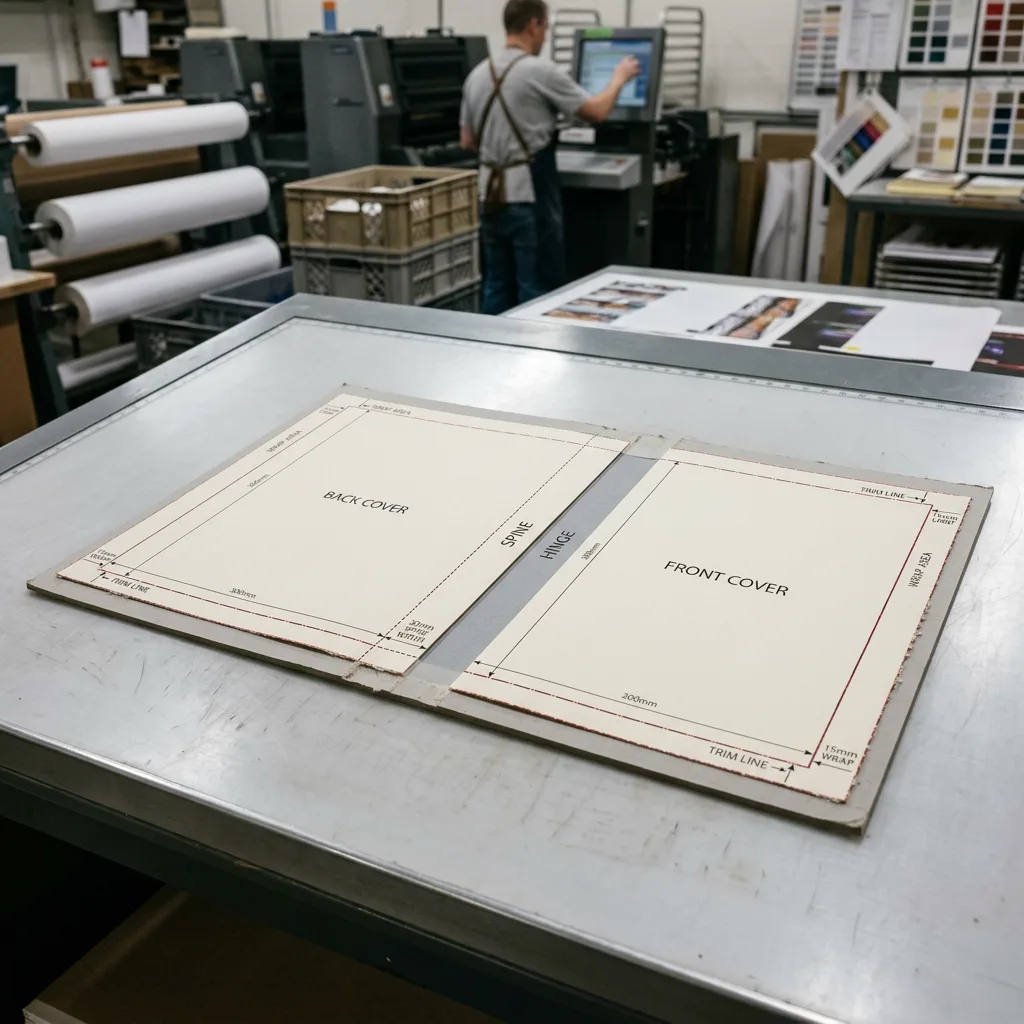
- Spine Width: Even though board books don’t have a traditional spine, the cover file needs to account for the thickness of the stack. Your printer should provide a specific template based on the chosen board caliper.
Buying Guide: MOQs and Timelines
For B2B buyers, balancing unit cost with inventory risk is key. Here is what to expect when sourcing custom board books.
Minimum Order Quantities (MOQ)
Due to the complex setup involving custom dies and mounting machinery, the MOQ for board books is typically higher than standard paperbacks. While digital printing can handle short runs for prototypes, cost-effective mass production usually starts at 1,000 to 3,000 units. Lower quantities often result in a high unit price that erodes retail margins.
Production Timelines
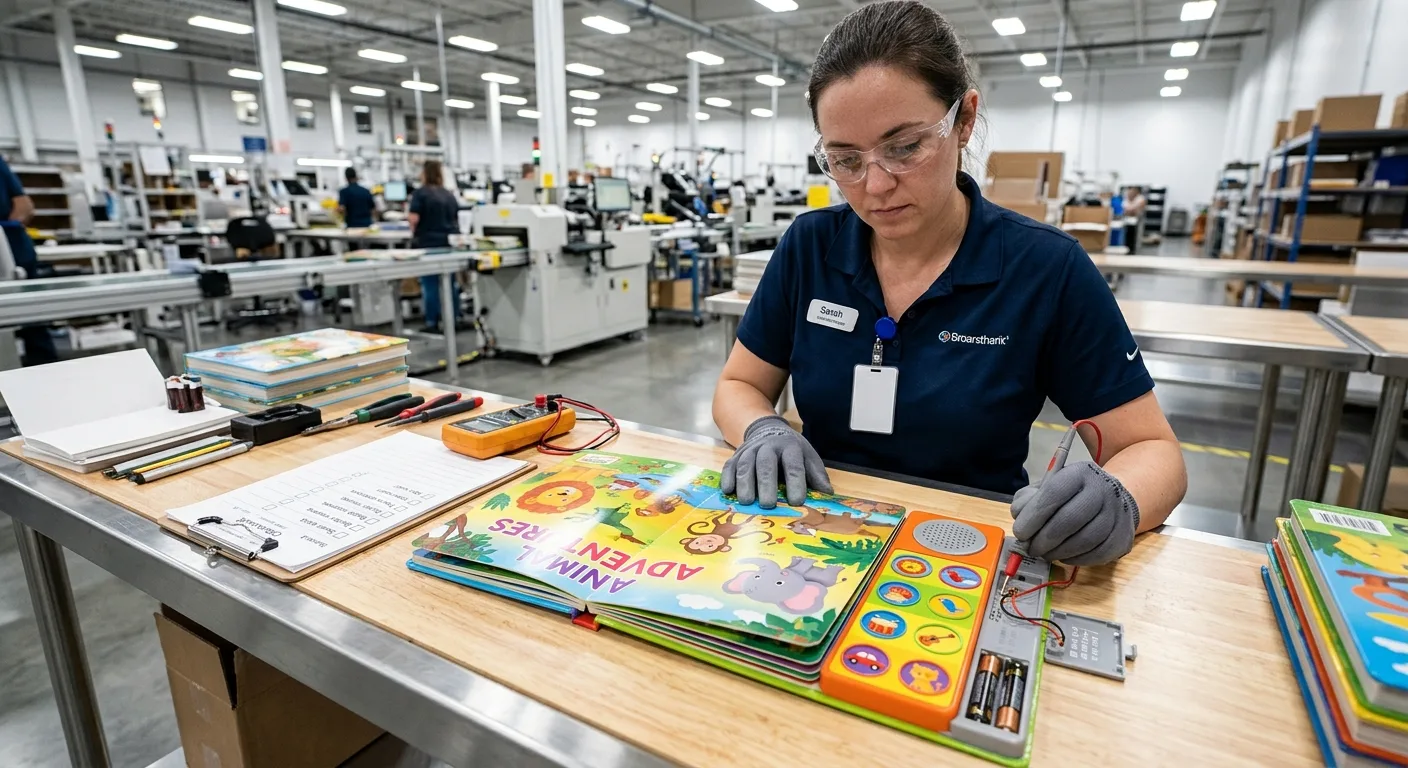
Board book manufacturing is a multi-step process involving printing, surface finishing, mounting, drying (to prevent warping), die-cutting, and manual assembly (for complex features).
Typical Timeline:
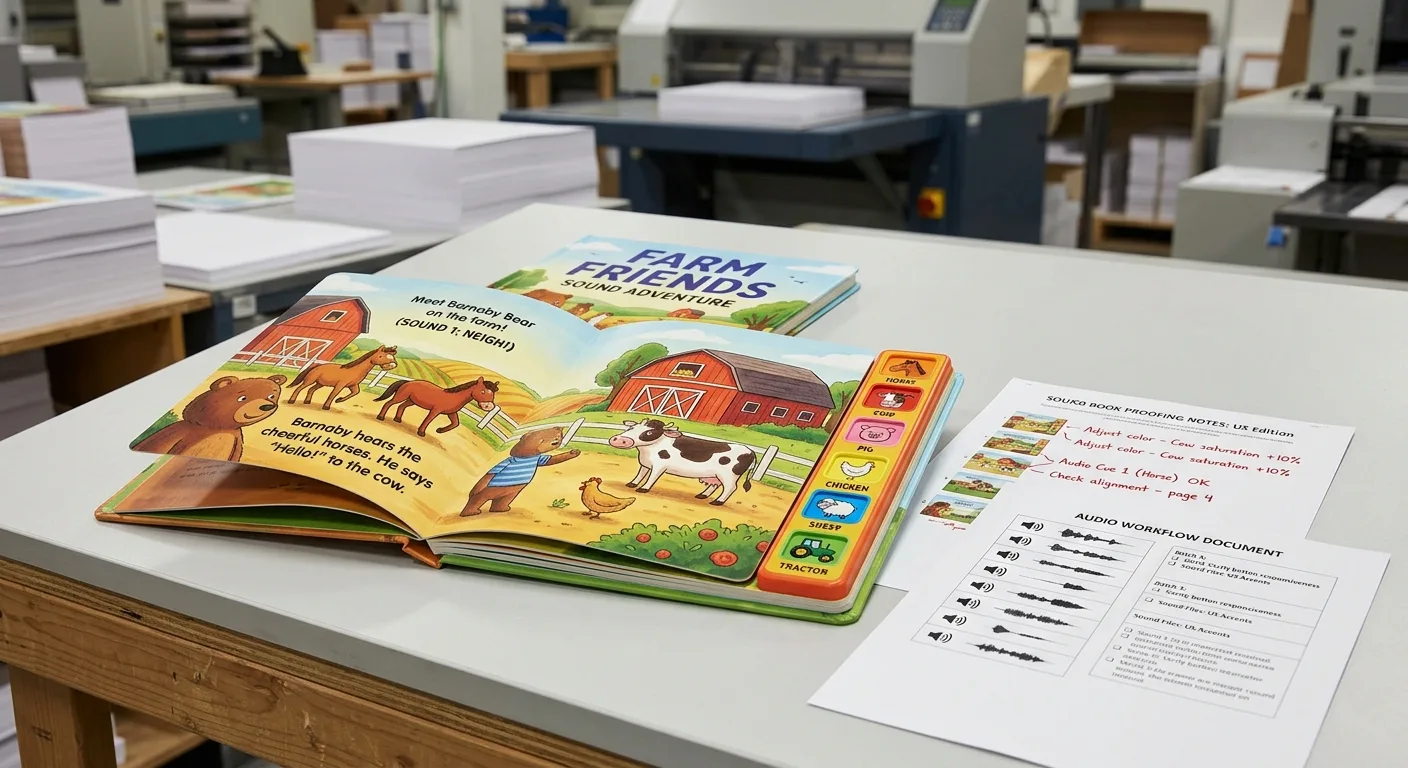
• Proofing: 1–2 weeks
• Mass Production: 3–5 weeks (depending on complexity)
• Shipping: Variable based on logistics (Sea vs. Air)
Frequently Asked Questions
Q: What is the difference between a self-cover and a hard-cover board book?
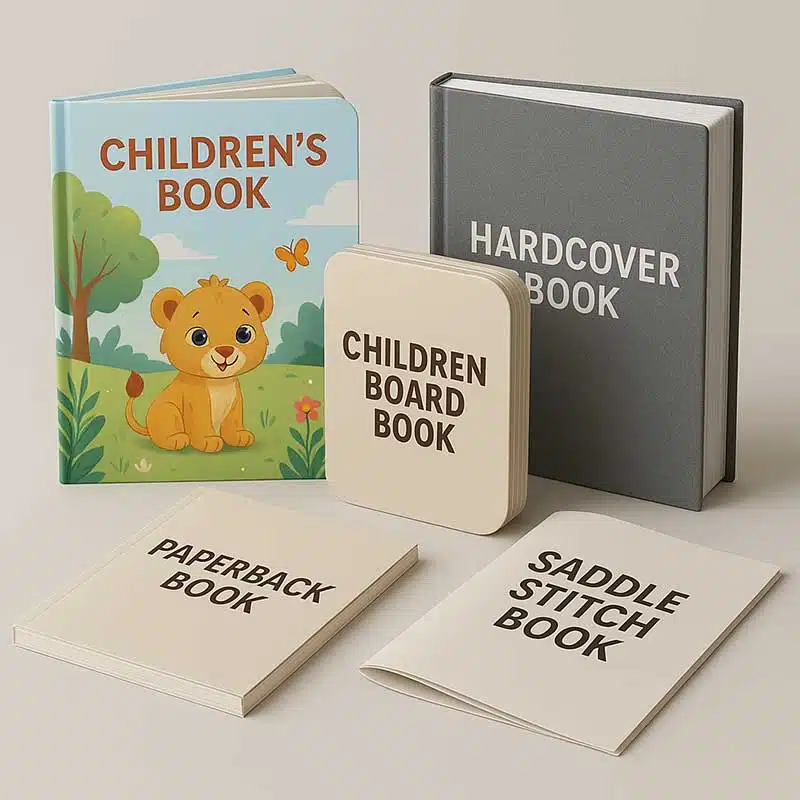
A self-cover board book means the cover is made of the same board material as the inside pages. A hard-cover board book (padded or unpadded) has a separate case-bound cover wrapped around the inner board block. Self-cover is more common and cost-effective.
Q: Can I print board books digitally?
Digital printing is possible for samples or very short runs, but it is expensive per unit and limited in substrate thickness. Offset printing remains the industry standard for durability and color quality.
Q: Why do my board books warp?
Warping can occur if the moisture content of the glue and the board is not balanced, or if the grain direction of the paper is incorrect. Experienced manufacturers control humidity and grain direction to minimize this risk.
Start Your Board Book Project
Producing a board book requires a partner who understands the balance between vibrant aesthetics and rigorous safety engineering. Whether you need a standard square format or a complex die-cut shape, selecting the right materials and finishes is crucial for success.
Ready to bring your children’s book to life? Request a quote / Get a sample today to discuss your specifications and receive a custom estimate.