
For international procurement managers and product developers, scaling production from a prototype to thousands of units is a critical transition. While local digital printing suffices for small runs, the economics shift drastically as volumes increase. Partnering with a specialized China printing factory remains one of the most strategic moves for businesses looking to secure high-quality bulk printing services while protecting profit margins.
This guide explores the technical and operational reasons why China continues to dominate the global printing supply chain, focusing on scalability, advanced infrastructure, and export logistics.
The Economics of Scale in Offset Printing
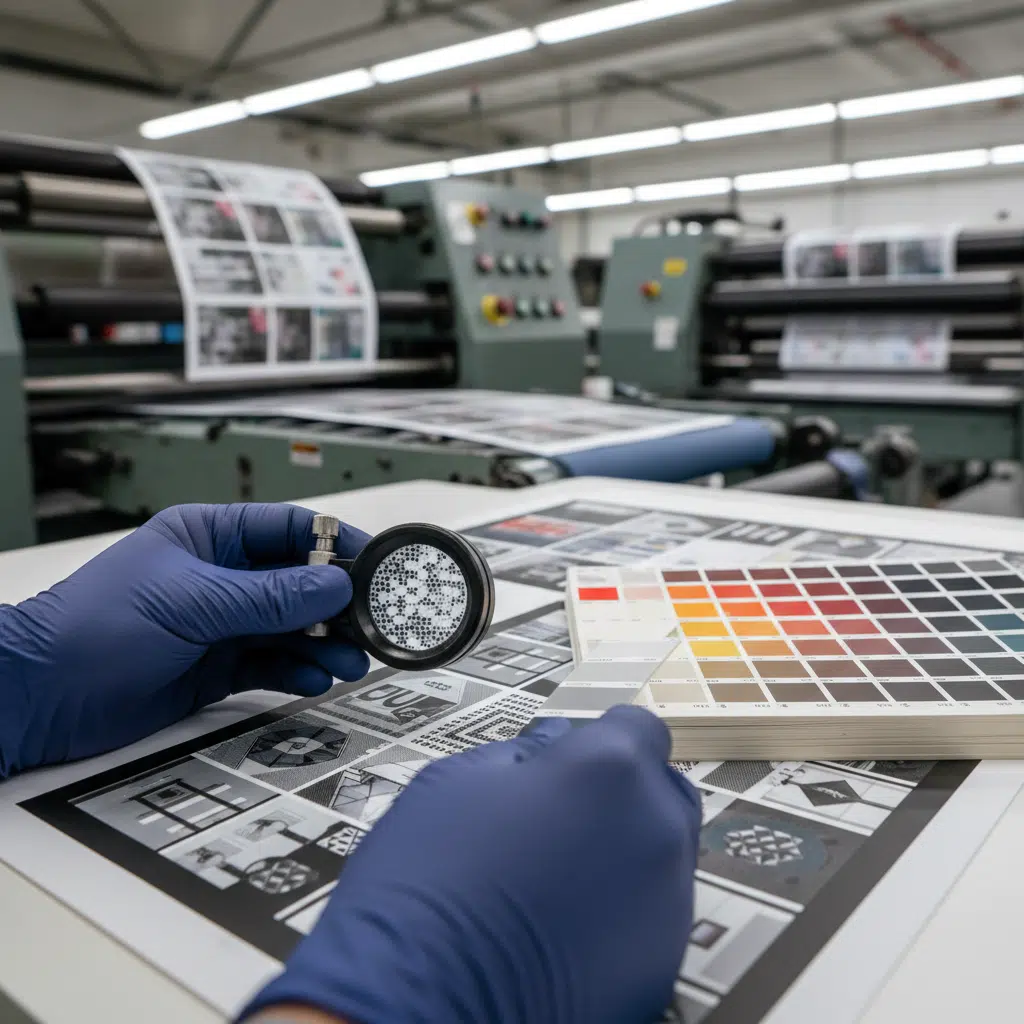
The primary driver for moving production to China is the cost structure of high-volume manufacturing. Unlike digital printing, which has a flat cost per unit, offset printing requires significant setup costs (plate making, machine calibration) but offers diminishing costs per unit as volume increases.
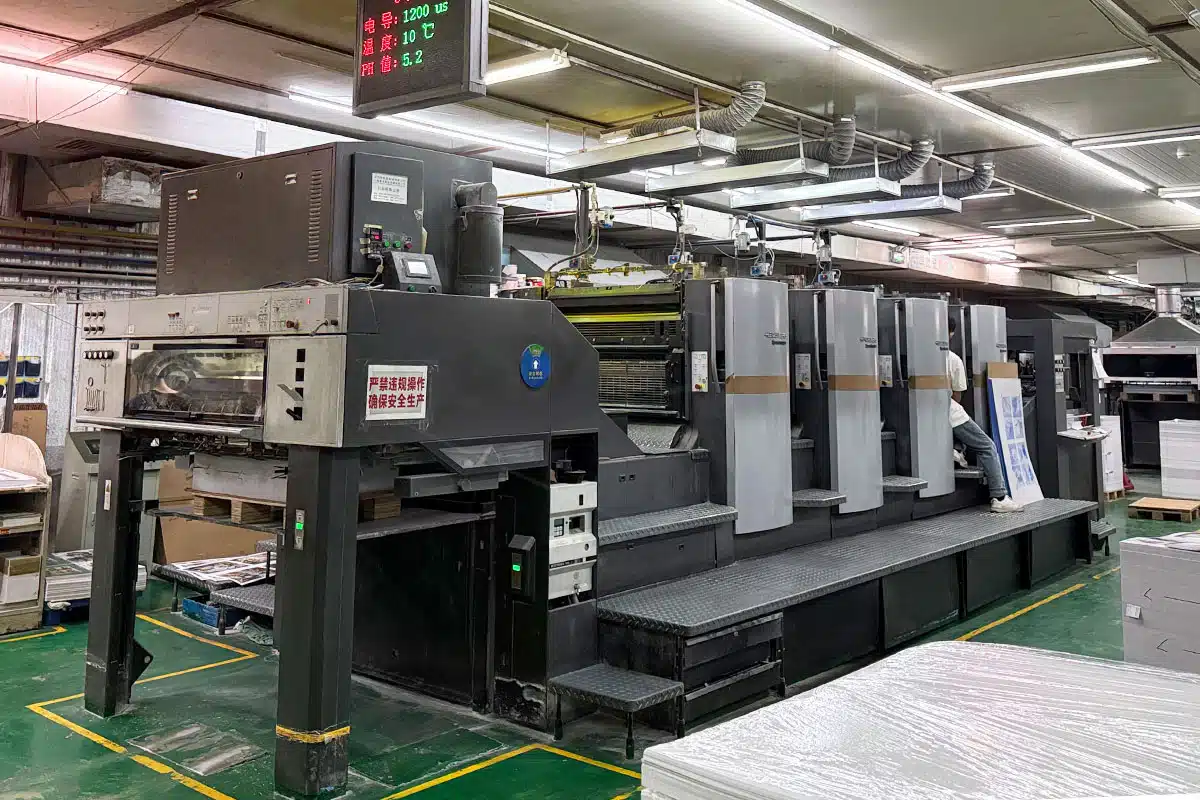
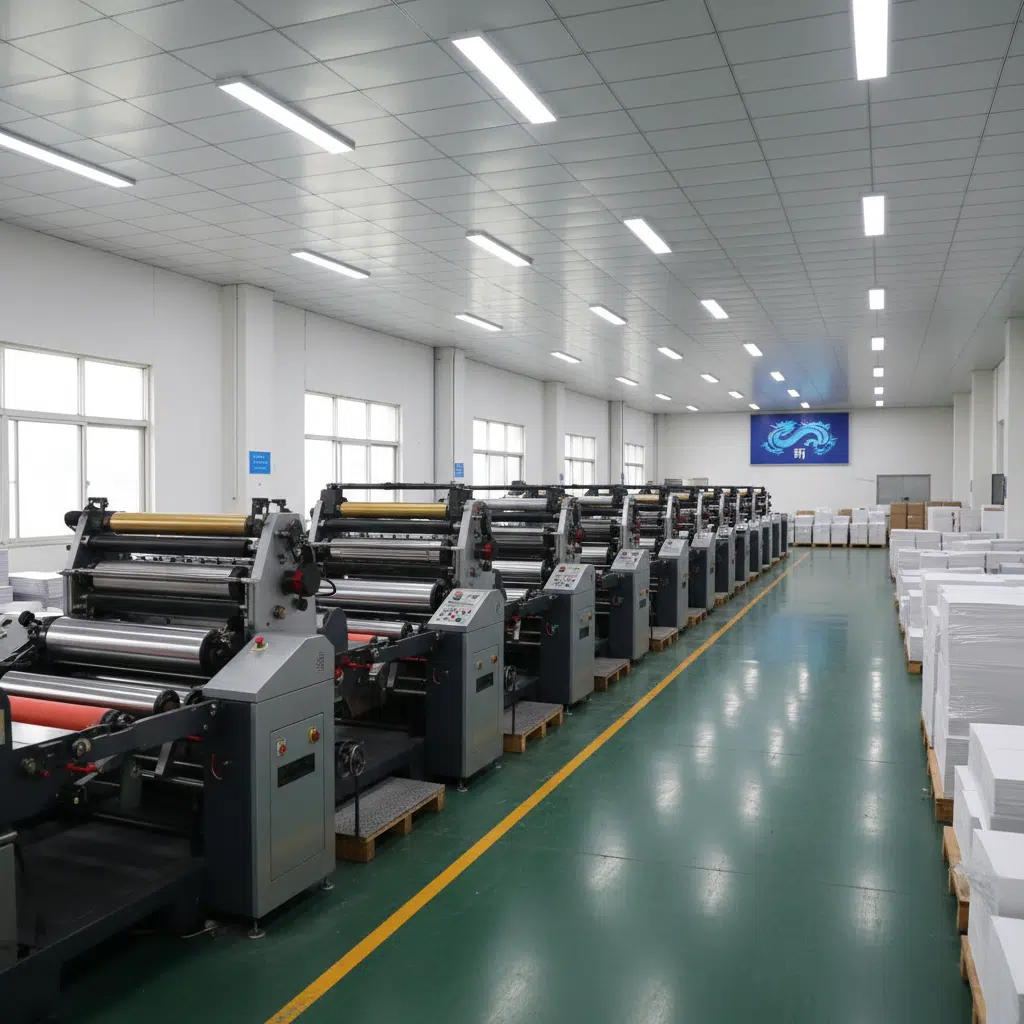
China’s printing industry is optimized for this “economies of scale” model. Factories here are equipped with industrial-grade offset presses (such as Heidelberg or Komori machines) that run 24/7. When ordering 5,000, 10,000, or 50,000 units of books, packaging, or card games, the unit cost drops significantly compared to domestic production in Western markets. This is not merely due to labor costs, but rather the efficiency of the entire industrial ecosystem.
Advanced Infrastructure and OEM Capabilities
A common misconception is that outsourcing is purely a cost-cutting measure that sacrifices quality. In reality, top-tier Chinese manufacturers often possess equipment that surpasses what is available in smaller local print shops.
State-of-the-Art Equipment
Leading factories invest heavily in automation to ensure consistency across large batches. You will typically find:
- High-Speed Offset Presses: Capable of printing thousands of sheets per hour with precise color registration.
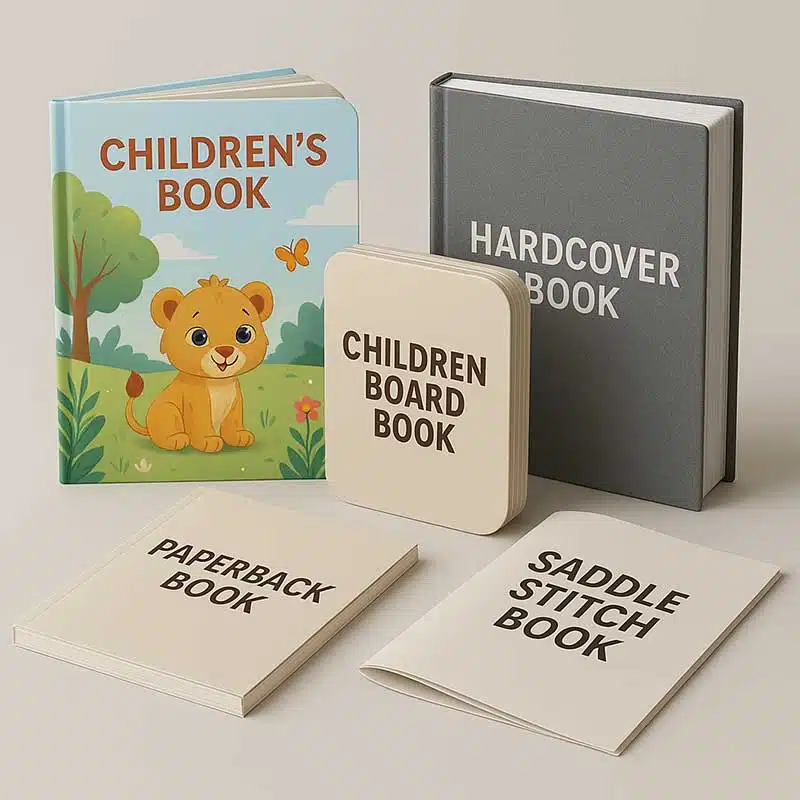
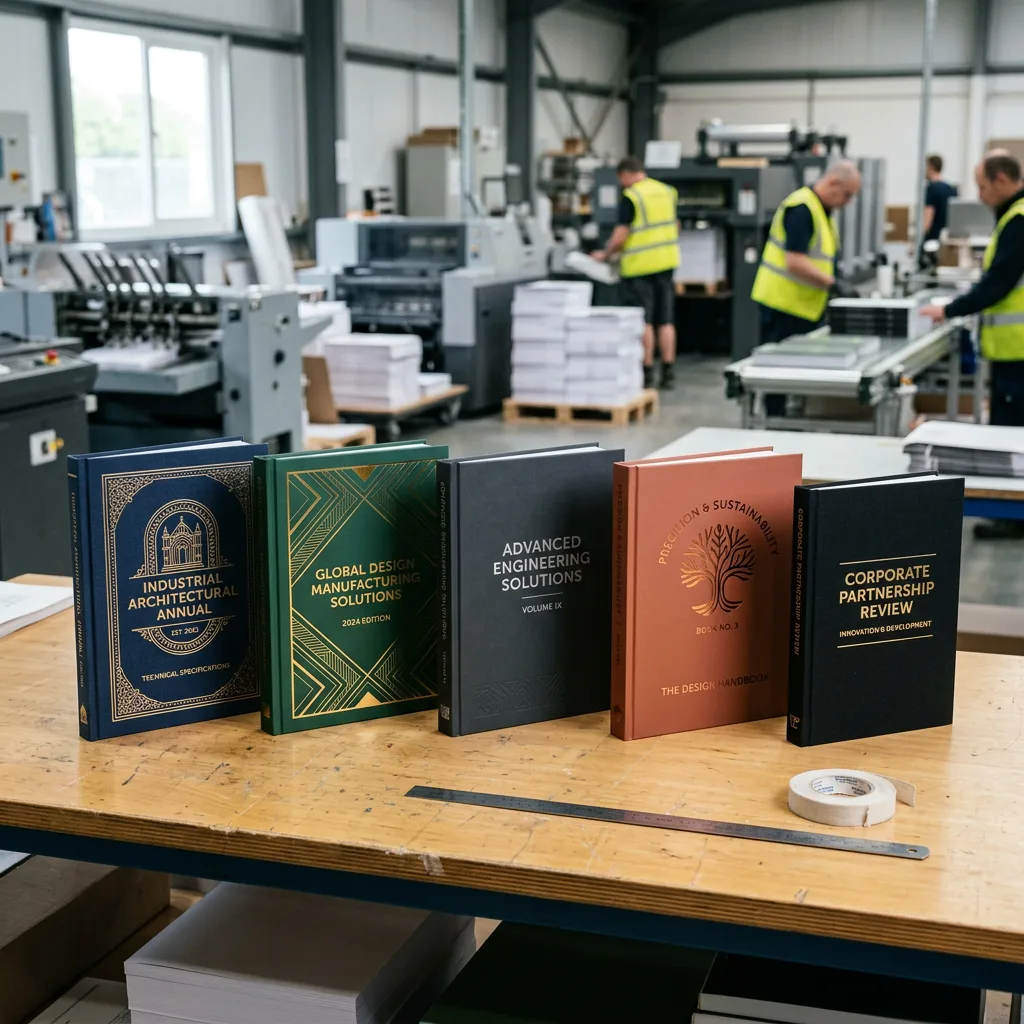
- Automated Binding Lines: For perfect bound, saddle-stitched, or hardcover books.
- In-House Finishing: Lamination, die-cutting, foil stamping, and UV coating machines integrated into the production line to reduce handling time.
Extensive Material Options
Because China is a global hub for paper and board manufacturing, factories have immediate access to a vast array of raw materials. Whether you need C1S/C2S art paper, kraft board, greyboard for rigid boxes, or eco-friendly soy-based inks, a dedicated OEM printing partner can source these materials quickly and cost-effectively.
Integrated Supply Chain and Logistics
One of the strongest arguments for choosing a China printing factory is the maturity of the supply chain. A printing project is rarely just ink on paper; it often involves magnets, ribbons, plastic inserts, or vacuum-formed trays (especially for board games and luxury packaging).
In manufacturing hubs, these components are sourced from nearby suppliers, reducing transit times and logistical friction. A professional factory acts as a project manager, consolidating these elements into a final, retail-ready product.
Export-Ready Packaging
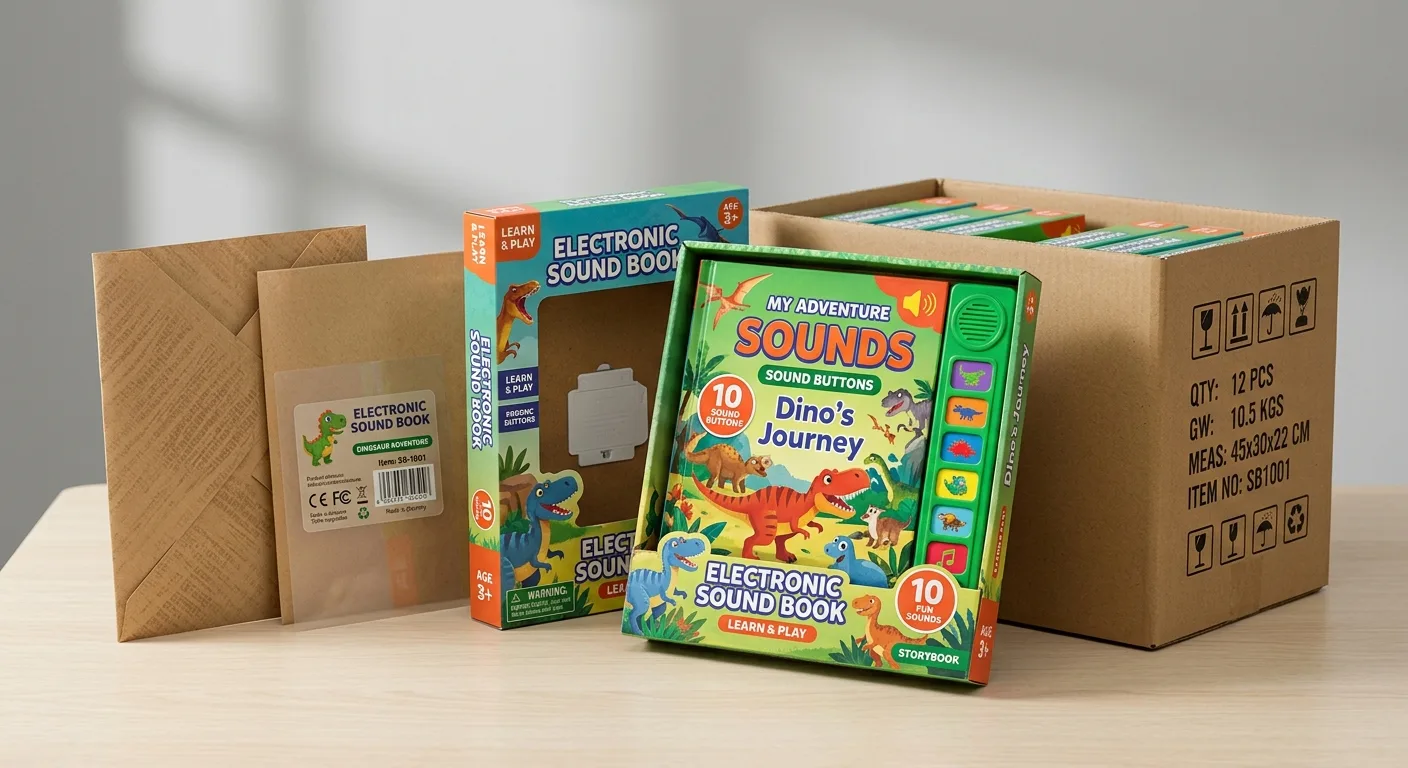
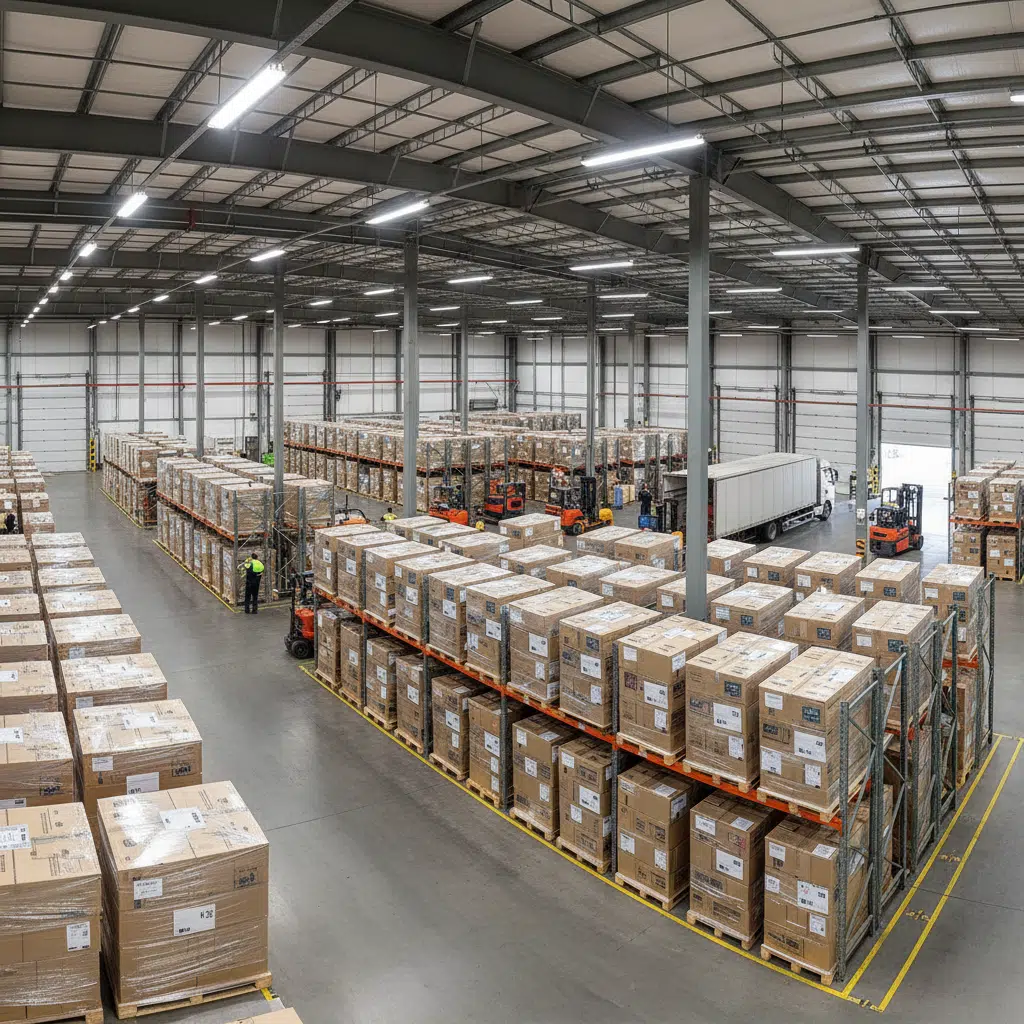
Experienced factories understand the rigors of international shipping. Bulk orders are not just thrown into boxes; they are palletized, shrink-wrapped, and packed in double-wall corrugated cartons to withstand weeks of ocean freight. This attention to export logistics minimizes the risk of damage during transit—a crucial factor for B2B buyers importing thousands of units.
Quality Assurance and Color Management
Maintaining brand consistency across a bulk order is a technical challenge. Professional Chinese printers utilize standardized color management systems (such as G7 or ISO 12647) to ensure that the final output matches the approved proofs.
Standard QA Processes Include:
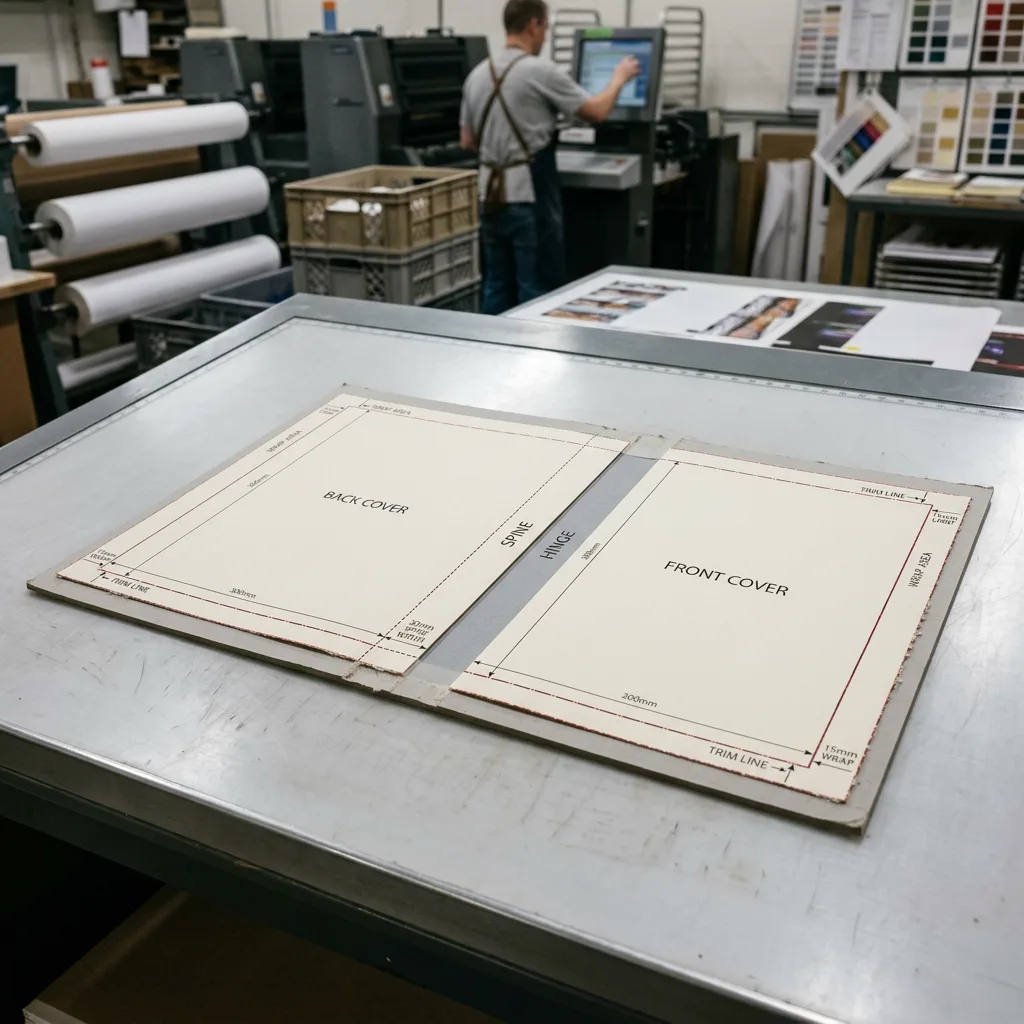
- Pre-flight Checking: Engineers review artwork files for bleed, resolution, and color mode (CMYK) issues before plates are made.
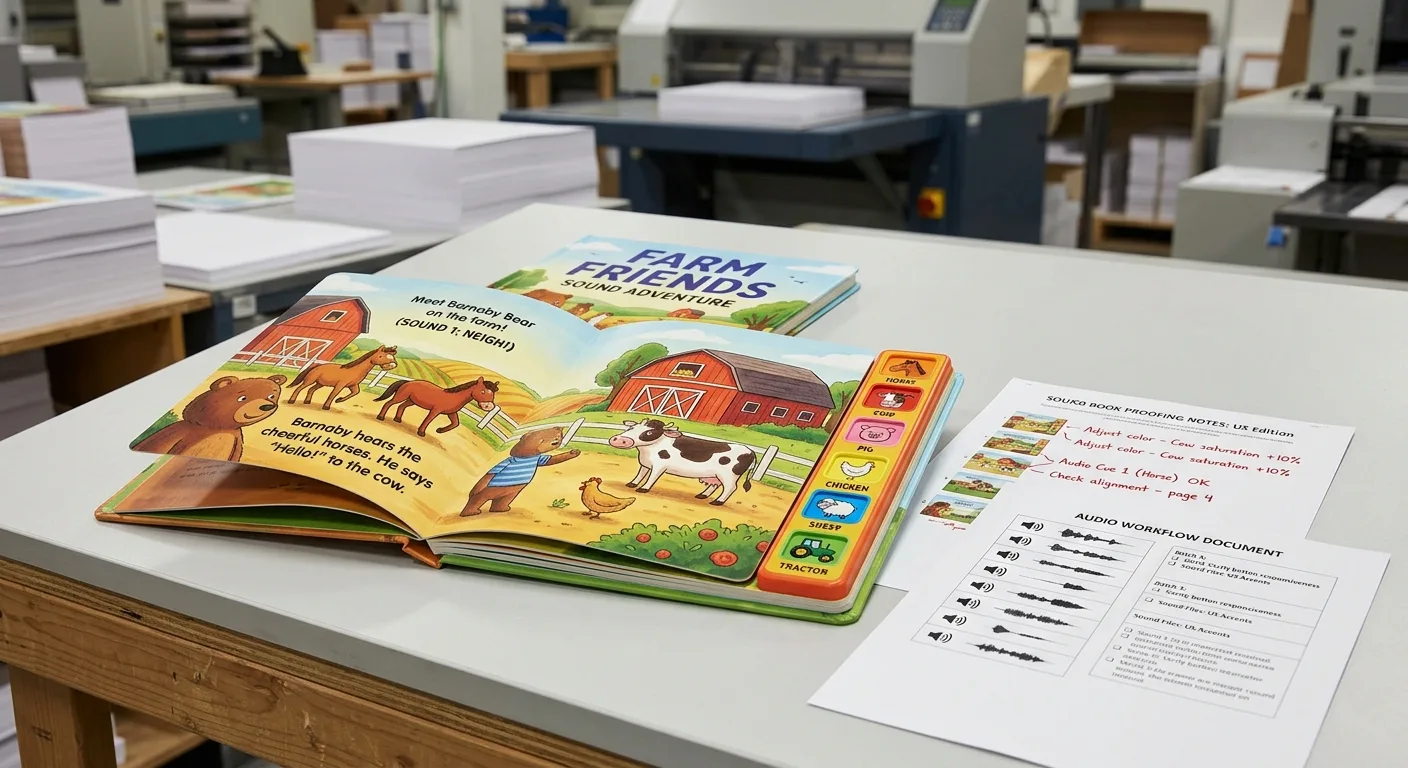
- Digital Proofing: Sending hard proofs or wet proofs to the client for physical approval.
- On-Press Checks: Operators adjust ink density during the run to maintain consistency.
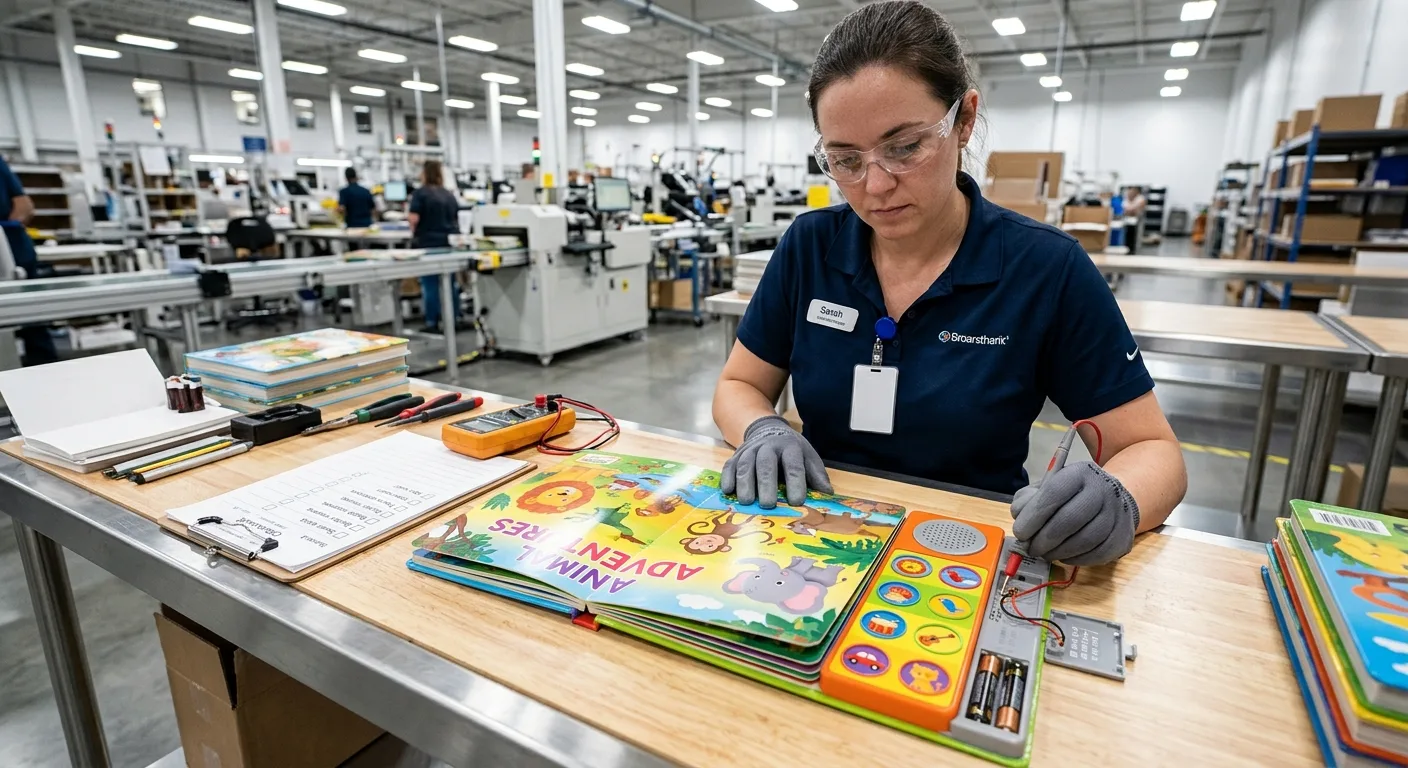
- Random Sampling: QA teams inspect finished goods for binding strength, trim accuracy, and finishing defects.
Checklist: Vetting a Manufacturing Partner
Not all factories are created equal. When selecting a partner for OEM printing, consider the following criteria to ensure reliability.
| Factor | What to Look For |
|---|---|
| Experience | Years in business and experience exporting to your specific region (US, EU, etc.). |
| Communication | Responsive sales teams who understand technical English and printing terminology. |
| Samples | Willingness to send a sample kit of previous work or a custom prototype. |
| MOQ Flexibility | Clear policies on Minimum Order Quantities (typically 500–1000 units for offset). |
Frequently Asked Questions
What is the typical lead time for bulk printing orders in China?
Lead times vary by complexity and volume. generally, production takes 2–4 weeks after proof approval. Ocean freight can add another 4–6 weeks depending on the destination. Buyers should plan their schedules to account for this 8–10 week total cycle.
Why is offset printing better than digital for bulk orders?
Offset printing offers superior color fidelity and allows for printing on a wider range of stocks. While the setup cost is higher, the unit cost drops drastically at higher volumes, making it the standard for commercial bulk printing.
How do I ensure the colors will match my design?
Always request a hard proof (physical sample) before mass production begins. Ensure your files are in CMYK mode and specify Pantone (PMS) codes for critical brand colors to guide the factory’s color matching process.
Can the factory handle custom packaging for my products?
Yes, most comprehensive printing factories also specialize in paper packaging. They can produce custom rigid boxes, folding cartons, and display boxes that match the quality of the printed product inside.
Ready to Scale Your Production?
Choosing the right manufacturing partner is the first step toward successful mass production. If you are looking for a reliable China printing factory with experience in high-volume export orders, we are here to help.
Contact us today to request a quote or get a sample kit to verify our quality firsthand.