
揭秘海外图书制作的物流
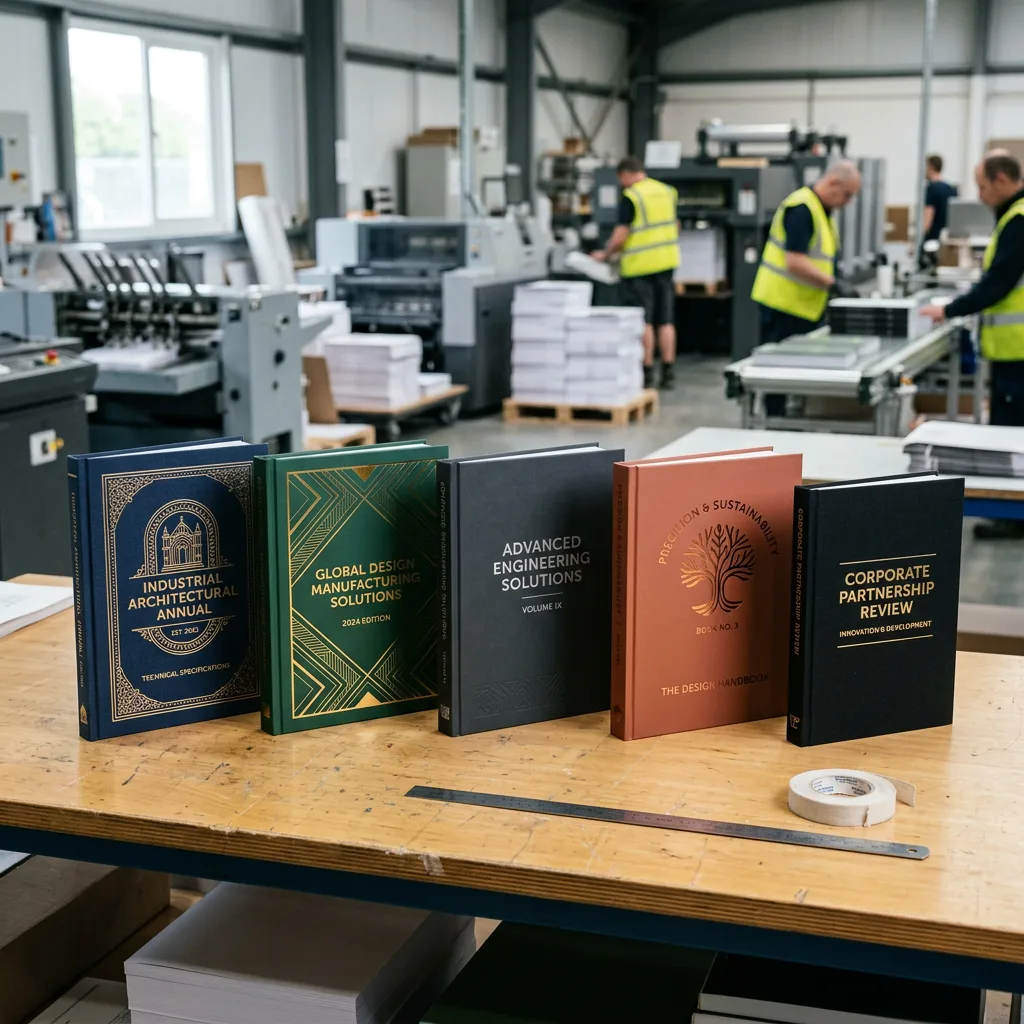
For international publishers and businesses, printing books in China offers a significant competitive advantage: high-quality offset printing at a fraction of domestic costs. However, the physical distance introduces a complex layer of logistics. Unlike ordering digital goods, moving tons of printed paper across oceans requires careful planning regarding freight modes, Incoterms, and customs clearance.
Understanding the supply chain is as critical as approving the final proof. A delay in customs or improper packaging can disrupt launch dates and inflate costs. This guide breaks down the essential logistics of importing bulk books from China, helping you make informed decisions for your next print run.
Sea Freight vs. Air Freight: Making the Right Choice
The first decision in the logistics process is the mode of transport. Because books are dense and heavy, the cost difference between air and sea freight is often drastic.
Sea Freight (LCL & FCL)
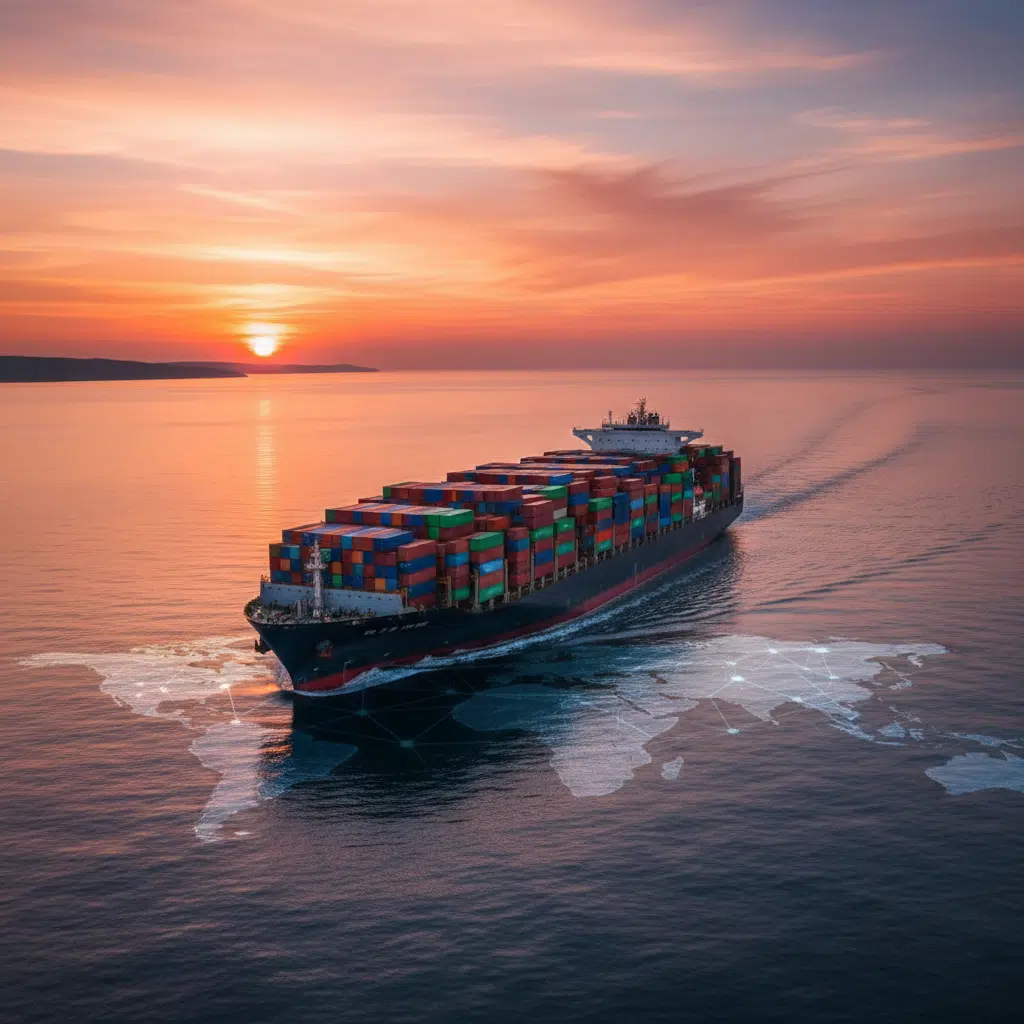
Sea freight is the standard for 95% of bulk book orders. It is the most cost-effective method but requires a longer lead time (typically 30–45 days depending on the destination).
- FCL (Full Container Load): Best for large orders (e.g., over 15–20 pallets). You rent the entire container (20ft or 40ft), ensuring your goods aren’t handled until they reach your warehouse. This minimizes damage risk.
- LCL (Less than Container Load): Ideal for smaller bulk orders that don’t fill a container. Your pallets share space with other cargo. While economical, LCL shipments involve more handling at consolidation points, requiring robust packaging.
Air Freight
Air freight is significantly faster (3–7 days) but exponentially more expensive due to the high weight of paper. It is generally reserved for:
- Advance copies: Sending 50–100 books ahead for a launch event while the rest travel by sea.
- Urgent replenishments: When stock runs out unexpectedly and waiting for a ship would mean lost sales.
Understanding Incoterms: Who is Responsible for What?
International Commercial Terms (Incoterms) define the responsibilities of the buyer and the seller. Choosing the right Incoterm affects your costs and your liability.
EXW (Ex Works)
The printer makes the goods available at their factory. You (the buyer) are responsible for everything from that point: picking up the goods, export clearance in China, insurance, and shipping. This offers the lowest unit price but the highest logistical burden for you.
FOB (Free on Board)
This is the industry standard for B2B importing. The printer handles trucking to the Chinese port and clears the goods for export. Once the goods are loaded onto the vessel, the risk and cost transfer to you. You choose your own freight forwarder, giving you control over shipping rates and schedules.
CIF (Cost, Insurance, and Freight)
The printer arranges shipping to your destination port and provides basic insurance. However, you are responsible for unloading charges and customs clearance upon arrival. While convenient, CIF can sometimes hide inflated freight costs or lead to surprise “destination handling fees.”
DDP (Delivered Duty Paid)
The “door-to-door” option. The printer handles everything—shipping, customs, duties (if applicable), and final delivery to your warehouse. This is the easiest method for first-time buyers but is typically more expensive than managing freight yourself via FOB.
Packaging Standards for Printed Matter
Books are fragile cargo. They are heavy, susceptible to moisture, and easily dented. Proper export packaging is non-negotiable.
Essential packaging requirements include:
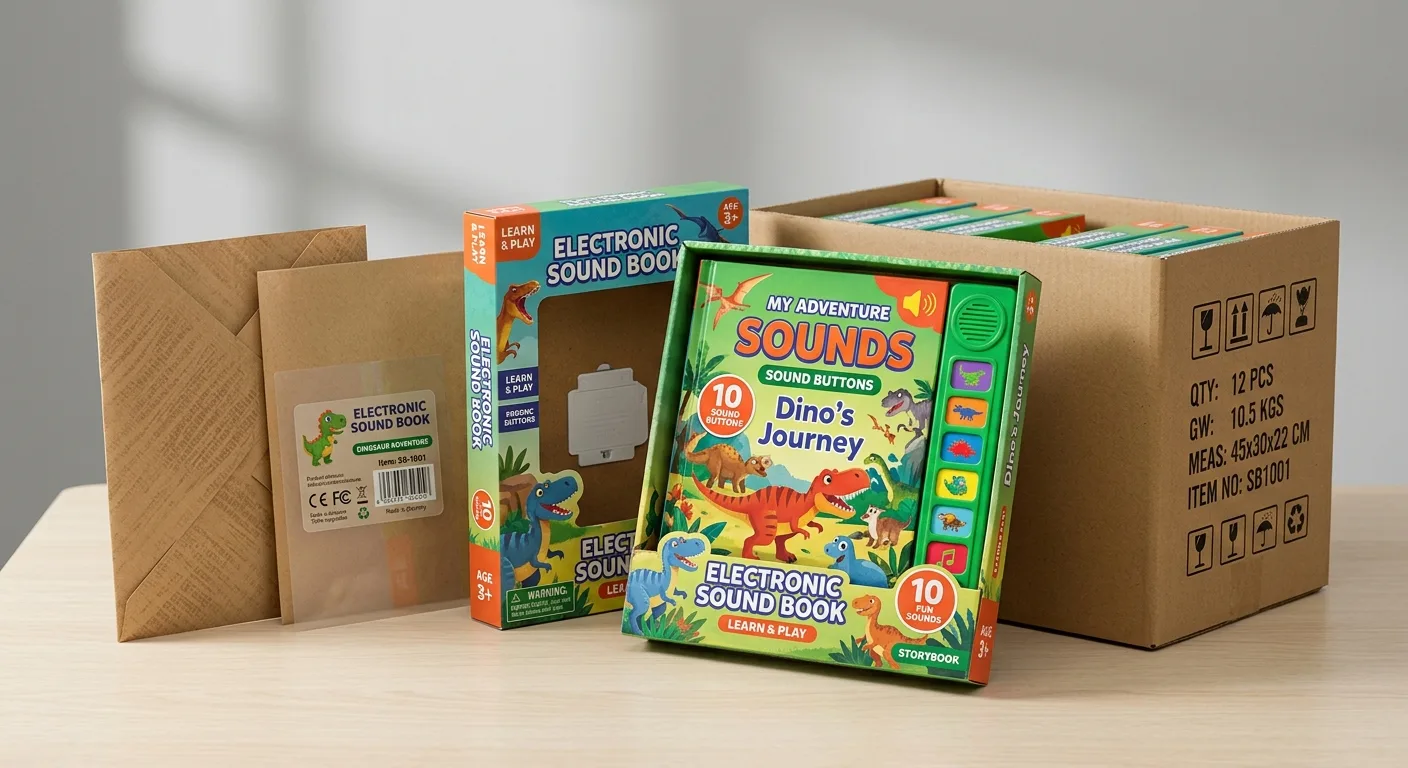
- Moisture Protection: Sea containers experience significant temperature fluctuations, leading to “container rain” (condensation). Books should be wrapped in poly bags or shrink-wrapped before being boxed.
- Double-Wall Corrugated Cartons: Boxes must be sturdy enough to withstand stacking pressure. They should not exceed a manageable weight (typically 15–20kg) to prevent bursting.
- Palletization: Cartons should be stacked on fumigated pallets (compliant with ISPM 15 standards) and wrapped in multiple layers of stretch film with corner guards to prevent crushing during transit.
Customs Clearance and Duties
Clearing customs requires accurate documentation. While a freight forwarder or customs broker usually handles the filing, you must ensure the paperwork provided by the printer is correct.
Key Documents
- Commercial Invoice: Details the value of the goods.
- Packing List: Specifies the contents, weight, and dimensions of each carton/pallet.
- Bill of Lading (B/L): The official receipt of shipment and title to the goods.
HS Codes and Tariffs
Books generally fall under specific Harmonized System (HS) codes (e.g., 4901 for printed books). In many countries, including the USA and various nations in Europe, printed books are duty-free to encourage literacy and education. However, this can vary based on binding type or content (e.g., diaries or calendars often attract duties). Always verify the HS code with a customs broker to avoid surprise taxes.
Planning Your Timeline
Successful importing relies on realistic scheduling. A typical timeline might look like this:
- Production: 2–4 weeks (depending on complexity and quantity).
- Booking & Export Transport: 1 week.
- Sea Transit: 3–6 weeks (depending on route, e.g., China to US West Coast vs. East Coast or Europe).
- Customs & Final Delivery: 1–2 weeks.
Pro Tip: Always build a buffer of at least 2 weeks into your schedule to account for potential port congestion or customs exams.
常见问题解答:常见物流问题
我可以直接从中国发货到亚马逊FBA吗?
是的,但亚马逊对托盘和标签有严格的要求。您的打印机必须将亚马逊物流 (FBA) 标签贴到每个纸箱上,并且货物必须以完税后交货 (DDP) 的方式运输,这样亚马逊就无需处理海关事宜。
我需要保险吗?
当然。货物在海上运输过程中可能会丢失或损坏。与整批印刷品的价值相比,货物保险相对便宜,而且能让人安心。
如果书籍到货时已损坏怎么办?
如果您购买了保险,可以提出索赔。但是,预防胜于治疗。请确保您的生产协议中明确规定了包装标准(例如,“托盘包装并加装护角”)。货物到货后立即检查,并用照片记录任何损坏情况。
最后想说的话
从中国进口图书涉及多个环节,但每月仍有数千家出版社成功完成这项业务,以获得优质的装订和经济高效的生产。了解FOB和DDP之间的区别,选择合适的运输方式,并确保包装牢固,就能确保供应链顺畅。
在 YBJ 印刷公司,我们不只是印刷;我们协助客户处理这些物流事宜,以确保您的书籍完好无损地送达,随时可以上架。
准备好开始你的项目了吗?