
Introduction
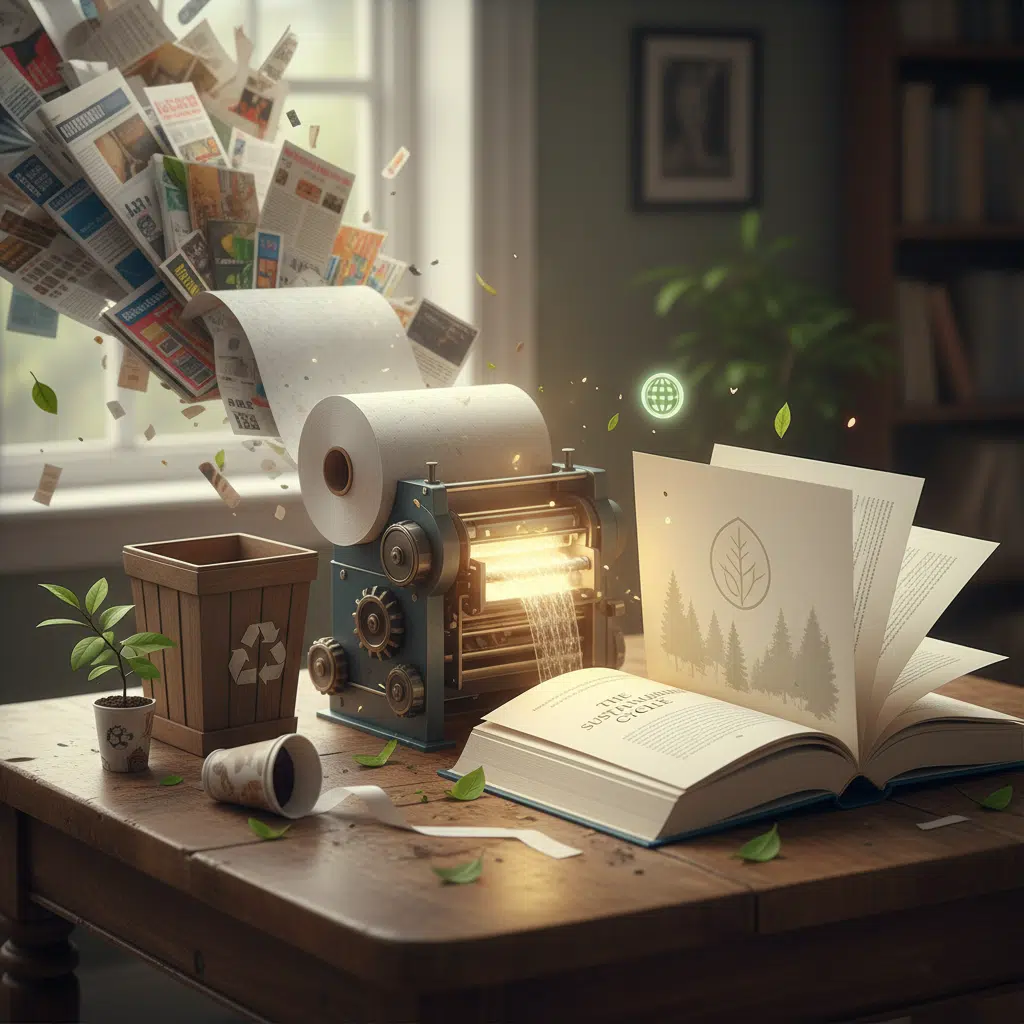
The demand for eco-friendly products has grown significantly in recent years, especially in the publishing industry. As environmental concerns become more pressing, book publishers are turning towards sustainable paper options for their printing needs. This guide explores the benefits of eco-friendly paper, the various options available, and the considerations publishers need to keep in mind when choosing eco-friendly materials for book printing.
Key Concepts and Definitions
Eco-friendly paper refers to paper products that are produced using sustainable practices, such as recycling, minimal environmental impact in production, and sourcing materials from responsibly managed forests. Common certifications for eco-friendly paper include FSC (Forest Stewardship Council) and recycled content labels. Sustainable book printing involves using these materials to create books with a reduced ecological footprint.
Why Eco-Friendly Paper Matters
Using eco-friendly paper not only helps reduce environmental impact but also promotes social responsibility. It aligns with the increasing consumer demand for businesses that prioritize sustainability. For publishers, making the switch to eco-friendly materials can improve brand image and appeal to a growing eco-conscious audience.
Options and Comparisons
Several types of eco-friendly papers are available for book printing. Below are some of the most common options:
Recycled Paper
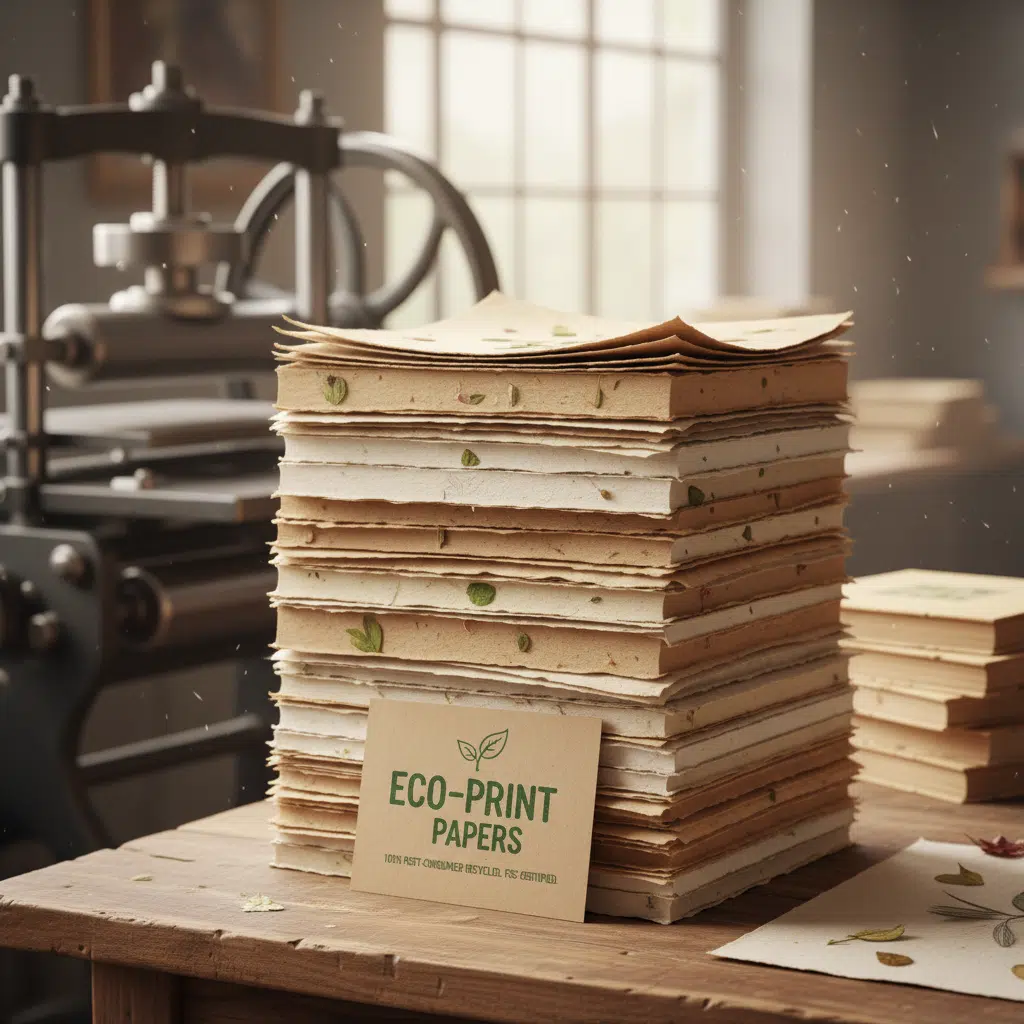
Recycled paper is made from previously used paper products, which reduces the need for virgin wood pulp. It comes in various qualities, depending on the percentage of recycled content. While it can sometimes have a slightly rougher texture, modern production techniques ensure that recycled paper can have the same print quality as virgin paper.
FSC-Certified Paper
The Forest Stewardship Council (FSC) certification ensures that the paper comes from responsibly managed forests. This is an excellent choice for publishers who want to support sustainable forestry practices. FSC-certified paper is available in both recycled and virgin fiber options.
Alternative Fiber Papers
Some eco-friendly papers are made from non-wood fibers such as hemp, bamboo, or agricultural waste. These materials require less water and energy to produce, making them a more sustainable choice. However, they are often more expensive and less readily available than traditional paper types.
Environmental Impact
Using eco-friendly paper significantly reduces the environmental impact of book printing. The production of recycled paper consumes less energy, water, and chemicals compared to virgin paper. Additionally, eco-friendly paper options help reduce deforestation and the carbon footprint associated with paper production.
Cost and Quality Considerations
While eco-friendly paper options may have a slightly higher initial cost, they often provide long-term benefits through sustainability and potential tax incentives. The quality of eco-friendly papers has improved considerably in recent years, with many options offering a smooth finish suitable for high-quality book printing. Publishers should evaluate the trade-offs between cost and environmental benefits to find the best option for their needs.
Manufacturing and Quality Control
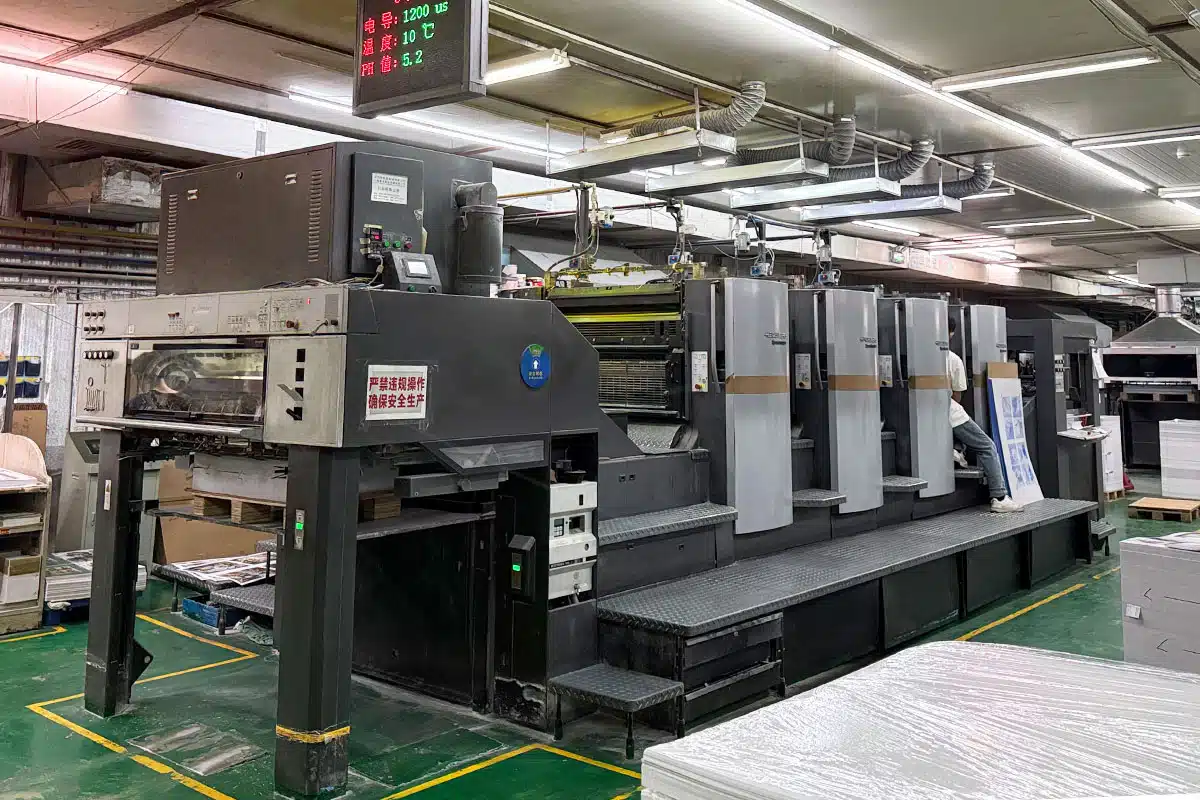
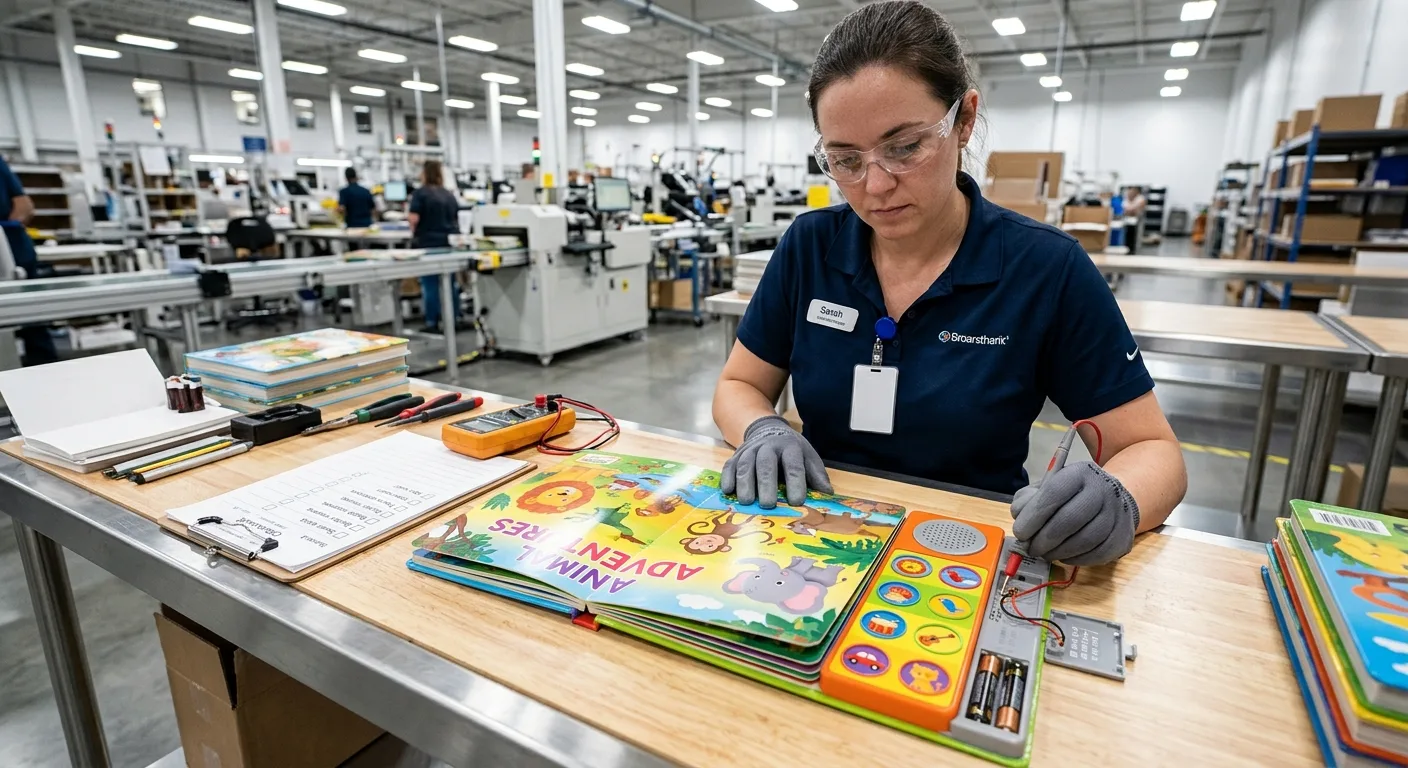
When selecting eco-friendly paper for book printing, it is essential to consider the manufacturing process. The use of certified paper ensures that it meets certain environmental standards. Publishers should also confirm that the paper has been tested for durability, print quality, and compatibility with various printing methods such as offset, digital, or letterpress printing.
Buying Guide
When purchasing eco-friendly paper for book printing, consider the following factors:
- MOQ (Minimum Order Quantity): Different paper mills may have varying MOQs, so it’s crucial to determine whether the volume of your book printing project meets these requirements.
- Customization: Many eco-friendly papers offer customization options such as weight, texture, and finish. Make sure to discuss your specific needs with your paper supplier.
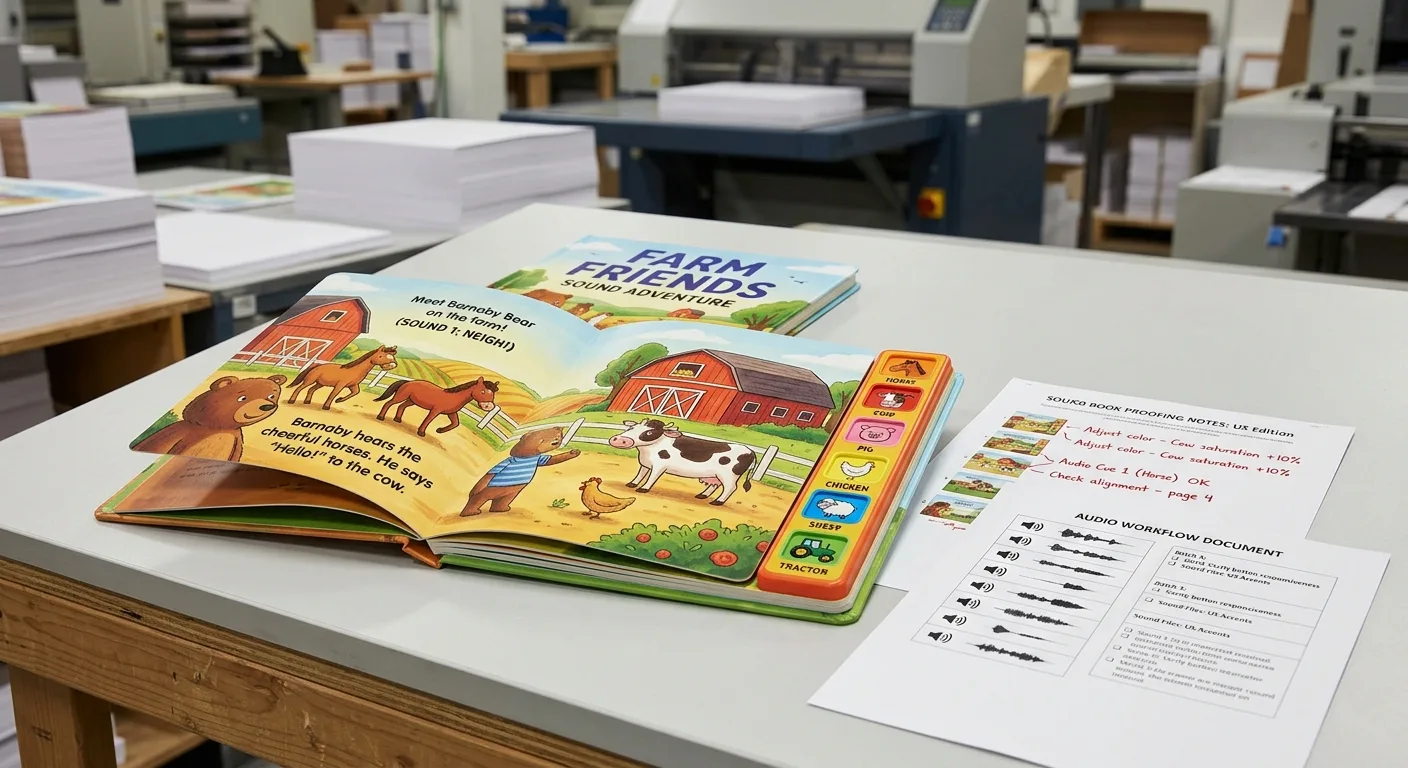
- Artwork and Files: Ensure that your artwork is compatible with the chosen paper type. Some eco-friendly papers may require adjustments in color or design to achieve optimal print results.
- Sampling: Always request a sample before committing to a large order. This will help you assess the quality and printability of the paper.
- Timelines: Be aware of the lead time required for eco-friendly paper production. While some options are readily available, others may have longer processing times due to sourcing or production constraints.
FAQs
1. What is the difference between recycled paper and FSC-certified paper?
Recycled paper is made from post-consumer waste, whereas FSC-certified paper ensures that the wood fibers come from sustainably managed forests. Both options are eco-friendly, but FSC certification focuses more on responsible forestry practices.
2. Is eco-friendly paper more expensive?
Eco-friendly paper can be slightly more expensive than traditional paper, especially for options like alternative fibers or high-quality recycled paper. However, the environmental benefits may outweigh the cost for many publishers.
3. Can eco-friendly paper be used for all book types?
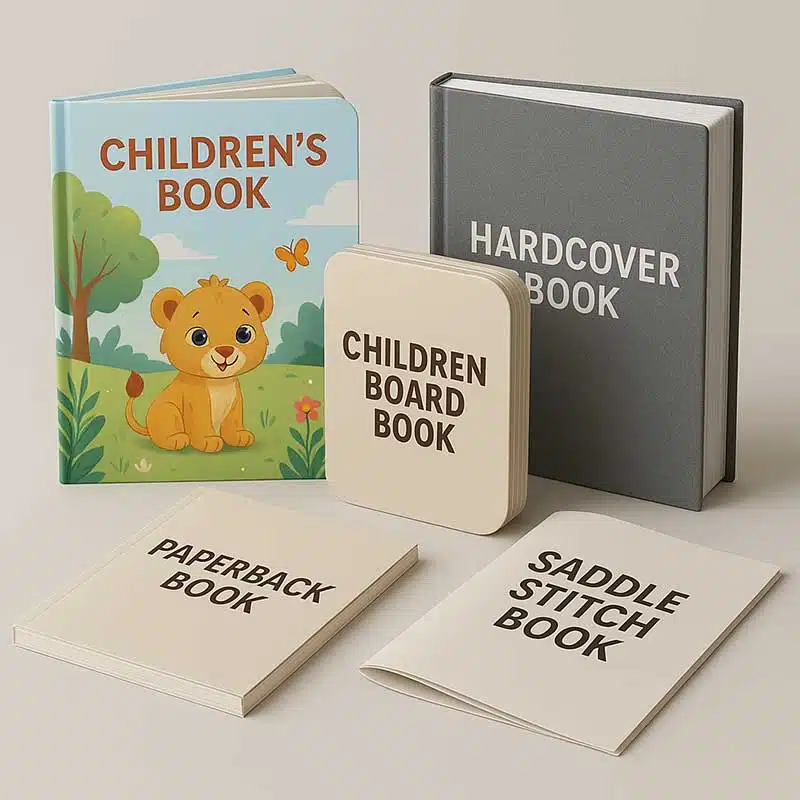
Yes, eco-friendly paper can be used for most book types, including novels, educational materials, and children’s books. However, it’s important to consult with your printer to ensure the paper type is suitable for your specific printing process.
4. Does eco-friendly paper affect print quality?
Modern eco-friendly papers are designed to provide high-quality print results. However, depending on the type of paper, some may require adjustments in printing techniques or may have a slightly different finish compared to traditional paper.
Conclusion
Switching to eco-friendly paper for book printing is a great way for publishers to reduce their environmental impact and meet the demands of eco-conscious consumers. By carefully considering the options available and understanding the trade-offs between cost, quality, and sustainability, publishers can make an informed decision that aligns with their values. Request a quote / Get a sample to explore eco-friendly paper options for your next printing project.