

Introduction
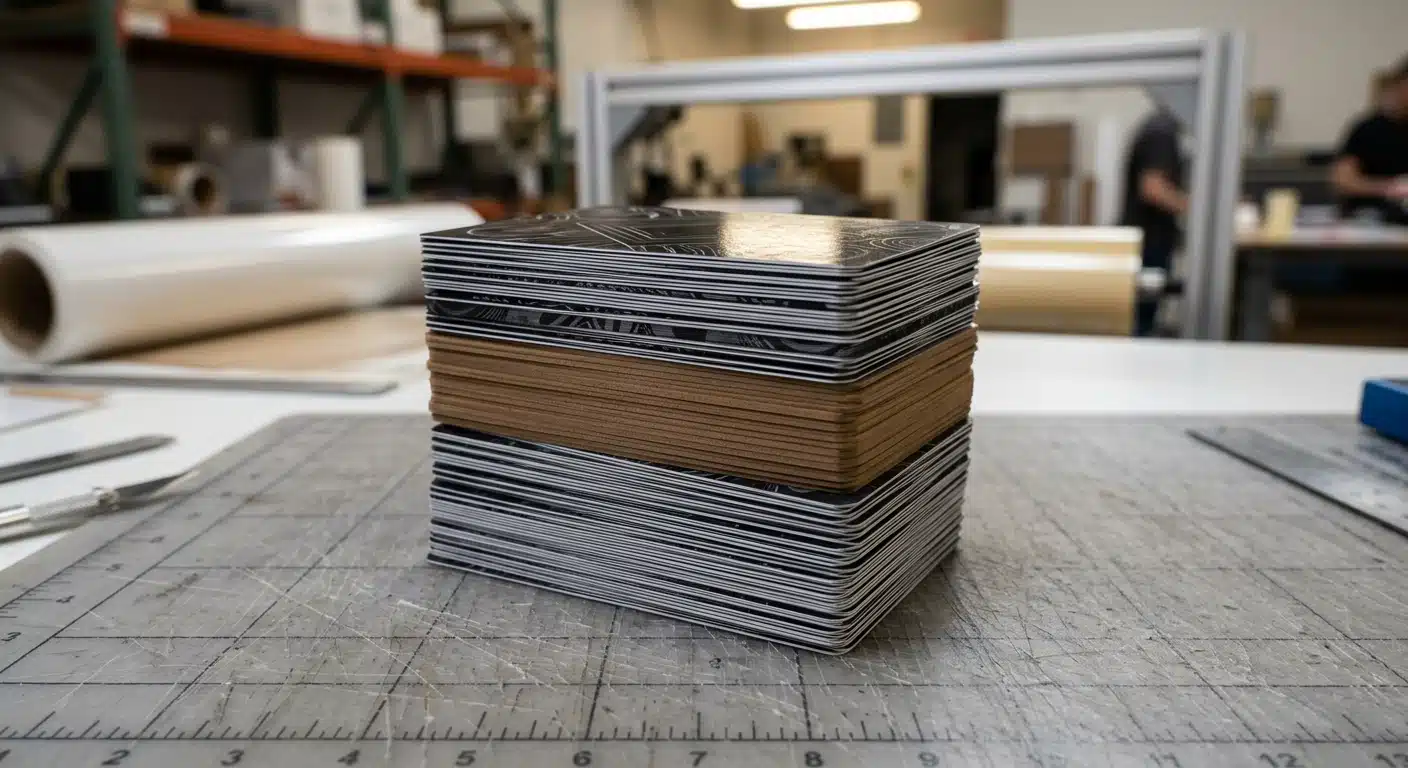
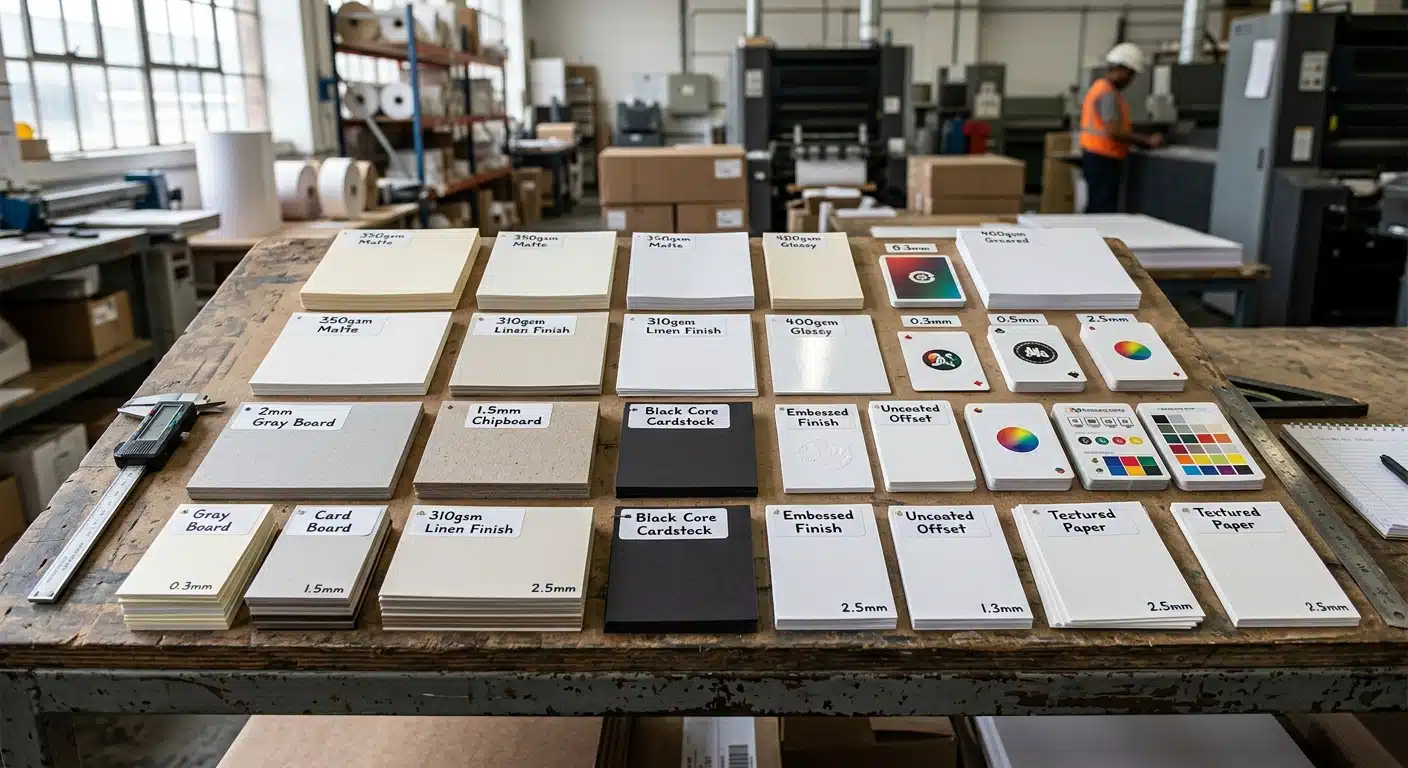
Choosing the right paper for board games and custom cards is a critical step for manufacturers, designers, and brand owners. Paper selection impacts durability, print quality, tactile feel, and overall player experience. This guide helps procurement and operations teams navigate options, specifications, and production considerations for professional results.
Key Concepts and Paper Types
Understanding paper terminology and options ensures informed decisions:
- Card Stock: Thick, rigid paper designed for durability and repeated handling. Commonly ranges from 250–350 gsm for game cards.
- Coatings: Matte, gloss, or soft-touch finishes affect visual appeal and card feel. Coatings also protect against wear and moisture.
- Paper Weight: Measured in grams per square meter (gsm). Higher gsm indicates thicker, sturdier cards.
- Paper Composition: Wood pulp, recycled fibers, or cotton blends can influence printing performance and cost.
Paper Options and Comparisons
Different project requirements dictate the paper choice:
| Paper Type | Typical GSM | Pros | Cons | Best Use |
|---|---|---|---|---|
| Standard Card Stock | 250–300 | Cost-effective, widely available | Less premium feel, moderate durability | Mass-market games, entry-level custom cards |
| Premium Coated Card Stock | 300–350 | High durability, vivid printing | Higher cost | Collector editions, high-end custom cards |
| Soft-Touch Laminated | 300–320 | Luxury feel, scratch-resistant | Specialized printing required | Premium board games, gift sets |
Specifications and Technical Factors
- Print Method Compatibility: Ensure the paper supports offset, digital, or UV printing.
- Opacity: Higher opacity prevents bleed-through in double-sided cards.
- Surface Texture: Smooth for detailed graphics; textured for tactile appeal.
- Edge Crispness: Important for cut accuracy, especially in custom die-cut cards.
Manufacturing, Quality, and Testing Considerations
- Check thickness tolerances (±5–10 gsm typical).
- Run test prints to evaluate ink absorption and color fidelity.
- Assess bending and corner durability for frequent handling.
- Consider protective coatings or lamination for extended shelf life.
Buying Guide
Key considerations when sourcing paper for board games and custom cards:
- Minimum Order Quantity (MOQ): Varies by paper type; higher-quality stock often requires larger MOQ.
- Customization: Print finishes, coating options, and embossing add complexity.
- Artwork Preparation: Provide high-resolution, CMYK-compliant files to ensure accurate reproduction.
- Sampling: Request physical samples before full production to verify feel and print quality.
- Lead Times: Account for sourcing, cutting, and finishing; typical ranges are 2–6 weeks depending on volume.
FAQs
- Q: Which paper weight is best for standard game cards?
A: Typically 300 gsm coated card stock balances durability and cost. - Q: Is lamination necessary?
A: For long-lasting cards and premium feel, a protective coating or lamination is recommended. - Q: Can recycled paper be used?
A: Yes, but check for color consistency and print performance. - Q: How does paper finish affect game pieces?
A: Gloss enhances color vibrancy, matte reduces glare and fingerprints, soft-touch adds premium feel. - Q: Are there limitations on die-cut shapes?
A: Thick or laminated stock may require specialized cutting equipment; confirm with your printer. - Q: How should I store paper before printing?
A: Keep in a dry, climate-controlled environment to prevent warping or moisture absorption. - Q: What’s the typical tolerance for card thickness?
A: ±5–10 gsm is common; tighter tolerances may be available for high-end projects.
Conclusion and CTA
Selecting the right paper ensures your board games and custom cards meet quality, durability, and visual standards. Work closely with your printer to choose appropriate weight, finish, and coatings. For tailored guidance and material samples, [YABG_LINK:0].