
Introduction: Printing Tarot Decks, Guidebooks, and Boxes Together
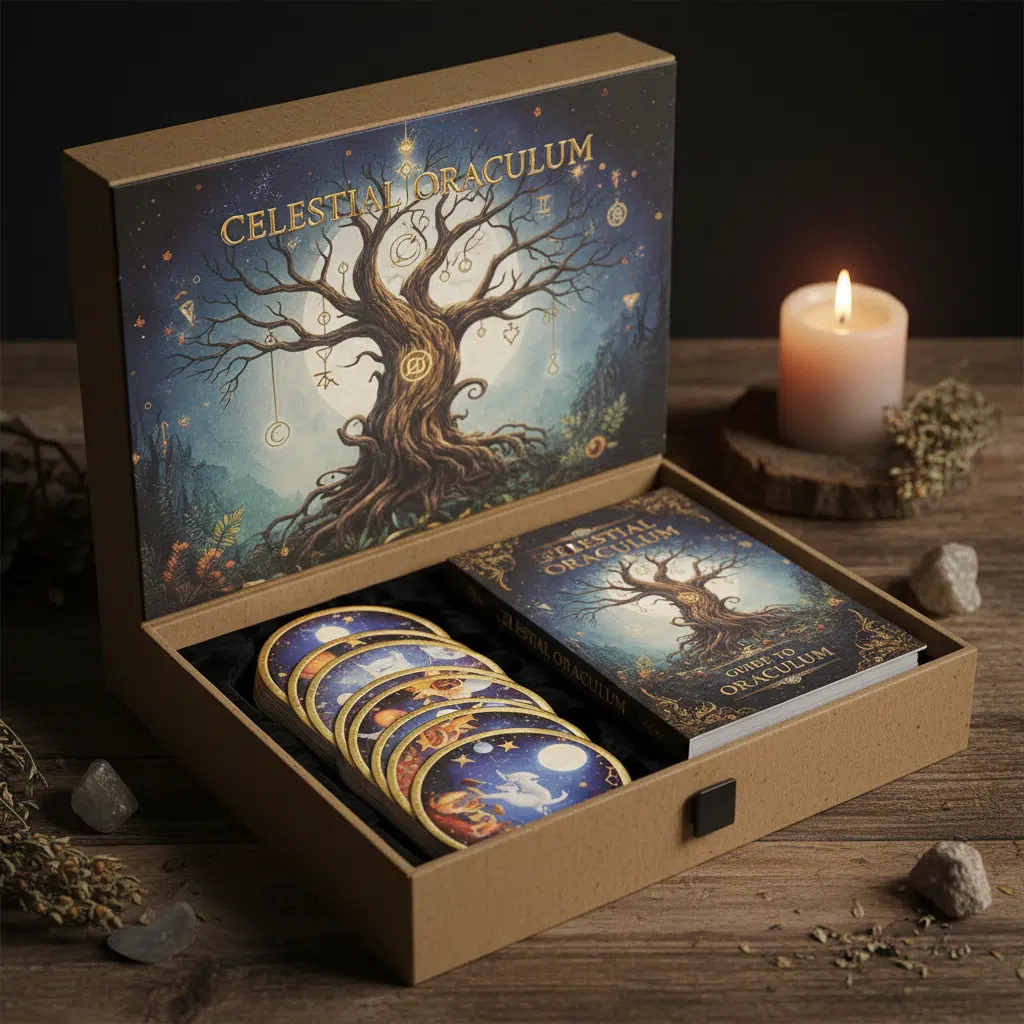
For indie creators and publishers in the tarot and card game industries, managing the production of both the cards and their accompanying guidebooks, along with packaging, can be a complex process. Coordinating these elements ensures a professional, cohesive product that enhances the game experience. Whether you’re creating a tarot deck with a detailed guidebook or a custom card game with instructional booklets, understanding how to approach custom printing for these materials is crucial for producing a high-quality end product.
Key Concepts and Definitions
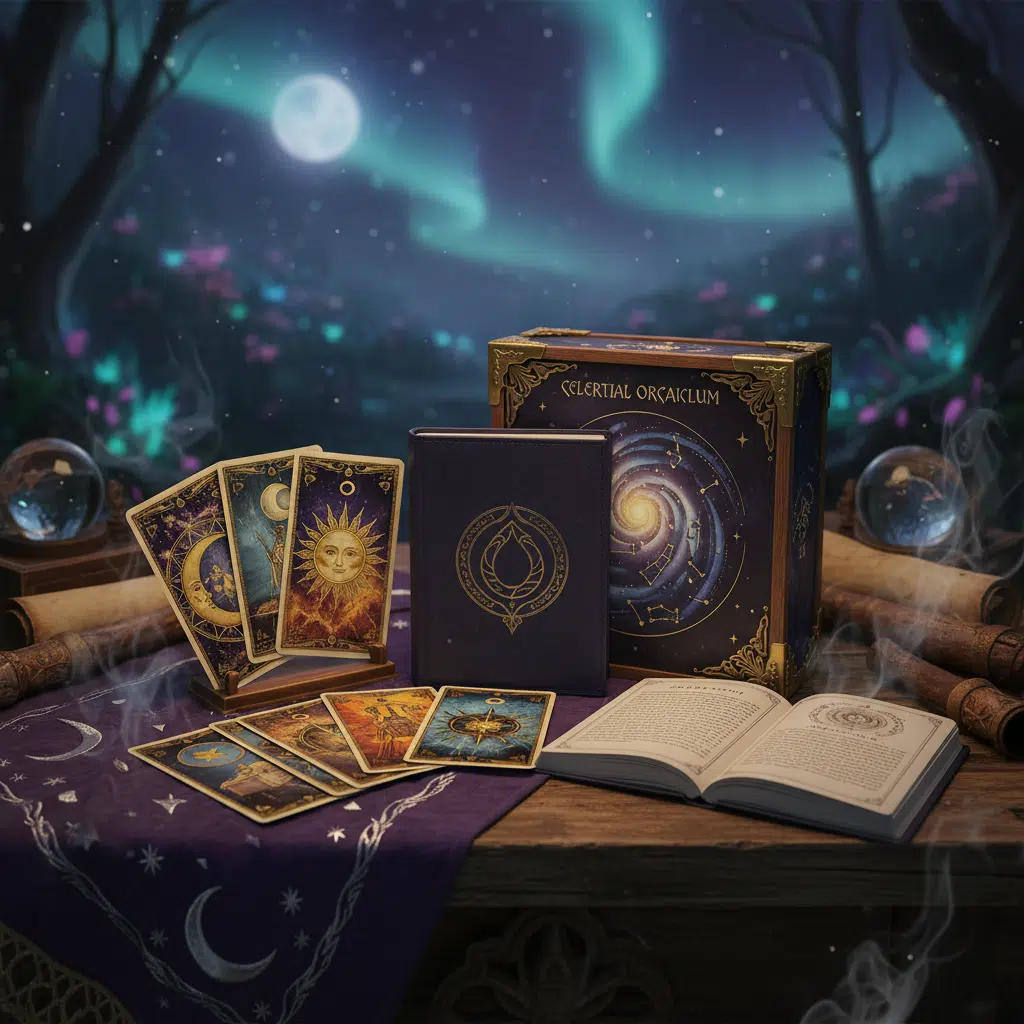
Before diving into the specifics of printing, it’s important to understand the key elements involved in the production of a card deck, guidebook, and custom box:
- Guidebook Printing: The process of printing an accompanying book that provides instructions, lore, or deeper insights related to the cards or gameplay.
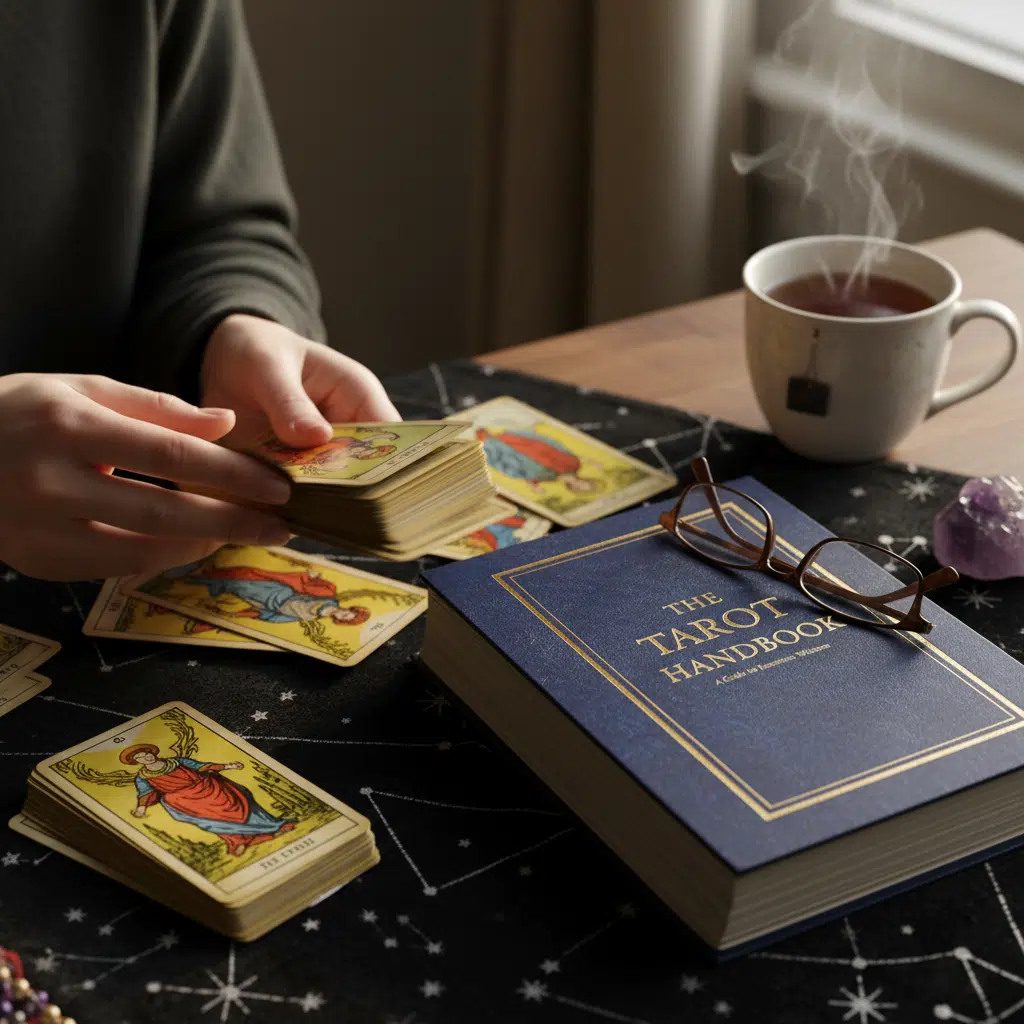
- Tarot Card Printing: The production of tarot cards, usually made from durable, high-quality paper or cardstock that can withstand repeated handling.
- Custom Game Box: A rigid box designed to house both the card deck and guidebook, protecting them during storage and shipping.
Key Considerations for Printing Tarot and Card Game Products
When it comes to producing a cohesive set, several important factors must be carefully coordinated:
Trim Size and Paper Choice
The trim size for your tarot cards and guidebooks should be chosen with care. Tarot cards are typically larger than standard playing cards, and guidebooks come in various sizes. Some common trim sizes for tarot cards are 2.75” x 4.75” or 3” x 5”. For guidebooks, consider an 8.5” x 5.5” or 6” x 9” trim size for ease of use.
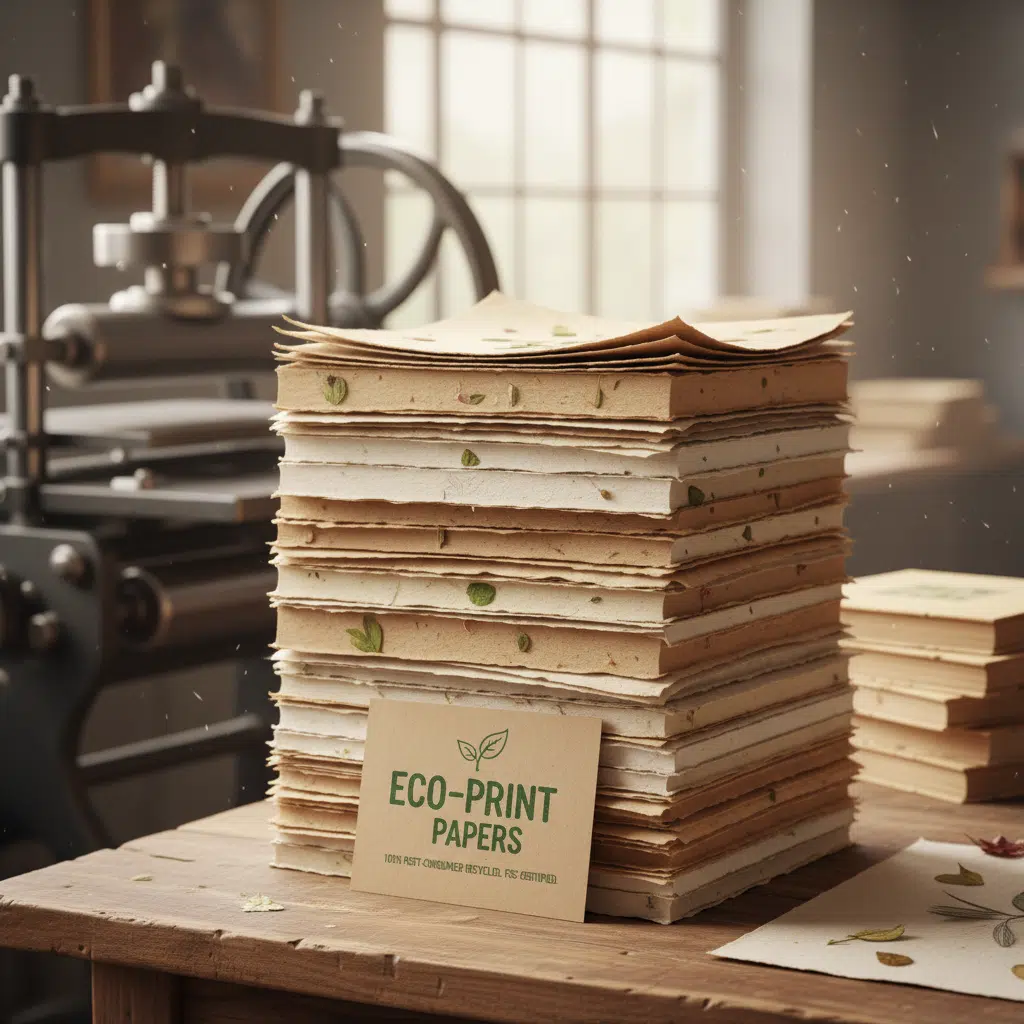
Paper selection plays a major role in both durability and aesthetics. For cards, a thicker cardstock (around 300-400 gsm) is standard, providing strength and longevity. Guidebooks generally use a range of paper weights, from 70 lb to 100 lb text weight for ease of reading and handling. You’ll also want to select a finish (matte, gloss, or silk) to achieve the right look and feel.
Binding and Color Consistency
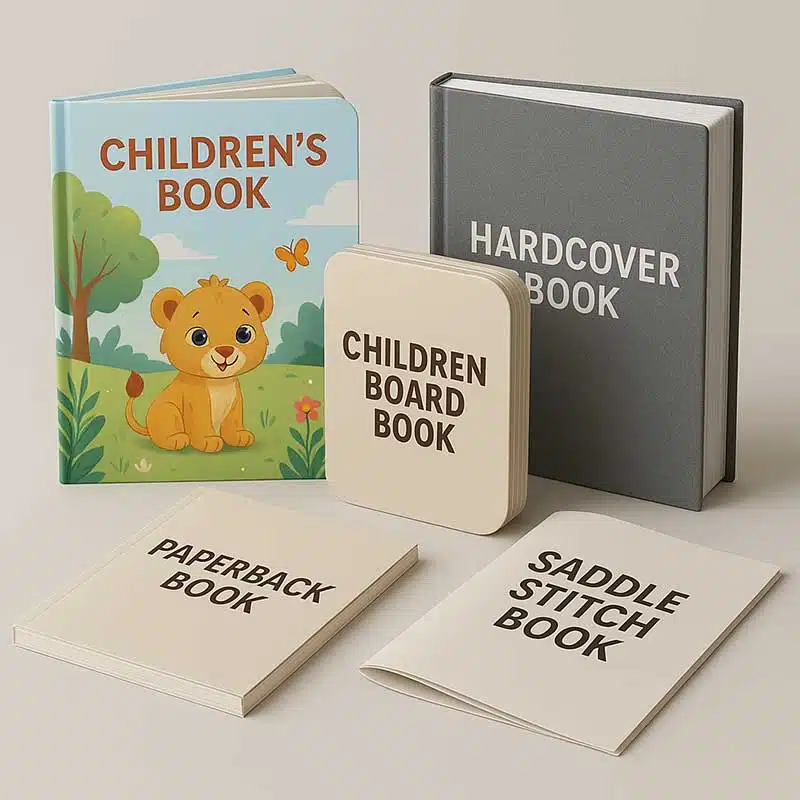
Guidebooks typically use perfect binding (for thicker books) or saddle-stitch binding (for thinner booklets). It’s crucial to ensure that the binding is sturdy enough to withstand repeated use, especially for card games that may require frequent reference to the guidebook.
Maintaining color consistency across the cards, guidebook, and box is essential. A professional printer will provide color proofing to ensure that the hues on the cards match those in the guidebook and box design. This is especially important for tarot decks, where the visual elements are integral to the user experience.
Packaging: Custom Game Boxes
Custom packaging adds a professional touch to your game set. Rigid game boxes, commonly used to package card games and tarot decks, protect your products and can be customized with a printed design that complements your tarot or card game’s theme. These boxes come in various materials, such as chipboard or paperboard, and can be finished with gloss or matte lamination for added durability.
Production Process and Manufacturing Considerations
Printing a set of tarot cards, guidebooks, and custom boxes together requires attention to detail across multiple stages:
Pre-Press and Proofing
Before starting mass production, it’s essential to review proofs for both the guidebook and cards. This includes checking trim sizes, ensuring proper alignment of text and images, and confirming color accuracy. For cards, ensure the artwork extends beyond the trim area (bleed), and for guidebooks, check the page layout for any cropping issues.
Printing and Quality Control
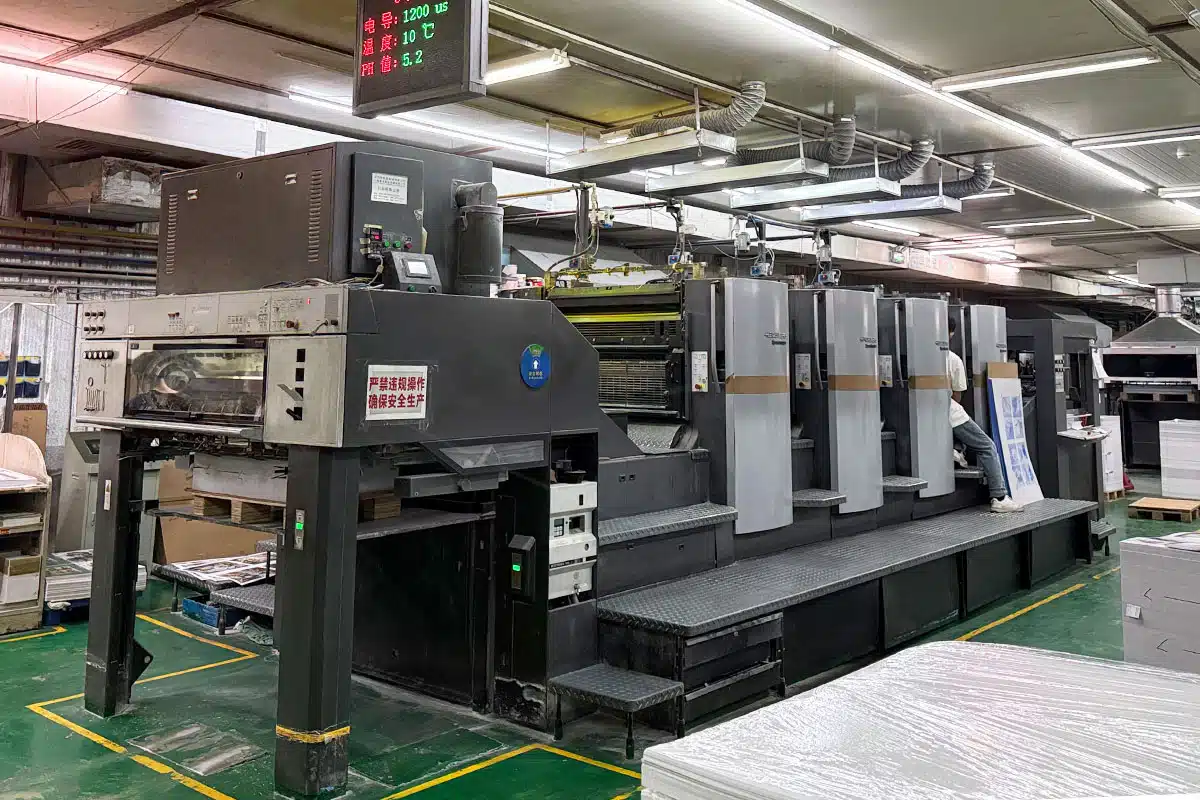
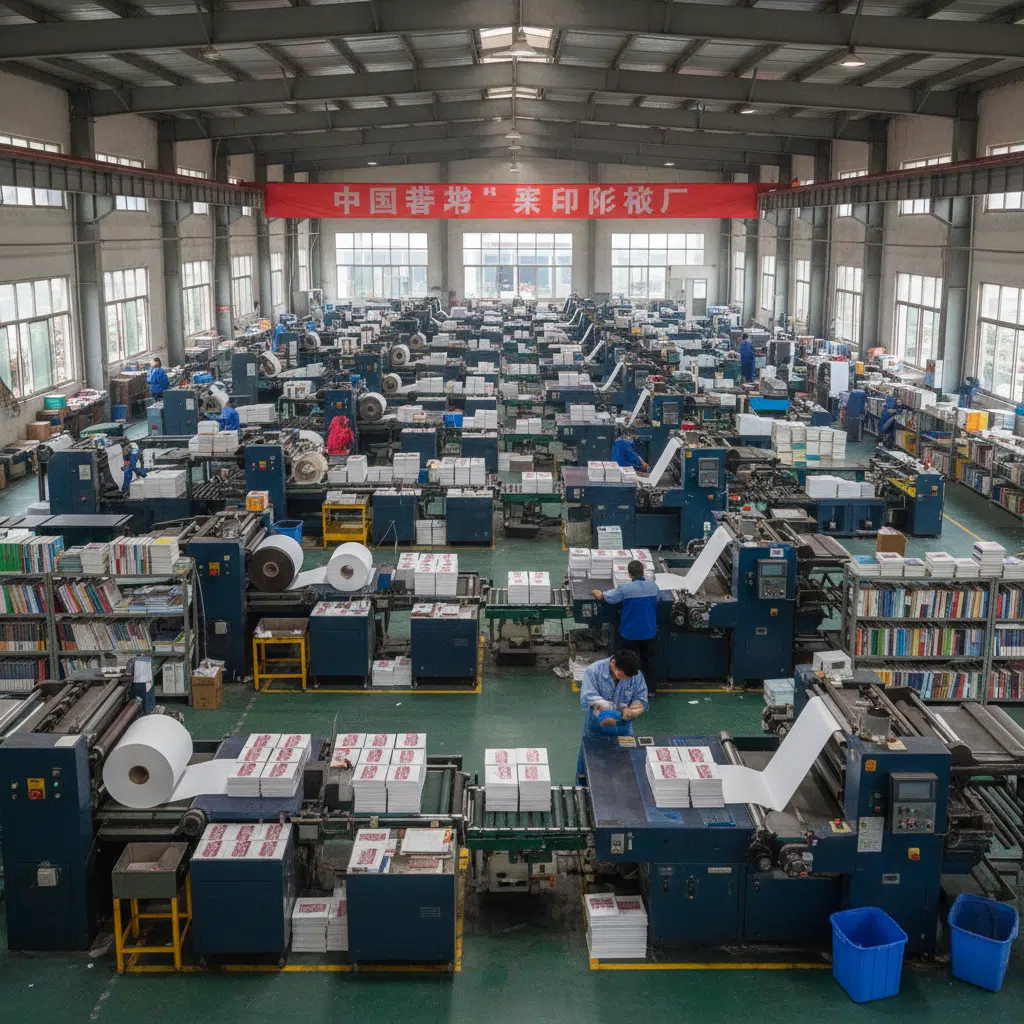
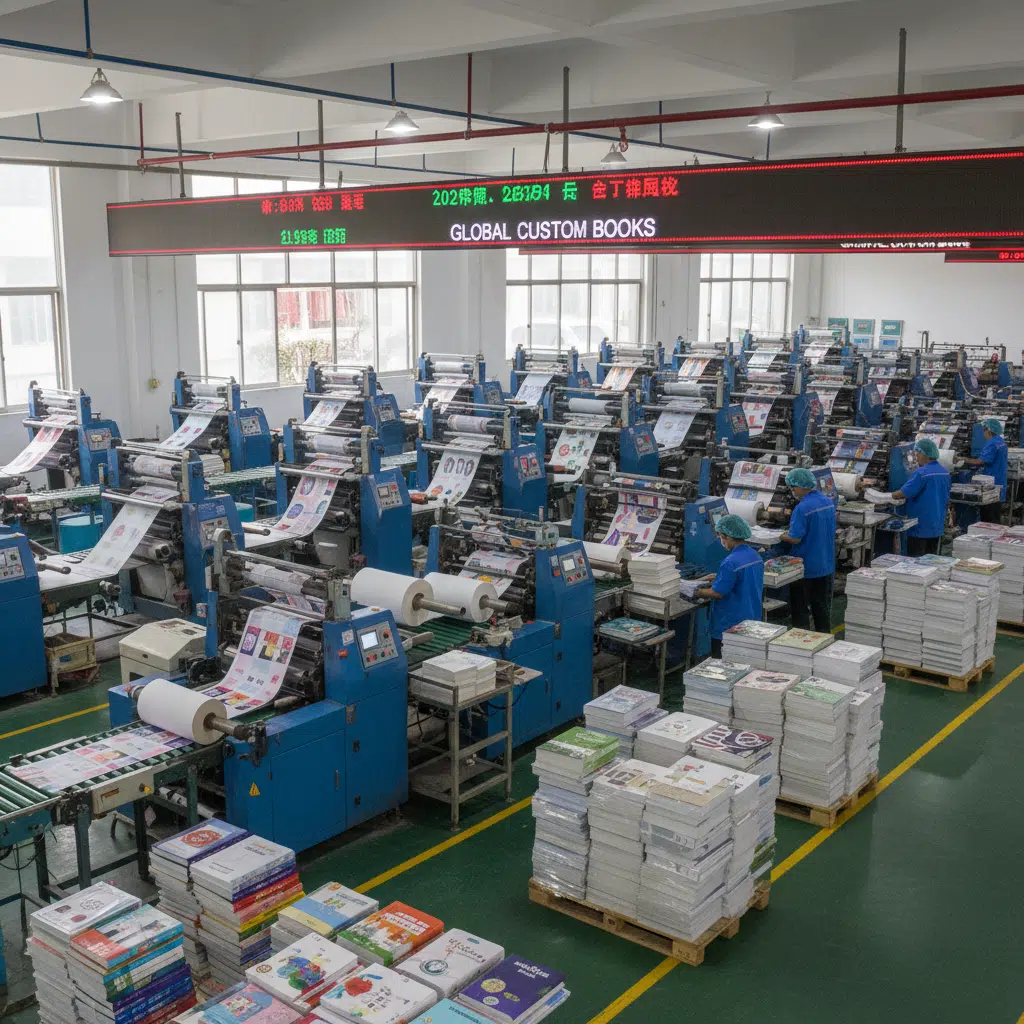
The printing process involves high-end machines that offer precise color matching, ensuring consistency across all elements. Quality control is vital throughout the process, from pre-press through the final print run. Inspecting every batch for issues like smudging, alignment problems, or incorrect color matching will prevent costly reprints.
Packaging and Assembly
Once the cards, guidebooks, and boxes are printed, the assembly process begins. The cards are typically packed into shrink-wrap or other protective materials to prevent damage during shipping. The guidebook is then inserted into the custom game box along with the deck. The final product is packaged securely for shipping to ensure that it arrives intact.
Buying Guide: How to Order Custom Tarot Decks and Guidebooks
When purchasing custom printing services for tarot decks, guidebooks, and boxes, there are several key factors to consider:
- MOQ (Minimum Order Quantity): Some printers may have minimum order requirements. Understand what the MOQ is for your project, especially if you’re producing a limited run.
- Artwork and Files: Ensure that your artwork is submitted in the correct format. For cards and books, this typically means high-resolution PDFs or vector files. Include bleed areas for cards and ensure that images are high quality.
- Sampling: Request samples to ensure that the paper quality, print finish, and binding meet your expectations. This allows you to evaluate the final product before committing to a full production run.
- Timelines: Discuss lead times with your printer. Most custom orders take anywhere from 4 to 8 weeks, depending on complexity and volume.
FAQs
- What is the typical trim size for tarot cards? Tarot cards usually measure 2.75” x 4.75” or 3” x 5”.
- Can I print custom-sized guidebooks for my card game? Yes, custom sizes can be chosen for your guidebook, though standard sizes like 6” x 9” are popular.
- What materials are used for game boxes? Rigid chipboard or paperboard is typically used for durable game boxes.
- Do I need to provide color proofs before printing? Yes, color proofs are essential to ensure consistency across cards, booklets, and boxes.
Conclusion
Designing and printing a tarot deck or card game with its accompanying guidebook and custom packaging is a detailed process that requires careful coordination. By choosing the right trim sizes, materials, binding methods, and ensuring color consistency, creators can produce high-quality, professional products that are sure to stand out. Whether you’re an indie creator or a small publisher, understanding these key elements will help you navigate the production process smoothly.
Request a quote or get a sample today to start your custom printing project.