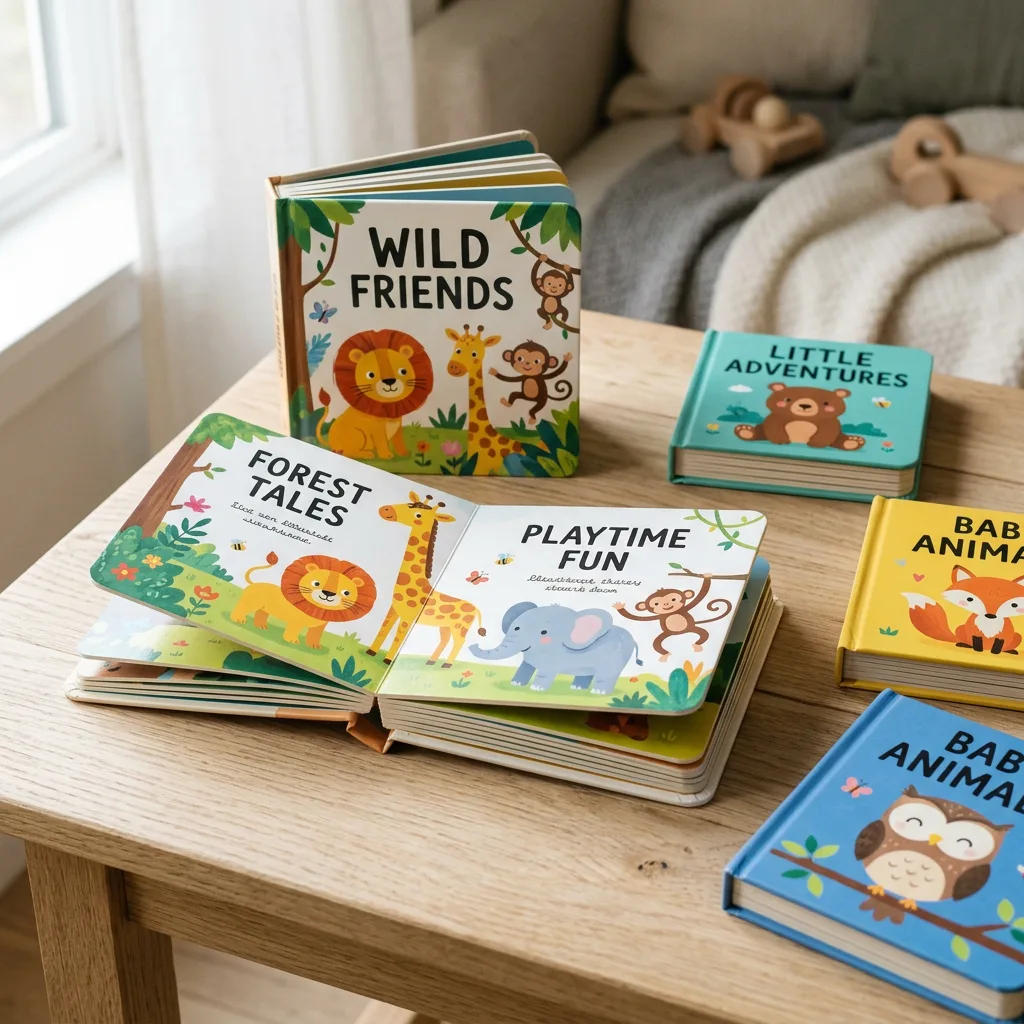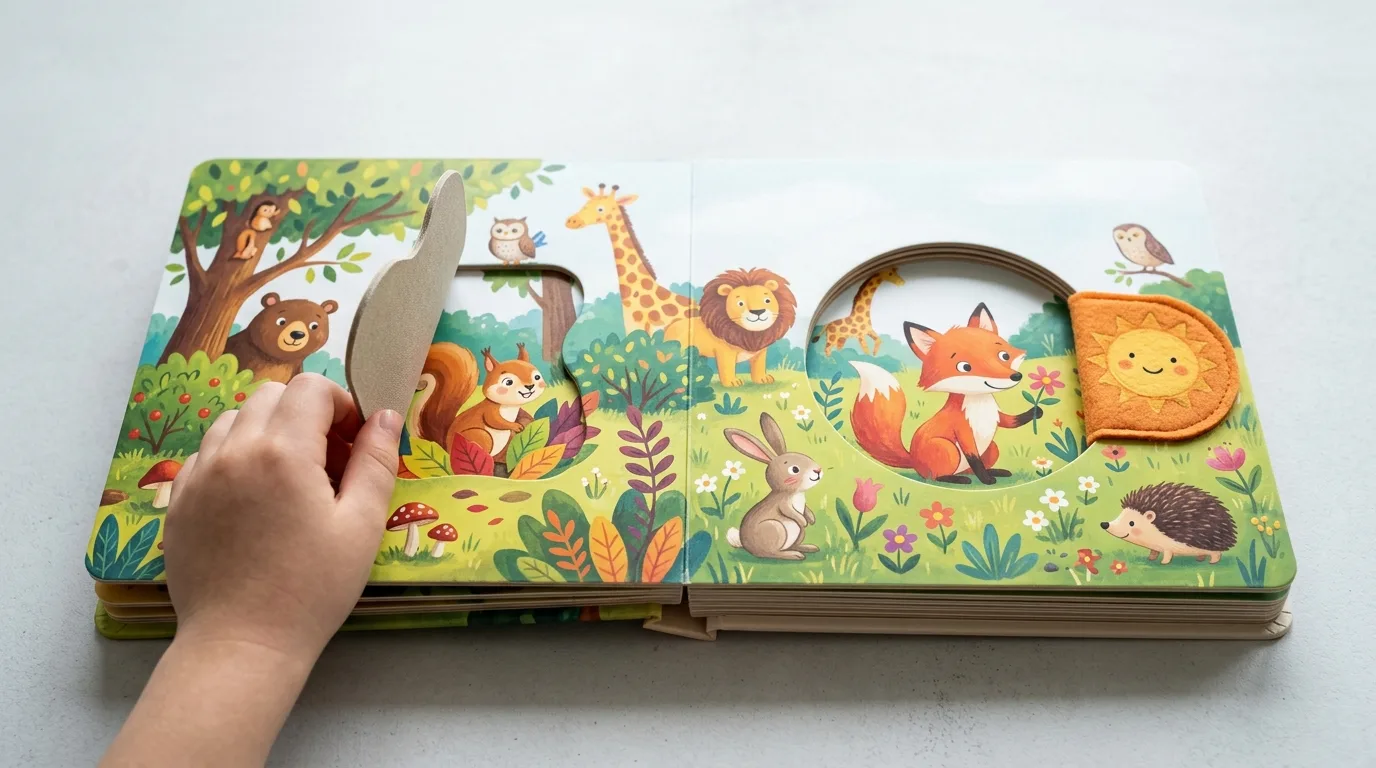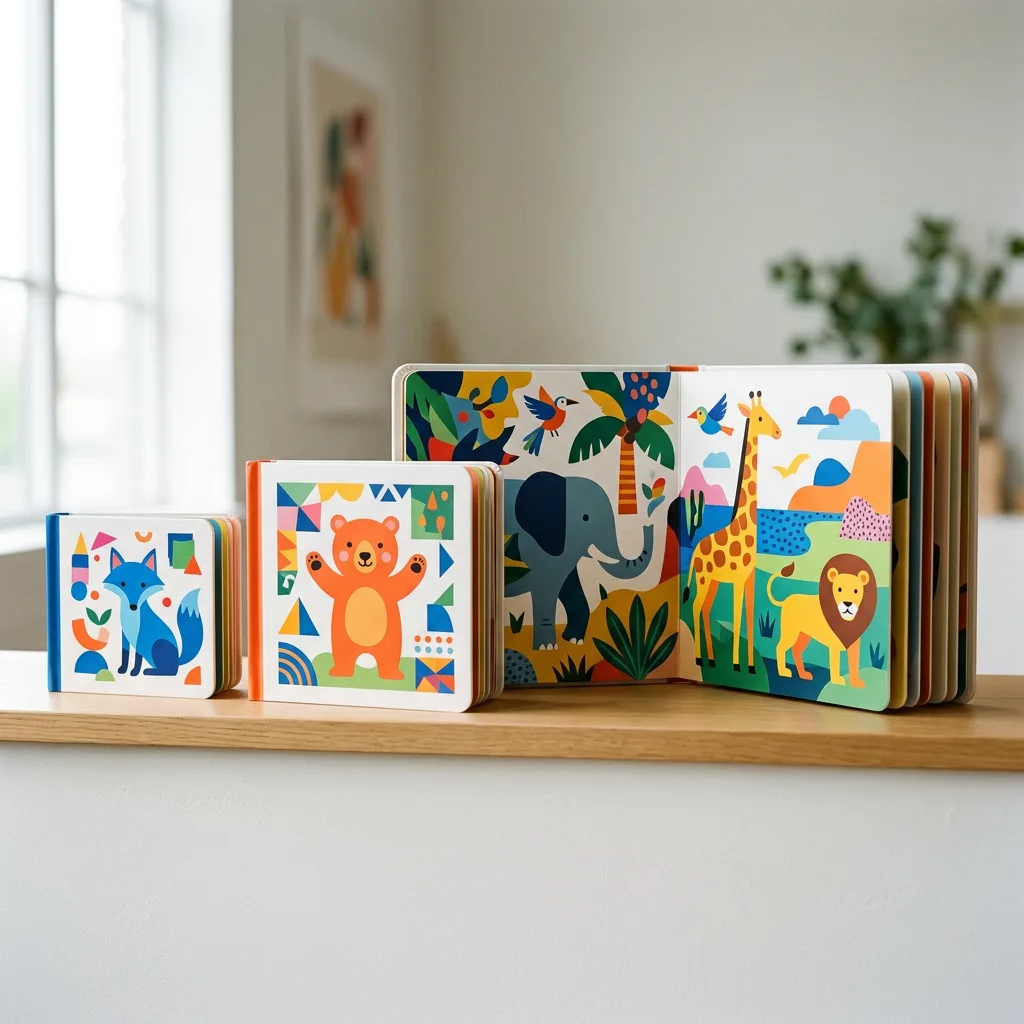


Introduction : L'importance du choix du papier pour les livres à couverture rigide
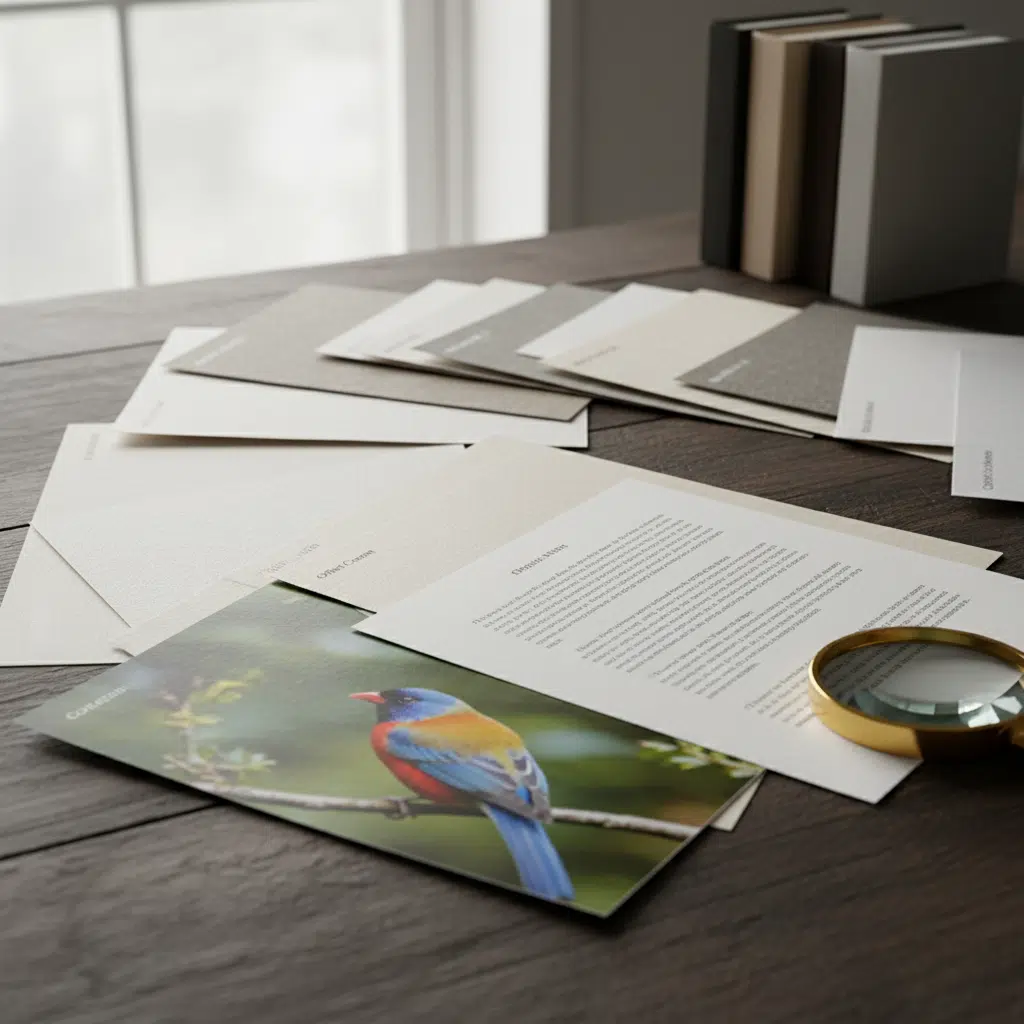
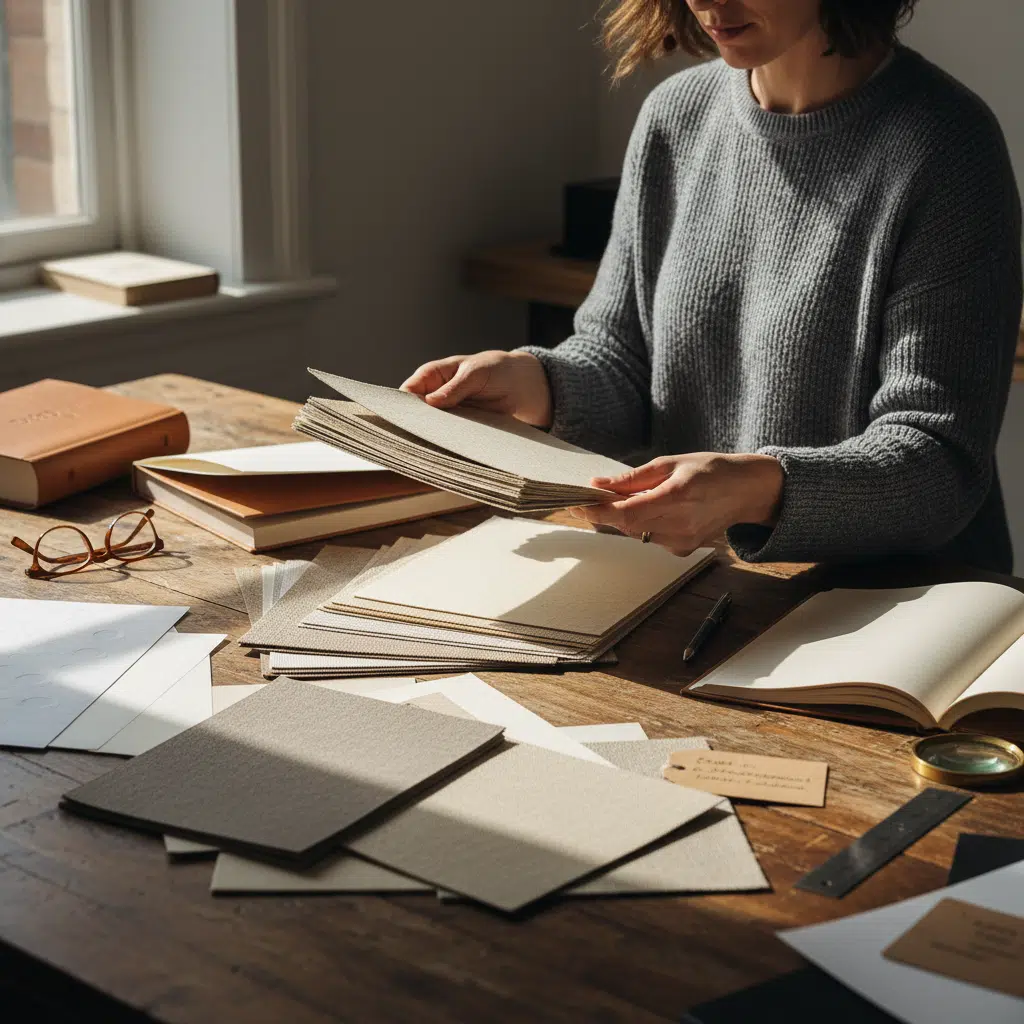
Lorsque vous imprimez un livre personnalisé à couverture rigide, le papier que vous choisissez joue un rôle crucial dans la conception et la durabilité du produit final. Le bon papier ne se contente pas de rehausser l'attrait esthétique, il garantit également que le livre résiste à des manipulations fréquentes et à l'épreuve du temps. Dans ce guide, nous allons voir comment choisir le bon papier pour votre livre à couverture rigide, en nous concentrant sur des facteurs clés tels que le grammage, la texture et la durabilité.
Concepts clés : Comprendre les types de papier
Avant d'aborder les différentes options de papier, il est important de comprendre les principales caractéristiques du papier qui influent sur la qualité de votre livre à couverture rigide :
- Poids : Le grammage du papier détermine l'épaisseur et la solidité de chaque page. Un papier plus lourd donne une impression de qualité supérieure, tandis qu'un papier plus léger est plus rentable.
- Texture : La texture du papier influe sur l'expérience tactile du livre. Les papiers lisses sont idéaux pour la reproduction d'images nettes, tandis que les papiers texturés offrent une sensation plus luxueuse et vintage.
- Durabilité : La durabilité du papier est essentielle pour assurer la longévité des livres, en particulier pour les ouvrages qui seront fortement utilisés ou manipulés. Le choix d'un papier durable permet au livre de résister à des ouvertures fréquentes et de conserver sa qualité au fil du temps.
Options et comparaisons : Choisir le bon papier
Il existe plusieurs options de papier à prendre en compte lors de l'impression de votre livre à couverture rigide personnalisé. Nous comparons ci-dessous différents types de papier pour vous aider à prendre une décision éclairée :
Papier couché ou non couché
Le papier couché a une finition lisse et brillante, ce qui le rend idéal pour les images de haute qualité et les textes nets. Le papier non couché, quant à lui, offre un aspect plus naturel et mat, ce qui convient parfaitement aux livres comportant beaucoup de texte ou à ceux qui recherchent une apparence plus élégante et discrète.
Papier à grammage texte
Le papier à grammage texte est généralement utilisé pour les pages intérieures des livres. Il offre un toucher plus léger que le papier de couverture et est couramment utilisé pour les romans, les publications universitaires ou tout autre contenu nécessitant un équilibre entre prix et qualité.
Papier de couverture
Le papier utilisé pour la couverture est plus lourd et plus épais que le papier de corps de texte, ce qui confère à la couverture du livre une meilleure résistance et une meilleure tenue. Le choix du papier de couverture est essentiel pour rehausser l'attrait visuel du livre et garantir qu'il soit suffisamment solide pour protéger les pages qu'il renferme.
Spécifications techniques : Facteurs clés à prendre en compte
Lors du choix du papier pour l'impression de livres à couverture rigide, plusieurs facteurs techniques doivent être pris en compte :
- GSM (grammes par mètre carré) : Le GSM est une mesure du grammage du papier. Des valeurs GSM plus élevées indiquent un papier plus lourd et plus épais. Pour les pages de texte, une valeur GSM comprise entre 80 et 120 est typique, tandis que les couvertures de livres à couverture rigide ont généralement une valeur GSM comprise entre 250 et 400.
- Opacité : L'opacité désigne le degré de transparence du papier. Une opacité élevée empêche les transparences et garantit que le texte ou les images de l'autre côté de la page n'interfèrent pas avec la lisibilité.
- Luminosité : La luminosité du papier affecte la netteté et l'éclat des couleurs. Choisissez une luminosité plus élevée pour les livres comportant des images en couleur ou des illustrations détaillées.
Considérations relatives à la fabrication et à la qualité
Lors du choix du papier pour votre livre à couverture rigide, il est essentiel de tenir compte du processus de fabrication et des normes de contrôle qualité. Assurez-vous que le fournisseur de papier utilise des méthodes de classement appropriées afin de garantir la cohérence du grammage, de la texture et de la finition. Pensez également à demander des échantillons avant de passer une commande en gros afin de vérifier la qualité et l'adéquation du papier à votre projet spécifique.
Guide d'achat : Personnalisation et délais d'exécution
Lorsque vous achetez du papier pour votre livre personnalisé à couverture rigide, gardez à l'esprit les considérations suivantes :
- Quantités minimales de commande (QMC) : Les quantités minimales de commande (MOQ) peuvent varier d'un fournisseur à l'autre. Il est important de trouver un fournisseur capable de s'adapter à l'ampleur de votre projet sans générer de surstock inutile.
- Fichiers et illustrations personnalisés : Assurez-vous que vos fichiers graphiques respectent les spécifications de l'imprimeur afin d'éviter tout retard ou coût supplémentaire. Cela implique généralement de fournir des fichiers en haute résolution et de respecter les exigences relatives aux profils de couleur.
- Échantillonnage : Demandez toujours un échantillon du papier avant de passer une commande importante. Cela vous permettra d'évaluer le toucher, l'aspect et l'interaction du papier avec la conception du livre.
- Délais d'exécution : La disponibilité du papier et les délais de livraison peuvent varier, en particulier pour les commandes personnalisées. Veillez à discuter des délais avec votre fournisseur afin d'éviter tout retard dans le calendrier de production de votre livre.
FAQs : Questions courantes sur la sélection du papier
- Quel est le meilleur papier pour un livre à couverture rigide de qualité supérieure ? Envisagez d'utiliser un papier couché épais pour la couverture et les pages de texte afin de donner à votre livre un aspect luxueux. Le papier d'un grammage compris entre 120 et 200 pour le texte et entre 250 et 400 pour la couverture convient parfaitement aux livres de qualité supérieure.
- Puis-je utiliser du papier recyclé pour des livres à couverture rigide ? Oui, le papier recyclé peut être utilisé pour le texte et les couvertures. Toutefois, il faut garder à l'esprit que le papier recyclé peut avoir une texture et un grammage différents de ceux du papier vierge.
- Comment choisir la bonne texture pour mon livre à couverture rigide ? Pour un aspect moderne et épuré, optez pour un papier lisse. Pour un aspect vintage et élégant, choisissez un papier texturé ou en lin.
- Quel est le meilleur papier pour les livres photo ? Le papier couché de haute qualité avec une valeur GSM élevée est idéal pour les livres photo afin de garantir une reproduction des couleurs éclatantes et une grande durabilité.
- Comment le grammage du papier influe-t-il sur l'épaisseur du livre ? Un papier plus lourd augmente l'épaisseur de votre livre, ce qui peut avoir une incidence sur la taille et le poids du produit fini. Veillez à en tenir compte lors de la conception de votre livre et de l'élaboration des spécifications d'impression.
Conclusion : Choisir le meilleur papier pour votre livre relié personnalisé
Le choix du bon papier pour votre livre à couverture rigide personnalisé peut faire une différence significative dans son aspect général, son toucher et sa longévité. En tenant compte de facteurs tels que le grammage, la texture et la durabilité, et en travaillant en étroite collaboration avec votre imprimeur, vous pouvez vous assurer que votre livre répond à vos attentes en matière de qualité et de conception. Demande de devis ou Obtenir un échantillon aujourd'hui pour commencer votre projet de livre à couverture rigide avec les bons matériaux.