
Table des matières
- Book dummy vs proof vs press sample: the quick answer
- What is a book dummy?
- What is a print proof?
- What is a press sample?
- Book dummy vs proof vs press sample comparison
- Which sample should a buyer order?
- Buyer checklist for reviewing a book sample
- A practical sample approval workflow
- Conclusion
A book dummy checks physical structure, a proof checks artwork and print output, and a press sample checks production-level materials, colour and finishing. Understanding the difference helps buyers choose the right sample without adding unnecessary cost or delay.
Book dummy vs proof vs press sample: the quick answer
In the book dummy vs proof decision, the right sample depends on what you need to verify. A book dummy is mainly a physical structure check. It helps you review trim size, page order, thickness, cover construction and how the book opens, often without final printed artwork.
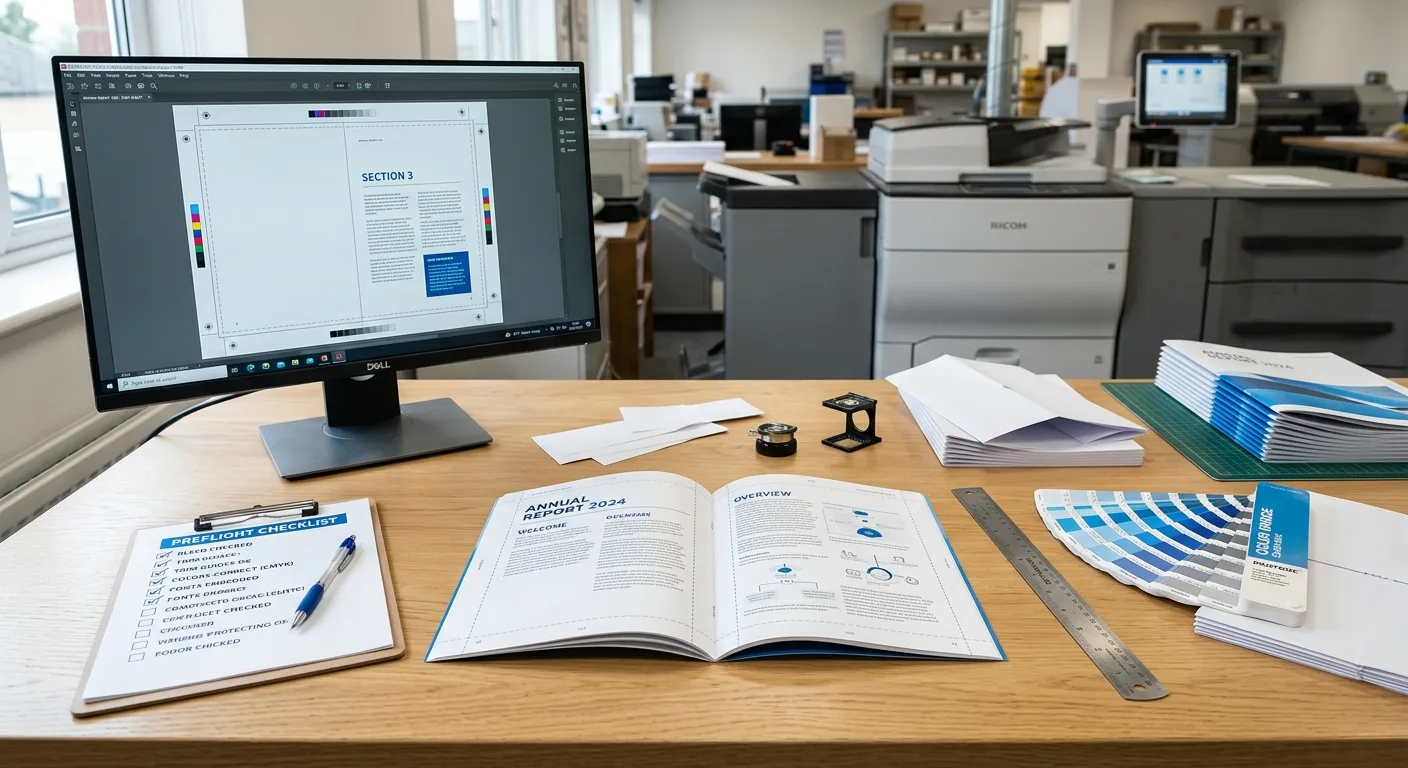
A print proof is mainly an artwork and print-output check. It lets you review text, images, colour, margins, page sequence and cover details before the full order is produced. A proof may be digital, printed, or supplied as a bound sample, depending on the project.
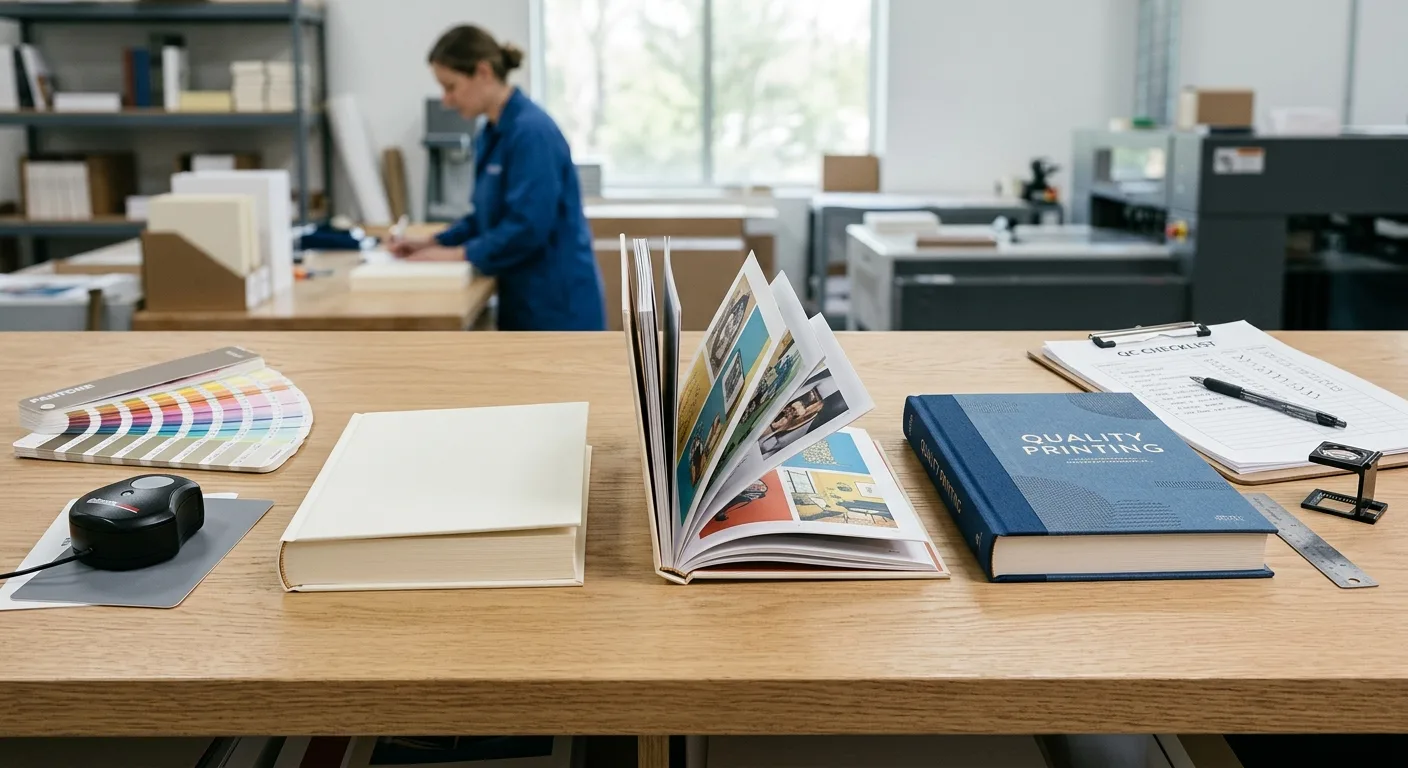
A press sample or production sample is made using production-intended materials and processes. It is the closest practical check of the finished book, including paper, ink, binding, coating and other finishing. Buyers do not always need all three. The sample should match the risk you need to control.
What is a book dummy?
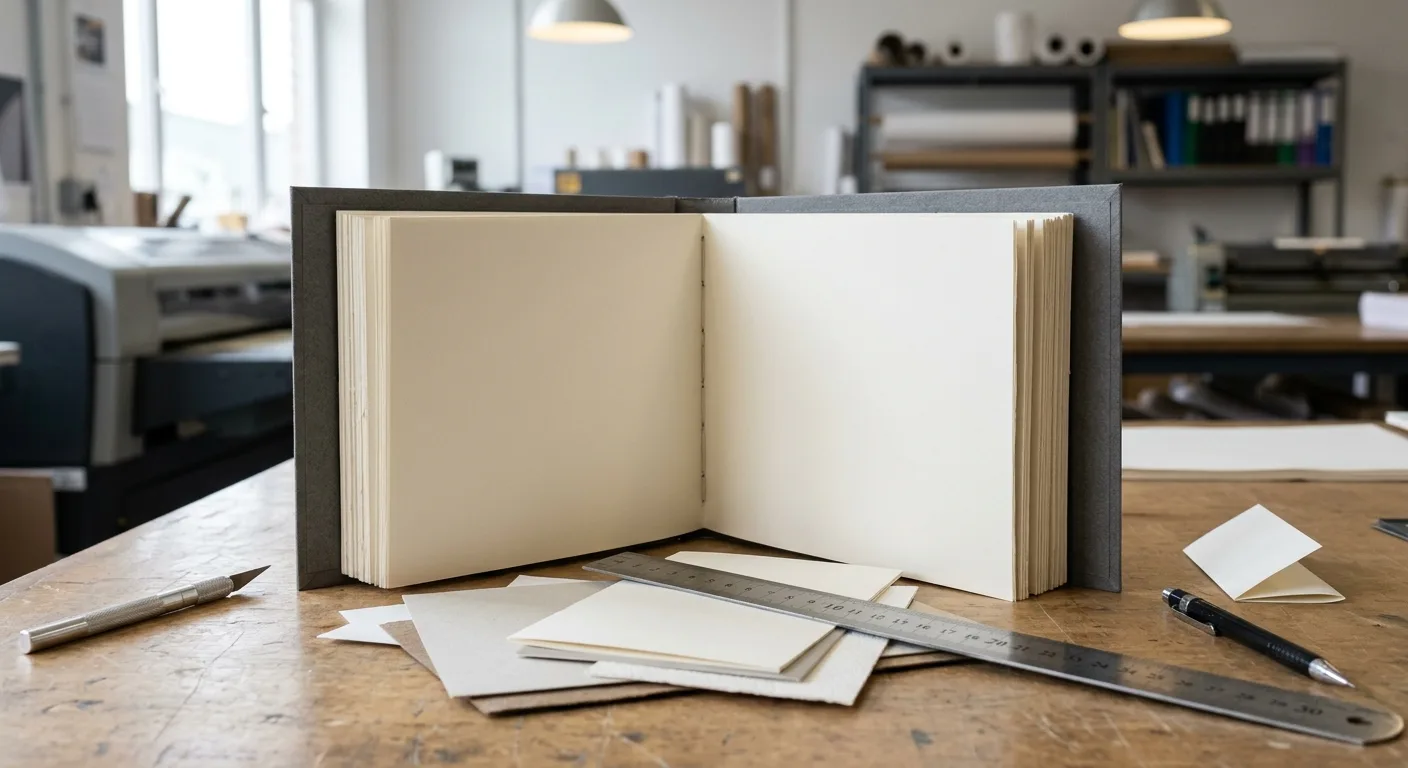
A book dummy is a physical model used to confirm the form and construction of a book before final production. It may be made from blank or low-fidelity pages, plain cover material, or a simple printed layout. The purpose is not usually to approve exact colour reproduction. Instead, it answers the question: will the planned book work as a physical object?
What a dummy can help you check
- Finished trim size and overall proportions.
- Page count, pagination and the order of spreads.
- How the cover, endpapers, spine or board structure fit together.
- Approximate thickness and shelf presence.
- Whether the book opens comfortably and whether important artwork falls into a gutter or fold.
- The size and position of features such as flaps, windows or other structural elements.
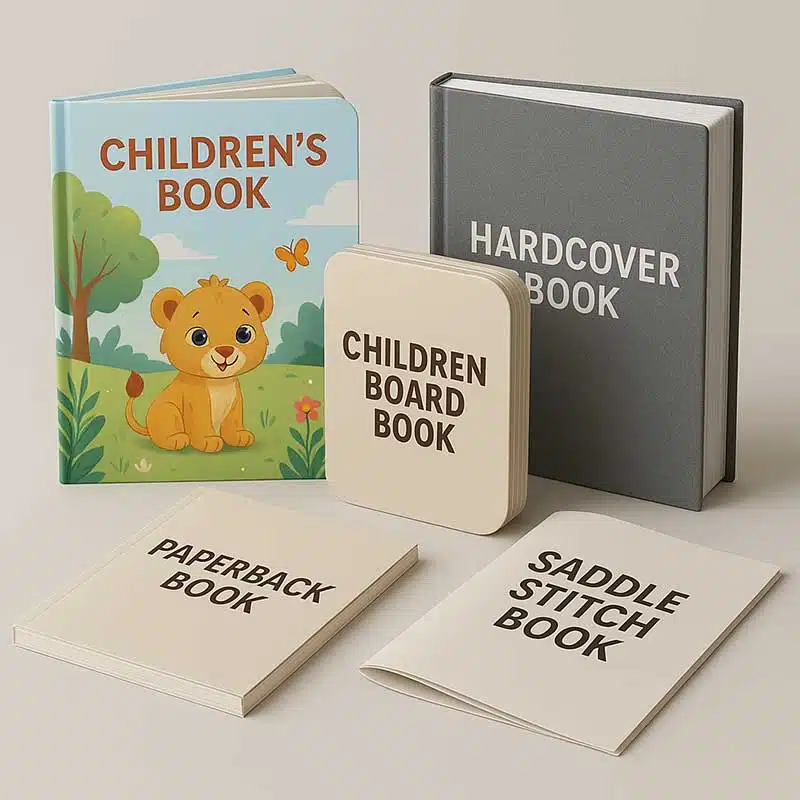
A dummy is especially useful for hardcover books, board books, children’s formats, unusually thick books and projects with complex page construction. It can expose a layout problem before the buyer spends time reviewing every printed page.
However, a dummy should not normally be treated as approval of final colour, image sharpness, coating appearance or exact paper behaviour. Ask the supplier what has actually been printed and which materials have been used. Suppliers may use the terms dummy, mockup and prototype differently, so a written sample description is useful.
What is a print proof?
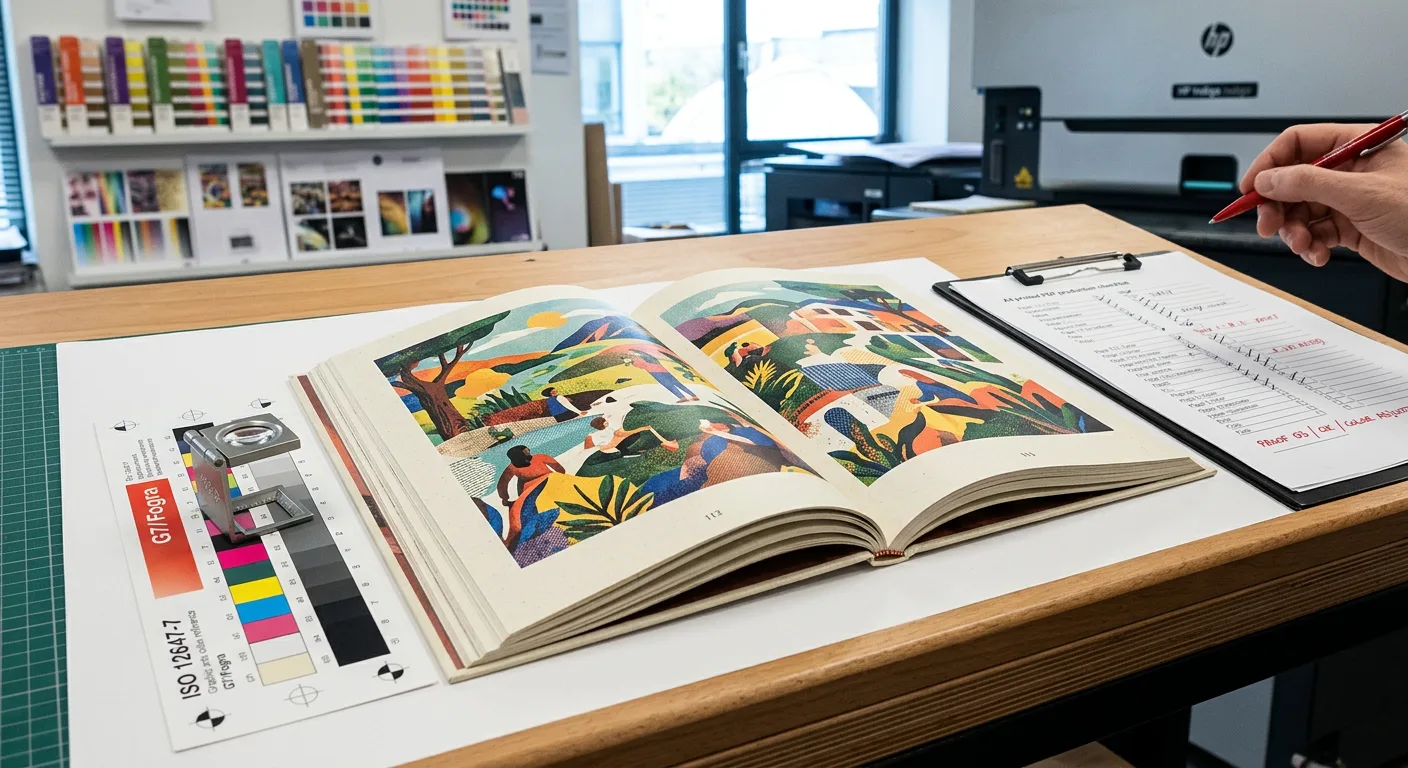
A print proof is a sample produced to review the content and appearance of supplied artwork before authorising the main production run. It is the most relevant sample for checking whether the approved PDF has been interpreted correctly by the printer.
Common proof formats
- Digital proof: A digital file or screen-based approval used to check layout, text and basic file interpretation. It is not a reliable substitute for judging physical paper, binding or colour under production conditions.
- Printed proof: A printed representation of selected pages, a complete book or a cover. It provides a more useful view of scale, image placement, ink coverage and readability.
- Bound proof: A printed and assembled sample that allows the buyer to check page turning, cover alignment and the relationship between the cover and interior.
The difference between a print proof and a mockup is important. A mockup may be a digital 3D presentation or a handmade visual model prepared to show the proposed design. A proof is connected to the actual print files and is intended for technical approval. A mockup can communicate an idea; a proof helps approve production artwork.
Colour expectations must be discussed clearly. A proof made on different equipment or paper may not match the final press result exactly. Paper whiteness, surface finish, ink or toner technology, colour management and viewing light can all affect appearance. If colour is commercially important, identify the pages, brand colours and image areas that require particular attention.
Before approving a proof, check the items covered in this book printing proof checklist, including missing content, page order, bleed, trim, cover alignment and finishing instructions.
What is a press sample?
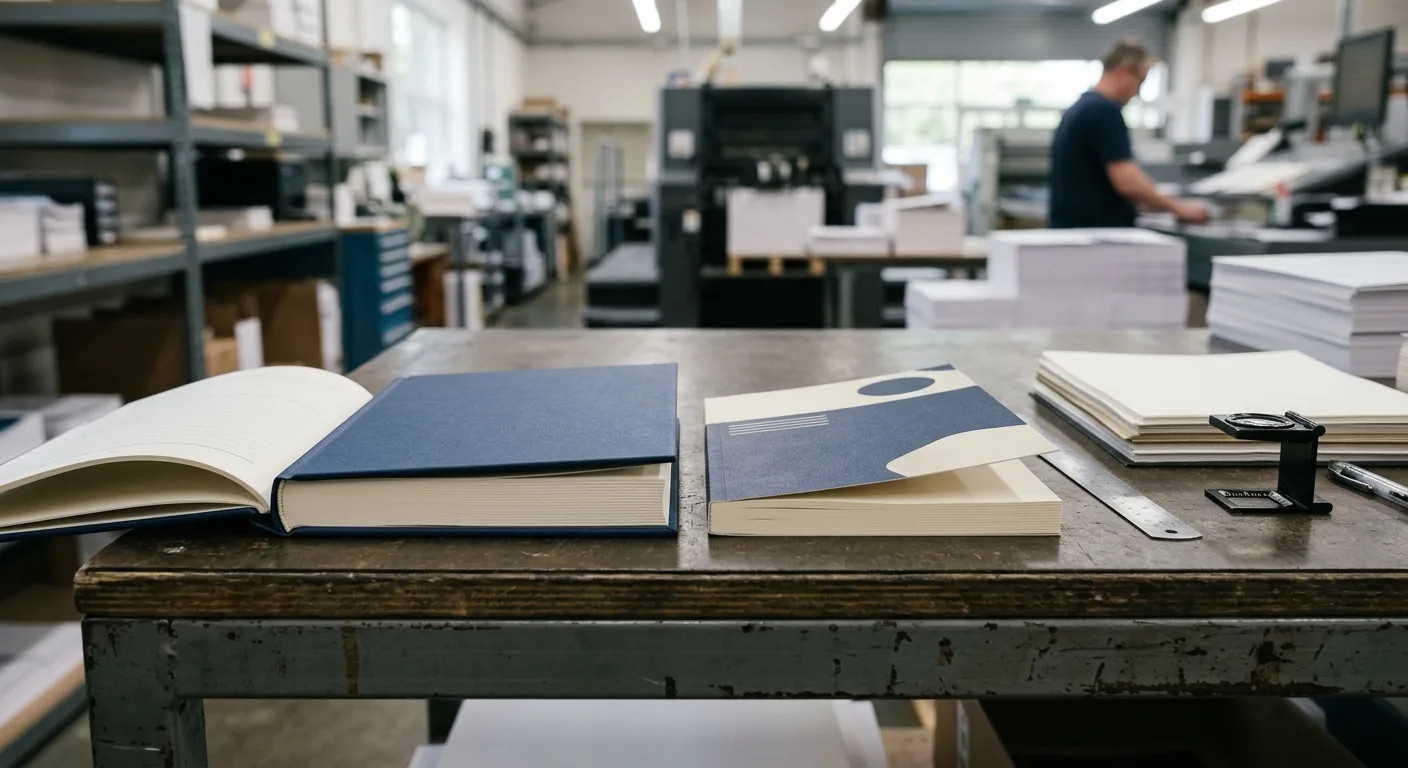
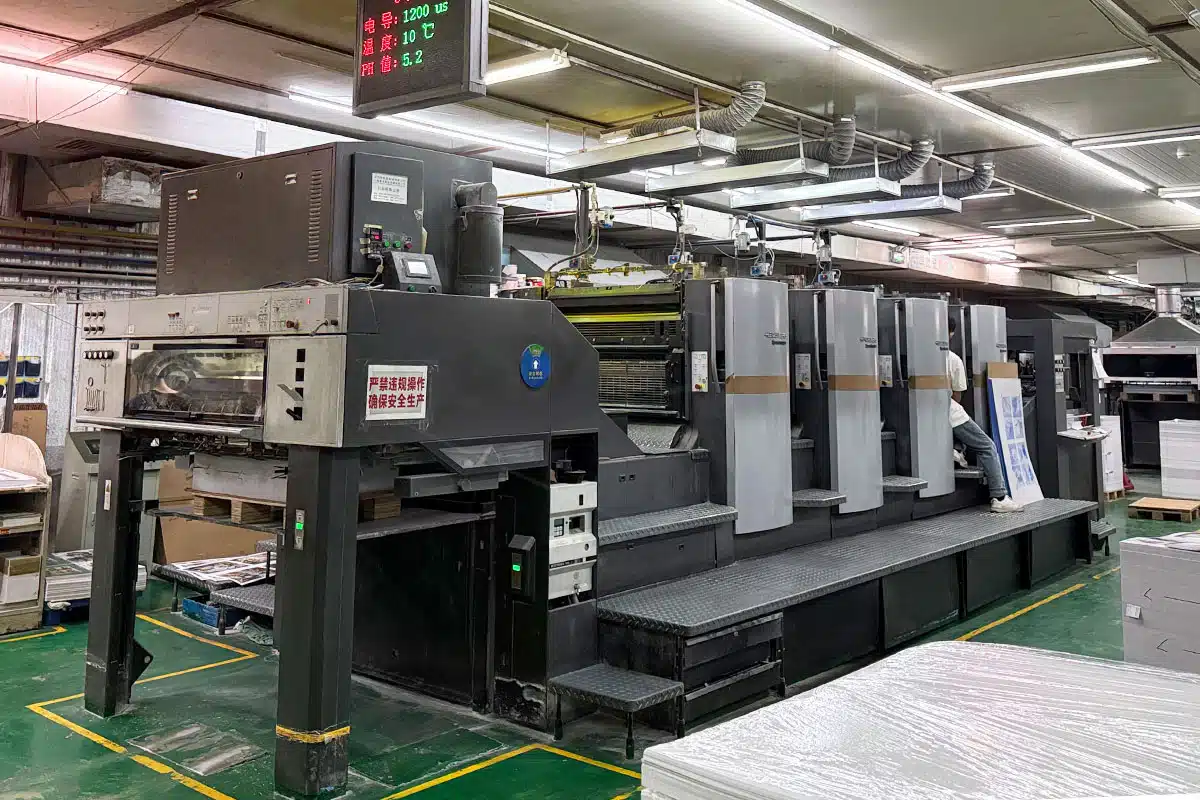
A press sample is produced with the intended production method, or with a process that closely represents it, so the buyer can evaluate the finished product at a higher level of confidence. Depending on the order, it may be made during a press run, from production materials, or through a separately prepared sample process agreed with the manufacturer.
Compared with a basic proof, a press sample focuses more on the complete manufacturing result. It can help you review:
- Paper weight, colour, opacity, texture and surface finish.
- Printed colour and image reproduction on the selected stock.
- Cover board, case material, lamination, coating or other specified finishes.
- Binding strength, spine appearance and cover-to-textblock alignment.
- Die-cutting, foil, embossing, folds, inserts or other approved construction details.
- Overall handling, page-turning experience and visual consistency.
A press sample is most valuable when a small variation could affect approval, retail presentation, customer experience or reprint decisions. It is often worth considering for premium hardcovers, illustrated books, board books, books with special finishing and first-time projects with a new supplier.
It is not an absolute guarantee that every copy will be identical. Production uses materials from a particular batch and involves normal manufacturing tolerances. The buyer and printer should agree which characteristics the sample establishes, how approvals will be recorded and what changes require a new approval.
Book dummy vs proof vs press sample comparison
The following comparison provides a practical way to distinguish the main book printing sample types. Terminology and sample availability can vary by printer, format and production method, so confirm the exact specification in the quotation.
| Sample type | Main purpose | Usually checks | Usually does not confirm | Best used when |
|---|---|---|---|---|
| Book dummy | Physical structure and format | Size, page order, thickness, opening, binding concept and construction | Final colour, exact image reproduction and full finishing appearance | The format or structure is new, complex or difficult to judge on screen |
| Print proof | Artwork and print-output approval | Text, layout, image placement, bleed, colour direction and cover artwork | Exact production materials or complete manufacturing consistency | The buyer needs to approve files before the main print run |
| Press sample | Production-level evaluation | Materials, print quality, binding, finishing and physical user experience | Absolute uniformity across every finished copy | The product is premium, complex, high-risk or being approved for retail |
Which sample should a buyer order?
Choose the sample based on the decision you need to make, not simply on the sample name. A practical decision path is:
- Need to confirm the physical concept? Request a dummy. This is appropriate when you are still checking size, page flow, thickness, folds, board construction or binding.
- Need to approve final artwork? Request a proof. Make sure the proof is based on the latest files and clarify whether it is digital, printed or bound.
- Need to approve the complete production result? Request a press sample. Specify the paper, cover, binding, finishing and any special components that should be represented.
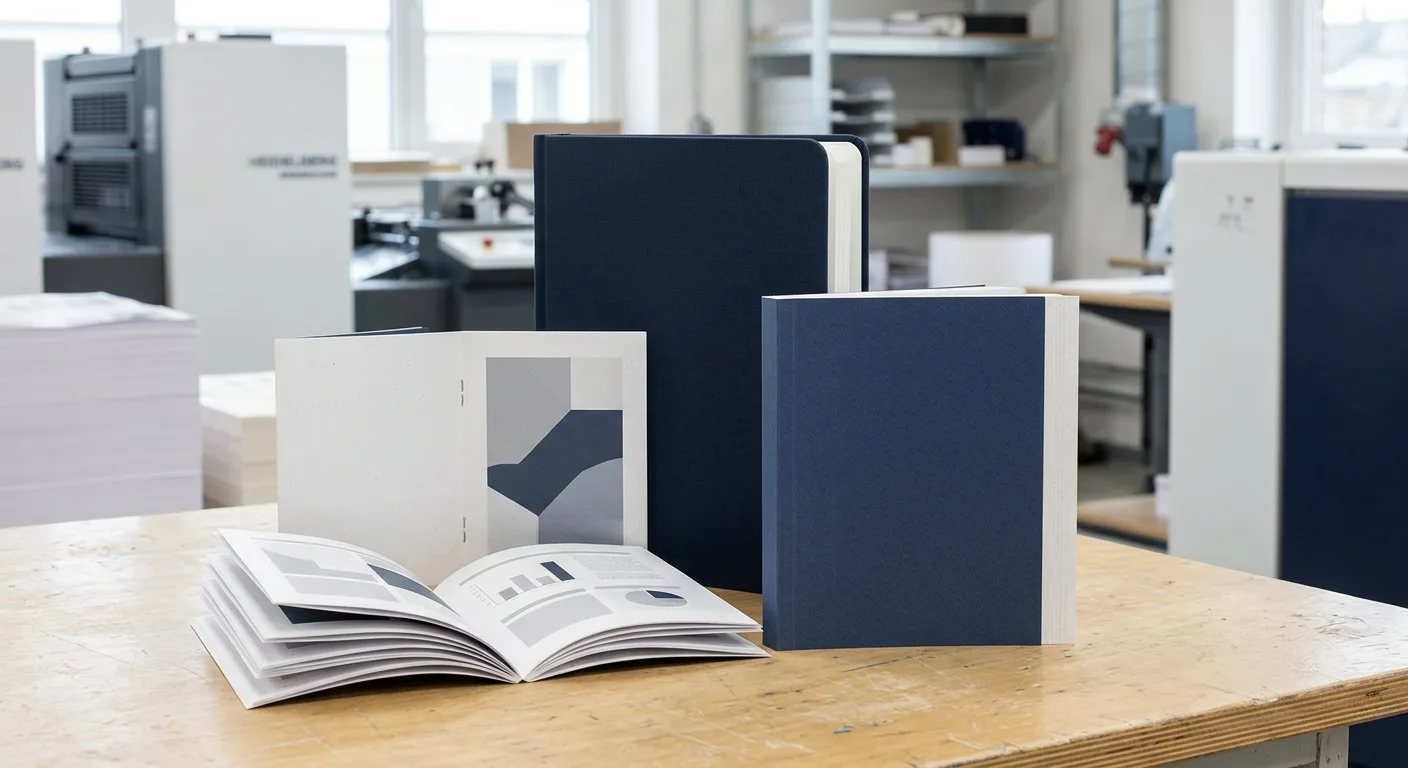
Some projects use the samples in sequence: dummy first, proof second and press sample last. Others may combine the checks in one bound proof or production sample. For a simple paperback with stable artwork, a full press sample may add less value than a carefully reviewed proof. For a complex board book or premium hardcover, structure and materials may justify more than one physical check.
Budget and schedule assumptions should be explicit. Sample cost can depend on quantity, page count, trim size, paper, binding, finishing, tooling, file readiness and shipping destination. Sample lead time can also change when special materials or processes are involved. Ask whether the sample charge is separate, whether revisions require another sample and whether the approved sample can be retained as a reference.
For overseas buyers comparing suppliers, our guide to commercial book printing services for overseas publishers provides additional questions to discuss during sourcing.
Buyer checklist for reviewing a book sample
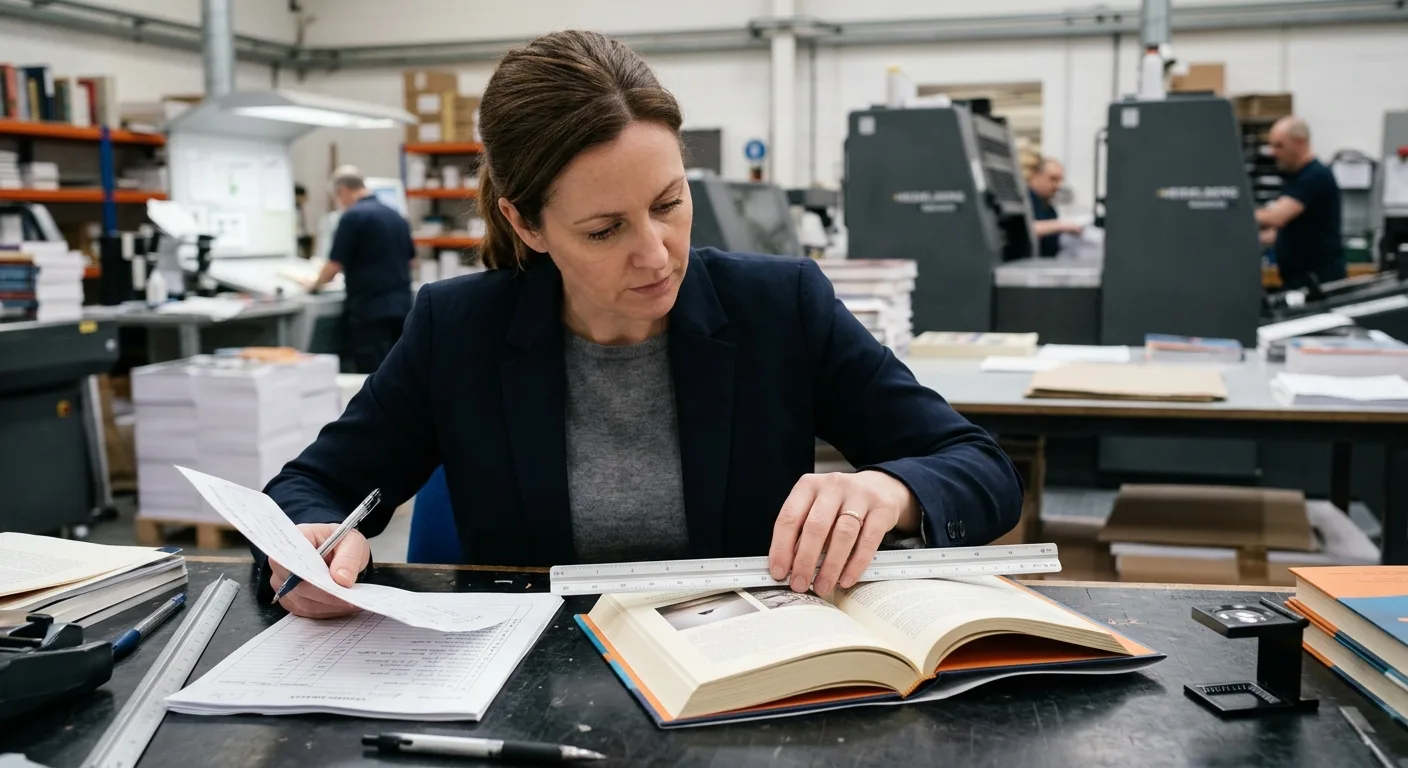
Review samples under consistent conditions and record approval comments in writing. Use this checklist before authorising production.
File and content checks
- Confirm the sample uses the latest file version and that the version number is recorded.
- Check every page for missing text, incorrect images, blank pages, duplicated pages and wrong pagination.
- Review trim, bleed, safe areas, crop marks and the position of content near the spine.
- Check the cover front, back, spine, flaps, barcode area and any required legal or product information.
Physical and print checks
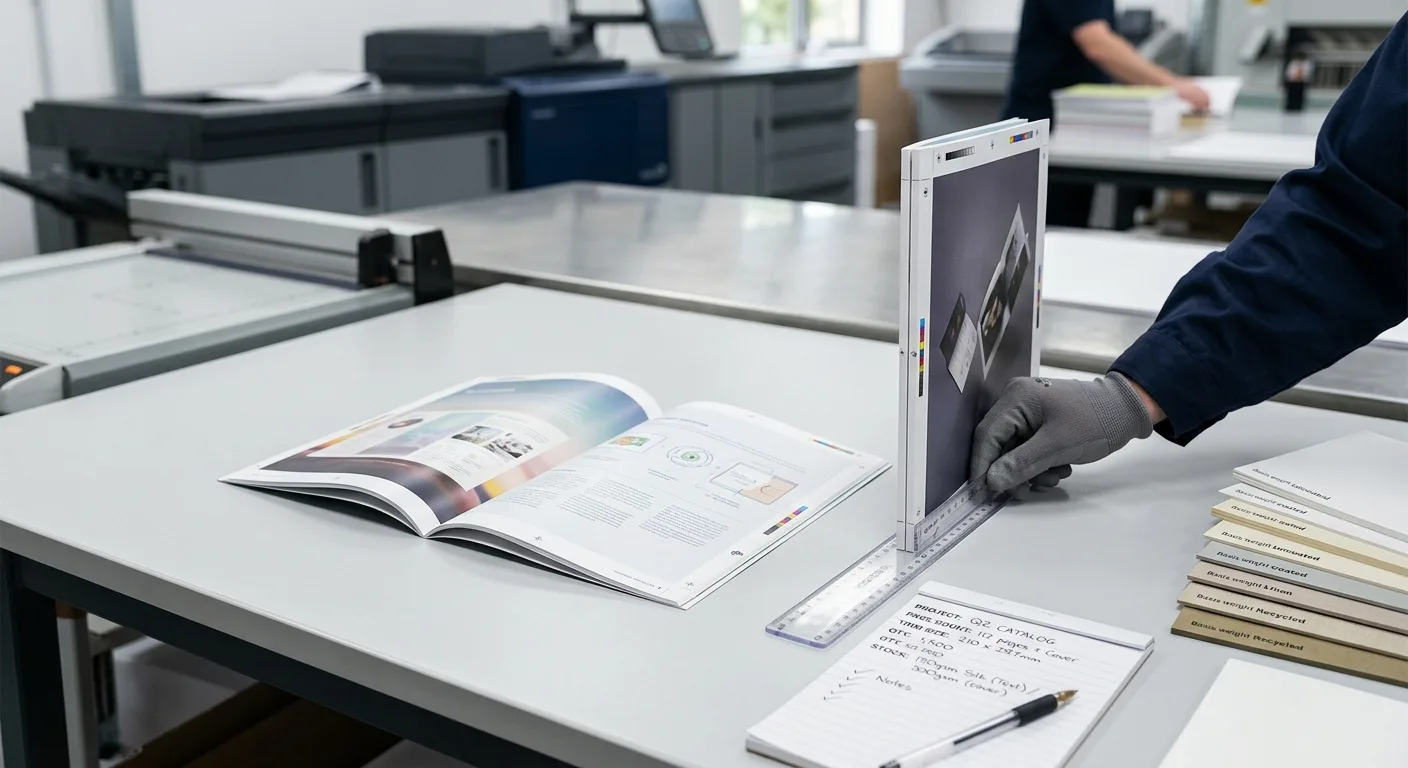
- Measure the finished size and compare it with the approved specification.
- Check paper feel, opacity, show-through, stiffness and surface finish.
- Review colour, neutral areas, skin tones, dark images, fine lines and small text under suitable lighting.
- Inspect trimming, folding, binding, spine alignment, page adhesion and cover registration.
- Check lamination, foil, embossing, spot coating, die-cuts or inserts if these are part of the specification.
For board books and other structured formats, file setup can affect the physical result. If that applies to your project, review guidance on board book bleed, safe areas, spreads and page counts before sending revised artwork.
Separate objective corrections from subjective preferences. Mark errors that must be corrected, then list optional changes that may affect cost or schedule. Do not approve a sample with unresolved comments unless the approval record clearly states what will change and who is responsible.
A practical sample approval workflow
A clear workflow reduces repeated samples and prevents different teams from approving different versions. Start by writing a sample brief that identifies the purpose of the sample, the files to use and the features that must be represented.
- Confirm the specification: Record trim size, page count, paper, cover material, binding, finishing, packaging requirements and destination country.
- Define the sample objective: State whether the sample is for structure, artwork, colour, materials, finishing or complete production approval.
- Submit controlled files: Use clear file names and identify the final PDF, colour references, dielines and any separate instructions.
- Review systematically: Use one checklist and inspect the sample under agreed lighting and handling conditions.
- Send consolidated comments: One approved comment list is easier to action than messages from several people at different times.
- Record approval: Keep the approved sample images, file version, date, comments and any agreed tolerances with the purchase documentation.
Ask the printer to explain any difference between the sample process and the mass-production process. A digital proof, for example, may be suitable for file approval but not for judging the feel of the selected stock. Likewise, a press sample may show the intended construction while normal production tolerances still apply.
This process works alongside a broader understanding of the book production process, from prepress and printing through binding, inspection and delivery.
Conclusion
The difference between a dummy, proof and press sample is the decision each one supports. A dummy confirms physical structure, a proof confirms artwork and print interpretation, and a press sample provides a closer review of the intended finished product. The best choice depends on your book format, production risk, budget, file status and approval requirements.
Before requesting samples, describe exactly what you need to verify. Clear expectations help the printing partner recommend an efficient sampling plan and make your final approval more useful.
Discuss the right book production sample
YBJ Printing can discuss a practical sampling approach for your custom book project. To prepare an accurate quotation, please share the product type, trim size, page count, quantity, paper or binding preference, finish, file status and destination country. You can also explain whether you need a dummy, proof, press sample or a staged approval plan.