
Table des matières
- What Is the Landed Cost of Printed Books?
- The Main Costs in a China-to-USA Book Shipment
- How Book Quantity, Cartons and Volume Affect Freight
- Book Shipping Options from China to the USA
- Incoterms, Customs and Import Responsibilities
- A Practical Method for Estimating Total Landed Cost
- Buyer Checklist Before Requesting a Shipping Quote
- Plan the Full Cost, Not Just the Print Price
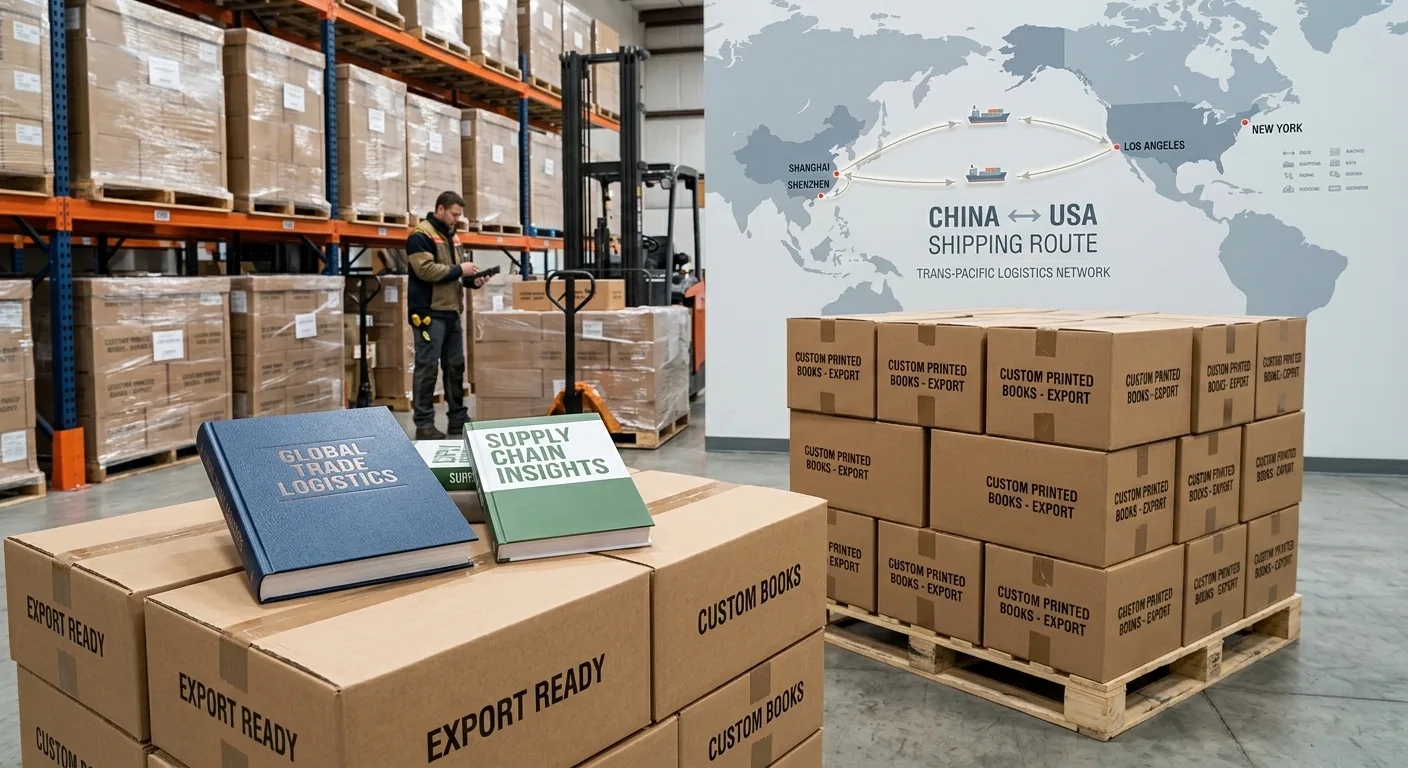
The book printing shipping cost from China to USA depends on shipment volume, carton dimensions, transport mode, Incoterms, customs charges and final delivery requirements. This guide explains how to build a realistic landed-cost estimate before placing a production order.
What Is the Landed Cost of Printed Books?

Les book printing shipping cost from China to USA is only one part of the final import expense. The landed cost of printed books is the total amount required to produce, transport, clear and receive the books at the agreed US destination.
A useful planning formula is:
Landed cost = book manufacturing cost + export packing + international freight + cargo insurance, if selected + customs-related charges + import duties or taxes, if applicable + destination delivery and handling.
The exact total depends on the book specification, shipment size, port or airport, delivery address, current freight market, customs classification and selected trade term. A factory quotation that shows only the unit printing price should therefore not be treated as the final delivered cost.
For international publishers, it is also important to compare the cost per copy after delivery rather than comparing factory unit prices alone. A lower manufacturing price may not produce the lowest total cost if the order uses inefficient cartons, expedited freight or a costly final-mile service.
The Main Costs in a China-to-USA Book Shipment
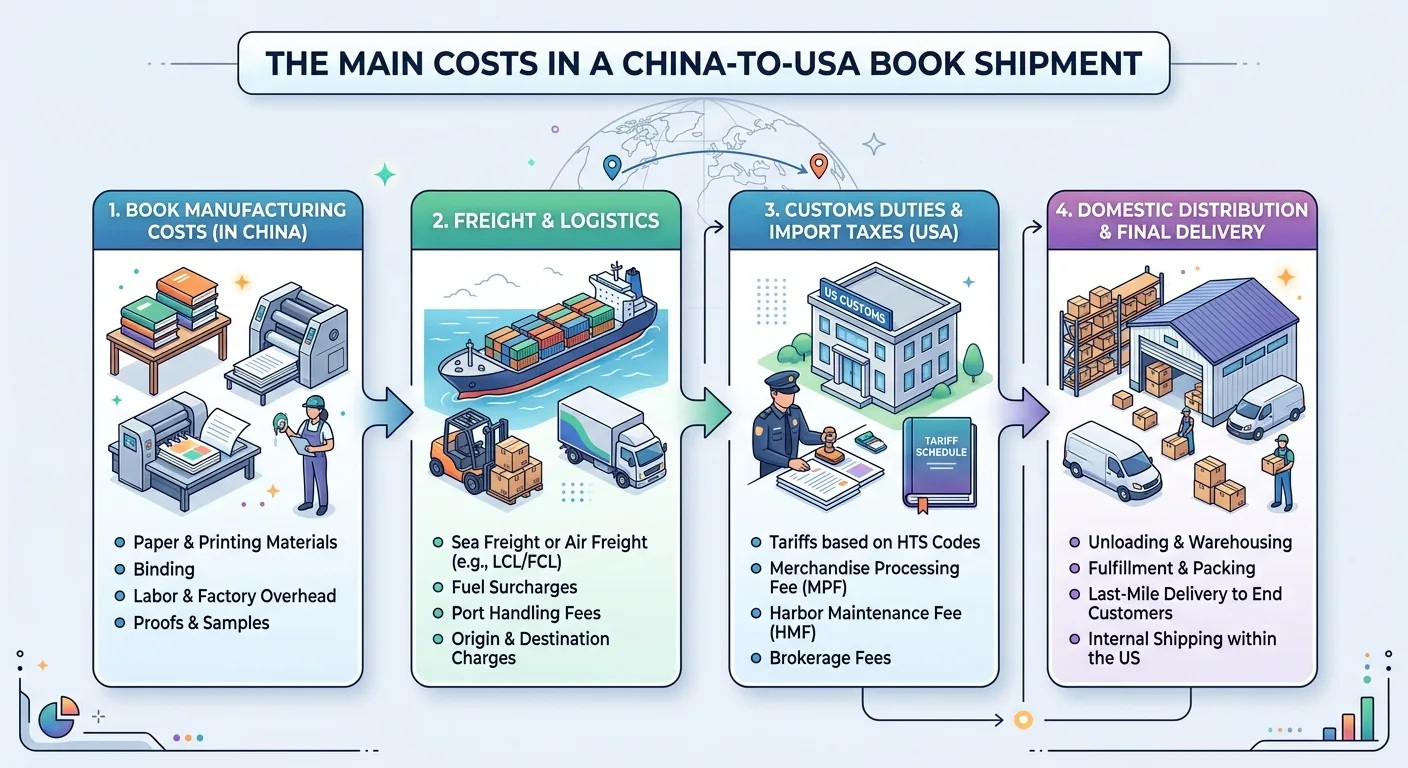
A reliable estimate separates the shipment into individual cost categories. This makes it easier to identify which assumptions can change before production starts.
Book manufacturing and finishing
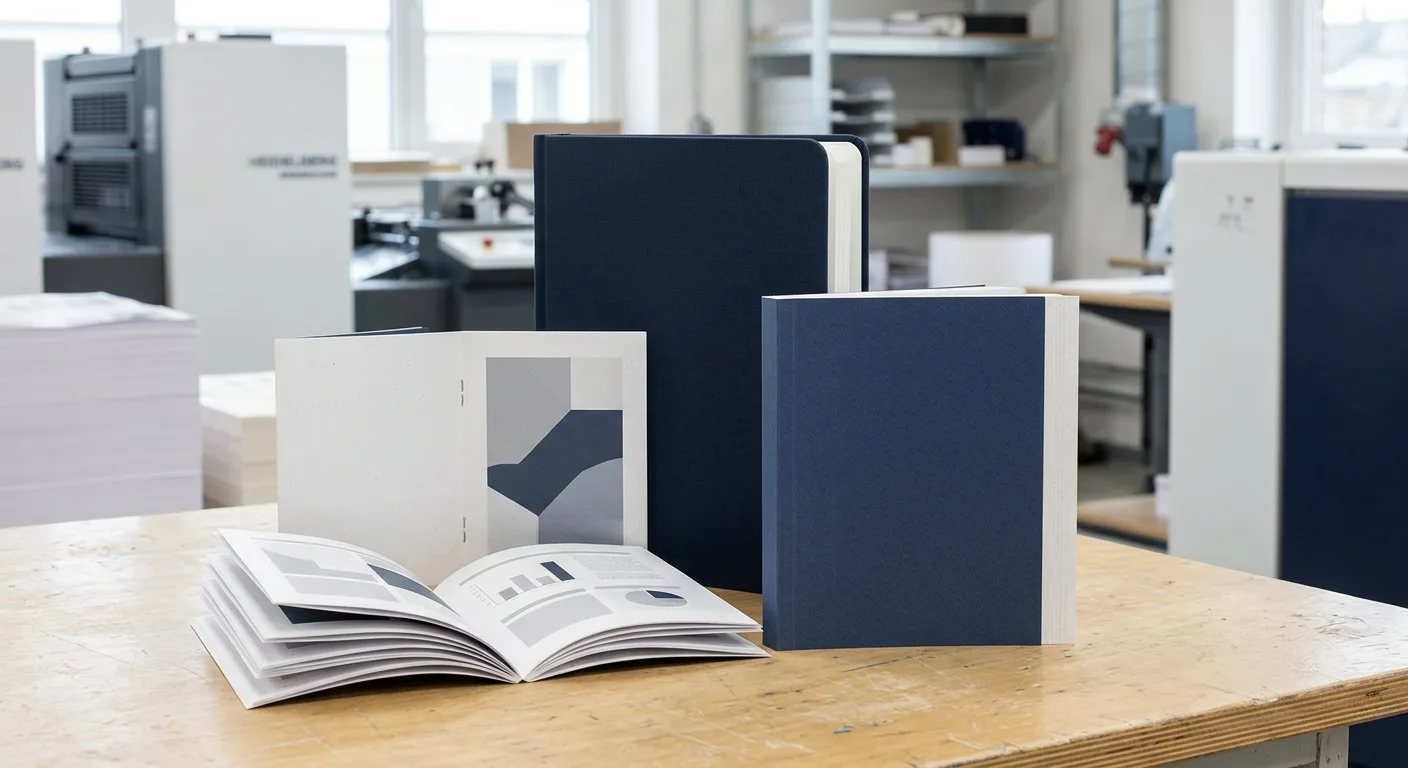
Printing, paper, binding and cover finishing usually form the largest part of the factory invoice. Page count, trim size, colour pages, paper weight, binding method, lamination, foil, embossing and special inserts all affect the packed weight and volume as well as the manufacturing price.
For example, a hardcover book with a board case and additional finishing normally requires more material and may weigh more than a comparable paperback. Our guide to hardcover versus paperback book printing can help with the format decision before freight is calculated.
Export packing
Books are commonly packed in inner bundles and corrugated export cartons. Carton strength, bundle count, pallet use, corner protection and moisture protection can change the shipment dimensions. Efficient packing reduces unused space, but cartons must still protect corners, covers and edges during handling.
International transport
Ocean freight, air freight, courier service and multimodal transport are priced differently. Freight providers may calculate charges from actual weight, dimensional weight, chargeable volume, container space or a combination of these factors.
Destination charges
Depending on the quotation structure, the buyer may also need to budget for terminal handling, documentation, customs clearance, brokerage, port or airport fees, delivery appointment charges, storage, demurrage and final-mile trucking. Not every shipment has every charge, so the quotation should state what is included.
How Book Quantity, Cartons and Volume Affect Freight
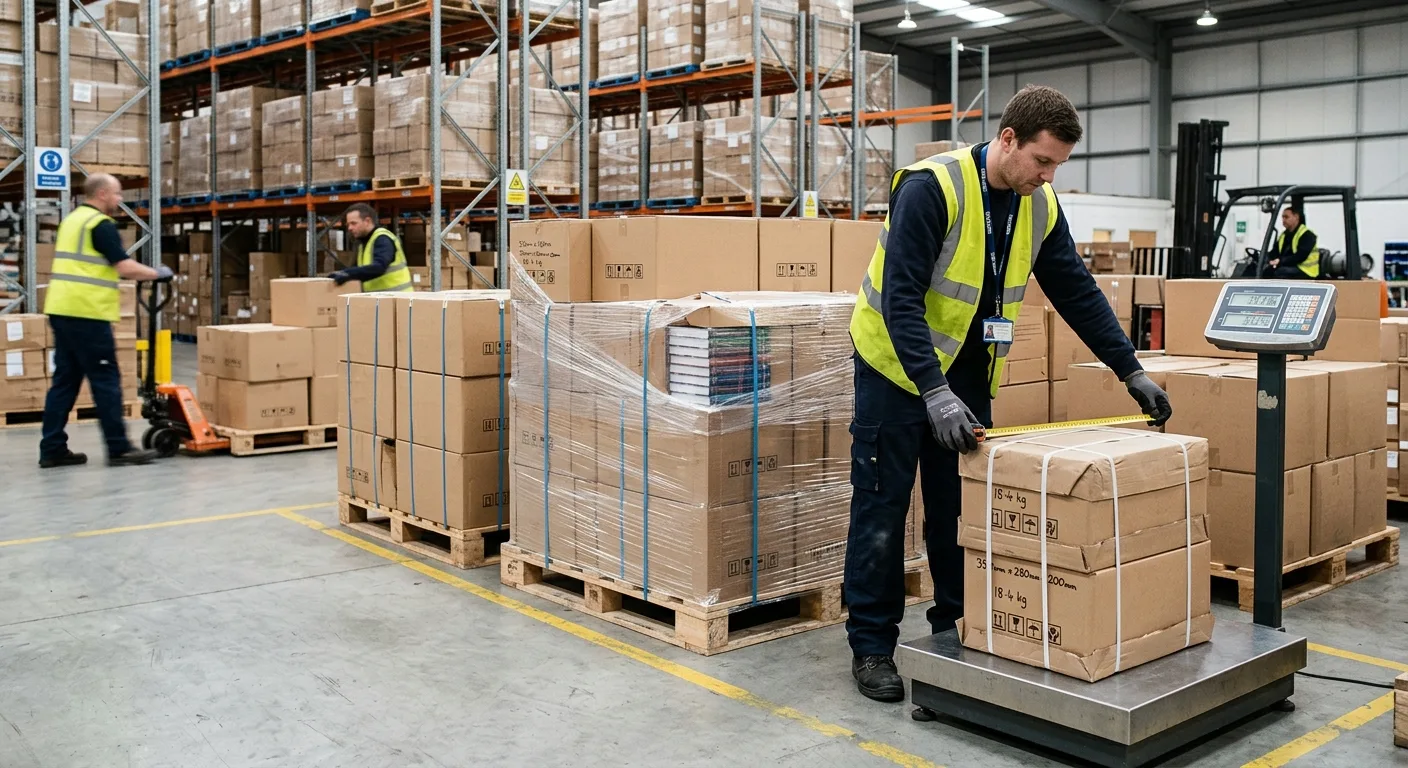
Shipping cost is strongly influenced by the finished shipment, not just the number of books ordered. Before asking for freight pricing, request an estimated packing list with the number of cartons, books per carton, carton dimensions, gross weight, net weight and total volume.
Three quantities are especially useful:
- Gross weight: the books, packaging and pallets or other shipping materials.
- Total volume: the cubic measurement occupied by all cartons.
- Chargeable weight: the weight used by the carrier after comparing actual and dimensional weight where applicable.
Book orders are often dense and heavy. That can make ocean freight suitable for larger quantities, while air freight may become expensive when the shipment has a high gross weight or large volume. Carton design also matters: a small reduction in empty space across many cartons can improve freight efficiency, but over-compressing books may cause edge or cover damage.
Ask the printer whether the packing estimate assumes pallets. Palletized cargo may be easier to handle in some supply chains but can increase volume and weight. Floor-loaded cartons may use space differently and may not suit every warehouse or unloading arrangement.
If the order contains multiple book titles, calculate the combined shipment. Consolidating titles can improve overall freight efficiency, although production completion dates and carton identification must be coordinated carefully.
Book Shipping Options from China to the USA
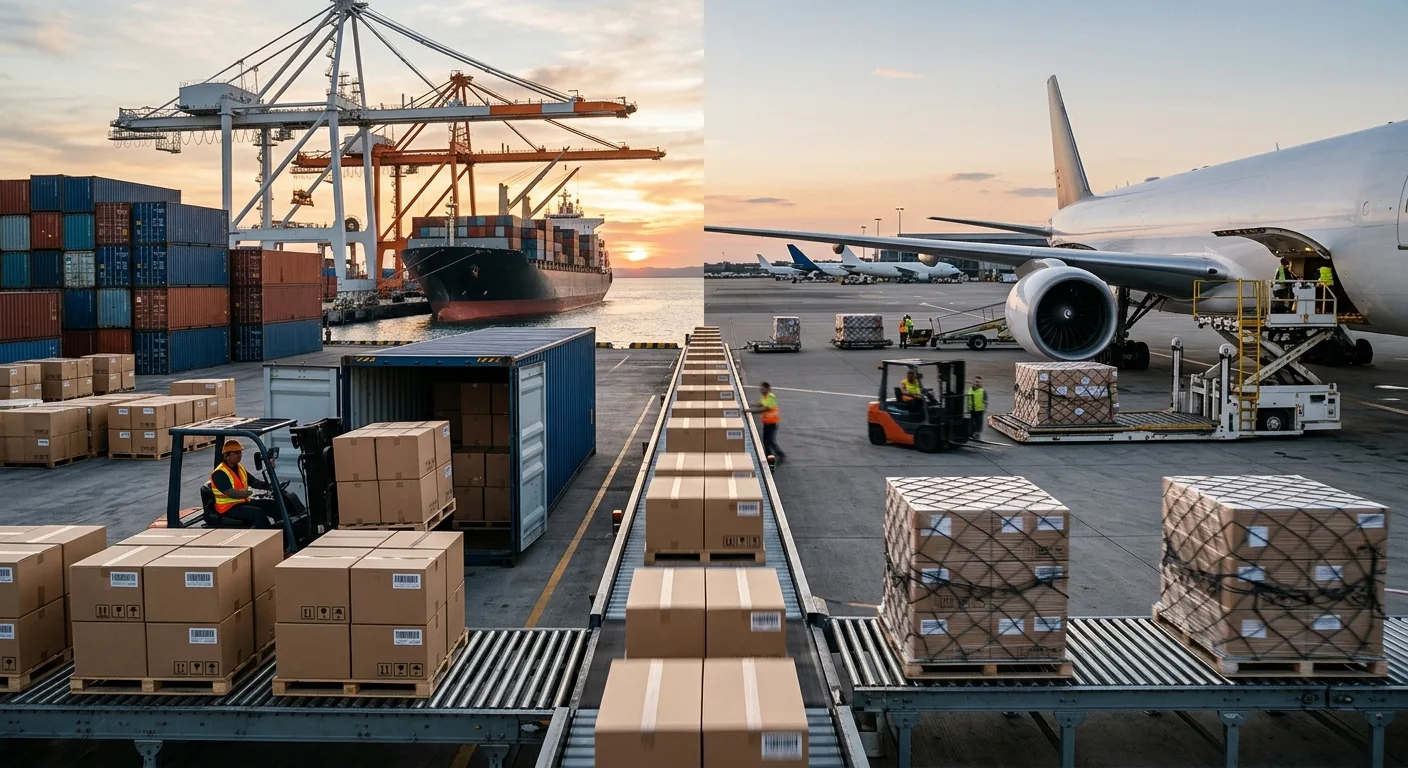
The best book shipping option depends on quantity, required arrival window, inventory value and the buyer’s ability to manage import procedures. No single transport mode is best for every order.
Ocean freight
Ocean freight is commonly considered for larger commercial book shipments because it can handle substantial weight and volume. Transit planning must include export handling, sailing schedules, port operations, customs clearance and inland delivery. The total time is therefore longer than the ocean transit segment shown by a carrier.
Air freight
Air freight can be useful for samples, launch quantities, replacement stock or orders with a shorter required arrival window. The main trade-off is usually a higher transport cost for heavy books. Dimensional weight may also apply, so ask for the carrier’s chargeable-weight calculation.
Courier or express service
Courier shipping is convenient for proofs, small quantities and documents. It is generally less suitable for a large commercial order because the per-copy transport cost can be high. Courier quotations should be checked for customs clearance, duties, remote-area fees and residential-delivery restrictions.
Multimodal and split shipments
A buyer may use ocean freight for the main quantity and air or courier service for an advance portion. This can support a launch date without moving the entire order by air. However, split shipments create additional packing, documentation and coordination work, so the total should be compared rather than assuming the faster option is automatically economical.
Our guide to importing books from China provides additional planning context for shipping, customs and logistics.
Incoterms, Customs and Import Responsibilities
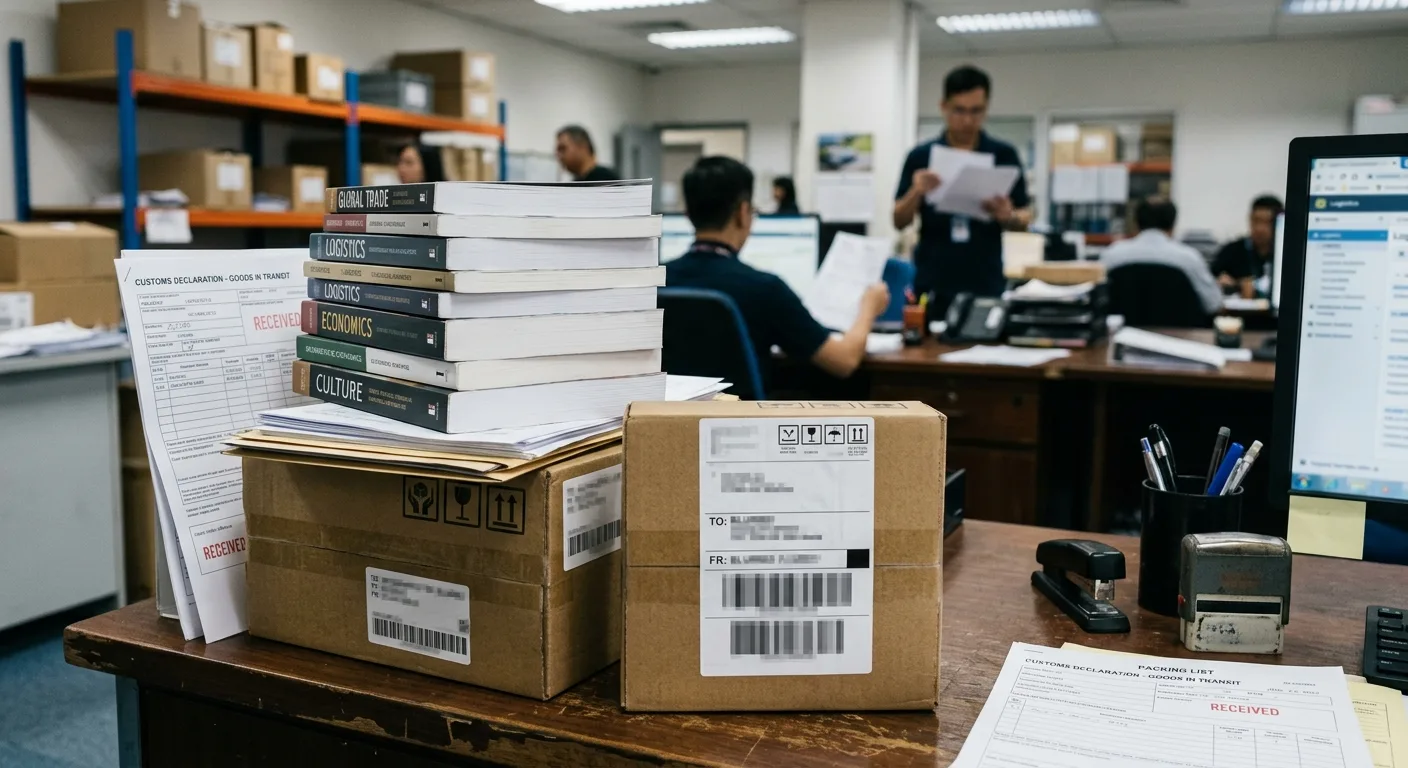
Two quotations for the same book order may look very different because they use different Incoterms. The trade term defines which party arranges transport, bears specific risks and manages certain import or export responsibilities.
Under an arrangement where the buyer collects or manages the main transport, the factory price may exclude most freight and destination charges. Under a delivered arrangement, more logistics services may be included, but the quotation must still be checked carefully for exclusions, customs treatment and final delivery conditions.
Ask these questions before comparing offers:
- Where does the seller’s responsibility end?
- Is export customs clearance included?
- Is ocean or air freight included, and to which port, airport or address?
- Are US customs brokerage, duties, taxes and destination charges included?
- Who is listed as the importer of record?
- Is delivery to a commercial address, residential address, warehouse or fulfilment centre?
- What happens if customs requests additional information or the shipment is selected for inspection?
Import duties and related charges depend on the product classification and current US rules. Printed books may be treated differently from products with special components, gifts, promotional items or accessories. The importer or customs broker should confirm the applicable classification and charges for the specific shipment. Do not rely on a generic duty percentage in an early planning estimate.
Delivery location also matters. A shipment to a major commercial warehouse may have different requirements from delivery to a residential address, fulfilment centre or remote location. Appointment fees, liftgate service, storage and redelivery charges should be considered where relevant.
A Practical Method for Estimating Total Landed Cost

Use the following process to create a working estimate before approving production.
1. Finalise the print specification
Record the trim size, page count, colour format, paper stock, binding, cover construction, finishing, inserts and quantity. If you are still comparing formats, note both options because a change from paperback to hardcover can affect manufacturing price, carton weight and volume.
2. Request the packed shipment data
Ask for estimated cartons, carton dimensions, gross weight, total cubic metres and pallet information. These figures may change slightly after production, but they provide the basis for a freight enquiry.
3. Request freight using the actual destination
Provide the US ZIP code, delivery type and whether the address can receive a truck delivery. Ask for separate options for ocean, air and courier where appropriate. Request the validity period of the freight quote because transport rates and surcharges can change.
4. List excluded costs
Write down every item not included in the quotation, such as customs brokerage, duties, taxes, destination handling, storage, appointment fees or local delivery. If the seller offers a delivered price, request a written breakdown rather than assuming every import cost is covered.
5. Divide by the sellable quantity
Calculate the estimated landed cost per copy using the quantity expected to arrive in usable condition. Keep a separate allowance for inspection, replacement copies, damaged cartons, exchange-rate movement and possible changes in final packing. This is a planning allowance, not a guaranteed charge.
For production economics, the printing method also matters. Our offset versus digital printing guide explains how volume and production requirements can influence the manufacturing side of the calculation.
Buyer Checklist Before Requesting a Shipping Quote
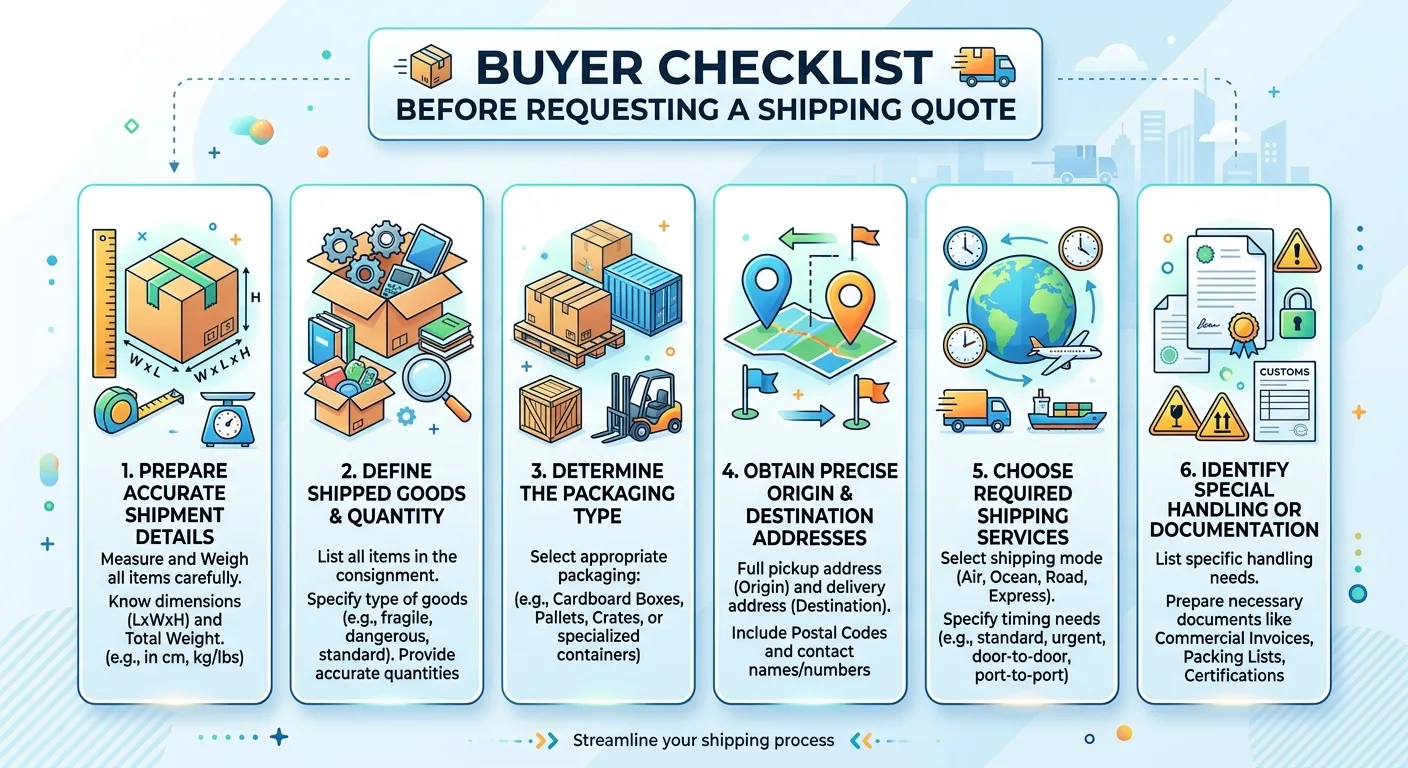
Prepare the following information so a printer or freight provider can return a more useful estimate:
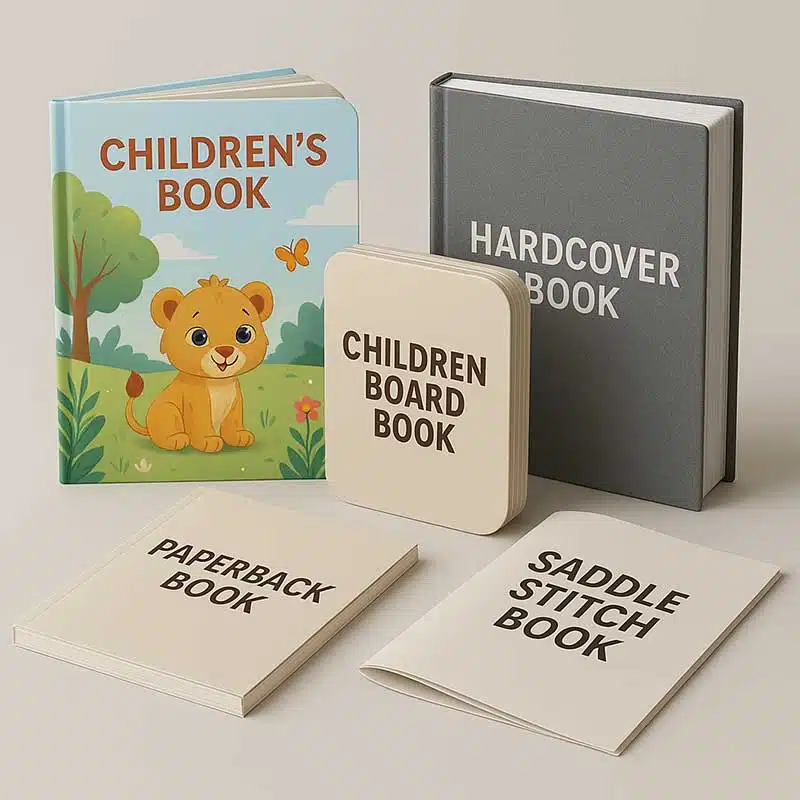
- Product type, such as paperback, hardcover, booklet, board book or magazine.
- Finished trim size and whether the size is specified in millimetres or inches.
- Page count, including whether covers, endpapers or inserts are counted separately.
- Quantity per title and the combined quantity if several titles will ship together.
- Paper preference, including interior and cover stock where known.
- Binding preference, such as perfect binding, sewn binding, saddle stitch or case binding.
- Finishing requirements, including lamination, foil, embossing, spot coating, shrink wrapping or special packing.
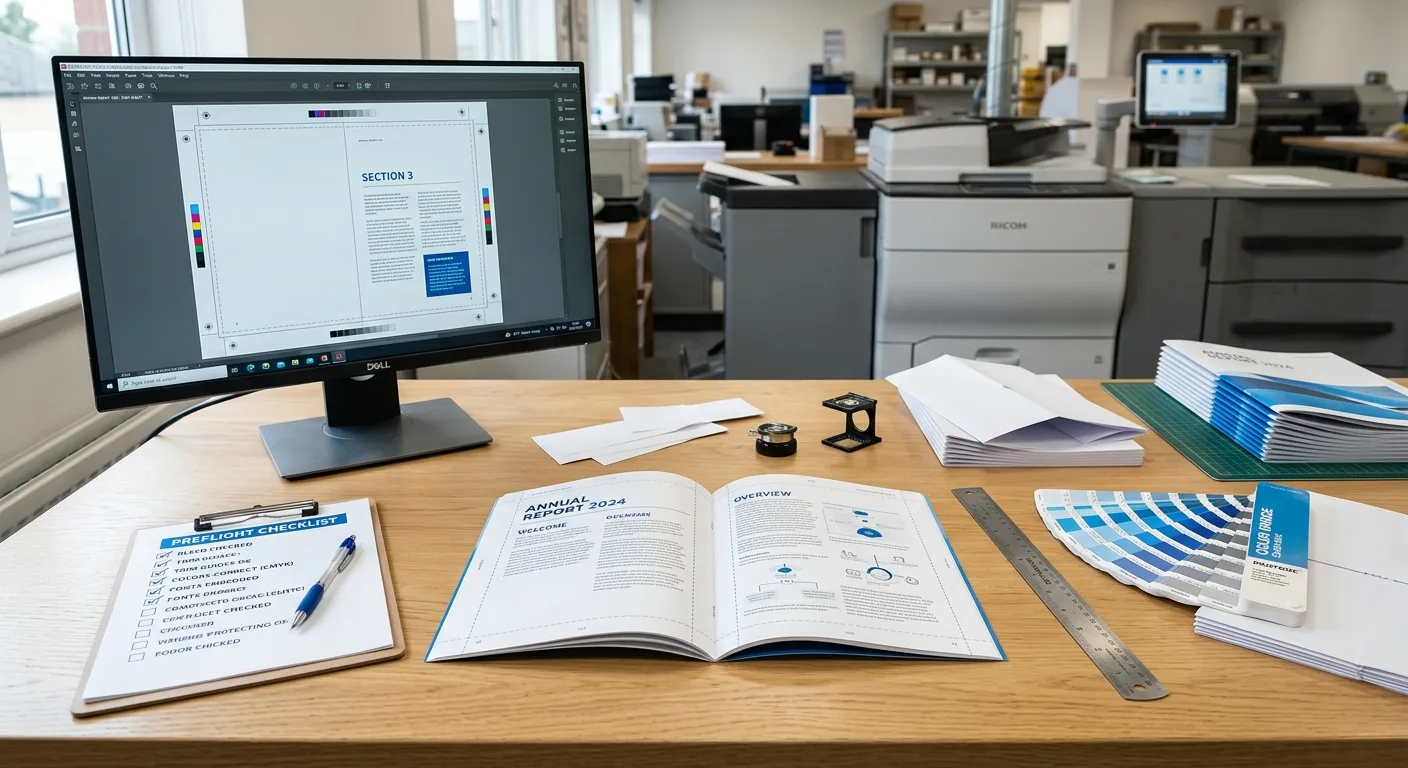
- File status, including whether artwork is print-ready or still requires prepress review.
- Destination country, US state, ZIP code and delivery address type.
- Required arrival window and whether a partial shipment is acceptable.
- Preferred Incoterm or the level of logistics support needed.
It is also useful to state whether the books will be sold through a retailer, delivered to a fulfilment centre, distributed to customers or stored at the buyer’s own warehouse. The delivery environment can affect carton labelling, appointment requirements and final-mile planning.
For campaign-based orders, production and shipping should be planned together. Our guide to bulk printing for Kickstarter projects covers the production gap between a funded campaign and customer fulfilment.
Plan the Full Cost, Not Just the Print Price
The most accurate way to plan the book printing shipping cost from China to USA is to combine the final print specification with realistic packing data, a destination-specific freight quote and a clear statement of import responsibilities. Ocean, air and courier services each have a place, but the right choice depends on shipment volume, timing and delivery requirements.
Because freight rates, surcharges, customs treatment and destination charges can change, early estimates should be treated as planning figures. Confirm the final commercial terms, packed dimensions, shipment documents and delivery arrangements before dispatch.
Request a Landed-Cost Estimate for Your Book Project
Would you like to compare production and shipping options for your US order? Contact YBJ Printing to discuss your project. For a more accurate quotation, please provide the product type, trim size, page count, quantity, paper or binding preference, finish, file status and destination country.