
Table of Contents
- The Short Answer
- How Hardcover and Paperback Books Are Made
- When to Choose Hardcover Printing
- When to Choose Paperback Printing
- Cost and Production Factors
- Buyer Checklist Before Requesting a Quote
- Making the Final Choice
Hardcover and paperback books serve different commercial and reader needs. This guide explains the practical differences in construction, cost drivers, durability and production planning so buyers can select the right format for their project.
The Short Answer
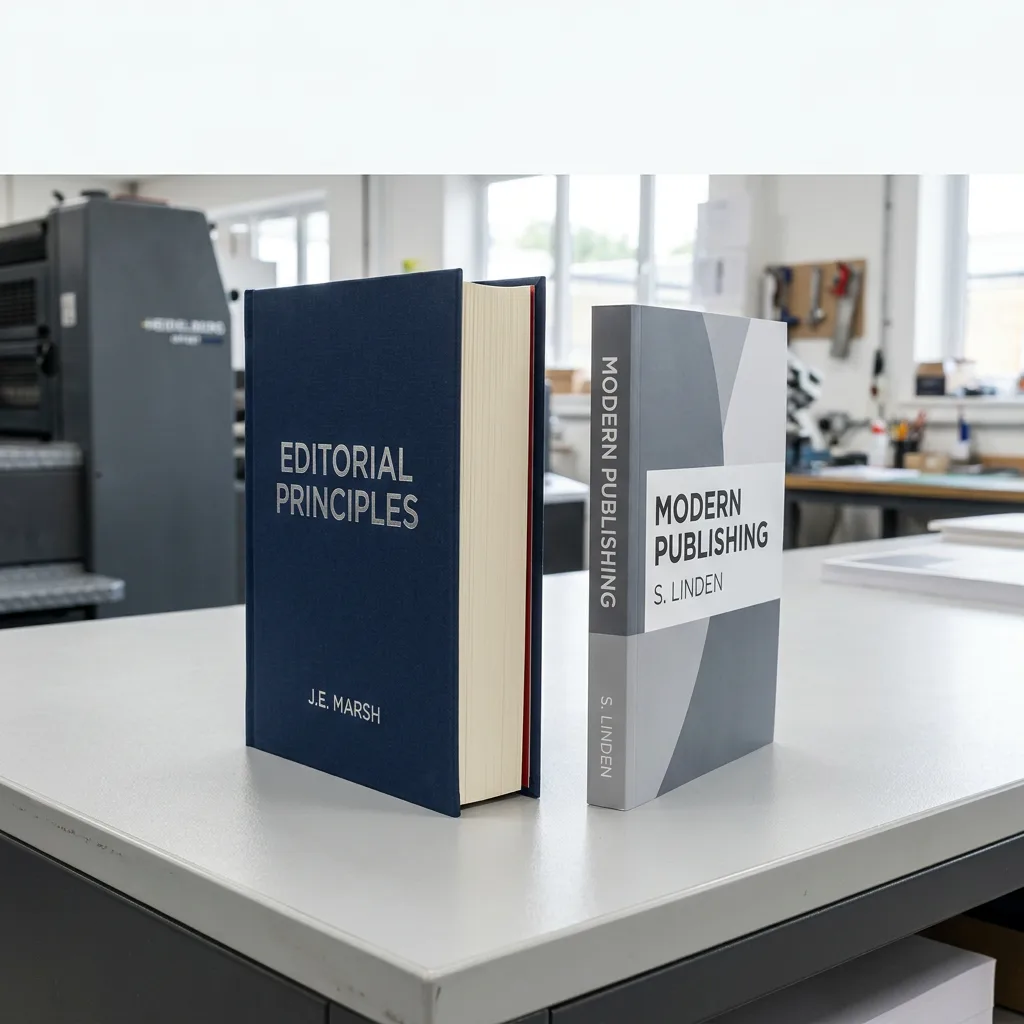
In hardcover vs paperback book printing, hardcover is usually the better choice for books that need a durable, premium presentation and a longer useful life. Paperback is usually the better choice when unit cost, lighter weight and broad distribution are the priority.
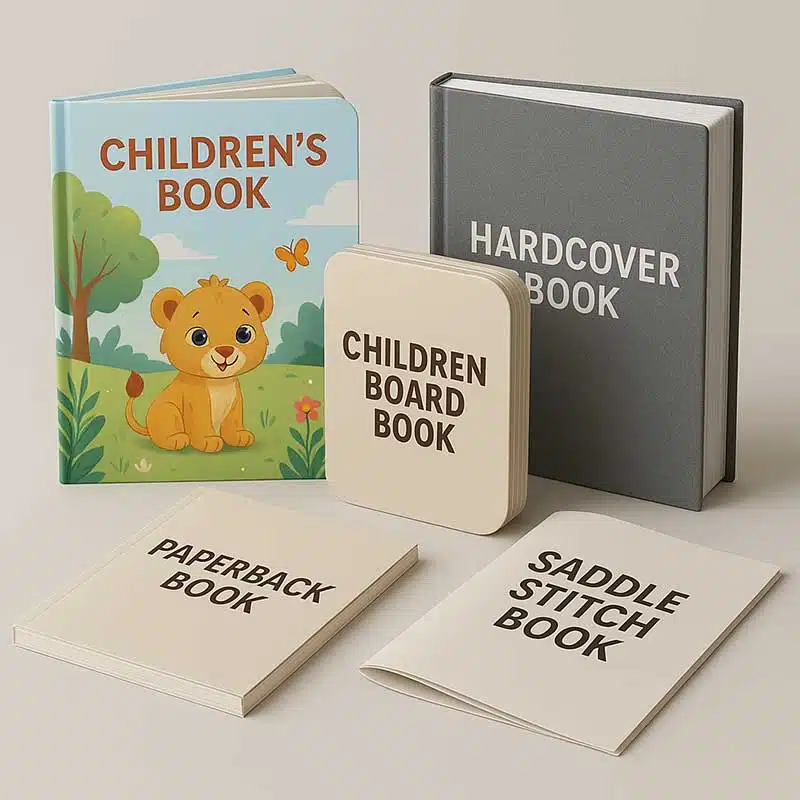
A hardcover book uses a rigid board cover, commonly wrapped with printed paper, cloth or another covering material. A paperback book uses a flexible paperboard cover, most often paired with perfect binding. Neither format is universally better: the right format depends on the book’s purpose, retail position, page count, quantity, expected handling and budget.
For example, an illustrated company history, anniversary book, art title or school yearbook may justify a hardcover. A training manual, novel, event guide, catalogue or promotional title may be more practical as a paperback. The content, audience and distribution model should drive the decision before cover finishes are selected.
How Hardcover and Paperback Books Are Made
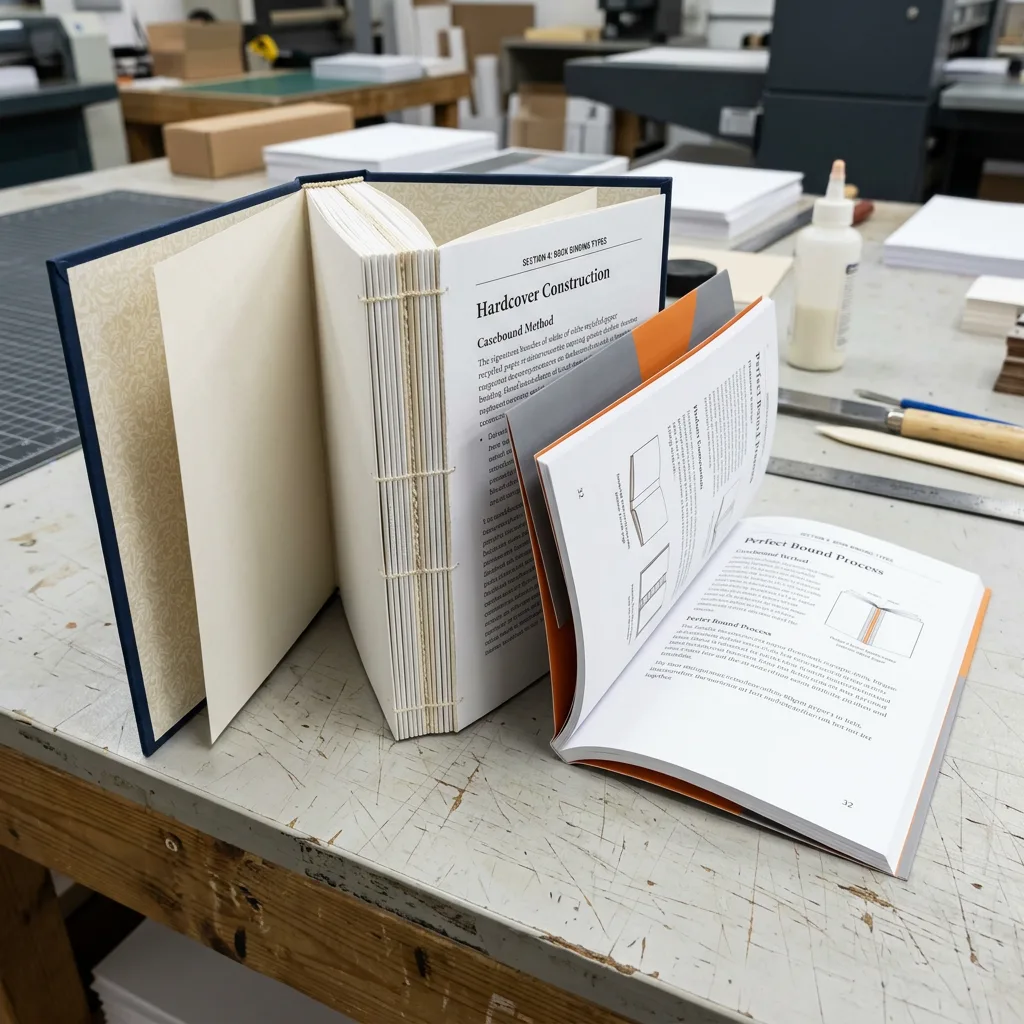
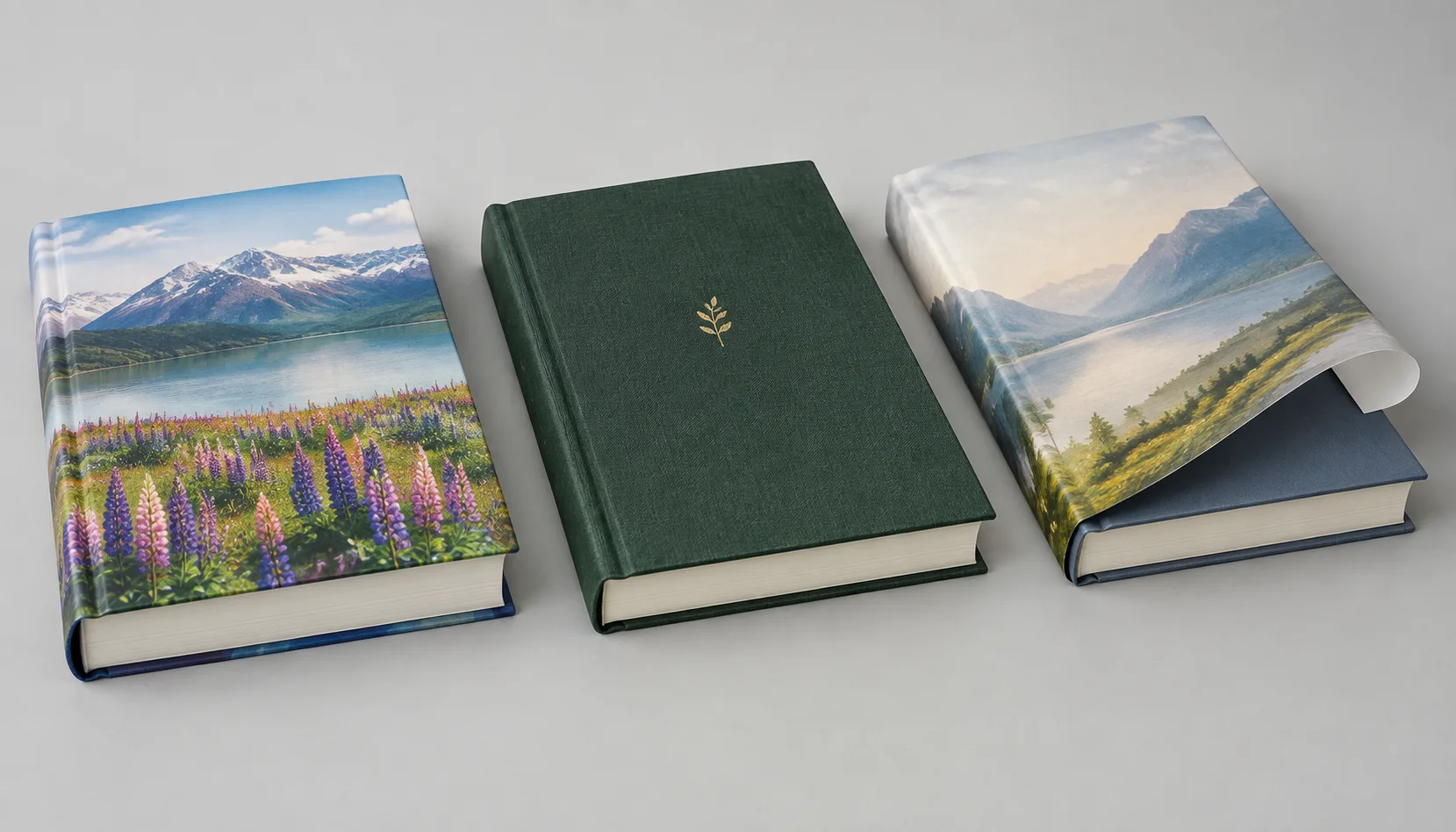
The main difference is the cover construction. A hardcover, also called a casebound book, is made by attaching the printed text block to a separate rigid case. The case is built from greyboard or similar board, covered with printed art paper, cloth or another specified material. Endpapers connect the book block to the case. Features such as a dust jacket, foil stamping, spot UV, embossing, ribbon marker or head and tail bands may be considered depending on the project.
A paperback, often called a softcover book, has a flexible cover printed on heavier cover stock. Perfect binding uses adhesive to join the pages at the spine, while other softcover options can include PUR binding, saddle stitching or sewn binding for projects that require them. A laminate finish, such as matte or gloss film, can help protect the cover surface.
Spine width matters for both formats. It is calculated from the final page count, paper bulk and binding construction, not from GSM alone. A paper with the same GSM can have a different thickness from another stock. Review how paper bulk and GSM affect book spine width before finalising cover artwork.
For a fuller discussion of construction and buyer considerations, see this hardcover versus softcover book printing guide.
When to Choose Hardcover Printing

Choose hardcover printing when the physical object is part of the book’s value. The rigid cover gives a substantial feel and generally withstands repeated handling better than a standard paperback cover. It is commonly considered for books intended to be kept, gifted, displayed or regularly referenced.
Projects that often suit a hardcover
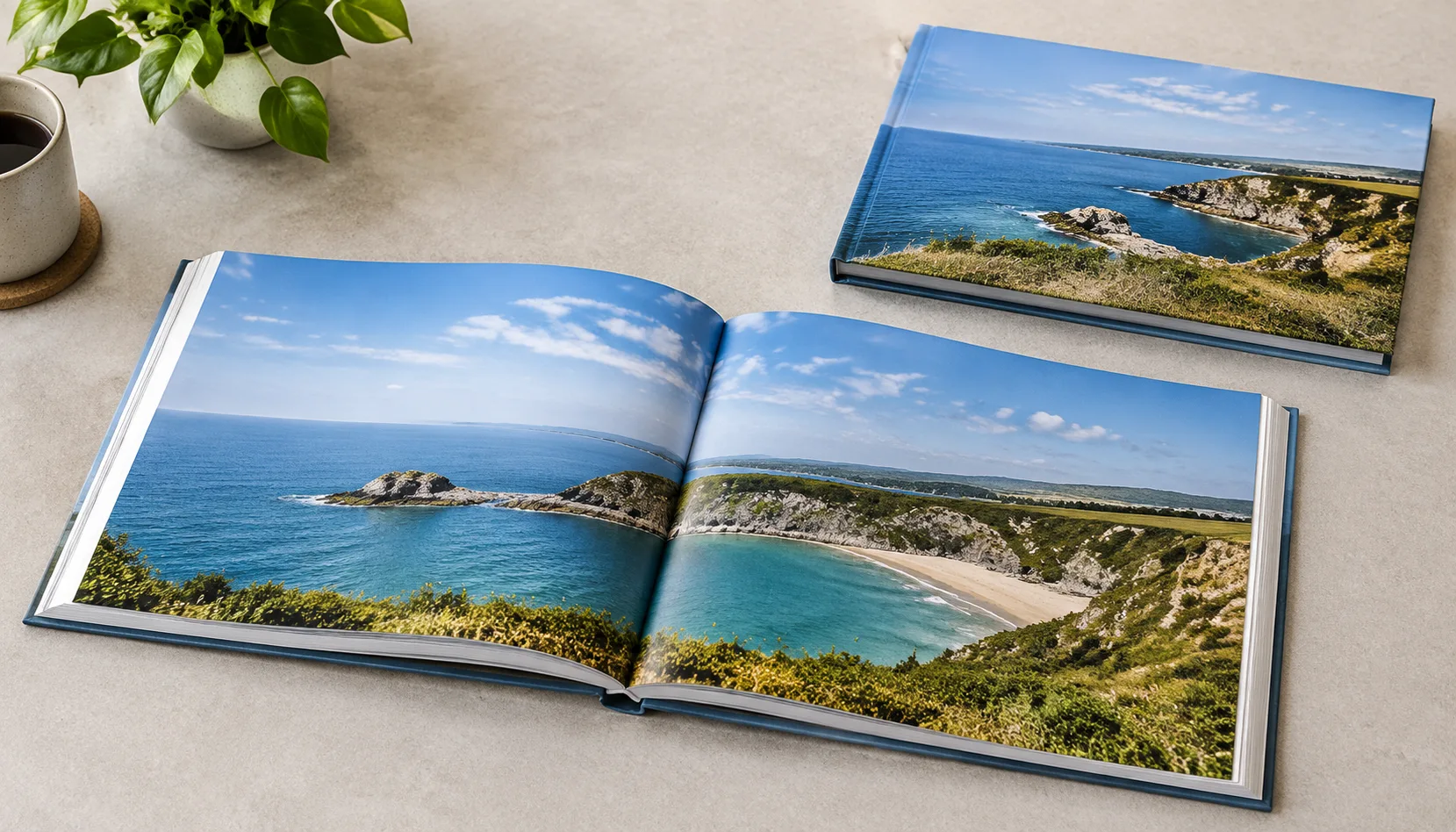
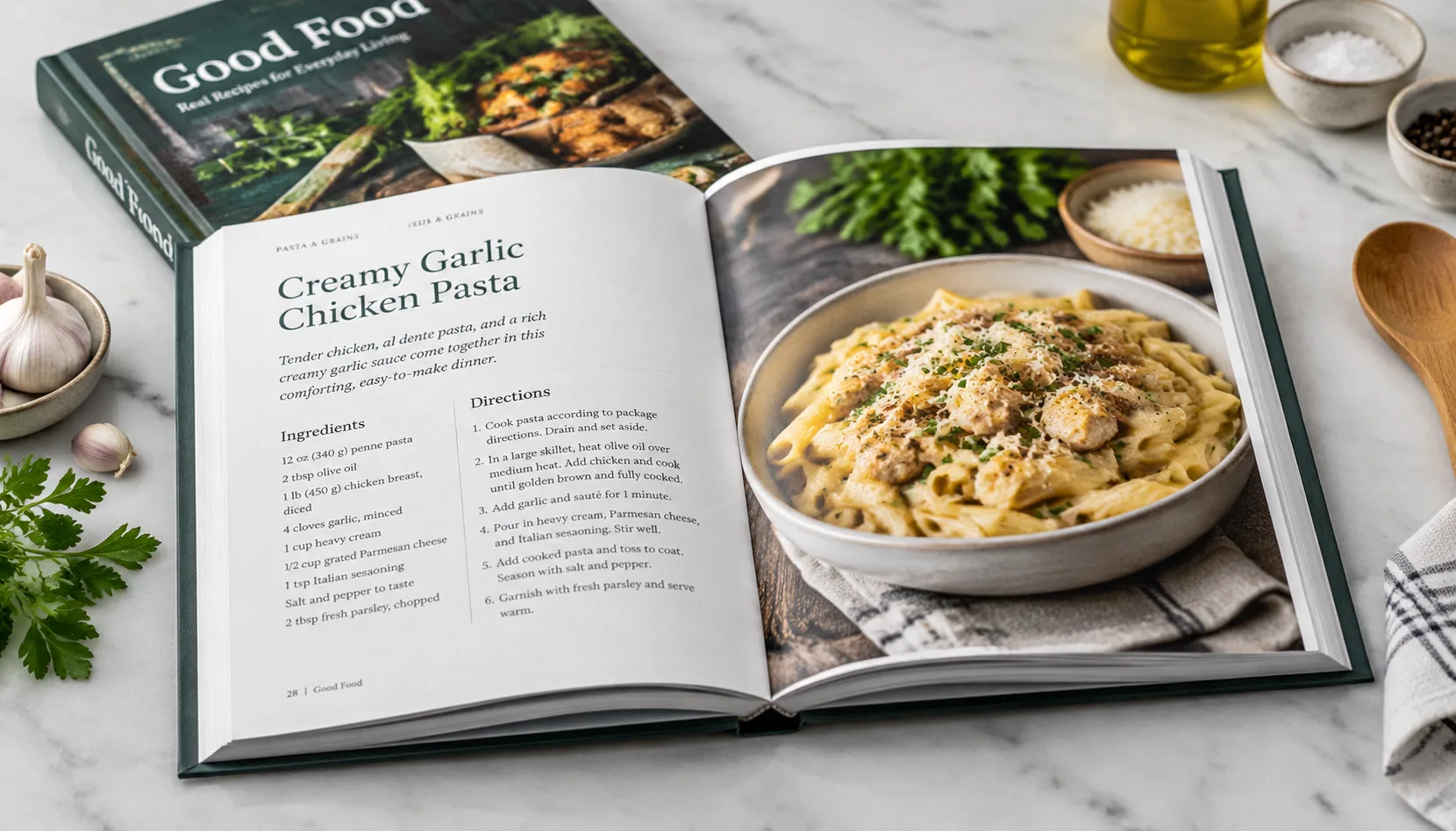
Hardcover can be appropriate for premium brand books, art and photography books, illustrated children’s books, commemorative books, annual reports, institutional histories, cookbooks, reference titles and collector editions. It can also be a sensible option for high-use yearbooks, where cover durability and a lasting presentation are important. Buyers planning a yearbook can also review guidance on durable school yearbook binding and paper choices.
Advantages to consider
A hardcover offers stronger cover protection, more scope for premium finishing and a higher perceived value. Board thickness, covering material, jacket specification and finishing can all be adjusted to match a desired market position. This format can support a higher retail or presentation value, but that commercial outcome depends on the audience and sales channel rather than the binding alone.
Trade-offs to plan for
Hardcover production requires more materials and assembly steps than a standard paperback. It is usually heavier and occupies more volume in freight and storage. Buyers should also allow for a more detailed specification: cover board, endpaper, case wrap, spine treatment, jacket requirements and special finishes can affect cost, production planning and approval time.
When to Choose Paperback Printing
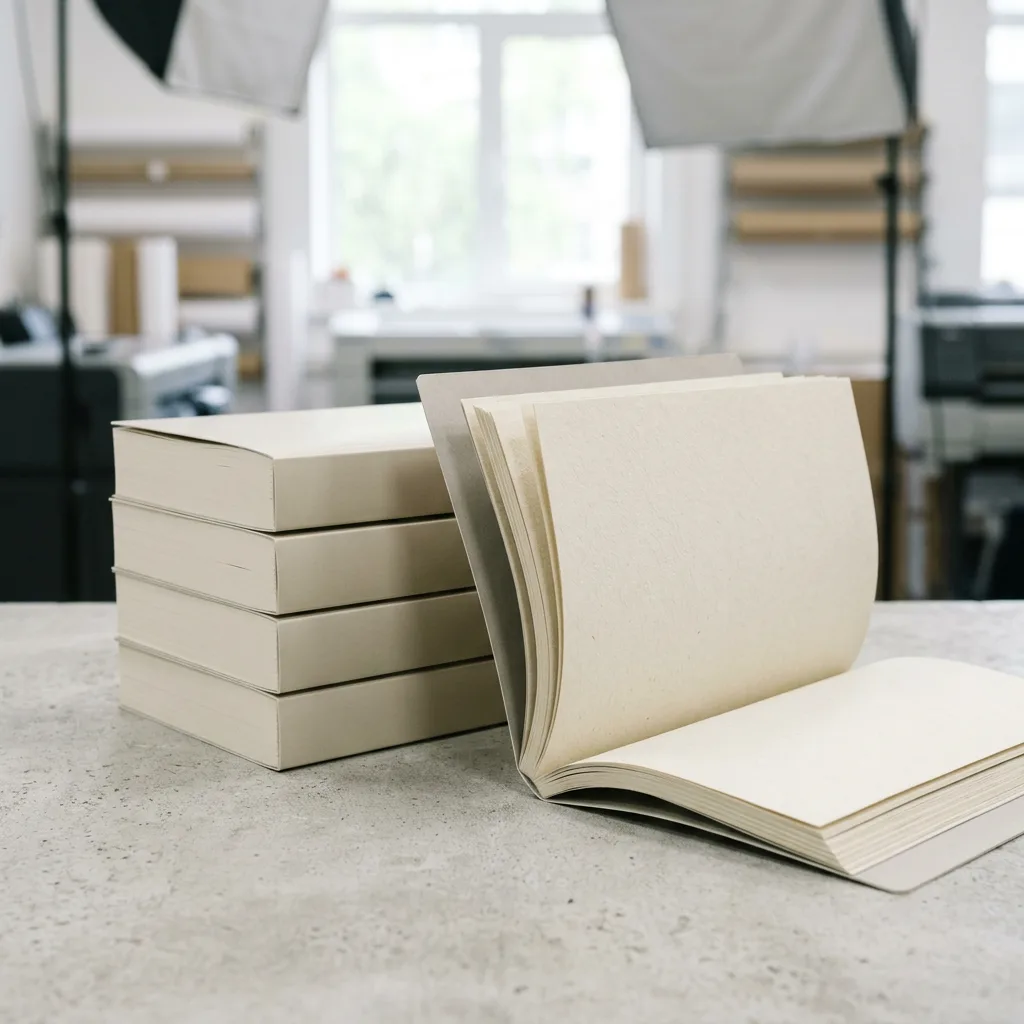
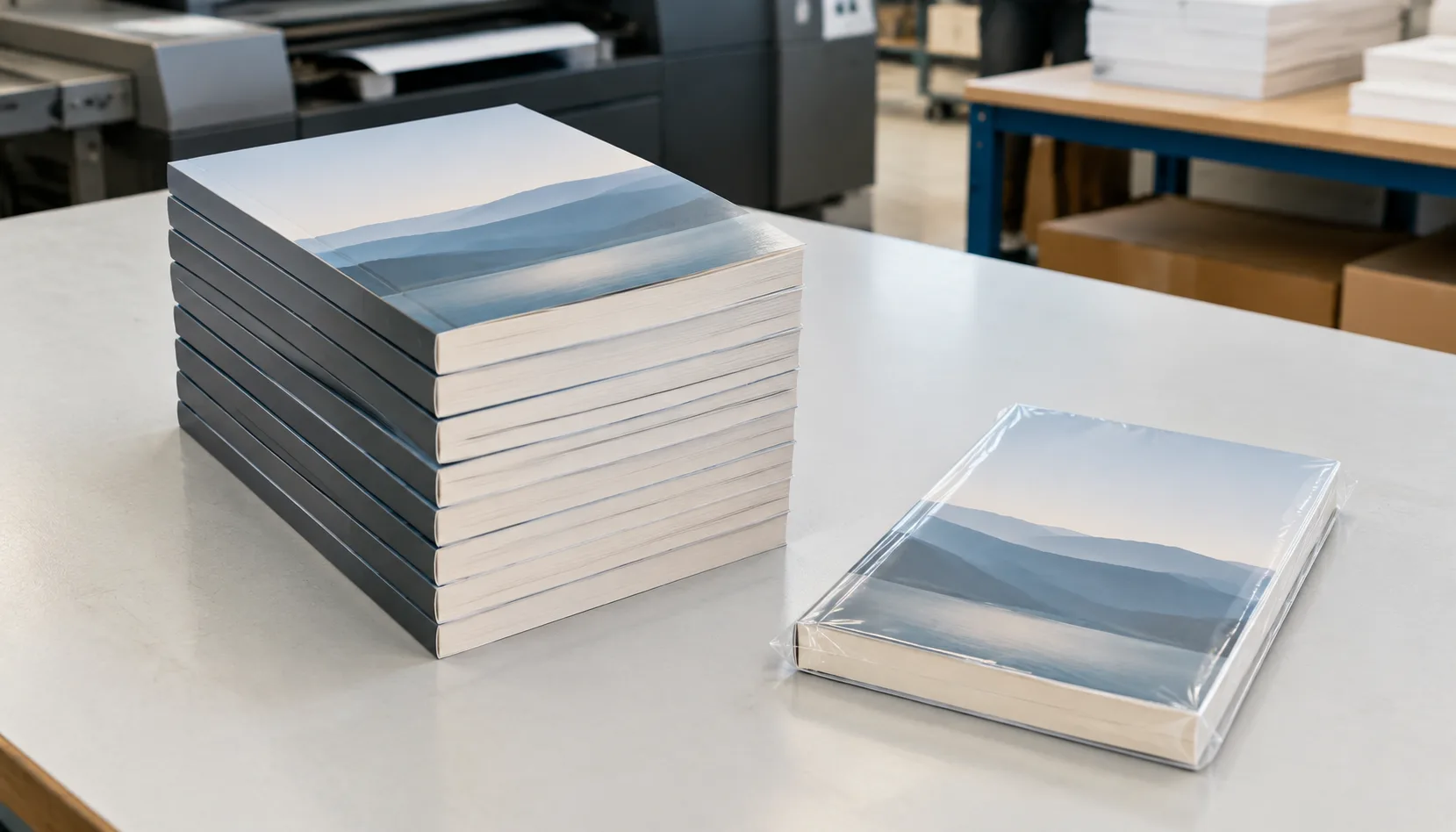
Choose paperback printing when the book needs to be efficient to produce, easy to transport and accessible at a lower unit cost than an equivalent hardcover. A well-specified paperback can still look professional. Cover lamination, suitable cover stock, accurate colour control and clean binding make a significant difference to the finished result.
Projects that often suit a paperback
Paperbacks are commonly used for fiction, educational workbooks, manuals, conference books, training materials, catalogues, guidebooks, business publications and promotional titles. They are practical where a buyer expects updates or reprints, where postal weight matters, or where the publication needs to reach a wide audience at a controlled price point.
Binding choices affect usability
Standard perfect binding is widely used for paperback books with sufficient spine width. PUR adhesive may be worth discussing for certain papers, demanding use cases or books that need improved page pull strength. Saddle stitching can fit thinner booklets, but it is not a direct replacement for a perfect-bound paperback because it has different page-count and layout requirements.
The interior printing method should be selected alongside the binding. Run size, colour coverage, turnaround requirements and paper options influence whether an offset or digital workflow makes sense. Read our guide to offset versus digital book printing when planning the production route.
Cost and Production Factors
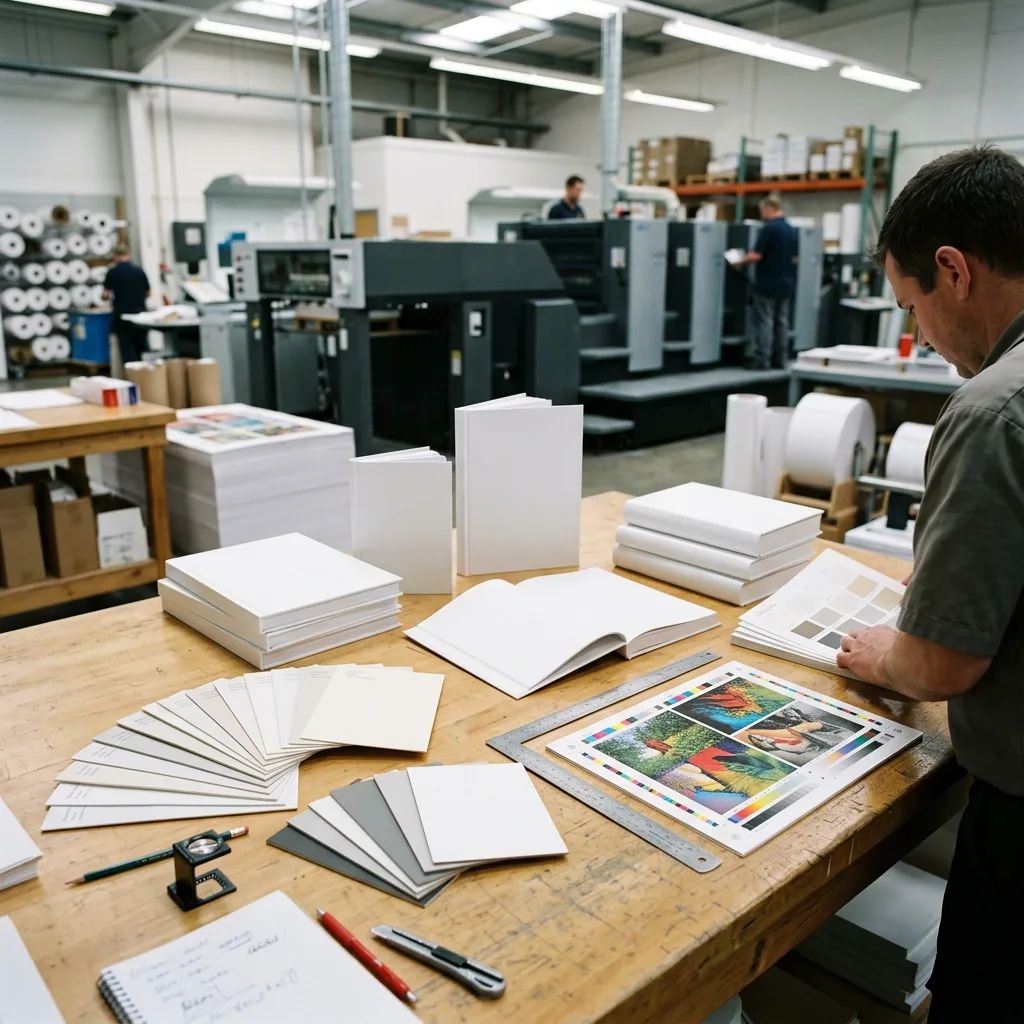
Hardcover books normally have a higher unit cost than comparable paperbacks because they use rigid board, endpapers, case-making labour and additional assembly. Special treatments such as foil, embossing, debossing, cloth covering, dust jackets or sprayed edges add further variables. Paperback costs are generally simpler to control, but page count, cover lamination, adhesive type, paper stock and full-colour interiors can still materially change the quotation.
Quantity is important. Fixed setup and prepress costs are spread across more copies on a larger run, while the final manufacturing approach depends on the specification and production schedule. Freight should be evaluated separately from unit manufacturing cost. A hardcover’s extra weight and carton volume can be significant for international delivery, especially for long books or orders shipped by air.
Lead time is affected by the book format, order quantity, file readiness, proofs, paper availability, finishing requirements and destination logistics. Do not set a publication date based only on the printing stage. Build time for file checks, proof approval, manufacturing, packing and freight into the plan. For practical planning questions, see MOQ and lead time for custom book printing projects.
Assumptions that affect price, lead time and quality include the trim size, page count, colour pages, paper grade and bulk, binding method, cover finish, quantity, packaging requirements, proofing process and delivery country. Confirm these details early so that quotes can be compared on a like-for-like basis.
Buyer Checklist Before Requesting a Quote
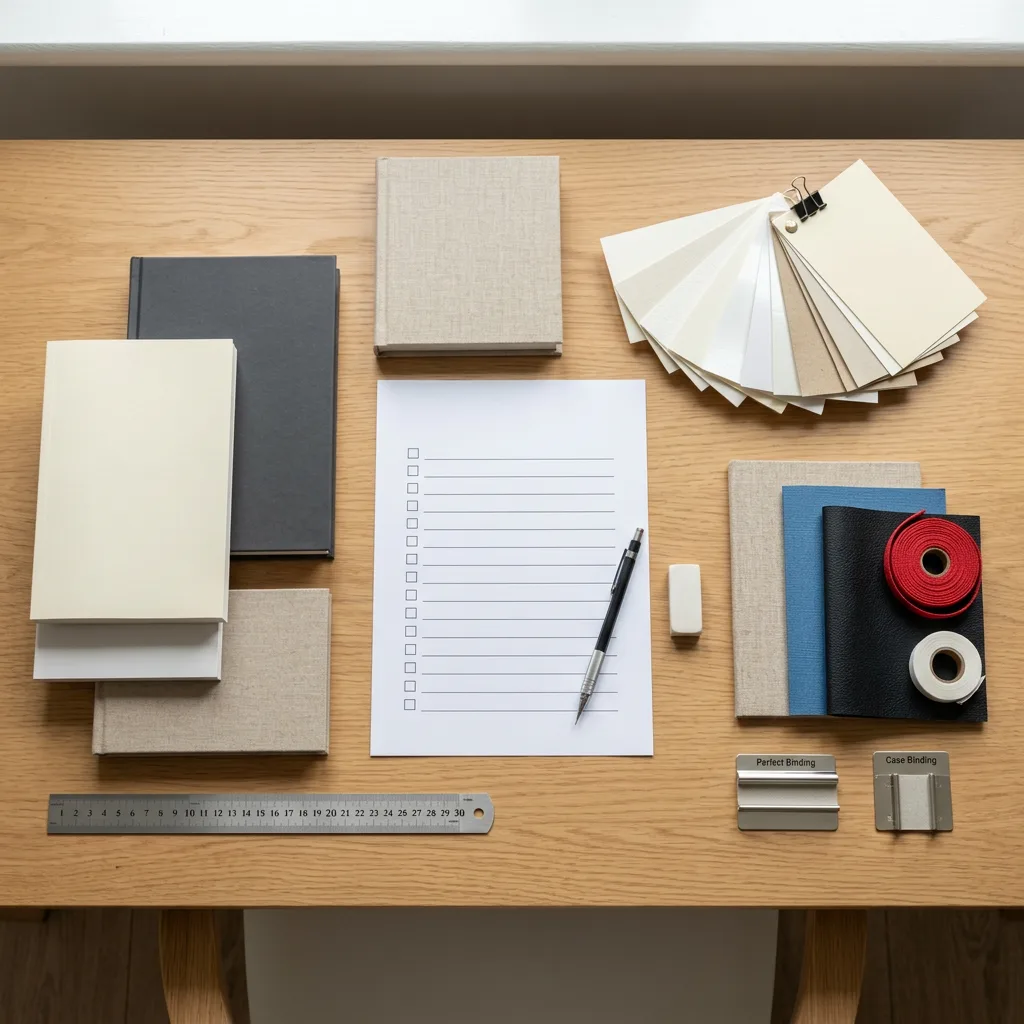
Use this checklist to decide between hardcover and paperback before requesting pricing:
- Purpose: Is the book a premium keepsake, a reference item, a commercial retail title, a training tool or a short-term campaign publication?
- Handling: Will it be frequently used, shelved for years, mailed to readers or handed out at an event?
- Budget: What unit-cost range and total project budget are workable after freight and distribution are included?
- Page count and trim size: Does the book have enough spine width for the planned binding, and is the chosen size suitable for its content?
- Paper: Are opacity, surface, thickness and image reproduction more important than achieving the lowest possible paper cost?
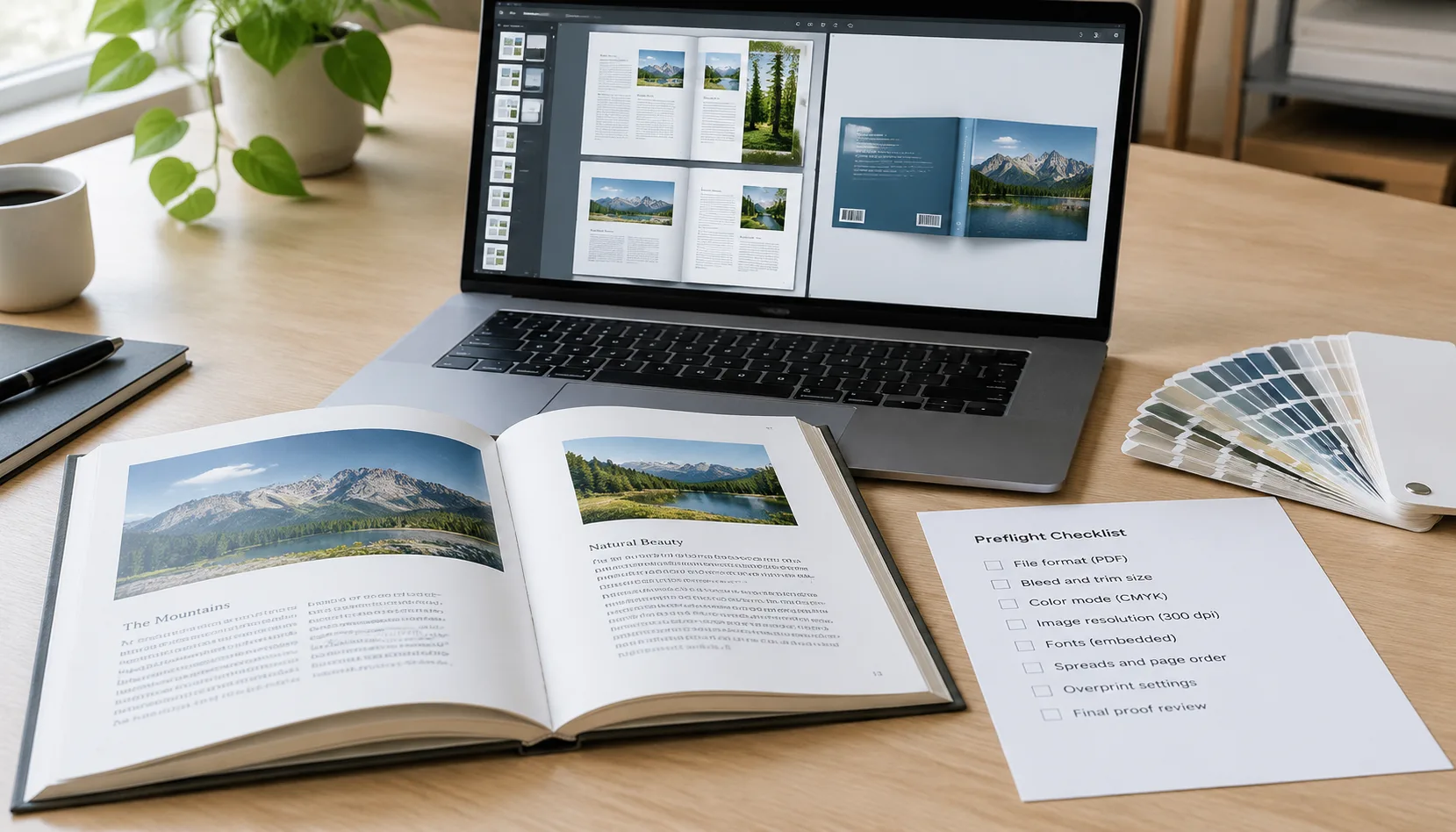
- Design: Does the cover artwork include a correctly calculated spine, bleed, barcode area and finish instructions?
- Quantity and timing: What initial run is needed, and when must approved copies arrive in the destination country?
When comparing quotes, make sure each supplier is pricing the same technical specification. A lower figure may reflect a different paper, cover construction, finish, packing method or shipping basis. For more help modelling quantity and unit cost, review how to estimate unit cost and print run size for China book printing orders.
Making the Final Choice
Choose hardcover when durability, presentation and long-term ownership are central to the project. Choose paperback when lower weight, efficient distribution and budget flexibility are more important. In some publishing programmes, offering both formats can serve different audiences, but each version should be specified and priced independently.
The best choice is the one that fits the book’s purpose and commercial plan without adding unnecessary production complexity. Start with the required reading experience, then confirm the binding, paper, cover treatment, quantity and shipping plan around it.