
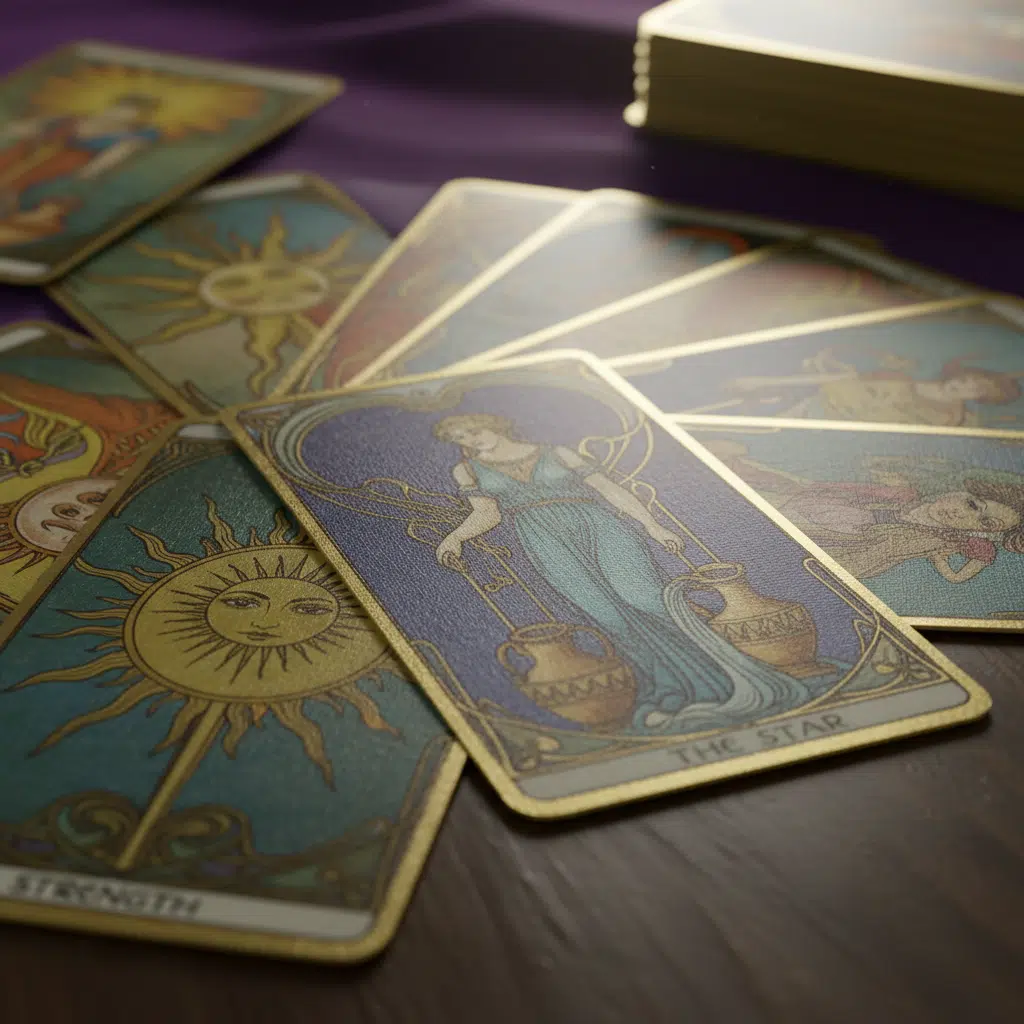
For game designers and Kickstarter creators, the tactile experience of a card deck is just as important as the artwork. Whether you are producing a tarot deck, a trading card game (TCG), or a board game component, the physical quality of the cards communicates value immediately. A deck that feels flimsy or shuffles poorly can detract from even the most brilliant game mechanics.
In professional manufacturing, achieving “casino-grade” quality requires specific combinations of paper stocks, core materials, and surface finishes. This guide explores the technical specifications available in custom card deck printing, helping you choose the right materials for your project.
Understanding Card Stock: It’s What’s Inside That Counts
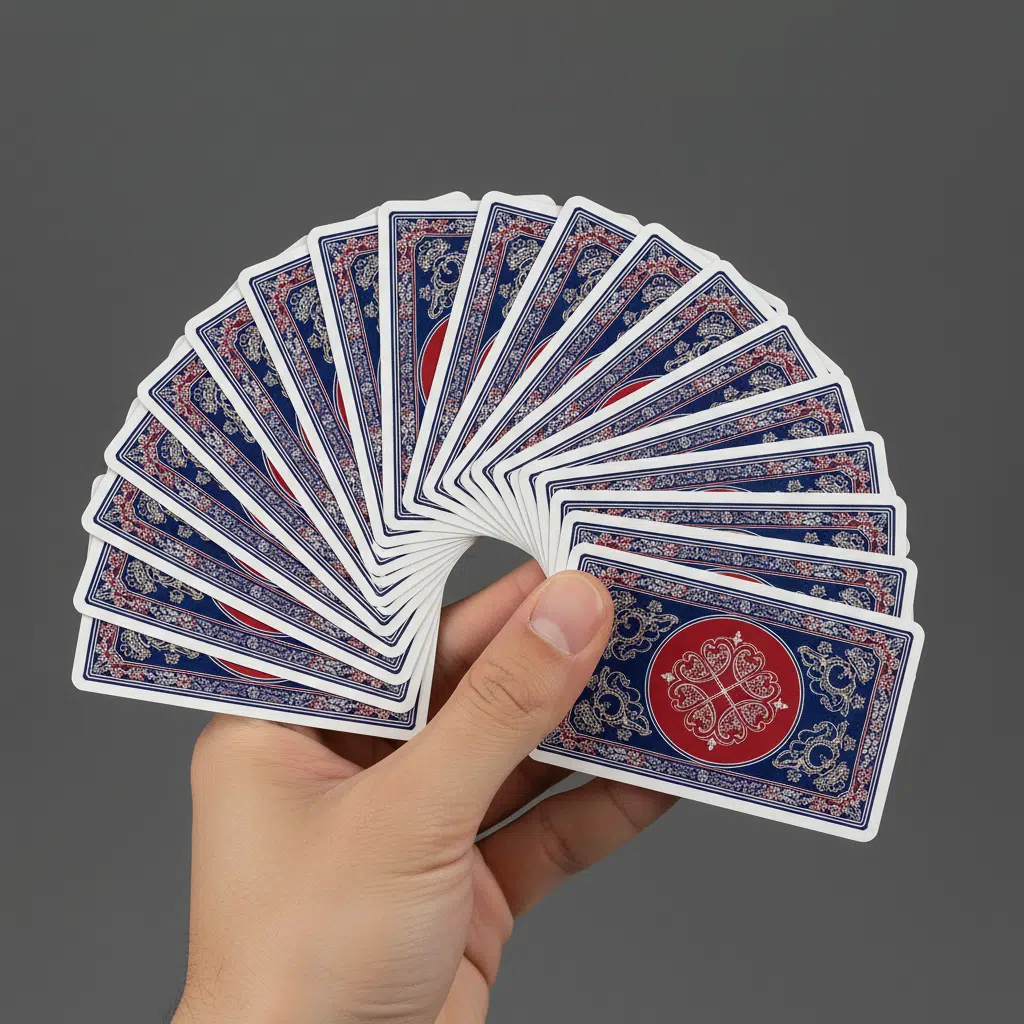
Many first-time creators assume card thickness is determined solely by the paper weight. However, professional playing card stock is actually a composite material—a “sandwich” of two layers of paper bonded together with an opaque adhesive core. This structure provides the necessary “snap” (elasticity) and opacity required for gameplay.
The Core Difference: Grey, Blue, and Black
The color of the core is the industry standard for grading card quality. It indicates the density and opacity of the material.
- Grey Core (Standard): Often used for budget-friendly projects or educational cards. It offers decent opacity but may not have the high-end “snap” required for intensive shuffling. It is cost-effective for components that are not the primary focus of the game.
- Blue Core (Professional): The standard for most trading card games (TCGs) and board games. The blue adhesive layer ensures that players cannot see through the card when held up to a light source. It offers excellent memory (return to flat after bending) and durability.
- Black Core (Premium/Casino Grade): The highest standard in card manufacturing. The black adhesive layer provides 100% opacity. This stock is denser and typically stiffer than blue core, giving it a substantial, luxury feel. It is the preferred choice for high-end oracle decks, poker decks, and magician supplies.
Selecting the Right Weight (GSM)
Paper density is measured in grams per square meter (gsm). While higher numbers generally imply thicker cards, the core material also affects stiffness.
- 280–300 gsm: Common for budget decks or games with hundreds of cards where deck height is a concern.
- 310 gsm (German/French Stock): The industry sweet spot. Most premium TCGs and board game cards use this weight combined with a black or blue core.
- 330–350 gsm: Used for oversized oracle cards or tarot decks where a heavy, rigid feel is desired to convey luxury.
Surface Finishes and Coatings: Handling and Aesthetics
Once the stock is selected, the coating determines how the cards handle. Without a proper coating, cards will stick together (block) and wear out quickly. The finish affects both the friction during shuffling and the visual appeal.
Varnish vs. Lamination
Varnish is a liquid coating applied inline during printing. It seals the ink and provides a specific texture (gloss, matte, or satin). Varnished cards generally shuffle better because the layer is thin and flexible.
Lamination (PP Lamination) involves applying a thin plastic film to the card surface. While this makes cards extremely durable and water-resistant, it can make them stiffer and harder to shuffle. Lamination is often reserved for oversized cards, flashcards, or packaging boxes rather than standard playing decks.
Texture: Smooth vs. Linen (Air Cushion)
Texture plays a critical role in the “glide” of a deck.
- Smooth Finish: The paper surface is flat. While colors can appear more vibrant, smooth cards have more surface area contact, which can sometimes cause them to stick together if hands are humid.
- Linen Finish: A mechanical embossing process presses a cross-hatch pattern into the card. This creates microscopic air pockets between cards, reducing friction and allowing them to glide effortlessly. This is often referred to as an “air cushion” finish and is highly recommended for games requiring frequent shuffling.
Decorative Special Effects
For Kickstarter exclusives or limited editions, specialized post-press techniques can add significant value:
- Cold/Hot Foil Stamping: Metallic foil applied to specific parts of the artwork (e.g., the card back logo).
- Spot UV: A high-gloss polymer applied to specific areas, creating a contrast against a matte background.
- Gilded Edges: Applying metallic foil (gold, silver, holographic) to the edges of the card stack. This is a staple for luxury tarot and oracle decks.
Manufacturing Considerations for Creators
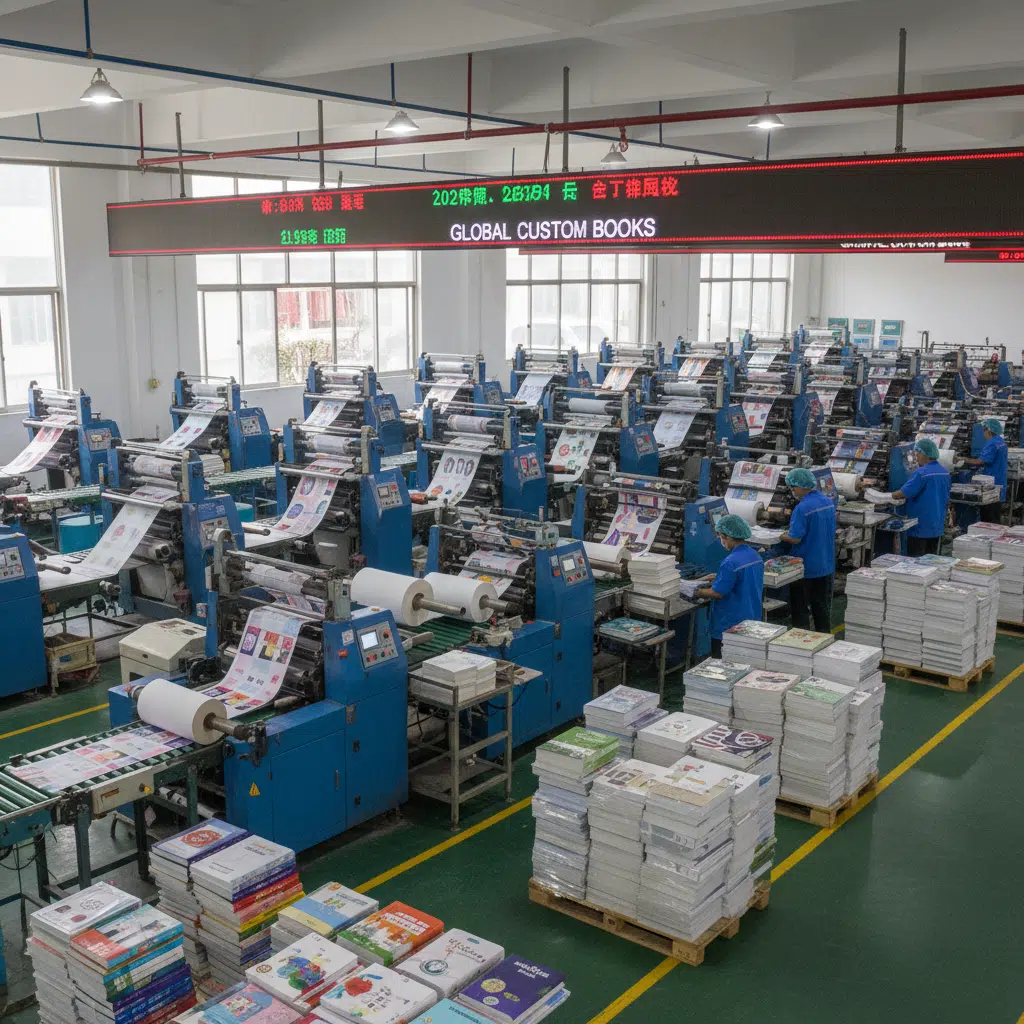
When working with a manufacturer, especially for game manufacturing in China, precision is key. Here are technical factors to discuss during the quoting process.
Grain Direction
Paper has a grain direction, similar to wood. For playing cards, the grain must run parallel to the long edge of the card. If printed against the grain, cards will warp easily and resist shuffling. Professional printers account for this automatically, but it is worth confirming for custom sizes.
Color Management
Card games often require printing on different substrates (e.g., the cards vs. the tuck box vs. the rulebook). Because different papers absorb ink differently, color matching is critical. Requesting a “hard proof” (physical sample) before mass production is the best way to ensure your brand colors—such as the specific red of a logo—remain consistent across all components.
Buying Guide: From Prototype to Mass Production
Navigating the transition from digital design to physical product involves several steps.
- File Preparation: Ensure artwork includes proper bleed (usually 3mm) and is set to CMYK color mode. Keep critical text inside the “safe zone” to avoid trimming errors.
- Sampling: Always request a sample kit. You can ask for a generic sample (cards from a previous job) to test the stock quality, or a digital proof of your specific design.
- MOQ (Minimum Order Quantity): Offset printing becomes economical at higher volumes. While digital printing can handle small runs (under 500 decks), true professional quality (black core with linen finish) is typically optimized for runs of 500 to 1,000+ decks.
Frequently Asked Questions
What is the difference between art paper and card stock?
Standard art paper (C2S) lacks the specialized core layer. While fine for brochures, it lacks the snap and opacity required for professional playing cards.
Can I mix finishes, like matte cards with gloss spots?
Yes, this is called Spot UV. It is applied over a matte varnish to highlight specific design elements like logos or character eyes.
Does linen finish affect the artwork clarity?
The texture is subtle and generally does not distort artwork. However, for designs with extremely fine text or thin lines, a smooth finish might be sharper.
What is the standard size for tarot cards?
Standard tarot size is typically 70mm x 120mm (2.75″ x 4.75″), whereas standard poker cards are 63mm x 88mm (2.5″ x 3.5″).
Ready to Print Your Custom Deck?
Choosing the right stock and finish is the first step toward a successful game launch. Whether you need casino-grade black core or a custom linen finish for your Kickstarter project, we can help guide you through the specifications.
Request a quote / Get a sample today to start your manufacturing journey.