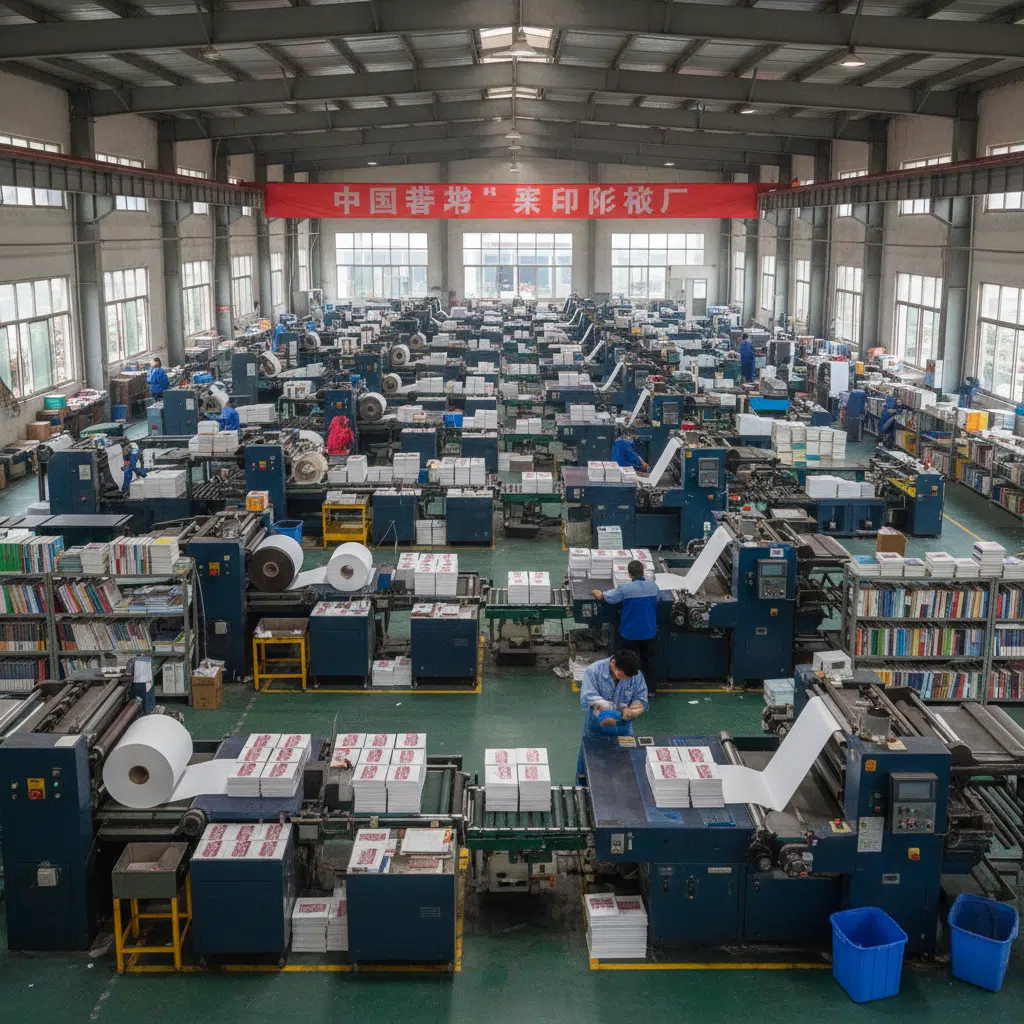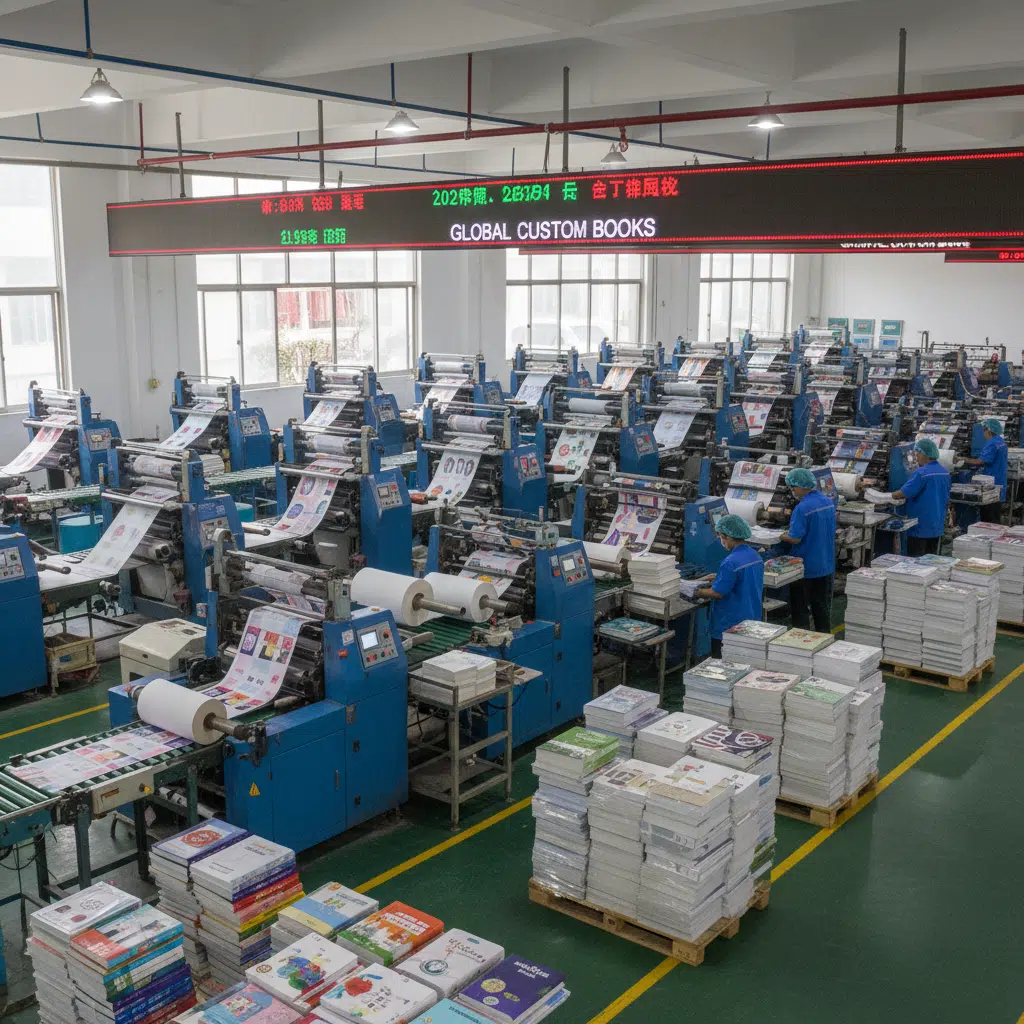

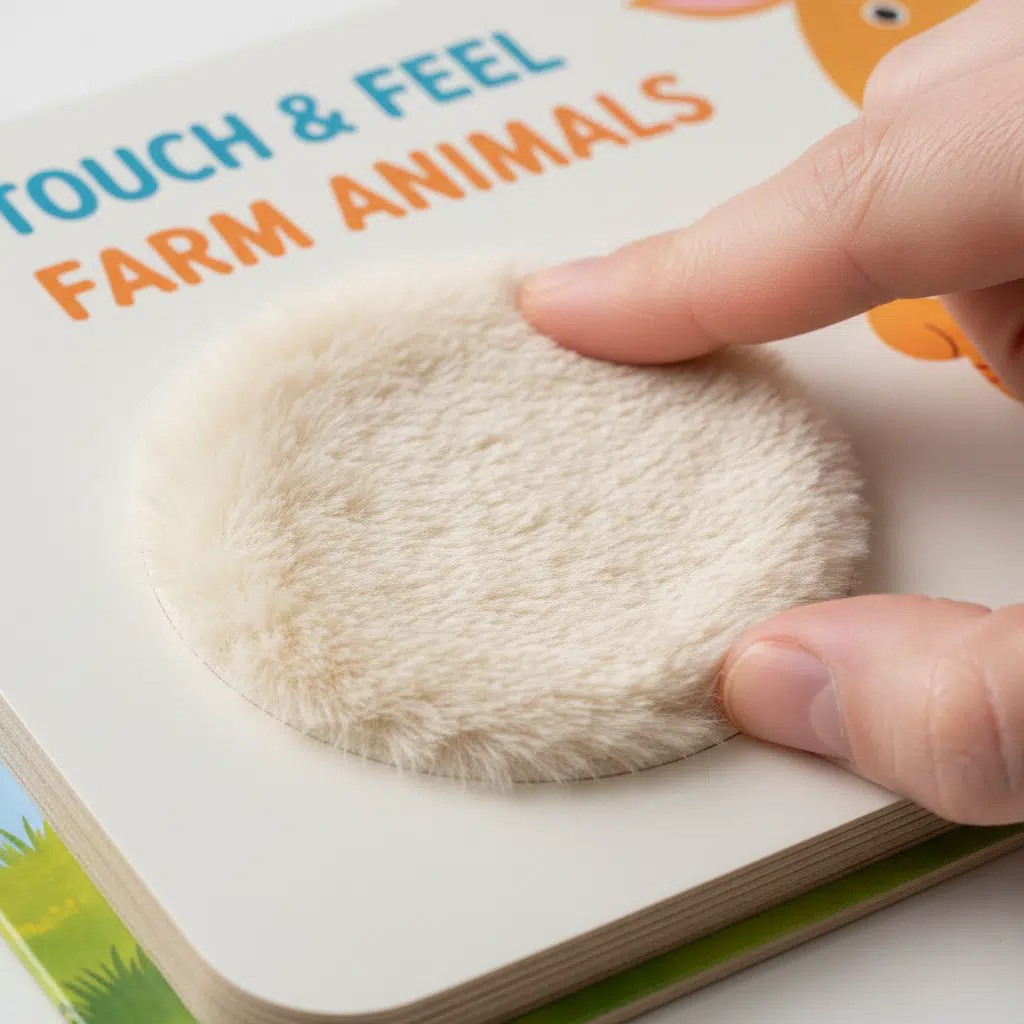
Touch-and-feel books represent a unique category in children’s publishing, merging traditional offset printing with tactile material integration. For publishers and brand owners, these books offer high market value but present distinct manufacturing challenges compared to standard board books. The production process requires a seamless coordination of precise die-cutting, manual assembly, and rigorous safety testing.
Unlike standard printed matter, sensory books introduce foreign materials—faux fur, felt, foil, silicone, or corrugated textures—into the binding process. This article explores the technical aspects of manufacturing touch-and-feel books, focusing on material selection, assembly techniques, and the critical safety standards required for international distribution.
The Anatomy of a Touch-and-Feel Book
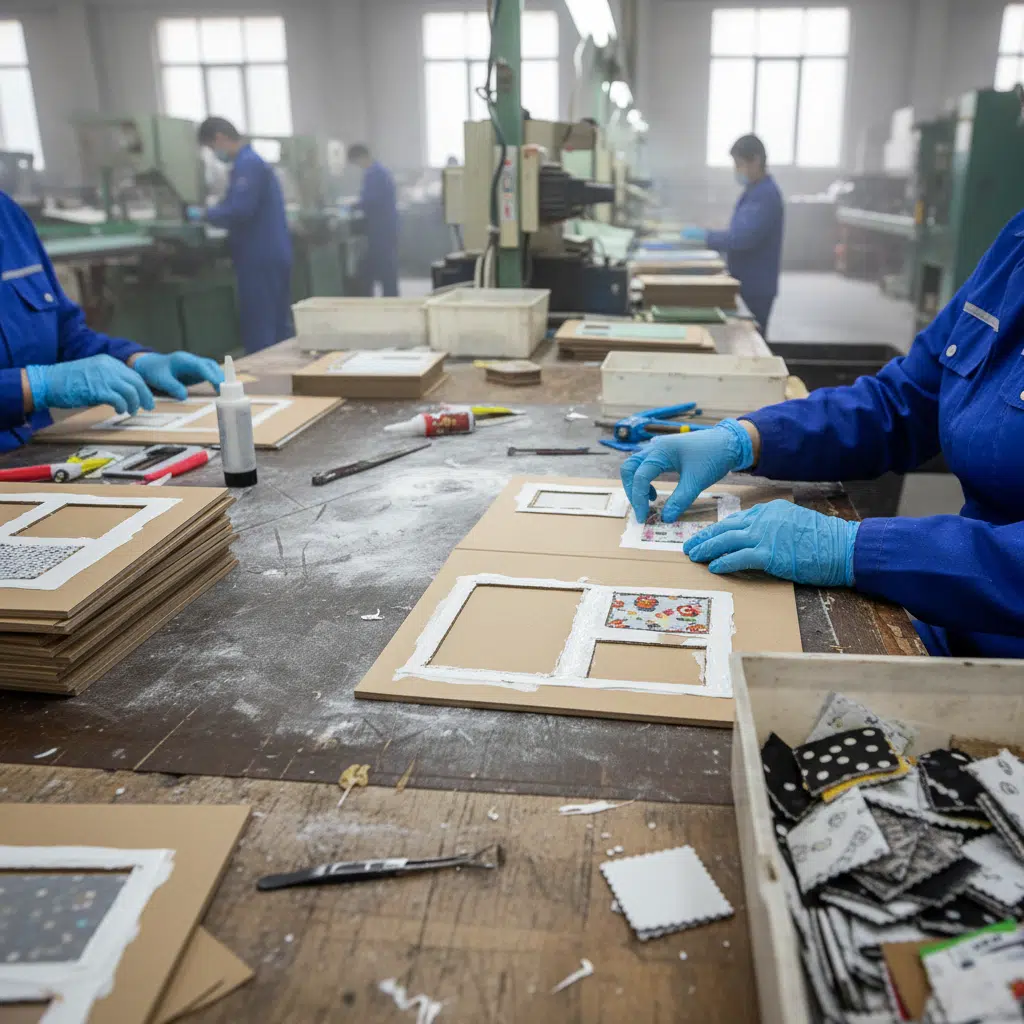
A touch-and-feel book is essentially a layered construction. It typically involves a "sandwich" method where die-cut pages overlay a base sheet containing the textured material. Understanding this structure is essential for designing cost-effective and durable products.
Core Components
- Greyboard/Whiteboard Base: High-density board (typically 300gsm to 400gsm duplex board laminated to reach 1mm–3mm thickness) provides the necessary rigidity to support embedded materials without warping.
- Die-Cut Layers: The top sheet features precise cut-outs (windows) through which the texture is accessible.
- Texture Inserts: Swatches of fabric, plastic, or foil are glued between the board layers.
- Backing Sheet: A bottom layer seals the back of the texture, ensuring a clean finish and preventing the user from touching the adhesive side.
Critical Manufacturing Processes
Producing these books involves more than just printing; it is a hybrid of industrial bookbinding and craft assembly.
1. Precision Die-Cutting
Die-cutting determines the clean appearance of the final product. The tolerance for these cuts is extremely tight. If the die-cut window is too large, the raw edges of the fabric insert may be exposed, leading to fraying or aesthetic issues. If the window is too small, it obscures the texture.
Manufacturers use custom steel dies to punch through the laminated board. For complex shapes, laser cutting may be used, though traditional die-stamping is preferred for speed and clean edges in volume production.
2. Texture Integration and Assembly
While printing and die-cutting are automated, inserting textures often requires manual labor or semi-automated machinery. This impacts lead times and costs.
- Manual Placement: For irregular shapes or delicate fabrics (like long-pile faux fur), workers often place swatches by hand into the glued areas to ensure the pile direction is correct and the fabric isn’t trapped under the glue line.
- Adhesive Application: The choice of glue is critical. It must adhere to both the porous paperboard and the non-porous synthetic texture. Manufacturers typically use industrial-grade, non-toxic hot melt or cold glues that maintain flexibility after curing.
Safety Compliance: The Priority for Infant Products
Because touch-and-feel books are intended for infants and toddlers (ages 0–3), they are subject to the strictest safety regulations, such as EN71 (Europe), ASTM F963 (USA), and ISO 8124. Manufacturing defects in this category can lead to recalls and severe liability.
Pull-Testing and Choking Hazards
The most significant risk in sensory books is the detachment of small parts. If a piece of plastic mirror or a button comes loose, it becomes a choking hazard.
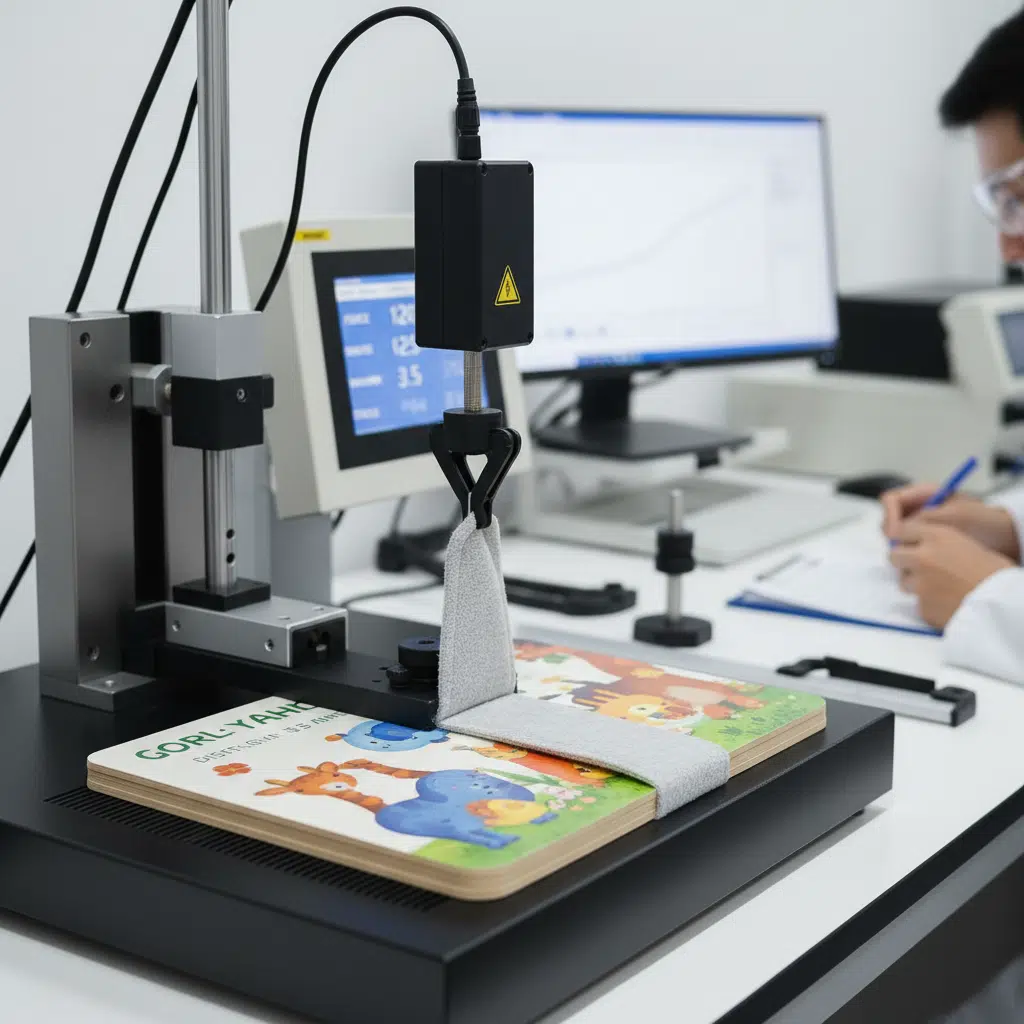
Professional manufacturers conduct pull tests (tension tests) during QC. This involves applying a specific force (often 90 Newtons or similar, depending on the standard) to the attached component to ensure it does not detach.
Chemical Safety
All materials used must be free from harmful substances.
- Phthalates and Lead: Glues, foils, and plastic inserts must pass chemical screening.
- Migration of Elements: Fabrics must be colorfast and free from azo dyes that could migrate if a child chews on the book.
Material Options and Selection Strategy
Choosing the right textures impacts both the sensory experience and the unit cost. Below is a comparison of common materials used in manufacturing.
| Material Type | Typical Application | Manufacturing Considerations |
|---|---|---|
| Faux Fur / Plush | Animals (bears, cats, bunnies) | High manual labor; pile height must be managed to avoid bulkiness in binding. |
| Felt | Clothing, animal pads | Easy to cut; lies flat; excellent adhesion properties. Cost-effective. |
| Holographic Foil | Mirrors, water, ice effects | Requires extremely smooth board surface to avoid “orange peel” effect. Scratch-prone. |
| Corrugated Card | Tree trunks, roofs | Simple to produce; fully recyclable; lower cost than fabrics. |
| Silicone / Rubber | Reptile skin, vehicle tires | Requires specific adhesives; higher material cost; very durable. |
Buying Guide for B2B Importers
When sourcing touch-and-feel books, specifications must be detailed to avoid production delays.
Minimum Order Quantities (MOQ)
Due to the complexity of sourcing multiple fabric types and the manual assembly required, MOQs for touch-and-feel books are generally higher than standard books. A typical starting point might be 3,000 to 5,000 units, though this varies by factory and complexity.
Prototyping and Sampling
Never proceed to mass production without a physical proof. Digital proofs cannot show how a fabric feels or how much bulk it adds to the book block. Request a “dummy” or wet proof that includes the actual materials to verify:
- Texture Quality: Is the fur soft? Is the sandpaper rough enough?
- Binding Integrity: Does the book close properly, or do the inserts make it gape open?
- Adhesion: Can you pick the texture off with your fingernail?
Artwork Preparation
Designers must create a separate layer in the print PDF for the die-cut lines (dielines). It is standard practice to extend the background art slightly under the die-cut area (bleed) to ensure no white paper shows if the registration shifts slightly (typically 1mm–2mm tolerance).
Frequently Asked Questions
Can you source custom fabrics for my book project?
Yes, most established printers have supply chains for standard fabrics (fur, felt, foil). For highly specific patterns or branded textiles, you may need to supply the material or pay for a custom sourcing run, which may increase lead times.
How do you ensure the glue is safe for children?
Reputable manufacturers use certified non-toxic, water-based, or hot-melt adhesives that comply with REACH, RoHS, and CPSIA standards. Always ask for a Material Safety Data Sheet (MSDS) or safety certificate for the specific adhesive batch.
Why is the lead time longer for touch-and-feel books?
Standard board books are largely automated. Touch-and-feel books require additional steps: sourcing specific fabrics, die-cutting inserts, manual assembly/gluing, and extended drying times. A typical timeline might extend by 2–3 weeks compared to standard printing.
What is the best way to reduce costs on these books?
To optimize costs, limit the number of different textures per book. Using the same red felt on page 2 and page 8 is cheaper than sourcing two different fabrics. Additionally, standardizing the die-cut shapes can sometimes allow for more efficient tooling.
Ready to bring your sensory book concept to life? Contact our team today to discuss materials, safety testing, and production timelines.