
Introduction
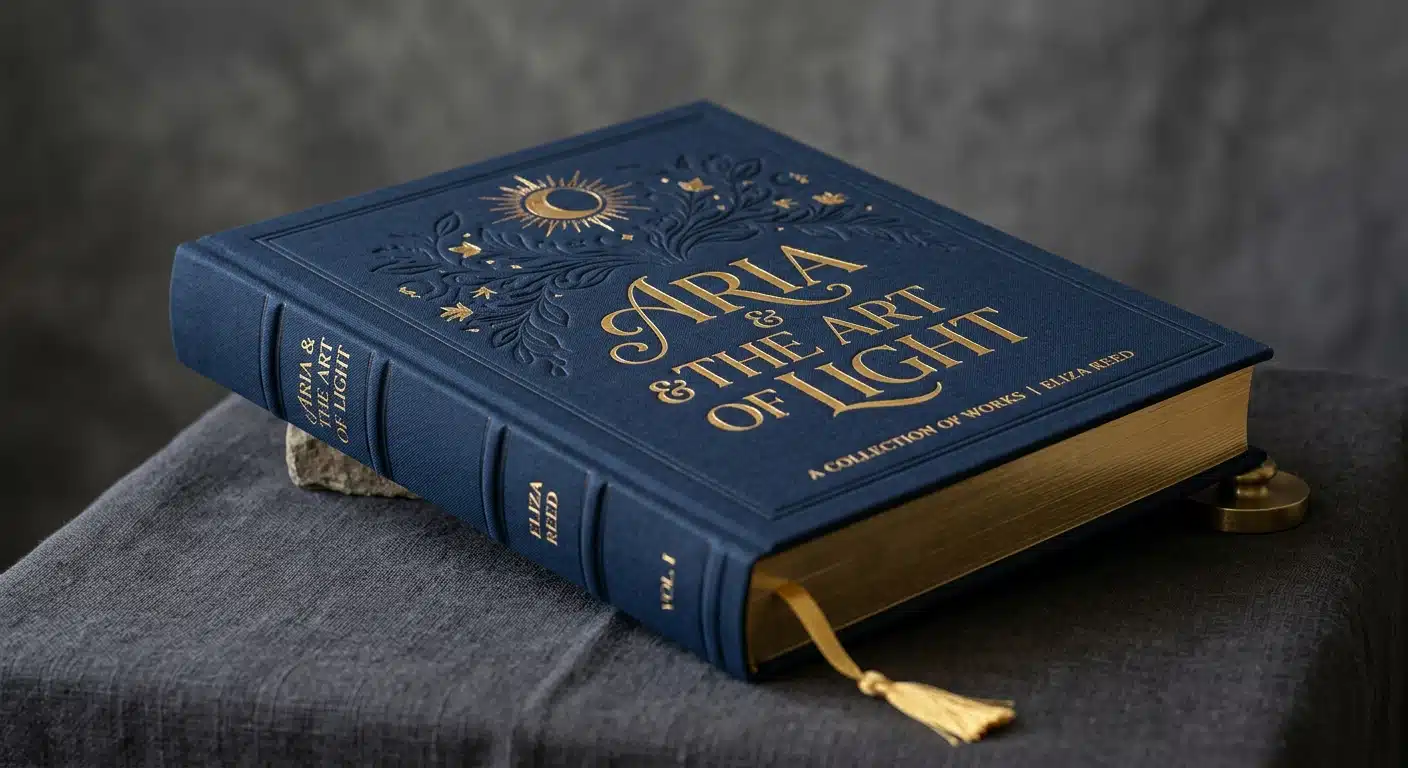
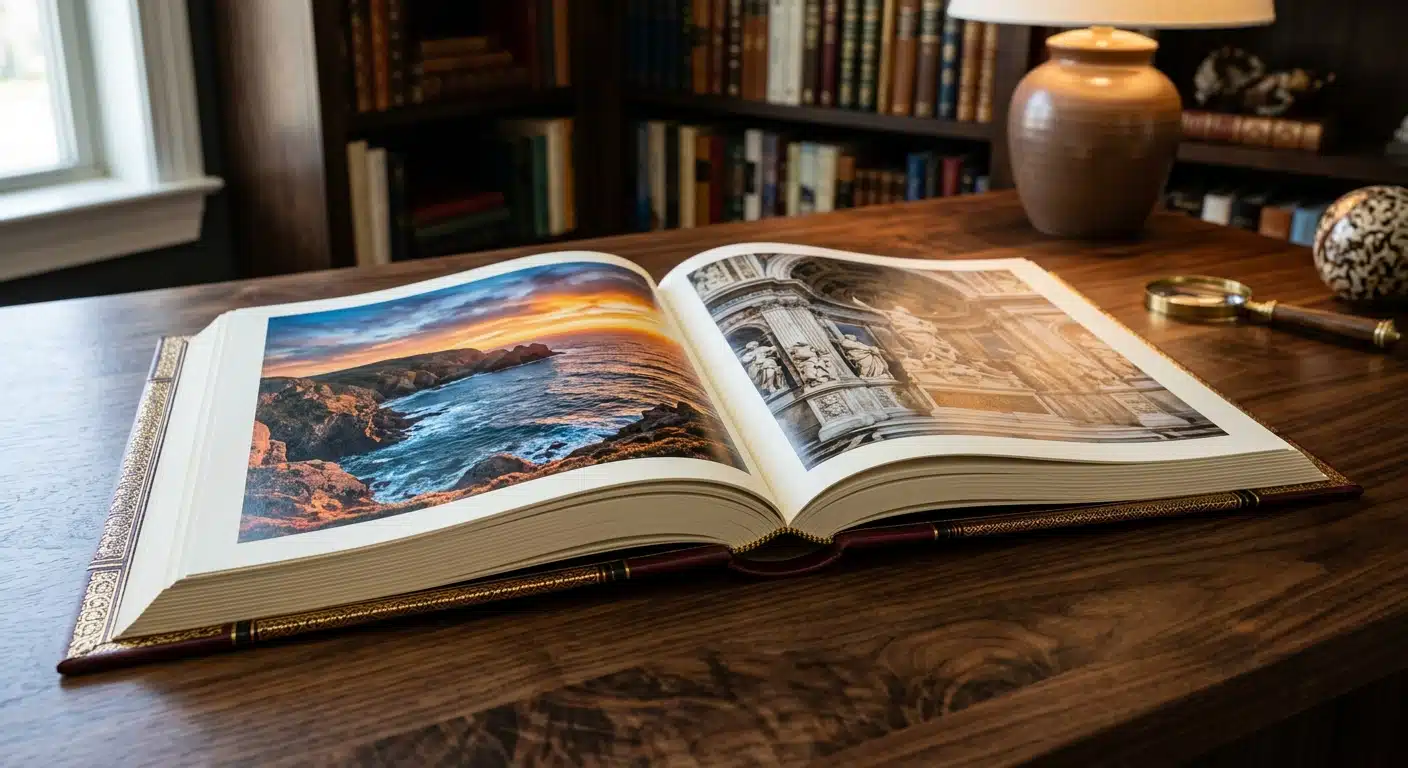
High-end art books serve as premium showcases for artists, photographers, and luxury publishers. Producing such publications requires careful attention to paper selection, binding techniques, and design elements. This guide is intended for international buyers, procurement managers, brand owners, and distributors seeking practical insights into printing luxury books that appeal to collectors and connoisseurs.
Key Concepts and Definitions
Paper Selection
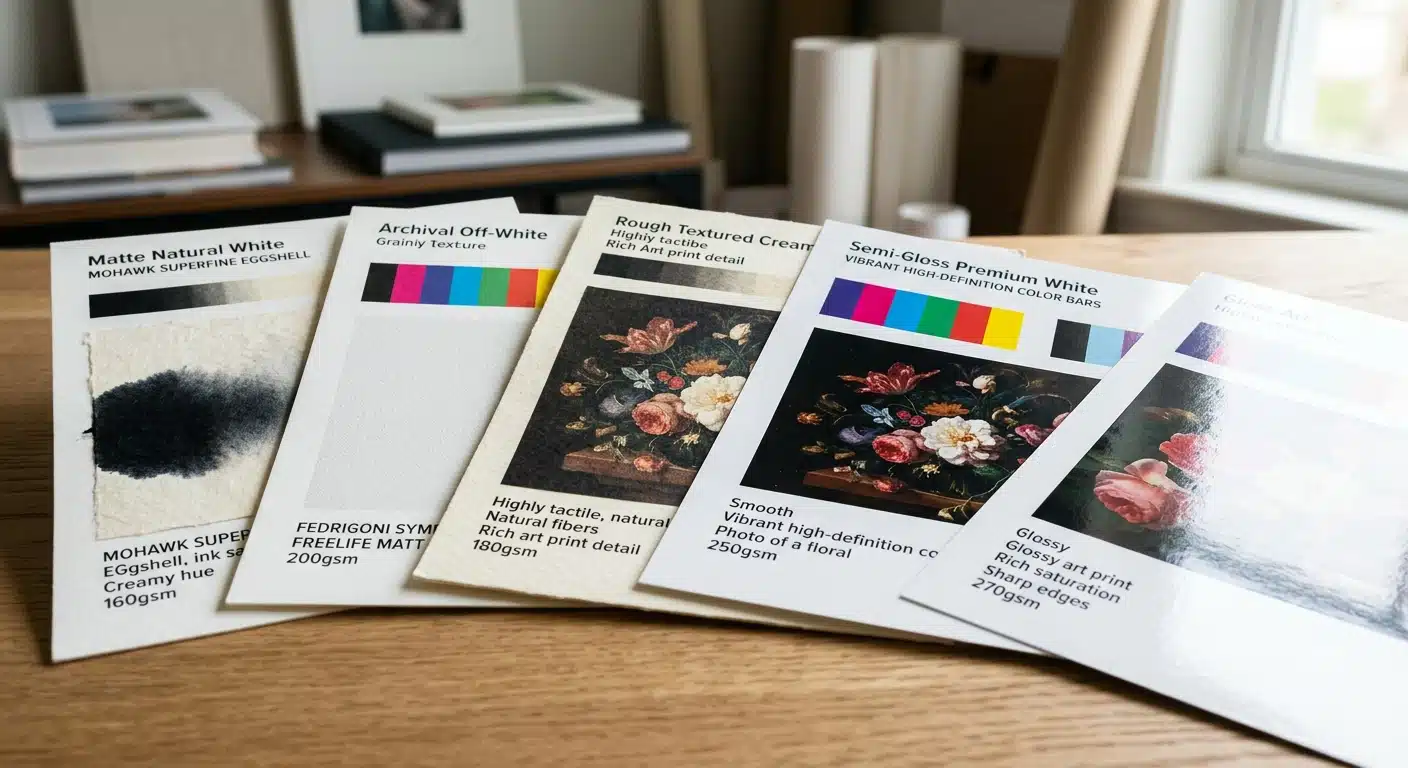
Paper quality is critical for image reproduction, texture, and durability. Common options include:
- Coated Art Paper: Provides smooth surface for sharp color and detail, typically 150–250gsm.
- Uncoated Text Paper: Offers tactile warmth, favored for fine art illustrations and photography books, typically 120–200gsm.
- Specialty Papers: Includes textured, recycled, or handmade options for unique visual and tactile effects.
Binding Techniques
Binding affects longevity and presentation. Considerations include:
- Case Binding (Hardcover): Offers durability and premium feel; suitable for coffee table books.
- Smyth Sewn Binding: Ensures flat opening and longevity; ideal for multi-page, high-quality prints.
- Perfect Binding: Cost-effective and clean for moderate-end publications but less durable for very large volumes.
Book Design Elements
Design choices impact user experience and perceived value:
- Image placement and bleed considerations for high-resolution reproductions.
- Typography and spacing that enhance readability while reflecting luxury branding.
- Cover design options including dust jackets, embossing, or foil stamping.
Options & Comparisons
| Feature | Pros | Cons |
|---|---|---|
| Coated Paper | Sharp colors, smooth finish | Can glare under lighting |
| Uncoated Paper | Warm, tactile feel | Less vibrant colors |
| Case Binding | Durable, premium | Higher cost, longer production time |
| Perfect Binding | Cost-effective, clean look | Less durable, prone to page loss |
Specifications and Technical Factors
- Paper weight: typically 120–250gsm depending on page type.
- Ink absorption: ensure color consistency with coated/uncoated surfaces.
- Binding tolerance: ±1–2 mm for alignment and trimming precision.
- Cover thickness: 2–4 mm board plus lamination options for luxury feel.
Manufacturing, Quality, and Testing Considerations
- Color proofing: essential for accurate reproductions.
- Durability testing: hinge strength for case binding, spine integrity for multi-page volumes.
- Inspection: check for misalignment, smudges, or page defects.
- Packaging: rigid boxes or shrink-wrap to protect luxury books during shipping.
Buying Guide
- MOQ: Many luxury printers start at 200–500 copies, depending on paper and binding.
- Customization: Options for embossing, foil stamping, spot UV, and cover materials.
- Artwork & Files: Supply high-resolution images (300dpi), color profiles, and bleed allowances.
- Sampling: Request printed samples to verify paper and color fidelity before full production.
- Timelines: Production can range 4–8 weeks for high-quality hardcover books; expedited options may be available [YABG_LINK:0].
FAQs
- Q: Which paper is best for photographic art books?
A: Coated art paper for vibrancy or uncoated for tactile effect, depending on brand positioning. - Q: Is Smyth sewing necessary for large-format books?
A: Recommended for durability and flat opening on oversized volumes. - Q: Can I mix coated and uncoated pages in one book?
A: Yes, but ensure compatibility to avoid issues with ink absorption [YABG_LINK:1]. - Q: How can I preview the final cover design?
A: Ask for a printed proof or digital mockup with spot checks for foil or embossing. - Q: What are typical binding costs for luxury books?
A: Case binding is higher, often 2–3x the cost of perfect binding depending on volume and finishes. - Q: How do I ensure consistent color across runs?
A: Use standardized ICC profiles and request pre-press proofs [YABG_LINK:2]. - Q: What packaging options preserve book quality during shipping?
A: Custom rigid boxes, bubble wrap, or shrink-wrapping are standard for luxury editions.
Conclusion & CTA
Optimizing paper, binding, and design is essential for high-end art books that resonate with collectors. Careful selection and rigorous quality control elevate the final product. For tailored solutions, including sample production and detailed quotes, request a quote / get a sample today [YABG_LINK:3].