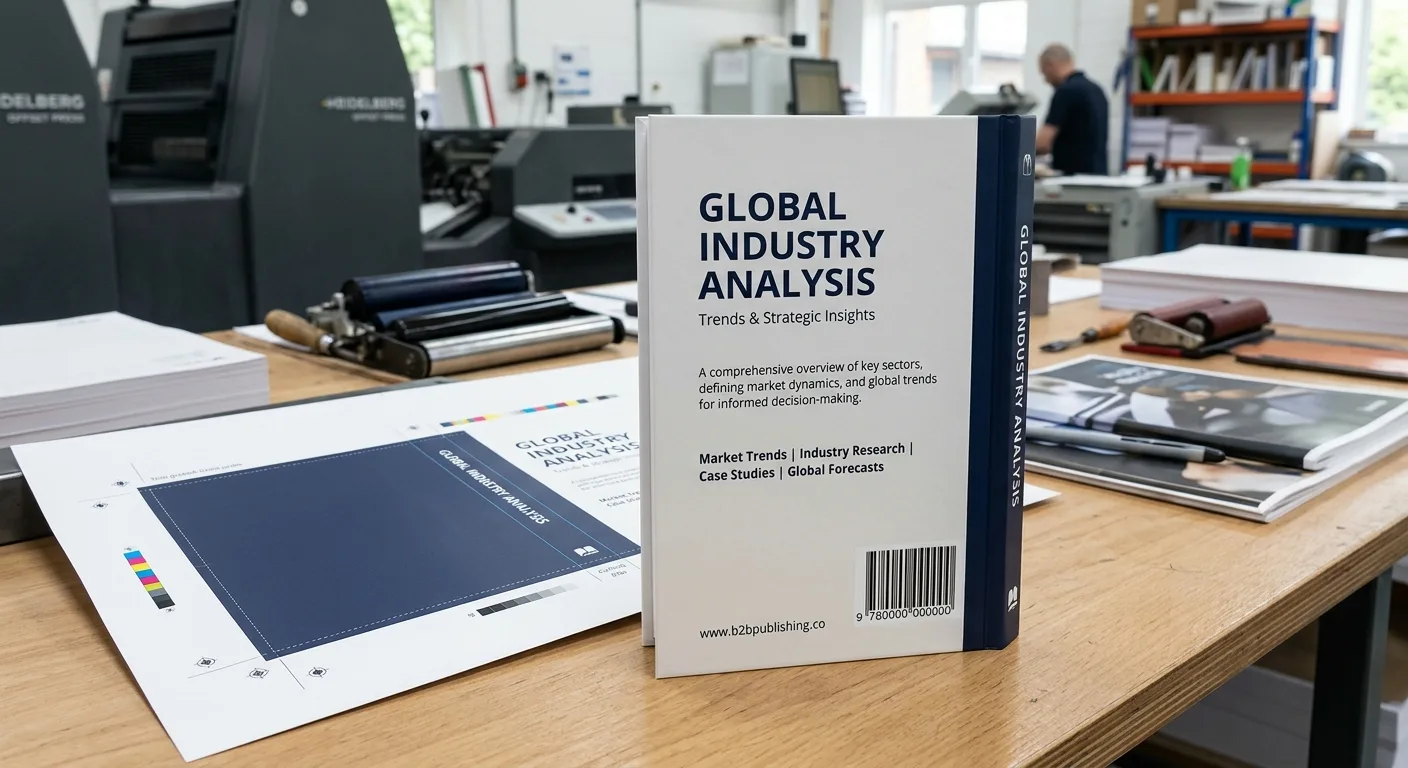

For international publishers, educational institutions, and independent authors, the decision of where to manufacture books is a critical strategic choice. While local printing offers proximity, the advantages of printing books in China have solidified the country’s position as the global hub for high-volume, high-complexity book production. It is no longer just about cost reduction; it is about accessing a mature supply chain capable of handling everything from standard Text Book Printing to complex interactive formats.
This guide explores why industry leaders continue to source printing from China, covering cost structures, technical capabilities, and the logistics of overseas production.
1. Cost Efficiency Without Quality Compromise
The most immediate driver for printing in China is cost efficiency, but the savings stem from more than just labor rates. The Chinese printing industry benefits from a vertically integrated supply chain where paper mills, ink manufacturers, and binding facilities are geographically clustered. This ecosystem reduces logistical overheads and raw material costs.
Economies of Scale
Chinese manufacturers are optimized for volume. While domestic printers in Western markets may struggle with the overhead of large runs, Chinese factories operate machinery designed for high-capacity output. This results in significantly lower unit costs for:
- High-volume runs: Ideal for textbooks and mass-market paperbacks.
- Labor-intensive projects: Books requiring manual assembly, such as pop-up books or box sets, become economically viable due to the availability of skilled manual labor.
2. Advanced Customization and Specialty Printing
One of the distinct advantages of the Chinese market is the ability to produce complex, non-standard book formats that are often prohibitively expensive to manufacture elsewhere. Chinese printers have invested heavily in specialized equipment and assembly lines.
Interactive and Children’s Books
Modern publishing often requires more than just ink on paper. China is a leader in manufacturing interactive formats involving electronic components and mixed materials. For example, Sound Book Printing requires the precise integration of batteries, speakers, and sound chips into the binding—a process that demands specialized assembly lines.
Specialty Finishes
To make a book stand out on a crowded shelf, publishers often turn to premium finishing options readily available in China:
- Foil Stamping & Embossing: High-precision detailing for covers.
- Die-cutting: Essential for board books and novelty items.
- Mixed Media: Integration of stickers, fabrics, or plastic elements, which is particularly relevant for Sticker Book Printing.
3. Technology and Infrastructure
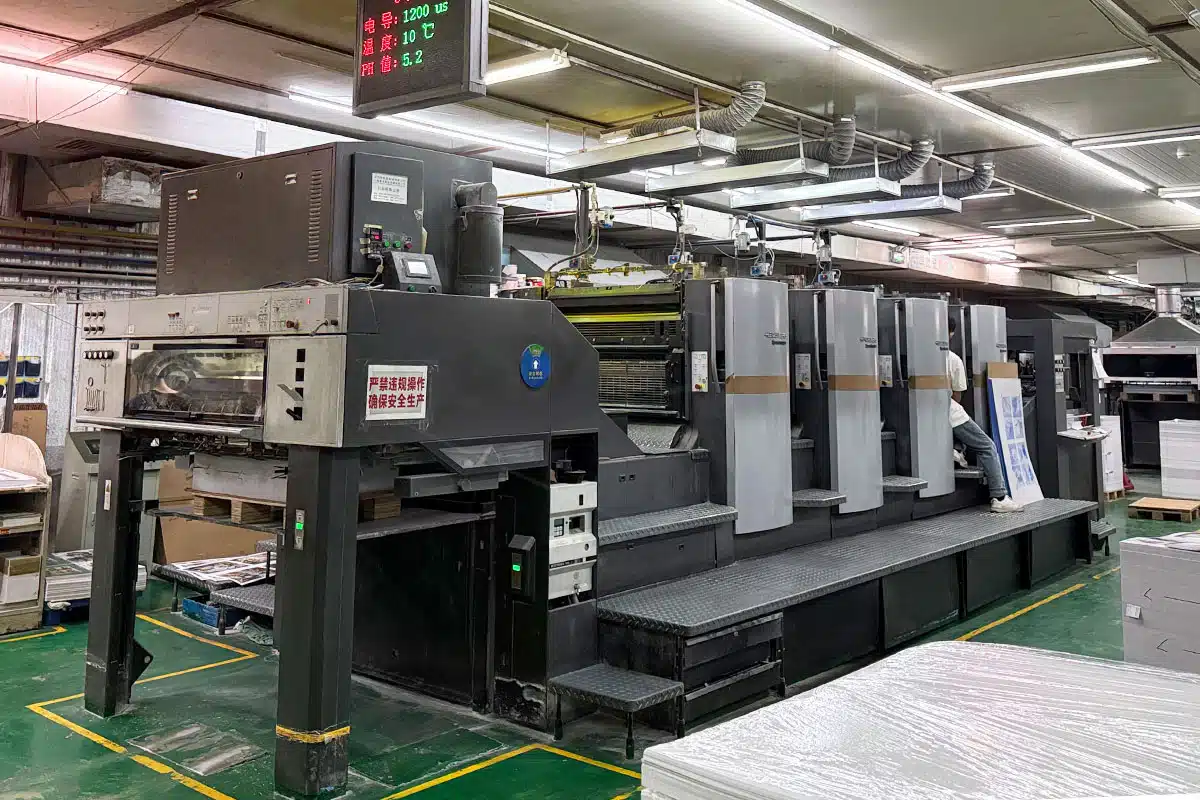
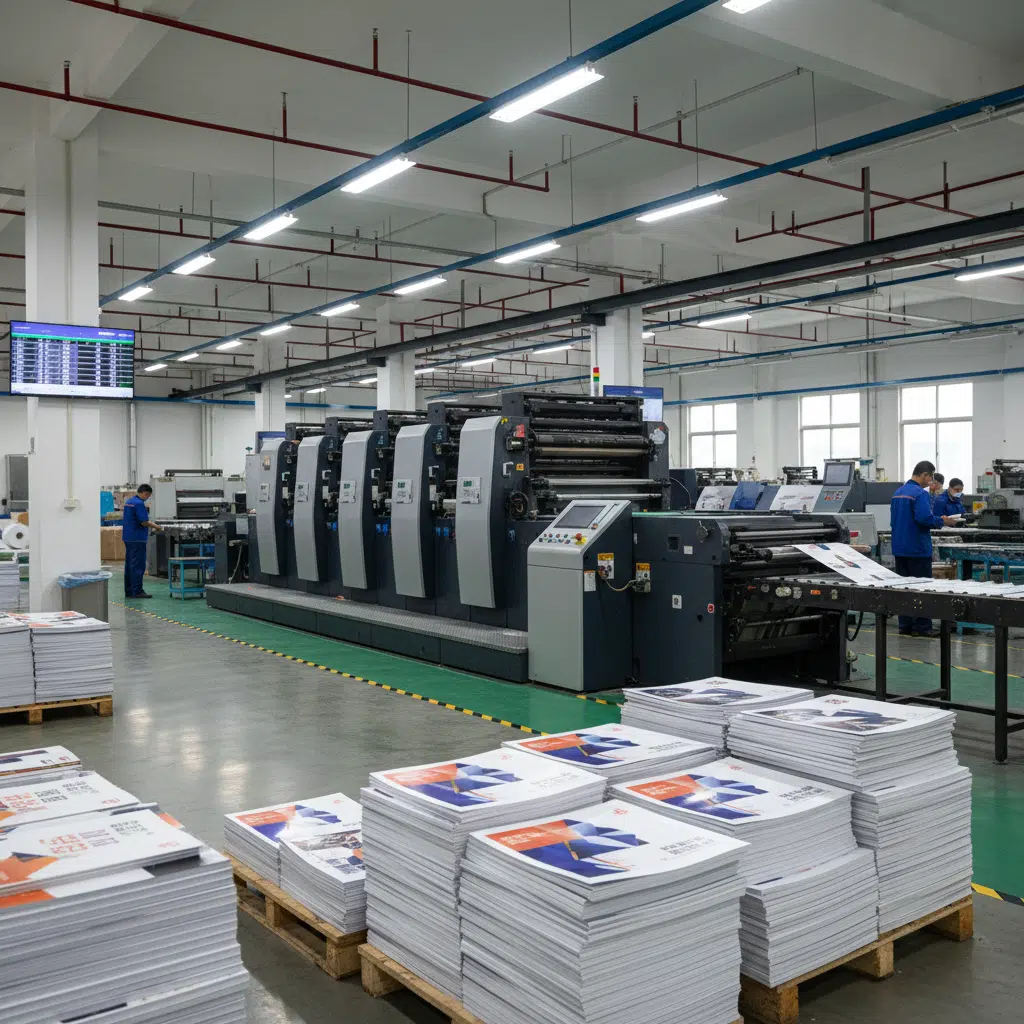
Contrary to outdated perceptions, top-tier Chinese printing houses utilize state-of-the-art technology. It is common to find the latest Heidelberg (Germany) and Komori (Japan) offset presses in Chinese factories. These machines ensure:
- Color Consistency: Advanced color management systems (CMS) ensure that branding colors and illustrations remain consistent across thousands of copies.
- High-Resolution Output: Sharp text and vibrant imagery suitable for art books and photography collections.
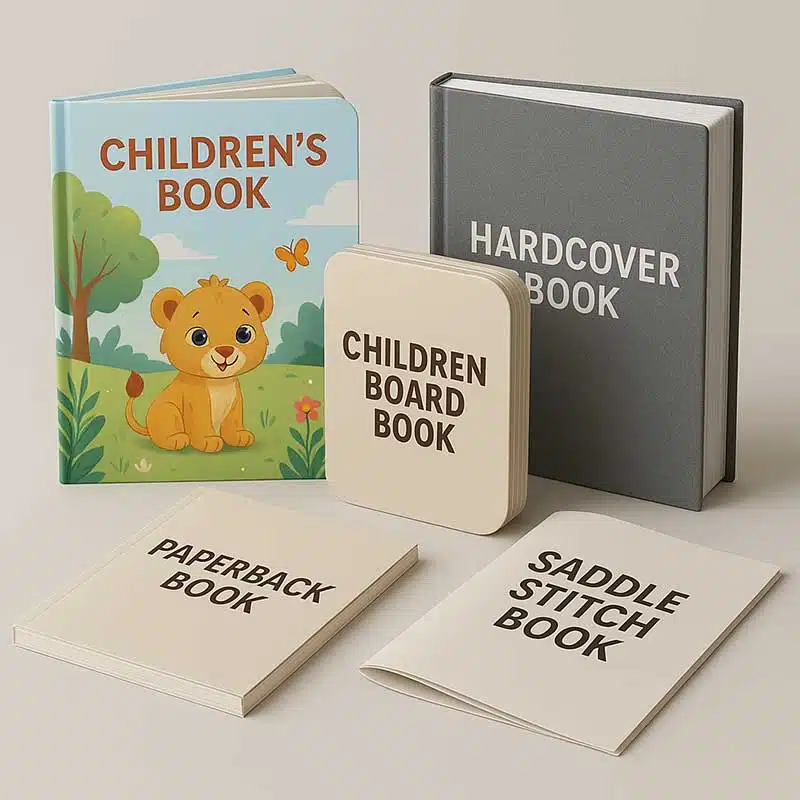
- Binding Variety: From case binding (hardcover) and perfect binding (softcover) to saddle stitching and spiral binding, the infrastructure supports every industry standard.
4. Scalability and Turnaround for Large Projects
When an educational publisher needs to print a new curriculum’s worth of materials, capacity is key. Text Book Printing often involves massive print runs that must be completed within a strict window before the school term begins. Chinese facilities often operate 24/7, allowing them to absorb massive orders that would bottleneck smaller regional printers.
While shipping times from China are longer than domestic shipping, the rapid production speed often mitigates this. For planned inventory replenishment and new title launches, the total lead time is predictable and manageable.
5. Quality Control and Proofing Processes
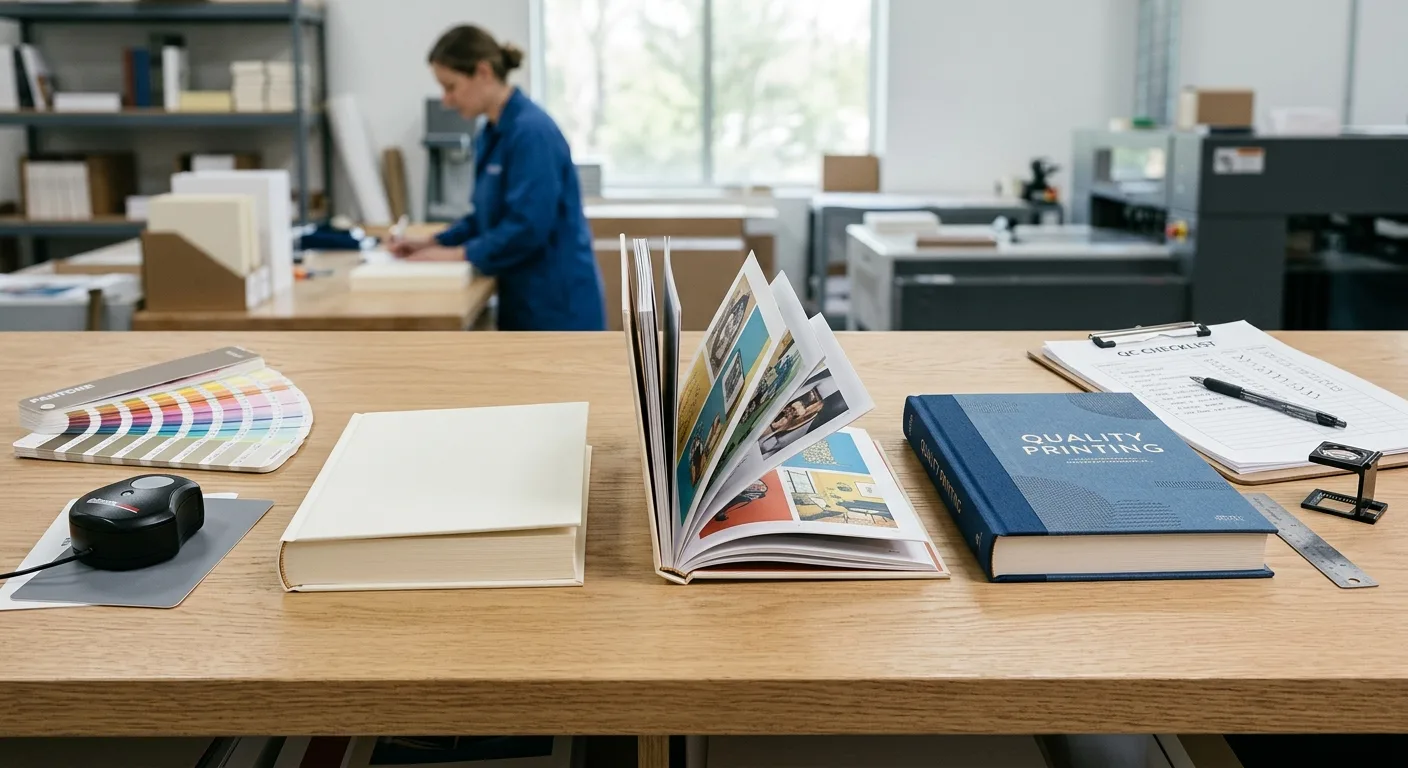
Professional Chinese printers have adopted rigorous Quality Assurance (QA) protocols to serve international markets. The standard workflow typically includes:
- Digital Proofs: For checking layout and text accuracy.
- Wet Proofs / Hard Proofs: Physical print samples on the actual paper stock to verify color accuracy.
- Dummy Copies: Unprinted bound samples to test the physical structure, paper weight, and binding strength.
- Mass Production Samples: Copies pulled from the final run for approval before the bulk shipment leaves the factory.
6. Navigating Logistics and Shipping
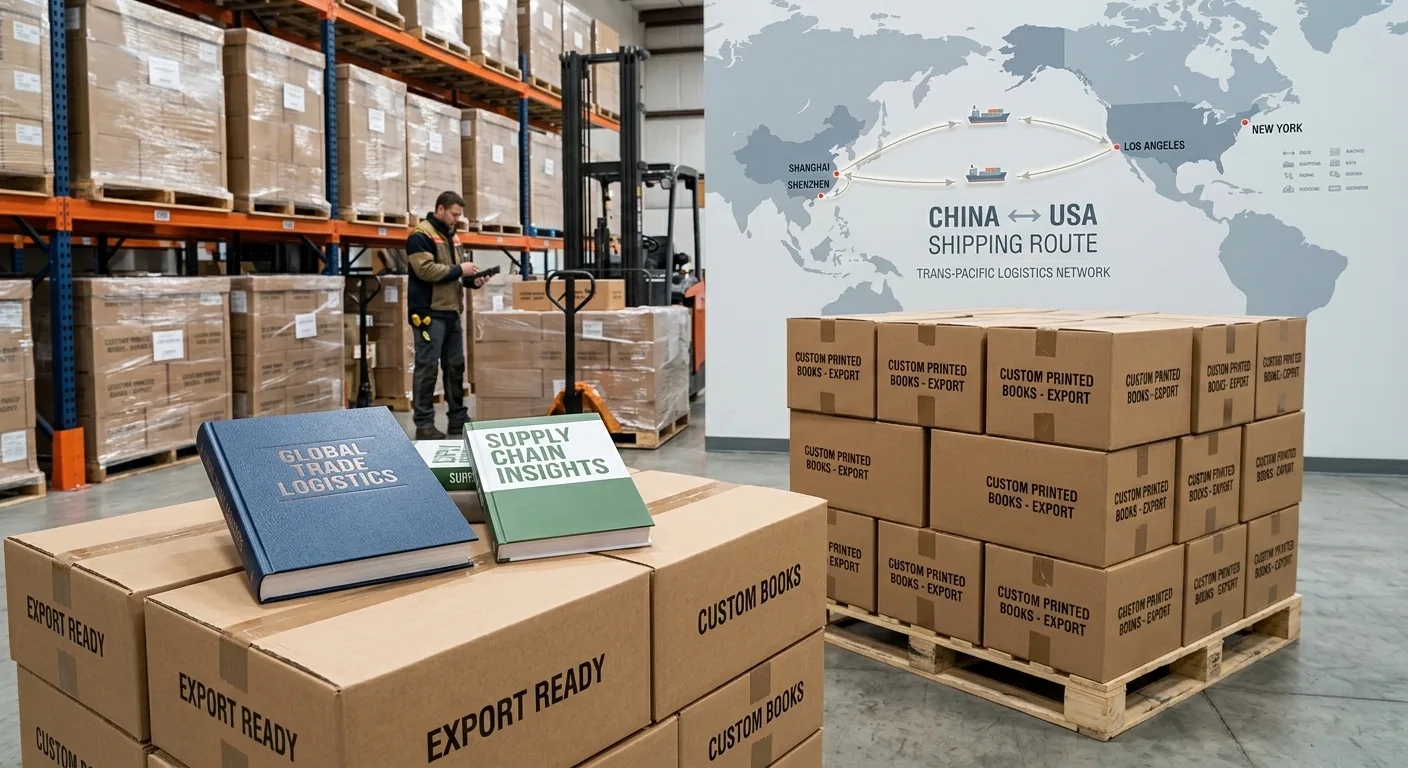
A common concern for first-time buyers is logistics. However, experienced printers handle this daily. Books are heavy and dense, making sea freight the most cost-effective option. While air freight is available for urgent samples, bulk orders typically ship via ocean containers.
- FOB (Free on Board): The printer handles delivery to the Chinese port; the buyer manages the ocean freight.
- DDP (Delivered Duty Paid): The printer manages the entire journey to your warehouse door, including customs clearance. This is increasingly popular for buyers wanting a hassle-free experience.
FAQ: Printing Books in China
What is the typical Minimum Order Quantity (MOQ)?
While digital printing allows for single copies, offset printing in China typically becomes cost-effective at 500 to 1,000 copies. For complex items like sound books, MOQs may be higher due to component sourcing.
How do I protect my Intellectual Property (IP)?
Choose established printers with a track record of serving international clients. Reputable factories are willing to sign Non-Disclosure Agreements (NDAs) and have strict protocols to ensure your files and overruns are secure.
How long does the process take?
Generally, allow 2-3 weeks for production after proof approval, plus 4-6 weeks for sea shipping to North America or Europe. It is vital to factor this timeline into your launch schedule.
Can Chinese printers handle English language files?
Yes. Major export-oriented printers have prepress departments proficient in handling files in English and other European languages. They check for technical issues like bleed, trim marks, and image resolution, though they do not typically proofread the content itself.
Summary
The advantages of printing books in China extend far beyond price. For publishers looking to scale, the combination of advanced manufacturing technology, skilled labor for complex assembly, and reliable capacity makes China an unmatched partner in the global publishing supply chain. Whether you are producing standard paperbacks or intricate advantages of printing books in China with interactive elements, the capabilities available allow for premium results at a viable commercial margin.
Ready to start your next publishing project? Contact us today to request a quote or a sample pack to see our quality firsthand.