
Table des matières
- What determines booklet printing cost?
- A practical formula for estimating booklet cost
- Specifications that affect the estimate
- How quantity changes the unit price
- Binding and finishing cost factors
- Paper, colour and file preparation
- Shipping assumptions and quotation checklist
- How to reduce unexpected booklet costs
You can estimate booklet printing cost before requesting a quotation by defining the finished size, page count, quantity, paper, colour, binding, finishing, packing and delivery destination. This guide explains the main cost factors and shows how to prepare a more accurate booklet printing quotation request.
What determines booklet printing cost?
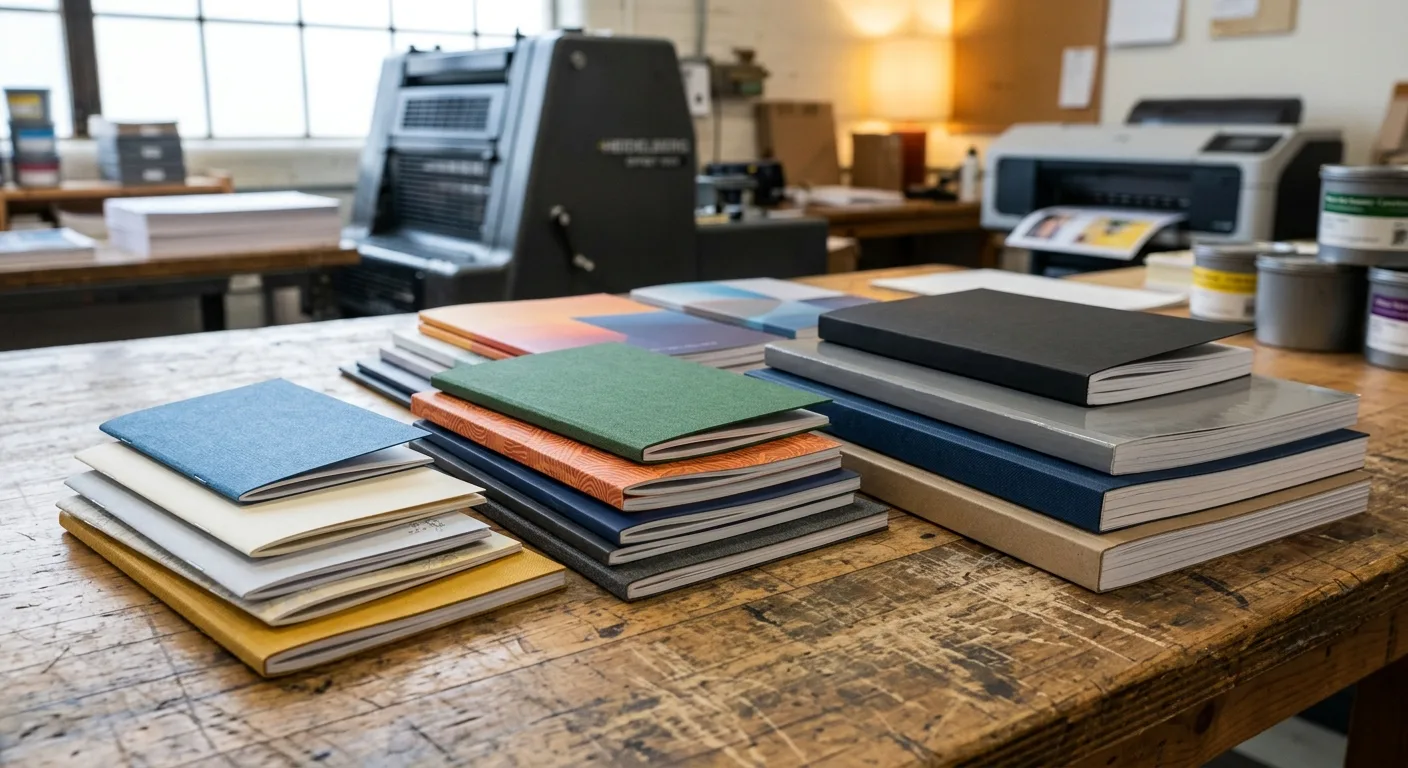
Booklet printing cost is mainly determined by the finished size, total page count, order quantity, paper, print coverage, binding, finishing, packing and delivery requirements. Before asking for a quote, define these specifications as clearly as possible. A printer can then calculate the material usage, production setup and logistics more accurately.
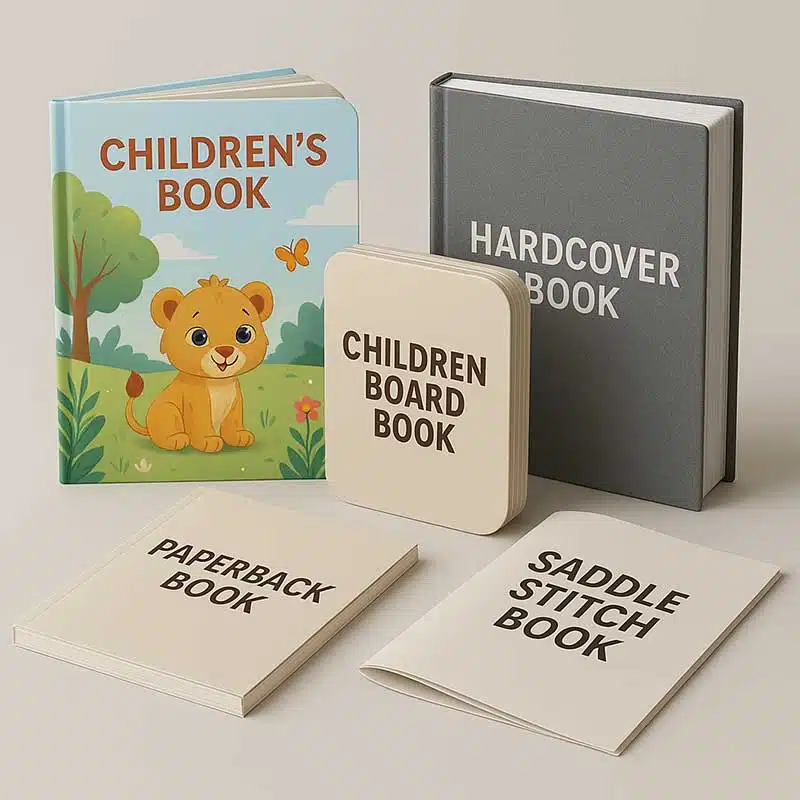
There is no single price for a custom booklet because a short promotional booklet, an instruction manual and a catalogue can use very different production methods. The same page count may also have a different price depending on whether the booklet is saddle stitched, perfect bound, folded, laminated or finished with special effects.
For an initial budget, start with a simple specification rather than trying to predict an exact factory price. The estimate becomes more useful when it separates manufacturing, finishing, packing and freight. It should also state assumptions, such as whether the files are print-ready and whether taxes, duties or local delivery are included.
A practical formula for estimating booklet cost
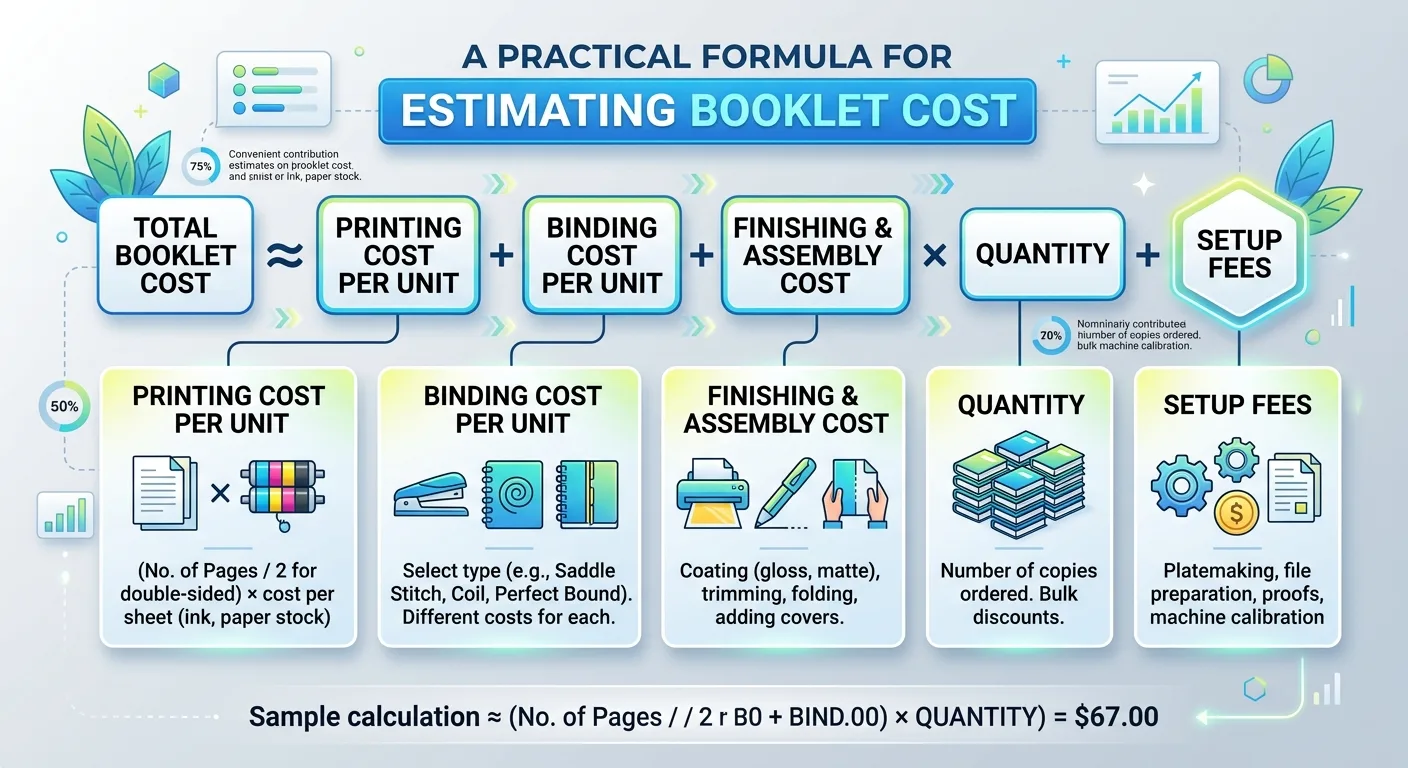
A useful early-stage formula is:
Total landed estimate = manufacturing cost + finishing cost + packing cost + freight + applicable taxes or duties
To estimate the unit price, divide the total by the number of finished copies:
Estimated unit cost = total landed estimate ÷ quantity
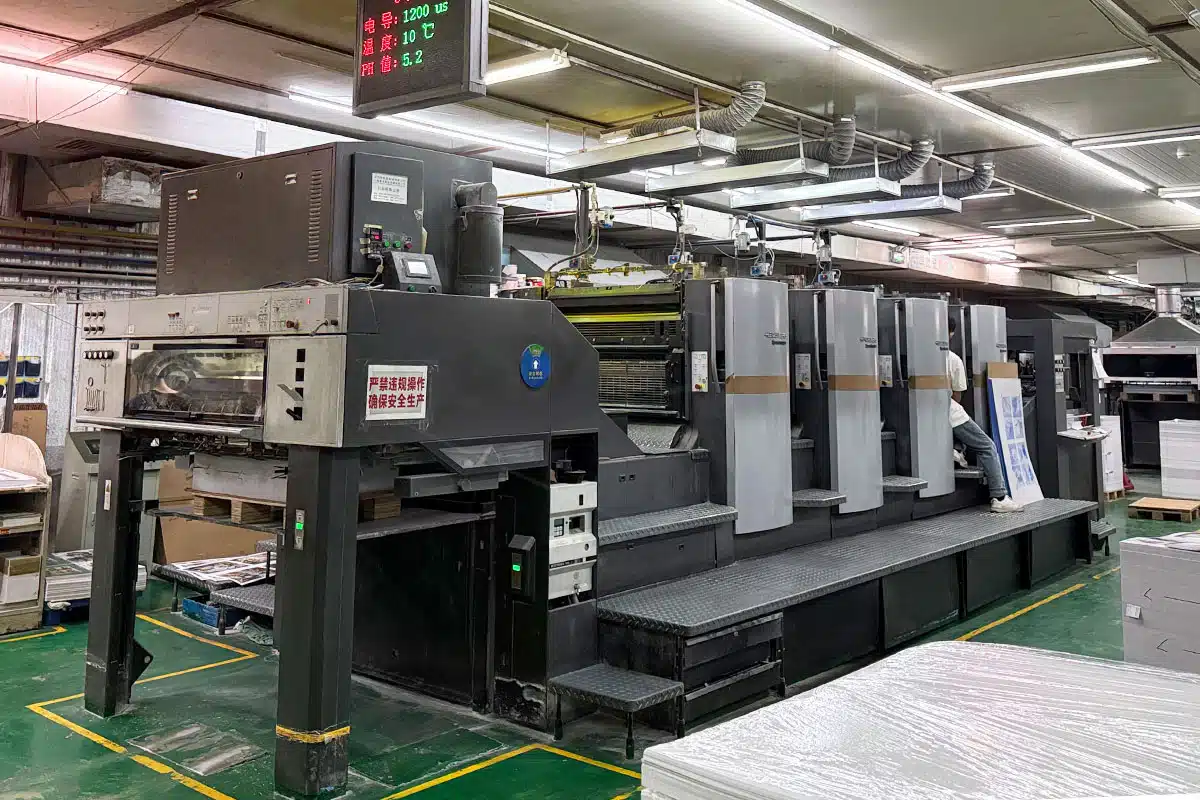
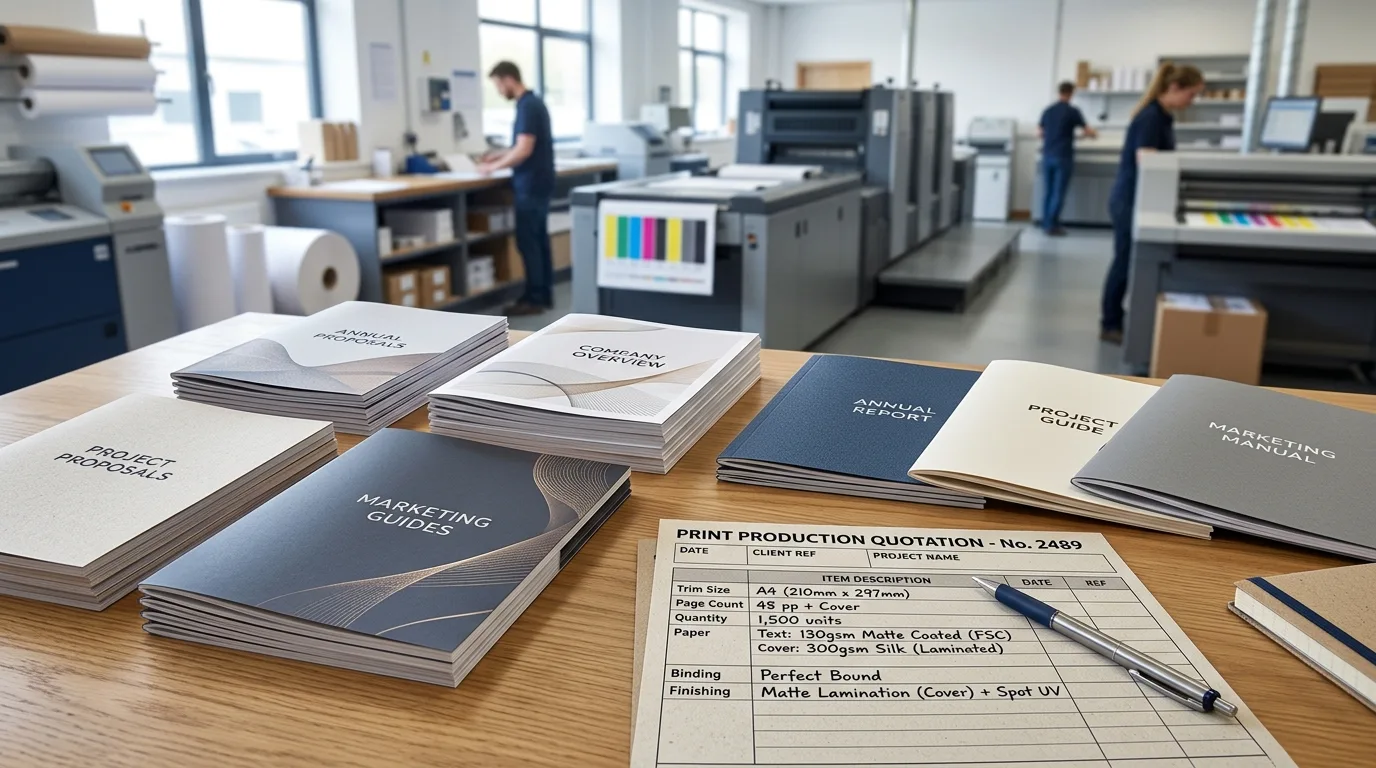
Manufacturing cost normally includes the paper, ink or toner, press time, folding, collating and the selected binding method. Finishing cost may include lamination, varnish, foil, embossing, die cutting or other operations. Some projects have separate setup or tooling charges, while others include them in the production price. Ask the printer how these items are presented in the quotation.
For a planning estimate, prepare three scenarios: a target quantity, a lower quantity and a higher quantity. This helps you see whether a larger order may reduce the unit cost enough to justify additional inventory. It also prevents the common mistake of comparing one supplier’s ex-works price with another supplier’s delivered price.
Keep the estimate as a range until the printer confirms the specifications. Paper availability, final artwork, packing requirements, production scheduling and the delivery country can all change the final booklet printing quotation.
Specifications that affect the estimate
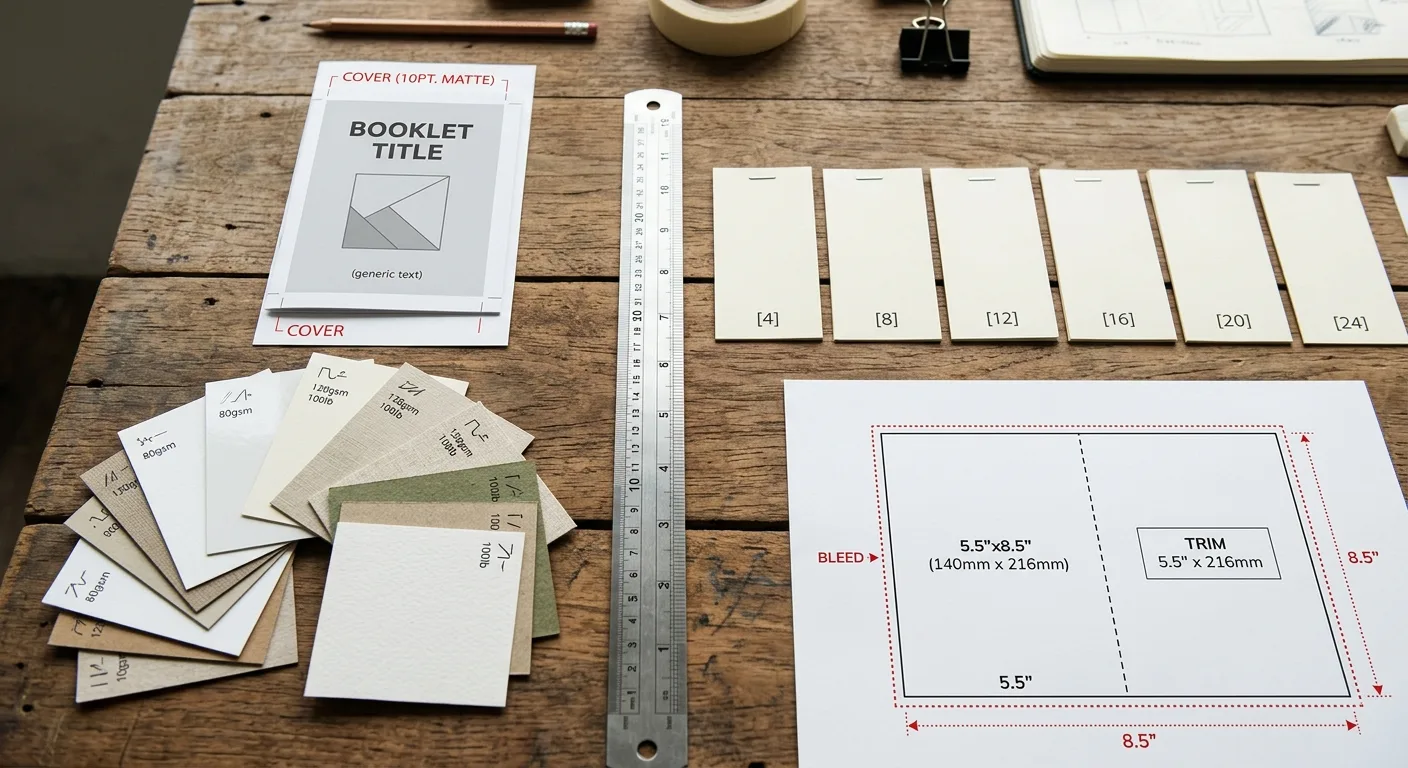
The following details have a direct effect on paper consumption, press setup, binding and handling:
- Finished size: A smaller or standard trim size may use parent sheets more efficiently than an unusual custom format. Confirm the final width and height after trimming, not only the size of the design file.
- Nombre de pages : More pages require more paper, ink and folding or binding work. For saddle-stitched booklets, the page count usually needs to work with the construction of folded sections, often in groups of four pages.
- Quantité : The total order size affects setup allocation, material purchasing and production efficiency. Requesting several quantity breaks can make the pricing structure easier to understand.
- Colour coverage: Full-colour photographs and solid backgrounds use more ink or toner than mostly black text. The number of printed sides also matters.
- Papier : Paper type, weight, opacity, brightness, coated or uncoated surface and recycled-content requirements can change both material cost and production handling.
- Cover construction: A separate cover, heavier cover stock, gatefold, insert or pocket adds material and assembly steps.
If you are still choosing a format, review this practical book trim size guide before preparing artwork. A well-chosen format can support the intended reading experience while making the estimate easier to compare.
How quantity changes the unit price
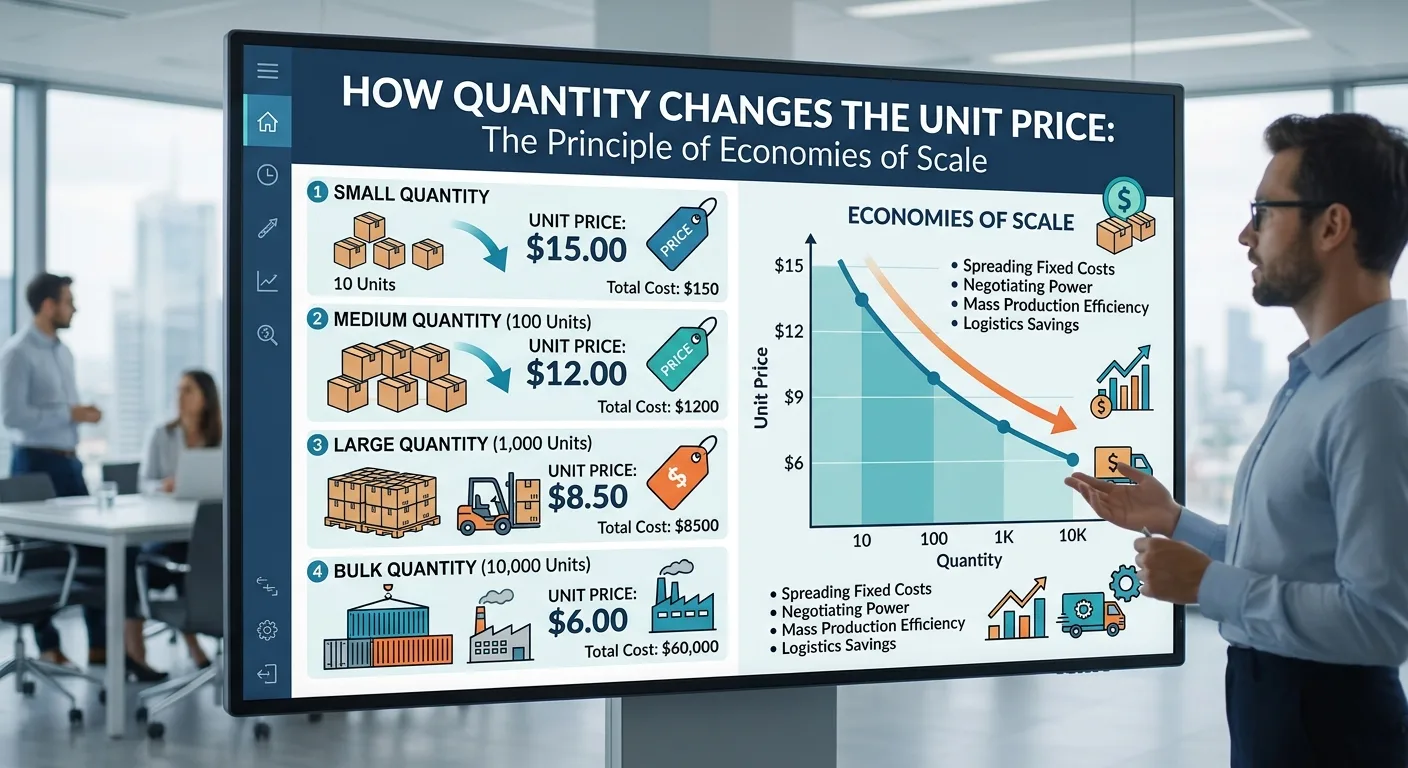
When estimating a custom booklet printing price, do not look only at the price per copy. Also compare the total investment, inventory risk and storage requirements. Printing more copies may spread fixed preparation costs across a larger order, but it also increases the amount of stock you must store and distribute.
Ask for at least three quantity points, such as a small test run, the expected launch quantity and a larger replenishment quantity. The exact breaks depend on the printing method, format, paper and binding. A printer may also quote an actual produced quantity rather than an exact delivered count, so confirm the quantity tolerance in the quotation if it matters to your procurement plan.
Minimum order requirements can vary by product and manufacturing method. Our guide to book printing minimum order quantities explains why the practical order size depends on format, materials, binding and finishing rather than on a universal number.
For international purchasing, calculate the landed cost per booklet, not just the factory unit price. Freight, insurance where applicable, customs charges, destination handling and local delivery can materially affect the final cost. Use the same delivery term and destination when comparing quotations from different suppliers.
Binding and finishing cost factors
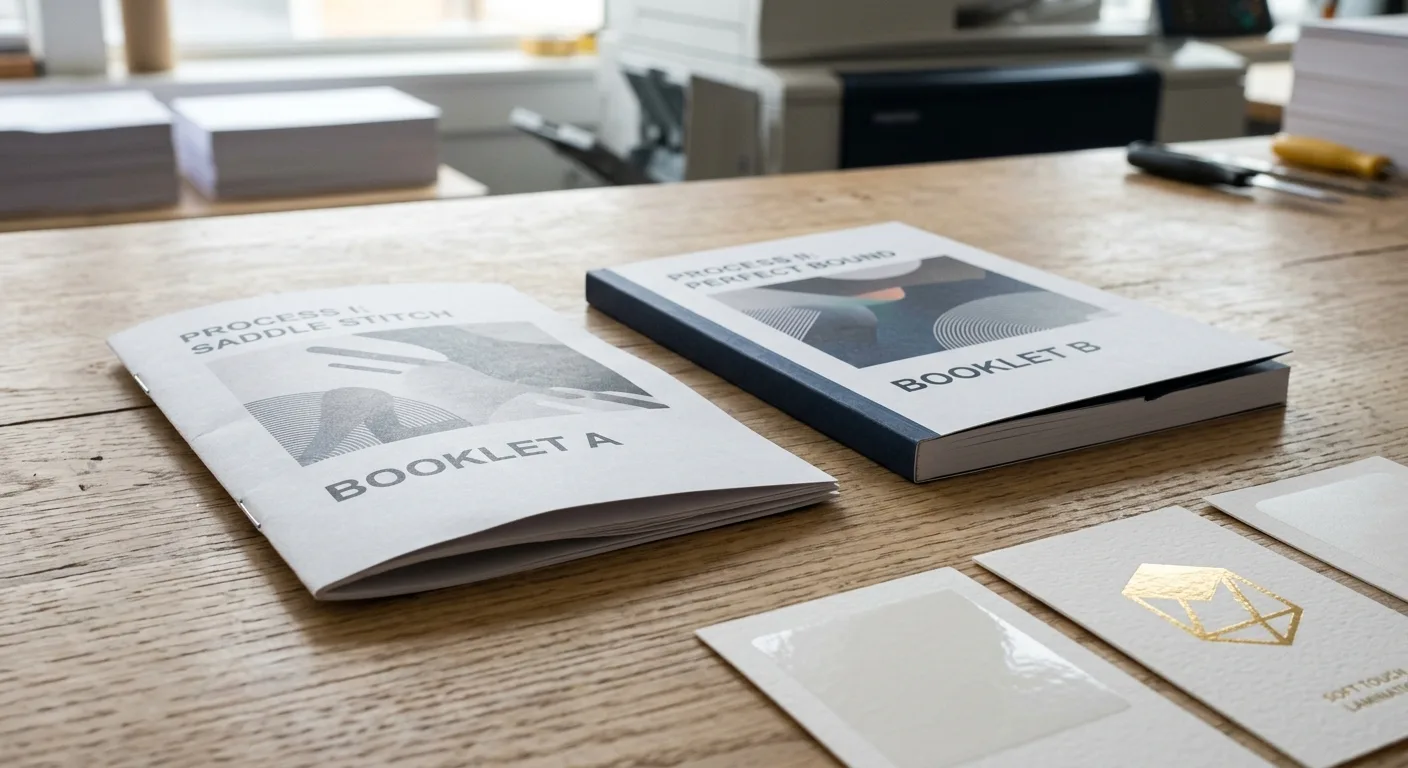
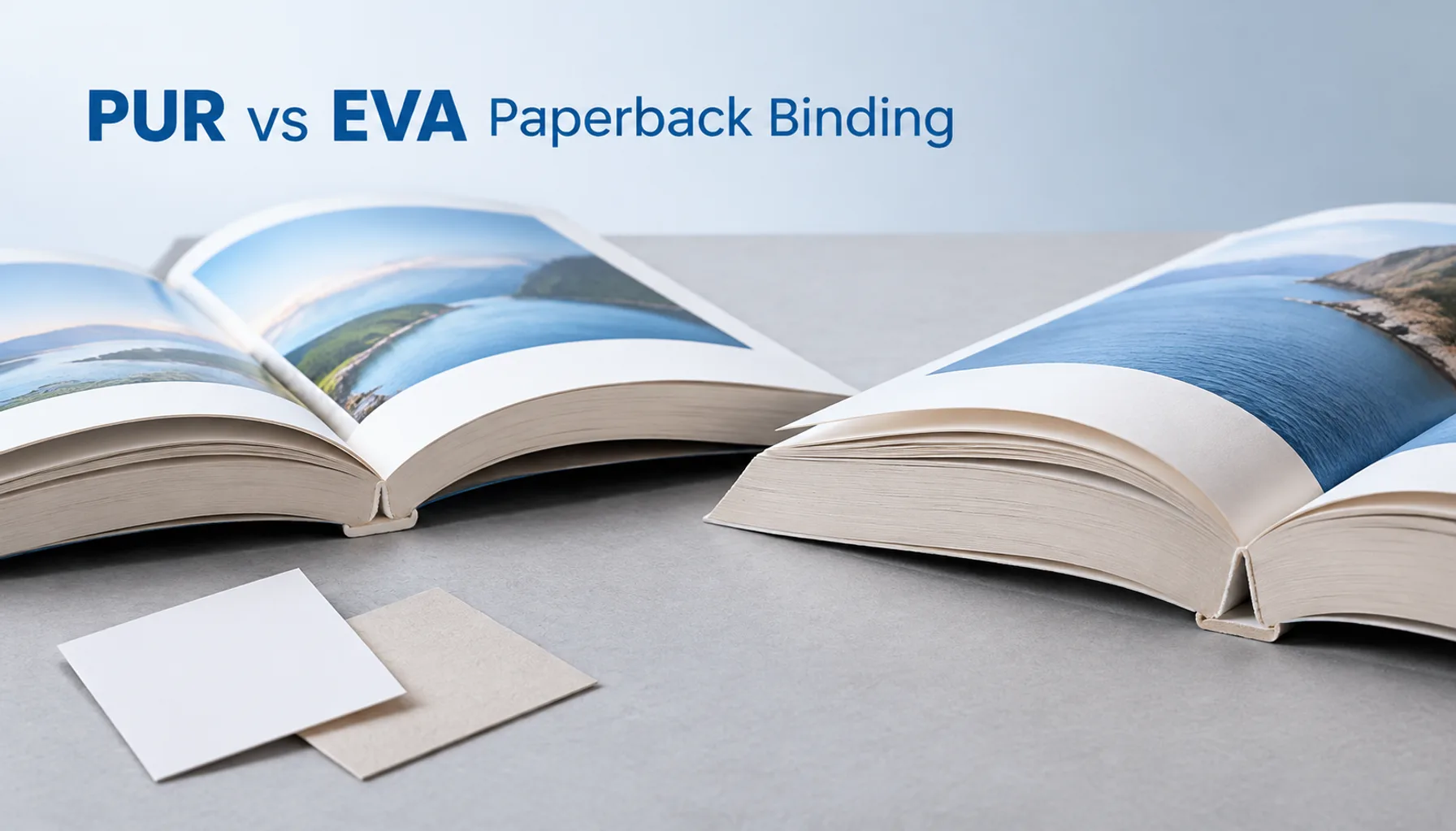
Binding is one of the most visible booklet printing cost factors because it affects equipment, labour and the way the printed sheets are assembled. Saddle stitching, for example, uses folded sections secured with staples and is often considered for shorter booklets. Perfect binding uses adhesive and a wraparound cover, which may suit a thicker publication. Other formats may use folding, sewing, wire binding or a special construction.
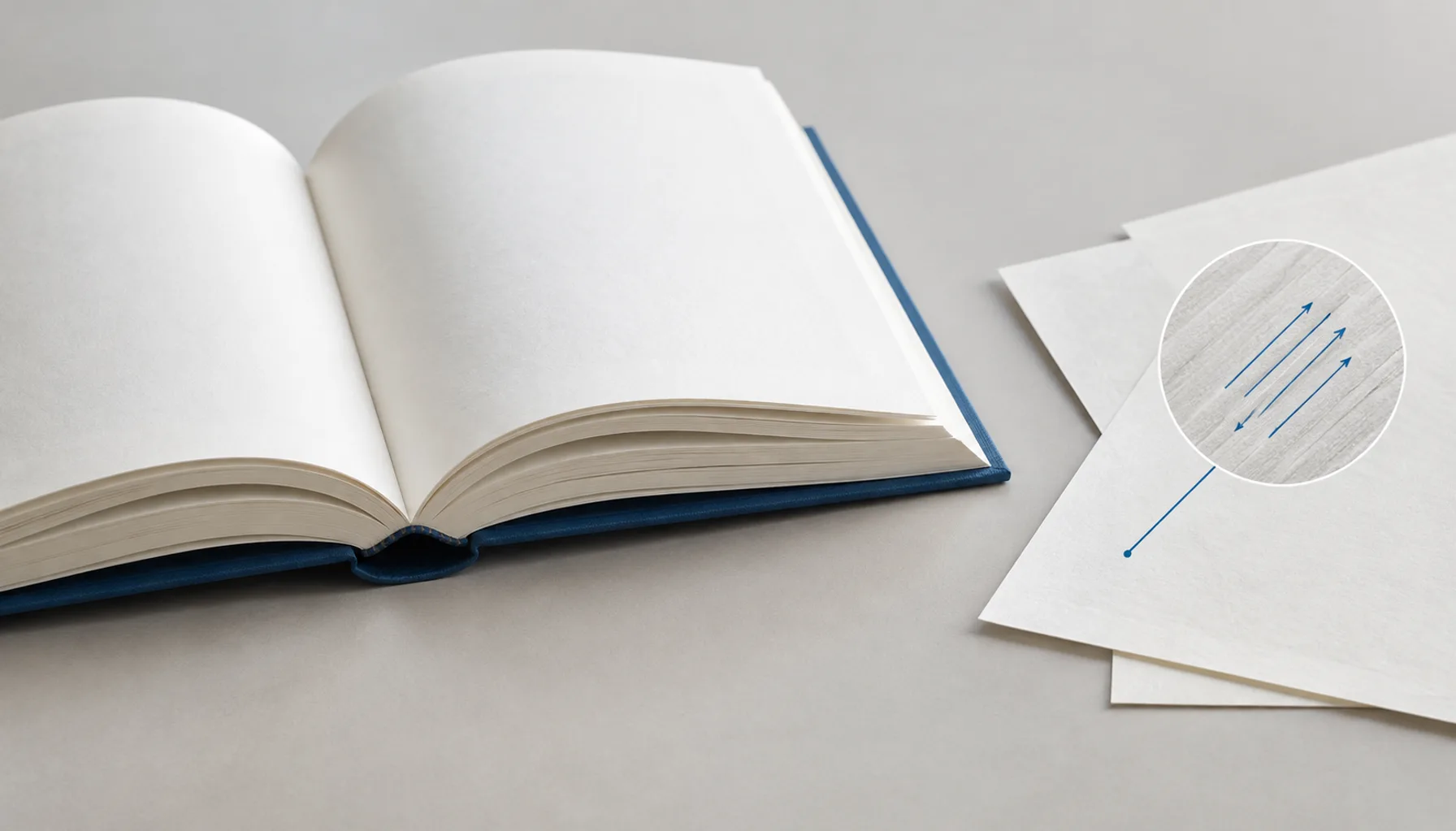
The correct option depends on page count, opening behaviour, durability expectations, appearance and budget. Do not choose a binding method from price alone. For a practical comparison of adhesive and case-style book construction, read this guide to case binding and perfect binding. For short promotional or calendar-style formats, you can also review the construction of custom saddle-stitched booklet calendars.
Finishing may be optional or essential depending on the application. Common cost items include matte or gloss lamination, aqueous or protective varnish, spot UV, foil stamping, embossing, debossing, rounded corners, perforation, die cutting and inserts. Each additional operation can require separate setup, registration or inspection.
When estimating, list every finish separately. “Premium finish” is not specific enough for a reliable quotation. State the location, coverage and quantity of each effect, and provide a reference sample or marked-up artwork when the result is difficult to describe in words.
Paper, colour and file preparation
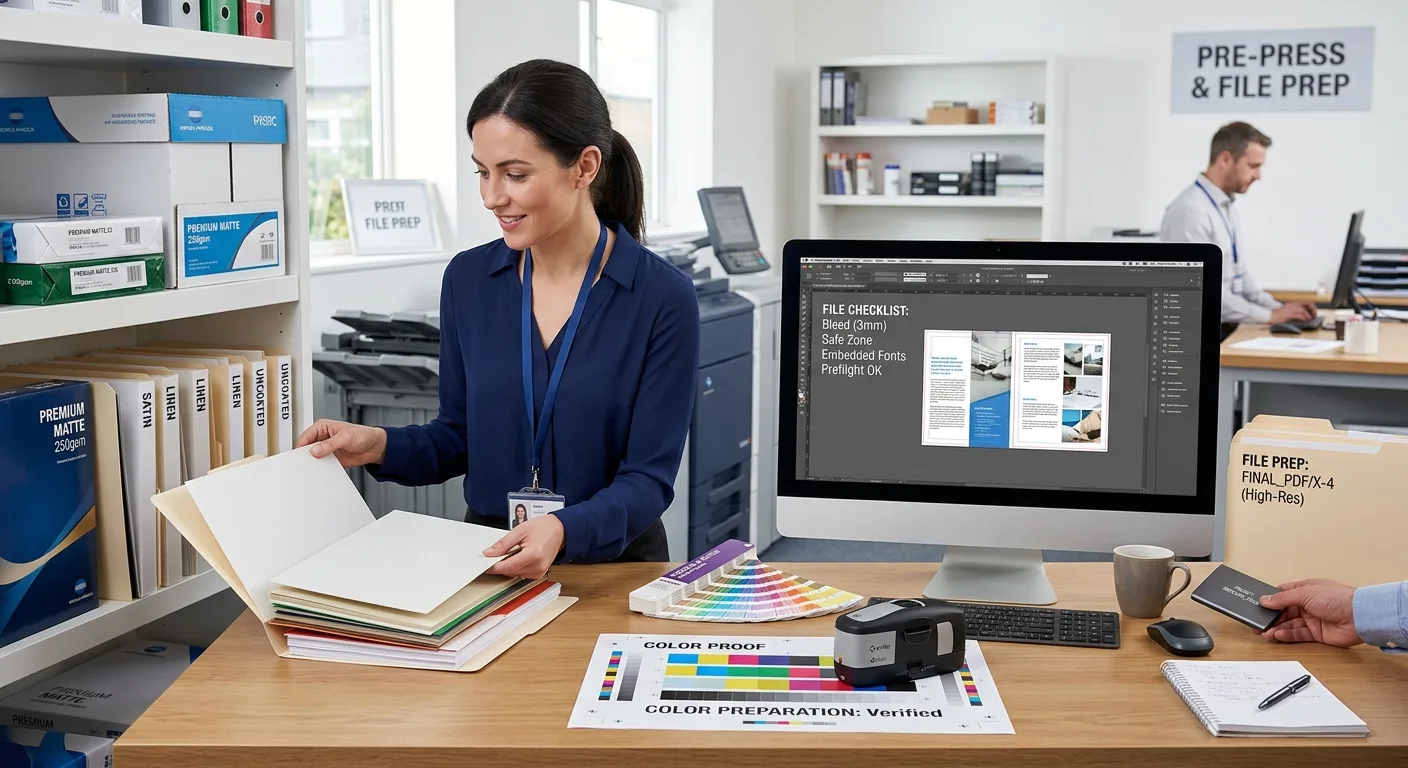
Paper selection influences both the custom booklet printing price and the physical result. A heavier stock may improve cover stiffness but can affect folding, spine formation and shipping weight. A coated paper can support sharp image reproduction, while an uncoated sheet may be preferred for writing, reading comfort or a particular tactile effect. The best choice depends on the booklet’s use, not only on the lowest material price.
Specify the paper for the cover and interior separately when needed. Include the paper weight or thickness, surface, colour and any recycled or specialty requirement. If you do not have a fixed paper specification, ask the printer to quote two or three suitable options so you can compare performance and cost on the same basis.
Colour requirements should also be clear. State whether the pages are black and white, spot colour or full colour, and whether the cover differs from the interior. Large solid areas, full-bleed photographs and heavy ink coverage may require closer proofing and production review.
File status can affect cost and schedule. A correctly prepared PDF is easier to preflight than a file requiring extensive correction. Check trim size, bleed, safe areas, image resolution, page order, colour mode and cover layout using this print-ready book PDF checklist. If the printer must rebuild files, adjust pages or recreate missing elements, ask whether prepress service is included or charged separately.
Shipping assumptions and quotation checklist
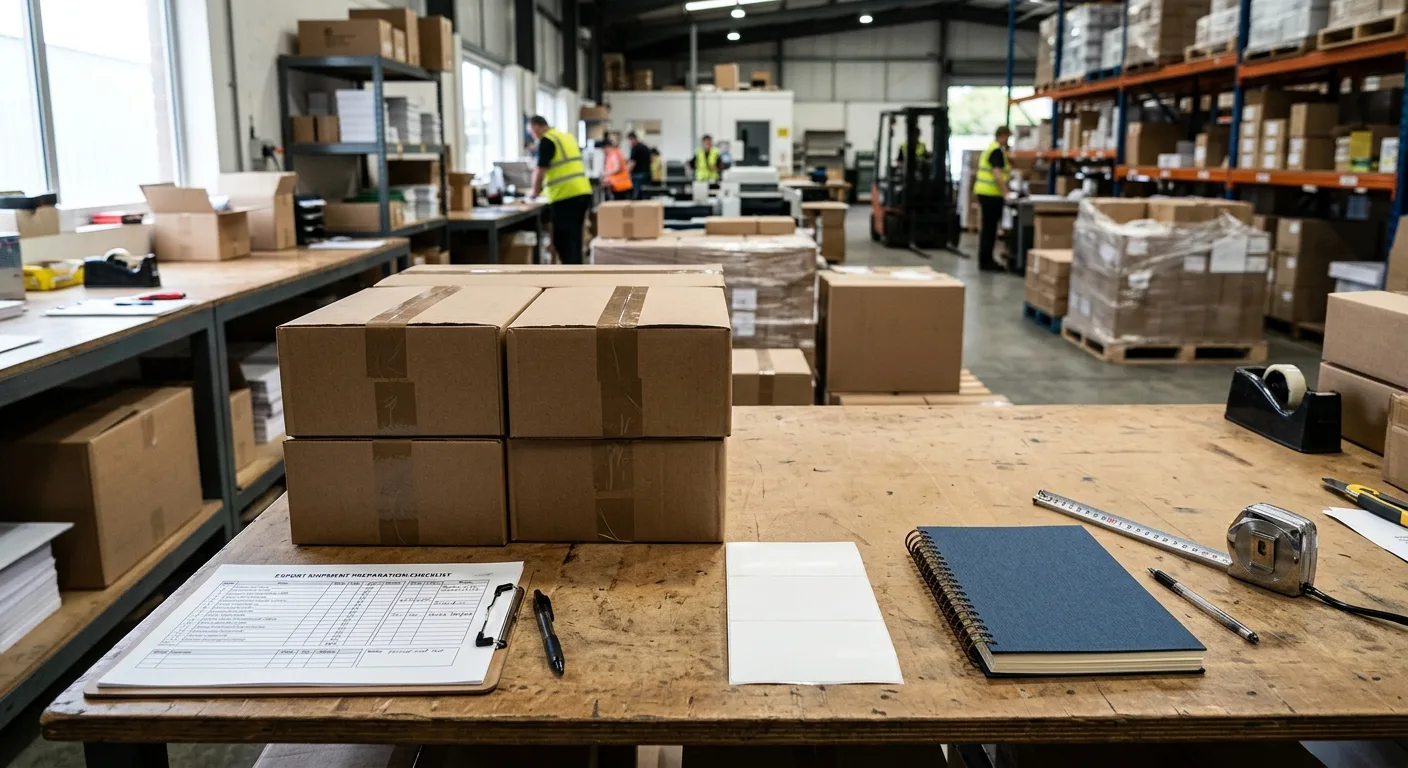
A booklet printing quotation is only easy to compare when the commercial assumptions are visible. Before requesting prices, prepare the following checklist:
- Product type and intended use.
- Finished trim size and orientation.
- Total page count, including or excluding the cover as specified.
- Quantity and any alternative quantity breaks.
- Interior and cover paper preferences.
- Colour specification for the interior and cover.
- Binding method and page-count limitations.
- Finishing details, including coverage and location.
- Packaging requirements, carton labelling and pallet preferences.
- Print-ready file status, proof requirement and artwork deadline.
- Destination country, delivery postcode or city and preferred shipping term.
- Required delivery window, stated as a planning need rather than an assumed guarantee.
Shipping should be estimated from the packed order, not only from the booklet dimensions. Paper weight, carton count, palletisation and the destination all affect freight. Ask whether the quoted amount includes export packing, freight, customs clearance, duties, taxes and last-mile delivery. These items may be handled by different parties depending on the agreed trade terms.
Also confirm whether the quote includes a digital proof, physical proof, inspection samples, artwork checking, packing photos or replacement procedures for production issues. These are commercial and quality-control details, not merely price details.
How to reduce unexpected booklet costs
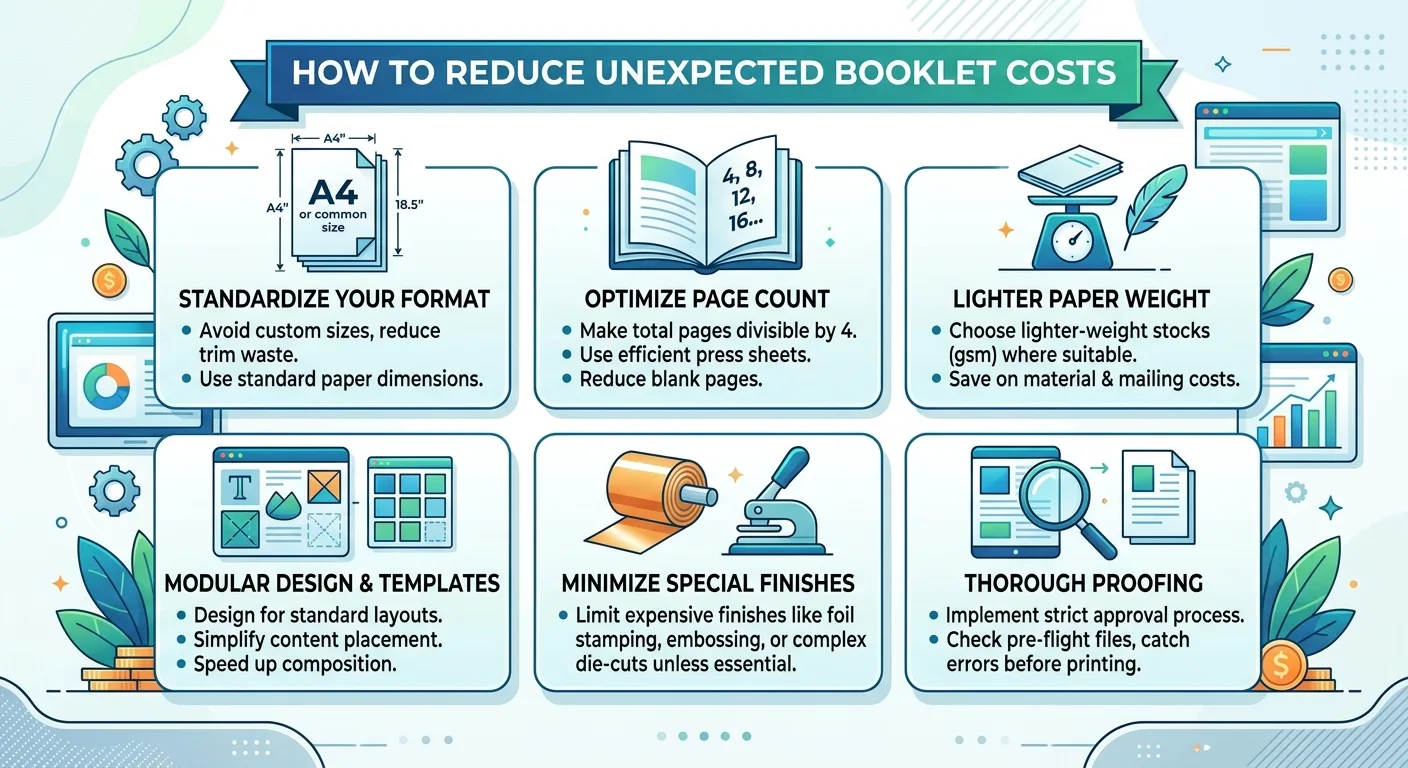
The safest way to manage booklet printing cost is to simplify the specification only where it does not compromise the purpose of the product. Start by deciding which features are essential. For example, a standard trim size, readily available paper, a straightforward binding method and a limited number of finishing operations may make budgeting easier. The right decision depends on the required appearance, durability and user experience.
Next, request an itemised quotation with the same specifications for every supplier. Ask the printer to identify assumptions and exclusions rather than accepting a single unexplained total. If you are comparing a basic and upgraded version, change one or two variables at a time so you can see what creates the difference.
Finally, approve the specification before production begins. Changes to page count, paper, cover construction, finish or delivery address after quotation may require recalculation. Send complete files, clarify the proofing process and keep written approval records for the final version.
In short, when asking how much does it cost to print booklets, provide enough detail for the printer to price the actual product rather than a general category. A well-prepared request usually produces a more useful quotation and makes supplier comparison more transparent.
Ready to request a booklet printing quotation?
YBJ Printing can review your booklet requirements and prepare a project-specific quotation. For an accurate estimate, please provide the product type, trim size, page count, quantity, paper or binding preference, finish, file status and destination country. If any specification is undecided, we can discuss practical options before you approve the order.