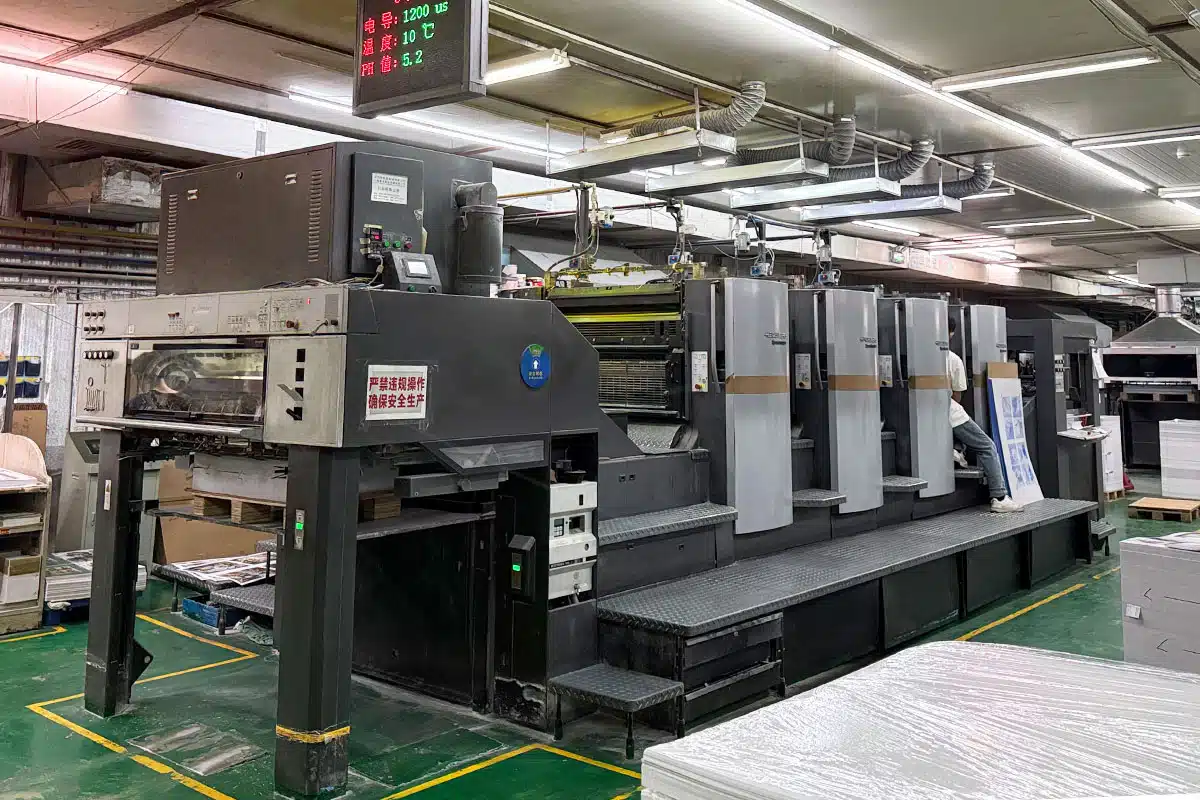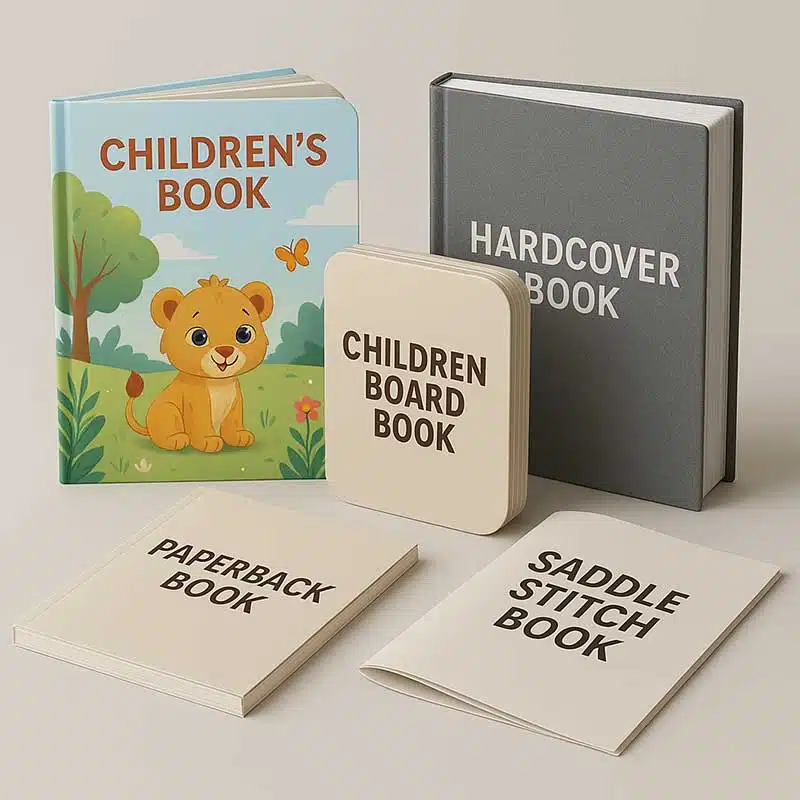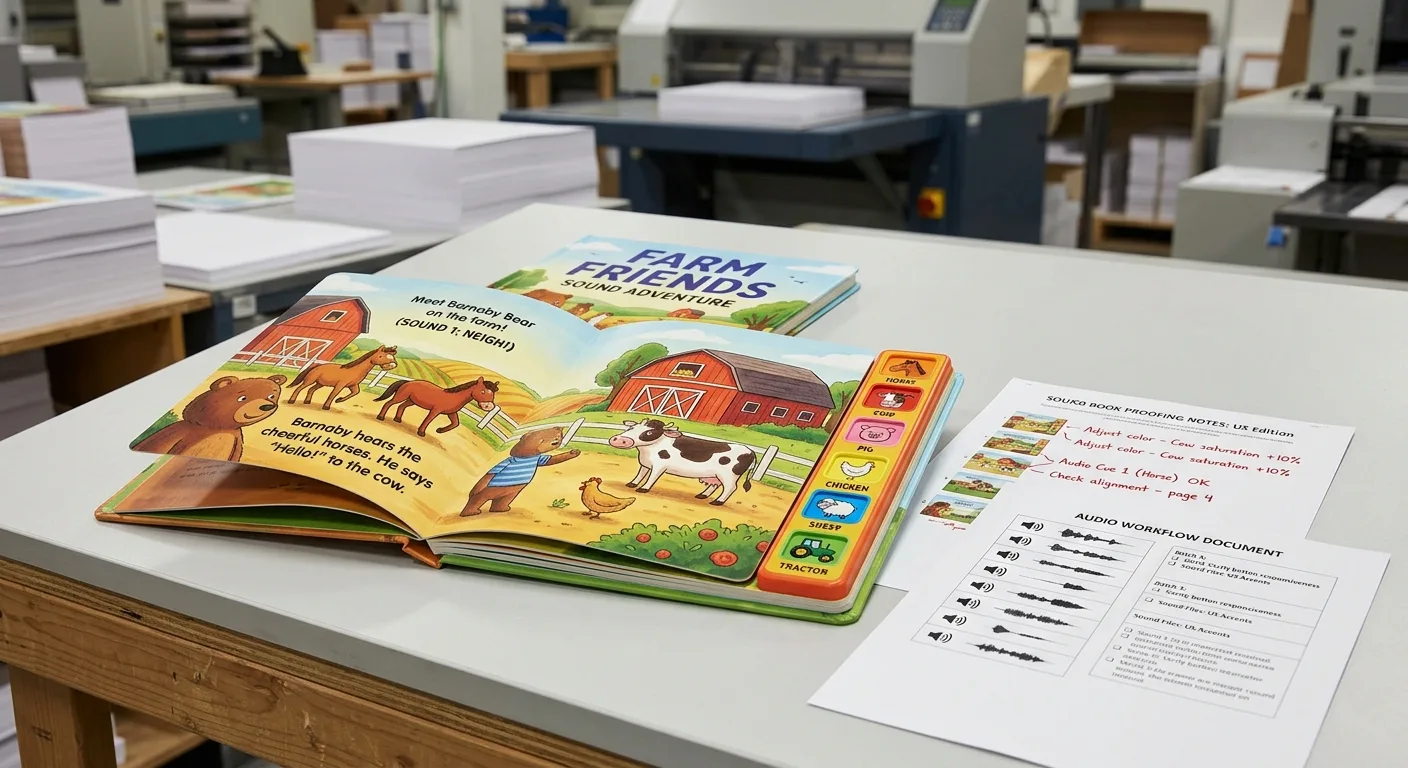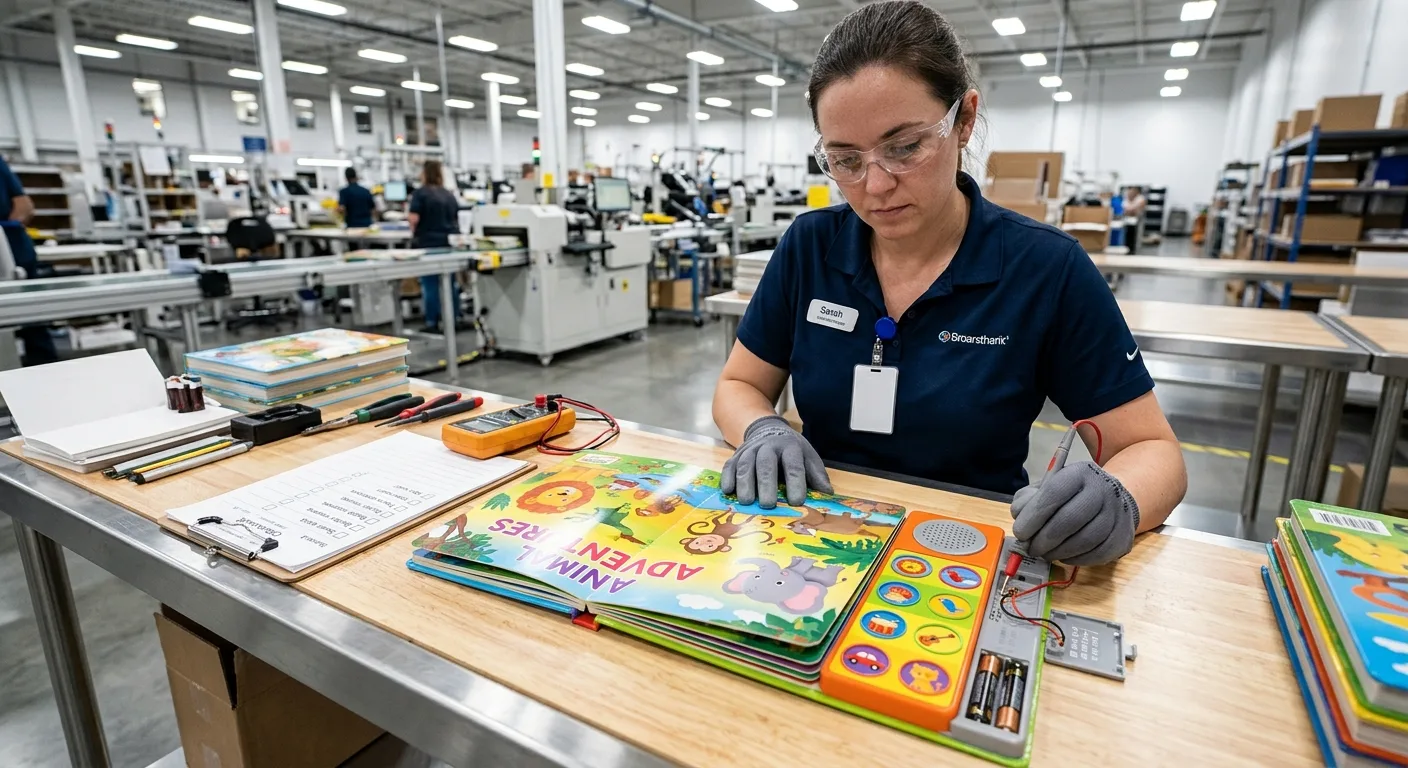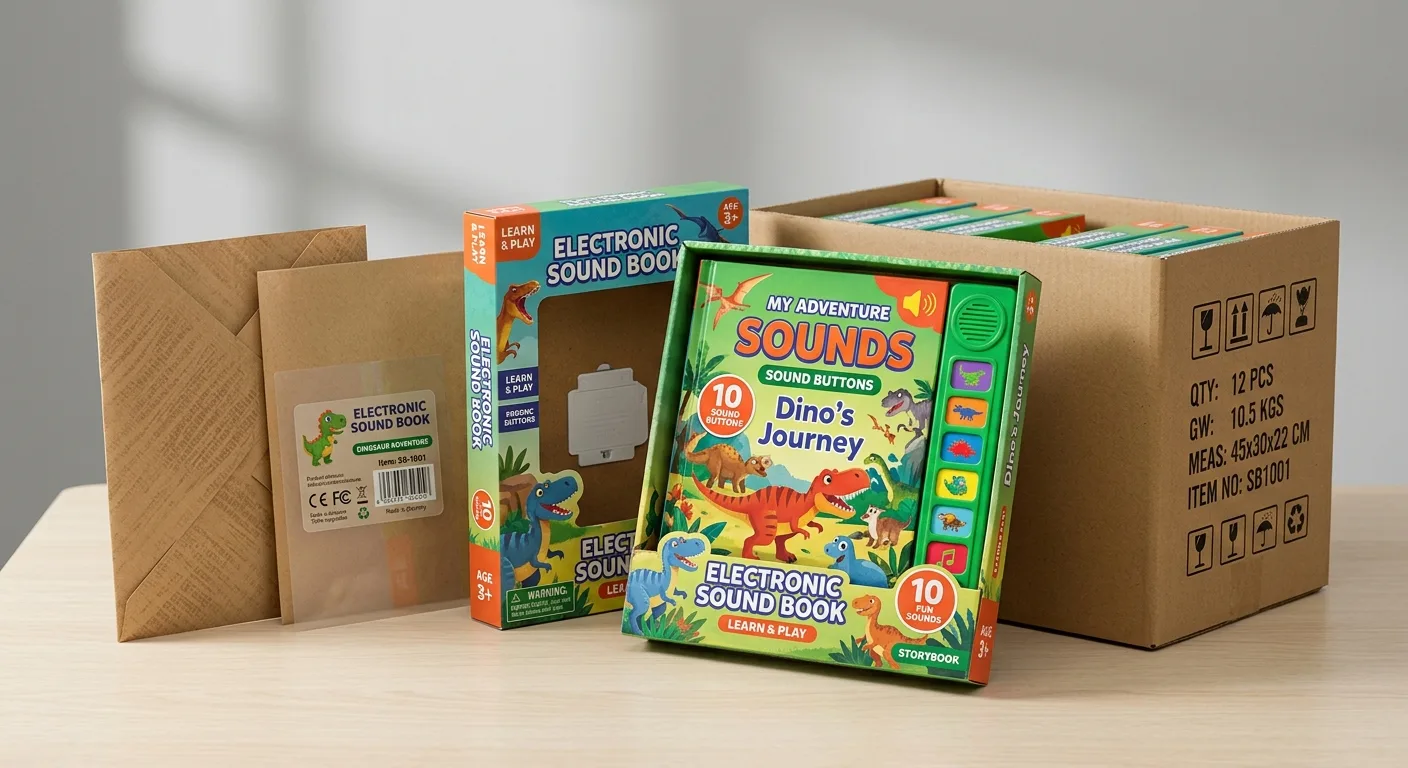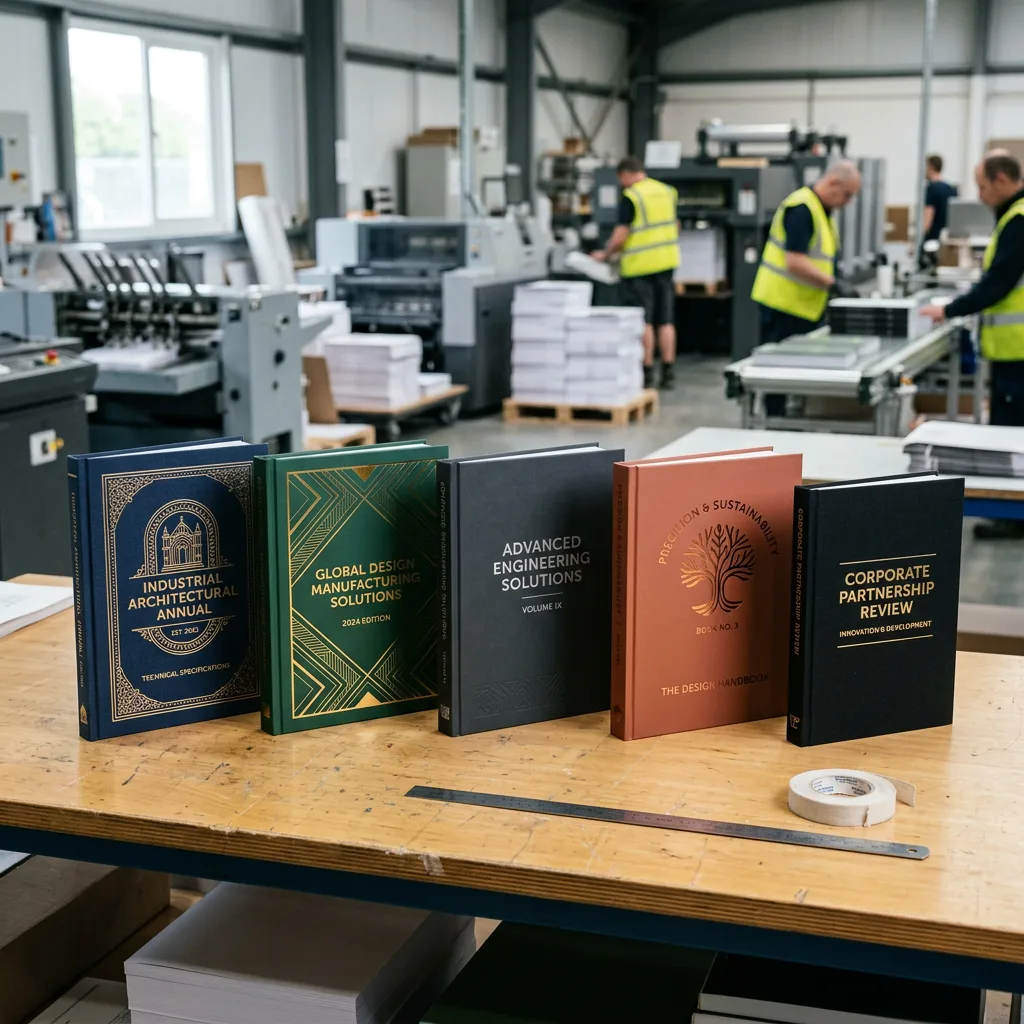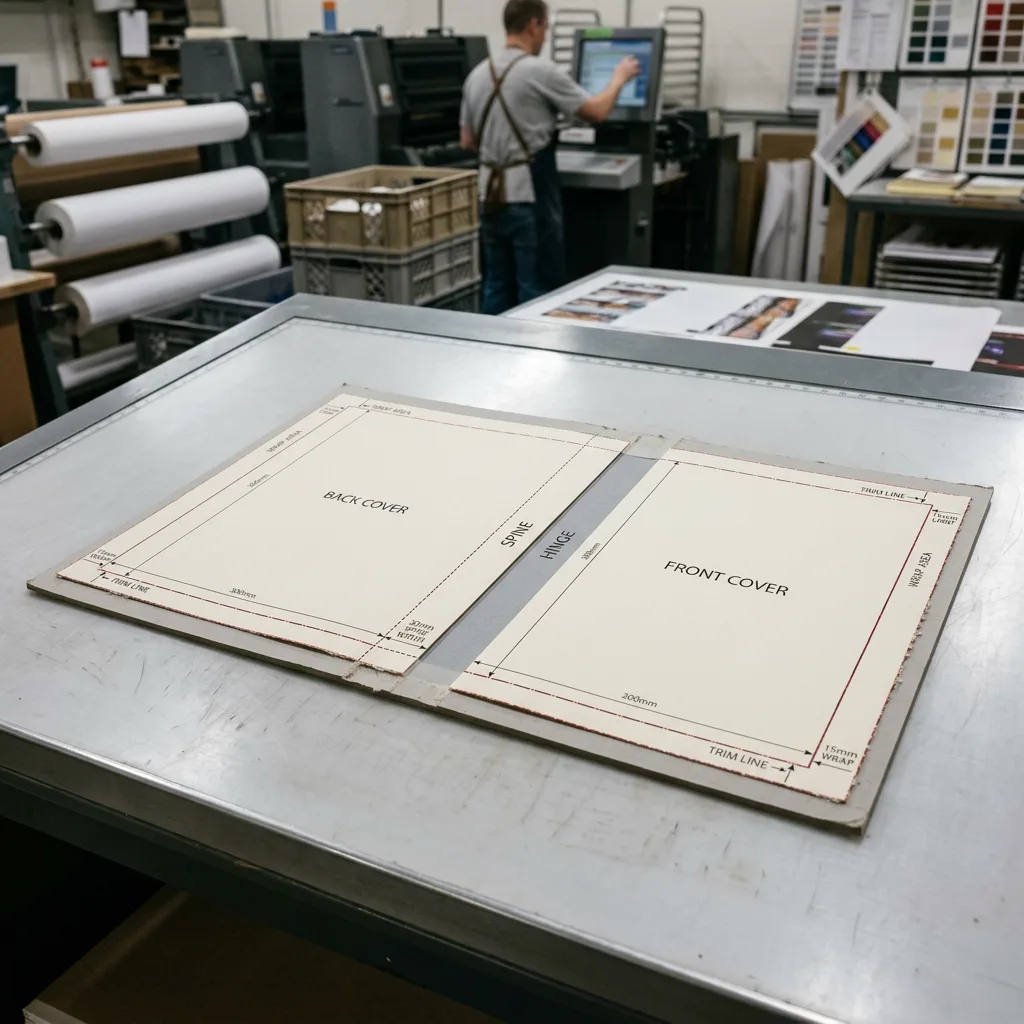

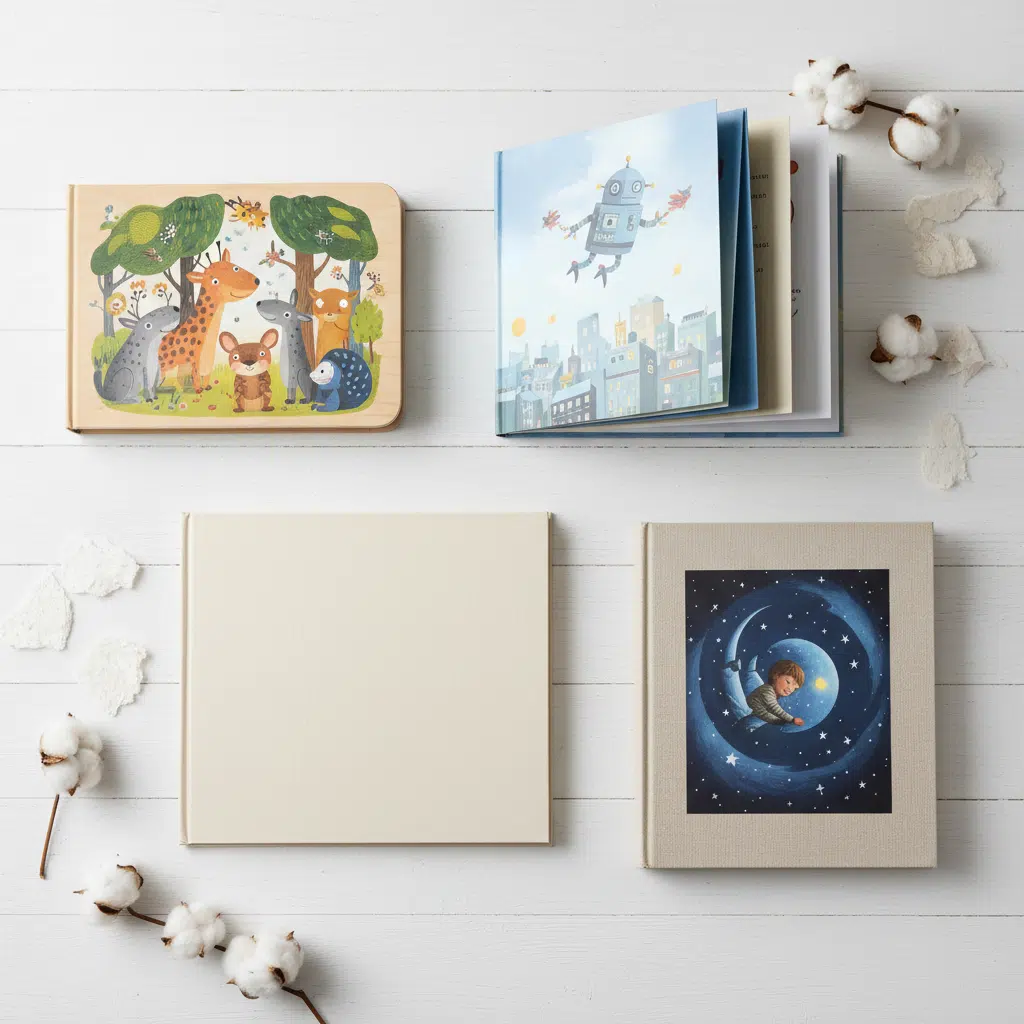
Choosing the right paper is one of the most critical decisions in the manufacturing of children’s books. Unlike standard trade paperbacks, children’s literature requires materials that can withstand rough handling, display vibrant illustrations, and meet strict safety standards. For B2B buyers, publishers, and self-publishing authors, understanding the technical specifications of paper stocks is essential for balancing quality, durability, and production costs.
Whether you are producing a sturdy board book for toddlers or an illustrated picture book for early readers, the paper substrate defines the final product’s look and feel. This guide details the five primary paper types used in professional book printing, along with technical insights into grammage (GSM), finishes, and application scenarios.
Five Essential Paper Types for Children’s Books
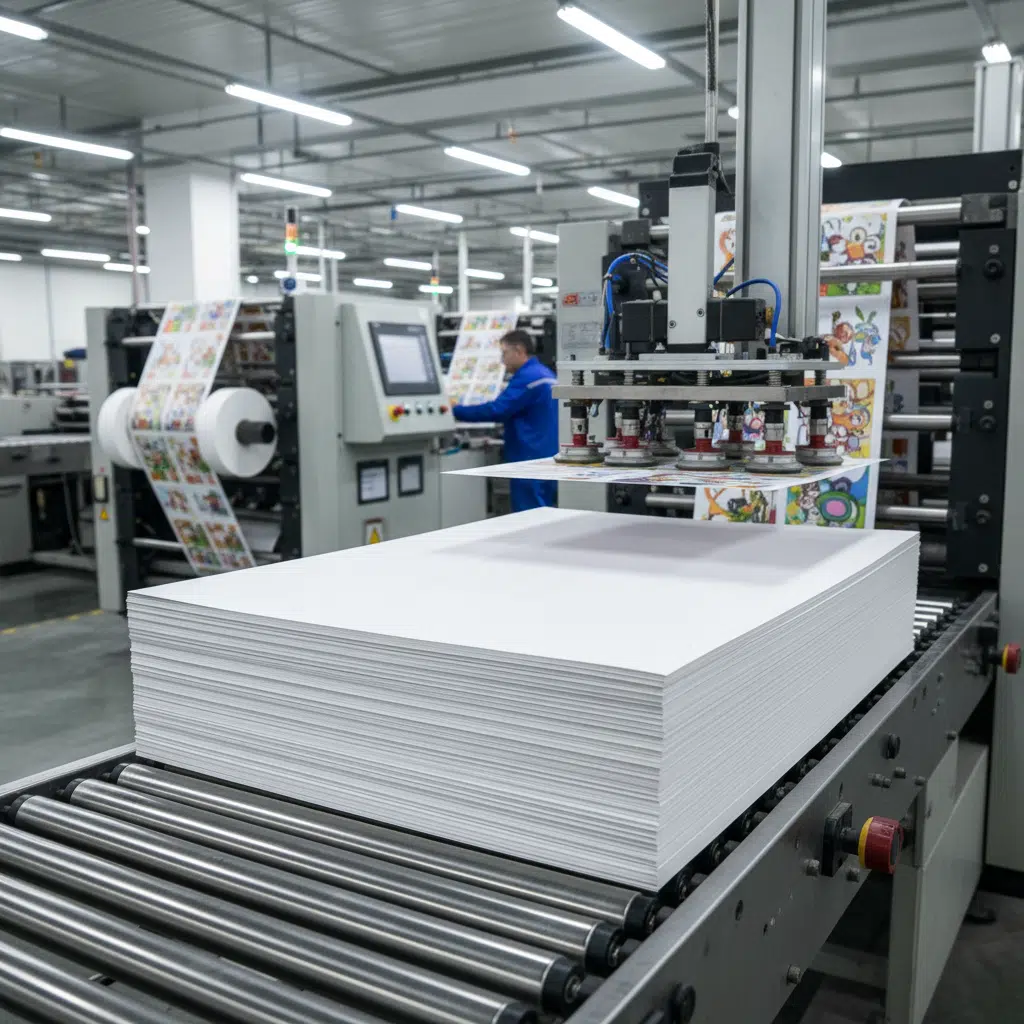
In the commercial printing industry, paper is generally categorized by its coating, weight, and pulp composition. Below are the five most common options utilized in children’s book manufacturing.
1. Coated Paper (Gloss Art Paper)
Industry Terms: Gloss Art Paper, C2S (Coated Two Sides)
Coated paper is the industry standard for picture books requiring high color fidelity. It features a smooth surface treated with a clay coating that seals the paper fibers. This prevents ink from being absorbed too deeply, keeping the pigment on the surface for maximum vibrancy.
- Key Features: High whiteness, smooth texture, excellent tensile strength, and water resistance. The glossy finish makes colors pop and offers a slight protective layer against moisture and sticky fingers.
- Best Applications: Full-color picture books, illustrated encyclopedias, and book covers.
- Common Weights: 128gsm and 157gsm are standard for inner pages; 200gsm to 300gsm are typical for softcovers.
2. Matte Coated Paper
Industry Terms: Matte Art Paper, Dull Art
Matte paper is technically a coated paper, but the coating is formulated to diffuse light rather than reflect it. This results in a sophisticated, non-glare finish. It is often preferred for educational books where readability is paramount, as it reduces eye strain under bright lights.
- Key Features: Low reflectivity, high opacity, and a more rigid feel compared to gloss paper of the same weight. It provides a tactile, premium experience and absorbs ink slightly more than gloss, resulting in softer, more natural tones.
- Best Applications: Art books, educational texts, and stories with softer, pastel illustration styles.
- Common Weights: 105gsm, 128gsm, and 157gsm for text blocks; up to 300gsm for covers.
3. White Cardboard (C1S/SBS Board)
Industry Terms: C1S (Coated One Side), SBS (Solid Bleached Sulfate), Ivory Board
White cardboard is a thick, stiff paperboard made from bleached chemical pulp. It is engineered for structural integrity. In children’s publishing, this material is the foundation of board books, where two sheets of cardboard are mounted (glued) together to create thick, unbending pages that toddlers cannot tear.
- Key Features: High stiffness, excellent smoothness on the coated side, and superior durability. It is designed to withstand chewing, bending, and throwing.
- Best Applications: Board books for infants (0-3 years), flashcards, puzzle pieces, and hardcover casewraps.
- Common Weights: 250gsm, 300gsm, 350gsm, and 400gsm. For board books, two layers of 350gsm are often mounted to create a 700gsm+ page thickness.
4. Offset Paper (Woodfree / Dowling Paper)
Industry Terms: Woodfree Uncoated, Offset Paper, Bond Paper
Often referred to regionally as “Dowling paper,” offset paper is uncoated and has a natural, rougher texture compared to art papers. Because it lacks a clay coating, ink is absorbed into the fibers, giving images a flatter, matte appearance. This paper is essential for activity books where the user needs to interact with the page.
- Key Features: High opacity, non-reflective, and writable surface. It must be pH neutral (acid-free) to prevent yellowing over time.
- Best Applications: Coloring books, workbooks, activity books, and text-heavy novels for older children (middle grade).
- Common Weights: 70gsm, 80gsm, 100gsm, and 120gsm. Higher opacity (100gsm+) is recommended for coloring books to prevent marker bleed-through.
5. Pearl Paper (Specialty Stock)
Industry Terms: Pearlescent Paper, Metallic Paper
Pearl paper is a specialty substrate featuring a shimmering, metallic coating. It is composed of bottom fibers, fillers, and a unique surface treatment that reflects light with a pearly luster. While more expensive, it adds significant perceived value to gift editions.
- Key Features: Unique shimmer, smooth surface, and heavy feel. It requires specific printing handling (often UV drying) to ensure ink adheres correctly to the metallic surface.
- Best Applications: High-end fairy tale collections, holiday editions, dust jackets, and luxury packaging boxes.
- Common Weights: 120gsm for endpapers; 250gsm+ for covers or packaging.
Technical Guide: Choosing the Right GSM
Paper weight is measured in Grams per Square Meter (GSM). Selecting the wrong GSM can lead to books that are too flimsy or difficult to open. Use this reference for standard B2B specifications:
| Book Type | Recommended Inner Paper | Recommended Cover Paper |
|---|---|---|
| Standard Picture Book (Hardcover) | 157gsm Gloss/Matte Art Paper | 157gsm Art Paper mounted on 2.5mm Greyboard |
| Standard Picture Book (Softcover) | 128gsm – 157gsm Gloss/Matte | 250gsm – 300gsm C1S Card |
| Board Book | 300gsm – 400gsm C1S (Mounted) | Self-cover (same as inner pages) |
| Coloring / Activity Book | 80gsm – 120gsm Offset Paper | 250gsm C1S Card |
Safety and Durability Considerations
When manufacturing products for children, compliance is non-negotiable. Paper and ink choices must align with international safety standards.
- Chemical Safety: Papers and inks must be free from heavy metals and toxic substances. Ensure your printer complies with EN71 (Europe), ASTM F963 (USA), and CPSIA regulations.
- Surface Protection: Raw paper is rarely durable enough for children. Applying a lamination (PP) or aqueous varnish is standard practice. Lamination (gloss or matte) provides a plastic barrier that prevents tearing and allows the book to be wiped clean.
- Corner Rounding: For board books and heavy card products, rounded corners are a mandatory safety feature to prevent injury from sharp paper edges.
Procurement Tips for Publishers
When requesting quotes for five types of paper for printing children’s books, clarity on specifications will result in more accurate pricing and faster lead times.
- Define the Grain Direction: For board books and thick covers, grain direction is crucial to prevent warping. Experienced printers will optimize this, but it is worth confirming during the proofing stage.
- Request Wet Proofs vs. Digital Proofs: Digital proofs are good for checking text, but they do not accurately represent paper texture or color absorption. For bulk orders, request a wet proof (printed on the actual paper stock) or a dummy book (blank sample) to feel the paper weight and binding quality.
- Consider Sustainability: Many brands now request FSC-certified papers. Ask your printing partner about availability for specific paper grades if environmental compliance is part of your brand value.
Frequently Asked Questions
Q: Can I use offset paper for a full-color picture book?
Yes, but the colors will appear more muted and “retro” compared to coated paper. It is a stylistic choice often used for indie titles or nature themes.
Q: What is the difference between C1S and C2S?
C1S is “Coated One Side” (uncoated on the back), typically used for packaging or covers where the inside is glued to a board. C2S is “Coated Two Sides,” used for standard book pages where print appears on both sides.
Q: Why is my board book warping?
Warping usually occurs due to improper humidity control during manufacturing or incorrect grain direction alignment between the mounted sheets. Choosing a reputable manufacturer is key to avoiding this defect.
Q: What is the minimum order quantity (MOQ) for custom paper types like Pearl paper?
Specialty papers often require higher MOQs (typically 1,000+ copies) because the paper mill may not stock them in small rolls. Standard coated and offset papers are more flexible for shorter runs.
Ready to Print Your Children’s Book?
Selecting the right paper is the first step in bringing your story to life. Whether you need the vibrant durability of gloss art paper or the interactive texture of offset stock, we can guide you through the manufacturing process.
Contact us today to request a free sample kit or get a custom quote for your next project.